What Is The 1000 Year Old Shop In Kyoto?
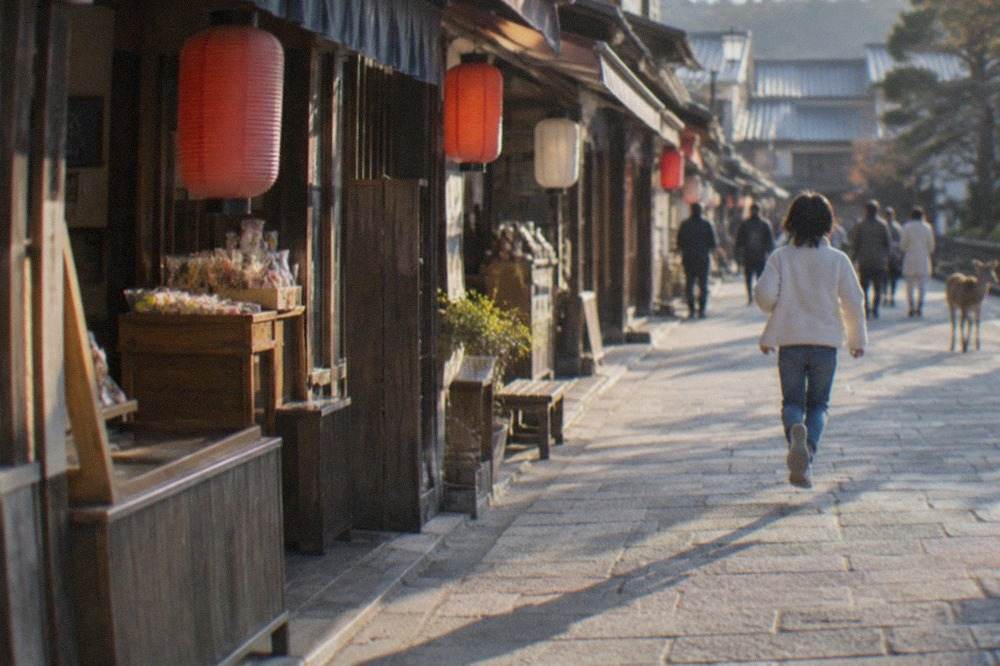
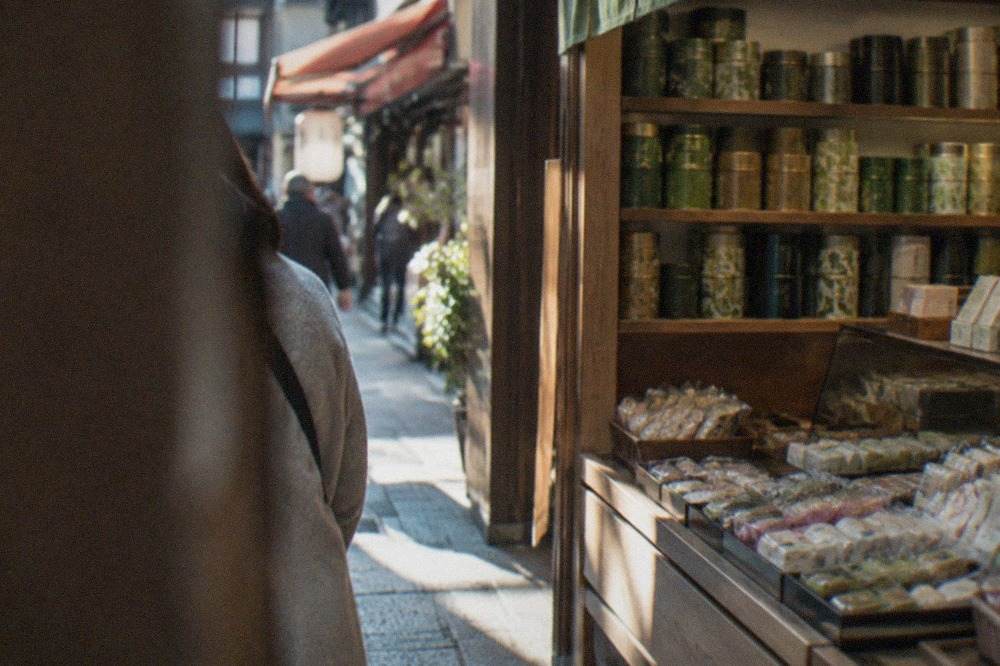
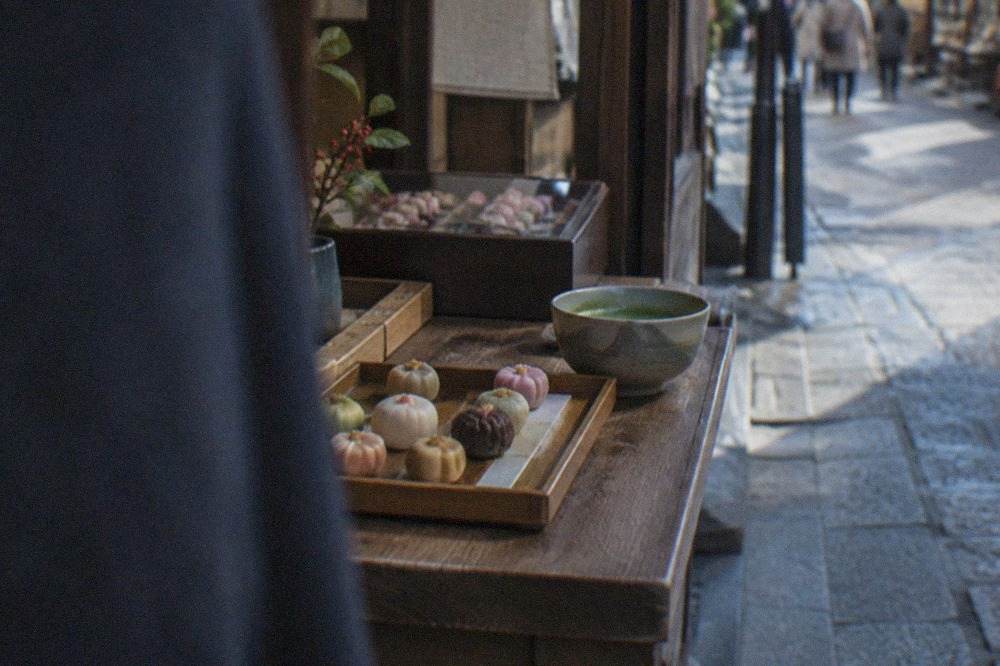
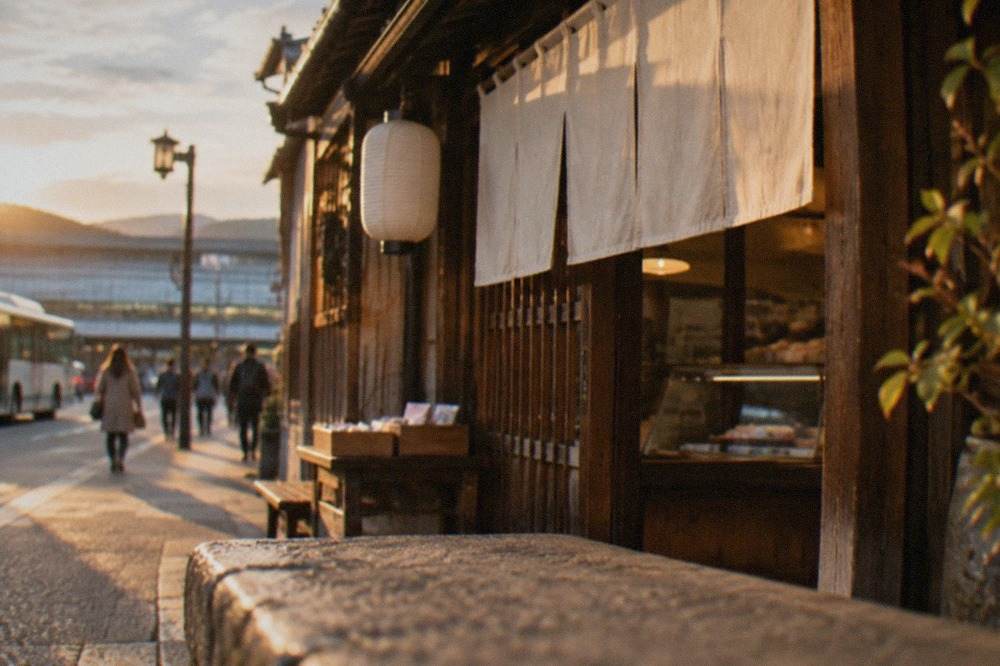
The 1000 year old shop in Kyoto is Ichimonjiya Wasuke, the aburamochi sweet shop beside Kiyomizu-dera. What it sells, how to visit it, and what else is nearby.
Straight answers to what visitors actually ask: how many days Kyoto needs, which temples charge admission and which ask nothing, when the blossom and the maples turn, and how the bus and subway passes work. Every number traces back to a primary source.
The 1000 year old shop in Kyoto is Ichimonjiya Wasuke, the aburamochi sweet shop beside Kiyomizu-dera. What it sells, how to visit it, and what else is nearby.
There is no single best restaurant in Kyoto, but the honest answer starts with Hyotei, the 400-year-old kaiseki house by Nanzen-ji that publishes its own prices. Here is what the city's food hierarchy actually looks like.
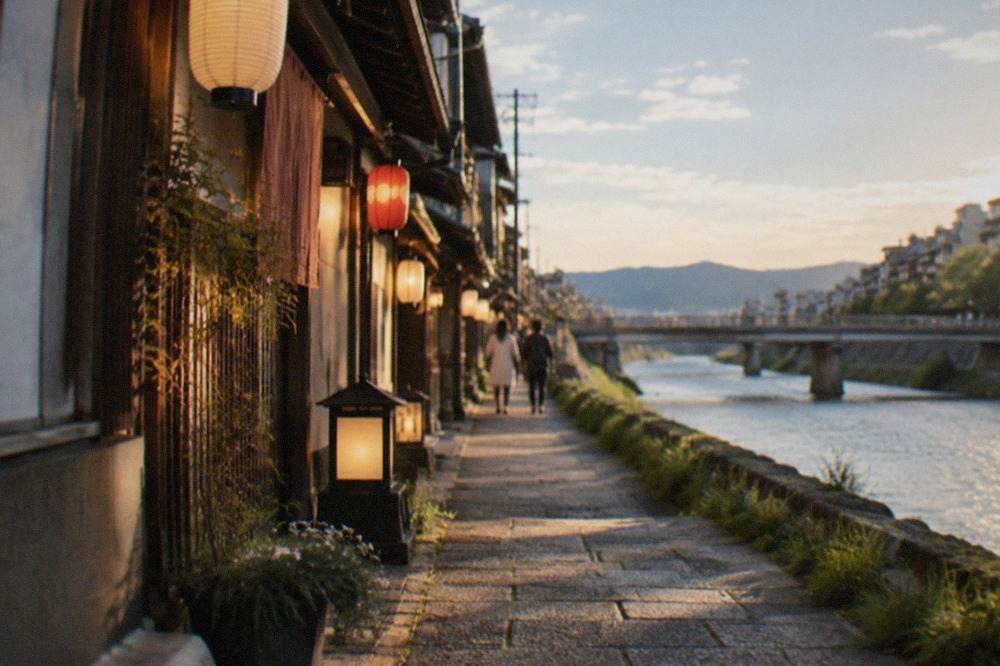
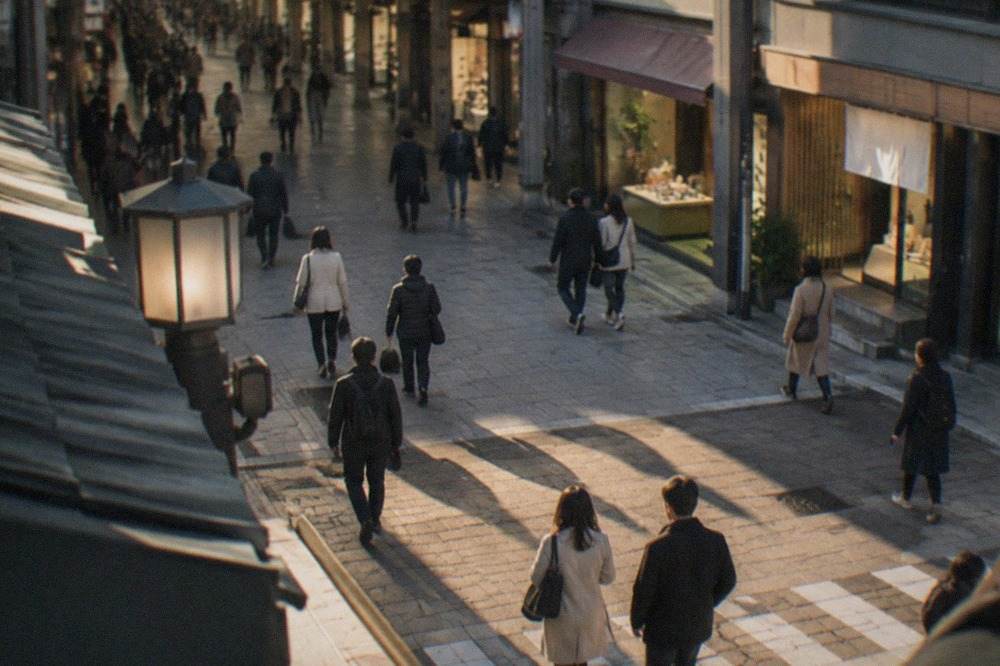
Kawaramachi and Pontocho, the downtown strip along the Kamo river, make the strongest case for Kyoto's coolest neighbourhood, and here is why it beats the guidebook areas.
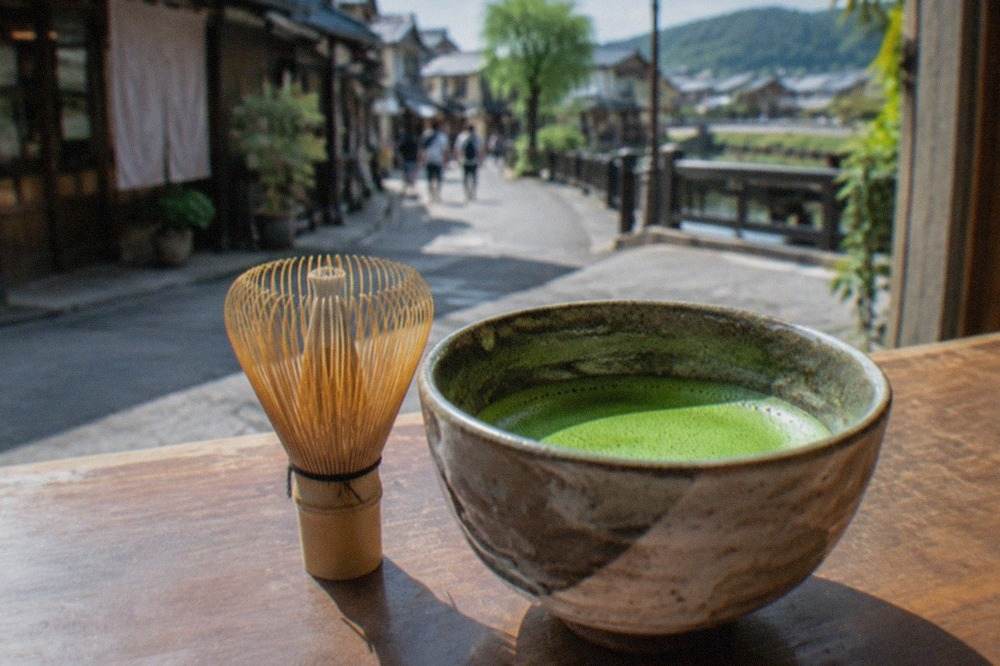
Matcha is powdered green tea made anywhere in Japan. Uji matcha is matcha grown and milled in the Uji region of Kyoto Prefecture, the historic heart of Japanese tea. Here is what separates them, what it costs, and how to taste the difference.
A practical comparison of staying in downtown Kyoto versus Gion: costs, the 2026 accommodation tax, crowds, food, transport and which area suits a first visit.
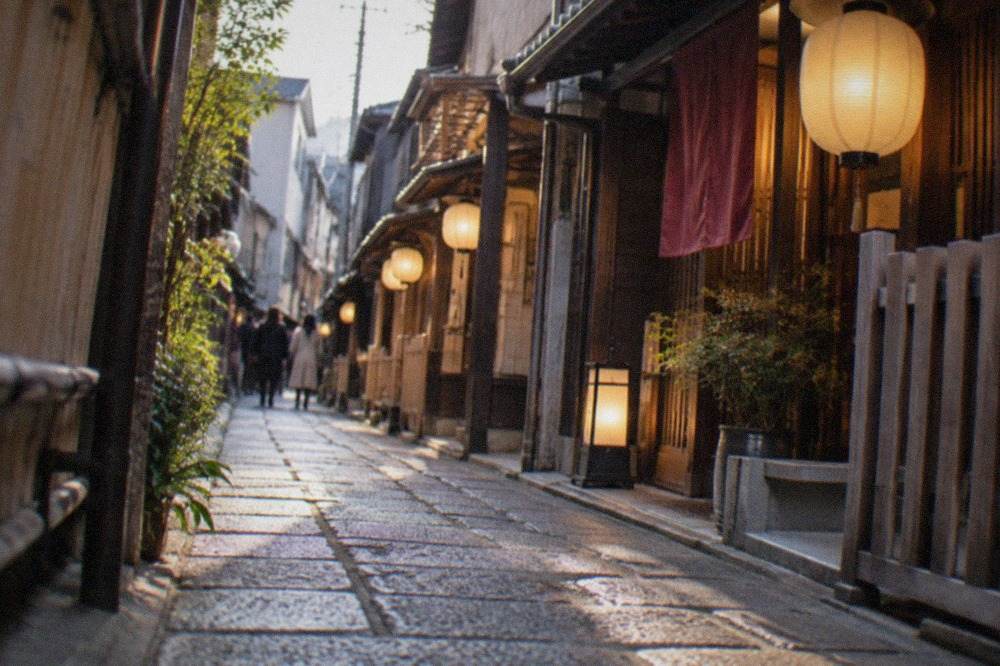
Pontocho Alley is Kyoto's most famous alley, a narrow stone lane of restaurants and tea houses between the Kamo River and Shijo-dori. Here is what to expect, plus the other alleys worth walking.
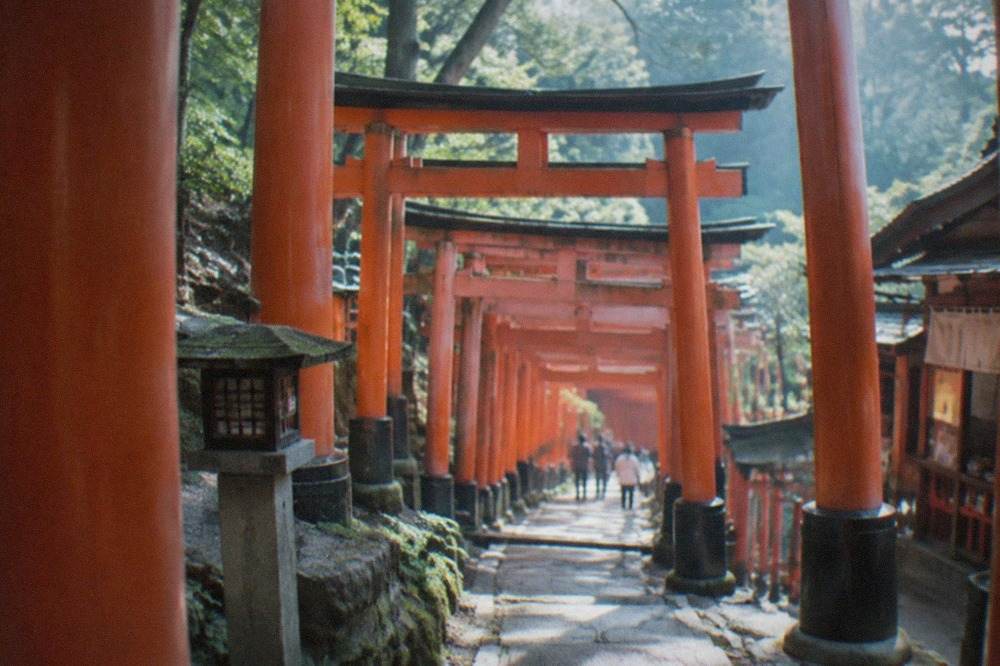
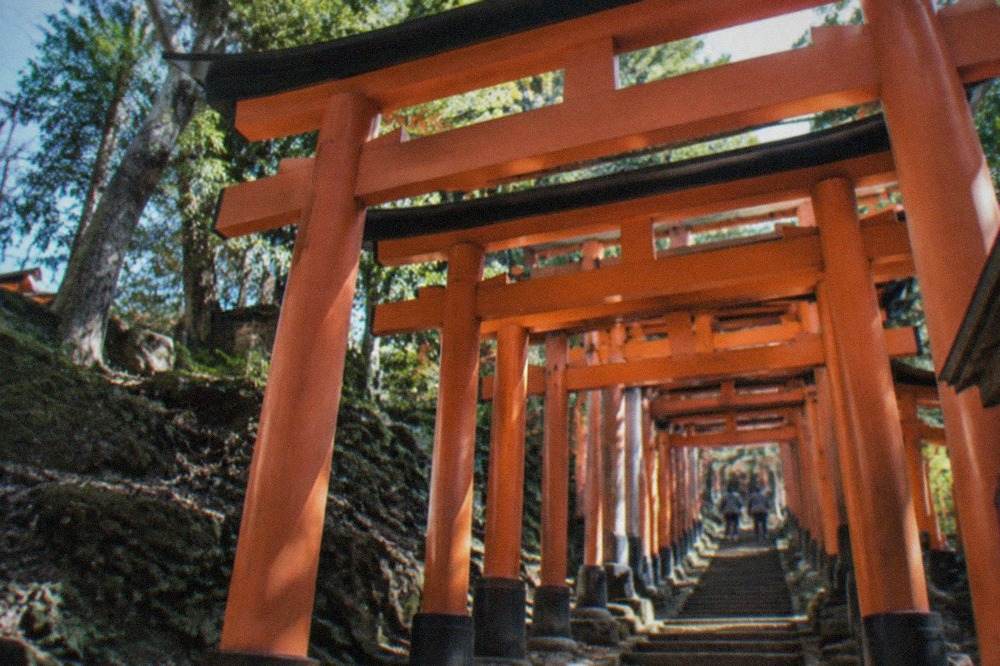
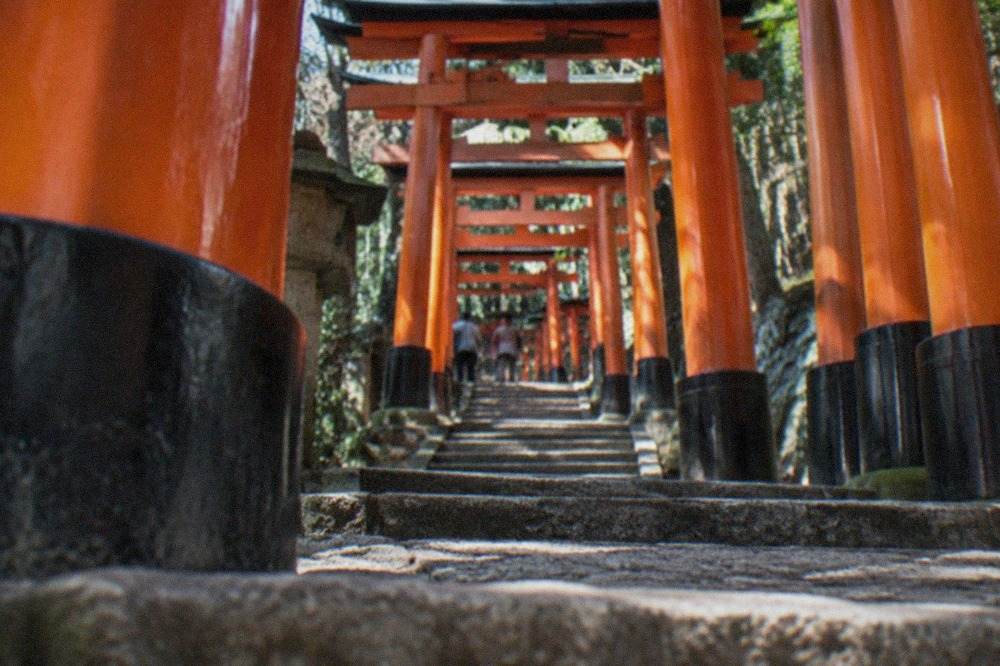
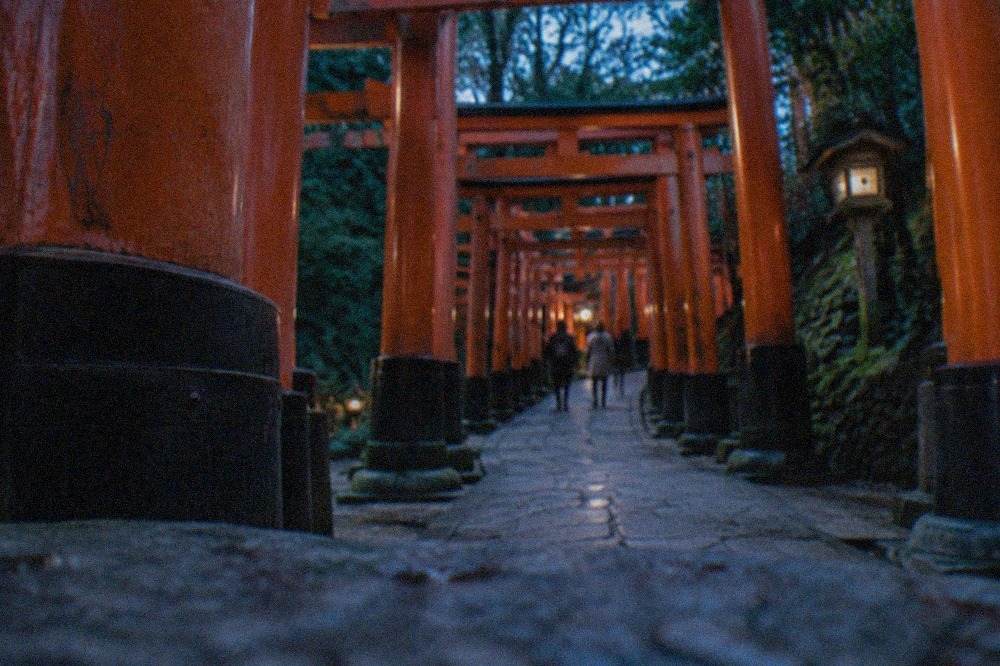
The honest answer to how long the Fushimi Inari climb takes, with the route stages, what to see at each level, and when to go to dodge the crowds.
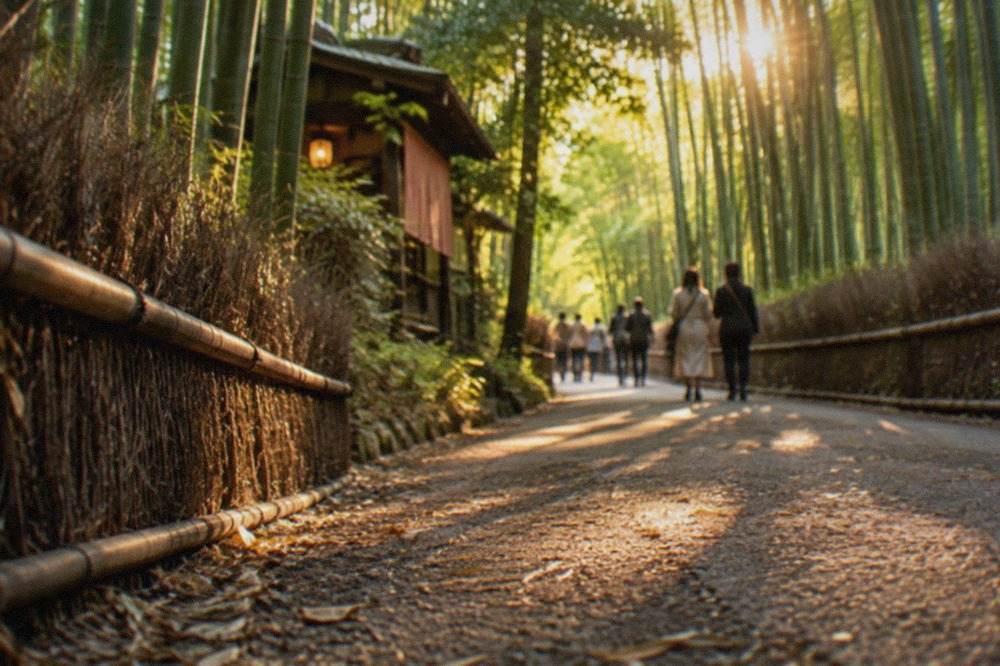
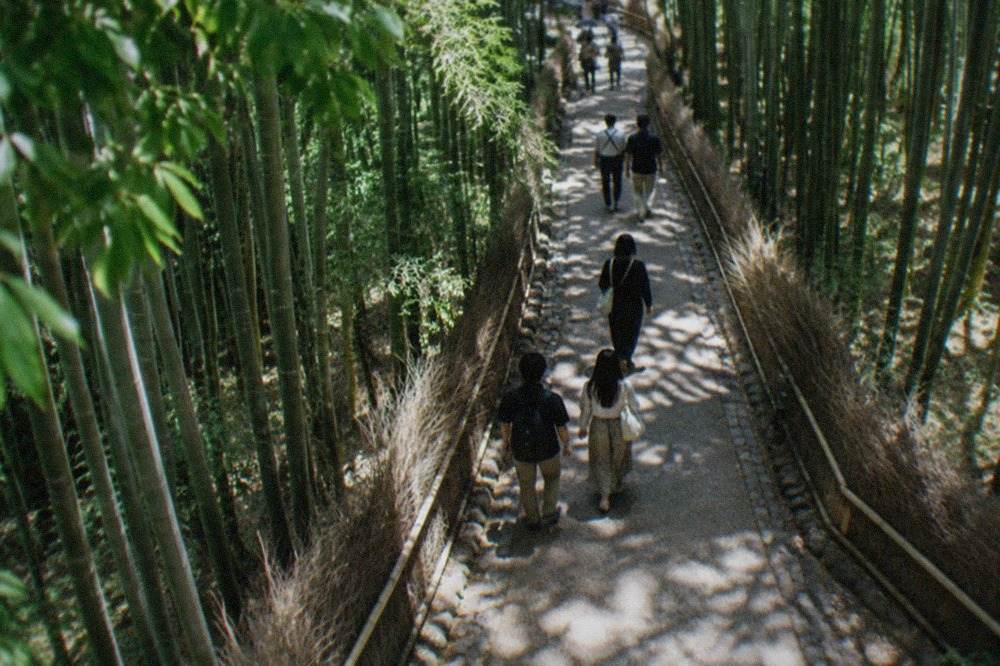
The Arashiyama bamboo grove walk itself is short, but the district around it is not. Here is how to budget your time, what each stop costs, and when the path is quiet.
How many days in Kyoto is enough? A verified answer built on temple hours, 2026 fees and the city's own 2025 visitor survey, with day-by-day plans for 2, 3, 4 and 5 days.
An honest answer to what dinner costs in Kyoto, built on prices a restaurant actually publishes: Hyotei's kaiseki menu, its annex dishes, and food tours with verified rates.
Ghibli Park sits in Aichi Prefecture between Japan's two biggest tourist cities. Here is how the access works from Kyoto and Tokyo, and what to do instead if the trip does not fit.
Is Gion in Kyoto worth visiting? An honest verdict on the geisha district: what you actually see, the photography rules, the crowds, and what a first-time visitor should expect.
Flying Tokyo to Kyoto means connecting through Itami or Kansai International, while the Shinkansen runs city centre to city centre. Here is the honest comparison.
Kyoto puts the temples at your door but costs more after the 2026 tax change; Osaka is cheaper at night and louder. A practical comparison of cost, transport and crowds for choosing your base.
Kyoto after dark: what the city's own rules, transport schedules and 2025 visitor survey actually say about walking around Kyoto late at night.
Is Kyoto worth visiting? An honest, data-backed answer covering crowds, costs, the 2026 fee and tax changes, and who should skip it.
Nara sits between Kyoto and Osaka, marginally nearer Osaka on the map, but the rail ride from Kyoto takes only about 45 minutes on the JR Miyakoji Rapid. Here is how the two bases compare.
Shijo-dori is Kyoto's main shopping street, running from Karasuma to Kawaramachi and Gion, with the Teramachi and Shinkyogoku arcades and Nishiki Market one block north. Here is how to shop it.
The most beautiful shrine in Kyoto, ranked and argued from fees, crowds and the shrines' own records: Fushimi Inari, Heian Shrine, Kifune Shrine and more.
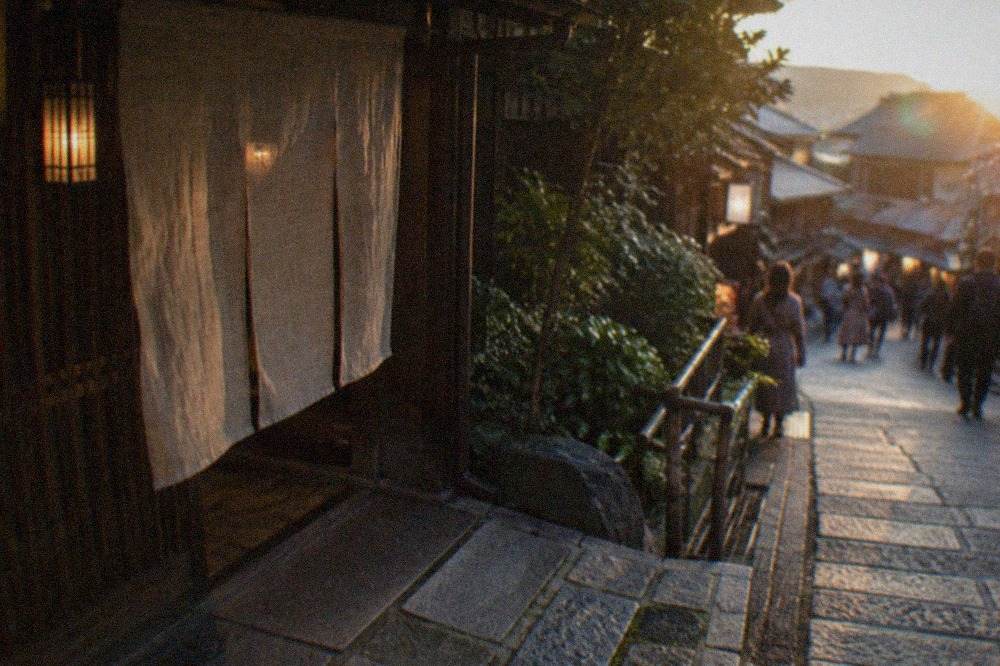
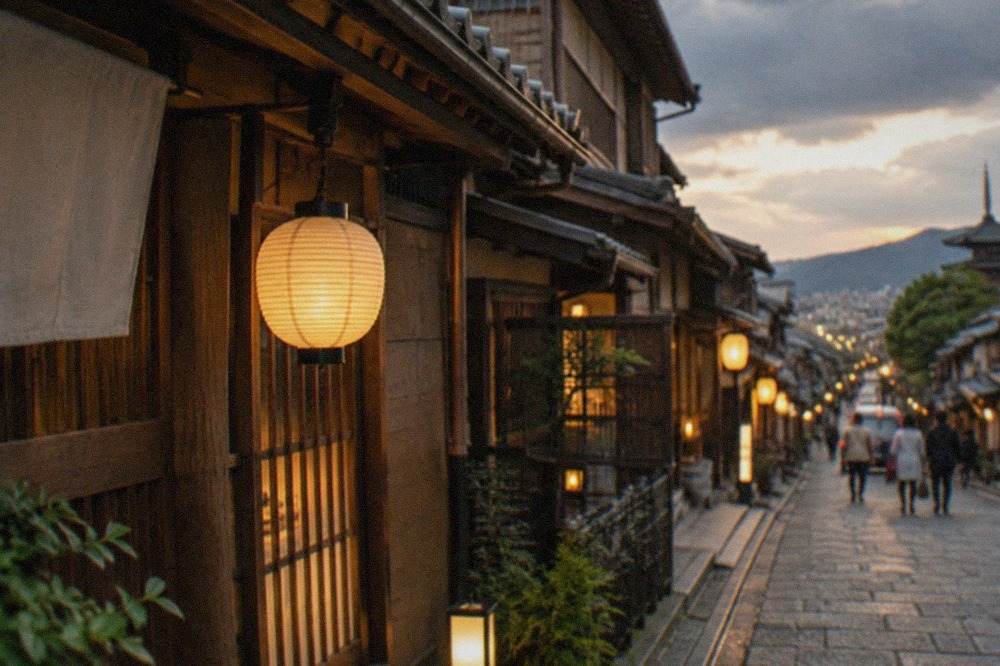
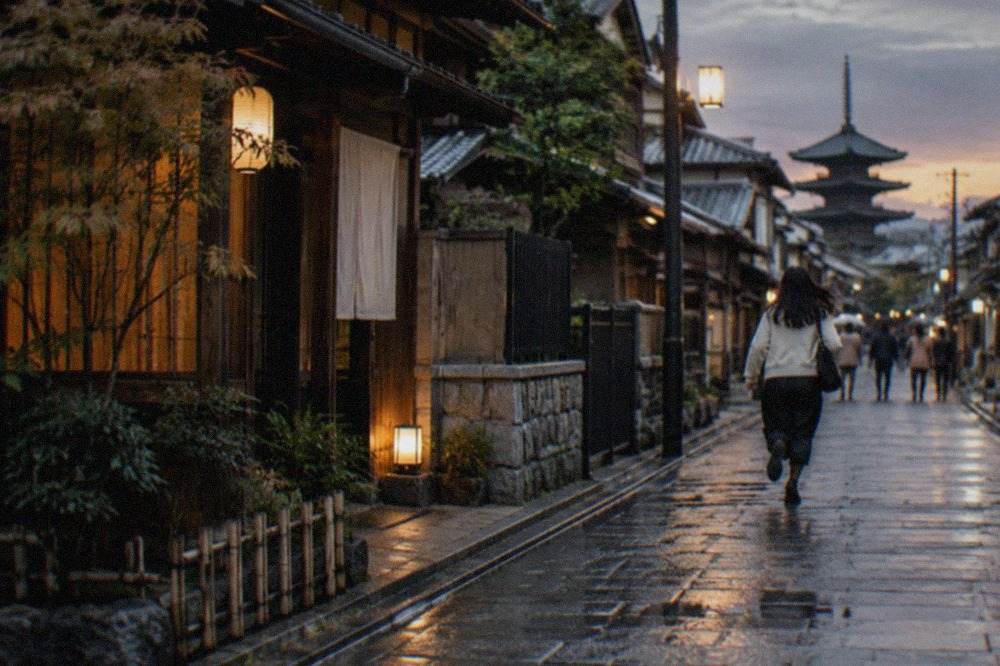
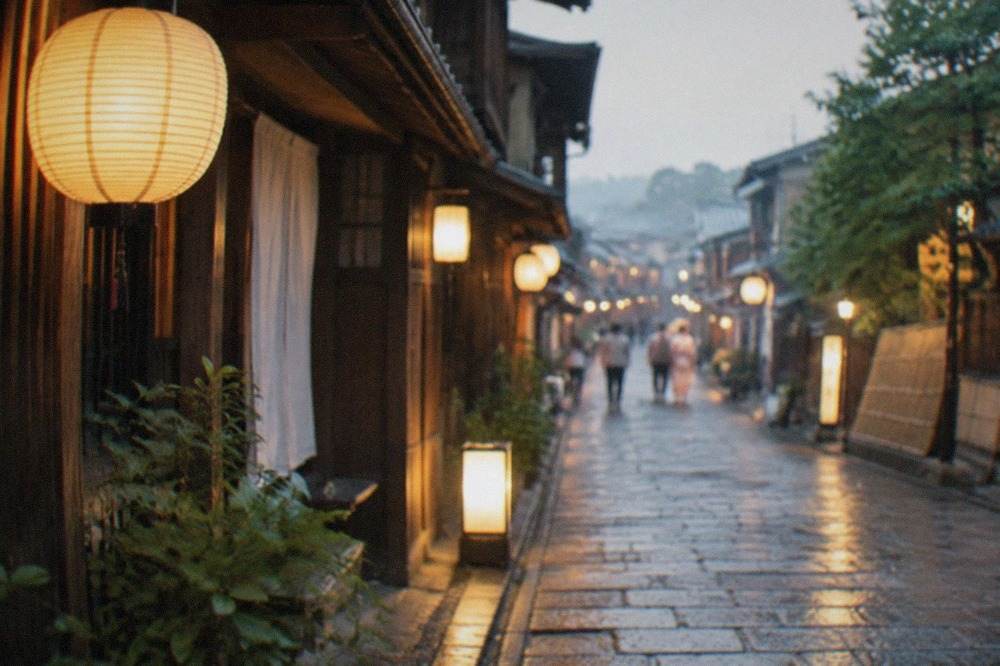
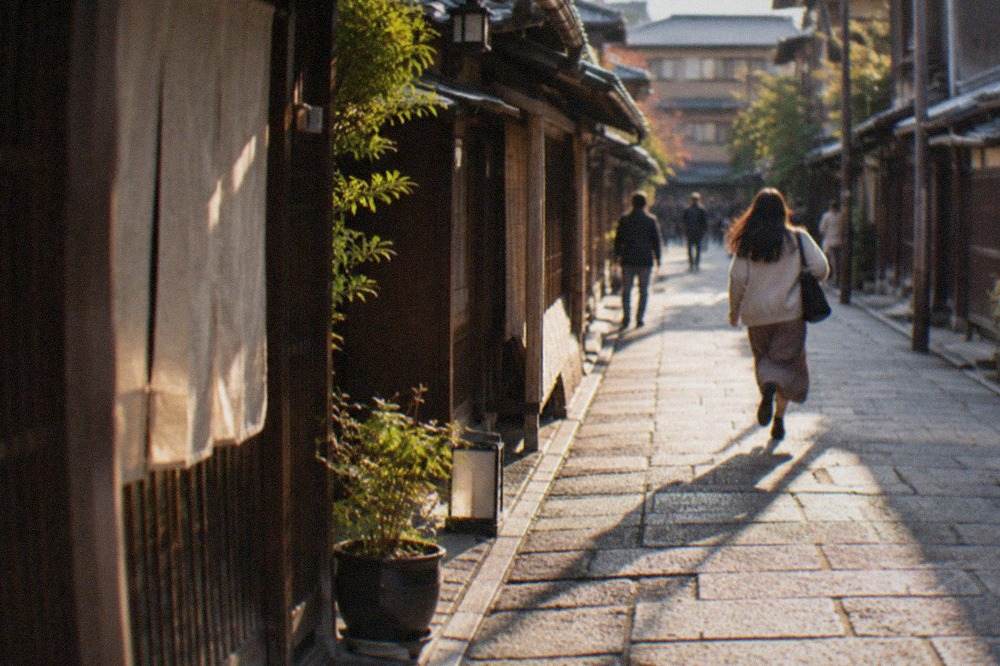
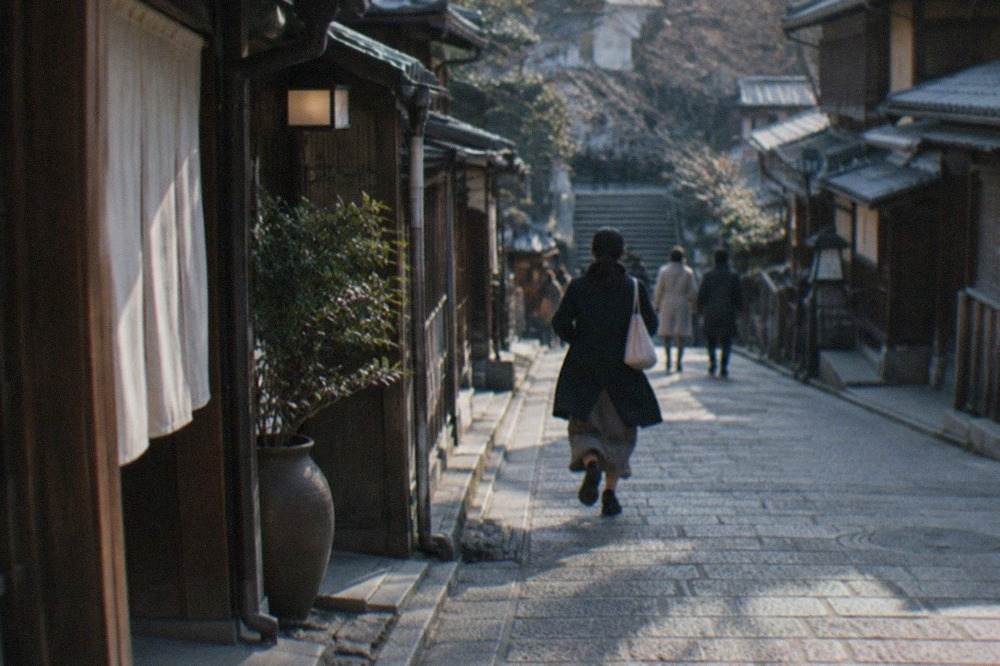
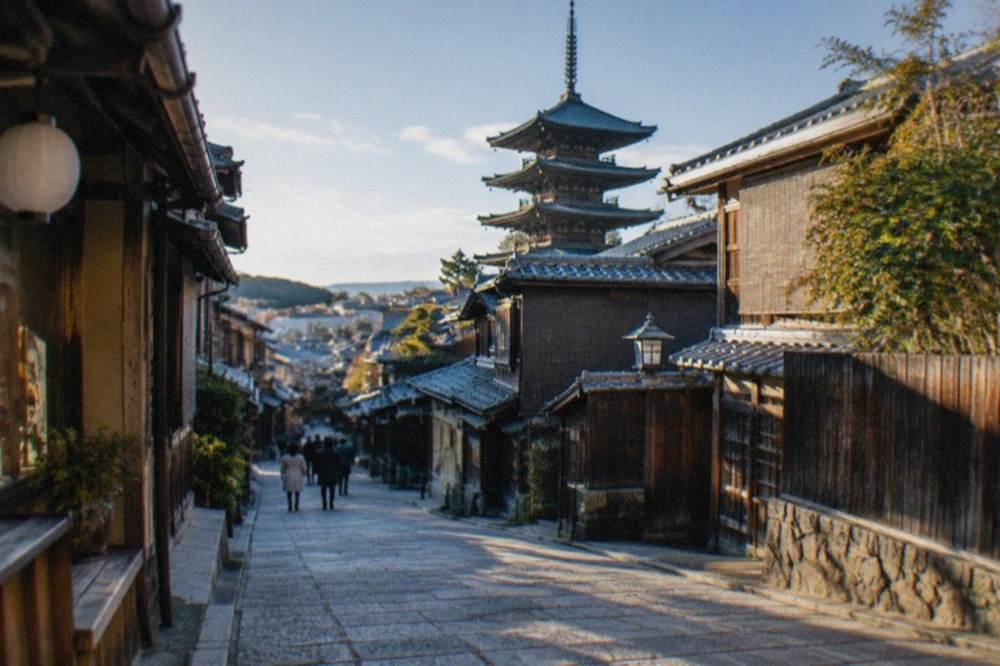
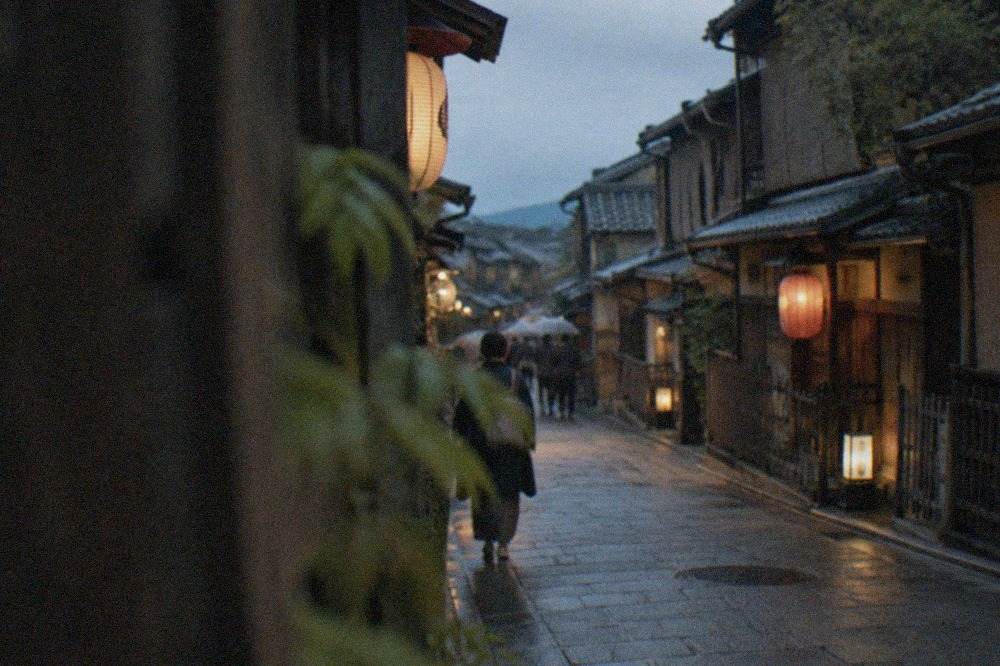
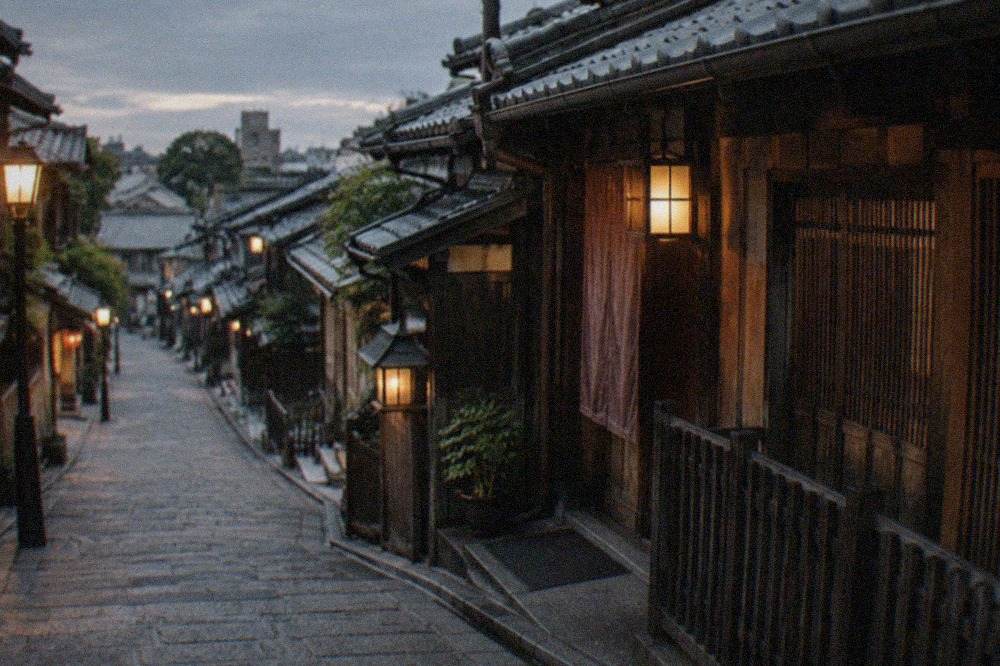
Ninenzaka and Sannenzaka, the two preserved stone slopes below Kiyomizu-dera, are the most beautiful streets in Kyoto. Here is why, plus the other lanes worth your time.
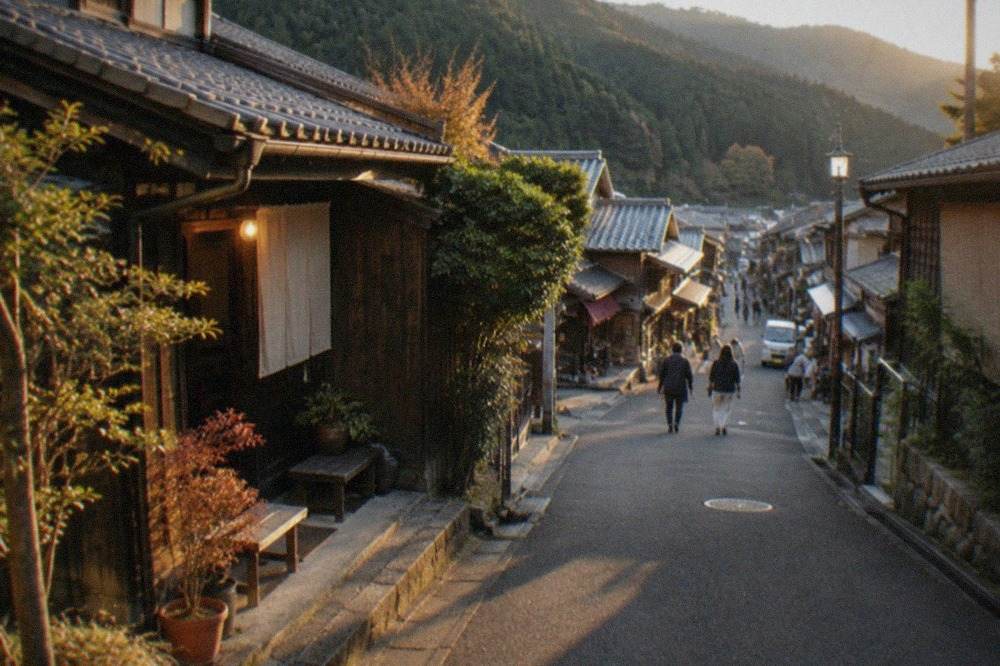
The honest answer to which village in Kyoto is the most beautiful, with Kurama and Kibune, Miyama and Ohara compared, plus transport, seasons and where to stay.
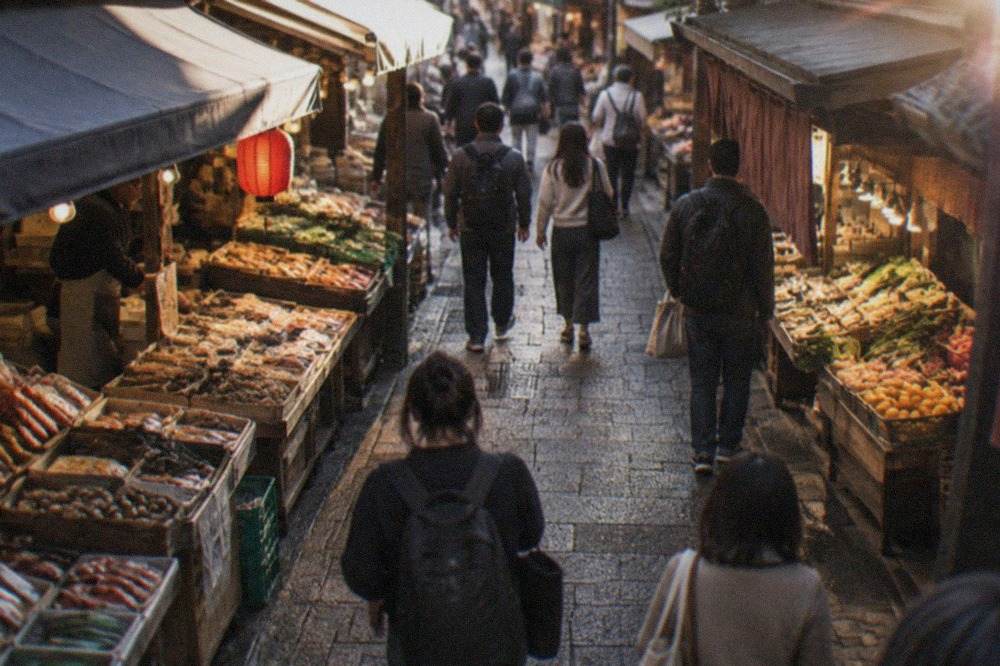
Nishiki Market is Kyoto's most famous food street: a 390-metre covered lane of some 130 shops. What to eat, what it costs, and the rules to know before you go.
The honest answer to Kyoto's hardest prioritisation question: which single temple deserves your limited time, with verified fees, hours and free alternatives.
Higashiyama's preserved lanes around Kiyomizu-dera are widely held to be the prettiest part of Kyoto, with Arashiyama and the Fushimi Inari mountain as the rivals. Here is how the areas compare.
Kyoto is the stronger city for a ryokan stay, and the reasons are structural: garden-backed architecture, walkable old districts, and a pace built around the evening. Here is how the two cities compare.
Are there sleeping pods in Kyoto? An honest answer based on what could and could not be verified, plus capsule-hotel basics and what to do instead when you need rest between trains.
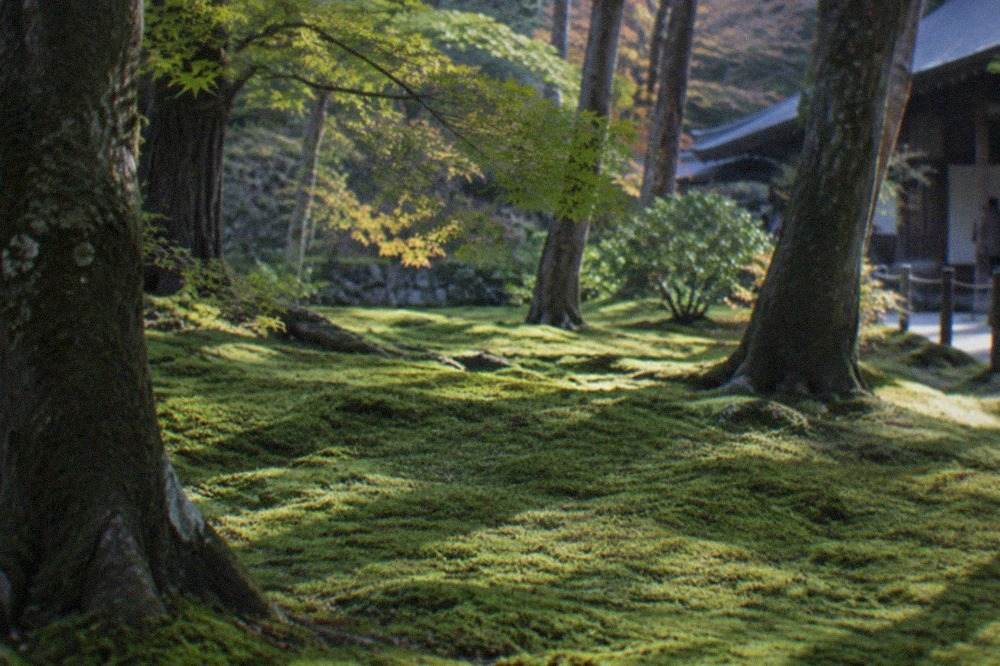
The Kyoto temple most often linked to Steve Jobs is Saiho-ji, the moss temple in the western hills, reached only by advance reservation. Here is what the story actually says, and how to visit the Zen temples that shaped it.
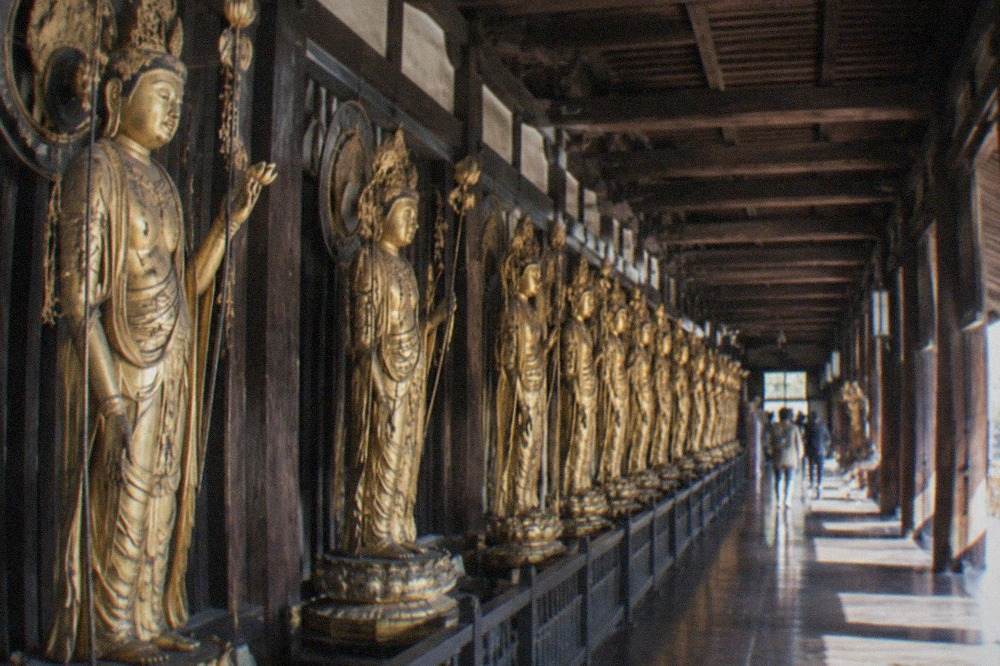
The temple with 1000 faces in Kyoto is Sanjusangen-do, formally Rengeo-in, whose hall holds 1,001 Kannon statues. Here are its fees, hours and the legend behind the faces.
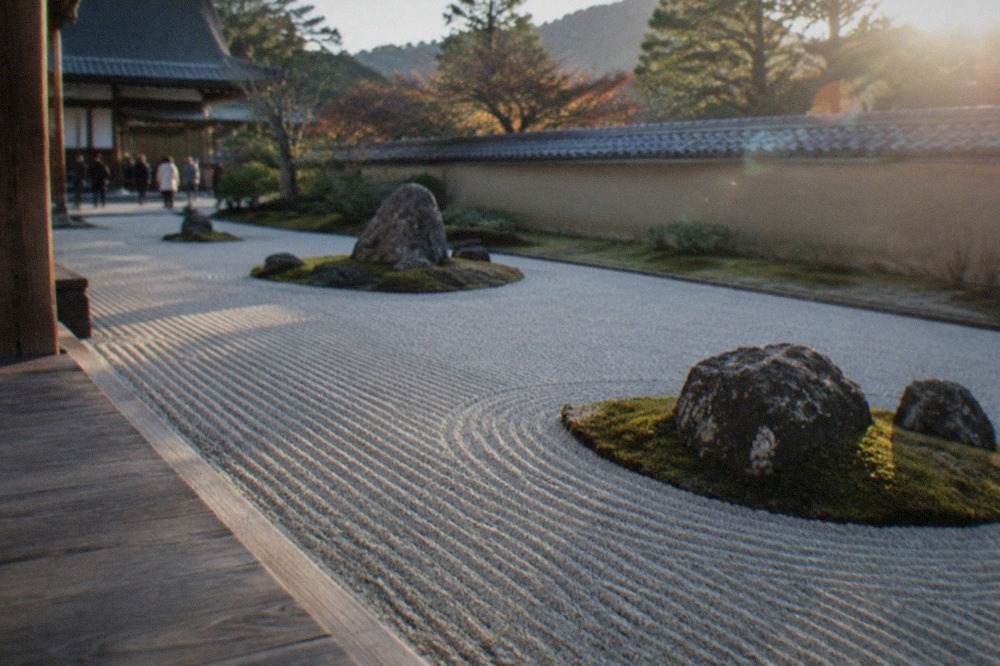
The five Zen temples worth your time in Kyoto, with current verified admission fees, hours and what makes each one different, from Ryoan-ji's rock garden to Tofuku-ji's autumn maples.
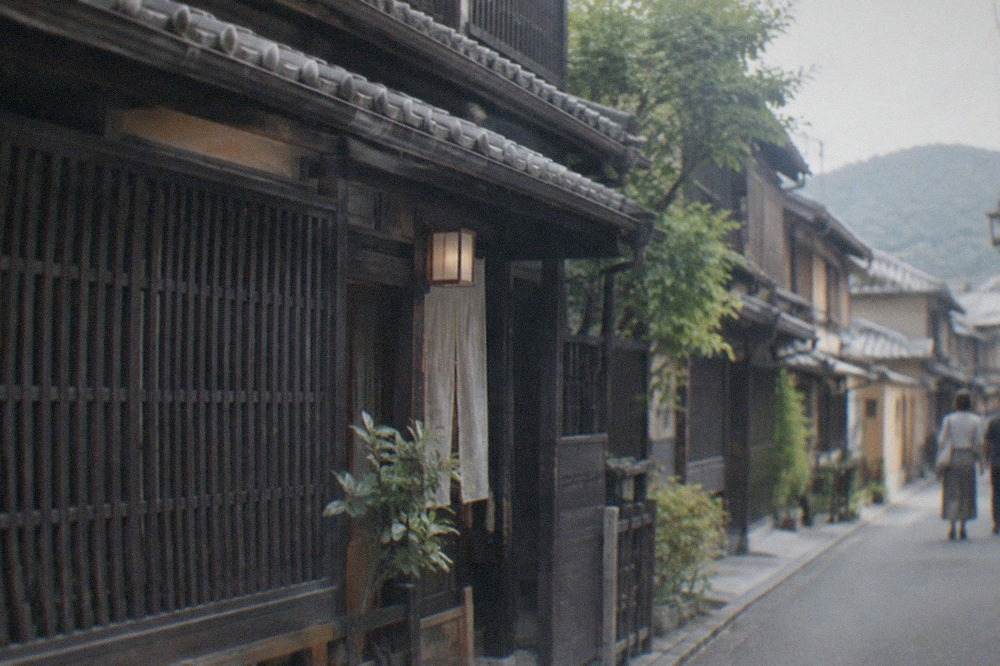
The traditional Japanese house in Kyoto is the machiya, a narrow wooden townhouse with tatami rooms, sliding doors and a courtyard garden. Here is what one is, where to see one, and how to stay in one.
The five geisha districts of Kyoto, called hanamachi, explained: Gion Kobu, Miyagawacho, Pontocho, Kamishichiken and Gion Higashi, with what to see in each and the conduct rules that apply.
The foods Nara is actually famous for, from kakinoha sushi and pounded mochi to Narazuke pickles and miwa somen, with verified transport and admission figures for the day trip from Kyoto.
Kyoto is known for its temples, shrines, geisha districts, kaiseki dining and summer festivals. Here is what the verified numbers say about Japan's ancient capital.
Kyoto style cooking, called washoku or kyo-ryori, is Japan's temple-shaped cuisine: seasonal, vegetable-led, lightly seasoned and built on dashi. Here is what defines it and how to taste it.
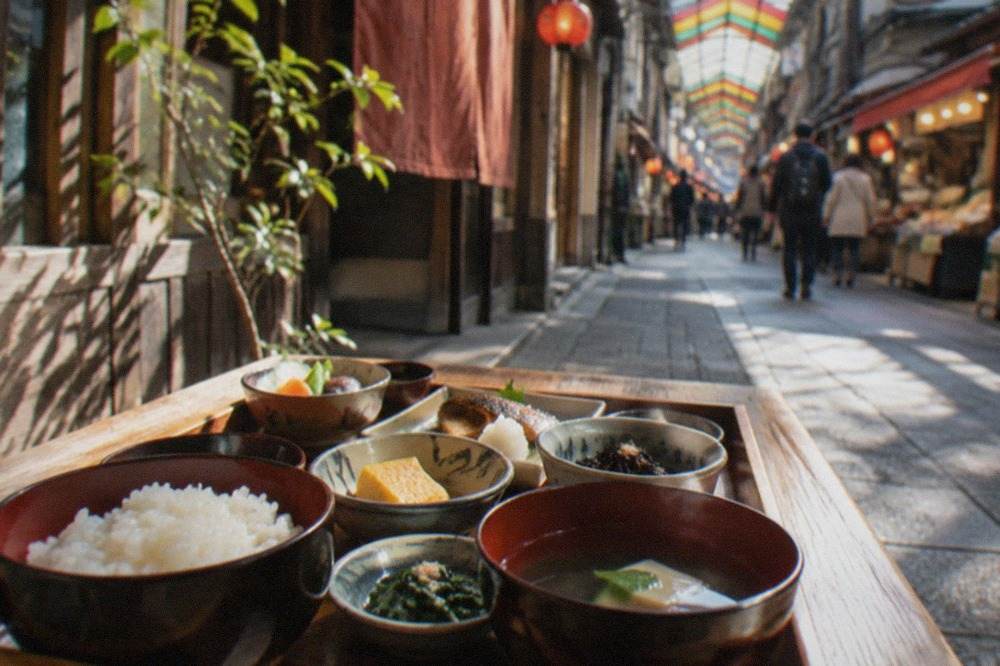
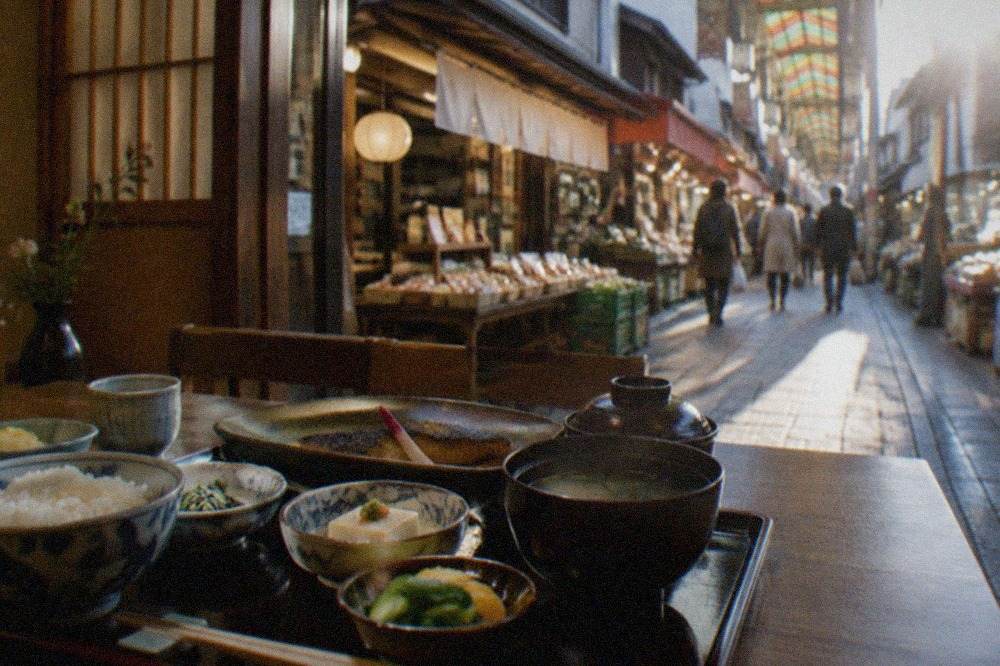
Kyoto's signature dish is kaiseki, the multi-course seasonal dinner that grew out of the tea ceremony. Here is what it is, what it costs at a famous house, and the humbler dishes locals actually eat.
The souvenirs worth buying in Kyoto: Uji matcha, Kiyomizu-yaki ceramics, yatsuhashi sweets, chopsticks, kimono and Fushimi sake, with what each really costs.
Arashiyama is special for its bamboo grove, the Hozugawa river gorge, a UNESCO Zen temple garden and a mountain of wild monkeys, all inside one walkable district west of Kyoto.
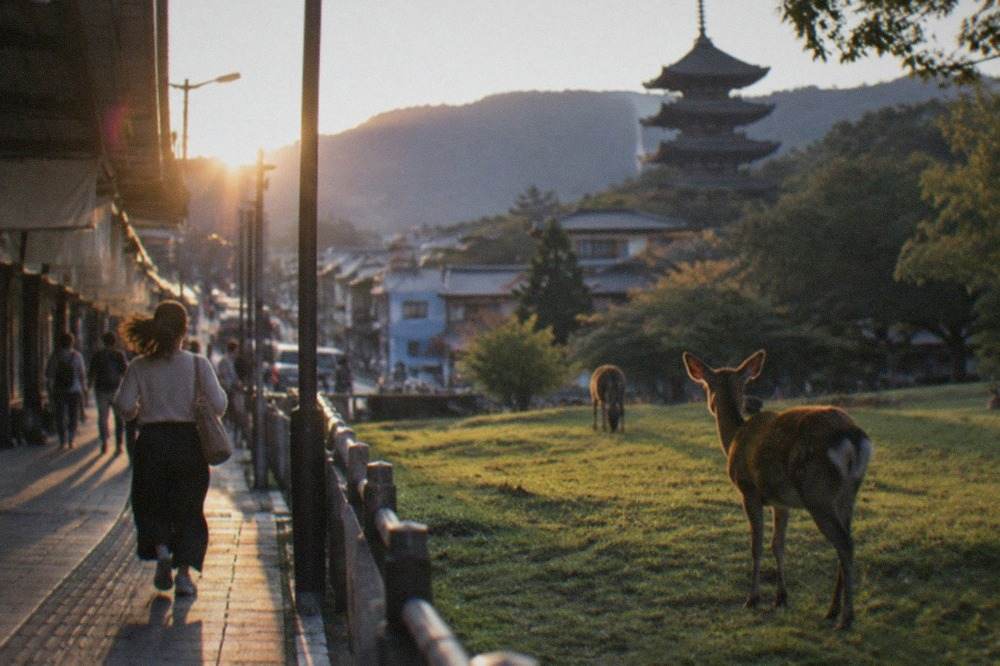
Nara Japan is special for its free-roaming sacred deer, the Great Buddha of Todai-ji, and a compact park city that is an easy day trip from Kyoto. Here is what makes it different.
The Nara deer controversy explained: rising deer numbers, 140 deaths in FY2025, plastic litter, and how Nara Park is responding. What visitors from Kyoto should know before a day trip.
Kyoto is famous for matcha desserts from Uji, yatsuhashi, warabimochi and seasonal kyo-wagashi. Here is what to eat, where, and how the calendar shapes the city's sweets.
The honest caution list for Kyoto: the 2026 accommodation tax change, Gion alley rules, bus pass mistakes, temple fee rises, July rain and heat, and how to avoid the crowds at 62.79-million-visitor scale.
Where Kyoto residents actually eat: the neighbourhoods, the markets and the price reality, with verified figures on Nishiki Market hours and what a local-price meal costs.
Kyoto Station, Sanjo, Gion-Shijo or Kiyomizu-Gojo: the honest answer to which station you should get off at in Kyoto, with verified fares and pass prices.
Nobody is buried at Fushimi Inari. The stone markers on the mountain are otsuka worship stones, not graves, and the shrine's own history explains what they actually are.
Photography is restricted on Gion's private alleys because of resident privacy and years of tourist harassment. Here is what the rules actually say, where they apply, and what a 10,000 yen sign really means.
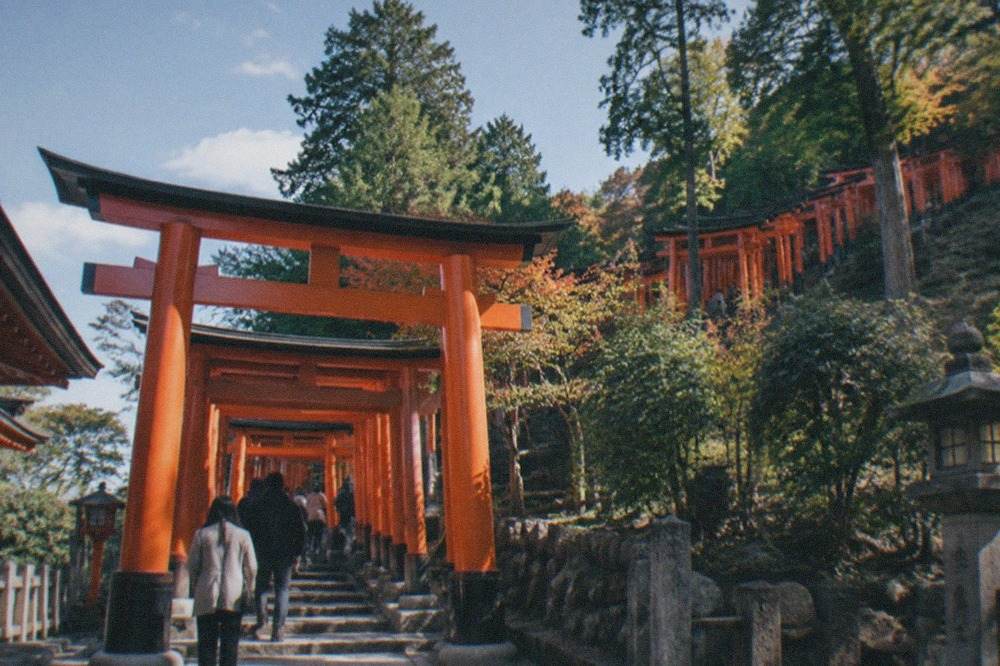
Fushimi Inari is famous for about 10,000 vermilion torii, free entry, and 1,300 years as the head shrine of Inari worship. Here is what the shrine itself says.
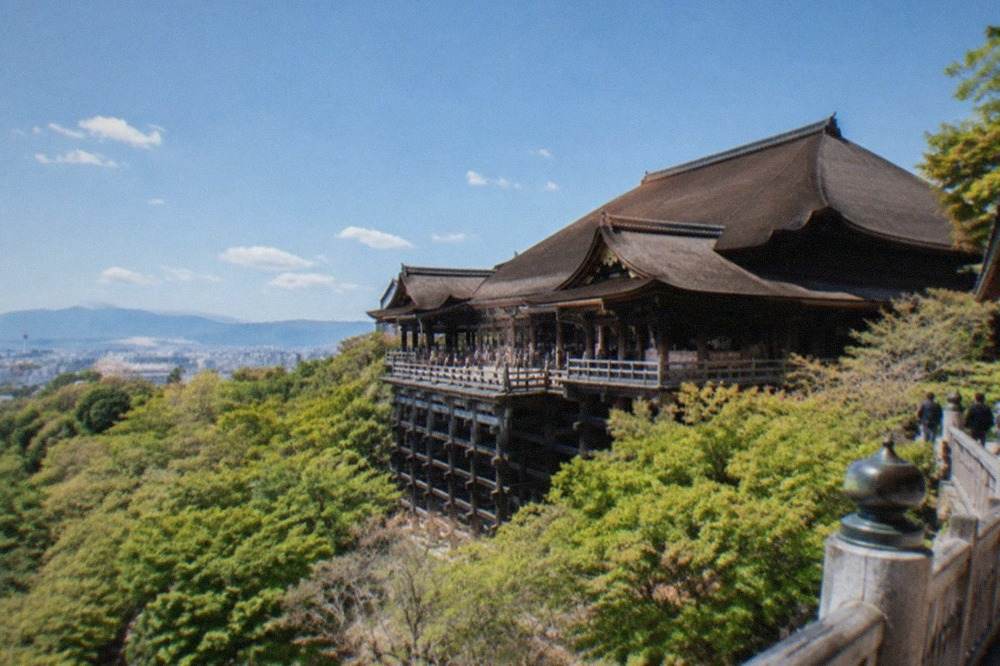
Kiyomizu-dera is Kyoto's most visited temple, famous for its hillside main hall, seasonal night illuminations and its position above the Higashiyama lanes. Here is what the verified record says.