What Is Famous To Eat In Nara?
The foods Nara is actually famous for, from kakinoha sushi and pounded mochi to Narazuke pickles and miwa somen, with verified transport and admission figures for the day trip from Kyoto.
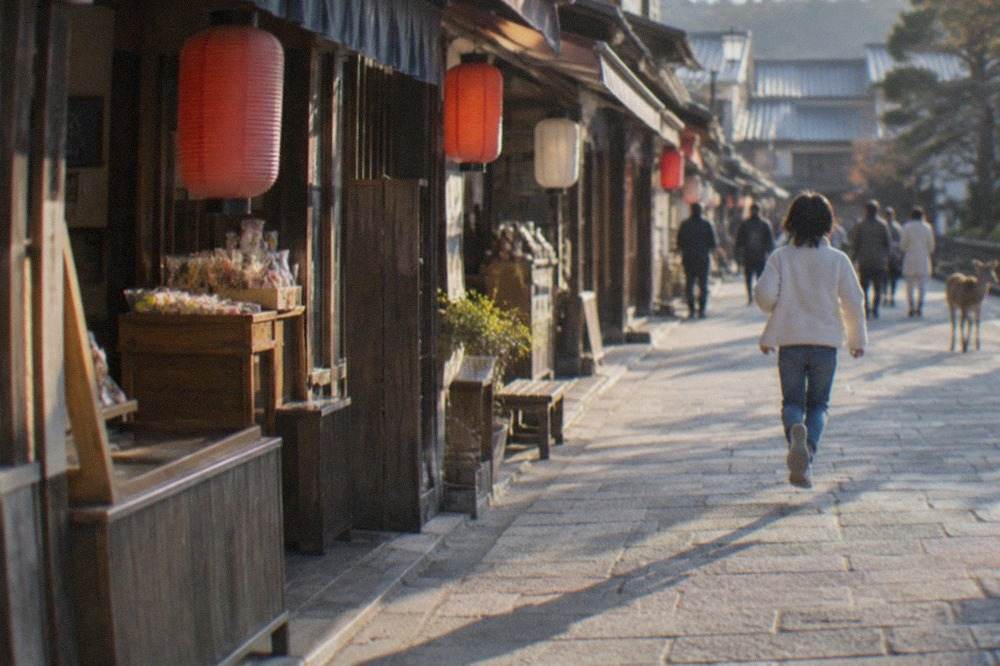
Nara was Japan's capital before Kyoto was, and its food traditions carry the same age. The city's short list of signature foods, kakinoha sushi wrapped in persimmon leaves, mochi pounded in front of you, Narazuke pickles, and the hand-stretched somen noodles of the Miwa district, all predate the Edo period, and two of them trace back to temples rather than restaurants. The Nara deer foundation's 2026 census counted 1,687 deer in and around Nara Park, up 222 on the previous year, which tells you how much of the eating happens with an audience. This page covers what Nara is famous for eating, where each dish lives, and what the day trip from Kyoto costs in figures that have actually been verified, with the wider context on Kyoto Travel Guide covering the city you will travel from.
What Are Nara's Signature Foods?
Nara's five signature foods are kakinoha sushi, persimmon-leaf-wrapped pressed sushi born as travel food; mochi pounded fresh at shops like Nakatanidou; Narazuke, vegetables pickled in sake lees; miwa somen, the hand-stretched noodles named for the Miwa district; and locally brewed sake, whose Japanese origins Nara's breweries claim. Each one is tied to a specific place in or around the city, and each is cheap street food rather than fine dining, which is what makes Nara a strong eating day out rather than a dinner destination.
Kakinoha sushi is the one to understand first. Pressed mackerel or salmon sushi is wrapped in a persimmon leaf, which was the preservation method for travel food in an era without refrigeration, and the leaf's tannins kept the fish through a journey. It is sold in boxes across Naramachi and near the station, and it is meant to be eaten the day you buy it. The leaf is not eaten.
The mochi is theatre as much as food. Nakatanidou, the best-known shop, pounds its mochi at speed in the window, and the pounding performance draws a crowd on the main road toward Nara Park. The mochi comes plain, dusted with soybean flour or filled with red bean, and it is at its softest in the minutes after pounding. The deer cannot reach it if you eat it standing at the shop, which is the practical reason every local will give you for not walking and eating.
Narazuke is the oldest of the set. Vegetables, most famously uri melon and cucumber, are fermented for months or years in sake lees, a method associated with the monks of the Nara period. It is intensely savoury and salty, sold by weight from pickle shops in Naramachi, and it makes the most portable souvenir on this list because it keeps. Miwa somen, from the district at the foot of Mount Miwa south of the city, is the noodle counterpart: hand-stretched wheat noodles, thinner than most, traditionally served cold in a light dashi broth, and Miwa claims to be the birthplace of somen itself.
| Dish | What It Is | Where To Find It In Nara |
|---|---|---|
| Kakinoha sushi | Pressed fish sushi wrapped in a persimmon leaf, originally travel food | Boxed at shops in Naramachi and near Nara and Kintetsu Nara stations |
| Mochi | Rice cakes pounded fresh, served plain or with red bean | Nakatanidou on the road toward Nara Park, plus rivals nearby |
| Narazuke | Vegetables fermented in sake lees, salty and long-keeping | Pickle shops in Naramachi, sold by weight |
| Miwa somen | Hand-stretched thin wheat noodles in light dashi, served cold | Restaurants in the Miwa district and somen specialists in the city |
| Nara sake | Locally brewed sake, with breweries claiming Japan's brewing origins | Breweries and pubs around Naramachi and the station |
For the Kyoto side of the ledger, the guide to Kyoto food covers the city's own list, and the answer on what sweets Kyoto is famous for handles the dessert course.
Where Should You Eat Around Nara Park and Naramachi?
The two eating zones are the San-dori approach to Nara Park, where the mochi shops and street snacks cluster, and the machiya-lined lanes of Naramachi, where pickle shops, kakinoha sushi boxes and small restaurants sit together. Nara Park itself is not a food destination; it is a deer enclosure, and the eating happens on the streets at its edges, where shops are built around the reality that deer will take anything carried at nose height.
The San-dori approach, the main walk from Kintetsu Nara Station to the park, is where the mochi pounding happens and where most of the grab-and-go snacks are sold. Eat standing at the shop or step inside; stalls ask you to eat at the stall rather than walk, because a deer that smells food will follow you, and the signs along the approach say so plainly. Naramachi, a short walk south, is the slower half of the day: converted townhouses sell Narazuke by weight, kakinoha sushi in presentation boxes, and small counters serve somen and simple set meals. This is also where most of Nara's sake pubs are.
Todai-ji sits beyond the park, and its Daibutsuden, the Great Buddha hall, charges 800 yen for adults and university students and 400 yen for elementary school children, per the temple's own fee notice, open 7:30 to 17:30 from April to October and 8:00 to 17:00 from November to March, every day. The walk from the mochi shops to the temple gate takes you through the densest part of the deer population, so sequence the eating either side of it rather than through it. The deer themselves are a live issue: the explanation of the Nara deer controversy covers why feeding them anything other than the official crackers is a problem, and the 2026 census recorded 140 deer deaths in the previous fiscal year, 36 of them in road accidents.
How Much Does A Nara Food Day Trip From Kyoto Cost?
The verified costs are the train fare, roughly 720 yen one way and about 45 minutes on the JR Miyakoji Rapid, or 760 yen on Kintetsu with a 520 yen surcharge for the limited express, plus 800 yen at Todai-ji; the food itself is street-priced, with no verified price list for the dishes on this page. Those train figures are single-source rather than operator-published, so treat them as close approximations and check the fare at the gate, but the shape is right: the round trip costs less than a single kaiseki course in Kyoto.
The comparison is worth making concrete, because it is the honest answer to whether Nara is an eating destination or a sightseeing one. Hyotei, by Nanzen-ji, prints its own prices on its own site, tax and service included: kaiseki from 31,625 yen at lunch and from 37,950 yen at dinner in the main building, while the same house's annex serves asa-gayu morning porridge at 5,445 yen and a Shokado bento at 7,260 yen. Those are Hyotei's prices, not a Kyoto average, but they frame the difference: Nara's food list is a few thousand yen a person at most, eaten standing or at small counters, while Kyoto's high end starts in the tens of thousands.
| Cost Item | Figure | Source Status |
|---|---|---|
| Kyoto to Nara, JR Miyakoji Rapid | About 720 yen one way, about 45 minutes | Single source, hedge as approximate |
| Kyoto to Nara, Kintetsu express | About 760 yen one way | Single source, hedge as approximate |
| Kintetsu limited express surcharge | About 520 yen, about 35 minutes total | Single source, hedge as approximate |
| Todai-ji Daibutsuden admission | 800 yen adult, 400 yen elementary | Verified on the temple's fee notice |
| Kakinoha sushi, mochi, pickles | Street prices, no verified published list | Check each shop |
For the wider logistics, the Nara day-trip guide covers routes and timing, and the answer on whether Nara is closer to Kyoto or Osaka settles the station question.
Is Nara Worth The Trip From Kyoto For The Food Alone?
On food alone, Nara is a half-day stop rather than a destination: the signature dishes are excellent but few, and the city's real draw is the combination of the park, Todai-ji and the eating streets in a single walk. A visitor who arrives mid-morning, eats through San-dori and Naramachi, sees the Daibutsuden, and is back in Kyoto for dinner gets the full value. A visitor who goes only to eat will run out of Nara before they run out of appetite.
The stronger framing is that Nara and Kyoto are complementary food cities. Kyoto holds the refined end, the kaiseki houses, the tea ceremony sweets, the tofu of Nanzen-ji; Nara holds the preserved, fermented and pounded end, the foods that existed because a capital in the eighth century needed things that would keep. Sake sits in both columns, and it is the one thread where Nara can claim seniority: the brewing method using filtered rather than cloudy mash is traced to Nara's Shoryakuji temple, and the city's breweries treat this as the origin of Japanese sake as it is drunk today. The overview of what makes Nara special develops that history further.
If the fermentation thread is what draws you, the sake story continues on the Kyoto side of the mountains. The Fushimi district holds the larger concentration of working breweries, and a guided visit explains what the Nara monks started. The Check availability link beside the Sake Brewery Tour with Pairings page covers the three-hour insider version with tastings, rated 5 from 1,027 reviews.
What Sweets and Snacks Fill The Gaps Between Meals In Nara?
Between the five signature dishes, Nara's snack layer is thin but real: kuzu mochi and kuzu-dusted sweets from Yoshino kuzu root, persimmon-based sweets in autumn, and the soft cream and senbei rice crackers that line any Japanese tourist street. None of these carries a verified published price, so the honest advice is that the snack budget is small and opportunistic, spent wherever a queue has formed.
Kuzu is the local sweet ingredient worth knowing. The starch from the kuzu root, associated with the Yoshino region south of Nara, sets into a translucent jelly that is served cut into cubes with kuromitsu syrup, and it appears in warabi-mochi-style desserts across the city's cafes. It is the lightest thing on this page and the best answer to a hot afternoon between the park and Naramachi. Autumn brings the persimmon season, and the same leaf that wraps the sushi appears in sweets, though the fruit itself is the thing in October and November.
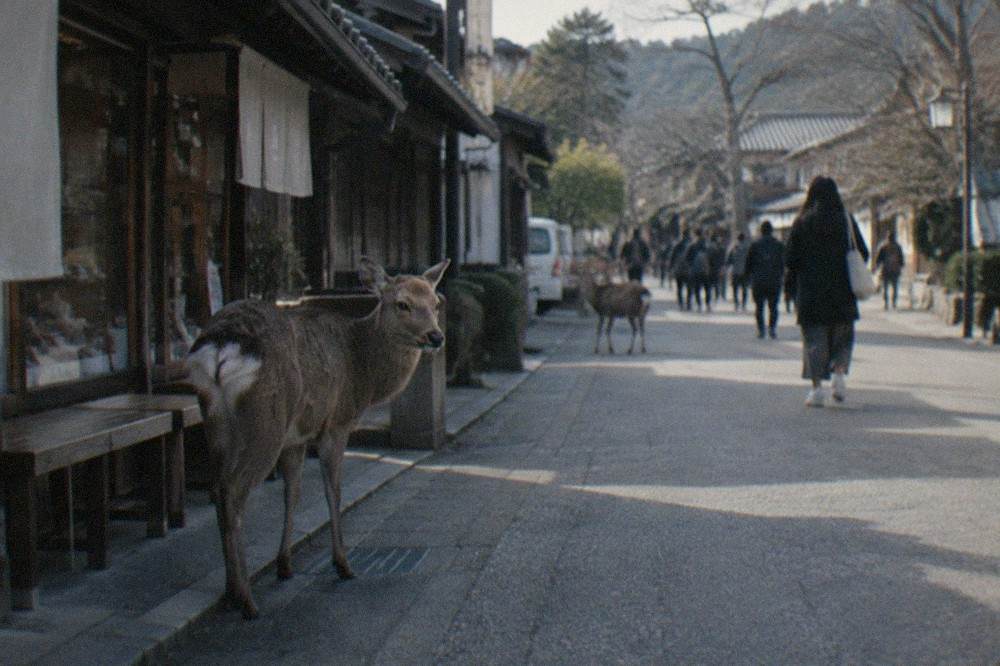
The deer crackers sold in the park are not food for you. They are the only thing you are meant to feed the deer, and the shop price is not a figure this site has verified, so check at the stall. The rule that matters is the one on the signs: feed the crackers in the park, do not carry them out, and do not carry any other food at deer height. A bowing deer is a begging deer, and 1,687 of them now share the park and its approaches.
For the Kyoto comparison at the sweet end, the answer on what sweets Kyoto is famous for covers yatsuhashi and the matcha layer, and the Kyoto street food guide maps the snacking streets on the Kyoto side.
Common Questions About Food In Nara
What Is Famous To Eat In Nara?
Kakinoha sushi, freshly pounded mochi, Narazuke sake-lees pickles, miwa somen noodles and locally brewed sake. All five are tied to specific places in the city: the sushi and pickles to Naramachi, the mochi to the San-dori approach to Nara Park, the somen to the Miwa district, and the sake to breweries claiming Japan's brewing origins.
Can You Eat While Walking In Nara Park?
No, in practice. The shops on the approach ask you to eat at the stall, and the reason is the deer population: the 2026 census counted 1,687 deer in and around the park, and any food carried at nose height will attract them. Eat at the shop, inside, or well outside the park boundary.
Is Nara's Food Different From Kyoto's?
Yes, and the difference is age and purpose. Nara's signature foods are preserved and fermented items, sushi wrapped in leaves, pickles in sake lees, dried noodles, from its century as Japan's capital before Kyoto. Kyoto's list leans refined: kaiseki, tofu, tea sweets. The two cities are 45 minutes apart by train.
How Do You Get From Kyoto To Nara For A Food Trip?
The JR Miyakoji Rapid takes about 45 minutes at roughly 720 yen one way, and the Kintetsu line about 35 minutes on the limited express at roughly 760 yen plus a 520 yen surcharge. Both fare figures are single-source approximations, so check at the gate. Kintetsu Nara Station drops you closer to the eating streets.
What Is Kakinoha Sushi?
Pressed mackerel or salmon sushi wrapped in a persimmon leaf. The leaf was the preservation method for travel food in the pre-refrigeration era, its tannins keeping the fish on a journey. It is sold in boxes across Naramachi, meant to be eaten the same day, and the leaf itself is not eaten.
Nara's food fame is a short, old list eaten standing up, and that is its strength: a half day, a few thousand yen, and a walk from the station through the mochi shops to the largest wooden building in the world, with pickles and a sushi box for the train home. Pair it with the Kyoto side of the trip and the two capitals cover eight centuries of Japanese eating between them.