How Many Days In Kyoto Is Enough?
How many days in Kyoto is enough? A verified answer built on temple hours, 2026 fees and the city's own 2025 visitor survey, with day-by-day plans for 2, 3, 4 and 5 days.
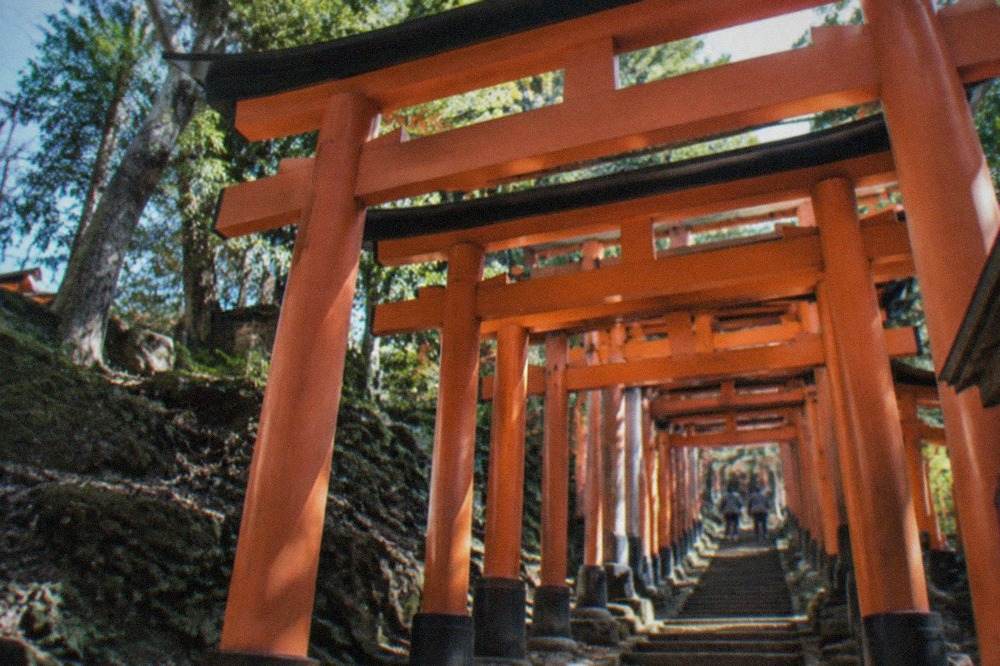
Kyoto drew a record 62.79 million visitors in 2025, the city's own June 2026 survey release reports, and most of them tried to see the city in two days. The maths rarely works. Temples here stop admitting visitors in the late afternoon, two of them changed their fees in 2026, and the distances between the east-side temples, Arashiyama and Fushimi Inari are longer than a map suggests. This page works out how many days Kyoto actually needs, using the hours and fees the venues themselves publish.
How Many Days In Kyoto Is Enough?
Four full days is enough for most travellers, and three is the workable minimum. Two days covers the headline sights at a run, while five lets you add a day trip to Nara or Uji without dropping anything essential. The honest floor is set by geography: the east-side temple district, Arashiyama and Fushimi Inari each consume half a day minimum, and temple closing times between 16:00 and 17:00 cut every afternoon short.
The reason the number is four rather than two is closing-time arithmetic. Nijo-jo Castle stops admitting at 16:00 and closes at 17:00, the castle's own fee and guide pages state. Ginkaku-ji closes at 16:30 in winter, Sanjusangen-do stops at 16:00 from 16 November, and Nanzen-ji's last admission is 20 minutes before its 16:30 winter close. A day that starts at 10:00 after a morning commute has, in practice, one temple slot and one evening slot. Squeeze three headline sights into that and something gets read at a run.
Fees matter too, because they changed. Ginkaku-ji doubled its admission from 500 to 1,000 yen on 1 April 2026, the temple's own notice states, its first revision in 32 years. Tofuku-ji revises its fees on 1 November 2026, with a new 1,000 yen combined ticket and a foliage-period surcharge on the Tsutenkyo bridge. A day-count plan built on a 2024 guide's budget will be wrong at exactly these two temples.
What Can You Realistically See In Two Days In Kyoto?
Two days covers Kiyomizu-dera and the Higashiyama lanes, Kinkaku-ji, Fushimi Inari and one Gion evening, with nothing else. That is roughly five of the twelve activity kinds this site organises Kyoto around, and it works only if Fushimi Inari goes early, since its paths have no closing time. Expect to move fast, accept that Arashiyama or Nara is dropped, and treat day two's afternoon as a race against 16:00 admission cutoffs.
The workable two-day shape is east then west. Day one: Kiyomizu-dera, which opens at 6:00 according to the temple's own FAQ, then the Ninenzaka and Sannenzaka slopes, Kodai-ji and the walk to Gion. Day two: Fushimi Inari in the morning, then Kinkaku-ji, which opens at 9:00 and charges 500 yen, and Nijo-jo Castle if the clock allows, with the 16:00 last admission in mind.
What two days cannot absorb is Arashiyama done properly. The bamboo grove, Tenryu-ji (garden admission 500 yen), the Sagano Romantic Train at 880 yen one way and Iwatayama Monkey Park at 800 yen cash are a half-day to a full day on their own, and the district sits on Kyoto's western edge. A two-day visitor who forces Arashiyama in loses the Gion evening or the Higashiyama slopes.
| Plan | Days | What fits | What is dropped |
|---|---|---|---|
| Weekend sprint | 2 | Kiyomizu-dera, Higashiyama, Kinkaku-ji, Fushimi Inari, Gion evening | Arashiyama, all day trips, museums |
| Standard visit | 3 | Adds Arashiyama and Nijo-jo Castle | Day trips, Kurama and Kibune |
| Comfortable visit | 4 | Adds a Nara or Uji day trip, plus slow mornings | Almost nothing major |
| Deep visit | 5 | Adds a second day trip or Kurama, Ohara or Fushimi sake district | Nothing significant |
If two days is genuinely the budget, the single most efficient use of the first day is a highlights tour that chains the far-flung majors by bus. The Fushimi Inari, Kinkaku-ji and bamboo grove one-day tour compresses the three sights that are hardest to link by public transport into one guided day, rated 4.8 from 5,317 reviews, leaving day two free for Higashiyama at walking pace.
For readers weighing the alternatives before committing days, is Kyoto worth visiting works through the case for and against, and what Kyoto is known for lists what the city's fame actually rests on.
Is Three Days In Kyoto The Sweet Spot?
Three days is the sweet spot for a first visit that does not feel rushed: one day for Higashiyama and Gion, one for Arashiyama, and one for Fushimi Inari plus the north-west temples. It still excludes every day trip, and the third day only works if you accept that Kinkaku-ji, Ryoan-ji and Nijo-jo Castle share one afternoon. Three days is also where the Subway and Bus One-Day Pass at 1,100 yen starts paying for itself.
The three-day logic is geographic. Kyoto's headline sights cluster into three wedges: the eastern temple district running from Kiyomizu-dera north to Nanzen-ji and the Philosopher's Path, the western Arashiyama cluster, and the southern Fushimi Inari mountain. A day per wedge, with the north-west temples folded into the Fushimi day, is the shape most three-day itineraries follow, and it is the shape our three days in Kyoto itinerary spells out hour by hour.
The constraint that bites on day three is the afternoon cutoff chain. Kinkaku-ji opens at 9:00, Ryoan-ji at 8:00 in season, and Nijo-jo Castle stops admitting at 16:00. If Fushimi Inari takes the morning, the afternoon holds two of those three comfortably, not all three with time inside. That is a real limit, not a fitness problem.
A guided half-day can rescue the third afternoon. The Nijo Castle World Heritage guided tour with admission includes the castle ticket and runs 90 minutes, rated 5 from 481 reviews, which leaves the late afternoon for Ryoan-ji or a final wander through the Gion district.
When Do You Need Four Or Five Days In Kyoto?
Four days adds a day trip, usually Nara or Uji, without cutting anything from the city itself, and five days adds a second one or the northern mountains. This is where the answer stops being about sights and starts being about pace: the fourth day is what turns a checklist into a trip, because it absorbs the rainy morning, the late start and the temple you want to see twice. Most travellers who report feeling rushed in Kyoto gave it three days or fewer.
The day trips are genuinely close, which is the argument for the fourth day. The JR Miyakoji Rapid reaches Nara in about 45 minutes for 720 yen one way, and the Kintetsu limited express does it in about 35 minutes for 1,280 yen including the surcharge. Uji is 240 yen and roughly 20 minutes on the JR Nara Line, and the town holds Byodo-in, whose garden and museum admission is 700 yen, plus the tea fields that supply Kyoto's matcha culture.
Five days opens the second ring: Kurama and Kibune in the northern mountains, Ohara, or the Fushimi sake district. The four days in Kyoto and five days in Kyoto itineraries sequence both. Beyond five days, the returns flatten unless you are adding Osaka, which the Kyoto and Osaka itinerary covers as a combined trip.
| Day trip | Travel from Kyoto Station | Entry cost at the destination | Fits which plan |
|---|---|---|---|
| Nara | ~45 min JR, 720 yen one way | Todai-ji Daibutsuden 800 yen | 4 days and up |
| Uji | ~20 min JR, 240 yen | Byodo-in 700 yen | 4 days and up |
| Osaka | ~30 min by train | Varies | 5 days or a combined itinerary |
| Kurama and Kibune | Eizan line from Demachiyanagi | Kurama-dera admission applies | 5 days |
Season changes the count by half a day either way. In cherry season the JMA's 1991-2020 normal full-bloom date for Kyoto is 4 April, and 2026's actual full bloom came on 30 March, so an April visitor spends longer outdoors and moves slower. In late July and August, when the mean daily maximum runs above 32 C and July alone averages 223.6 mm of rain, temples get done in the morning and the afternoons collapse, which argues for the fourth day.
What If You Only Have One Day In Kyoto?
One day is enough for a taste, not a visit, and the only honest shape is a highlights tour or a strict three-sight walk: Kiyomizu-dera in the morning, Fushimi Inari at midday and Kinkaku-ji before the 17:00 close. The city's 2025 survey counted 46.20 million day visitors against 16.59 million overnight stays, so most people do exactly this, and most of them leave having seen fragments. If one day is truly the budget, buy structure rather than attempting it solo.
The one-day solo walk works only because Fushimi Inari charges no admission and its paths have no closing time, facts the shrine's own FAQ confirms. That makes it the flexible middle of the day, the one sight that absorbs whatever the clock leaves. Kiyomizu-dera opens at 6:00, which buys an early start no other major temple matches.
A guided bus day does the same geometry without the transit friction. The Fushimi Inari, Kinkaku-ji and bamboo grove one-day bus tour runs 8.5 to 9 hours from $97, rated 4.8 from 5,317 reviews, and covers the trio that is hardest to self-drive in a single day. For a fuller one-day plan, our one day in Kyoto itinerary sequences the walk version in detail.
Common Questions About How Many Days In Kyoto Is Enough
Is 3 days in Kyoto enough?
Three days covers the city's core: Higashiyama, Arashiyama and Fushimi Inari plus the north-west temples. It excludes every day trip, and the afternoons are tight against the 16:00 to 17:00 closing windows most temples keep.
Is 2 days enough for Kyoto?
Two days is a sprint, not a visit. It covers Kiyomizu-dera, Kinkaku-ji, Fushimi Inari and a Gion evening, and forces you to drop Arashiyama, Nara and every museum.
Is 4 days in Kyoto too many?
No. The fourth day absorbs a Nara or Uji day trip, both under an hour away, or the rainy morning that a three-day plan cannot survive. Four days is where the pace stops feeling like a checklist.
Can you do Kyoto and Osaka in one trip?
Yes, and five days split across both is the usual shape. Osaka is roughly 30 minutes away by train, so the combined Kyoto and Osaka itinerary works without re-packing.
What is the minimum time needed for Fushimi Inari?
The shrine's grounds are free and the paths have no closing time, so the visit length is yours to set. The full mountain circuit is a hike; the Senbon Torii tunnel itself is a short walk from the station approach.
Four days is the number Kyoto Travel Guide stands behind, with three as the floor and five as the comfortable ceiling. The closing windows are the real constraint, not stamina: plan each afternoon backwards from the 16:00 admission cutoffs and the day count takes care of itself.