What Is Considered The Best Restaurant In Kyoto?
There is no single best restaurant in Kyoto, but the honest answer starts with Hyotei, the 400-year-old kaiseki house by Nanzen-ji that publishes its own prices. Here is what the city's food hierarchy actually looks like.
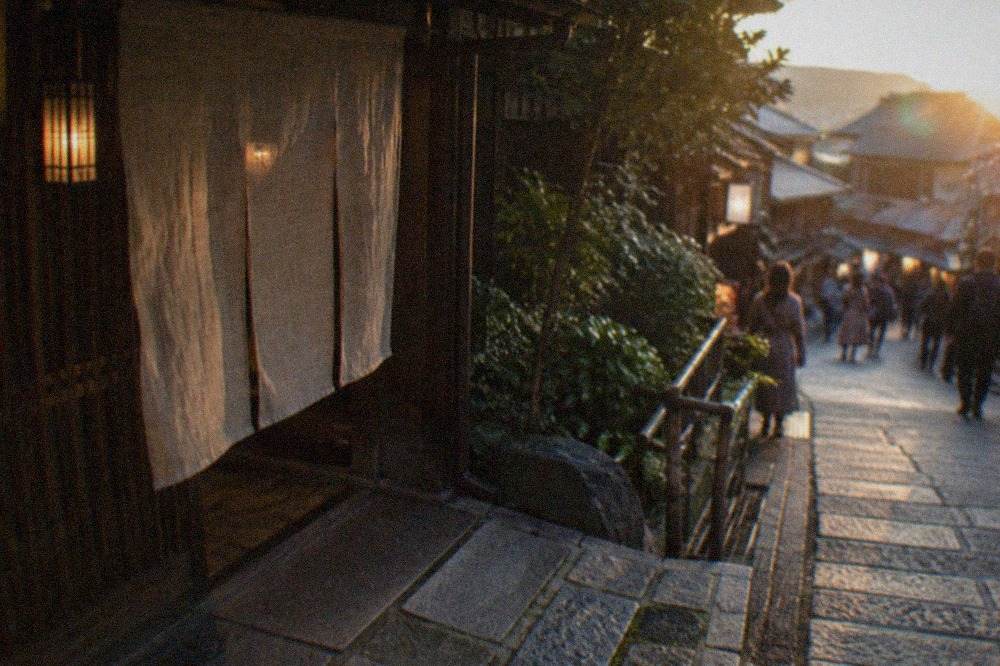
Kyoto's restaurant scene does not have a single crowned winner, and any guide that names one is guessing. What the city has instead is a hierarchy that everyone roughly agrees on: a small group of centuries-old kaiseki houses at the top, a deep middle of specialized counters and temple-adjacent tofu kitchens, and a street-food layer underneath that is better than almost any other city's. The name that opens most serious conversations is Hyotei, by Nanzen-ji, a tea-ceremony-rooted kaiseki house that traces its history back roughly 450 years and still publishes its own prices. That last detail matters more than it sounds. Almost nobody in Kyoto's high-end dining world prints numbers, so a house that does gives you the only honest anchor the city offers.
What Is Considered The Best Restaurant In Kyoto?
There is no official best restaurant in Kyoto, but the name most often placed at the top is Hyotei, the kaiseki house founded as a teahouse for Nanzen-ji around 450 years ago. Its own site publishes kaiseki from 31,625 yen at lunch and from 37,950 yen at dinner, tax and service included, while the same house's annex serves from 5,445 yen. Other houses of the same rank, like Kikunoi and Kichisen, are discussed the same way but do not publish prices.
The reason Hyotei keeps coming up first is not just the food. It is the story: a teahouse that started serving meals to visitors of Nanzen-ji and never stopped, through the same family for fifteen generations. Kaiseki itself began as the small meal served before a tea ceremony, and Hyotei is one of the places where that lineage is most intact. When Japanese food writers and guides talk about Kyoto's top tier, this house, Kikunoi in Higashiyama, and Kichisen near the Shimogamo Shrine form the usual shortlist. All three have held top Michelin recognition. Only Hyotei prints its menu prices on its own page, which is why this site quotes Hyotei's numbers and nobody else's.
A fair warning about the word best. Kyoto rewards specialists over generalists. The best meal of your trip might be a 7,260 yen bento in Hyotei's annex, a bowl of ramen downtown, or tofu shojin ryori at a temple, depending on the day and your appetite. The best-restaurant question is really several questions wearing one coat.
How Much Does A Top Kaiseki Restaurant In Kyoto Actually Cost?
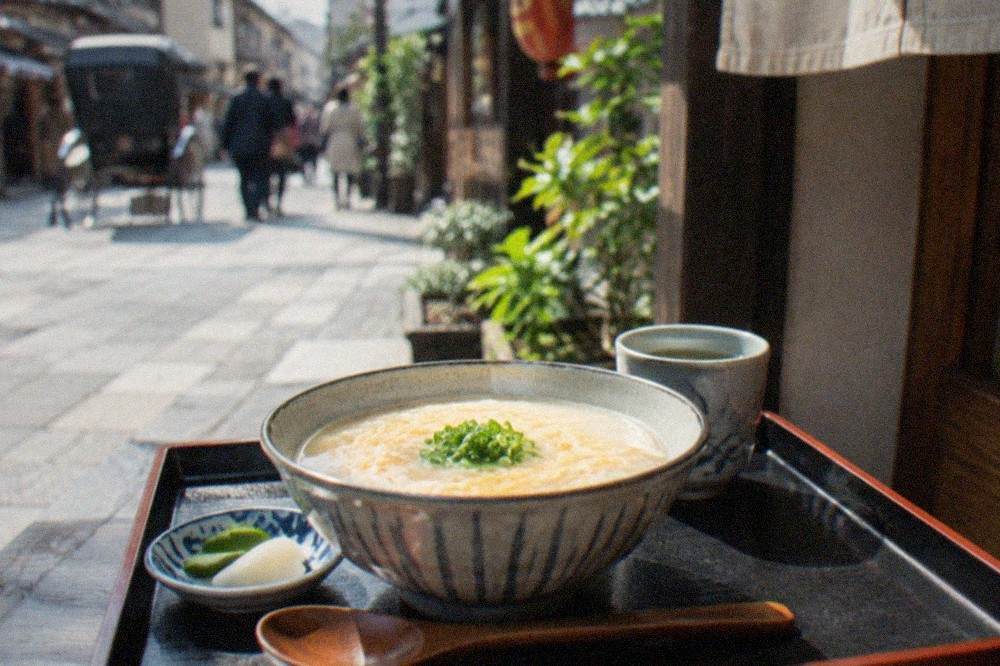
At Hyotei, the most cited of Kyoto's top kaiseki houses, the main building's kaiseki course starts at 31,625 yen at lunch and 37,950 yen at dinner, tax and service included, with reservations taken from two people. The same house's annex serves asa-gayu rice porridge at 5,445 yen and a Shokado bento at 7,260 yen. Those are Hyotei's own published prices, not a city average.
That split inside one property is the most useful piece of information in Kyoto dining. The main building is the full ceremony: multiple courses in a private room, seasonal ingredients, a meal that runs a couple of hours. The annex, a short walk away, is the same kitchen serving far simpler food at a fraction of the price. The asa-gayu, morning rice porridge with an egg, is served only in summer, from 1 July to 31 August, from 8:00 to 11:00. The uzura-gayu, quail porridge, takes its place from 1 December to 15 March at 5,445 yen in the annex.
| Item at Hyotei | Price, tax and service included | Where and when |
|---|---|---|
| Kaiseki, lunch | from 31,625 yen | Main building, 12:00-15:00, last order 13:00 |
| Kaiseki, dinner | from 37,950 yen | Main building, 17:00-21:30, last order 19:00 |
| Asa-gayu porridge | 5,445 yen | Annex, 16 March to 30 November, 8:00-11:00 |
| Uzura-gayu porridge | 5,445 yen | Annex, 1 December to 15 March |
| Shokado bento | 7,260 yen | Annex, 12:00-14:00 |
These are Hyotei's prices for Hyotei's rooms and dates. No other top Kyoto restaurant publishes a comparable set, so any figure you read for "what kaiseki costs in Kyoto" beyond this one house is a guess dressed up as a statistic. If a guide quotes a city average, treat it as fiction. For a fuller picture of what an evening out runs, see how much dinner costs in Kyoto.
Is The Best Restaurant In Kyoto Always A Kaiseki House?
No. Kyoto's most memorable meals are often specialist counters rather than kaiseki institutions: tofu shojin ryori at temple kitchens near Nanzen-ji, obanzai home-style restaurants in the downtown grid, udon and soba shops that do one thing, and the ramen scene around Kyoto Station and Ichijoji. The kaiseki houses sit at the formal top, but the city's food reputation rests on the whole ladder, not its top rung.
The specialist logic runs deep here. A shop that has served one dish for a century carries a kind of authority that a varied menu cannot fake. This is why the question of the best restaurant splits by category the moment you ask a local. Someone who wants the full cultural performance books kaiseki months ahead. Someone who wants the food itself might point you to a tofu restaurant in the Nanzen-ji neighborhood, where the cuisine descends from Buddhist temple cooking, or to an obanzai place serving Kyoto's home-style small dishes built around local vegetables.
The street layer matters too. Nishiki Market, the covered lane known as Kyoto's kitchen, is less a restaurant than a living pantry, and its stalls ask you to eat at the stall rather than walk while eating. Each shop keeps its own hours, roughly 9 or 10:00 to 17 or 18:00, with no unified schedule. For how that street food layer stacks up, the most famous food street in Kyoto is worth a read before you plan a day around it.
Can You Get A Great Kyoto Meal Without A Reservation?
Yes, and often at a fraction of the cost. Hyotei's annex takes walk-in-style morning service at 5,445 yen, Nishiki Market stalls serve food on the spot, ramen counters seat individuals quickly, and the downtown Kawaramachi and Pontocho areas hold hundreds of izakaya that fill up but rarely require booking weeks ahead. Only the top kaiseki houses genuinely demand advance planning.
The practical split looks like this. Tier one, the famous kaiseki houses, needs reservations made well ahead, sometimes through a hotel concierge, and Hyotei's own booking rule states reservations are taken from two people, so a solo traveller cannot book the main building alone. Tier two, specialist restaurants and good mid-range kaiseki, is bookable days rather than months ahead. Tier three, markets, counters and izakaya, is same-day or walk-in territory. More of these guides are collected on Kyoto Travel Guide.
| Dining tier in Kyoto | Typical booking lead time | Rough price character |
|---|---|---|
| Top kaiseki houses (Hyotei main building) | Weeks to months, from two people | Above 30,000 yen per person |
| Same house's annex (Hyotei Annex) | Same day or short notice | Under 8,000 yen per person |
| Specialist tofu, obanzai, udon counters | Days ahead or walk-in | Mid-range |
| Nishiki Market stalls, ramen, izakaya | None | Budget to mid-range |
The annex route deserves emphasis because it is the single best value move in Kyoto dining. You eat food from the same institution, in a simpler room, for the price of a modest dinner anywhere else. The morning porridge service ends at 11:00, which also happens to be the best time of day to see Nanzen-ji before the crowds build.
What Do Locals Consider The Best Food Experiences In Kyoto?
Locals tend to prize obanzai home cooking, neighborhood izakaya, and long-standing specialist shops over the famous kaiseki institutions, which they treat as occasional splurges or visitor milestones. The dishes that carry real local weight are Kyoto's own: kaiseki in its full form, shojin ryori temple cooking, yudofu hot tofu, and the pickled and preserved vegetables that define the city's home tables.
Ask where locals eat in Kyoto and the answers cluster downtown and in the residential grid east and north of it, not in the Higashiyama tourist lanes. The where do locals eat in Kyoto question has a consistent shape: small counters, seasonal menus that change weekly, and prices that sit nowhere near the kaiseki tier. Kyoto's signature dish conversation, covered in what is Kyoto's signature dish, also runs through home cooking rather than formal cuisine.
There is a historical reason the city eats this way. Kyoto sat far from the sea for centuries, so its cooking tradition built itself around vegetables, tofu, pickles and preserved foods, the foundation of what is now called kyoyasai, Kyoto vegetables. The temple kitchens of the Zen establishment turned that same pantry into shojin ryori, the vegetarian cuisine that still defines meals near Nanzen-ji and the northern temples. The kaiseki houses then took those same ingredients and formalized them into the multi-course meal that became the city's culinary export. In other words, the best restaurant in Kyoto is really the end of a chain that starts in a monastery kitchen and a farmer's field.
Should You Book A Food Tour Instead Of A Top Restaurant?
For a first visit, a food tour often delivers more than one expensive booking, because it covers the market, the street layer and several specialties in a single morning, and it needs no advance reservation strategy. A Nishiki Market brunch walk with seven tastings, a washoku bento cooking class, or an early-morning guided tour each explains the city's food culture while you eat it, at a combined cost below one kaiseki dinner.
The honest framing is not either-or. If you have three days or more, do both: one market walk early in the trip to learn what kyoyasai and Kyoto's pickles look like, then one splurge meal, whether that is Hyotei's annex or a full kaiseki course, at the end. The market walk also solves the breakfast problem, since Kyoto's restaurants open late by Western standards and the market stalls start serving by mid-morning.
Common Questions About The Best Restaurant In Kyoto
What Is Considered The Best Restaurant In Kyoto?
Hyotei, the roughly 450-year-old kaiseki house by Nanzen-ji, is the name most often placed first, alongside Kikunoi and Kichisen. Hyotei is the only one of the three that publishes its own prices: kaiseki from 31,625 yen at lunch and 37,950 yen at dinner, with the annex serving from 5,445 yen.
Is Hyotei Worth The Price?
By its own published menu, the main building's kaiseki opens above 30,000 yen per person, while the annex of the same house serves rice porridge at 5,445 yen and a Shokado bento at 7,260 yen. Whether the full course is worth it is a personal call; the annex is the widely agreed value route into the same kitchen.
Can You Eat At A Top Kyoto Restaurant Without A Reservation?
Rarely at the top kaiseki houses, which book out well ahead, and Hyotei takes reservations from two people only. The annexes, specialist counters, izakaya and market stalls are all accessible same-day.
What Is The Best Cheap Meal In Kyoto?
The strongest budget plays are Nishiki Market stalls, ramen counters around Kyoto Station and Ichijoji, and Hyotei's annex morning porridge at 5,445 yen, which puts a famous kitchen's food within a normal dinner budget.
What Food Is Kyoto Actually Known For?
Kaiseki cuisine, shojin ryori temple cooking, yudofu hot tofu, obanzai home dishes and kyoyasai vegetables, plus the pickles and preserved foods that grew from the city's distance from the sea.
The honest close on this question: Kyoto's best restaurant is whichever layer of the city's food ladder you actually show up for. Book Hyotei's main building if the ceremony is the point, take the annex if the food is the point, and spend the rest of the trip working through the counters and stalls that make this the most complete eating city in Japan.