Are There Sleeping Pods In Kyoto?
Are there sleeping pods in Kyoto? An honest answer based on what could and could not be verified, plus capsule-hotel basics and what to do instead when you need rest between trains.
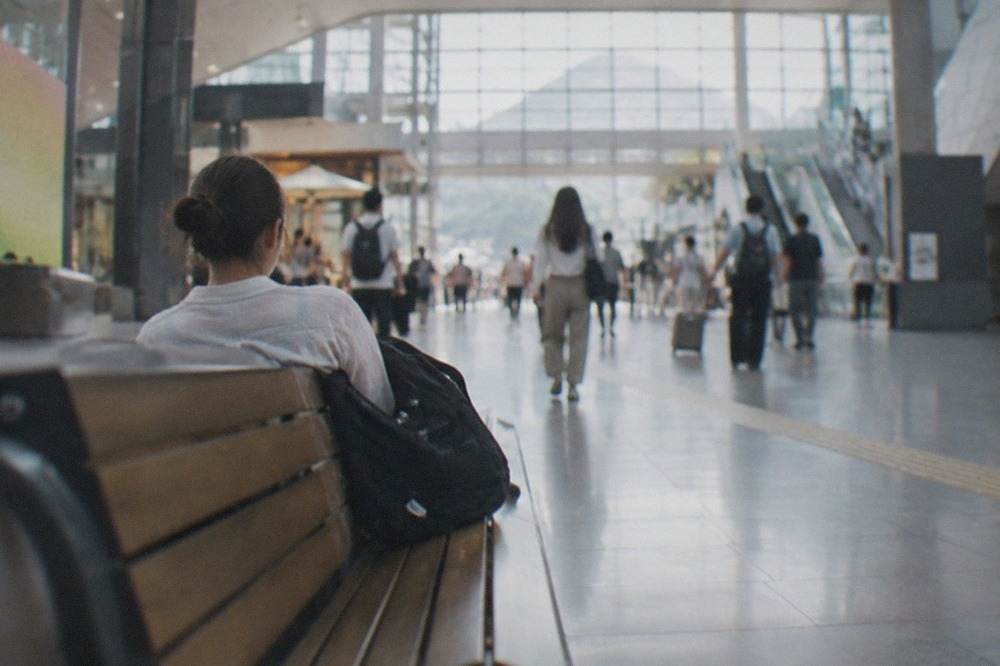
The question sounds simple and the internet answers it confidently, which is exactly why it deserves care. Search for sleeping pods in Kyoto and you will find listicles naming pod-style hotels, app-driven nap services and futuristic renderings, often recycled from years-old news. When this site's research lane went looking for a primary source, meaning an operator's own page or an official city listing, nothing held up. What follows is what could be verified, what could not, and what a tired traveller in Kyoto can actually do at 6 a.m. with a suitcase.
Are There Sleeping Pods In Kyoto?
No verified sleeping-pod installation exists in Kyoto, at least not one this site could confirm on a primary source. Research looked for operator pages, city tourism listings and venue announcements for pod or capsule rest services at Kyoto Station and elsewhere, and found nothing that could be honestly cited. Plenty of articles claim otherwise, but a claim copied between blogs is not a booking you can make, and this site does not print what it cannot source.
That is a deliberately narrow no, and it matters that it stays narrow. Kyoto has capsule hotels, which are real, bookable and covered below. It has hotels with small rooms, which is a different product. What it does not have, on any page we could read, is the airport-style sleeping pod: a self-service unit in a station or terminal where you pay by the hour for a nap. Kyoto Station's own retail and facility pages list restaurants, shops and services, and no pod operator appears among them.
The distinction is not pedantry. Travellers arrive in Kyoto at odd hours, especially from Kansai Airport, and a plan built on a service that does not exist is a bad night on a station bench. The rest of this page is about what is real.
What Is The Difference Between A Capsule Hotel And A Sleeping Pod?
A capsule hotel is a licensed accommodation business with a front desk, a fixed nightly rate and full check-in, while a sleeping pod is typically a self-service, pay-by-the-hour rest unit in a station, airport or office building. Kyoto has the first in reasonable numbers and, on any source this site could verify, none of the second. The practical difference for you is that a capsule bed must be booked as a night's stay, not grabbed for three hours between trains.
Capsule hotels in Japan grew out of the business-traveller market and are regulated as accommodation, which is why they appear on booking platforms with star ratings and review counts rather than as vending-machine-style kiosks. The pod concept you may have seen in Tokyo airports or in renderings of future stations is a different animal: unstaffed, hourly, and dependent on a specific operator signing a lease with a specific station.
Kyoto Station is one of Japan's busiest rail hubs and the natural place such a service would land first. Its official pages, as read during research for this site, carry no such operator. When a pod service does open, it will have a name, a price list and a page of its own, and that is the standard this site will apply before saying yes.
For everything else the city genuinely offers, the things to see across Kyoto are better planned around a real bed than a hypothetical one.
Can You Sleep At Kyoto Station Itself?
No. Kyoto Station closes overnight and is not a place to plan on sleeping, and no verified hourly rest facility operates inside it. The station building's shops and services follow ordinary retail hours, and the concourse is not a staffed waiting room like an airport. If you have a 6 a.m. Shinkansen or a late arrival, the workable plan is a capsule hotel or a cheap single room within walking distance, not a bench.
This is the point where honesty saves a night. Travellers sometimes assume a major Japanese station works like an airport terminal with airside lounges and nap zones. It does not. Kyoto Station is a shopping and transport complex, and after the last trains it empties and closes in the same way a department store does.
The verified alternatives all sit in the accommodation system. One thing every Kyoto visitor should know before booking any bed, capsule or otherwise, is the accommodation tax, which changed on 1 March 2026. The city's own notice sets five tiers per person per night, charged on the room-only rate: 200 yen for rooms under 6,000 yen, 400 yen for 6,000 to under 20,000, 1,000 yen for 20,000 to under 50,000, 4,000 yen for 50,000 to under 100,000, and 10,000 yen at 100,000 and above. Most guides still quote the old top tiers, so a capsule bed advertised at a low rate will carry the smallest levy, while a luxury night now carries ten times what it did.
| Room rate per night | Tax before 1 March 2026 | Tax from 1 March 2026 |
|---|---|---|
| Under 6,000 yen | 200 yen | 200 yen |
| 6,000 to under 20,000 yen | 400 yen | 400 yen |
| 20,000 to under 50,000 yen | 500 yen | 1,000 yen |
| 50,000 to under 100,000 yen | 1,000 yen | 4,000 yen |
| 100,000 yen and above | 1,000 yen | 10,000 yen |
The tax is charged per person, per night, on the room-only charge excluding meals and consumption tax, exactly as the city's announcement words it.
What Should You Do With Luggage While You Rest Or Explore?
Kyoto runs a citywide hands-free luggage system that is far more useful than a pod would be, with station counters, delivery services and lockers promoted by the city tourism association to cut bus congestion. You can hand a suitcase to a counter near Kyoto Station and collect it at your hotel or the airport, which turns a long layover into a walkable day. The official hub is the city's hands-free tourism site, and it is the verified answer to the problem pods pretend to solve.
The background is congestion, not comfort. The city's 2025 tourism survey, released in June 2026, counted a record 62.79 million visitors, with 16.59 million overnight guests, and the transport bureau's response includes express tourist buses and an active push to keep large bags off crowded city buses, where drivers may refuse bulky luggage at peak times. Luggage delivery between stations and hotels is the official alternative, and it works.
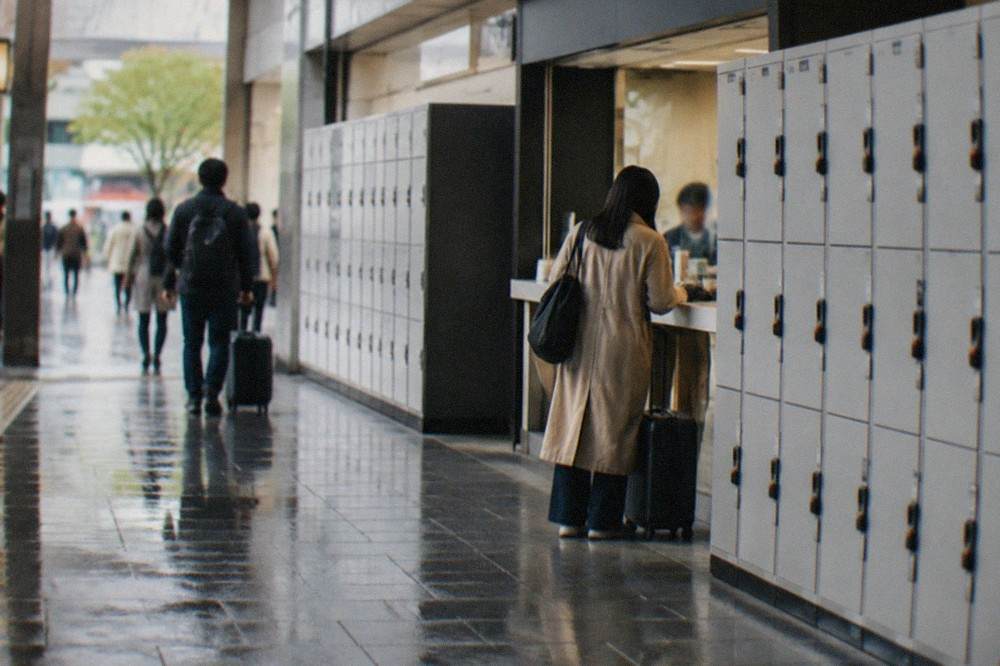
For moving between cities, the airport options are verified and worth knowing. The JR West HARUKA One-way Ticket for foreign visitors costs 2,200 yen adult from Kansai Airport to Kyoto, against about 80 minutes of travel time on the regular service. From Itami Airport, the limousine bus to Kyoto Station costs 1,500 yen adult and takes about 50 to 55 minutes from the Hachijo exit. Both are cheaper than a night wasted in a terminal.
If the real question behind "sleeping pods" is whether Kyoto rewards an overnight or early-morning start, the answer is yes, and the city's own crowd-forecast tool, the Kyoto Tourism Comfort forecast, exists precisely to help you time it. An early walk before the day-trippers arrive is the classic move, and it costs nothing.
Is A Capsule Hotel Or A Day Room The Better Kyoto Option?
For a single night or a very early arrival, a capsule hotel is the stronger and more reliably bookable option, because it is a licensed room with a door, a locker and a shower, sold through normal accommodation channels. A day room at a business hotel is the better choice when you need privacy to actually sleep between check-out and an evening train, and it is the closest verified equivalent to what people imagine a pod offers.
Neither product can be priced honestly on this page, because rates move by season and this site's fact base does not carry Kyoto hotel prices. What can be said with confidence is structural. Capsule hotels cluster around Kyoto Station and the downtown Kawaramachi area, both walkable to late-night food. Business hotels sell day-use blocks in many Japanese cities, though availability in Kyoto must be checked with each property directly rather than assumed.
A capsule night also interacts with the tax table above in your favour: at typical capsule price points the levy is the 200 yen tier, the smallest the city charges.
For travellers weighing a stopover against pushing on, the Kyoto versus Osaka question often decides it, and the how many days in Kyoto answer shapes whether one recovery night is even needed.
Why Do So Many Articles Claim Kyoto Has Sleeping Pods?
Because the claim travels well and nobody checks it. Pod-style hotels and capsule properties get described as sleeping pods in listicle headlines, app-based nap services announced in other cities get generalised to all of Japan, and concept renderings get published as news. Each retelling borrows confidence from the last, and a traveller searching at midnight cannot tell a 2019 press release from a live service. This site's rule is that a service must appear on an operator's own page before it is printed as fact.
That rule costs us colour sometimes, but it is the difference between a guide and a rumour mill. The same discipline applies across this site's Kyoto coverage: fees are printed only when the venue prints them, and the Kyoto Travel Guide homepage exists because a city this crowded with misinformation deserves at least one source that says "unverified" out loud.
The honest version of the sleeping-pod story is short. Kyoto has capsule hotels, which are real. It has a luggage system that solves most of what pods would solve. It has a station that closes at night. Anything beyond that is, for now, a claim without a source.
Common Questions About Sleeping Pods In Kyoto
Are there sleeping pods in Kyoto?
None that this site could verify on a primary source. Kyoto Station lists no hourly pod operator, and no venue in the city publishes a bookable pod service on its own pages. Capsule hotels are the real, bookable alternative.
Can you sleep overnight at Kyoto Station?
No. The station closes after the last trains, and no verified rest facility operates inside it overnight. Book a capsule hotel or a budget room within walking distance if you have an early departure.
What is the closest thing to a sleeping pod in Kyoto?
A capsule hotel bed for a full night, or a business-hotel day room for a few private hours. Both are licensed accommodation sold through normal booking channels, with the capsule option typically falling in the lowest accommodation-tax tier.
Does the Kyoto accommodation tax apply to capsule hotels?
Yes. The tax is charged per person per night on the room-only rate, whatever the style of bed, and from 1 March 2026 the tiers run from 200 yen on rooms under 6,000 yen up to 10,000 yen on rooms of 100,000 yen and above.
Where can you leave luggage in Kyoto while you wait?
The city promotes a hands-free system of station counters, delivery services and lockers, run through the Kyoto hands-free tourism site, partly to keep bulky bags off crowded city buses. Delivery to a hotel or the airport is the official alternative to hauling a suitcase.
How do you get from Kansai Airport to Kyoto early in the morning?
The JR West HARUKA One-way Ticket for foreign visitors costs 2,200 yen adult and the journey takes about 80 minutes. From Itami Airport, the limousine bus costs 1,500 yen adult and takes about 50 to 55 minutes to Kyoto Station.
A city of 62.79 million annual visitors, a station that empties at midnight and a tax code that just rewrote itself does not need science-fiction furniture to be manageable. It needs a booked bed, a deposited suitcase and a departure time you can actually keep, and every one of those is available in Kyoto today.