Is Nara Closer To Kyoto Or Osaka?
Nara sits between Kyoto and Osaka, marginally nearer Osaka on the map, but the rail ride from Kyoto takes only about 45 minutes on the JR Miyakoji Rapid. Here is how the two bases compare.
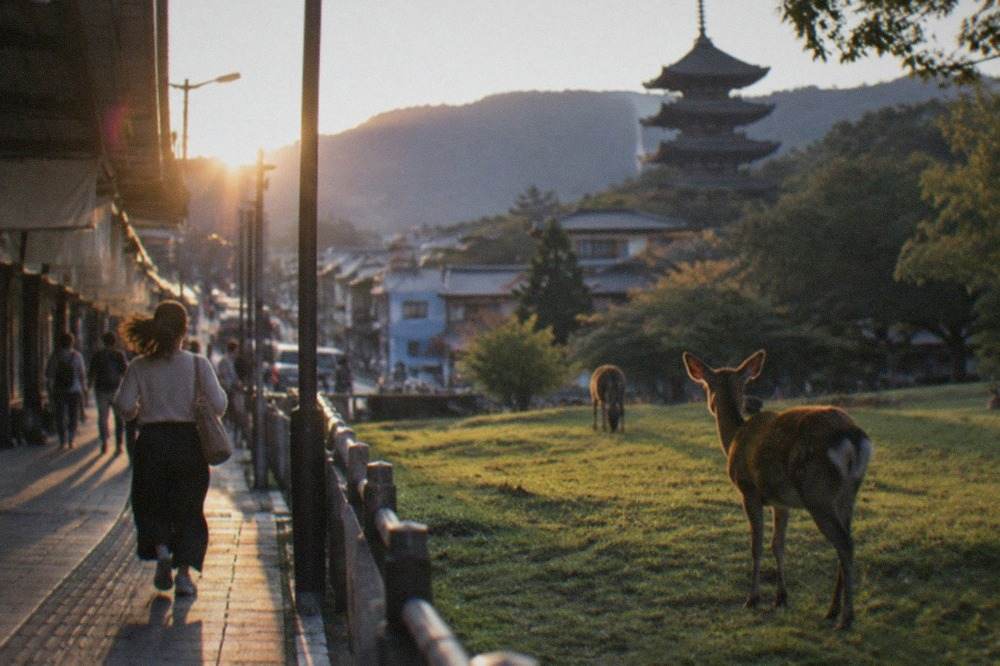
Nara sits in a basin between the two cities, and on a map it leans slightly toward Osaka. That map reading misleads a lot of trip planning, because the rail link from Kyoto is direct, frequent and quick: the JR Miyakoji Rapid covers the Kyoto to Nara run in about 45 minutes at a fare of roughly 720 yen, figures carried by fare guides rather than an operator fare page, so treat them as close approximations. Osaka's own links are suburban rather than express in character. The practical answer to which base is better is therefore less about kilometres and more about what the rest of your day looks like, and this page works through both sides of it.
How Far Is Nara From Kyoto By Train?
The JR Miyakoji Rapid runs direct from Kyoto Station to Nara in about 45 minutes at a fare of roughly 720 yen one way, while the Kintetsu alternative costs about 760 yen and reaches Nara in around 35 minutes if you pay the extra 520 yen limited express charge. Both fare figures come from fare guides rather than an operator page, so treat them as approximations and check the live fare before you travel.
The Miyakoji is the workhorse: it leaves from Kyoto Station, needs no transfer, and drops you at JR Nara Station, a flat ten minute walk along Sanjo-dori from the edge of Nara Park. The Kintetsu line arrives at a different station, Kintetsu Nara, which actually sits closer to the park and the shopping streets, which is why plenty of travellers happily pay the small premium. If you are deciding on the platform rather than on paper, the two stations are ten minutes apart on foot and both work.
Neither figure is printed by the operators themselves on a page this site has read, so the honest framing is "about" throughout. What is solid is the shape of the choice: one seat, under an hour, a fare that rounds to pocket change against a temple admission. For a fuller picture of the ancient capital itself, see what makes Nara special and the Nara day trip guide.
Which City Has The Better Rail Link To Nara?
Kyoto's link is a single direct rapid aimed at tourists, while Osaka's are frequent suburban runs from two different operators across two different stations, so the Kyoto ride is simpler but the Osaka network is denser. From Kyoto you take one train and arrive; from Osaka you first choose between JR and Kintetsu and between their respective Nara stations, which adds a small decision to every trip.
The comparison that matters is not distance but friction. From Kyoto Station the Miyakoji Rapid is a named, timetabled service built for exactly this journey. Osaka's equivalents, the JR Yamatoji Line and the Kintetsu Nara Line, run as commuter services, more often through the day but with more variation in stopping patterns, so a traveller has to notice whether their train is a rapid or a local. Both Osaka stations, Osaka Namba and Osaka Station, feed the two Nara termini.
There is a second layer worth knowing: which Nara station you land at. Kintetsu Nara sits closest to Nara Park and the Naramachi lanes; JR Nara is a touch further out but on the Sanjo-dori axis. From Kyoto you can pick either operator and be walking toward the deer within ten minutes of stepping off. Travellers weighing the two cities as whole bases can go deeper with the Kyoto vs Osaka comparison, and the question of whether to stay in Kyoto or Osaka covers the accommodation side.
Is Nara A Better Day Trip From Kyoto Or From Osaka?
Nara works well from either city, and the choice comes down to the shape of your itinerary rather than the train ride: Kyoto pairs naturally with Nara because both are temple-and-garden destinations on a quiet scale, while Osaka suits travellers who want a big-city evening after a small-city morning. Kyoto also has the simpler single-train link, which matters if you are travelling with children or luggage-free mornings only.
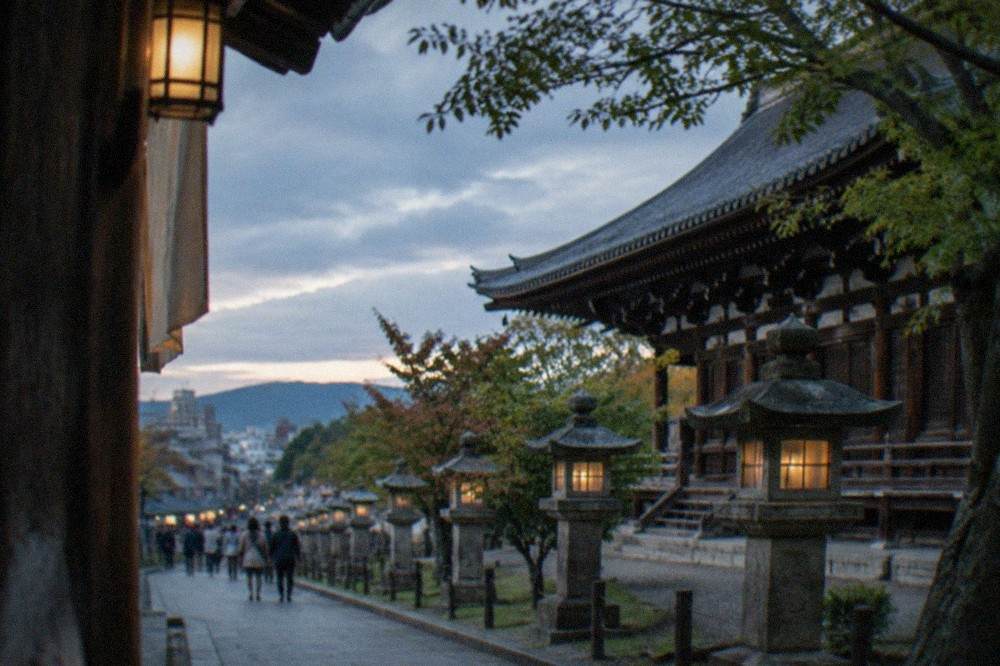
A useful way to decide is to look at what your other days hold. If your trip is anchored in Kyoto with days given to Kiyomizu-dera, Arashiyama and the Higashiyama lanes, Nara is a gentle variation on the same theme: low buildings, temple gates, deer where other cities have traffic. If you are anchored in Osaka, Nara is the calm counterweight to Dotonbori, and the return train lands you back in the middle of the best food city in the region. Neither choice is wrong; they are different holidays.
| Factor | From Kyoto | From Osaka |
|---|---|---|
| Direct train | JR Miyakoji Rapid, one seat | JR and Kintetsu, both direct but varied stopping patterns |
| Typical planning | One named service, one station choice | Choose between two operators and two Nara termini |
| Character of the base | Temples, gardens, low rise | City energy, food, nightlife |
| Best fit | First Japan trip, temple-focused itineraries | Food-first trips, travellers who like big evenings |
| Return-trip appeal | Quiet evening, early night | Immediate dinner and bar options |
One practical note for families: the deer are the headline for children, and the 2026 census counted 1,687 of them in and around Nara Park, up 222 on the previous year, being 411 stags, 990 does and 286 fawns, counted over the mornings of 15 and 16 July 2026. That number is published by the deer protection body itself. If the deer are the point of the day, either base delivers them by late morning.
What Does A Nara Day Trip Cost From Kyoto?
The train from Kyoto costs roughly 720 yen each way on the JR Miyakoji Rapid or about 760 yen on Kintetsu plus 520 yen for a limited express seat, and the main paid sight on arrival, the Todai-ji Daibutsuden, charges 800 yen for adults and university students and 400 for elementary school children, open daily from 7:30 to 17:30 between April and October and 8:00 to 17:00 from November to March.
Nara Park itself is free and always has been; the deer wander public land, and the cost of the day is really the two train fares plus whatever you choose to enter. The Daibutsuden, the hall that holds the Great Buddha, is the one admission almost every visitor pays, and the temple's own information page sets those hours and fees. Beyond that, spending is optional: the park, the lantern-lined approaches to Kasuga Taisha, and the lanes of Naramachi cost nothing to walk.
| Item | Cost | Notes |
|---|---|---|
| Kyoto to Nara, JR Miyakoji Rapid | about 720 yen one way | Fare from fare guides, not an operator page; check live fare |
| Kyoto to Nara, Kintetsu | about 760 yen one way | Limited express adds about 520 yen |
| Todai-ji Daibutsuden, adult | 800 yen | University students included |
| Todai-ji Daibutsuden, elementary | 400 yen | Set by the temple's own information page |
| Nara Park | free | Public land, deer roam freely |
For context on what else the old capital serves up, what to eat in Nara covers the local specialities, and the deer themselves have a story worth reading before you go, covered in the Nara deer controversy, including the 140 deer deaths recorded in FY2025, 36 of them in road accidents.
Can You Visit Nara From Both Cities On One Trip?
Yes, and it is the normal pattern: most travellers stay in one base and day trip to the other two, and Nara sits close enough to both that a Kansai trip of four or five days can cover Kyoto, Osaka and Nara without changing hotels. The usual shape is nights in Kyoto or Osaka, a Nara day in the middle, and the remaining days split between the two cities' own sights.
The rail geography makes this easy. Kyoto and Osaka are half an hour apart on the shinkansen or a little longer on the special rapid, and Nara hangs off both like a pendant, so the triangle can be walked in any order. A common plan is Kyoto for the first nights, Nara on the middle day with luggage left at a station locker or a hands-free delivery counter, then Osaka for the final nights near the food. The reverse works just as well for travellers flying out of Kansai International.
For travellers who want the triangle without the timetabling, there is a case for letting someone else drive. The Hiroshima and Miyajima bus tour from Kyoto or Osaka shows the shape of a guided Kansai day done well, and the same logic applies to Nara: a coach handles the transfers while the traveller handles the deer.
Longer builds are covered elsewhere on this site: the five day Kyoto itinerary has room for a Nara day, and a split week between the two cities is its own well-trodden plan. Whichever base you choose, book nothing for Nara itself beyond the train seat: the park, the lanes and the deer ask for time, not tickets. For the wider picture of how the pieces fit together, the Kyoto Travel Guide homepage is the hub for the whole region.
Common Questions About Nara Day Trips
Is Nara closer to Kyoto or Osaka?
On the map Nara leans slightly toward Osaka, but the difference is small enough to be irrelevant: the JR Miyakoji Rapid covers Kyoto to Nara in about 45 minutes, and Osaka's suburban lines make a comparable run. Both cities are easy day-trip bases, and the better choice depends on your itinerary, not the distance.
How long is the train from Kyoto to Nara?
About 45 minutes on the JR Miyakoji Rapid, a direct service with no transfer, at a fare of roughly 720 yen one way. The Kintetsu alternative takes around 35 minutes if you pay the extra 520 yen limited express charge on top of the roughly 760 yen base fare.
Which station should I arrive at in Nara?
Kintetsu Nara sits closest to Nara Park and the Naramachi shopping lanes, while JR Nara is about ten minutes further out along Sanjo-dori. Both work; from Kyoto you can pick either operator, so the choice usually comes down to fare and timing on the day.
Is Nara worth a full day from Kyoto?
Yes. The park, the Todai-ji Daibutsuden at 800 yen adult admission, the lantern approaches to Kasuga Taisha and the old merchant lanes fill a comfortable day without rushing, and the roughly 45 minute ride each way leaves plenty of daylight. Travellers short on time can compress the highlights into a half day.
Can I do Nara and Kyoto in the same day?
It is possible but tight, and it is not recommended for a first visit. Nara rewards slow walking between the park and the temple approaches, and Kyoto's own sights deserve full days. The stronger plan is a dedicated Nara day and a separate, compressed Kyoto day.
The short version: Nara is a shade nearer Osaka on the map, but the Miyakoji Rapid makes Kyoto an equally fast door to the deer, and the better base is the one your trip already lives in. Pick the base, take the one-seat train, and let the park set the pace.