Which Station Is Best To Get Off In Kyoto?
Kyoto Station, Sanjo, Gion-Shijo or Kiyomizu-Gojo: the honest answer to which station you should get off at in Kyoto, with verified fares and pass prices.
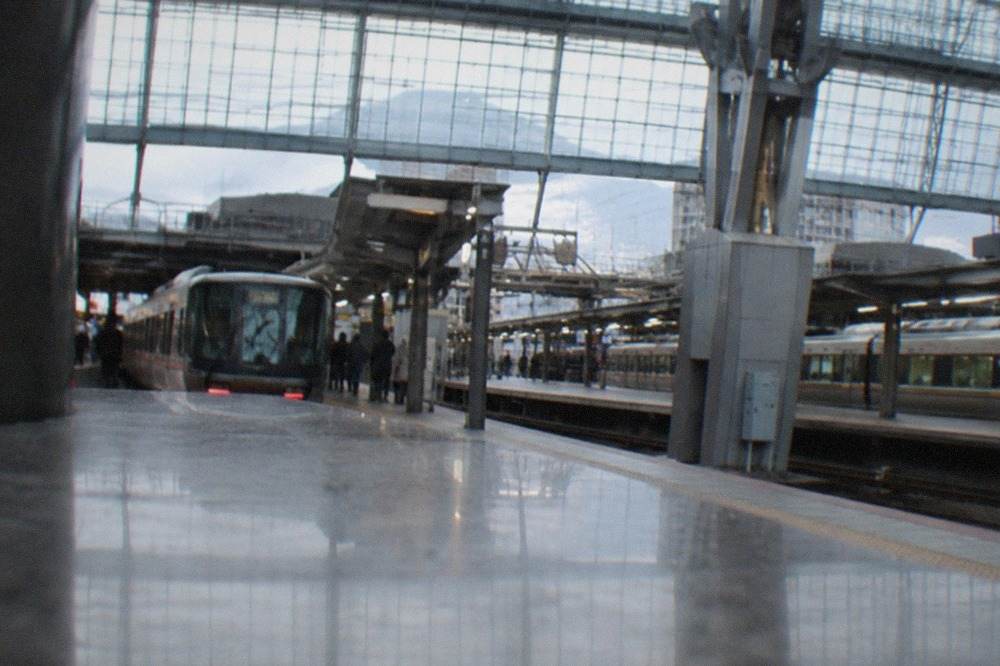
Kyoto Station handles the most passengers of any station in the city, and for many visitors it is the only one they ever see. That is a mistake worth correcting. Kyoto's main sightseeing districts sit on a north-south line roughly from Kyoto Station up through the downtown core to Gion and Kiyomizu-dera, and the subway, the Keihan line and the JR lines each serve that corridor differently. Getting off one or two stops early, or late, can turn a 40-minute cross-city slog into a five-minute walk.
The short version: get off at Kyoto Station if your hotel is near it or you are transferring onward. Get off at Sanjo or Gion-Shijo for downtown, the Kamo River, Gion and Pontocho. Get off at Kiyomizu-Gojo for the southern approach to Kiyomizu-dera and Higashiyama. This page walks through each option with the verified fares, so you can decide before you board rather than after you drag your suitcase up the wrong exit stairs.
Which Station Is Best To Get Off In Kyoto For A First Visit?
For a first visit with no hotel booked yet, Kyoto Station is the best place to get off, because it is the only stop where the JR HARUKA from Kansai International Airport, the Shinkansen, the Karasuma subway line and the city bus network all meet. If your hotel is downtown or in Gion, Sanjo Keihan or Gion-Shijo will usually save you 20 to 30 minutes and a crowded bus transfer, and Kiyomizu-Gojo is the smart stop for Higashiyama.
The decision really comes down to where you sleep. Kyoto's hotel districts cluster in three areas: around Kyoto Station itself, the downtown grid between Karasuma and Kawaramachi, and the eastern strip from Gion up toward Kiyomizu-dera. The where to stay in Kyoto guide covers the trade-offs in depth, but the station logic is simple. Each of those three areas has a station that serves it directly, and forcing a Kyoto Station arrival into a downtown hotel means either a subway ride or a city bus at 230 yen flat fare with luggage, which drivers can refuse on crowded runs.
One thing that surprises many first-time visitors: Kyoto Station is enormous, and its exits matter. The Karasuma central exit puts you under the station tower and next to the bus terminal. The Hachijo exit on the south side is where the Itami airport limousine bus departs, at 1,500 yen adult and 750 yen child, about 50 to 55 minutes to Itami, with contactless card payment accepted since 1 March 2026. Choosing the right exit saves as much walking as choosing the right station.
If you are arriving from Kansai International by train, the JR West HARUKA One-way Ticket for foreign visitors costs 2,200 yen to Kyoto, 1,100 yen for a child, and the journey takes about 80 minutes. That is the product to buy, not the regular fare, which is higher.
Kyoto Station Or Sanjo: Which Is Closer To Downtown Kyoto?
Sanjo Keihan and the connected Kyoto-Karasuma and Sanjo Keihan subway stops sit in the middle of downtown, a five-minute walk from Pontocho and the Kamo River, while Kyoto Station is about 2 kilometres south of the downtown core. The Karasuma subway line connects them in about 10 minutes for 220 to 260 yen, and the Sanjo area is also the eastern terminus for trains toward Arashiyama and the Keihan line to Gion and Fushimi Inari.
Downtown Kyoto, the Kawaramachi and Karasuma shopping grid, is the city's restaurant and nightlife heart. The downtown Kyoto or Gion comparison is worth reading if you are choosing a base, but for station purposes the answer is fixed: downtown means Sanjo or Shijo. The subway's Karasuma and Shijo station sits under the main shopping crossing, and Sanjo Keihan, one stop further east on the Tozai line, puts you at the river itself.
The mistake to avoid is exiting at Kyoto Station and walking to a bus stop for a downtown hotel. The city's flat bus fare is 230 yen for adults and 120 yen for children aged 6 to 11, and buses on the downtown routes are the most crowded in the city. The subway is faster, climate-controlled and runs the same corridor. A single zone 1 ride is 220 yen, and the full five-zone range runs to 360 yen.
| Station | Best for | Lines | Walk to key sights |
|---|---|---|---|
| Kyoto Station | Transfers, Shinkansen, south-side hotels | JR, Shinkansen, Karasuma subway, buses | Kyoto Tower about 5 min |
| Sanjo Keihan | Downtown, Kamo River, Pontocho | Tozai subway, Keihan | Pontocho about 5 min |
| Shijo / Kyoto-Karasuma | Shopping, Kawaramachi dining | Karasuma subway, Hankyu | Nishiki Market about 10 min |
| Gion-Shijo | Gion, Yasaka Shrine, evening walks | Keihan | Yasaka Shrine about 7 min |
| Kiyomizu-Gojo | Higashiyama, budget walk to Kiyomizu-dera | Keihan | Kiyomizu-dera about 20 min uphill |
| Saga-Arashiyama | Bamboo grove, Sagano train | JR Sagano line | Bamboo grove about 10 min |
Note that the last row is the exception to the north-south rule. Arashiyama sits west of the city, and if you are heading there directly, staying on the JR Sagano line to Saga-Arashiyama beats backtracking through the downtown stations.
Which Kyoto Station Is Closest To Kiyomizu-dera And Gion?
Kiyomizu-Gojo on the Keihan line is the closest rail stop to Kiyomizu-dera, and Gion-Shijo, one stop north, is the closest to Gion and Yasaka Shrine. Neither has a subway connection, so from Kyoto Station you either take the Keihan line from Tofukuji after one JR stop, or the JR Nara line to Tofukuji and transfer, or simply accept a 20-minute bus ride at 230 yen.
The eastern Higashiyama district is the one part of central Kyoto the subway does not reach. The Tozai line stops short at Higashiyama station, which serves the western foot of the district, and everything east of there, Kiyomizu-dera, Ninenzaka, Sannenzaka, Kodai-ji, is on foot from the Keihan stations or the bus routes.
For Gion specifically, Gion-Shijo is the answer. The station exits onto Shijo bridge over the Kamo River, and the northern edge of Gion, Hanamikoji street included, is a flat five-minute walk east. The Gion guide has the full district breakdown, including the photography rules on the private alleys off Hanamikoji, where signs posted by the local district council threaten a 10,000 yen penalty for unauthorized entry or photography.
The tourist express buses EX100 and EX101 are worth knowing here. Both run from Kyoto Station to the Kiyomizu side, with EX100 continuing to Gion, Heian Shrine and Ginkaku-ji. A ride costs 500 yen for adults and 250 yen for children, payable in cash or by IC card, and the stops are fewer than the regular routes, so the run is quicker. They operate mainly on weekends and holidays.
Do You Need The Subway And Bus One-Day Pass In Kyoto?
The Subway and Bus One-Day Pass costs 1,100 yen for adults and 550 yen for children, and it pays for itself at roughly four bus rides or five subway rides in a day. It covers both networks, which matters because the bus-only one-day pass no longer exists: sales ended in September 2023 and the last day of use was 31 March 2024, so any guide still recommending it is out of date.
The arithmetic is straightforward. A city bus ride is a flat 230 yen, so the pass breaks even once you take enough bus rides to pass the 1,100 yen mark, and the subway fares of 220 to 360 yen by zone add up at a similar pace. For a packed sightseeing day that mixes the Karasuma line, the Tozai line and buses to the eastern temples, the pass is the better buy. For a day spent walking one district, it is not. The rest of the planning pages sit on Kyoto Travel Guide.
The Subway One-Day Pass, subway only, is 800 yen for adults and 400 for children, and it suits a day confined to the two subway lines.
For the IC card question: an ICOCA card costs 2,000 yen, which includes a 500 yen deposit, and works on every train, subway and bus in the city. It does not save money over cash fares, it saves time, and it is the simpler option if you would rather not calculate whether the day pass breaks even.
| Ticket | Adult | Child | Covers |
|---|---|---|---|
| City bus, single ride | 230 yen | 120 yen | Flat fare, all city bus routes |
| Subway, single ride | 220 to 360 yen | 110 to 180 yen | Zone 1 to zone 5 |
| Subway and Bus One-Day Pass | 1,100 yen | 550 yen | Both networks, one day |
| Subway One-Day Pass | 800 yen | 400 yen | Subway only, one day |
| EX100 / EX101 tourist express | 500 yen | 250 yen | Kyoto Station to Kiyomizu, Gion, Ginkaku-ji |
| HARUKA One-way Ticket (KIX) | 2,200 yen | 1,100 yen | Foreign visitors, Kansai Airport to Kyoto |
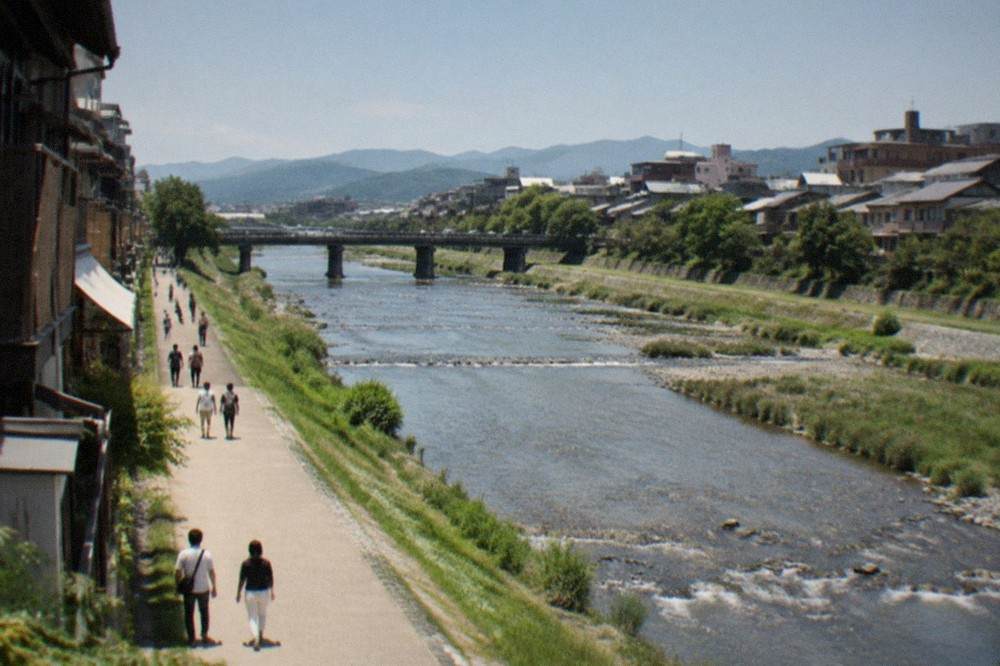
Which Station Should You Get Off At For Day Trips From Kyoto?
For day trips, stay at Kyoto Station for JR lines to Nara, Uji and Osaka, use the Keihan line from Gion-Shijo or Sanjo for Fushimi Inari and southern destinations, and use Demachiyanagi for the Kurama and Kibune line. The JR Miyakoji Rapid reaches Nara in about 45 minutes for about 720 yen one-way, and the JR Nara line reaches Uji for 240 yen.
The station choice for day trips is really a line choice. JR lines all radiate from Kyoto Station, so Nara, Osaka, Uji and the Shinkansen all start there. The Keihan line runs down the eastern side of the city through Gion-Shijo, Kiyomizu-Gojo and Tofukuji to Fushimi Inari Taisha, whose shrine grounds are free to enter and whose paths have no closing time.
Two practical notes. First, Fushimi Inari is a 5-minute walk from Inari station on the JR Nara line, one stop from Tofukuji, and also served by Fushimi-Inari on the Keihan line. If you are starting from downtown, the Keihan option avoids the trip back to Kyoto Station entirely. Second, if you are heading to Arashiyama from the east side of the city, the JR Sagano line from Kyoto Station to Saga-Arashiyama is the direct route, and the Sagano Romantic Train connects from there.
Weather should shape the day-trip station decision too. The Kyoto weather guide notes that July, not June, is Kyoto's wettest month at 223.6 mm against 199.7 mm in the JMA 1991-2020 normals, and a rainy forecast is a good reason to pick indoor-heavy destinations reachable without a long final walk.
Which Station Is Best To Get Off In Kyoto?
The final answer, restated plainly: get off at Kyoto Station if you are transferring, staying nearby or heading out on a JR day trip. Get off at Sanjo or Shijo for downtown hotels, dining and shopping. Get off at Gion-Shijo for Gion, and Kiyomizu-Gojo for Higashiyama and Kiyomizu-dera. Get off at Saga-Arashiyama for the bamboo grove. Match the station to your hotel, not to the city's biggest landmark.
The most common costly error is treating Kyoto Station as the city. It is a transport hub with excellent hotels and the Kyoto Station area guide makes the case for staying there, but the downtown core is 2 kilometres north and the temple districts are beyond it again. Arriving visitors who book a downtown hotel and then plan every day around Kyoto Station departures spend 20 to 40 minutes a day on movement they did not need.
The reverse error exists too. Kyoto Station is genuinely the best base for some travellers: anyone with a JR-heavy itinerary, anyone arriving late from Kansai International on the HARUKA, and anyone who values the station's dining and shopping over atmosphere. The things to do in Kyoto overview can help you judge which camp you fall into.
Whichever station you choose, one habit pays for itself immediately: check the exit before you leave the platform. Kyoto's larger stations have exits hundreds of metres apart, and on Kyoto Travel Guide the recurring theme across every transport page is that the last 300 metres of any journey in this city are decided at the exit, not the station.
Common Questions About Getting Off At Kyoto Stations
Which Station Is Best To Get Off In Kyoto?
It depends on your destination. Kyoto Station is best for transfers and JR day trips, Sanjo and Shijo for downtown, Gion-Shijo for Gion, Kiyomizu-Gojo for Higashiyama, and Saga-Arashiyama for the bamboo grove.
Is Kyoto Station Walkable To Downtown?
Not comfortably. The downtown core around Kawaramachi and Karasuma is roughly 2 kilometres north of Kyoto Station. The Karasuma subway line covers it in about 10 minutes for 220 to 260 yen, and the flat-fare city bus costs 230 yen.
What Is The Closest Station To Kiyomizu-dera?
Kiyomizu-Gojo on the Keihan line is the closest rail stop, followed by Gion-Shijo one stop north. There is no subway station at Kiyomizu-dera itself, so the final approach is on foot or by bus.
Does The Bus-Only One-Day Pass Still Exist In Kyoto?
No. Sales ended at the end of September 2023 and the last day of use was 31 March 2024. The current product is the Subway and Bus One-Day Pass at 1,100 yen for adults and 550 yen for children, covering both networks.
How Much Is The Train From Kansai Airport To Kyoto Station?
The JR West HARUKA One-way Ticket for foreign visitors costs 2,200 yen to Kyoto, 1,100 yen for a child, with the journey taking about 80 minutes. The Itami airport limousine bus is an alternative at 1,500 yen adult and 750 yen child.
Is Gion-Shijo Or Kyoto Station Better For Gion?
Gion-Shijo, clearly. The station exits onto Shijo bridge, and the northern edge of Gion including Hanamikoji is about a five-minute walk east. From Kyoto Station, Gion requires a bus or subway-plus-walk journey of 20 to 30 minutes.