Is Ghibli Park Close To Tokyo Or Kyoto?
Ghibli Park sits in Aichi Prefecture between Japan's two biggest tourist cities. Here is how the access works from Kyoto and Tokyo, and what to do instead if the trip does not fit.
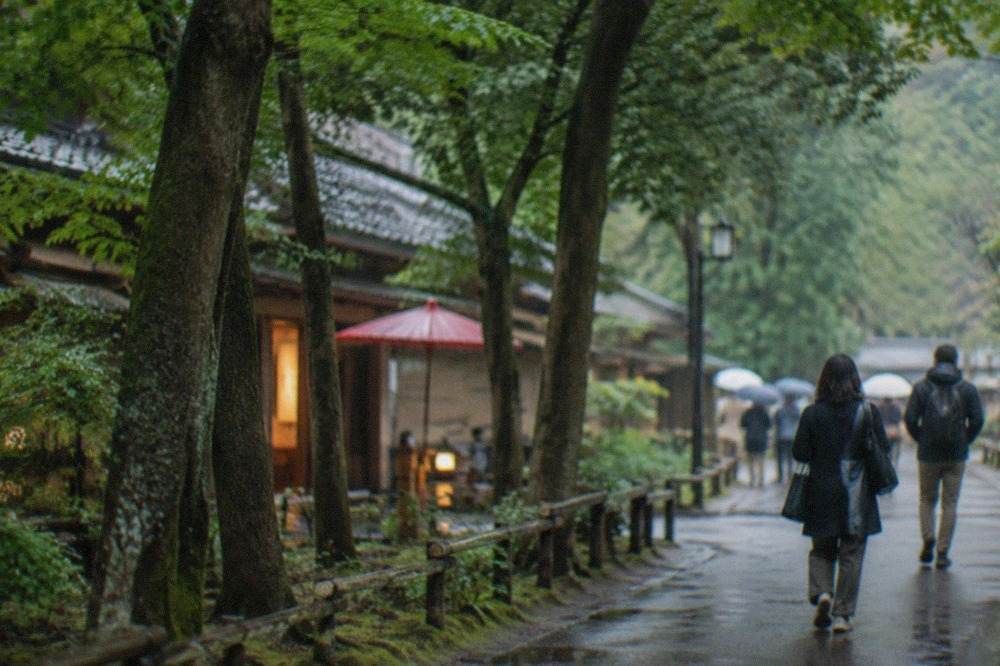
Ghibli Park is not in Tokyo and not in Kyoto. It was built inside the former world expo memorial park in Nagakute, a wooded hillside town in Aichi Prefecture east of Nagoya, and that geography answers the question in one line: the park sits on the Tokaido corridor between the two cities, and it is materially closer to Kyoto than to Tokyo. Everything else, the train connections, the ticketing, and whether the detour is worth carving out of a Kyoto itinerary, depends on how much of a day you are willing to spend on rails. This page lays out the honest access picture, flags the figures you should check with the operators rather than trust a guide for, and suggests what to do with the day if the trip does not fit.
Where Is Ghibli Park Actually Located?
Ghibli Park occupies part of the former world expo memorial site in Nagakute, Aichi Prefecture, on the eastern edge of the Nagoya conurbation. That places it squarely between Tokyo and Kyoto on the Tokaido corridor, and closer to Kyoto: the park is a Nagoya-area attraction, not a Tokyo one, despite how often it is described alongside Tokyo's Ghibli Museum.
The confusion starts with the museum. The Ghibli Museum is in Mitaka, inside Tokyo's western suburbs, and it has been open far longer, so many travellers assume the newer park belongs to the capital too. It does not. The park is a separate facility, in a different region entirely, built among the preserved forests of the former expo grounds in Aichi.
That location is the single most useful fact for trip planning. Nagoya sits between Kyoto and Tokyo on Japan's busiest rail corridor, which means a visitor based in either city reaches the same station, Nagoya, and then continues east on the same local rail line toward the park. The difference is simply how much of the Tokaido Shinkansen you ride to get there, and that difference favours Kyoto by a wide margin.
The park itself is not a conventional theme park. There is no gate-wide admission in the Disney sense; it is a set of separately ticketed areas, including the Ghibli's Grand Warehouse, built into the existing landscape of the memorial park, with the surrounding forest kept largely intact. Ticket systems, area combinations and advance-purchase windows are set by the park's own ticketing site, and they change often enough that any specific figure printed here would be a risk rather than a service. Check the park's official ticketing page before you plan the day around it.
How Do You Get To Ghibli Park From Kyoto?
From Kyoto, the route is the Tokaido Shinkansen to Nagoya, then a change onto the local Higashiyama subway and Linimo line out toward Fujigaoka and the expo memorial park. Kyoto is the closer of the two big cities: the shinkansen leg from Kyoto to Nagoya is the short half of the corridor, and the whole trip is a realistic there-and-back day if you leave early.
The practical shape of the day matters more than any single timetable figure. Kyoto Station to Nagoya is one of the densest high-speed rail segments in the world, with departures through the morning at close intervals, so the constraint is not the train, it is the transfer at Nagoya and the last local stretch to the park gate. The Linimo elevated line serves the expo memorial park directly, and the park areas sit inside the grounds once you are off the train.
Two honest cautions. First, the exact shinkansen fare and journey time between Kyoto and Nagoya are not figures this site's verified fact base carries, so check them against the rail operators' own fare planners or a journey planner such as Navitime when you build the day. Second, Ghibli Park tickets are date-stamped and sold in advance, and the popular areas sell out for weekends and Japanese holiday periods well ahead. A day trip from Kyoto only works if the ticket is already secured; arriving to find your chosen area sold out turns a long rail day into a very expensive walk in a nice forest.
For travellers weighing Kyoto against Tokyo as a base generally, the comparison extends well beyond this one park: the Kyoto vs Tokyo guide breaks down cost, pace and sightseeing density between the two, and the Tokyo to Kyoto guide covers the corridor you would be riding in reverse.
How Do You Get To Ghibli Park From Tokyo?
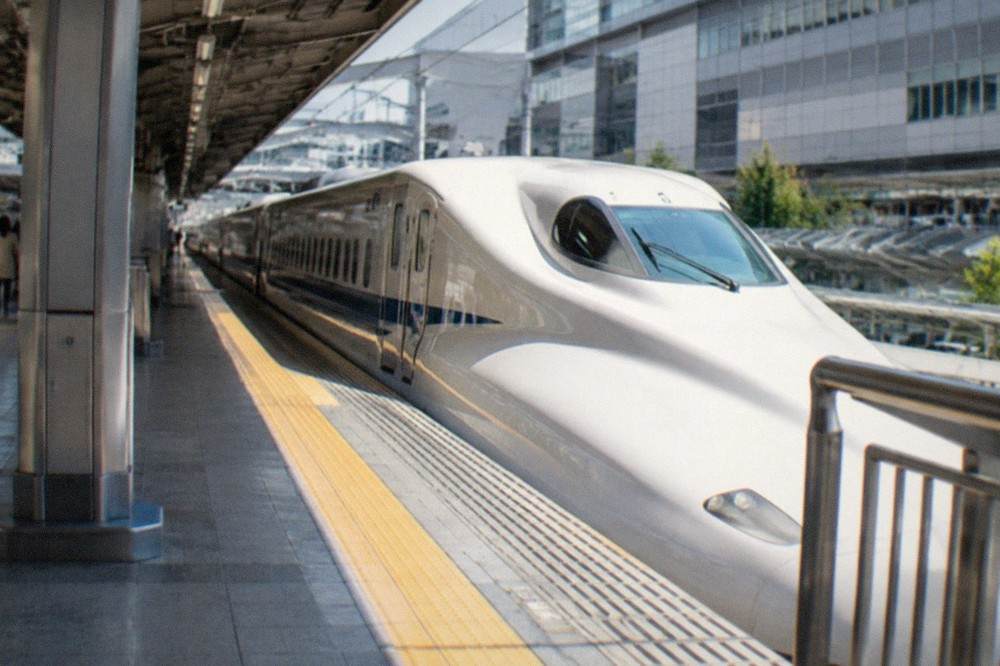
From Tokyo, you ride the same corridor the long way: the Tokaido Shinkansen from Tokyo to Nagoya, then the identical subway and Linimo transfer toward the expo memorial park. The shinkansen leg from Tokyo is roughly double the Kyoto leg in both time and fare, which pushes the trip from a comfortable day out toward a very long day, and makes an overnight in Nagoya the saner plan.
The transfer picture at Nagoya is identical from either direction, which is worth stating plainly because it simplifies the decision. There is no Kyoto-side or Tokyo-side entrance, no different queue, no advantage beyond distance. The park is the same park; Tokyo visitors simply spend longer getting to it. For a Tokyo-based traveller with limited days in Japan, that extra rail time each way is a real cost, and it is the reason many Tokyo itineraries swap Ghibli Park for the Ghibli Museum in Mitaka instead, which is a local train ride within the capital.
If you are building the trip from abroad and deciding which city to fly into or base yourself in, the flight-versus-train question is covered separately in is it better to fly or take a train from Tokyo to Kyoto, and the wider base-city choice is one this site's Kyoto Travel Guide homepage takes apart in detail.
Is Ghibli Park A Good Day Trip From Kyoto?
From Kyoto, Ghibli Park works as a day trip for a committed Ghibli fan with a pre-booked ticket and an early start, because the rail distance is short enough to leave real hours inside the park. From Tokyo it is technically possible in a day but poor value per hour, and an overnight in Nagoya is the better structure. For either city, the park rewards travellers who book the ticket first and build the day around it.
The honest framing is a budget-of-hours one. A Kyoto-based traveller spends the morning shinkansen hop plus transfers getting to the gate, has the middle of the day in the park, and rides back in the evening with daylight to spare. A Tokyo-based traveller spends the first and last chunks of the day on the train, and the same park ticket buys noticeably less time on the ground. The park's areas are spread across the memorial park's forest paths, and moving between them takes time that a late arrival eats directly.
Ticketing is the other half of the judgement. The park sells its areas in combinations, with the Ghibli's Grand Warehouse as the anchor that most visitors want, and advance purchase is the norm rather than the exception. This site's fact base deliberately carries no Ghibli Park prices or opening schedule, because the park's own ticketing pages are the only reliable source and they change; treat any other guide's printed figure with suspicion, including a round number that looks authoritative.
What Can You Do In Kyoto Instead Of Ghibli Park?
If the Ghibli Park day does not fit the itinerary, Kyoto holds attractions that scratch a similar itch without leaving the city: Toei Kyoto Studio Park puts visitors inside working period-film sets, the Kyoto Railway Museum and Nidec Kyoto Tower are family-tested standbys, and Iwatayama Monkey Park gives the forest-and-animals half of the Ghibli mood with a short local trip to Arashiyama.
The closest cultural analogue is Toei Kyoto Studio Park, a working samurai-film studio turned visitor attraction in Uzumasa, where the streetscape sets, costume experiences and ninja shows deliver the "step inside the story" feeling that draws people to Ghibli Park. Its current admission is not printed here because the official ticket pages did not yield a verifiable figure; check the park's own site before you go.
For families specifically, the Kyoto with kids itinerary sequences the child-friendly side of the city, and the verified entry fees below are the ones this site's fact base actually holds:
| Kyoto alternative | Verified entry fee | What it delivers |
|---|---|---|
| Iwatayama Monkey Park | 800 yen adult, 400 yen ages 4-15, cash only | A 20-minute hillside climb to free-roaming macaques above Arashiyama |
| Nidec Kyoto Tower | 900 yen adult, 600 yen elementary and junior high | The city's landmark observation deck over Kyoto Station |
| Kyoto Railway Museum | 1,500 yen general, 1,300 yen university and high school | Full-size locomotives and driving simulators, closed Wednesdays |
| Kinkaku-ji | 500 yen general, 300 yen primary and middle school | The Golden Pavilion, unchanged fee since April 2023 |
For the travellers who came for the forest rather than the films, the stronger Kyoto answer is the mountain day north of the city. The Kurama and Kibune full-day hike is a guided walk between two mountain villages on the trail that links Kurama-ji's temple grounds to the Kibune valley, the kind of cedar-and-stream landscape that Studio Ghibli itself keeps borrowing from. It is a different experience from a themed park, and for many visitors it is the better one, because the scenery is not a recreation.
If the question behind the question is whether Kyoto deserves the days at all, the longer answers are already written: is Kyoto worth visiting and how many days in Kyoto is enough both take the itinerary math seriously, and the things to do in Kyoto roundup is the full catalogue.
Should You Build Your Trip Around Ghibli Park From Either City?
Build the trip around Ghibli Park only if the films are a primary reason for the journey, and base that leg in Kyoto rather than Tokyo, because the shorter rail leg from Kyoto buys hours inside the park that the Tokyo leg spends on tracks. For everyone else, Ghibli Park is a detour, not a destination, and Kyoto's own catalog of temples, markets and mountain walks will fill the same days without a shinkansen reservation.
The decision rule is simple. A traveller with a fixed Kyoto itinerary of three or four days should treat Ghibli Park as a candidate for one of those days only after the core list, Fushimi Inari at dawn, the Higashiyama slopes, Arashiyama, is already placed, and only with the park ticket confirmed in advance. A traveller torn between basing in Kyoto or Tokyo who specifically wants Ghibli Park should lean Kyoto for this leg of the trip, then ride the corridor onward.
One structural note that helps either plan: the Tokaido line that carries you to Nagoya also carries you between the two cities, so Ghibli Park sits naturally on a Kyoto-to-Tokyo travel day or the reverse, with a stop in Nagoya, rather than as a round trip from either end. Turning the park into a waypoint instead of an out-and-back is the single best way to make it fit, and it costs nothing but a heavier bag on the train. For the full run-down of what Kyoto itself holds, start with what Kyoto is known for and plan from there.
Common Questions About Ghibli Park And Kyoto
Is Ghibli Park Close To Tokyo Or Kyoto?
Ghibli Park is in Aichi Prefecture, on the former world expo memorial site near Nagoya, which places it between the two cities and clearly closer to Kyoto. From Kyoto the shinkansen leg to Nagoya is the short half of the corridor; from Tokyo it is roughly double, so Kyoto is the better base for the park.
Is Ghibli Park the same as the Ghibli Museum in Tokyo?
No. The Ghibli Museum is in Mitaka, inside Tokyo, while Ghibli Park is a separate, newer facility in Aichi Prefecture near Nagoya. The museum is a compact indoor attraction; the park is a set of separately ticketed areas spread across a forested memorial park.
Can you do Ghibli Park as a day trip from Kyoto?
Yes, with an early start and a pre-booked ticket. The rail route is the Tokaido Shinkansen to Nagoya, then the Higashiyama subway and Linimo line toward the expo memorial park. Check current fares and times with the rail operators' own planners, and buy the park ticket in advance because popular areas sell out.
How much does Ghibli Park cost?
This site does not print a Ghibli Park price, because its verified fact base holds no figure for the park and its ticketing structure changes. The park's own official ticketing site is the only reliable source for current area combinations and prices.
What is a good Kyoto alternative to Ghibli Park?
Toei Kyoto Studio Park in Uzumasa offers the step-inside-the-story experience with period film sets, while Iwatayama Monkey Park at 800 yen for adults and the Kurama to Kibune mountain hike deliver the forest atmosphere without leaving the Kyoto area.