What Sweets Is Kyoto Famous For?
Kyoto is famous for matcha desserts from Uji, yatsuhashi, warabimochi and seasonal kyo-wagashi. Here is what to eat, where, and how the calendar shapes the city's sweets.
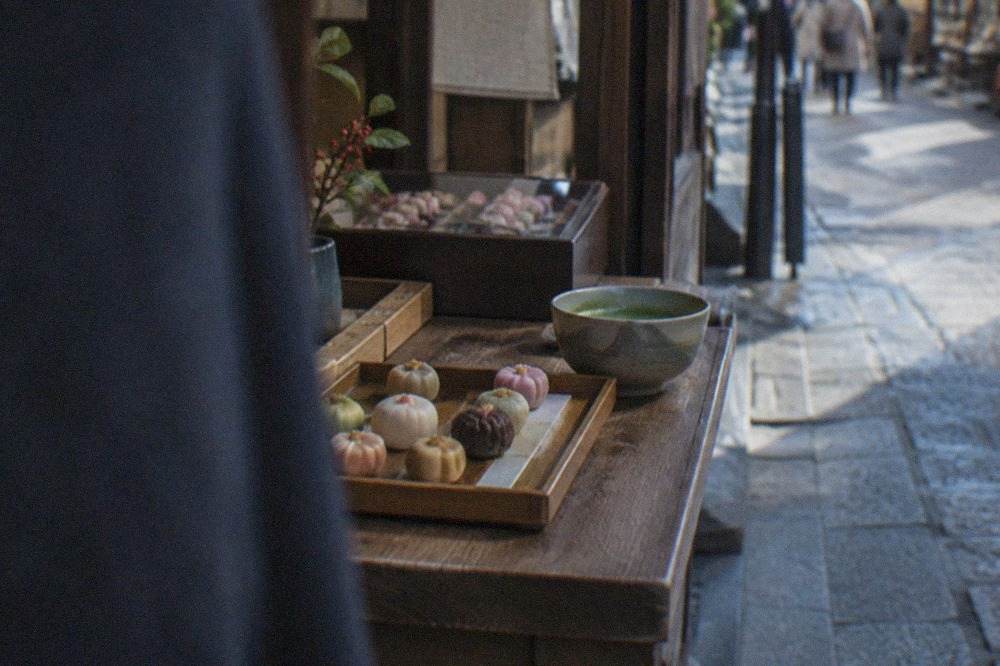
What Sweets Is Kyoto Famous For?
Kyoto has been Japan's capital of confectionery for centuries, and the reason is partly geography. The tea fields of Uji sit just south of the city, the imperial court demanded refined sweets for tea ceremony, and the temple kitchens of the east developed a lean, plant-based cooking style that shaped what counts as dessert here. The result is a distinct category, kyo-wagashi, the Kyoto style of Japanese sweets, built on rice flour, sweet bean paste and seasonal imagery rather than butter and cream. The city's 2025 tourism survey counted a record 62.79 million visitors, and a good share of them leave with a box of yatsuhashi in their luggage.
What Are The Signature Kyoto Sweets?
The five sweets most identified with Kyoto are matcha desserts made with Uji green tea, yatsuhashi (a folded mochi wrapped around sweet bean paste), nama-yatsuhashi (the same confection eaten soft rather than baked), warabimochi (jelly-like bracken starch cubes dusted in roasted soybean flour), and kuzukiri (translucent arrowroot noodles served cold with a black sugar syrup). Around them sits a wider family of kyo-wagashi, small confections shaped as seasonal flowers, leaves and motifs, made to be served with a bowl of thick matcha rather than eaten as a snack on the move.
None of these rely on dairy or wheat as their base, which is why they taste so different from Western patisserie. Sweetness is deliberately restrained. A piece of wagashi is designed to be cut into pieces and shared across a tea gathering, so a single serving is small, dense and intensely worked. That restraint is the point: the sweet exists to balance the bitterness of the tea beside it.
Yatsuhashi deserves its own note because it is the one sweet that functions as a souvenir industry. Baked yatsuhashi is a crisp, cinnamon-flavoured shell; nama-yatsuhashi is the unbaked version, a soft triangle of mochi folded over red bean paste, and it is the form most people mean when they recommend it. Boxes are sold in stacks at Kyoto Station and throughout the shopping streets, with flavours running from plain cinnamon to matcha and seasonal variations.
Warabimochi and kuzukiri, by contrast, are eating-in sweets. Both are summer foods, served chilled, and both depend on texture rather than flavour: the faint wobbling resistance of the starch itself, then the roasted soybean flour or dark syrup on top. If you want a fuller picture of the city's food identity beyond dessert, start with what Kyoto is known for and work inward from there.
Why Is Matcha From Uji So Central To Kyoto Desserts?
Matcha is central because Uji, the tea-growing district just south of Kyoto in the city of Uji, is one of Japan's most celebrated production areas for green tea, and Kyoto's dessert culture grew up around the tea ceremony that consumes it. The powdered tea is whisked into drinks, folded into soft cream, baked into roll cakes, and poured over parfaits stacked with mochi, red bean and rice crackers. Byodo-in, the Phoenix Hall temple that anchors a visit to Uji, sits inside the same tea landscape, and the difference between matcha generally and Uji matcha specifically matters when you are choosing what to buy, a distinction worth understanding before you shop.
The practical version of this is a matcha parfait or a matcha soft-serve eaten in one of the tea houses between Uji station and the river. The stronger version is a proper bowl of thick matcha with a small wagashi served alongside, which is the original pairing and still the best introduction to how Kyoto thinks about sweetness.
A tea-and-sweets afternoon also pairs naturally with the savoury side of Kyoto food culture, and a guided walk through that side saves a lot of guesswork. The pairing below is a good fit for a day built around flavour.
For dessert-first planning, the honest rule is simple: anything labelled Uji matcha should taste bitter first and sweet second. If it tastes mainly of sugar, you are eating a matcha-flavoured product rather than a matcha one.
Where Should You Eat Sweets In Kyoto?
The four reliable places to eat sweets in Kyoto are the tea houses and dessert parlours of Uji, the wagashi counters of the downtown Shijo and Kawaramachi shopping streets, the café-lined lanes around Kiyomizu-dera and Ninenzaka, and the food stalls of Nishiki Market, where each shop keeps its own hours, roughly 9 or 10:00 to 17 or 18:00. Nishiki deserves a caution rather than a warning: stalls there ask you to eat at the stall rather than walk and eat, so it is a tasting corridor rather than a stroll with dessert in hand.
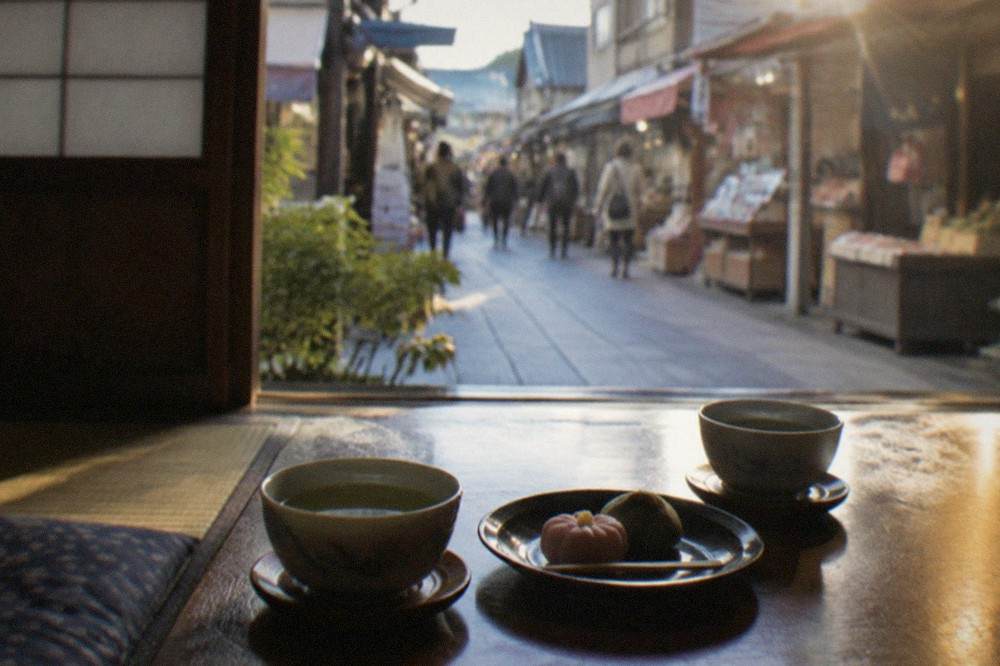
The temple-side lanes are the most atmospheric of the four. The stepped streets below Kiyomizu-dera are lined with shops selling fresh yatsuhashi, matcha soft serve and grilled dango, and the walk up doubles as dessert reconnaissance. If you want the backstory of the temple itself, read why Kiyomizu-dera is so famous before you go.
| Area | Best for | Character |
|---|---|---|
| Uji (JR or Keihan from Kyoto Station) | Matcha parfaits, fresh tea, Byodo-in | Day trip, tea-house atmosphere, riverside |
| Shijo and Kawaramachi | Long-established wagashi counters, dessert cafés | Downtown, easy by subway, busiest afternoons |
| Ninenzaka and Sannenzaka | Yatsuhashi, soft serve, dango | Tourist-heavy but scenic, best early morning |
| Nishiki Market | Small tastings, sweets among the food stalls | Covered arcade, shop-by-shop hours, eat at the stall |
A note on the upmarket end. Kyoto's most refined sweets are served in the tea houses and kaiseki restaurants of the east of the city, and the pricing there is a different universe from a station box of yatsuhashi. Hyotei, by Nanzen-ji, prints its own prices on its own site, tax and service included: kaiseki from 31,625 yen at lunch and from 37,950 yen at dinner in the main building, while the same house's annex serves asa-gayu at 5,445 yen and a Shokado bento at 7,260 yen. Those are Hyotei's prices for Hyotei's rooms, not a statement about what food costs in Kyoto, but they show the ceiling a famous Kyoto institution can carry, and the annex shows how the same kitchen serves a fraction of it.
If dessert is the mission and budget matters, the pattern that works is a morning in Uji, a walk through the temple lanes in the afternoon, and a box of nama-yatsuhashi bought at Kyoto Station for the train. For the savoury backbone of the day, the most famous food street in Kyoto is the natural pairing with any sweets crawl.
What Is Yatsuhashi And Why Do Visitors Buy It?
Yatsuhashi is a Kyoto confection made from a thin sheet of mochi dough flavoured with cinnamon and folded over a ball of sweet red bean paste, sold either baked into a crisp shell or, in the nama form, eaten soft and fresh the same day. It is the city's standard souvenir because it travels well in its baked form, comes in inexpensive boxed stacks sold at Kyoto Station and the main shopping streets, and exists nowhere else as a local speciality in the same way.
The nama version is the one locals will steer you toward. It does not keep, so it is a same-day pleasure rather than a gift, and the difference in texture between the soft triangle and the crisp baked shell is large enough that they feel like two different sweets. Flavours extend from plain cinnamon to matcha, and seasonal limited editions rotate through the year.
The name is tied to a Kyoto story involving the koto, the Japanese zither, and a broken bridge, which is why the baked sweet is traditionally shaped like the instrument's bent frame. Whether the story predates the sweet or was attached to it afterwards, the shape is the giveaway: a flat, gently folded rectangle, never a round.
How Do Kyoto Sweets Follow The Seasons?
Kyoto sweets follow the seasons closely because wagashi are designed as seasonal markers for the tea ceremony, with sakura-themed sweets in late March and April, fresh green-leaf and hydrangea motifs in early summer, and maple-leaf confections from late October through December, timed to the foliage rather than to a fixed menu. The city's observatory data makes the timing concrete: the JMA 1991-2020 normals put cherry flowering at 26 March and full bloom at 4 April, while the maple red-leaf marker has a normal date of 5 December.
| Season | Typical wagashi motifs | Calendar anchor (JMA Kyoto normals, 1991-2020) |
|---|---|---|
| Late March to April | Cherry blossom shapes, salt-preserved petals in sweets | Flowering 26 March, full bloom 4 April |
| May to June | Fresh green leaves, irises, hydrangeas | Plum flowering normal 22 February, rain from June |
| July to August | Chilled warabimochi, kuzukiri, translucent summer jellies | Wettest month July, 223.6 mm |
| October to December | Maple leaves, chestnuts, persimmons | Maple red-leaf normal 5 December |
The summer row is worth dwelling on. July, not June, is Kyoto's wettest month at 223.6 mm against June's 199.7 mm in the JMA 1991-2020 normals, and August is the hottest month with a mean of 28.5 C. The chilled, jelly-like sweets of high summer are not a fashion, they are how the city's dessert culture copes with heat and humidity that the same records show has been intensifying: three of Kyoto's six hottest days on record fell in the summers of 2024, 2025 and 2026.
In autumn, the seasonal sweets run longer than most visitors expect. The official maple marker falls in early December, and 2025's red leaves were observed on 10 December, so maple-shaped confections are still on counters when the foliage crowds have gone. A sweets-focused visit in late November gets both the tail of the autumn-leaf sweets and thinner queues.
How Do Kyoto Sweets Fit Into A Day Of Eating?
Kyoto sweets fit best as bookends to a day: a matcha and wagashi pairing in a tea house in the morning, a chilled dessert in the afternoon heat, and a box of nama-yatsuhashi or baked yatsuhashi bought last, at Kyoto Station, so it travels fresh. The city's food culture rewards this pacing because portions are small and the strongest sweets are tied to specific places, Uji for tea, the temple lanes for street desserts, downtown for the established wagashi houses.
Planning around dessert also solves the itinerary question. A morning in Uji, an afternoon walk through Higashiyama, and an evening downtown covers tea, street sweets and boxed confections in one loop, and it is the shape most first-time visitors end up wishing they had taken. For the broader structure, how many days in Kyoto is enough is the question to settle first, and the signature dish of Kyoto is the savoury counterweight to all of the above.
The guided option below suits a day that keeps dessert as the highlight but wants the savoury side handled by someone who knows the ground.
Of the three, the brewery walk with tastings and pairings is the one that slots most cleanly into a sweets-centred day, because it runs three hours, finishes in the Fushimi sake district, and leaves the evening free for the temple lanes or a downtown dessert café. The ramen class is the better pick for a rainy afternoon, and the full-day bus tour is the one to choose when the schedule only allows a single day for the whole city.
Common Questions About Kyoto Sweets
What Sweets Is Kyoto Famous For?
Matcha desserts made with Uji green tea, yatsuhashi and nama-yatsuhashi, warabimochi, kuzukiri, and the wider family of seasonal kyo-wagashi designed to accompany tea. Baked yatsuhashi is the standard souvenir; nama-yatsuhashi is the same sweet eaten soft and fresh the same day.
What Is The Difference Between Matcha And Uji Matcha?
Matcha is the powdered green tea itself; Uji matcha is matcha grown in the Uji district south of Kyoto, one of Japan's most celebrated production areas. The distinction matters when buying, and it is covered in detail in our guide to the difference between matcha and Uji matcha.
Can You Buy Kyoto Sweets As Gifts?
Baked yatsuhashi travels well and is sold in boxed stacks at Kyoto Station and the main shopping streets. Nama-yatsuhashi does not keep and should be eaten the same day. Tea from Uji is the other gift that travels, and it is the base of most of the city's dessert culture.
When Is The Best Season For Kyoto Sweets?
Every season has its own confections, but late March to April brings sakura-themed wagashi timed to the cherry flowering, and October to December brings maple-leaf sweets. The JMA normals put the maple red-leaf marker at 5 December, later than most guides assume, so autumn sweets run well into December.
Are Kyoto Sweets Vegetarian-Friendly?
Traditional wagashi are built on rice flour, sweet bean paste and plant-based thickeners, and many contain no dairy or egg, though some shops use honey or gelatin derivatives, so check at the counter if that matters to you. Warabimochi and kuzukiri are typically plant-based.
Kyoto's sweets are best understood as the dessert half of a tea culture, and the city rewards visitors who treat them that way: small, seasonal, and paired with something bitter. Start with a bowl of Uji matcha, finish with a box of yatsuhashi, and let the calendar decide the rest, the same seasonal logic that runs through every page of Kyoto Travel Guide.