Free Walking Tours In Kyoto, And What Else Costs Nothing
The free walking tours in Kyoto are real, tip based and led by local gurus on GuruWalk. This guide lists all ten routes, sets a fair tip benchmark, and rounds up everything else in the city that costs nothing to visit.
Short answer
The genuine free walking tours in Kyoto are tip-based routes booked through GuruWalk, where independent local guides called gurus are paid only what walkers hand over at the end. Ten routes cover Gion, Higashiyama, the historic centre, Nijo-jo Castle, Arashiyama and Nishiki Market, and the strongest is the three-hour Free Walking Tour Kyoto, rated 4.93 across 1,128 reviews.
Fushimi Inari Taisha, the head shrine of what its own English pages call some thirty thousand Inari shrines across Japan, publishes no admission fee anywhere on its site. That single fact frames a whole budget. Kyoto divides cleanly into sights that cost nothing, shrines and streets and villa gardens among them, and temples that charge, several of which raised their fees in 2026. Free walking tours sit right on the dividing line: the walk itself costs nothing, and only the tip is up to you.
This page settles three questions in order. Which free walking tours are real, and who actually runs them. What a fair tip looks like once the walk ends. And what else in the city genuinely costs nothing, set against the 2026 temple fees so the contrast stays honest.
Which Free Walking Tours In Kyoto Are Real, And Who Runs Them?
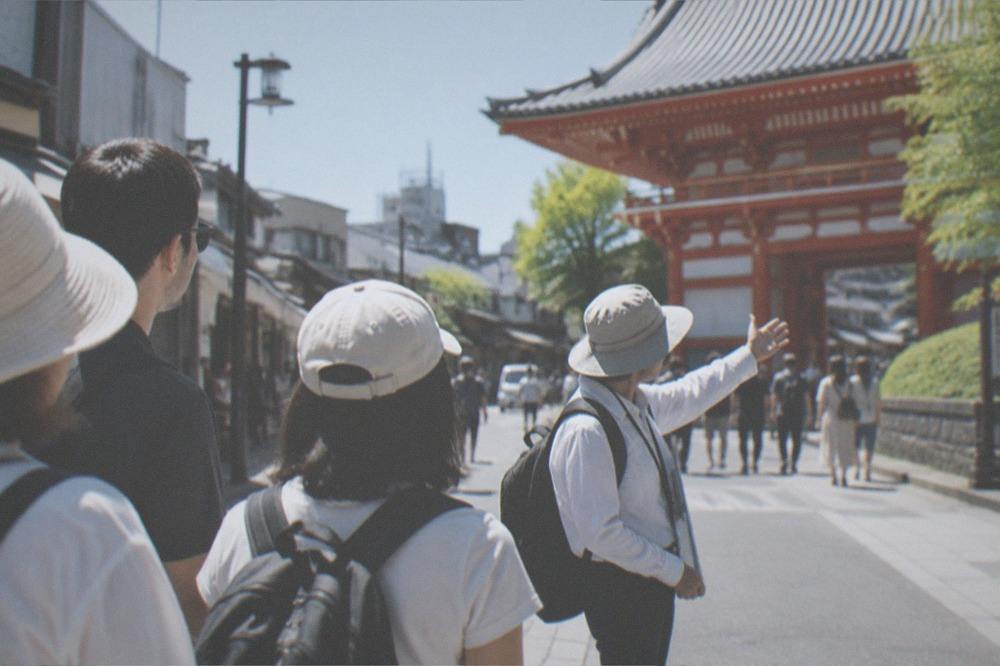
The real ones are tip-based walks booked through GuruWalk, a platform where independent local guides, known as gurus, lead the route and are paid only what walkers choose to hand over at the end. The roster currently covers ten Kyoto walks, from a three-hour city tour rated 4.93 across 1,128 reviews to a Gion geisha walk rated 4.89 across 1,047, plus newer listings for Nijo-jo Castle and Nishiki Market that have no traveller reviews yet.
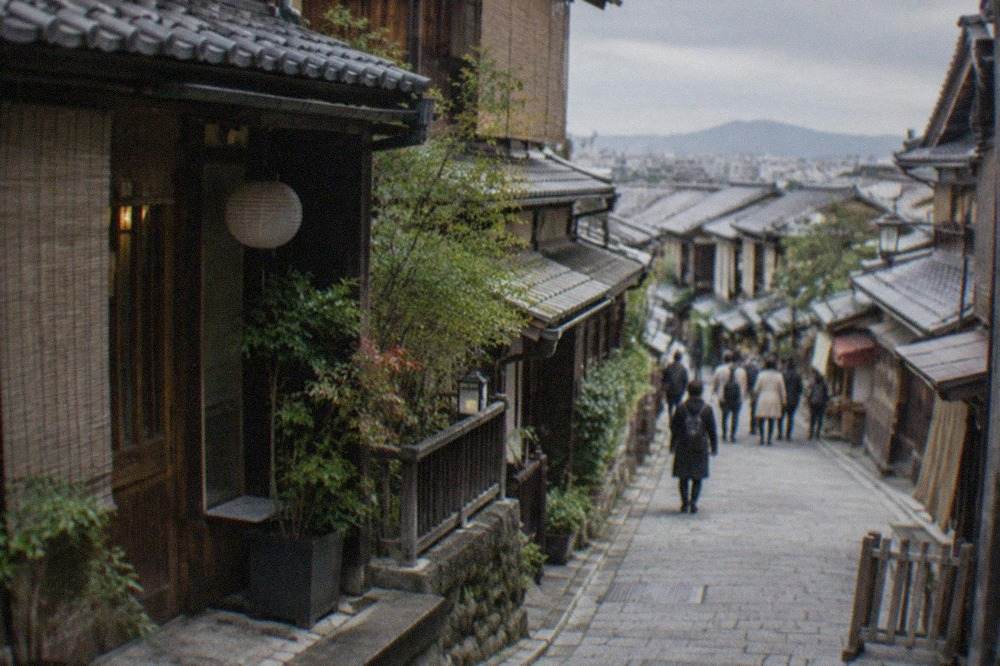
How the model works matters more than the word free. A guru publishes a route, a meeting point and a time. Walkers reserve a seat through the tour's own page at no charge. The guru leads the walk, and at the end the group pays what it thinks the two or three hours were worth. The guru's name and route description sit on that same page, which is where the honesty test lives: a genuine free walk names its guru and states plainly that it is tip based. If a "free tour" page hides who leads it or pushes a fixed price, it is not one of these.
The current roster, with the ratings each walk carries:
| Walk | Area | Length | Traveller rating |
|---|---|---|---|
| Free Walking Tour Kyoto | City centre | 3 hours | 4.93 from 1,128 reviews |
| Gion Legacy of Geishas | Gion | 2 hours | 4.89 from 1,047 reviews |
| Kyoto Historic Center | Downtown core | 2 hours 30 minutes | 4.67 from 597 reviews |
| Kyoto Free Walking Tour in Gion & Higashiyama | Gion and Higashiyama | 2 hours | 4.86 from 557 reviews |
| Kyoto Gion: 2-Hour Geisha Culture & History | Gion | 2 hours | 4.83 from 339 reviews |
| Kyoto Invisible: Forbidden Tales, Mysteries & Hidden Gems | Backstreets | 2 hours | 4.99 from 163 reviews |
| Kyoto: UNESCO World Heritage Arashiyama Walking Tour | Arashiyama | 1 hour 30 minutes | 4.92 from 75 reviews |
| The Secret History and Legends of Kyoto | Old city | 2 hours 30 minutes | 4.89 from 19 reviews |
| Nijo Castle the Samurai Secret | Nijo-jo Castle | 1 hour 30 minutes | New listing, no traveller reviews yet |
| Kyoto: Nishiki Market & Hidden Local Gems | Nishiki Market | 1 hour 30 minutes | New listing, no traveller reviews yet |
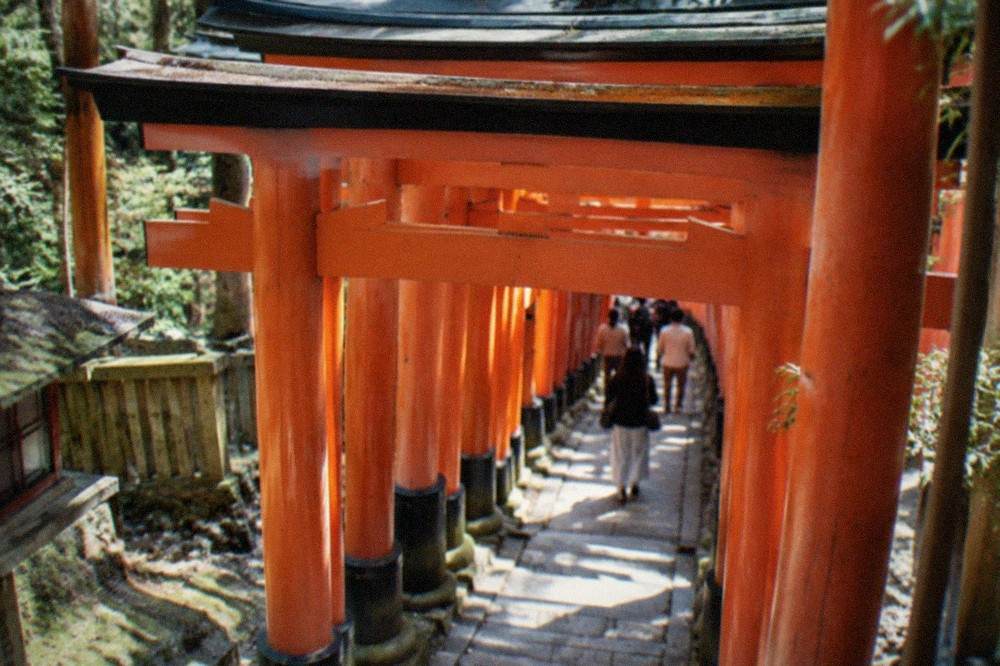
Two patterns in that table are worth a closer look. The longest-established walks carry the deepest review counts, and the two newest listings, Nijo-jo Castle and Nishiki Market, are exactly where a fresh route would appear. The Nijo Castle walk also states up front that castle admission is not included, which is the honest framing: the walk is free, the castle inside is not, and the section on fees below gives the numbers.
For a first visit, the plain-named Free Walking Tour Kyoto is the strongest of the ten. Three hours is enough ground to tie the downtown core together, 1,128 reviews at 4.93 is the largest sample on the free roster, and a city-centre orientation walk is the most useful thing to do on day one, before the paid itineraries and the temple queues begin.
One booking habit protects the model. Reserve through the tour's page, and if plans change, cancel the seat, because the guru walks with a head count and an empty reserved spot is a seat somebody else was refused. Arriving five minutes early at the stated meeting point is the whole obligation. The tip is the only payment, and the next section puts a number on it.
How Much Should You Tip On A Free Walking Tour In Kyoto?
No official body sets a tip figure, and GuruWalk leaves the amount entirely to the walker. A defensible benchmark is the fixed price of the same walk elsewhere: paid Gion walking tours in Kyoto run from $20 to $30 per person for roughly two hours, so a tip inside that band matches what the conventional product charges. Nothing is owed if the walk disappoints.
The benchmark is not arbitrary. Kyoto has one of the densest fixed-price walking tour markets in Japan, and the Gion district alone carries four directly comparable products, all bookable, all with published starting prices and large review bases. They tell you what two hours of a local guide's time sells for in this city.
| Paid Gion walk | From | Traveller rating | Length |
|---|---|---|---|
| Gion Hidden Gems & Geisha Culture Tour | $20 | 5 from 3,835 reviews | 2 hours |
| Gion Magical Night Walking Tour & Geisha Culture | $22 | 4.9 from 4,616 reviews | 1 hour 40 minutes |
| Gion Geisha District & Hidden Gems Walking Tour | $23 | 4.8 from 4,599 reviews | 2 hours |
| Gion Geisha District Walking Tour: The Stories of Geisha | $30 | 4.9 from 2,177 reviews | 2 hours |
Read that table as a price discovery mechanism. The fixed-price market clusters between $20 and $30 for a two-hour Gion walk, with review counts in the thousands backing each one. A three-hour free walk that covers more ground than any of them has a strong claim to the top of that range when it goes well, and a walk that does not go well has a claim to nothing, which is the entire point of the format.
The practical answer, then: hand over what the fixed market would have charged for the same two or three hours, adjusted up for a route that covered more, and adjusted down without guilt for one that did not. Cash in yen is the smoothest way to do it. Guides on the platform are paid from the tips, so a silent exit is a genuinely unpaid morning for the guru who led it.
If the arithmetic feels like a burden, the fixed-price walks above remove it, and so do the food and day-tour options at the end of this page. But for most first visits the free walk plus a fair tip is the best value in the city, and the picks below cover both formats.
What Is Genuinely Free To Visit In Kyoto?
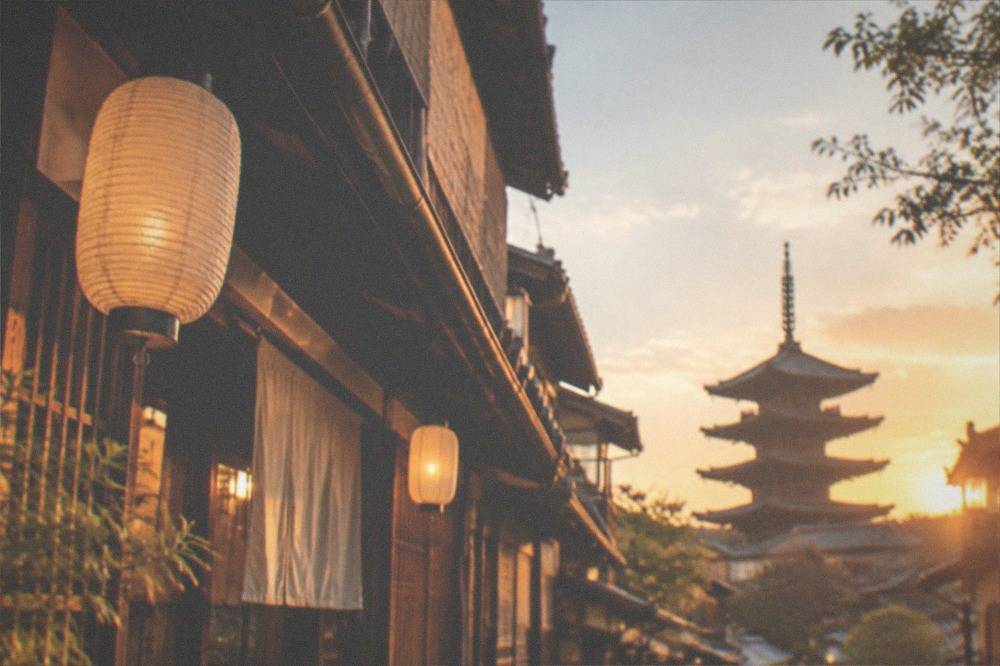
Genuinely free, on the operators' own pages: Fushimi Inari Taisha, which publishes no fee anywhere on its site; the Kyoto Imperial Palace, open to all with no advance application; the Shugakuin and Sento Imperial villas, free but guided and restricted to visitors 18 and over; the Arashiyama bamboo path; Nishiki Market; and the streets of Gion, Pontocho and the Philosopher's Path. Temples are the exception: nearly all of the famous ones charge.
Start with the shrine, because it is the biggest free sight in Japan. The shrine's own FAQ states there is no fee, and it also gives the numbers that make the place: about 10,000 torii of all sizes across the whole mountain, never 10,000 packed into the famous tunnel alone, and no closing time set for the paths, only desk and prayer hours. The shrine dates its founding to 711, when, by its own account, Irogu no Hatanokimi enshrined Inari Okami on Inariyama on an imperial order from Empress Genmei, though the shrine hedges its own story with "is said to be". Climb as far as you like, at any hour, for nothing.
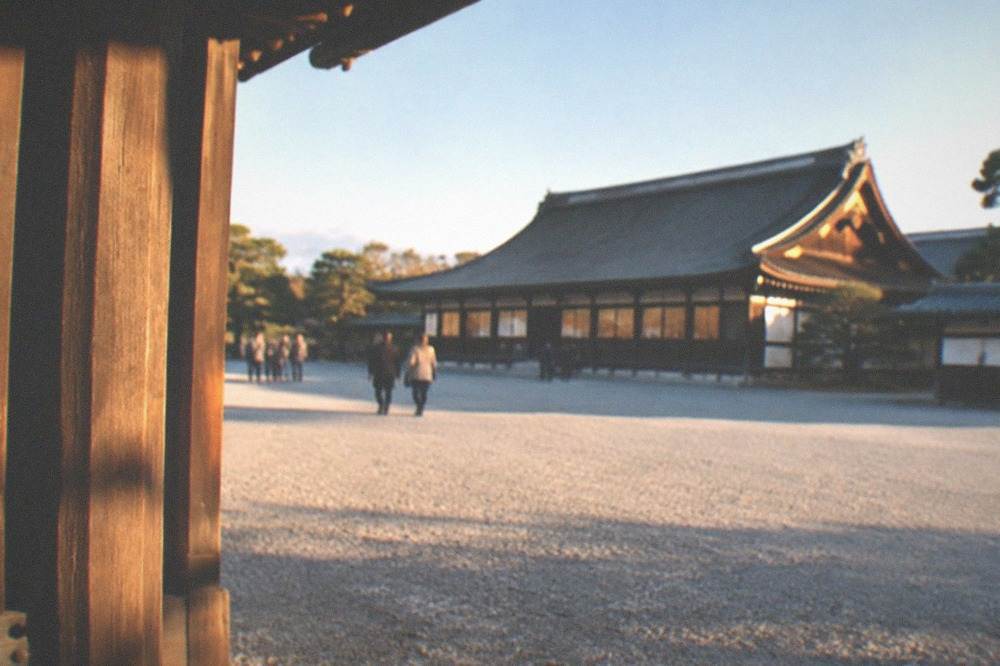
The Imperial Household Agency's own pages carry the palace line almost word for word: the Kyoto Imperial Palace is "open to all visitors", and "no advance application is necessary". The two guided villas are the subtler freebies. The Shugakuin Imperial Villa charges nothing but takes only visitors 18 and over, on a guided application basis with same-day numbered tickets when slots remain, and closes Mondays. The Sento Imperial Palace runs the same way. The Katsura Imperial Villa is the one that is not free: 1,000 yen for visitors 18 and over, free for ages 12 to 17, guided only.
The free list, with the catch that each one carries:
| Sight | Cost | The catch |
|---|---|---|
| Fushimi Inari Taisha | Free | Steep mountain paths; no closing time, so crowds thin late and early |
| Kyoto Imperial Palace | Free | Open to all, no application; hours are not printed as a single schedule |
| Shugakuin Imperial Villa | Free | Guided only, 18 and over only, closed Mondays, application or same-day ticket |
| Sento Imperial Palace | Free | Guided only, 18 and over only |
| Arashiyama bamboo path | Free | Public path, busiest mid-morning to mid-afternoon |
| Nishiki Market | Free to walk | Shops set their own hours; no unified opening time exists |
| Gion, Pontocho, Philosopher's Path | Free to walk | Private alleys off Hanamikoji ban photography |
Two of those catches deserve their own words. Nishiki Market's association site prints no unified hours, because roughly 400 metres of covered arcade holds more than a hundred shops, each opening and closing on its own schedule; any single "official hours" figure you read elsewhere is an invention. And Gion is free to walk, but the private alleys off Hanamikoji-dori are posted with photography bans, and the signs, put up by the local district council, threaten a 10,000 yen penalty. The city's tourism association asks visitors not to touch, chase or photograph geiko and maiko without permission. Yasaka Shrine, where Gion begins, anchors the public side of the district and costs nothing.
For the full inventory beyond this page, everything in Kyoto that costs nothing is covered in its own guide, and a budget breakdown for the city puts the free sights in the context of a whole trip. The short version: the free layer of Kyoto is deep enough to fill two full days on its own, and the cheapest way to get oriented inside it is a free walk.
Which Kyoto Temples Charge Admission, And What Will You Pay In 2026?
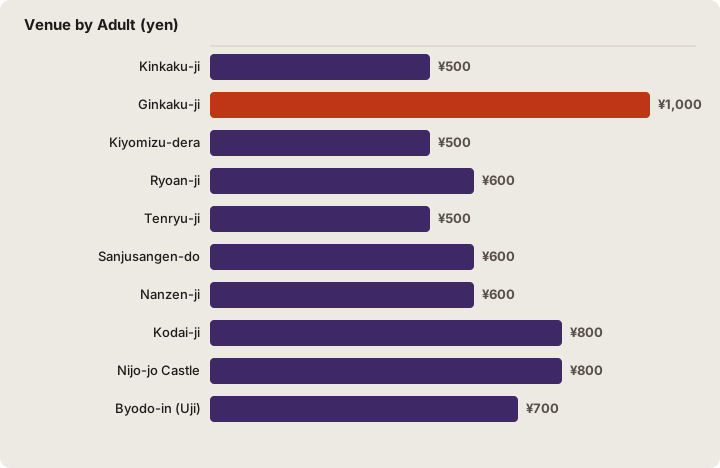
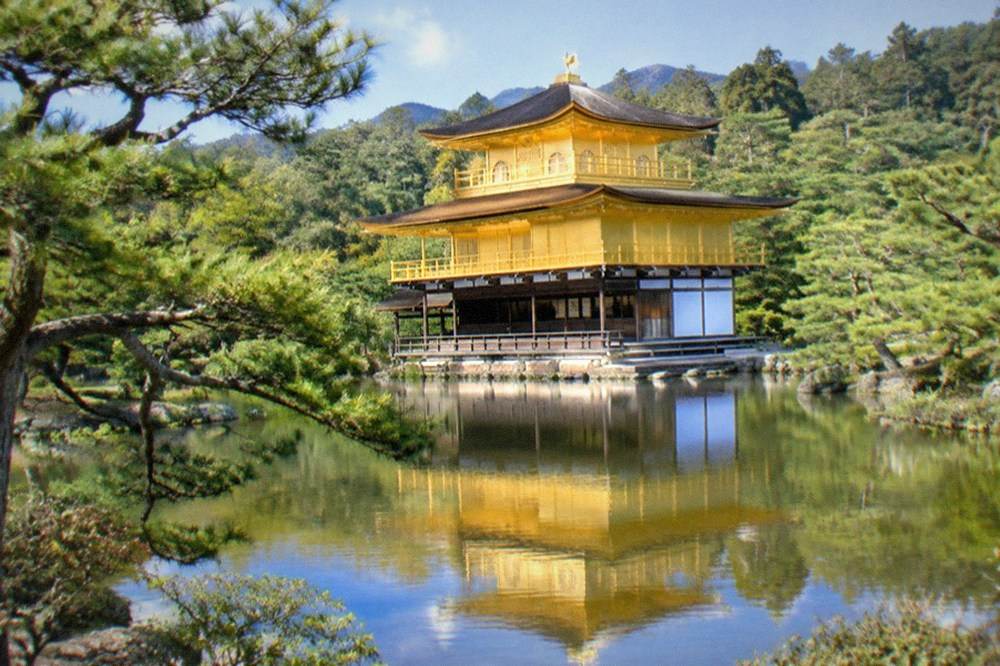
Every famous temple in Kyoto charges admission, and two changed the numbers recently: Ginkaku-ji doubled its adult fee to 1,000 yen from 1 April 2026, and Tofuku-ji revises on 1 November 2026 with a new 1,000 yen combined ticket. Kinkaku-ji costs 500 yen, Ryoan-ji 600, Tenryu-ji's garden 500, Kodai-ji 800 and Nijo-jo Castle 800, or 1,300 with the Ninomaru-goten Palace included.
The 2026 changes are the reason a fee table is worth printing at all. Ginkaku-ji's notice, dated January 2026, moved the adult fee from 500 to 1,000 yen and the child fee from 300 to 500, the first rise in 32 years. Any guide still quoting 500 yen for the Silver Pavilion is a year out of date. Tofuku-ji's own fee notice revises from 1 November 2026: the Hojo garden rises from 500 to 600 yen, a new combined ticket appears at 1,000 yen for adults and 500 for children, and the Tsutenkyo bridge and Kaisando ticket, 600 yen now, rises to 1,000 yen during the autumn foliage period.
| Venue | Adult | Child / notes |
|---|---|---|
| Kinkaku-ji | 500 yen | 300 yen primary and middle school |
| Ginkaku-ji | 1,000 yen from 1 April 2026 | 500 yen child; doubled from 500 / 300 |
| Kiyomizu-dera | 500 yen (widely reported; the temple does not print the figure) | Single source, treat as indicative |
| Ryoan-ji | 600 yen | 500 high school, 300 elementary and junior high |
| Tenryu-ji | Garden 500 yen | Buildings plus 300; Hatto ceiling 500 separately |
| Sanjusangen-do | 600 yen | 400 junior high and high school, 300 elementary; 1,001 Kannon statues |
| Nanzen-ji | Hojo garden 600 yen | Sanmon gate 600 yen, ticketed separately |
| Kodai-ji | 800 yen | 1,200 combined with Entoku-in |
| Nijo-jo Castle | 800 yen | 1,300 with Ninomaru-goten Palace; Honmaru 1,000 extra, reservation needed |
| Byodo-in (Uji) | 700 yen | Phoenix Hall interior plus 300 |
| Tofuku-ji | From 1 Nov 2026: Hojo 600 yen | Combined 1,000 / 500; Tsutenkyo 1,000 in foliage season |
One row needs its caveat kept. Kiyomizu-dera's 500 yen figure is not printed on the temple's own site; it rests on consistent secondary reporting, so treat it as the working number rather than an official one. The temple's FAQ does verify the opening time, 6:00 daily, with seasonal closing hours and night viewings that extend to 21:30 on stated dates.
The fee layer also explains why the free walking tours are structured the way they are. The Nijo Castle free walk leaves admission out because the castle charges 800 yen, and no tip-based walk can absorb a per-head gate fee. What the paid layer gives you in exchange is considerable: Nijo-jo Castle is the building where, in October 1867, the 15th shogun, Tokugawa Yoshinobu, summoned senior vassals from 40 domains and announced the return of political authority to the Emperor, the city's own castle history recounts. Nanzen-ji and its aqueduct and the rest of Kyoto's temple fees and rituals are covered in their own pages.
How Much Does Getting To Kyoto's Free Sights Cost?
A flat city bus ride is 230 yen for an adult and 120 for a child, the subway runs 220 to 360 yen by zone, and the Subway and Bus One-Day Pass costs 1,100 yen, so it pays for itself on the fifth bus ride of a day. The old bus-only pass no longer exists: sales ended in September 2023 and the last day of use was 31 March 2024.
The transport bureau's own fare pages carry all of it. The city bus is a flat 230 yen wherever you ride it, which makes the arithmetic simple. The subway scales across five zones from 220 to 360 yen. The one-day pass that replaced the retired bus-only product covers both networks for 1,100 yen, with a child version at 550, and a subway-only day pass at 800.
| Ticket | Adult | Child | Note |
|---|---|---|---|
| City bus, single flat fare | 230 yen | 120 yen (ages 6-11) | Flat anywhere in the city |
| Subway, by zone 1-5 | 220 to 360 yen | 110 to 180 yen | Five zones |
| Subway One-Day Pass | 800 yen | 400 yen | Subway only |
| Subway and Bus One-Day Pass | 1,100 yen | 550 yen | Breaks even on the fifth bus ride |
| EX100 / EX101 tourist express bus | 500 yen | 250 yen | Kyoto Station to Kiyomizu, Gion, Ginkaku-ji |
| Bus-only One-Day Pass | Withdrawn | Withdrawn | Sales ended September 2023, use ended 31 March 2024 |
The EX100 and EX101 express buses deserve a line, because they were built precisely for the free-sight circuit. The EX100 runs Kyoto Station to Gojo-zaka for the Kiyomizu side, on to Gion, the Okazaki museum district and Ginkaku-ji; the EX101 runs direct to the Kiyomizu side, on some mornings as often as every seven or eight minutes. At 500 yen a ride it is pricier than the flat bus, but it skips the stops, and the one-day pass covers it.
A free day in Kyoto, fully costed, therefore looks like this: a morning free walk, an afternoon at Fushimi Inari or the Imperial Palace, and a transport spend of 460 yen on two bus rides, or 1,100 yen if the day sprawls across five rides or more. Add a temple or two and the day still lands under 2,500 yen before food, which is the honest selling point of the free layer.
How Do You Beat The Crowds At Kyoto's Free Sights?
Kyoto recorded a record 62.79 million visitors in 2025, 12.68 million of them foreign, according to the city's own tourism survey, and the pressure falls hardest on the free sights because they have no ticket to ration entry. The city's answer is dispersal: a five-level crowd comfort forecast built on smartphone location data, express tourist buses, and campaigns that push visits into mornings, evenings and lesser-known districts.
The survey, released by the city in June 2026, also counted 16.59 million overnight guests and 2.0474 trillion yen in tourism spending, both records. For the free layer the relevant number is the day-visitor count, 46.20 million, because day visitors concentrate on the sights that cost nothing and close to the station. A ticketed temple rations its own queue. A free mountain path cannot.
The comfort forecast is the tool most visitors never hear about. It rates crowd comfort at named spots and time slots on five levels, using smartphone location data, weather and day-of-week patterns, and Fushimi Inari Taisha itself links to it from its own site alongside its approach cameras. Checking it the night before turns a guess about the torii tunnel into a decision.
Timing rules follow from the data. The free paths have no closing time, so the hours either side of dawn and after 19:00 are the ones the day-trip crowds cannot reach, and the city's own dispersal campaigns push exactly those windows. Summer needs its own caution: three of Kyoto's six hottest days on record fell in the summers of 2024, 2025 and 2026, and August is the hottest month in the 1991-2020 normals with a mean daily high of 33.7 C. A three-hour walk in that needs water and shade, not enthusiasm. What the seasons do to crowds is covered in full elsewhere on this site.
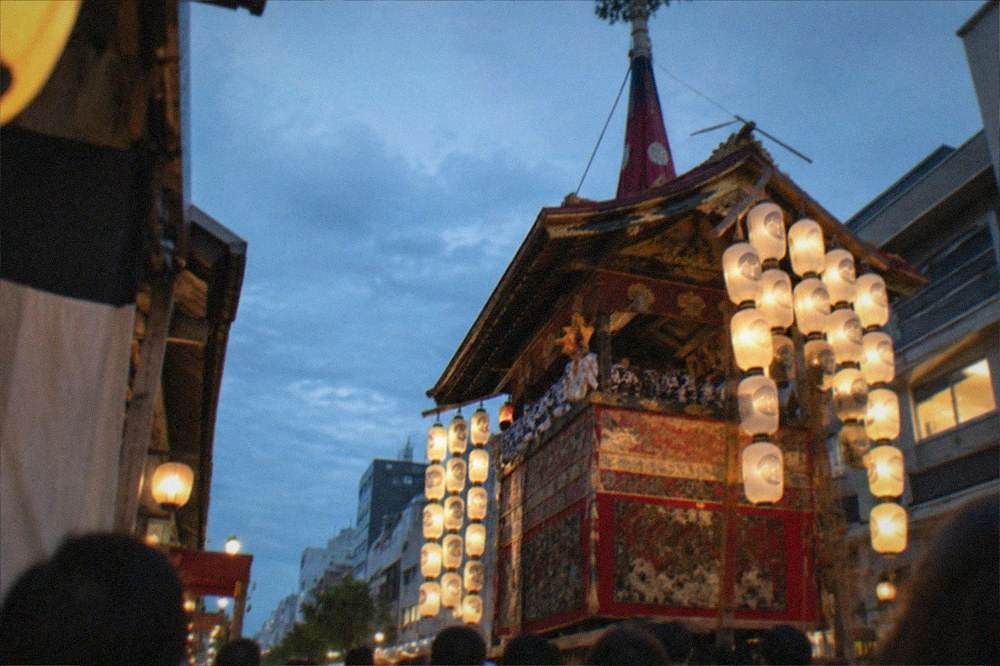
The evening is also when Gion changes character, and a guided hour and forty minutes in it costs less than most dinners. The Magical Gion Night Walk, from $22 and rated 4.9 across 4,616 reviews, runs the district when the lanterns are lit and the geiko are moving between appointments, which is the window most visitors never plan for.
Which Paid Kyoto Tours Are Worth Adding To A Free Walk?
If the free format is not enough, the paid alternatives start cheap: fixed-price Gion walks from $20, the Nishiki Market brunch walk with seven tastings from $74, and the full-day bus tour covering Fushimi Inari, Kinkaku-ji and the bamboo grove from $102, rated 4.9 across 17,054 reviews. A paid tour buys a guaranteed seat, a set route and no tipping arithmetic at the end.
The logic of stacking is simple. Use the free walk on day one as the orientation layer, then spend money only where it buys something the free layer cannot: food you could not source yourself, ground you could not cover on foot, or access that needs a vehicle.
| Paid option | From | Traveller rating | Length | What it adds |
|---|---|---|---|---|
| Nishiki Market brunch walk, 7 tastings | $74 | 4.9 from 1,497 reviews | 3 hours | Seven tastings plus brunch in the market |
| Kyoto Foodie Night Tour | $121 | 5 from 630 reviews | 3 hours 30 minutes | Evening eating across multiple stops |
| Ramen making from scratch | $130 | 5 from 2,635 reviews | 1 hour 30 minutes | Cooks a full bowl, noodle dough included |
| Perfect 1-Day Bus Tour | $102 | 4.9 from 17,054 reviews | 8 to 9 hours | Fushimi Inari, Kinkaku-ji, bamboo grove in one day |
| Private tour, 10 must-see spots | $190 | 5 from 1,373 reviews | 8 hours | A guide and a car, route set to you |
The Nishiki brunch walk is the natural first upgrade, because it converts the market, the one free sight where walking it alone tells you least, into seven tastings and a brunch with a guide who knows the stalls. The full-day bus tour solves the opposite problem: the days when Fushimi Inari, Kinkaku-ji and the Arashiyama bamboo grove all need to happen, and the calendar will not stretch. Its 17,054-review base at 4.9 is the largest of anything on this site, and it exists because the geography it covers is genuinely hard on foot.
For the Gion evening, the fixed-price alternative to the free geisha walks is the Popular Gion Geisha Walk at $23, rated 4.8 across 4,599 reviews, which runs the same district as the free Legacy of Geishas walk with a set fee instead of a tip.
The stacking that suits most first visits, in order: the free three-hour walk on the first morning, Fushimi Inari or the Imperial Palace on the free layer in the afternoon, one paid food walk mid-trip, and the bus day only if the itinerary demands all three headline sights in one pass. The free layer carries the orientation and the shrines; the paid layer carries the food and the mileage. A fuller rundown, including a complete guide to the city's sights, sits elsewhere on Kyoto Travel Guide, and the picks below cover the three products that earn their places most often.
Common Questions About Free Things To Do In Kyoto
Are free walking tours in Kyoto actually free?
Yes. The walks are booked through GuruWalk at no charge, the guru leading the route is paid from tips alone, and nothing is owed up front. The cost arrives only at the end, as a tip sized to what the walk was worth, with the paid Gion market at $20 to $30 for two hours as the benchmark.
Which free walking tours in Kyoto are real, and who runs them?
The real ones are ten tip-based routes on GuruWalk, each led by an independent local guide called a guru: a three-hour city walk rated 4.93 across 1,128 reviews, Gion geisha walks rated 4.89 and 4.86, and routes covering the historic centre, Higashiyama, Nijo-jo Castle, Arashiyama and Nishiki Market. The guru's name and route sit on each tour's own page.
Is Fushimi Inari free to enter?
Yes. The shrine's own FAQ publishes no fee anywhere, the paths have no closing time set, and the mountain holds about 10,000 torii of all sizes. It is the largest free sight in the city, open around the clock, with the steepest crowds in the middle of the day.
What is the cheapest way to get around Kyoto?
The flat city bus at 230 yen a ride, or the subway at 220 to 360 yen by zone. The Subway and Bus One-Day Pass at 1,100 yen breaks even on the fifth bus ride of a day, and the old bus-only pass no longer exists, with its last day of use on 31 March 2024.
Do the free walking tours include temple admission?
No. The Nijo Castle free walk states plainly that the admission ticket is not included, and the castle charges 800 yen, or 1,300 with the Ninomaru-goten Palace. Free walks cover streets, districts and shrine grounds, the layers that cost nothing, and temple gates are paid separately at each venue.
Can you visit the Kyoto Imperial Palace without a booking?
Yes. The Imperial Household Agency states the palace is open to all visitors with no advance application necessary. The guided villas work differently: Shugakuin is free but takes only visitors 18 and over on an application or same-day ticket basis, and Katsura charges 1,000 yen for adults on the same terms.