Is It Better To Stay In Downtown Kyoto Or Gion?
A practical comparison of staying in downtown Kyoto versus Gion: costs, the 2026 accommodation tax, crowds, food, transport and which area suits a first visit.
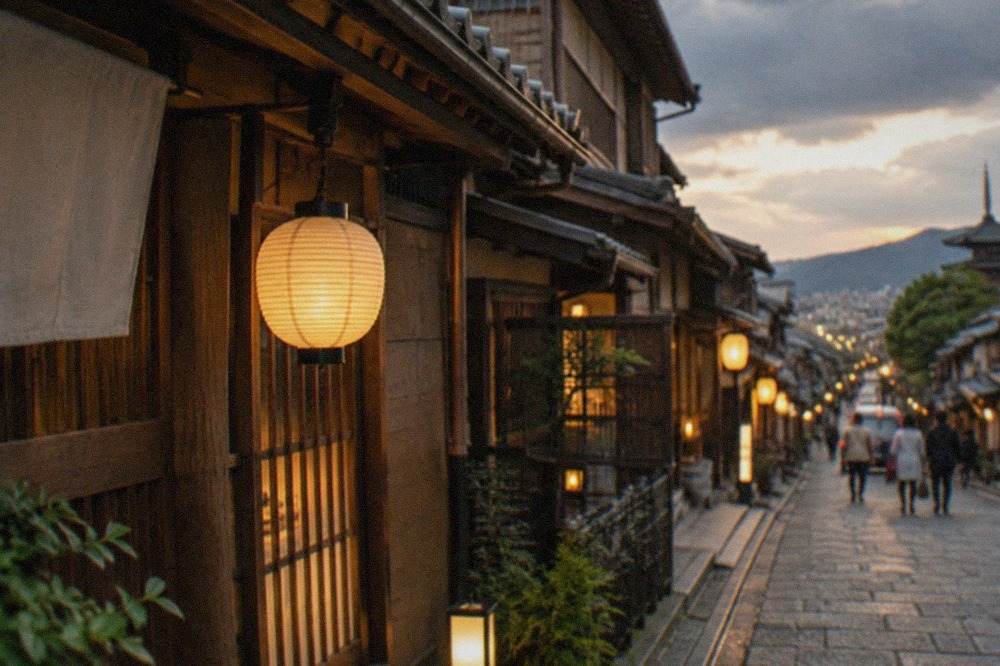
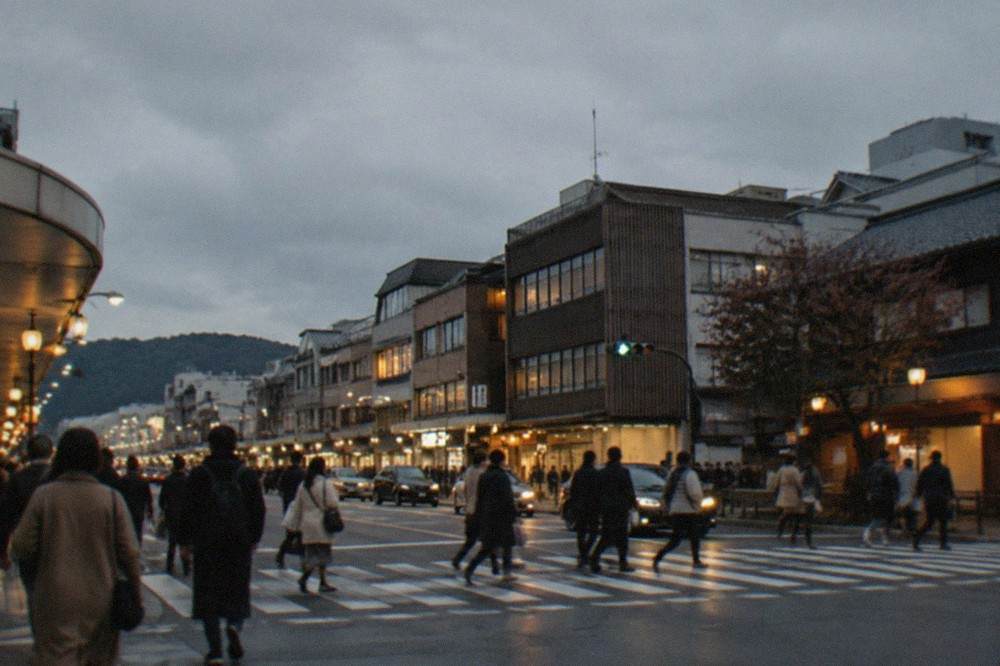
Downtown Kyoto and Gion are separated by the Kamo River and about ten minutes of walking, yet they offer two genuinely different trips. Downtown, centred on Shijo, Karasuma and the Kawaramachi arcades, is the city's commercial core: department stores, the Nishiki Market lane, izakaya basements and the densest concentration of restaurants anywhere in Kyoto. Gion, across the river to the east, is the historic entertainment district of wooden machiya tea houses, geiko and maiko, and the approach to Yasaka Shrine. The city's own 2025 tourism survey, released 12 June 2026, recorded a record 62.79 million visitors, and where those visitors sleep shapes how the city feels at both ends of the day. This comparison, maintained by the editorial desk at Kyoto Travel Guide, sets out the honest trade-offs.
What Is The Difference Between Downtown Kyoto And Gion?
Downtown Kyoto is the modern commercial grid around Shijo-dori, Kawaramachi and Karasuma, built for shopping, eating and transport connections, while Gion is the historic entertainment district east of the Kamo River, built around machiya tea houses, the Hanamikoji street and the Yasaka Shrine approach. Downtown delivers density and convenience; Gion delivers atmosphere after dark.
The practical difference shows up fastest in the evening. Downtown stays loud and bright past midnight: the arcades, the Kawaramachi bar clusters and the izakaya rows around Kiyamachi are the engine of the city's nightlife. Gion goes the other way. Its lanes are dim, quiet and mostly residential behind the facades, because Gion is a working entertainment district, not a theme street. Tea houses host private banquets, and the people who live and work there share the alleys with visitors.
Geography matters too. Downtown sits on the flat western bank, directly on the Karasuma subway line and within a short walk of Kyoto Station buses. Gion sits east of the river at the foot of the Higashiyama hills, which means the eastern temple circuit, from Kiyomizu-dera down through Ninenzaka and Sannenzaka to Maruyama Park, is on your doorstep but the subway is not. Keihan's Gion-Shijo and Hankyu's Kyoto-Kawaramachi stations bridge the two sides, and the walk between them crosses the river at Shijo Bridge in about ten minutes.
Which Area Is Better For First-Time Visitors To Kyoto?
For a first visit of two or three nights, downtown Kyoto is the safer base: it puts the subway, the Karasuma line and the city's densest dining within a five-minute walk, and nothing east of the river is more than a pleasant stroll away. Gion suits a first-timer who specifically wants the historic atmosphere and accepts fewer transport options and quieter evenings.
The argument for downtown is friction removal. The Karasuma subway line runs straight through it, the Kyoto City Bus flat fare of 230 yen connects from Karasuma and Shijo stops, and the Subway and Bus One-Day Pass at 1,100 yen covers a full day of sightseeing from a downtown base. Food is the other half. When the evening ends and you are tired, downtown gives you hundreds of places within a few blocks, from the Nishiki Market lane to the standing bars of Kiyamachi.
The argument for Gion is that it front-loads the thing most people come to Kyoto for. Waking inside a machiya-lined district, walking to Yasaka Shrine before the crowds build, and ending the day on the Hanamikoji street is an experience downtown cannot replicate. The trade is real though: Gion's hotel stock is thinner and skews either expensive ryokan-style or small boutiques, while downtown holds the full range from business hotels upward. Our where to stay in Kyoto guide breaks the whole city into neighbourhoods, and the one day in Kyoto itinerary works equally well from either base.
If you want the Gion atmosphere decoded rather than just glimpsed, a guided walk earns its fee. The Gion Geisha District & Hidden Gems Walking Tour, rated 4.8 from 4,599 reviews, spends two hours on the district's main street and the lanes most visitors never turn into, and it explains the difference between a geiko and a maiko on the ground where it matters.
How Much Does It Cost To Stay In Downtown Kyoto Or Gion?
Both areas pay the same city accommodation tax, which changed on 1 March 2026: a room under 6,000 yen per night carries 200 yen per person, 6,000 to under 20,000 yen carries 400 yen, 20,000 to under 50,000 yen now carries 1,000 yen, which was 500, and the top tier of 100,000 yen and above now carries 10,000 yen, which was 1,000. The room rates themselves differ: downtown holds the budget and mid-range stock, Gion skews boutique and premium.
The tax is charged per person per night on the room-only rate, excluding meals and consumption tax, and the city expects about 12.6 billion yen a year from the revised tiers. Most competing guides still print the old amounts, so a 2024 article will tell you a 30,000 yen room costs 500 yen in tax when the current figure is 1,000. The tier that applies depends on the room you actually book, not the hotel's average rate.
| Room rate per night (room only) | Tax per person per night | Before 1 March 2026 |
|---|---|---|
| Under 6,000 yen | 200 yen | 200 yen |
| 6,000 to under 20,000 yen | 400 yen | 400 yen |
| 20,000 to under 50,000 yen | 1,000 yen | 500 yen |
| 50,000 to under 100,000 yen | 4,000 yen | 1,000 yen |
| 100,000 yen and above | 10,000 yen | 1,000 yen |
For the rooms themselves, the honest generalisation is that downtown's competition keeps prices down. The business hotel clusters around Karasuma and Shijo hold the city's cheapest licensed beds, and the mid-range chains sit within walking distance of both river banks. Gion's stock is smaller and more character-driven, and the premium buys the setting: a room on a lantern-lit lane costs more than an identical room six blocks west. Our best hotels in Kyoto guide covers both sides of the river in detail, and if a traditional room is the point of the trip, the ryokan in Tokyo or Kyoto comparison is the right next read.
Is Gion Too Crowded To Enjoy In 2026?
Gion is busy, but the city's own numbers say the pressure is citywide rather than unique to one district: Kyoto recorded a record 62.79 million visitors in 2025 against 56.06 million in 2024, with a record 16.59 million overnight guests and 46.20 million day visitors. Gion's crowding is concentrated on Hanamikoji street in the middle of the day, and the district is measurably quieter before 9:00 and after 21:00.
The 2025 survey, released by the city on 12 June 2026, also found satisfaction above 90% for both Japanese and foreign visitors, even as about half of Japanese visitors reported something disappointing against about 20% of foreign visitors. In other words, the crowds are real and the experience still rates highly, which matches what the timing data implies: day-trippers flood Hanamikoji between late morning and late afternoon, and the lane empties once the tour buses leave.
The more important thing a Gion stay needs to get right is conduct, not timing. The Kyoto City Tourism Association's guidance is about behaviour: do not touch, chase or photograph geiko and maiko without permission, and do not enter private property or photograph it where that is prohibited. On the private alleys off Hanamikoji, signs put up by the Gion South Side district council threaten a 10,000 yen penalty for photography. Hanamikoji's main street is public and photographable; the alleys off it are not, and that distinction is the single most useful thing to know before booking a Gion room. Our dedicated is Gion in Kyoto worth visiting answer goes deeper, and the Gion area guide covers the district street by street.
Which Area Is Better For Food And Nightlife?
Downtown wins on volume and range: Nishiki Market, the Kawaramachi restaurant rows and the Kiyamachi and Pontocho bar scene sit on or beside the downtown grid, while Gion holds a smaller number of very traditional dining rooms, tea houses and the high end of Kyoto cuisine, much of it reservation-only and some of it introduction-only.
Downtown's food advantage is arithmetic. Nishiki Market runs through the middle of it, and while the market has no unified opening hours because each shop keeps its own, roughly 9:00 or 10:00 to 17:00 or 18:00 is the working pattern. The market's own guidance discourages eating while walking, so plan to eat at the stall. Around the corner, Kawaramachi and Kiyamachi stack izakaya, standing bars and late-night ramen into a walkable few blocks, and Pontocho alley runs along the river between the two districts, close enough to serve either base.
Gion's dining is a different animal. The district is the home of the ochaya tea house tradition, where banquets are hosted and geiko and maiko perform, and entry to the most traditional rooms runs on relationships rather than walk-ins. The high end is real: at Hyotei, by Nanzen-ji a short way east, the restaurant's own site prints kaiseki from 31,625 yen at lunch and 37,950 yen at dinner, while the same house's annex serves asa-gayu at 5,445 yen and a bento at 7,260 yen. Those are Hyotei's own prices, not a Kyoto average, but they show the shape of the market: Gion and its edges hold the top of the curve, downtown holds the middle. The Kyoto food guide maps both tiers.
How Do You Get Around From Downtown Kyoto And Gion?
Both areas share the same river-bank stations, with Hankyu's Kyoto-Kawaramachi and Keihan's Gion-Shijo serving both sides on foot, but only downtown sits directly on the Karasuma subway line, so downtown is the better base for a car-free trip built around the subway and bus network.
From downtown, the Karasuma line runs north to the Imperial Palace side and south to Kyoto Station in about four minutes. From Gion, you walk five to ten minutes west to reach either the subway at Shijo or the Keihan line at Gion-Shijo, which runs north to Fushimi Inari side stops and south along the river. The city bus flat fare of 230 yen applies everywhere, and the tourist express buses EX100 and EX101, at 500 yen a ride, connect Kyoto Station to the Kiyomizu and Gion side with fewer stops, which is a genuine convenience for a Gion-based visitor heading to or from the station.
The one-day pass arithmetic matters here. The Subway and Bus One-Day Pass costs 1,100 yen and covers both the subway and the city buses, and it pays for itself after roughly four subway rides or five bus rides. A downtown base uses the subway constantly; a Gion base uses buses and the Keihan line more, and the pass covers only the subway and bus legs. The bus and subway pass breakdown does the pass maths in full.
| Factor | Downtown Kyoto | Gion |
|---|---|---|
| Subway access | Karasuma line stations throughout | None inside the district; Shijo is a 5-10 minute walk |
| Nearest rail hubs | Karasuma, Shijo, Kyoto-Kawaramachi | Gion-Shijo (Keihan), Kyoto-Kawaramachi (Hankyu) |
| Walking to eastern temples | 20-30 minutes to Kiyomizu-dera | 10-15 minutes to Kiyomizu-dera |
| Evening dining within 5 minutes | Hundreds of options, all price tiers | Traditional rooms, high end, reservation-heavy |
| Night noise | Loud and late | Quiet lanes, early quiet |
| Hotel range | Budget to upper mid-range | Boutique and premium |
| Accommodation tax | Same city tiers, from 200 to 10,000 yen per person per night | Same city tiers |
Common Questions About Downtown Kyoto And Gion
Is It Better To Stay In Downtown Kyoto Or Gion?
For most first-time visitors, downtown Kyoto is the better base: it is on the subway, it holds the widest range of rooms and food, and Gion is only a ten-minute walk across the Shijo Bridge. Choose Gion instead if the historic atmosphere is the specific point of your trip and you are happy with quieter evenings, fewer transport options and a premium room rate.
Is Gion safe to walk around at night?
Yes. Gion's lanes are quiet, residential and well lit by lantern rather than streetlight, and the district's evening character is calm rather than rowdy. The conduct rules matter more than safety rules: the Kyoto City Tourism Association asks visitors not to touch, chase or photograph geiko and maiko without permission, and the private alleys off Hanamikoji carry council signage threatening a 10,000 yen penalty for photography.
Can you see geisha in Gion if you stay there?
You may see geiko or maiko moving between appointments in the early evening, but nothing is guaranteed and the city's guidance is explicit that they should not be chased or photographed without permission. Never plan a stay around an encounter, and never block a lane to wait for one. A guided walk, such as the Gion Geisha District & Hidden Gems Walking Tour, is the reliable way to learn about the culture rather than gamble on a sighting.
How far is downtown Kyoto from Gion?
About ten minutes on foot across Shijo Bridge over the Kamo River. The two districts face each other across the river, and Pontocho alley runs along the bank between them, so the distance is a pleasant stroll rather than a journey.
Does the accommodation tax differ between downtown and Gion?
No. The city's accommodation tax applies per person per night on the room-only rate everywhere in Kyoto, and the tiers changed on 1 March 2026: a room from 20,000 to under 50,000 yen now carries 1,000 yen per person, and rooms of 100,000 yen and above carry 10,000 yen. The difference between the areas is the room rates themselves, not the tax.
Which area is closer to Fushimi Inari and Arashiyama?
Roughly equal. Both are reached by rail from either side: the Keihan line from Gion-Shijo runs south toward Fushimi Inari, and the JR and Hankyu lines from downtown-adjacent stations run to Arashiyama. Downtown's direct subway access to Kyoto Station slightly shortens JR-based day trips, which is one more small argument for a downtown base.
The honest summary: book downtown for convenience, price and food, and book Gion for atmosphere and proximity to the eastern temple circuit, knowing the trade is real in both directions. Whichever side you choose, the other is a ten-minute walk across the river, so the decision costs less than it feels like it should.