What Is Must Buy In Kyoto?
The souvenirs worth buying in Kyoto: Uji matcha, Kiyomizu-yaki ceramics, yatsuhashi sweets, chopsticks, kimono and Fushimi sake, with what each really costs.
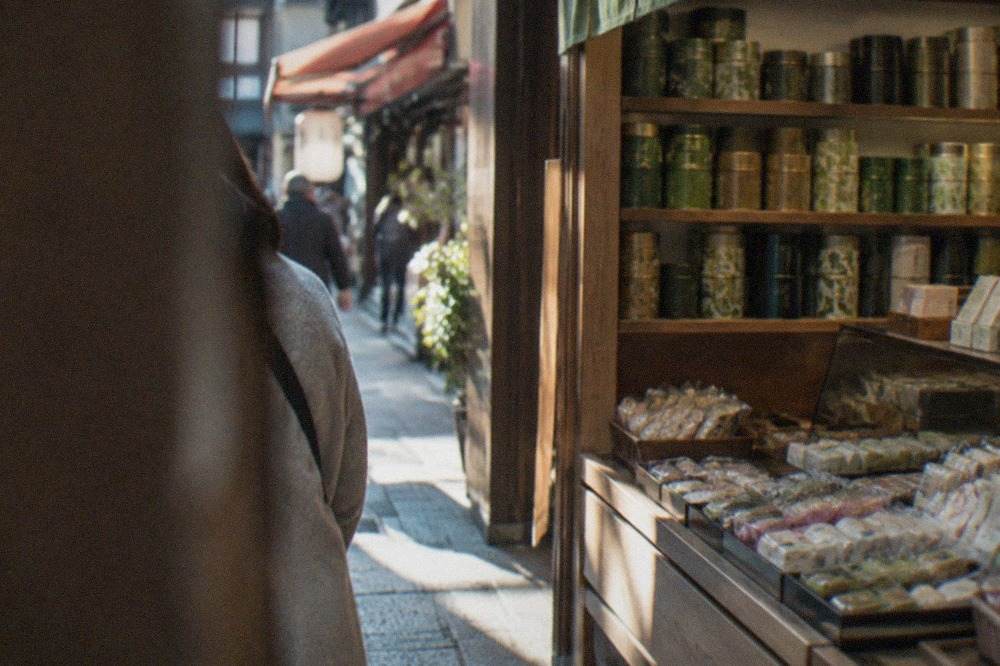
Kyoto has been a manufacturing city for well over a thousand years, and its souvenir counters still reflect that. The imperial court brought weavers, dyers, fan makers and sweet makers here when it made Kyoto the capital, and the descendants of those workshops sell in the same neighbourhoods today. The city's 2025 tourism survey counted 62.79 million visitors, which means the shops nearest the temples move a lot of stock made somewhere else. The trick is knowing which items are still produced locally. Matcha from Uji, ceramics from the Kiyomizu district, yatsuhashi sweets, hand-engraved chopsticks, and sake from the Fushimi breweries are all made in or around the city, and all of them travel well.
What Is Must Buy In Kyoto?
The five buys most worth the luggage space are Uji matcha and loose leaf tea, Kiyomizu-yaki ceramics, fresh and baked yatsuhashi sweets, hand-made chopsticks from a Gion workshop, and a bottle of Fushimi sake. Each is produced in Kyoto Prefecture, each has a real price band rather than a single tourist price, and each survives the trip home better than most food souvenirs do.
Tea is the headline. Uji, just south of the city and an easy half-day trip, is the historic heart of Japanese green tea, and the distinction between ordinary matcha and Uji matcha matters enough that we cover it separately in the difference between matcha and Uji matcha. A quality tin of ceremonial-grade matcha from a Uji tea house typically costs more than the bright green sachets sold beside temple gates, and the colour, smell and taste are the proof. Look for a harvest year printed on the tin rather than vague phrases like "premium grade".
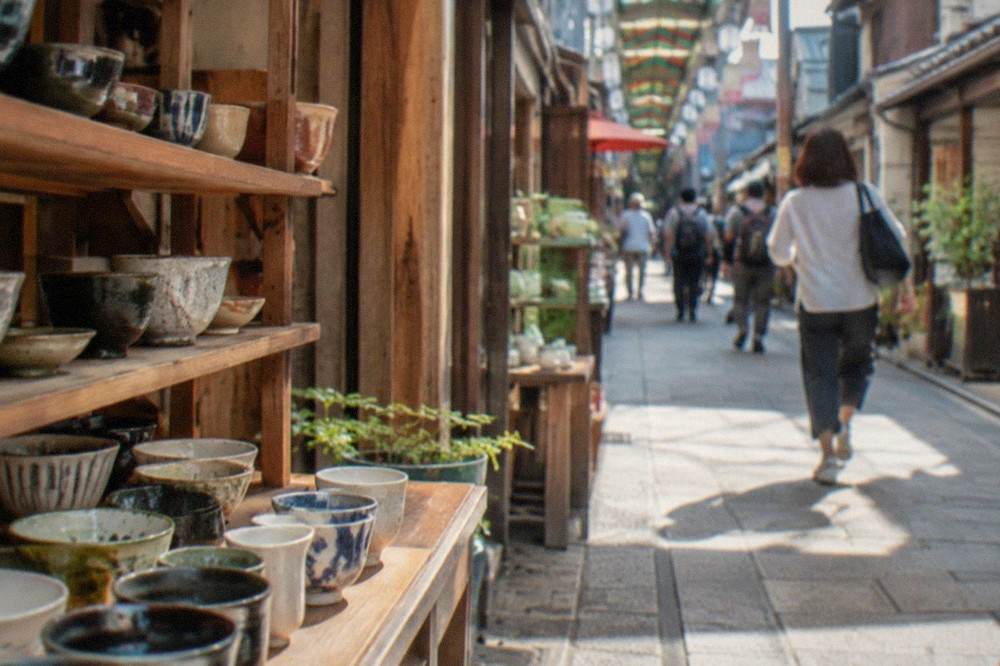
Ceramics come second. Kiyomizu-yaki, the pottery tradition tied to the slopes below Kiyomizu-dera, ranges from a few hundred yen for a small tea cup to tens of thousands for a piece by a named kiln. The shops along the approach to the temple and down toward Gojo-zaka sell both, and the difference is usually visible in the glaze and the foot of the piece.
Yatsuhashi, the thin cinnamon-scented sweet made from rice flour, is Kyoto's most-gifted souvenir. Baked yatsuhashi keep for weeks and are sold in boxed stacks everywhere. The soft, raw version, nama yatsuhashi, lasts only days, so buy it near the end of your trip and eat it quickly.
| Souvenir | Typical price band | Made in | Travels well |
|---|---|---|---|
| Uji matcha, 30 to 50 g tin | about 1,000 to 3,000 yen | Uji, Kyoto Prefecture | Yes, sealed tin |
| Kiyomizu-yaki cup or plate | about 500 to 5,000 yen | Kyoto city kilns | Wrap carefully |
| Yatsuhashi, baked | about 500 to 1,500 yen per box | Kyoto city | Yes, weeks |
| Nama yatsuhashi | about 600 to 1,000 yen per box | Kyoto city | Days only |
| Hand-made chopsticks | about 1,000 to 5,000 yen | Gion workshops | Yes |
| Fushimi sake, 720 ml | about 1,200 to 3,000 yen | Fushimi, Kyoto city | Check airline rules |
Where Should You Buy Souvenirs In Kyoto?
Nishiki Market is the food buy, the streets around Kiyomizu-dera are the craft buy, and Teramachi and the Kyoto Station building are the convenience buys. Nishiki's covered lane packs more edible souvenirs per metre than anywhere else in the city, while the Ninenzaka and Sannenzaka slopes below Kiyomizu-dera carry the densest concentration of pottery, incense and craft shops. Kyoto Station's The Cube and Porta malls work if you have minutes, not hours.
Nishiki deserves the time. The market association publishes no unified opening hours because each shop keeps its own, generally from around 9 or 10:00 to 17 or 18:00, with some shops closing on Wednesdays. The market's own rules ask visitors not to eat while walking: buy at the stall, eat at the stall or a designated spot. That rule exists because the lane is narrow and the crowds are constant. For a fuller walkthrough, see our Kyoto souvenirs guide, and for what the surrounding downtown offers beyond the market, read the main shopping street in Kyoto.
The Higashiyama slopes are the opposite experience: fewer food stalls, more workshops. Several shops on Ninenzaka still sell ceramics glazed in the Kiyomizu tradition, and the incense and tea shops there have been serving temple visitors for generations. Prices run higher than the station malls, but the pieces are more likely to have been made in the city.
Which Kyoto Souvenirs Are Actually Made In Kyoto?
Genuine local products include Uji tea, Kiyomizu-yaki and Kiyomizu-style ceramics, yatsuhashi and most Kyoto wagashi sweets, Fushimi sake, Nishijin textiles, and hand-finished chopsticks and knives from city workshops. Items to treat with suspicion include generic matcha-flavoured KitKat stacks, mass-produced fans and umbrellas, and any "Kyoto" food product whose packaging prints no prefecture of origin. The label to look for is a named maker with a Kyoto or Uji address.
Nishijin textile is the deep cut. The weaving district in the city's northwest has produced figured silks for centuries, and the workshops there sell ties, coasters and small cloths at prices far below the kimono-length bolts. A Nishijin-loomed coaster costs more than one made abroad, and it is one of the few souvenirs that is unambiguously a Kyoto craft in a pocket-sized object.
Sake from Fushimi is the easiest local buy to verify. The Fushimi sake district south of the station holds dozens of breweries, several with shops selling their own bottles, and the district's soft water gives its sake a rounder profile than the drier styles of Kobe's Nada district. A 720 ml bottle from a mid-range brewery runs roughly 1,200 to 3,000 yen. If you are flying, remember liquid limits apply to carry-on; pack bottles in checked luggage or ship from the shop.
The chopsticks workshops around Gion are a third verified buy. Rather than buying a finished pair, you can make and engrave your own in a one-hour class, which turns the souvenir into the memory. The Gion chopsticks making class with engraving option starts from $6 per person and holds a 4.9 rating from 4,252 reviews, making it one of the highest-volume craft experiences in the city.
A tea ceremony is the other experience-as-souvenir. The kimono tea ceremony at Orizuruya in Gion, from $49 per person and rated 4.9 from 1,871 reviews, includes the kimono rental, and the tea you drink is the same Uji product you can buy in tins a few streets away.
What Food Should You Bring Back From Kyoto?
Yatsuhashi sweets, sealed tins of Uji matcha and sencha, tsukemono pickles in vacuum packs, and yuba (tofu skin) products are the food souvenirs that clear customs in most countries and survive a flight. Fresh nama yatsuhashi and any chilled wagashi should be eaten in Kyoto. Sake travels well but counts as a liquid for carry-on purposes. Check your home country's rules on meat and fresh produce before buying anything containing them.
The pickle shops of Nishiki sell Kyoto's senmaizuke, the thousand-slice turnip pickle, in vacuum-sealed packs designed for travel. Yuba, the skin that forms on heated soy milk, is a Kyoto speciality tied to the temple vegetarian cuisine, and dried yuba sheets keep for months. Both are food traditions the city actually owns, unlike the matcha-flavoured chocolate that fills most airport shelves.
For eating rather than carrying, the question of what Kyoto's signature dish is has a longer answer, and the street food guide covers where to graze. The honest split: buy tea, pickles, dried yuba and baked sweets to take home, and eat the rest here.
| Food souvenir | Keeps | Where to buy | Notes |
|---|---|---|---|
| Uji matcha tin | Months, sealed | Uji tea houses, Nishiki, station shops | Check for harvest year |
| Baked yatsuhashi | Weeks | Anywhere | Stacks well, light |
| Nama yatsuhashi | Days | Nishiki, specialty shops | Buy late in trip |
| Senmaizuke pickles | Weeks, vacuum pack | Nishiki pickle shops | Refrigerate after opening |
| Dried yuba | Months | Nishiki, tofu shops | Check customs rules |
| Fushimi sake | Years | Fushimi breweries, station | Checked luggage only |
How Much Should Souvenirs Cost In Kyoto?
Plan on about 1,000 yen and up for a good tin of tea, a few hundred to several thousand yen for a ceramic piece, around 1,000 yen for a box of yatsuhashi, and roughly 1,200 to 3,000 yen for a bottle of Fushimi sake. A realistic souvenir budget for a week is a few thousand yen per person if you are buying small crafts and food, and more if ceramics or textiles are on the list.
Anything priced far below these bands is usually not made here.
The price bands above are planning ranges, not promises: individual shops set their own prices and a named kiln's work can sit far above the ceramic band. What the bands give you is a sanity check. A very cheap tin of "Kyoto matcha" is almost certainly blended powder; a properly priced tin from a Uji house with a harvest date is the real product.
One cost worth planning separately is the experience souvenirs. The chopsticks class at $6 and the tea ceremony at $49 are cheap relative to what they deliver, and both send you home with something you had a hand in making. If your trip has a spare half day, the full Kurama and Kibune hiking tour, from $210 per person and rated 5 from 82 reviews, covers the mountain villages whose shrine and craft traditions supply half the souvenir vocabulary you see downtown.
Common Questions About Shopping In Kyoto
What Is Must Buy In Kyoto?
Uji matcha, Kiyomizu-yaki ceramics, yatsuhashi sweets, hand-made chopsticks and Fushimi sake are the five buys most worth the luggage space, because all are produced in Kyoto Prefecture and all travel well.
Is matcha from Kyoto the same as Uji matcha?
Not always. Uji is the growing and grinding region south of the city, and matcha labelled with a Uji grower and a harvest year is the product Kyoto is famous for. Generic "Kyoto matcha" tins may be blended from elsewhere. See our guide to the difference for details.
Can you bring Kyoto food souvenirs through customs?
Sealed tea, baked sweets, vacuum-packed pickles and dried yuba clear most countries' rules. Anything containing meat, fresh produce or dairy should be checked against your home country's import rules before buying, and sake must go in checked luggage.
Where is the best place to buy souvenirs in Kyoto?
Nishiki Market for food, the Ninenzaka and Sannenzaka slopes below Kiyomizu-dera for crafts and ceramics, and the Kyoto Station malls if you are short on time. Each shop in Nishiki keeps its own hours, generally 9 or 10:00 to 17 or 18:00.
Are Kyoto souvenirs cheaper at the airport?
Rarely. The airport carries the same national brands at similar or higher prices, with a much smaller selection of actual Kyoto-made goods. Buy in the city, and use the station's luggage delivery counters if your bags fill up.
The short version: buy tea, ceramics, sweets, chopsticks and sake, buy them from shops that name their maker, and leave the matcha chocolate for someone else's suitcase. For everything beyond shopping, our things to do in Kyoto page carries the full sightseeing picture, and this site, Kyoto Travel Guide, has the transport and timing guides to get you to the shops with time to spare.