How Much Does Dinner Cost In Kyoto?
An honest answer to what dinner costs in Kyoto, built on prices a restaurant actually publishes: Hyotei's kaiseki menu, its annex dishes, and food tours with verified rates.
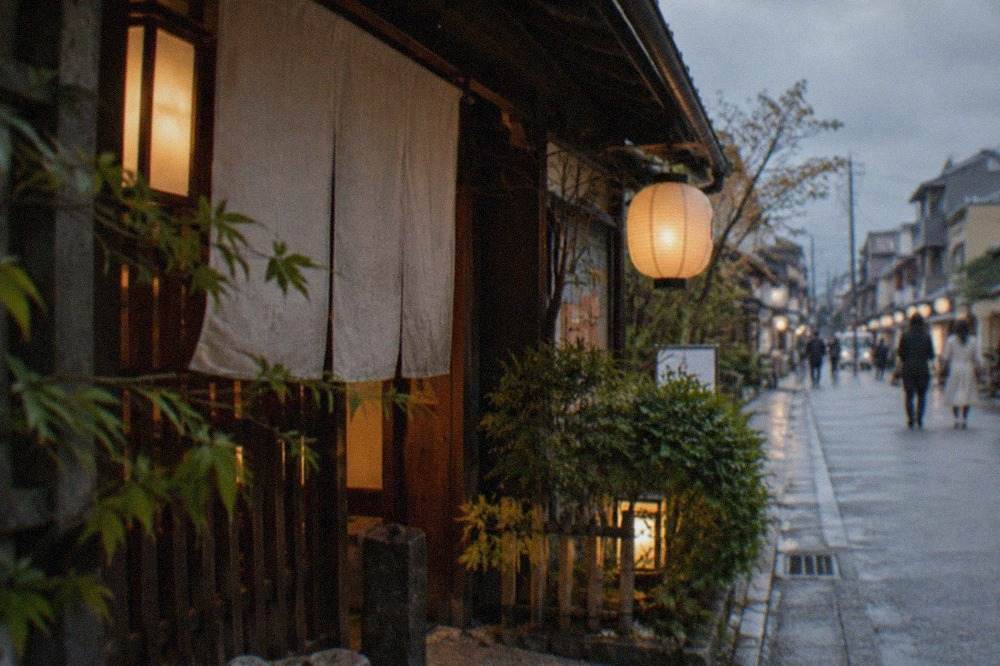
Most guides answer "how much does dinner cost in Kyoto" with a tidy range that no restaurant ever published. The honest position is stranger: Kyoto has thousands of places to eat and almost none of them print their prices on a page this site can verify. One of the city's most famous kaiseki houses does, and its own menu shows a spread that runs from about 5,400 yen for morning rice porridge in the annex to 37,950 yen for the full dinner course next door. That single published menu says more about dinner in Kyoto than any invented average.
How Much Does Dinner Cost In Kyoto?
There is no verified city average, and any guide that prints one is guessing. What can be stated is that at Hyotei, one of Kyoto's most famous kaiseki houses, the dinner course starts at 37,950 yen per person in the main building, while the same kitchen's annex serves dishes from 5,445 yen. A realistic dinner budget in Kyoto therefore spans from 5,445 to 37,950 yen per person, and where you land inside that range depends almost entirely on which kind of room you book.
The reason no honest average exists is structural. Kyoto's restaurants, from station noodle counters to three-hundred-year-old tea houses, rarely publish prices on an accessible page, and this site prints a figure only when the venue's own site carries it. Hyotei, by Nanzen-ji, is the exception: its front page lists every course with tax and service included. Until other houses do the same, the honest answer to the dinner question is built from that one verified menu, plus the priced food experiences in the roster below.
The spread matters more than the midpoint. A traveller who books the main building at Hyotei for dinner pays about seven times what a traveller at the same restaurant's annex pays for a bowl of morning porridge, and both are eating food from the same tradition, a short walk apart. Kyoto does not have one dinner price. It has several parallel price worlds, and choosing between them is the real decision.
What Does Kaiseki Actually Cost At A Kyoto House That Publishes Its Prices?
Hyotei's own site, tax and service included, lists kaiseki from 31,625 yen at lunch and from 37,950 yen at dinner in the main building, with reservations taken from two people. The annex at the same address serves asa-gayu rice porridge at 5,445 yen and a Shokado bento at 7,260 yen. These are Hyotei's prices for its own rooms and seasons, not a Kyoto norm, and they should never be generalised into what kaiseki costs citywide.
Hyotei sits near Nanzen-ji, and its published menu is the closest thing Kyoto has to a public reference price for high-end dining. The table below reproduces exactly what the restaurant prints, with the seasons and rooms attached, because those conditions are part of the price.
| Item | Price (tax and service included) | Room and season |
|---|---|---|
| Kaiseki course, lunch | from 31,625 yen | Main building, 12:00-15:00, last order 13:00 |
| Kaiseki course, dinner | from 37,950 yen | Main building, 17:00-21:30, last order 19:00 |
| Asa-gayu morning porridge | 5,445 yen | Annex, 16 March to 30 November, 8:00-11:00 |
| Uzura-gayu quail porridge | 5,445 yen | Annex, 1 December to 15 March |
| Shokado bento | 7,260 yen | Annex, 12:00-14:00 |
Read that table as a threshold, not a menu of options you can mix. The kaiseki course at dinner opens above 30,000 yen, which is the honest answer to the question of whether a famous Kyoto dinner can cross that line: yes, at this one verified house, it starts above it. The word "from" is doing real work, and the booking rule that reservations start at two people means a solo traveller cannot buy the main-building course at all.
The annex is the part most visitors miss. It is the same address, the same kitchen lineage, and a bowl of porridge there costs about one-seventh of the dinner course next door. For a fuller picture of the tradition and its other houses, see the kaiseki in Kyoto guide, which keeps the same sourcing standard.
Can You Eat Well In Kyoto For Under 8,000 Yen?
Yes, and the proof is on the same published menu. Hyotei's annex serves asa-gayu at 5,445 yen, uzura-gayu at 5,445 yen and a Shokado bento at 7,260 yen, all tax and service included, which places a meal from one of Kyoto's most storied kitchens under 8,000 yen. Below that level, honest price statements dry up quickly, because casual restaurants rarely publish figures this site can verify.
The under-8,000-yen tier is where the sourcing problem bites hardest. A guide that tells you a bowl of ramen costs a specific figure downtown is quoting from memory or another blog, not from the shop's own page. What can be said with confidence is structural: Kyoto's cheap eating is concentrated around the station, the downtown Kawaramachi grid and the market streets, and the priciest rooms cluster around the temple quarters in Higashiyama and Nanzen-ji, where the kaiseki houses are. The full index of guides sits on Kyoto Travel Guide.
One honest way to fix a dinner budget at a known price is to buy an experience with a published rate instead of a restaurant seat. The award-winning ramen making class, from $130 and rated 5 from 2,635 reviews, ends with you eating the two bowls you made, which turns a dinner into a fixed, known cost. The Nishiki Market brunch walk, covered below, does the same for a morning.
Is A Food Tour A Sensible Way To Spend A Dinner Budget In Kyoto?
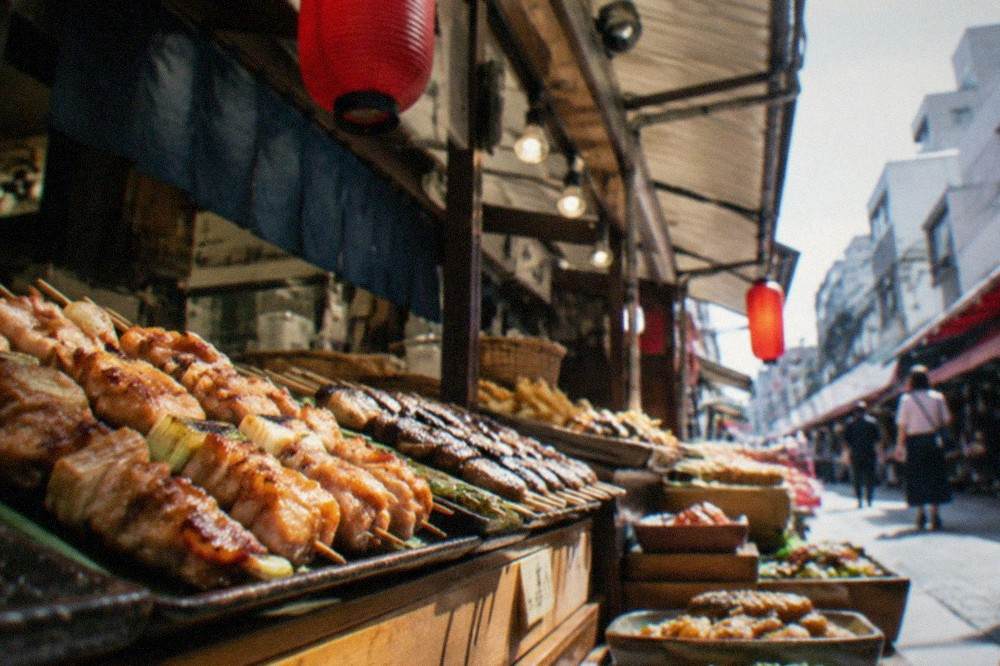
A priced food tour converts an unpredictable dinner bill into a fixed, known cost, and the verified options run from $37 for a three-hour izakaya crawl to $130 for a ramen-making class that ends with the meal you cooked. For a traveller who wants to eat well without gambling on an unpriced menu, a tour is the most transparent use of the same money, and the best-rated food experiences in the city run from $37 for an izakaya crawl to $130 for a ramen class.
The roster below lists the food and drink experiences whose prices and ratings this site has verified. Notice how the bands compare with Hyotei's menu: the most expensive food experience on the list costs less than a third of the main-building kaiseki dinner, and several cost less than the annex porridge plus a drink.
| Experience | From | Rating | Duration |
|---|---|---|---|
| Nishiki Market Brunch Walking Tour, 7 tastings plus brunch | $74 | 4.9 from 1,497 reviews | 3 hours |
| Award-winning ramen making experience | $130 | 5 from 2,635 reviews | 1 hour 30 minutes |
| Kawaramachi local bar and izakaya crawl | $37 | 4.9 from 1,042 reviews | 3 hours |
| Kyoto Foodie Night Tour | $121 | 5 from 630 reviews | 3 hours 30 minutes |
| Insider sake brewery tour with tastings and pairings | $87 | 5 from 1,027 reviews | 3 hours |
The izakaya crawl deserves a special note for the dinner question, because three hours hopping local bars in the Kawaramachi district is functionally a dinner with a fixed price tag. The sake brewery tour is an afternoon option that pairs tastings with food, and the ramen class is the one to pick if you want to leave Kyoto able to cook the meal at home.
What Else Changes The Cost Of Eating Out In Kyoto?
Three verified factors move a Kyoto food budget more than the restaurant itself: the season, the crowd calendar and the district. Kyoto drew a record 62.79 million visitors in 2025, according to the city's own June 2026 survey release, and the city's tourism association now publishes a five-level crowd comfort forecast that predicts congestion by spot and time slot, which is the single best free tool for picking when and where to eat.
Seasonality is measurable here. The JMA 1991-2020 normals show July as Kyoto's wettest month at 223.6 mm of rain, ahead of June at 199.7 mm, and the temple quarters thin out in the January cold, when the mean temperature sits at 4.8 C. Shoulder months such as March and November trade thinner crowds against peak scenery, and restaurants in the Higashiyama lanes price and book accordingly, though only Hyotei's figures are printable.
District choice is the quiet lever. Eating near the temple quarters in Higashiyama or by Nanzen-ji puts you in the kaiseki world; the downtown grid around Kawaramachi and the station area hold the casual tier. The things to do in Kyoto page maps which districts pair with which evenings, and a night walk through Gion or Pontocho costs nothing at all, which makes it the best budget pairing for a night you have already spent on dinner.
Common Questions About Dinner Costs In Kyoto
How Much Does Dinner Cost In Kyoto?
There is no verified city average. At Hyotei, the one famous house that publishes its prices, the dinner kaiseki course starts at 37,950 yen per person, tax and service included, while the same restaurant's annex serves dishes from 5,445 yen. A realistic planning range runs from 5,445 to 37,950 yen per person, set by which tier of room you book rather than by any citywide norm.
Is 30,000 Yen Enough For A Kaiseki Dinner In Kyoto?
At Hyotei, no: the dinner kaiseki in the main building starts at 37,950 yen, above the 30,000 yen line. But the same house's annex serves asa-gayu porridge at 5,445 yen and a Shokado bento at 7,260 yen, so a meal from the same kitchen fits far below it. Those are Hyotei's own published prices and apply only to Hyotei.
What Is The Cheapest Verified Way To Eat In Kyoto?
The cheapest priced experiences in the verified roster are the Kawaramachi izakaya crawl from $37 and the Nishiki Market brunch walk from $74. Walking Gion, Pontocho and the Philosopher's Path costs nothing, and Fushimi Inari Taisha, the Kyoto Imperial Palace and the Arashiyama bamboo path are all free to enter if you are pairing sightseeing with a modest meal.
Do I Need To Book Dinner In Kyoto In Advance?
At the top tier, yes, and Hyotei states the rule itself: reservations are taken from two people, with lunch last orders at 13:00 and dinner last orders at 19:00. Casual restaurants generally do not publish booking rules, so check each venue directly, and use the city's crowd comfort forecast to pick quieter districts and time slots.
Are Food Tours Good Value Compared With Restaurants?
A priced tour fixes a cost that a restaurant bill leaves open. The verified food experiences run from $37 to $130 per person, all rated 4.9 or 5, and the ramen-making class ends with the meal you cooked. Against a kaiseki course opening at 37,950 yen, they are the transparent end of the Kyoto food budget.
The honest answer to the dinner question is a range with one verified anchor at each end: 5,445 yen for porridge at Hyotei's annex, 37,950 yen for the kaiseki course in the main building, and a set of priced, highly rated food experiences in between. Pick your tier before you arrive, book the top tier from two people, and let the crowd forecast choose the district.