What Is The Difference Between Matcha And Uji Matcha?
Matcha is powdered green tea made anywhere in Japan. Uji matcha is matcha grown and milled in the Uji region of Kyoto Prefecture, the historic heart of Japanese tea. Here is what separates them, what it costs, and how to taste the difference.
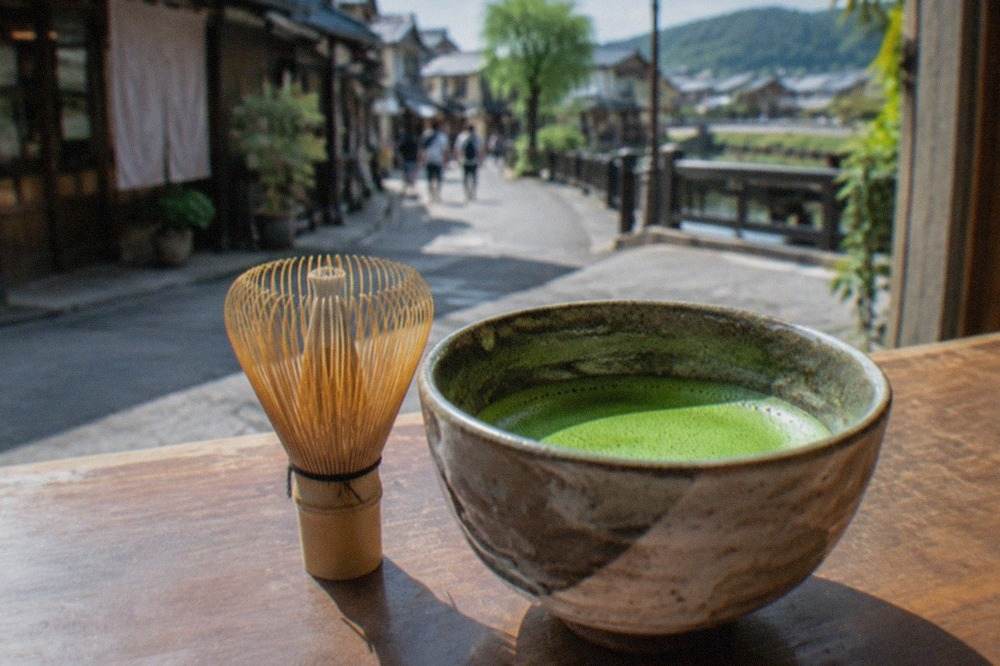
Matcha is a type of tea: tencha leaf shade-grown, steamed, dried and stone-milled into powder. Uji matcha is the same product with an address attached. Uji is a small city in Kyoto Prefecture, about 30 minutes south of Kyoto Station, and its tea gardens have supplied the Japanese court and the tea ceremony since the Kamakura period. When a package says Uji matcha, the claim is origin, not a different kind of tea. That single distinction explains most of the price gap, the flavour gap and the labelling confusion, and it is the difference worth understanding before you buy a tin in Kyoto or order a bowl anywhere in the world.
What Is The Difference Between Matcha And Uji Matcha?
Matcha is powdered green tea, and it can be grown and milled anywhere in Japan. Uji matcha is matcha whose leaf comes from the Uji region of Kyoto Prefecture, historically Japan's most celebrated tea-growing area. The plant, the shading method and the stone-milling process are the same. What changes is the terroir, the pedigree of the cultivars and the price, because Uji-grown leaf carries a name buyers have trusted for centuries.
Think of it the way wine works. Pinot noir is a grape; Burgundy is a place that grows it famously. Matcha is the tea; Uji is the place. A tin of matcha from Shizuoka or Kagoshima can be excellent, and much of Japan's tea volume now comes from those southern prefectures because land is cheaper and machine harvesting is easier. Uji production is smaller, more traditional and more expensive, and the region specialises in the cultivars and the hand-shading techniques that tencha, the raw material of matcha, demands.
The second difference is legal, in a loose way. "Matcha" on a label guarantees only that powdered green tea is inside the tin. "Uji matcha" implies Kyoto leaf, but Japanese labelling rules allow blends, so a product can carry the Uji name with a portion of leaf from elsewhere. The strictest labels say Uji-grown, or name a specific Uji tea house. When in doubt, buy from a producer with an actual address in Uji and a shop you can walk into, which in Kyoto is easy to arrange.
The third difference is in the cup, and it is real rather than marketing. Uji leaf tends toward the deep, savoury, faintly sweet profile the tea ceremony prizes, with less of the harsh bitterness that cheap matcha shows when whisked thin. Ceremonial-grade matcha from Uji is what most Kyoto tea houses serve, and it is why the city's matcha desserts taste the way they do.
Why Is Uji Matcha So Highly Regarded In Kyoto?
Uji has grown tea for the capital since the thirteenth century, and two of the cultivars that define premium Japanese tea, samidori and asahi, were bred there. The region's river valley mist, its well-drained slopes and its proximity to Kyoto's tea ceremony culture made it the supplier of choice to the imperial court. Eight centuries of that reputation is the reason the name still commands a premium, and the reason Kyoto's best tea houses pour Uji leaf.
The history is unusually well documented for a food claim. Tea reached Japan from China via Buddhist monks, and Uji's gardens were producing by the 1200s. By the sixteenth century, when the tea ceremony was formalised in Kyoto, Uji matcha was the standard the ceremony was built around. The tea master Sen no Rikyu's world of wabi-cha ran on whisked matcha, and the leaf his contemporaries whisked came overwhelmingly from Uji. That link between a place and a ritual has never been broken.
The region also pioneered the technique that makes matcha possible: shading the tea bushes with straw and canvas screens for several weeks before harvest. Shading forces the leaf to produce more chlorophyll and amino acids, especially theanine, which is where matcha's colour and its sweet, umami depth come from. Uji growers refined tana shading, the elaborate overhead canopy method, and the best Uji matcha is still made from hand-picked, shade-grown leaf milled slowly on granite stones. A stone mill grinds only about 40 grams an hour, because faster milling heats the leaf and ruins the flavour. That slowness is priced in.
For a visitor, the practical payoff is that Uji is not an abstract name. It is a day trip you can take with a single train ticket, and the town pours its own product in tea houses along the river. The deeper background on where matcha fits into Kyoto's food culture is in the Kyoto matcha guide, and the town itself is covered in the Uji day trip guide.
How Do You Taste Genuine Uji Matcha In Kyoto?
The honest way is to take the JR Nara Line from Kyoto Station to Uji for 240 yen, about 20 minutes, and drink it where it is grown. In the city itself, tea houses in Gion and downtown Kyoto serve Uji matcha whisked in front of you, and a guided tea ceremony costs from about $8 to $79 per person depending on format. Byodo-in, the UNESCO-listed temple on Uji's edge, charges 700 yen for garden and museum plus 300 yen for the Phoenix Hall interior.
Start with the source. Uji's tea houses sit along the Uji River between the station and Byodo-in, and several serve bowls of whisked matcha with a sweet, the classic pairing that balances the tea's astringency. Byodo-in's own guide page sets its admission at 700 yen for adults, with the Phoenix Hall interior tour at 300 yen more, running from 9:30 to 16:10 in groups of 50, tickets issued first come first served from 9:10. The temple's museum, Hoshokan, is included in the garden ticket. If you are planning a fuller circuit of the region, the day trips from Kyoto guide covers the logistics.
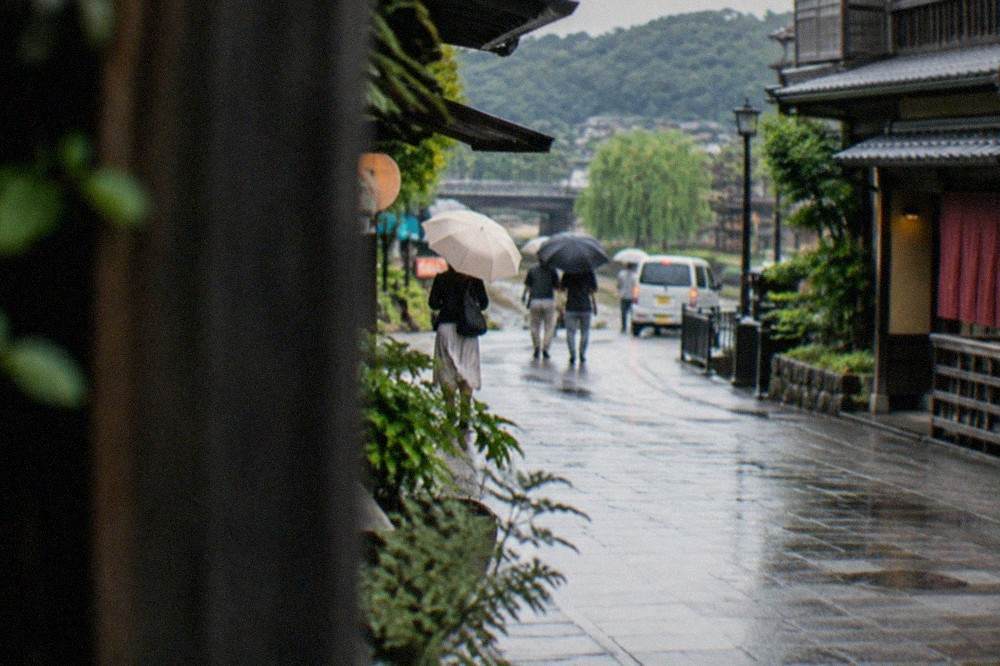
In Kyoto proper, the tea ceremony is the classic format, and the roster of bookable options spans a wide price band. The tea ceremony at Jotokuji Temple runs from $29 per person and holds a 4.9 rating across 3,758 reviews. Maikoya's kimono tea ceremony near Nishiki starts at $53, and a basic tea ceremony class experience opens at about $8. The cheapest way into the culture is often a free walking tour that passes the tea districts, with the walks on GuruWalk tipping the guide at the end; the gurus who run them are named on each listing, and no price belongs in that sentence because the walk itself is free. Other pages covering the same trip are gathered on Kyoto Travel Guide.
| Experience | Format | From | Rating |
|---|---|---|---|
| Tea ceremony class experience | Instructional ceremony | $8.05 | 4.3 from 592 reviews |
| Tea ceremony Ju-An at Jotokuji Temple | Temple tea ceremony | $29 | 4.9 from 3,758 reviews |
| Kimono tea ceremony at Orizuruya, Gion | Ceremony in kimono | $49 | 4.9 from 1,871 reviews |
| Kimono tea ceremony at Kyoto Maikoya, Nishiki | Ceremony in kimono | $53 | 4.9 from 1,114 reviews |
| Tea ceremony with kimono near Imamiya Jinjya Shrine | Private-format ceremony | $79 | 5 from 440 reviews |
How Much Does Uji Matcha Cost Compared To Regular Matcha?
Culinary-grade matcha from a Kyoto supermarket can cost a few hundred yen for 100 grams, while genuine Uji ceremonial-grade matcha from a named Uji producer runs several times that, with single-cultivar and competition-grade tins reaching prices comparable to fine wine. The gap is not markup alone: hand-picked shade-grown leaf, slow stone milling and small harvest volumes all push the cost up, and the label "Uji" only holds value when the producer is real.
A useful rule for shopping: price follows grade and traceability. Culinary matcha is machine-harvested, often from unshaded or lightly shaded fields, milled fast and blended for colour; it is meant for lattes and baking, where milk and sugar carry the flavour. Ceremonial grade is shade-grown, first-flush, picked by hand and milled slowly, and it is meant to be whisked with water and drunk straight. Within ceremonial grade, single-origin Uji from a named garden sits at the top, and single-cultivar tins, pure asahi or pure samidori, above that again.
The honest way to spend is to match the format to the grade. If you are whisking at home in the traditional way, buy a small tin, 20 to 40 grams, of Uji ceremonial grade from a producer whose address you can read on the package. If you are making matcha lattes, culinary grade is the correct purchase and the expensive tin is wasted. Tea loses its freshness within weeks of milling, because the aromatics oxidise, so a small tin from a busy shop beats a large tin bought online and stored for a year.
For context on how the rest of Kyoto's food prices behave, from temple-adjacent sweets to full kaiseki, the Kyoto signature dish article is the companion read.
Where Can You Buy Genuine Uji Matcha In Kyoto?
Buy from a tea house with its own name, address and milling operation in Uji itself, or from a long-established Kyoto tea merchant who names the farm. In Kyoto city, the stores around Nishiki Market and Teramachi Street stock the major Uji houses, and the safest purchases carry a named cultivar, a harvest date and a milling date rather than a bare "matcha" label. Avoid anything that lists matcha as an ingredient in a blend.
The two questions that cut through all marketing are simple. First, who milled it? Stone-milled, single-origin matcha from a producer with a physical shop in Uji is the product the name promises. Second, when was it milled? Freshness is the whole game in matcha, and a serious merchant will tell you the month. Vacuum-sealed tins in refrigerated cases are a good sign; dusty jars on a sunny shelf are not.
While you are shopping, the streets around Teramachi Street hold several of the old Kyoto tea merchants, and the covered arcades make it a comfortable route in any weather. Many visitors fold a kimono rental into the same afternoon, walking the tea district dressed for it; the standard rental opens at $17.35 per person and holds a 4.7 rating across 3,813 reviews.
A rental pairs naturally with the tea districts because the walk between the merchant streets and Gion is short and flat, and the shops hold the outfit until closing. Anyone building a fuller afternoon around the culture can add a guided geisha-district walk or an early-morning Nara departure, both of which start within walking distance of the same arcades, and the selection below covers the strongest options in each direction.
Common Questions About Matcha And Uji Matcha In Kyoto
What Is The Difference Between Matcha And Uji Matcha?
Matcha is powdered green tea, produced in many regions of Japan. Uji matcha is matcha made from leaf grown in the Uji region of Kyoto Prefecture, Japan's most historic tea-growing area. The processing is the same; the origin, the typical cultivars and the price differ, with genuine Uji leaf carrying a centuries-old reputation and a premium to match.
Is Uji matcha better than regular matcha?
Not automatically. The best Uji matcha, shade-grown, hand-picked and stone-milled, ranks among the finest tea produced in Japan. But a well-made matcha from another region can beat a poorly stored or blended product labelled Uji. Judge by grade, milling date and named producer rather than region alone.
Can I visit Uji from Kyoto as a day trip?
Yes, easily. The JR Nara Line runs from Kyoto Station to Uji for 240 yen, and Keihan trains cover the route in about 31 minutes for 360 to 420 yen. The tea houses, Byodo-in and the riverside walks are all within walking distance of the stations.
How can I tell if matcha is really from Uji?
Look for a named producer with an address in Uji, a stated cultivar such as samidori or asahi, and a milling or harvest date. Japanese labelling allows blends under a regional name, so the strictest signal is single-origin leaf from a tea house you can visit in person.
Does Uji matcha taste different?
Genuine Uji ceremonial matcha tends toward deep umami with restrained bitterness and a sweet finish, the profile the tea ceremony was built around. Cheaper culinary-grade matcha, wherever it is grown, is more astringent and better suited to lattes and baking than to drinking straight.
The short version: matcha is the tea, Uji is the place that made it famous, and the name is worth paying for only when the producer behind it is real. Buy small, buy fresh, and if you have a spare half day in Kyoto, take the 240 yen train to Uji and taste the difference where it is grown.