How Is Kyoto Station Laid Out: Central Gate, Hachijo Side, Shinkansen And Subway?
Kyoto Station is a vertical city of platforms, gates and exits, and knowing which side you need before you arrive saves most of the confusion. This guide breaks the building into its two street-level halves, the Karasuma Central Gate side and the Hachijo side, and maps the Shinkansen, subway, bus and airport links onto them.
Short answer
Kyoto Station faces two different streets: the Karasuma Central Gate side opens onto the north, toward downtown and the subway, while the Hachijo side faces south, toward the Shinkansen platforms, the airport bus stops and the hotel tower district. The station concourse runs across and above both, so you can walk between them indoors.
Kyoto Station handles more arrivals than anywhere else in the city, and the building itself is the first puzzle every visitor faces. The city's 2025 tourism survey, released 12 June 2026, counted a record 62.79 million visitors across Kyoto, and a large share of them walked through this station's gates at least twice. The structure is tall, deep and split between two street-level faces, and the exit you choose determines whether your hotel is a short walk or a confusing detour away.
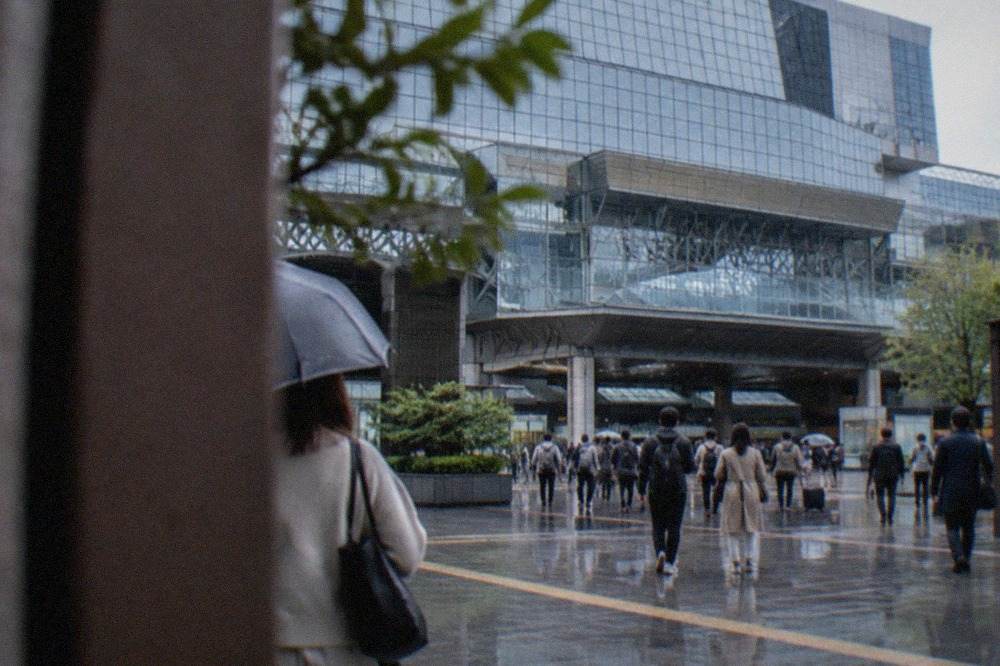
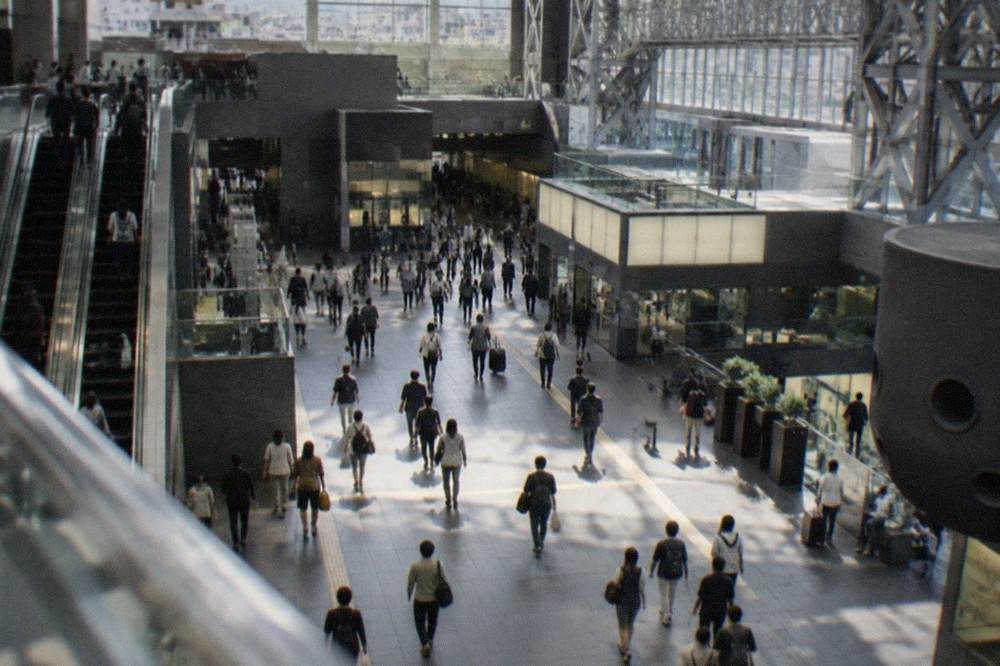
The station's own geography is simpler than it first looks. One long concourse runs east to west above the tracks, and two street-level halves sit below it: the Karasuma Central Gate side to the north and the Hachijo side to the south. Everything else, the Shinkansen platforms, the subway, the bus terminals and the airport connections, hangs off one of those two halves. This guide from Kyoto Travel Guide walks through each layer, then covers what to do, eat and book in the streets around the building.
Which Side of Kyoto Station Should You Use: Karasuma Central or Hachijo?
Use the Karasuma Central Gate side for the subway, the downtown hotels and the station tower shopping, and the Hachijo side for the Shinkansen, the airport limousine buses and the hotel district directly across the south street. The two sides sit one level apart and connect through the free station concourse, so choosing the right one first simply saves a long walk with luggage. Karasuma faces north toward the city center; Hachijo faces south.
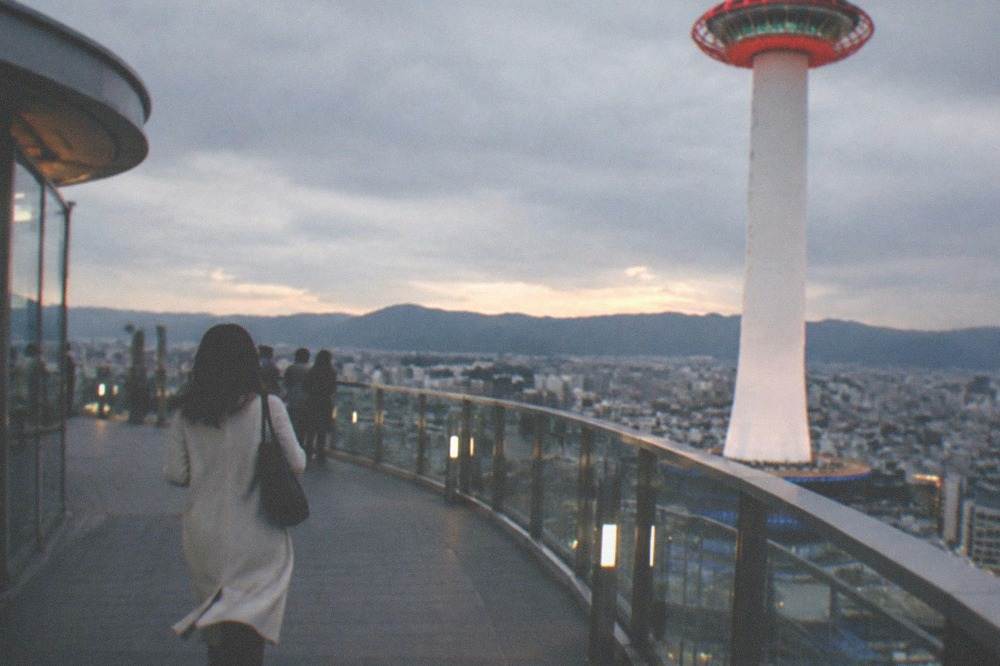
The Karasuma side is the station's public face. Step out of the Central Gate and you are on Karasuma-dori, the north-south avenue that runs straight toward the city center, with the subway's Karasuma Line station entrance inside the building itself. The station tower, with its department store, restaurants and the Sky Garden terrace on top, rises on this side. Most first-time visitors want this exit, because most hotels within walking distance sit north or west of the station.
The Hachijo side is quieter and more functional. Hachijo-dori runs east-west along the south face, and this is where the Shinkansen entrance sits, along with the limousine bus stops for both Kansai International and Itami airports, the taxi ranks and a cluster of tall hotels directly across the street. Hankyu Kanko Bus, the operator, runs its Itami service from the Hachijo exit, at 1,500 yen adult and 750 yen child, taking about 50 to 55 minutes, with contactless card payment accepted since 1 March 2026. If you are transferring between a Shinkansen and an airport bus, or sleeping in one of the south-side hotels, you may never need the Karasuma side at all.
The practical rule: check which side your hotel names before you arrive. A hotel that says "one minute from Hachijo exit" is on the south street; a hotel that says "Karasuma Central exit" is north. Walking between the two sides through the station takes several minutes with crowds, and the escalators are not always where the signs suggest.
How Do You Get From Kyoto Station to the City Center?
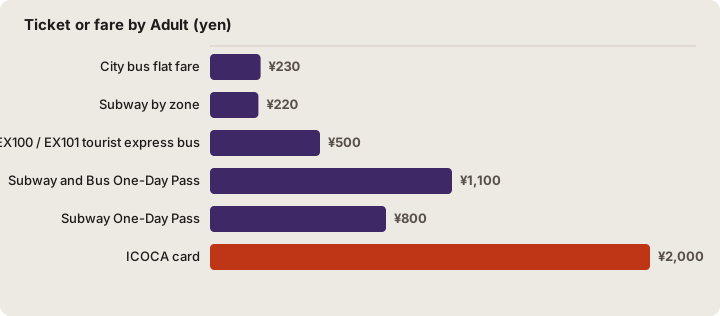
The Karasuma subway line runs directly under the station toward the city center, with adult fares of 220, 260, 290, 330 or 360 yen depending on zone, and the city bus flat fare is 230 yen adult and 120 yen child. The Subway and Bus One-Day Pass costs 1,100 yen adult and 550 yen child and covers both networks for a day. The bus-only one-day pass no longer exists.
The subway is the fastest link from the station to the central shopping and dining districts. The Karasuma Line's Kyoto Station stop sits inside the paid area of the JR complex, and a handful of stops north you reach Shijo, the heart of downtown, where the Karasuma Line crosses the Tozai Line. The city's fare table sets subway fares by zone, from 220 yen for the shortest adult hop up to 360 yen, with child fares at half rate rounded up. The Kyoto subway guide covers the two lines and their transfer points in detail.
Buses leave from several terminals around the building, and the flat fare applies no matter the distance: 230 yen for adults, 120 yen for children aged 6 to 11, per the city transport bureau's own fare page. The tourist express buses EX100 and EX101 charge a separate 500 yen adult and 250 yen child cash fare, take IC cards, and run from Kyoto Station toward the Kiyomizu side, with EX101 running every 7 to 8 minutes in the morning on operating days. The Kyoto buses guide explains which terminal serves which sightseeing area.
The pass question matters here, because the old bus-only pass is gone. Sales of that product ended at the end of September 2023, and its last day of use was 31 March 2024; the transport bureau reported that 90% of its buyers were non-residents and that it concentrated tourists on the buses. The current product is the Subway and Bus One-Day Pass at 1,100 yen adult and 550 yen child, which covers both networks, and there is also a subway-only day pass at 800 yen and 400 yen. The pass comparison guide works out when each one pays off.
| Ticket or fare | Adult | Child | Notes |
|---|---|---|---|
| City bus flat fare | 230 yen | 120 yen | Any distance, ages 6 to 11 child rate |
| Subway by zone | 220 to 360 yen | 110 to 180 yen | Five zones, Karasuma and Tozai lines |
| EX100 / EX101 tourist express bus | 500 yen | 250 yen | Cash or IC, station to Kiyomizu side |
| Subway and Bus One-Day Pass | 1,100 yen | 550 yen | Both networks, one day |
| Subway One-Day Pass | 800 yen | 400 yen | Subway only |
| ICOCA card | 2,000 yen | 500 yen deposit included | Refundable deposit, rechargeable |
For contactless travel, an ICOCA card costs 2,000 yen including a 500 yen refundable deposit and works on the subway, buses and JR local trains alike. The ICOCA guide covers purchase and refund mechanics. If you are weighing Kyoto against Osaka as a base, the where to stay in Kyoto guide places the station area against downtown, Gion and Higashiyama.
If a guided day out of the city appeals more than self-navigation, these depart from or near the station:
Where Do the Shinkansen, Subway and JR Lines Connect Inside Kyoto Station?
The Shinkansen platforms sit on the south-eastern side of the station, reached most directly from the Hachijo side, while all JR local lines, the Karasuma Line subway and the Kintetsu interchange sit on the Karasuma Central side. Transfers between Shinkansen and local lines take several minutes through the concourse, so allow time rather than sprinting a four-minute connection.
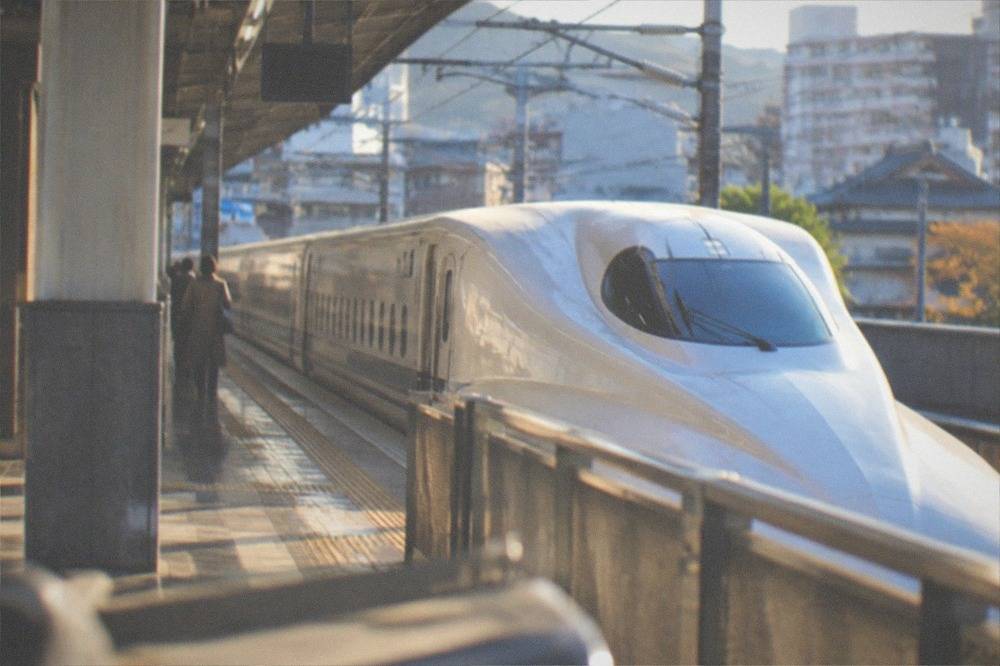
The bullet train section of the station is functionally a separate station grafted onto the JR complex. Its gates open toward Hachijo-dori, and its platforms carry the Tokaido Shinkansen between Tokyo, Nagoya, Shin-Osaka and points beyond. If your itinerary is a Tokyo arrival followed by a Kyoto stay, you will arrive on these platforms and exit either through the Shinkansen gates to Hachijo or through the transfer gates into the main concourse toward Karasuma Central.
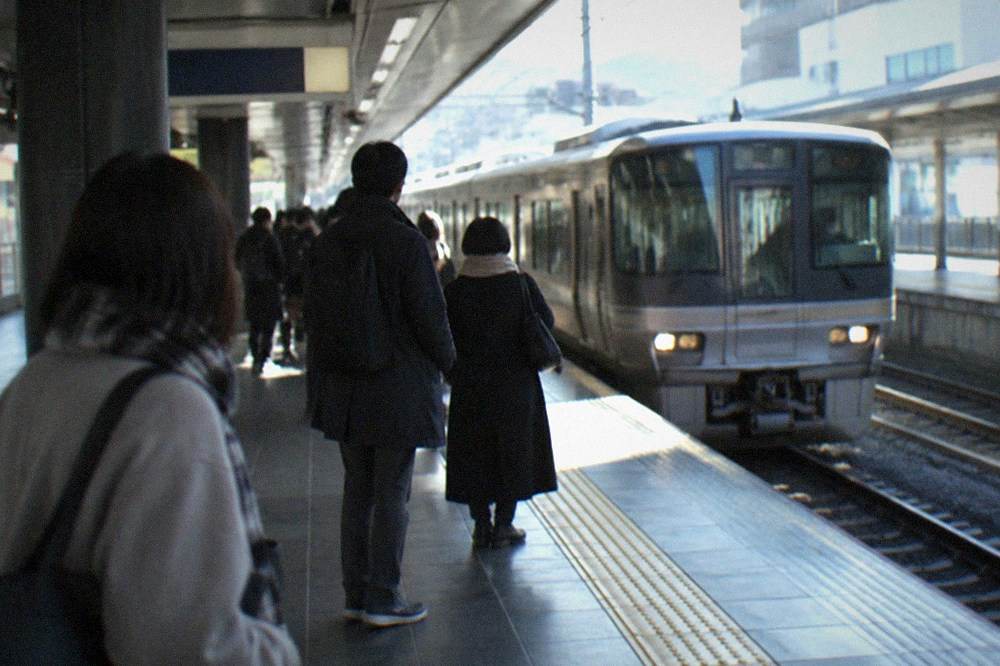
The JR local lines, including the trains toward Nara on the Nara Line, toward Uji, and the Sagano Line toward Arashiyama and the Kurama direction, all use the central platforms reached from the Karasuma side. The Eizan line to Kurama and Kibune leaves from a separate terminal, Demachiyanagi, reached by a short transfer, which is why the guided Kurama and Kibune hikes meet travelers at Kyoto Station first and sort the rail routing for them.
The subway station sits below the Karasuma side of the complex. The Karasuma Line runs north under Karasuma-dori toward Shijo, Karasuma Oike and the city center. There is no Tozai Line platform at Kyoto Station itself; the two lines cross at Karasuma Oike, four subway stops north. This is one of the most common mistakes arriving visitors make: assuming both subway lines serve the station, then discovering the Tozai Line requires a transfer.
For readers deciding which Kyoto station neighborhood to sleep in, the station comparison answer page covers the trade-offs between the city's main rail hubs.
| Line or service | Station side | Goes toward |
|---|---|---|
| Tokaido Shinkansen | Hachijo side | Tokyo, Nagoya, Shin-Osaka |
| JR Nara Line | Karasuma Central | Inari, Uji, Nara |
| JR Sagano Line | Karasuma Central | Arashiyama, Kameoka |
| Karasuma Line subway | Karasuma Central, underground | Shijo, city center, Kitayama |
| Tozai Line subway | Not at this station | Transfer at Karasuma Oike |
| Airport limousine buses | Hachijo side | Kansai International, Itami |
The Kurama and Kibune hike is the strongest full-day mountain option that starts from this station's rail network, and it suits travelers who want the northern hills without planning three train transfers themselves:
What Is There to Do Around Kyoto Station?
The immediate station area holds the Nidec Kyoto Tower observation deck across Karasuma Central, the Kyoto Railway Museum a short walk west, Higashi Hongan-ji and Nishi Hongan-ji temples within walking distance, and the station tower's own Sky Garden terrace on top of the building. The tower charges 900 yen for adults, and the railway museum 1,500 yen for visitors 18 and over.
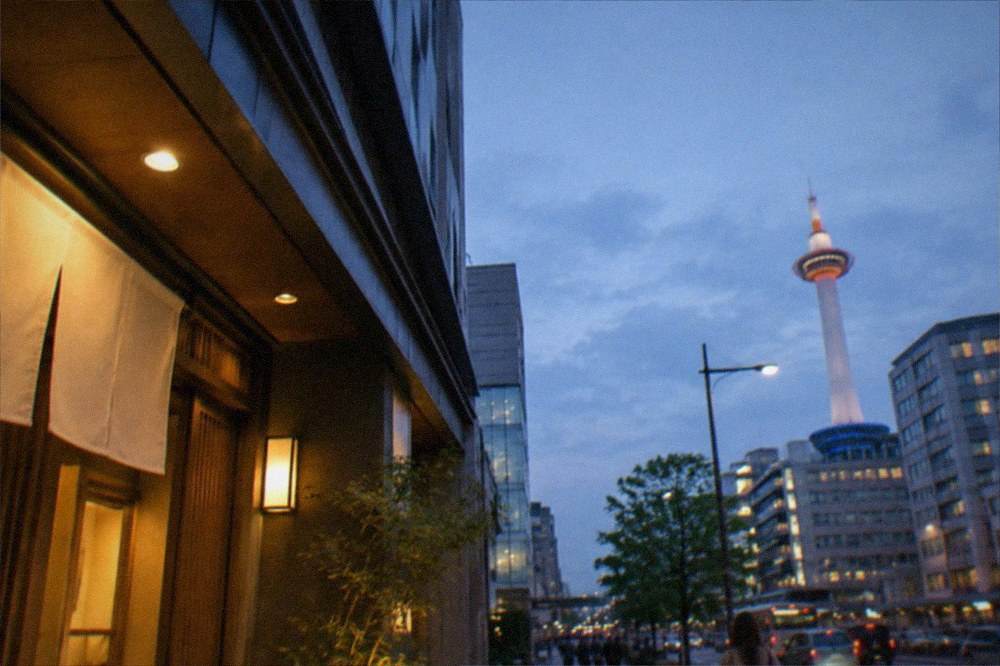
Nidec Kyoto Tower stands directly across the plaza from the Karasuma Central Gate, its observation deck open 10:00 to 21:00 with last admission at 20:30. Adult admission is 900 yen, with high school students at 700, elementary and junior high at 600, and children from age 3 at 200 yen. Because it is the one landmark you can see from almost anywhere in the southern city, it doubles as an orientation tool: if you can see the tower, the station is behind it.
The Kyoto Railway Museum sits west of the station, a walk or short bus ride away. General admission for visitors 18 and over is 1,500 yen, with university and high school students at 1,300 and children from age 3 at 200 yen. It is open 10:00 to 17:00 with last entry at 16:30, closed on Wednesdays and over the year-end holidays. The museum marked its tenth anniversary in 2026, and it holds one of the country's largest working locomotive collections.
The two Hongan-ji temples bracket the walk north toward downtown. Higashi Hongan-ji sits a few blocks from the Karasuma exit, and Nishi Hongan-ji a similar distance west; both are active Jodo Shinshu head temples with large halls and free grounds. Farther afield, the things to do in Kyoto overview sorts the whole city by interest, and the shopping guide covers the station's own underground shopping mall, Porta, which connects directly to the subway concourse.
| Attraction near Kyoto Station | Adult admission | Hours |
|---|---|---|
| Nidec Kyoto Tower observation deck | 900 yen | 10:00 to 21:00, last entry 20:30 |
| Kyoto Railway Museum | 1,500 yen (18+) | 10:00 to 17:00, closed Wednesdays |
| Station tower Sky Garden terrace | Free | Open daily, rooftop level |
| Higashi Hongan-ji grounds | Free | Daytime |
| Porta underground mall | Free to enter | Shops keep their own hours |
If the tower, the museum and the temples fill one day, the northern mountains can fill the next, and the guided Kurama and Kibune hike is the one to lock in early because its small groups sell out ahead of weekends.
Where Should You Eat Near Kyoto Station?
The station building itself holds one of the city's densest concentrations of restaurants, spread across the station tower's upper floors, the Ramen Street on the tenth floor of the Karasuma side and the Porta mall below ground, plus a Kyoto ramen alley at the north-east corner. The surrounding blocks add department store basement food halls and hotel dining within a five-minute walk of either exit.
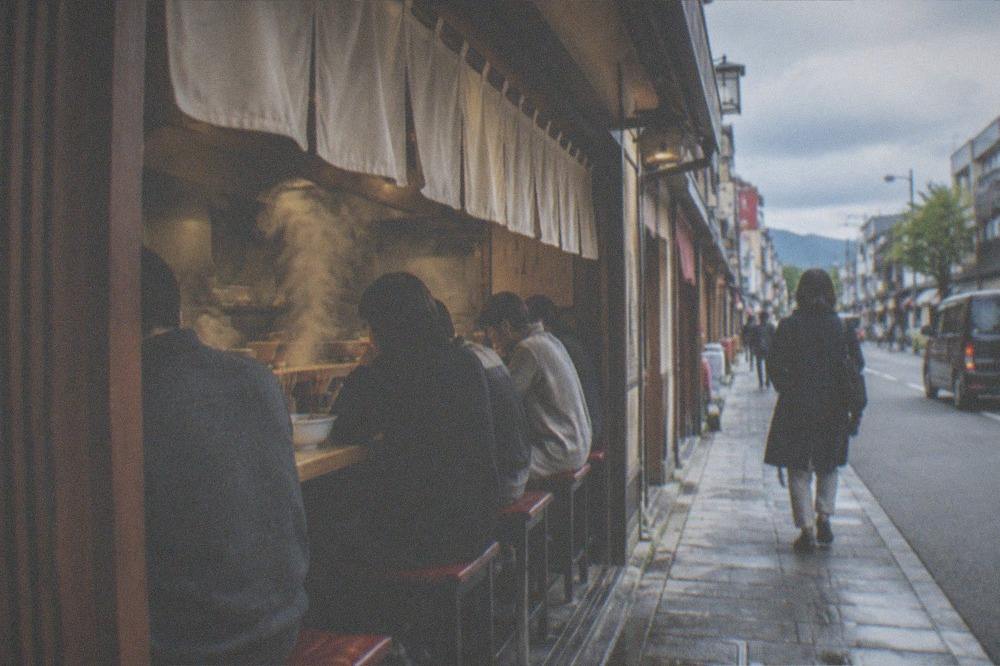
Ramen Street, on the station tower's restaurant floor, gathers a rotating selection of the city's best-known shops under one roof, which makes it the single most reliable meal stop for a train connection. The Kyoto ramen guide covers the city's styles and where else to find them. The tower's other floors hold everything from conveyor sushi to kaiseki-adjacent dining, and the eleventh floor has the better views.
Below ground, the Porta mall runs beneath the Karasuma side with bakeries, noodle counters and coffee shops aimed at commuters rather than tourists, and prices to match. On the Hachijo side the pickings are thinner but the hotel restaurants are closer; the area is functional rather than atmospheric. For a proper evening out, the downtown Kawaramachi area is a short subway ride or a 20-minute walk north.
One honest note on expectations: the station area feeds millions of travelers a year, so the best counters here are efficient rather than intimate. The city's 2025 survey recorded tourism spending of 2.0474 trillion yen, and a meaningful slice of it moves through this building's restaurants. Eat well here between trains; save the destination dinners for Gion or Pontocho.
Where Should You Stay Near Kyoto Station?
The station area suits travelers who value rail connections over atmosphere: the Hachijo side holds the big international hotel towers directly across the street, the Karasuma side has mid-range business hotels within a five-minute walk, and both sit one train ride from every sightseeing district. Expect functional rooms and easy luggage handling rather than the machiya atmosphere of Higashiyama.
The south side's hotel cluster is the most practical base in the city for a multi-day rail itinerary. Trains to Nara, Uji, Arashiyama and Osaka all leave from this station, the Shinkansen is a walk away, and both airport buses stop at Hachijo. The trade-off is character: this is a transport district, quiet at night, with the temples and teahouses of eastern Kyoto a subway or bus ride away.
Budget planning should include the city's accommodation tax, which changed on 1 March 2026. The tax is charged per person per night on the room-only rate, and the top tier now runs to 10,000 yen for rooms of 100,000 yen and up, while a 20,000 to 50,000 yen room carries 1,000 yen. Most station-area business hotels fall in the 6,000 to 20,000 yen band, which carries 400 yen per person per night, unchanged from before.
How Do You Arrive at Kyoto Station From the Airport?
Kyoto has no airport of its own. From Kansai International, the JR HARUKA One-way Ticket for foreign visitors costs 2,200 yen to Kyoto, 1,100 yen for a child, with the journey taking about 80 minutes; from Itami, the Hankyu Kanko limousine bus costs 1,500 yen adult and 750 yen child and takes about 50 to 55 minutes from the Hachijo exit.
The HARUKA is the default rail link from Kansai International, and JR West prices a dedicated one-way product for foreign visitors at 2,200 yen adult and 1,100 yen child to Kyoto Station, bought with an exchange order or e-ticket. The regular fare runs higher, so the visitor ticket is the one to look for by name. The train arrives on the station's western platforms, from which the Karasuma Central exit is the direct route into the city.
From Itami, the limousine bus is the simplest option: 1,500 yen adult, 750 yen child, about 50 to 55 minutes, departing from and arriving at the Hachijo exit, with contactless payment accepted since March 2026. The bus avoids transfers entirely, which matters more than the minutes saved when you are carrying luggage.
The station's own luggage rules reward traveling light. The city's transport guidance notes that drivers may refuse large or bulky luggage on crowded buses, and the city promotes hands-free tourism with station counters and delivery services; the luggage storage guide covers the lockers and forwarding options inside and around the building. A private transfer is the other stress-free route, and for a group with early flights the departure transfer below books door to terminal:
| Route to Kyoto Station | Adult fare | Child fare | Time |
|---|---|---|---|
| Kansai International by HARUKA visitor ticket | 2,200 yen | 1,100 yen | About 80 minutes |
| Itami Airport by limousine bus | 1,500 yen | 750 yen | About 50 to 55 minutes |
| Kansai International by regular rail | Higher than the visitor ticket | Varies | About 80 minutes |
Is Kyoto Station a Good Base for Day Trips?
Yes, and it is the city's best one. The JR Nara Line reaches Inari and Uji directly, the Sagano Line reaches Arashiyama, the Shinkansen reaches Himeji and Hiroshima, and the Kintetsu and JR networks cover Nara from the adjacent interchange, all without a transfer inside Kyoto. Day-trip trains leave from the Karasuma Central side platforms.
The Nara Line platforms sit on the station's western side, and the first stop of interest is Inari, the station for Fushimi Inari Taisha, whose grounds are free to enter. Farther down the same line, Uji serves the Byodo-in area, with JR fares from 240 yen. The Sagano Line departs for Arashiyama, where the Arashiyama area guide covers the bamboo grove and the Sagano Romantic Train, whose one-way fare is 880 yen adult and 440 yen child. Farther west, Himeji Castle is a direct Shinkansen run.
For the northern mountains, the Kurama and Kibune valley needs a transfer at Demachiyanagi onto the Eizan line, which is exactly the friction a guided hike removes. The guided version handles the routing, the shrine visits and the hot spring stop, and it remains the related pick for this page's readers because it is the strongest full-day escape that begins from the station's own network.
Closer to home, the Gion area guide is a short bus or subway ride north, and a guided Gion walk makes the geisha district's private alleys and their rules legible rather than just photogenic:
Before the FAQ, these are the three bookings station-area travelers most often pair with a Kyoto stay:
Common Questions About Kyoto Station Area
How Is Kyoto Station Laid Out: Central Gate, Hachijo Side, Shinkansen And Subway?
The Karasuma Central Gate side faces north toward downtown and holds the subway entrance, the JR local platforms and the station tower; the Hachijo side faces south and holds the Shinkansen gates and the airport bus stops. The concourse above the tracks connects both sides indoors, so the choice of exit is about saving walking distance, not about access.
Which exit should I use for the Shinkansen?
The Hachijo side. The Shinkansen gates open directly onto Hachijo-dori on the south face of the station, and the platforms sit on the south-eastern end of the complex. From the Karasuma Central side, follow the Shinkansen transfer route through the concourse, which takes several minutes.
Does the subway connect to Kyoto Station?
Yes, the Karasuma Line station sits underground on the Karasuma Central side, with adult fares from 220 to 360 yen by zone. The Tozai Line does not stop here; it crosses the Karasuma Line at Karasuma Oike, four stops north.
Can I store luggage at Kyoto Station?
Yes, the building holds coin lockers on multiple levels and the surrounding blocks hold delivery and storage counters, and the city promotes hands-free tourism with station-based services. Note that drivers may refuse large bags on crowded buses, so sending luggage ahead from the station is often the smoother option.
How much is the bus from Kyoto Station?
The city bus flat fare is 230 yen for adults and 120 yen for children aged 6 to 11, regardless of distance. The EX100 and EX101 tourist express buses charge 500 yen adult and 250 yen child in cash or by IC card. The Subway and Bus One-Day Pass at 1,100 yen covers both networks for a day.
What is within walking distance of Kyoto Station?
Nidec Kyoto Tower directly across the plaza, the Kyoto Railway Museum to the west, Higashi Hongan-ji and Nishi Hongan-ji to the north and west, and the Porta underground mall beneath the Karasuma side. Downtown Kawaramachi is roughly a 20-minute walk north or a few subway stops.
Kyoto Station rewards a little advance orientation, and almost nothing about it rewards improvisation with heavy bags. Pick your exit before you arrive, buy the 1,100 yen combined pass if you are riding both networks, and treat the building as what it is: the hinge between the airport, the Shinkansen and every temple district in the city, all connected through one long concourse with two very different streets at either end.