Shopping In Kyoto: Where To Shop, Shijo To Kyoto Station
Kyoto's shopping sits in a compact grid between Shijo and Kyoto Station, and the city's own 2025 survey, released 12 June 2026, counted a record 62.79 million visitors, so the where and when matter more than most guides admit.
Short answer
Shop the Shijo and Kawaramachi crossing first, then the Teramachi and Shinkyogoku covered arcades, Nishiki Market for food, and Kyoto Station's mall complex if you are starting or ending a day there. City buses cost a flat 230 yen, the subway runs 220 to 360 yen by zone, and the Subway and Bus One-Day Pass at 1,100 yen usually pays off on a multi-stop shopping day.
Kyoto drew a record 62.79 million visitors in 2025, according to the city's own tourism survey released on 12 June 2026, and a large share of them spent at least part of a day inside the same few blocks between Shijo and the Kamo river. That concentration is the single most important fact about shopping in this city. The retail core is small, walkable and dense, and almost everything a first-time visitor wants sits within a fifteen-minute walk of the Shijo-Kawaramachi crossing. The rest of this guide covers what is where, what things cost to reach, and the rules that catch shoppers out, from the Nishiki Market eating etiquette to the accommodation tax that changed on 1 March 2026.
Where Do You Shop In Kyoto: Shijo, Teramachi, Shinkyogoku, Kyoto Station?
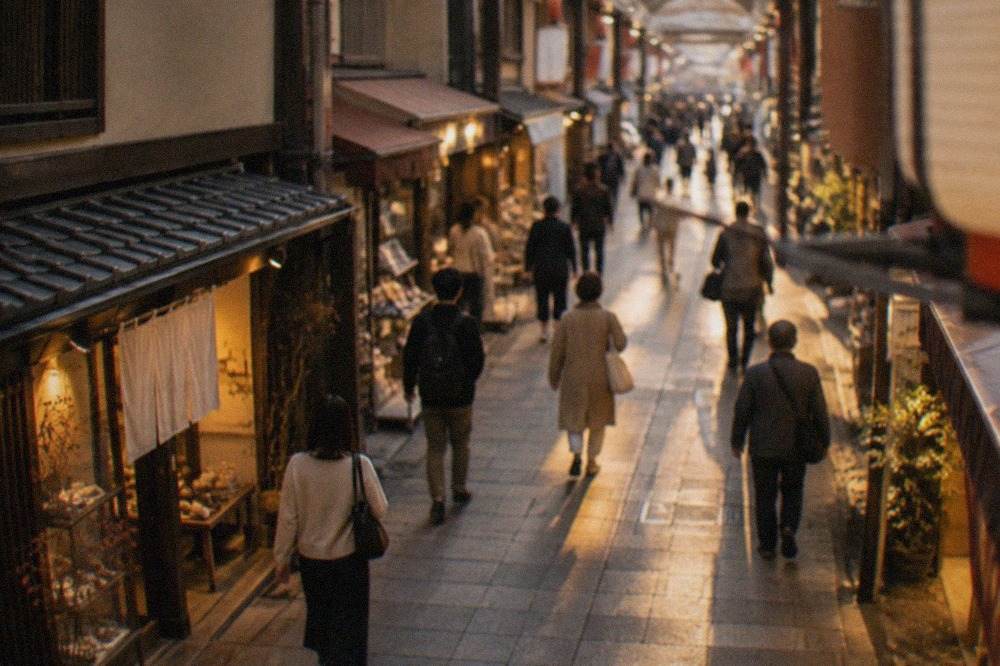
The four names in that question are the four layers of Kyoto's retail core, in descending order of density: Shijo is the wide main street with the department stores, Teramachi and Shinkyogoku are the two parallel covered arcades one block north, and Kyoto Station is a self-contained mall complex at the other end of the Karasuma subway line. Most shoppers base themselves at Shijo-Kawaramachi and work outward, because the arcades, Nishiki Market and the downtown Kawaramachi area are all within a short walk of that crossing. Kyoto Station shopping works best on arrival or departure days, when you are already standing in the building.
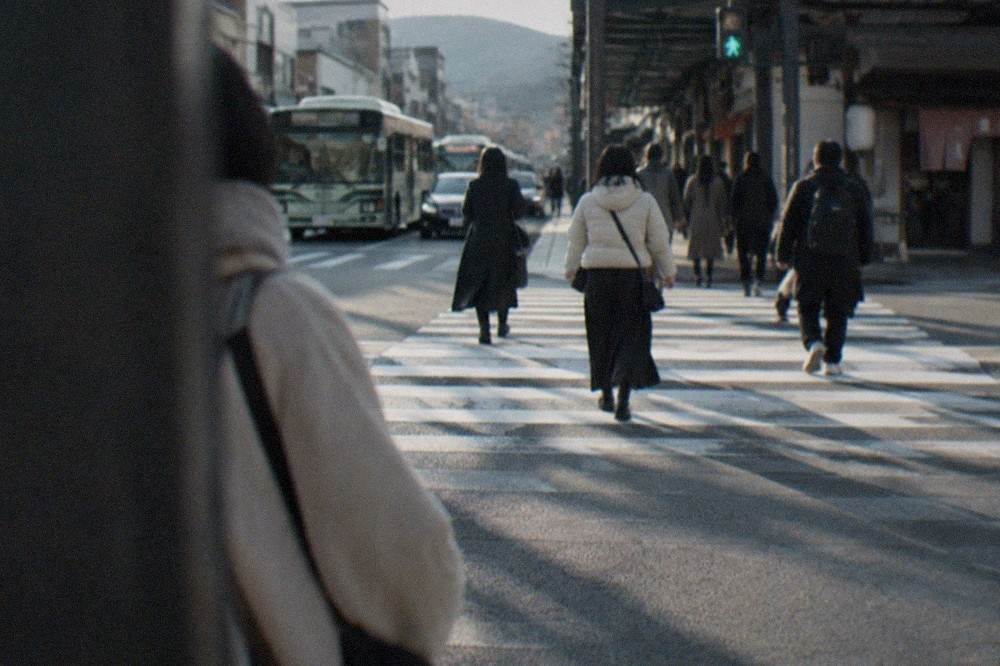
Shijo-dori runs east from Karasuma to the Kamo river, and the blocks around the Kawaramachi crossing carry the heaviest concentration of shops in the city. The 2025 survey counted 46.20 million day visitors against 16.59 million overnight guests, which means most of those 62.79 million people were moving through the centre on foot during daytime hours. The crossing is where they collide, pleasantly or otherwise.
One block north, the Teramachi arcade and the Shinkyogoku arcade run parallel to Shijo, covered and weatherproof. Teramachi is the older of the two, narrower, with a mix of incense shops, tea sellers, bookshops and small temples folded between the storefronts, which is where its name comes from. Shinkyogoku is younger and louder, aimed squarely at teenagers and tourists, and the two together form a loop you can walk in twenty minutes or two hours depending on how often you stop. The city's oldest continuous shopfronts also sit in and around this grid, and the thousand-year-old shop question has its own answer page if the history interests you.
Kyoto Station, at the other end, is less a station than a vertical shopping district. The building holds a department store, a mall above the tracks, an underground portico of restaurants and shops running toward the subway gates, and a tower with a viewing deck. If your hotel is near the station, the Kyoto Station area guide covers the whole district, including where the bus terminal and the subway entrances sit relative to the shops.
What Can You Buy At Nishiki Market In Kyoto?
Nishiki Market is a covered food market about five blocks long, running parallel to and one block north of Shijo-dori, where roughly 130 shops sell pickles, tofu, dried seafood, tea, knives, sweets and prepared food, and where the market's own association asks visitors to eat at the stall where they bought the food rather than while walking. The market is the closest thing Kyoto has to a single must-shop address, and it sits inside the same walkable grid as the arcades, entered from Teramachi or from any of the side lanes off Shijo.
The eating rule is the one that matters. The market's official site discourages eating while walking and asks visitors to consume food at the stall or in a designated area, partly for litter reasons and partly because the lane is narrow and crowded. Vendors will usually hand you a toothpick or a small plate and gesture to the side of the stall. Follow the gesture.
The second thing to know is that Nishiki has no unified opening hours, and any guide that prints one is inventing it. The market association does not publish a single schedule. Individual shops keep their own hours, typically starting around 9 or 10:00 and closing around 17 or 18:00, with some shops closed on Wednesdays or on their own chosen days. The practical consequence: go mid-morning to mid-afternoon, expect some shutters, and do not plan a Nishiki visit for the evening, because the market is a daytime place and the arcades are the evening one.
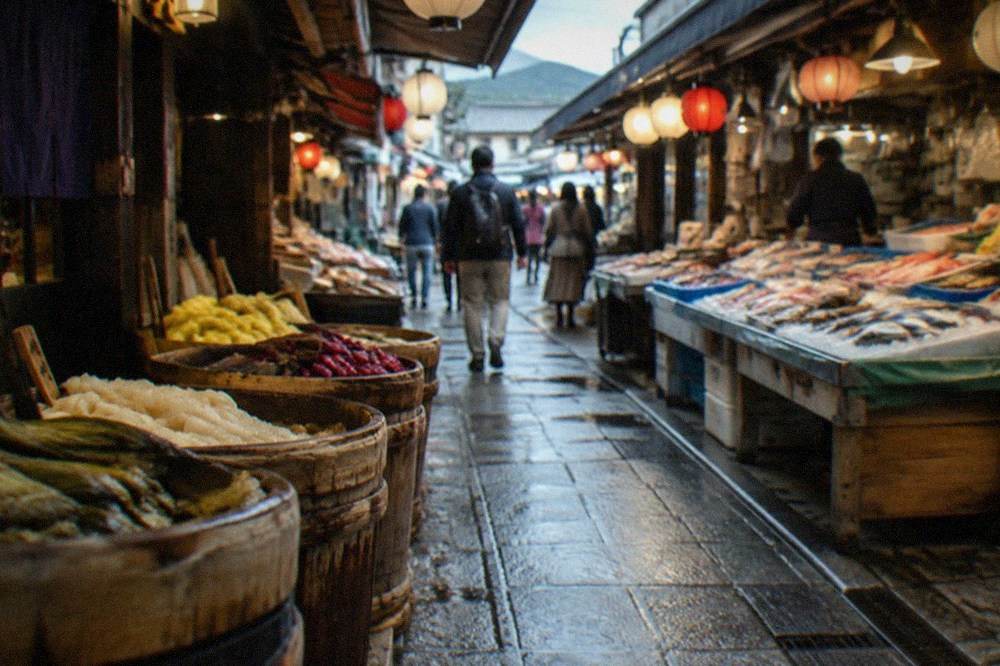
What Nishiki sells best is Kyoto's preserved and prepared food culture: senmai-zuke and other pickles sold by weight, yuba and tofu products, dashi stock ingredients, matcha and Uji tea from the neighbouring growing region, and knife shops whose smiths will engrave a blade on the spot. For a deeper run at the tea side, the matcha guide covers what to look for, and the difference between ordinary matcha and Uji matcha matters more at a market stall than anywhere else, because you will be offered both within metres of each other.
A guided walk through the market is one of the better-value introductions, since a guide can translate the pickle barrels and the knife counters faster than you can decode them:
Is Shopping In Kyoto Expensive?
Shopping in Kyoto is not inherently expensive, but the costs that surround a shopping day add up faster than the goods: a city bus is a flat 230 yen per ride, the subway runs 220 to 360 yen by zone, and the Subway and Bus One-Day Pass costs 1,100 yen, so a day spent hopping between Shijo, Nishiki, Kyoto Station and a temple district will usually justify the pass. The goods themselves span everything from 100-yen shop staples to hand-engraved knives and gallery ceramics, and no single number describes the range honestly.
The transport maths is worth doing before you leave the hotel. A handful of bus rides across a multi-stop day adds up quickly, and subway fares in the middle zones cost more per ride than the bus, against 1,100 yen for the combined day pass, which covers both networks. The child version is 550 yen. If your shopping day stays inside the Shijo-Kawaramachi-Teramachi-Nishiki rectangle, walk it instead: the whole grid is flat and compact, and the two arcades are covered, which is Kyoto's answer to its rainiest months.
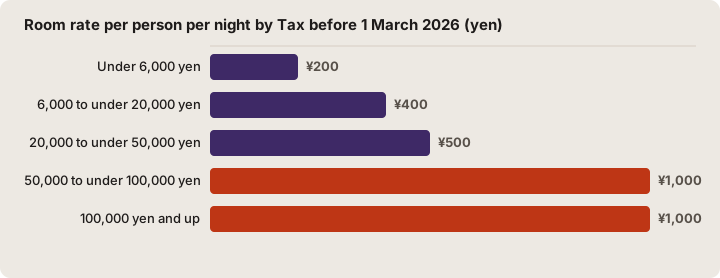
For overnight shoppers, the cost that changed is the accommodation tax. Kyoto revised its per-person, per-night levy on 1 March 2026, and the new five-tier structure is steeper at the top than almost any guide printed before that date:
| Room rate per person per night | Tax before 1 March 2026 | Tax from 1 March 2026 |
|---|---|---|
| Under 6,000 yen | 200 yen | 200 yen |
| 6,000 to under 20,000 yen | 400 yen | 400 yen |
| 20,000 to under 50,000 yen | 500 yen | 1,000 yen |
| 50,000 to under 100,000 yen | 1,000 yen | 4,000 yen |
| 100,000 yen and up | 1,000 yen | 10,000 yen |
The tax base is the room-only charge, excluding meals and consumption tax, and the city expects about 12.6 billion yen a year from the revision. A shopper booking a room in the 20,000 to under 50,000 yen band now pays 1,000 yen per person per night, double the old figure. The where to stay in Kyoto guide covers the districts; this table is the number your final bill will carry.
The crowd picture, for planning, comes from the city's own 2025 survey rather than adjectives:
| Measure | 2025 | 2024 |
|---|---|---|
| Total visitors | 62.79 million, record | 56.06 million |
| Overnight guests | 16.59 million, record | 16.30 million |
| Day visitors | 46.20 million | 39.76 million |
| Tourism spending | 2.0474 trillion yen, record | 1.8839 trillion yen |
| School-trip students | 670,000 | 750,000 |
A 6.73 million-visitor jump in one year lands disproportionately in the walkable centre, which is the shopping district. The survey also recorded satisfaction above 90% for both Japanese and foreign visitors, so the crowds are a logistics problem, not a reason to stay away. Weekday mornings remain the quietest window the data supports; no source gives a best-arrival hour, and this site will not invent one.
When Do Kyoto Shops Open And Close?
Most shops in the Shijo, Teramachi and Shinkyogoku core open around 10:00 or 11:00 and close around 20:00, department stores typically run 10:00 to 20:00 with some food floors closing later, and Nishiki Market keeps its own daytime hours of roughly 9 or 10:00 to 17 or 18:00 with no unified schedule, so the arcades and the market do not overlap cleanly and evening shopping happens in the arcades, not the market. Kyoto Station's mall complex runs longer into the evening than the downtown core.
The honest caveat is the same one the Nishiki section carries: outside the department stores and the station malls, Kyoto's retail hours are set shop by shop, and the market association publishes no unified timetable. Treat every hour in this section as a planning range, not a promise. The pattern that holds is that the city is a morning-to-evening shopping town, not a late-night one, and the nightlife sits in Pontocho alley and the Kawaramachi bar streets rather than in the stores.
If your shopping day runs into the evening, the Gion side of the river is the natural extension, and the Gion area guide covers what stays open east of the Kamo after the arcades dim. The walk from Shinkyogoku to Gion across the bridge takes under fifteen minutes on foot.
How Do You Get Around Kyoto For A Shopping Day?
The shopping core is walkable end to end, but the connecting fares are fixed and cheap: the city bus is a flat 230 yen for adults and 120 yen for children, the subway costs 220, 260, 290, 330 or 360 yen by zone, the Subway and Bus One-Day Pass is 1,100 yen, and the EX100 and EX101 tourist express buses run 500 yen a ride in cash between Kyoto Station and the Kiyomizu-Gion-Ginkaku-ji corridor. An ICOCA card costs 2,000 yen including a 500 yen refundable deposit and works on every network.
| Option | Adult fare | Child fare | Notes |
|---|---|---|---|
| City bus, flat | 230 yen | 120 yen | Any single ride within the flat zone |
| Subway, by zone | 220 to 360 yen | 110 to 180 yen | Karasuma and Tozai lines |
| Subway and Bus One-Day Pass | 1,100 yen | 550 yen | Both networks, one calendar day |
| Subway One-Day Pass | 800 yen | 400 yen | Subway only |
| EX100 / EX101 tourist express | 500 yen | 250 yen | Cash or IC, station to Kiyomizu corridor |
One warning that still catches readers of older guides: the bus-only one-day pass no longer exists. Sales ended at the end of September 2023 and the last day of use was 31 March 2024, and the city's own transport bureau explains that roughly 90% of pass buyers were non-residents whose concentrated use worsened bus crowding. The current product is the combined Subway and Bus One-Day Pass at 1,100 yen. Any page recommending a 700-yen bus pass is years out of date.
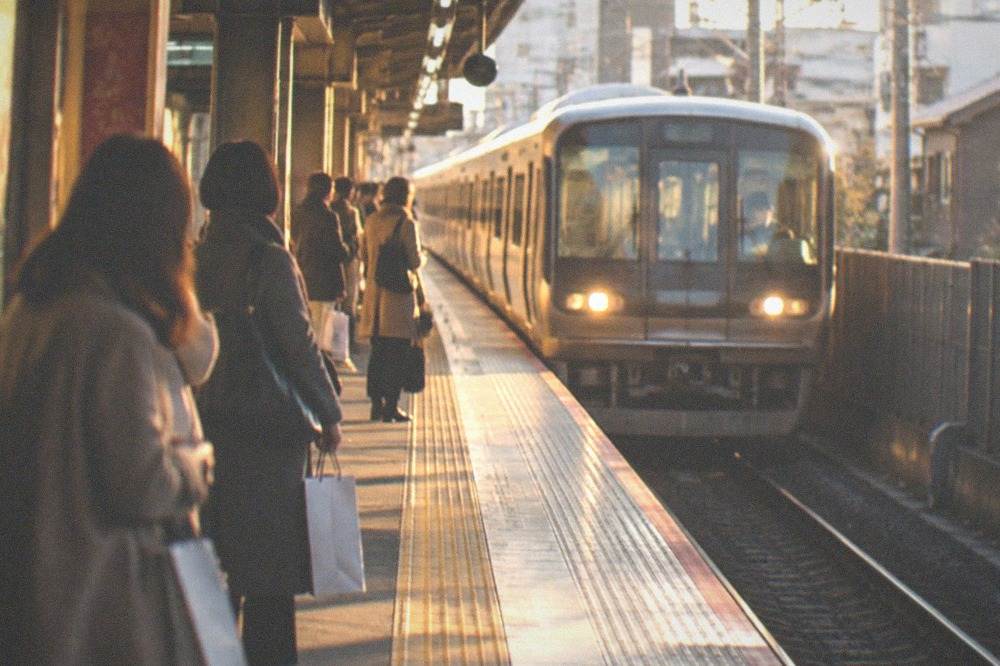
For luggage, which is the other practical shopping-day problem, Kyoto promotes a hands-free scheme with station counters, delivery services and lockers specifically to keep big bags off the buses, and drivers may refuse bulky luggage on crowded buses. The luggage storage guide covers where to drop bags near the shopping core. The which station is best to get off in Kyoto answer is directly relevant here too, since the choice between Kyoto Station and Shijo is the choice between the two shopping districts.
Visitors flying into Kansai International should know the JR West HARUKA One-way Ticket for foreign visitors costs 2,200 yen to Kyoto, 1,100 for a child, with the journey taking about 80 minutes. From Itami, the limousine bus is 1,500 yen adult and 750 child, about 50 to 55 minutes from the Hachijo exit, with contactless card payment accepted since 1 March 2026.
Where Can You Shop Outside The Downtown Grid In Kyoto?
The useful shopping outside the Shijo grid sits in three clusters: the Kyoto Station complex for arrival-day convenience, the Arashiyama and Gion streets for craft and souvenir shops attached to sightseeing, and the Ohara and northern outskirts for rural crafts that reward a half-day trip rather than a detour. None of these replaces the downtown core, but each one serves a different day of a Kyoto itinerary.
The station complex has already been covered above, but its role changes by trip stage: on arrival it is where you buy an ICOCA and a day pass, and on departure it is where you spend the final two hours before a train. The underground portico and the mall above the tracks make that practical in any weather.
Gion's shopping streets, east of the river, mix kimono rental shops, tea houses, craft sellers and the souvenir strip that runs up toward Kodai-ji. The district's conduct rules matter here: the Kyoto City Tourism Association's guidelines ask visitors not to touch, chase or photograph geiko and maiko without permission and not to enter private property, and signs on the private alleys off Hanamikoji threaten a 10,000 yen penalty for unauthorised photography or entry. Shop the public streets, respect the alleys.
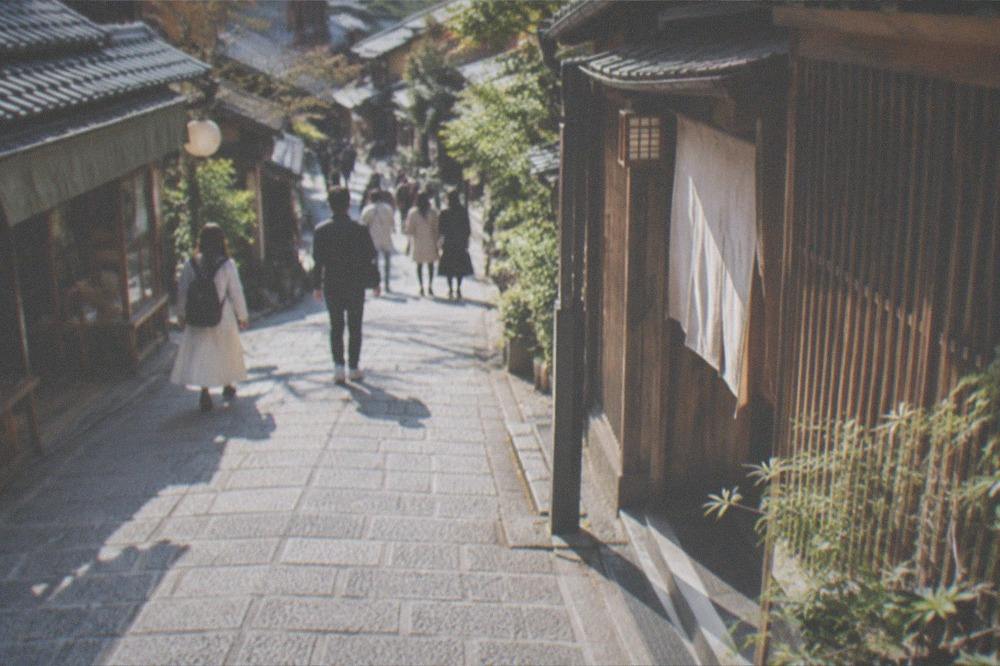
Arashiyama, on the western edge, pairs its bamboo grove and temples with a riverside street of snack shops, craft stores and pickle sellers, and the rural craft towns further out, Ohara among them, take a bus rather than a subway to reach, so fold them into a sightseeing day rather than a dedicated shopping one. Ohara in particular is a craft-and-farm-food destination that most shopping guides ignore entirely.
For anyone whose shopping trip is really a food trip, the eating side of the same grid deserves its own research, from the market stalls to the ramen counters and the sit-down evenings. The main shopping street question has its own short answer if you want the one-street version of this page.
What Should A Shopping Day In Kyoto Actually Look Like?
A workable pattern is a morning at Nishiki Market while the shops are open and the lanes are at their calmest, the arcades and Shijo department stores through the middle of the day, the Kamo river and Pontocho for a late-afternoon break, and either Gion or Kyoto Station for the evening, all inside one 1,100-yen day pass or, more likely, on foot, because the whole downtown half of that plan is a single rectangle. The city's own dispersal campaigns promote exactly this off-peak, spread-out pattern, and the 2025 survey numbers explain why the centre needs it.
Start at the market because the market closes earliest. Nishiki's shops begin shutting in the late afternoon, and the ones that close on Wednesdays or their own chosen days give no warning, so the morning is the reliable window. From the market's east end you are already at Teramachi, and the arcade loop carries you past the knife shops and tea sellers into the early afternoon.
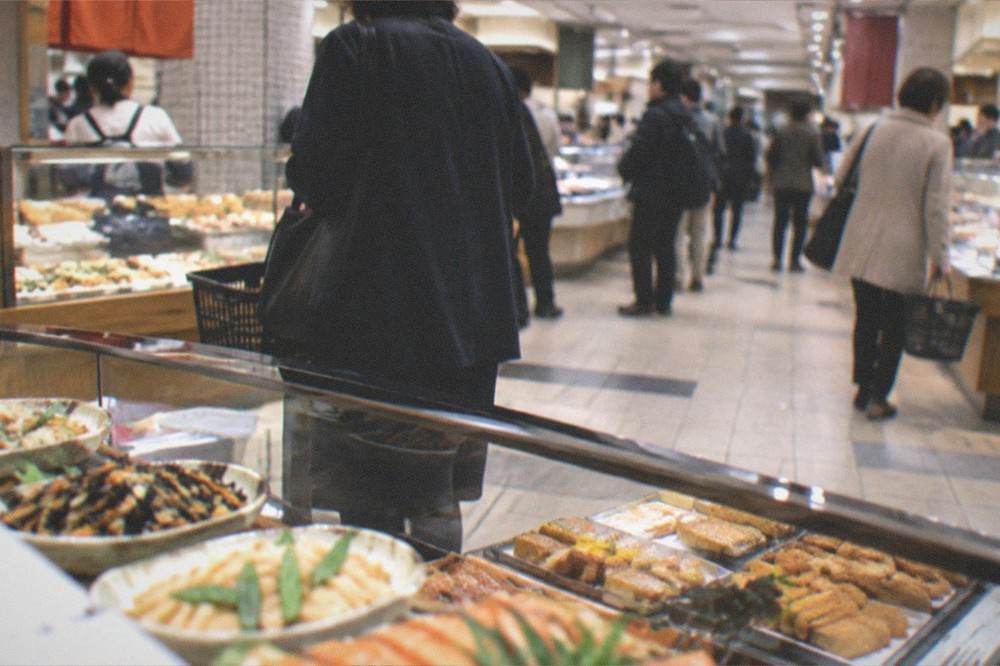
The department stores around Shijo-Kawaramachi hold their hours to about 20:00, with food basements, the depachika, worth a separate mention: they are the single best place in the city to assemble a picnic or a hotel dinner from prepared food, and they run later than Nishiki ever does. Cross the bridge to Gion or ride the Karasuma subway to the station for the evening stretch, and finish in the station mall if you have a morning train, because it opens early enough to buy breakfast on the way to the platform.
And when the shopping is done, the honest recommendation of this site is to spend at least one day of the trip out of the grid entirely. The cedar forests and mountain shrines north of the city are the counterweight to the arcade crowds, and a guided hike through Kurama and Kibune is the strongest single day out:
The full set of options for that kind of day sits in the things to do in Kyoto roundup, and the practical planning pages are all linked from there. Kyoto's shopping is genuinely good, compact and walkable, but it is one layer of the city, and the 2025 survey's 62.79 million visitors were not all here for the pickles. For everything the arcades cannot supply, from day-trip planning to the seasonal timing that decides whether the walk between shops is pleasant or punishing, Kyoto Travel Guide keeps the rest of the city covered.
Common Questions About Shopping In Kyoto
Where Do You Shop In Kyoto: Shijo, Teramachi, Shinkyogoku, Kyoto Station?
Base yourself at the Shijo-Kawaramachi crossing. Shijo-dori carries the department stores, the Teramachi and Shinkyogoku covered arcades sit one block north, Nishiki Market runs parallel to Shijo beyond them, and Kyoto Station holds its own mall complex at the south end of the Karasuma subway line.
Does Nishiki Market have set opening hours?
No. The market association publishes no unified hours, and individual shops keep their own schedules, roughly 9 or 10:00 to 17 or 18:00, with some shops closed on Wednesdays or their own chosen days. Visit mid-morning to mid-afternoon.
Can you eat while walking through Nishiki Market?
The market's own guidance discourages it and asks visitors to eat at the stall where they bought the food or in a designated area. The lane is narrow and the rule keeps it clean and passable.
Is there still a bus-only one-day pass in Kyoto?
No. Sales ended at the end of September 2023 and the last day of use was 31 March 2024. The current product is the Subway and Bus One-Day Pass at 1,100 yen for adults and 550 yen for children.
How much is the accommodation tax in Kyoto?
Since 1 March 2026 the tax runs from 200 yen per person per night on rooms under 6,000 yen up to 10,000 yen on rooms of 100,000 yen and above, charged on the room-only rate excluding meals and consumption tax.
Is Kyoto too crowded to enjoy shopping?
The city counted a record 62.79 million visitors in 2025, and the walkable centre absorbs most of them, but satisfaction in the city's own survey stayed above 90% for both Japanese and foreign visitors. Weekday mornings in the arcades and the market remain the calmest window the data supports.