Luggage Storage In Kyoto: Coin Lockers, Delivery Services And What To Do With Your Bags
Kyoto Station holds thousands of coin lockers, but the honest answer to storing bags in this city is bigger than one locker bank: a city-run delivery network, luggage-aware transport rules and a same-day airport transfer all change the maths.
Short answer
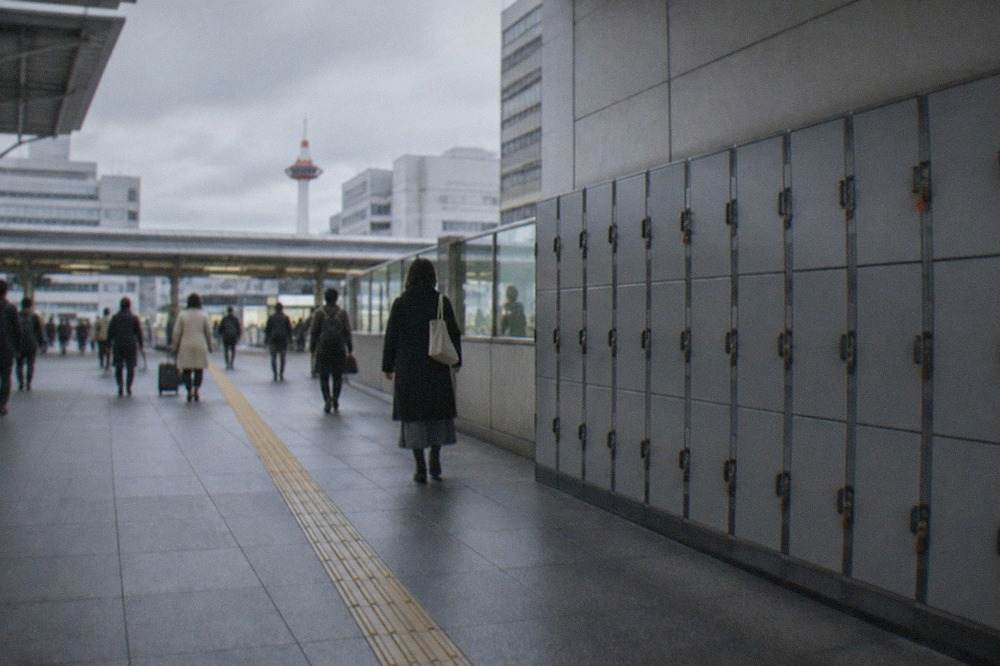
Kyoto Station's coin lockers sit around the central concourse, the Karasuma and Hachijo exits, the underground Porta mall and each shinkansen platform. Prices are set per locker bank by size, not published centrally, so read the display before inserting coins. For anything larger than a locker, the city's hands-free delivery service moves bags between stations, hotels and airports for a fee.
Kyoto drew a record 62.79 million visitors in 2025, according to the city's own June 2026 survey release, and a large share of them arrived carrying more than they needed for the day. The city knows it. Kyoto's transport bureau states plainly that large or bulky luggage may be refused by drivers on crowded buses, and its tourism association runs a hands-free programme, promoted citywide with station counters, delivery services and lockers, specifically to keep suitcases off the buses. That is the context this guide works in: not just where the lockers are, but how a luggage-light day in Kyoto is actually assembled.
The station itself is the obvious first stop. The Kyoto Station area is a vertical city of platforms, an underground mall and two major exit plazas, and lockers are scattered through nearly all of it. Before the detail, one framing note: this site publishes only figures it verified on an operator's or the city's own page, and Kyoto Station's locker operators do not publish a central price sheet. So this page tells you where the banks are, how pricing works mechanically, and which verified alternatives exist when a locker is not the answer.
Where Are The Coin Lockers In Kyoto Station And What Do They Cost By Size?
Coin lockers at Kyoto Station cluster in five zones: the central concourse between the Karasuma and Hachijo exits, the underground Porta mall, alongside each shinkansen platform, around the JR local platforms, and at the bus terminal side near Hachijo. Each bank prices by locker size and prints the rate on the locker itself, and there is no single published fare table, so the number on the door is the only official price you will get.
That answer frustrates people who want a fixed figure, and it should, because most guides invent one. What is verifiable is the mechanics. Lockers take coins and, on many newer banks, IC cards such as ICOCA, which costs 2,000 yen including a 500 yen deposit. Sizes run from small units that fit a daypack through extra-large units that swallow a full-size suitcase. When a bank is full, the display panel on top of the row tells you which nearby rows still have free units, which is worth checking before you assume the station is out.
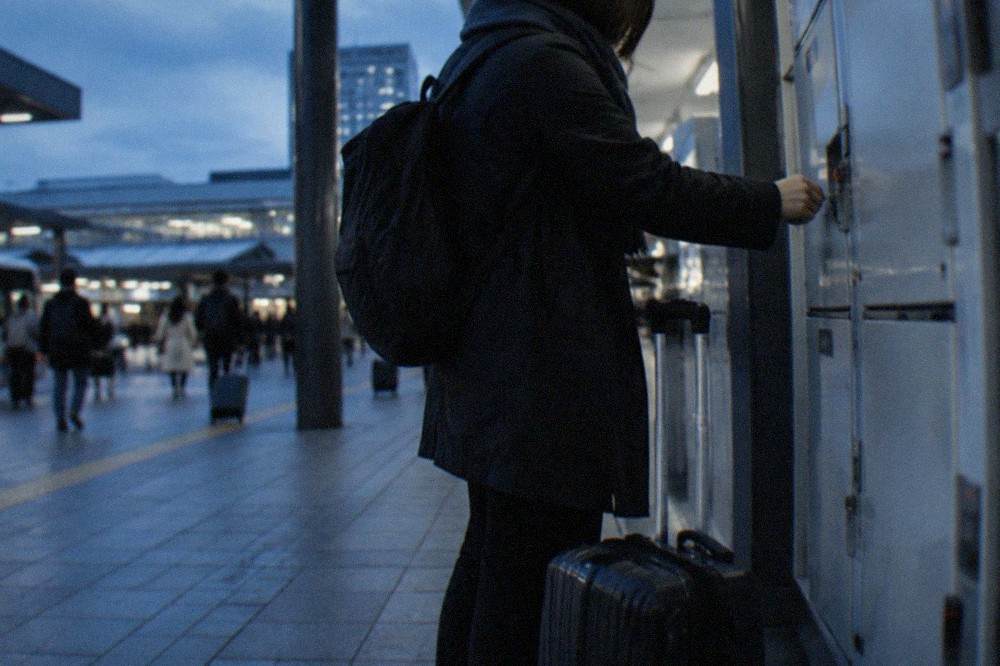
The practical failure mode is size, not availability. A small locker holds a backpack; a medium holds a carry-on; only the largest units hold a 28-inch suitcase, and those sell out first on weekends and during the cherry and maple peaks. The JMA phenology record gives the official markers: cherry full bloom averaged 4 April across 1991 to 2020, and the maple red-leaf normal is 5 December, so late March to early April and late November are the pressure windows. If you are travelling in those weeks, plan on the alternatives later in this guide rather than betting on a large locker at 11:00.
One more mechanical point that matters. Lockers are typically usable for a set period, often a day or a few days depending on the operator, and overstay means the door will not reopen with the same key flow you expect. If your plans change, the station staffed counters described below are the safer hold.
| Kyoto Station zone | Where exactly | Best for |
|---|---|---|
| Central concourse | Between Karasuma (north) and Hachijo (south) exits | Fastest from the JR gates |
| Shinkansen platforms | Alongside the Nozomi-bound platforms | Same-day transfers |
| Underground Porta | The mall below the station | Bad weather, evening access |
| Hachijo side | Near the bus terminal and airport limousine stops | Bus and limousine connections |
| JR local platforms | Platform-adjacent rows | Commuter-scale bags |
What Is The Hands-Free Luggage Delivery Service In Kyoto?
Kyoto's hands-free programme, run through the city's tourism channels and listed at hands-free.kyoto.travel, moves bags between station counters, hotels, airports and participating locations for a per-bag fee, and the city promotes it explicitly as its main tool against bus congestion. Counters sit inside the stations, delivery runs to and from hotels, and the service exists so that a visitor can land at Kyoto Station and never carry a suitcase through a temple district.
This is the single most underused answer to the luggage question in Kyoto, and it is the city's own answer. The transport bureau's overtourism measures for 2025 and 2026, published on the city site, pair the hands-free network with tourist express buses and park-and-ride precisely because suitcases on buses are a measured problem, not an anecdotal one. The city states that drivers may refuse large or bulky luggage on crowded buses. That is not a threat, it is policy, and it is the reason the delivery counters exist.
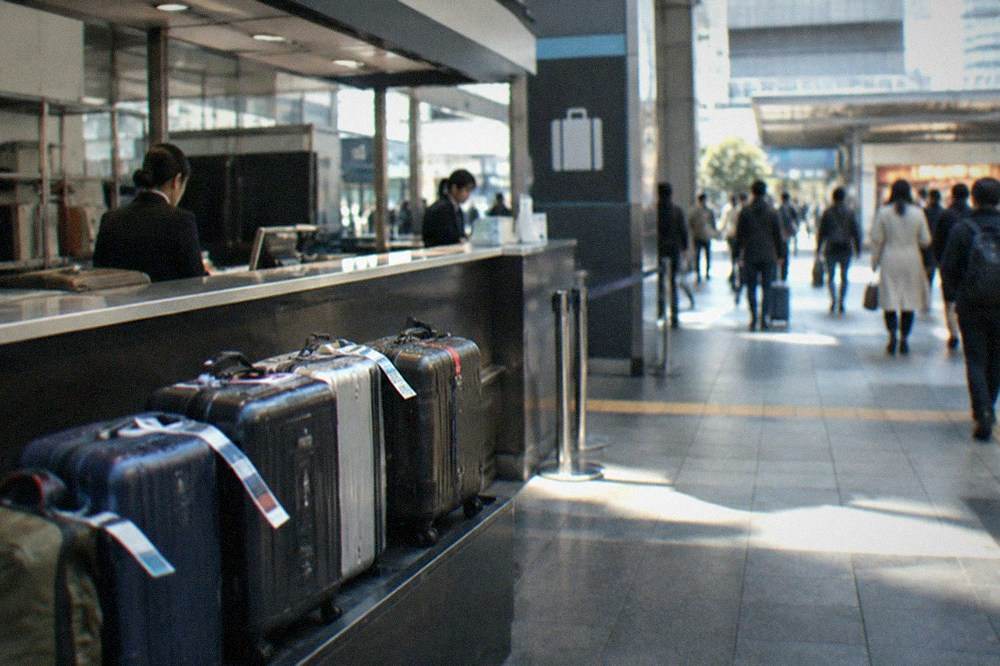
How it works in practice: you hand bags at a counter or have your hotel send them, pay per piece, and collect at the destination counter or your next hotel. Same-day hotel-to-hotel and station-to-hotel moves are the core product, with airport delivery as the premium leg. Fees are set per operator and per route, so treat any number you read anywhere, including in a print guide, as a planning estimate and confirm at the counter. What is fixed is the structure: per bag, not per person, which changes the maths badly for a family with one giant shared suitcase and well for a pair with four medium bags.
The timing rule matters more than the price. Same-day delivery between stations and hotels has a morning cutoff, typically mid-morning, after which your bag travels the next day. If you arrive on an early HARUKA train, hand the bags over before you start sightseeing, not after lunch.
For the departure side of the same problem, a private transfer is the no-variables option. The private departure transfer from Kyoto city to Kansai International Airport collects you and your luggage at your accommodation and runs door to terminal, from $108 per person, rated 4.8 from 91 reviews, about two hours. It is the choice when a 6:00 flight time makes a delivery cutoff impossible.
Can You Take Large Suitcases On Kyoto Buses And Subways?
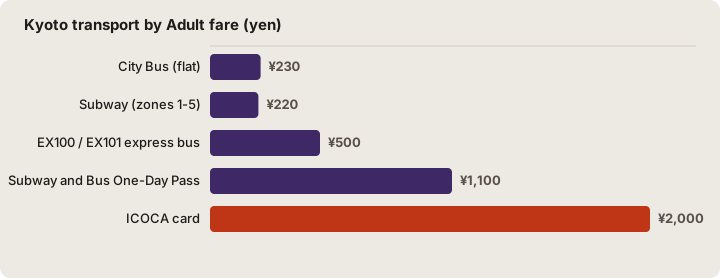
The city states that drivers may refuse large or bulky luggage on crowded buses, so a full-size suitcase on a Kyoto City Bus is a gamble, not a right. The subway is the luggage-friendlier option, with level platforms and fare gates sized for wheeling bags, and the tourist express buses EX100 and EX101 take 500 yen adult, 250 child, in cash or by IC card.
The bus rule deserves emphasis because visitors treat it as a courtesy note and it is not. Kyoto's flat City Bus fare is 230 yen adult and 120 child, and the buses are the network the city is actively trying to decongest; the bus-only one-day pass was abolished, with sales ending in September 2023 and the last day of use 31 March 2024, precisely because the bureau said 90% of buyers were non-residents concentrated on the buses. The replacement product is the Subway and Bus One-Day Pass at 1,100 yen adult and 550 child, and the subway half of that pass is where a suitcase belongs.
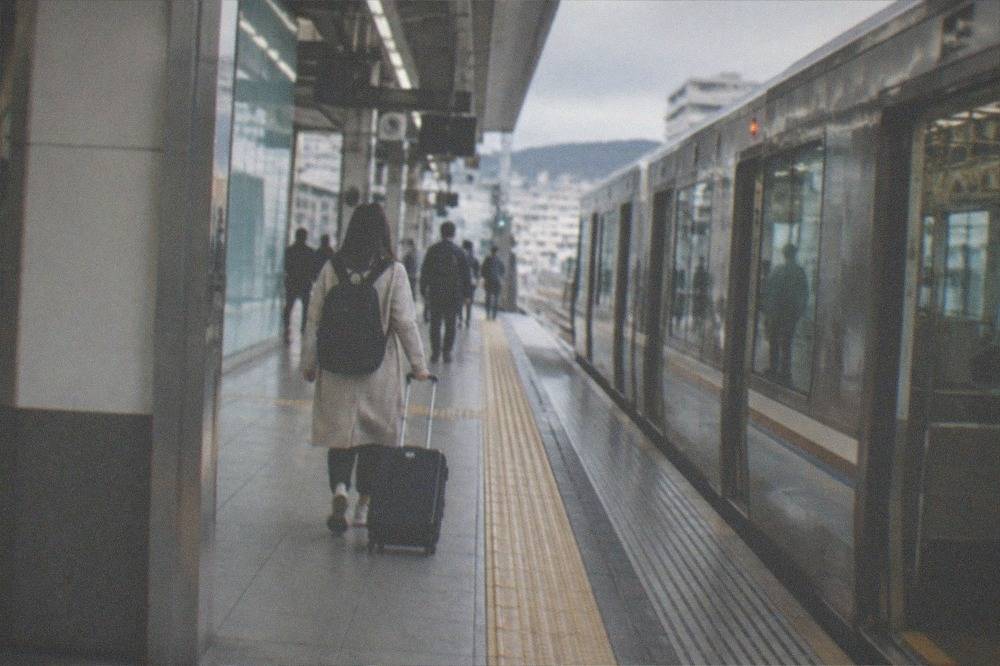
Subway fares run 220 to 360 yen by zone for adults. The EX100 and EX101 express buses are the exception to the bus warning: they exist to move visitors between Kyoto Station, the Kiyomizu side, Gion, the Okazaki museum quarter and Ginkaku-ji with fewer stops, at 500 yen adult and 250 child, and they accept IC cards and the one-day pass products. A suitcase on a limited-stop express is still a judgement call at peak times, but the odds are far better than on a local bus crawling through Gion.
| Kyoto transport | Adult fare | Luggage reality |
|---|---|---|
| City Bus (flat) | 230 yen | Large bags may be refused when crowded |
| Subway (zones 1-5) | 220 to 360 yen | Level access, gates fit a rolling bag |
| EX100 / EX101 express bus | 500 yen | Fewer stops, IC cards accepted |
| Subway and Bus One-Day Pass | 1,100 yen | Best value if mixing both |
| ICOCA card | 2,000 yen incl. 500 deposit | Pay-as-you-go across networks |
The honest summary: plan a Kyoto day so the suitcase never boards a bus. Store it, deliver it, or route the day through the subway, in that order of preference.
Where Can You Leave Luggage Outside Kyoto Station?
Beyond Kyoto Station, staffed left-luggage counters and locker banks sit at other rail stations and at major sightseeing hubs across the city, and the hands-free network's station counters are the umbrella system tying them together. Private facilities near the station exits also rent storage by the hour or day, and hotel front desks will usually hold bags before check-in and after check-out, which is the free option most visitors under-use.
The hotel option first, because it is free and almost always available. Japanese front desks routinely store luggage both sides of your stay, and for a Kyoto itinerary built around a morning arrival on the HARUKA, the sequence that works is: train to your hotel area, drop bags at the desk, sightsee, check in properly in the afternoon. The JR West HARUKA One-way Ticket for foreign visitors costs 2,200 yen to Kyoto, 1,100 for a child, and the run takes about 80 minutes from Kansai International, so a morning arrival leaves you a full bag-free afternoon.
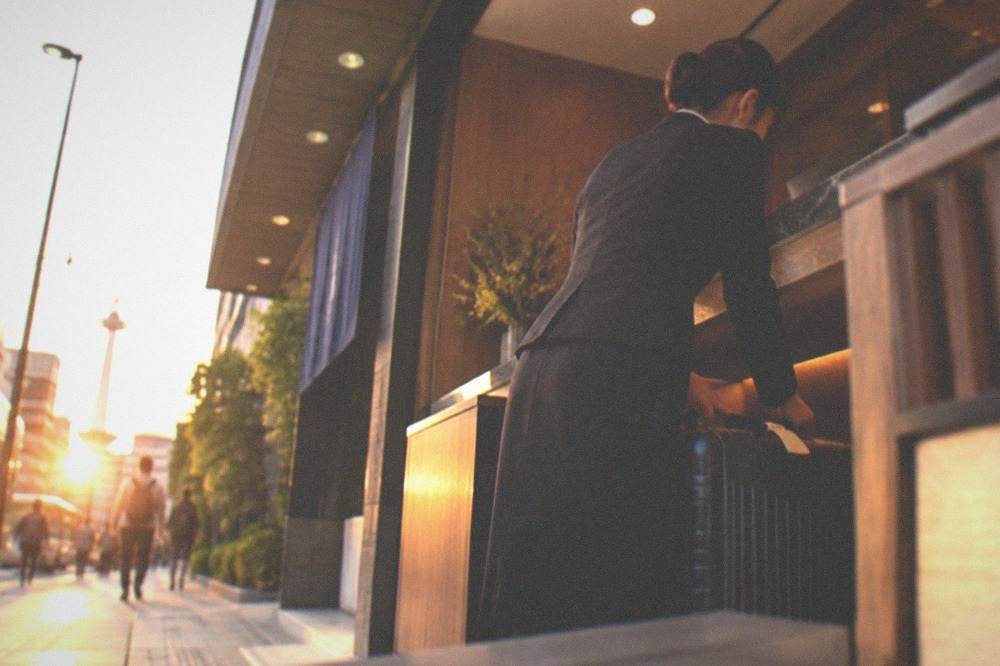
Outside the hotel, the pattern to look for is the same everywhere in Japan: rows of lockers at station exits and a staffed counter where machines cannot help. Sizes and prices are set locally, printed on the units, and not centrally published, so the same rule as Kyoto Station applies everywhere: read the bank before you commit. The city's hands-free programme exists precisely to bridge the gaps, moving a bag from a station counter to your hotel so that a locker is never your only option.
There is also a timing angle unique to how Kyoto's sights are distributed. The classic day runs east to west, Kiyomizu-dera in the morning, the Golden Pavilion after lunch, and a bag stored near one end is a burden by the other. The fix is not more lockers, it is delivery: hand the bag in the morning at the east end and collect it at your hotel. That is the whole design of the hands-free system, and it maps onto Kyoto's geography better than any locker strategy.
How Do You Get To Kyoto From The Airport With Luggage?
From Kansai International, the JR West HARUKA One-way Ticket for foreign visitors costs 2,200 yen adult and 1,100 child, and the journey takes about 80 minutes. From Itami, the Hankyu Kanko limousine bus runs to Kyoto Station's Hachijo exit for 1,500 yen adult and 750 child, about 50 to 55 minutes, with contactless card payment since 1 March 2026. Both routes end at the station where the lockers are.
Kyoto has no airport of its own, so every luggage plan starts with one of these two legs. The HARUKA is the default from Kansai International, and the visitor one-way ticket is the product to buy by name: the regular fare of about 3,060 yen is quoted differently across sources, so the 2,200 yen visitor ticket is the figure JR West itself prints. On board, the luggage racks and vestibule spaces are built for suitcases, which is why the airport leg is rarely the problem. The problem is the bus leg after it, which is why this guide keeps returning to delivery.
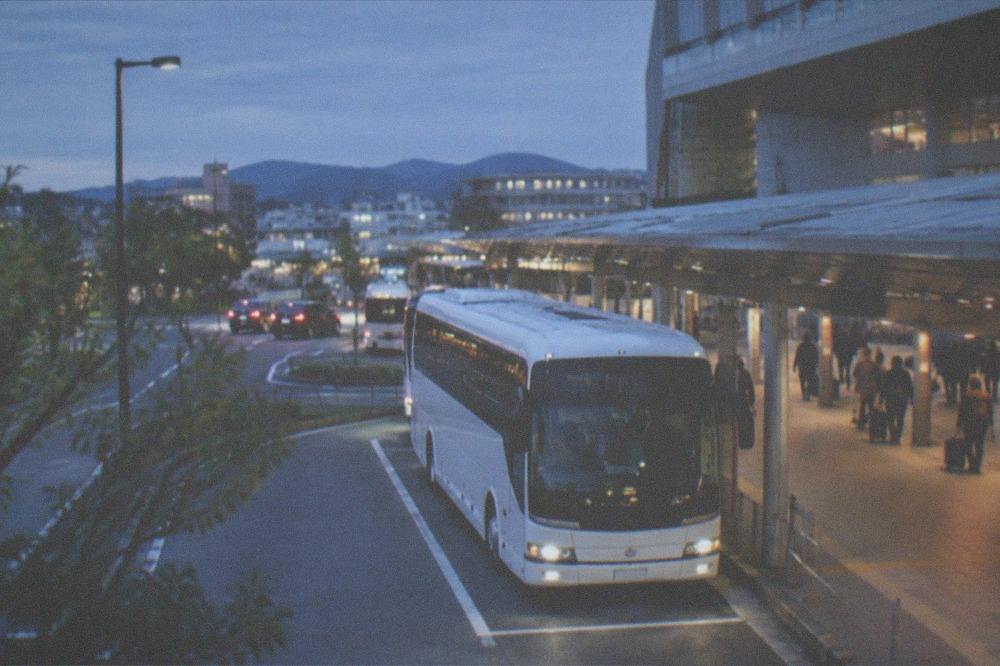
From Itami, the limousine bus is the whole story: 1,500 yen adult, 750 child, departing from the Hachijo exit side of Kyoto Station, and since 1 March 2026 you can tap a contactless card instead of coins. The bus holds luggage in its hold, so the airport-to-station leg is comfortable even with a 28-inch case. What you do at the station is the decision that shapes the rest of the day.
| Airport route | Fare | Time | Luggage handling |
|---|---|---|---|
| KIX to Kyoto, HARUKA visitor ticket | 2,200 yen adult, 1,100 child | About 80 minutes | Racks and vestibule space on board |
| Itami to Kyoto Station, limousine bus | 1,500 yen adult, 750 child | 50 to 55 minutes | Under-floor hold |
For the return leg, the private departure transfer is the version with zero variables, and it is the one to book when the flight time is early or the hotel is far from a station. A shared or public option rewards flexibility; a private car rewards certainty. Whichever you choose, the decision belongs at the end of the trip planning, not at the airport curb.
What Does A Luggage-Free Day In Kyoto Actually Look Like?
A luggage-free day in Kyoto pairs a morning bag drop with a route built around the subway and the EX100 express, because the bus network is where suitcases fail. The verified entry fees still apply as you go: Kinkaku-ji charges 500 yen, Ginkaku-ji charges 1,000 yen adult from 1 April 2026, and Nijo-jo Castle charges 800 yen, or 1,300 with the Ninomaru-goten Palace.
The reason this section exists in a luggage guide is that the fee and the bag interact. Kyoto's temples charge admission, and two of them changed their fees in 2026: Ginkaku-ji doubled to 1,000 yen for adults from 1 April 2026, and Tofuku-ji revises on 1 November 2026 with a new 1,000 yen combined ticket. Any guide quoting 2024 prices is wrong at both gates. Walking a temple circuit with a suitcase means paying to squeeze a bag through crowds that the city is actively trying to thin.
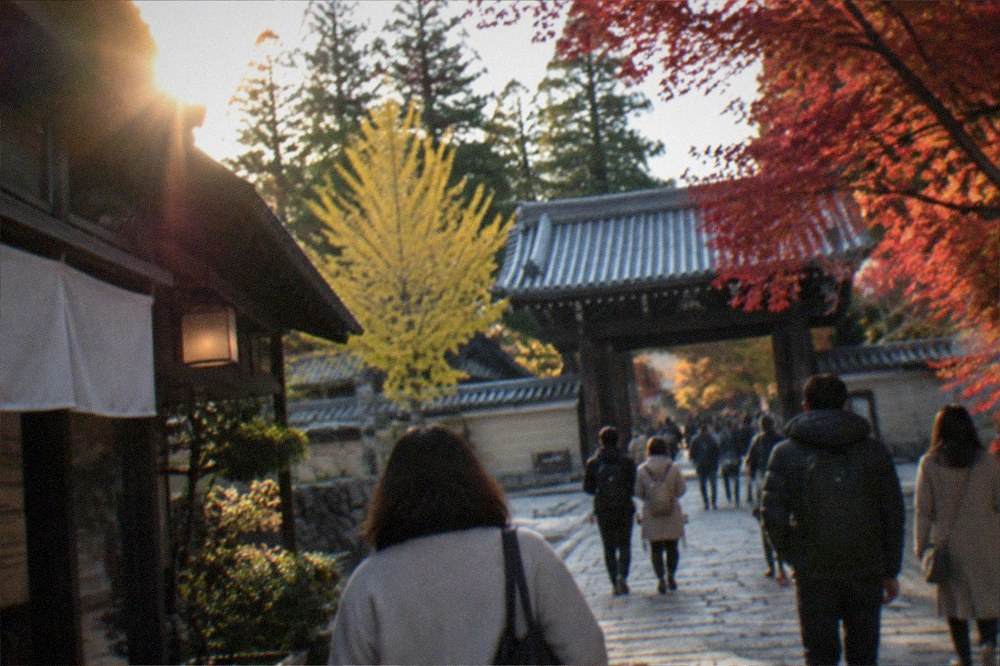
The stronger pattern for a first visit is to make the bag someone else's problem by 9:00 and then spend the day on foot. A guided morning covers the same ground without the logistics overhead, and the Early Morning Tour with an English-speaking guide, from $82 per person and rated 4.9 from 1,998 reviews over 5 to 6 hours, exists exactly for the arrive-early, bags-still-at-the-hotel window. Pair it with the free entries: Fushimi Inari Taisha publishes no fee anywhere on its site, the Kyoto Imperial Palace states it is open to all visitors with no advance application, and the Arashiyama bamboo path, Nishiki Market and the Gion streets all cost nothing to walk.
| Sightseeing entry | Verified fee | Note |
|---|---|---|
| Fushimi Inari Taisha | Free | No fee published anywhere on its site |
| Kyoto Imperial Palace | Free | Open to all, no application |
| Kinkaku-ji | 500 yen adult, 300 school | Hours 9:00 to 17:00 |
| Ginkaku-ji | 1,000 yen adult | Doubled from 500 on 1 April 2026 |
| Nijo-jo Castle | 800 yen, 1,300 with palace | Admission window 8:45 to 16:00 |
| Katsura Imperial Villa | 1,000 yen, 18 and over | Guided, advance application |
For the full sightseeing picture, the fee table above is the honest skeleton: a day of three paid temples stacks those gate fees per adult, before transport and lunch, and the trip cost picture adds the accommodation tax, which changed on 1 March 2026 to five tiers topping out at 10,000 yen per person per night on rooms of 100,000 yen and up. None of that is payable with a suitcase in hand, but all of it is more pleasant without one.
Should You Store Bags Before A Day Trip From Kyoto?
Yes, and the reason is structural: Kyoto's best day trips run on rail lines that terminate at stations with thin locker coverage, so the bag you store at Kyoto Station before departure is the one you are not carrying back from Nara or Uji at night. The JR Miyakoji Rapid reaches Nara in about 45 minutes for about 720 yen one way, and the JR Nara Line reaches Uji for 240 yen.
The day-trip maths is where luggage storage pays for itself twice. Outbound in the morning you are fresh and the bag feels manageable; inbound at 18:00, after a day of walking, the same bag is a different object. Kyoto's day-trip stations, Nara, Uji, the Kurama and Kibune end of the Eizan line, are smaller than Kyoto Station and their locker banks are correspondingly smaller, so the store-before-departure rule is the one that holds.
Two verified fare examples frame the decision. To Nara, the JR Miyakoji Rapid takes about 45 minutes at about 720 yen one way, and the Kintetsu alternative is 760 yen, with a limited-express surcharge of 520 on top for a roughly 35-minute run. To Uji, the JR Nara Line fare is 240 yen. A locker or a delivery drop that costs a few hundred yen is cheap against a day of alternatives, and a guided morning such as the Nara Early Morning Tour, from $62 per person and rated 4.9 from 1,131 reviews, handles the same logistics for you on the Nara axis.
For a day built around one deep sight instead of a rail line, the same rule applies with a castle instead of a train. The Nijo-jo Castle World Heritage guided tour, from $41 with admission included and rated 5 from 481 reviews, covers the castle whose own history is the end of the shogunate: the city's castle site records that the 15th shogun, Tokugawa Yoshinobu, summoned vassals from 40 domains on 13 October 1867 and announced the return of authority the next day, with the Emperor accepting on 15 October 1867. Store the bag, take the tour, and the day carries itself.
The same logic scales down to half-days. A morning guided walk through the east side, or a tea ceremony booked for the hour between hotel checkout and your train, both work only because the bag is somewhere else. That is the real argument of this whole guide: storage is not a station amenity, it is the thing that turns a fragmented last day into a usable one.
And for the traveller who wants the logistics handled end to end, the pairing that keeps coming up is simple: a guided morning for the sightseeing, a private transfer for the airport leg, and the hands-free network for everything in between. Each of those three solves a different slice of the same problem, and none of them requires you to read a locker display at 8:30 in the morning.
Which Luggage Option Should You Actually Choose?
For a same-day arrival, use the hotel desk or a station counter, both effectively free or cheap, and route the day through the subway. For a mid-trip move between hotels, use the hands-free delivery service. For the airport departure, choose between the HARUKA at 2,200 yen with a stored bag, or a private transfer from $108 that collects you and your luggage at the door.
The decision tree is short because the options are few and well defined. What it should never include is a full-size suitcase on a crowded City Bus, which the city says drivers may refuse, or a bet on a large locker during the cherry or maple peaks, when the JMA normals say the crowds and the calendar collide. The rest is preference: guided or independent, subway or express bus, delivery or do it yourself.
Common Questions About Luggage Storage In Kyoto
Where are the coin lockers in Kyoto Station and what do they cost by size?
Lockers cluster around the central concourse, the Karasuma and Hachijo exits, the underground Porta mall, the shinkansen platforms and the bus terminal side. Each bank prices by size and prints the rate on the locker; no central fare table is published, so the display on the bank is the official price.
Do Kyoto Station lockers accept IC cards?
Many newer banks accept IC cards such as ICOCA, which itself costs 2,000 yen including a 500 yen deposit. Older banks are coin-only, so carry coins as a fallback, and check the panel above each row for free units before choosing.
Can I take a big suitcase on a Kyoto City Bus?
The city states that drivers may refuse large or bulky luggage on crowded buses. The subway, with fares from 220 to 360 yen by zone, and the EX100 and EX101 express buses at 500 yen adult, are the luggage-friendlier options.
What is hands-free tourism in Kyoto?
It is the city's own programme, promoted with station counters, delivery services and lockers, to move bags between stations, hotels and airports for a per-bag fee. The city promotes it as its main tool against bus congestion, alongside tourist express buses and park-and-ride.
Is there luggage storage outside Kyoto Station?
Yes. Staffed counters and locker banks sit at other rail stations and sightseeing hubs, private facilities near the station exits rent storage by the hour or day, and hotel front desks will usually hold bags before check-in and after check-out at no charge.
How do I get to Kyoto from the airport with luggage?
From Kansai International, the JR West HARUKA One-way Ticket for foreign visitors costs 2,200 yen adult and 1,100 child for a run of about 80 minutes. From Itami, the Hankyu Kanko limousine bus costs 1,500 yen adult and 750 child, about 50 to 55 minutes, with contactless payment since 1 March 2026.
The complete strategy, in one line: land, drop the bag at a counter or hotel desk by mid-morning, spend the day on the subway and your own feet, and let either a delivery slot or a private transfer carry the suitcase to the airport. Every piece of that chain is a service Kyoto's own operators run and publish, and the rest of the planning, from where to stay to what each temple charges at the gate, is covered across this site, starting with the Kyoto Travel Guide homepage.