Kyoto Ramen: What Is Kyoto-Style Ramen And Why Is It Richer Than Tokyo Ramen?
Kyoto ramen is its own school of the noodle: a dark, heavy, chicken-and-pork bone broth that locals have simmered in the city's backstreets since the mid-20th century, and it stands in deliberate contrast to the lighter seafood-and-chicken stocks Tokyo is known for.
Short answer
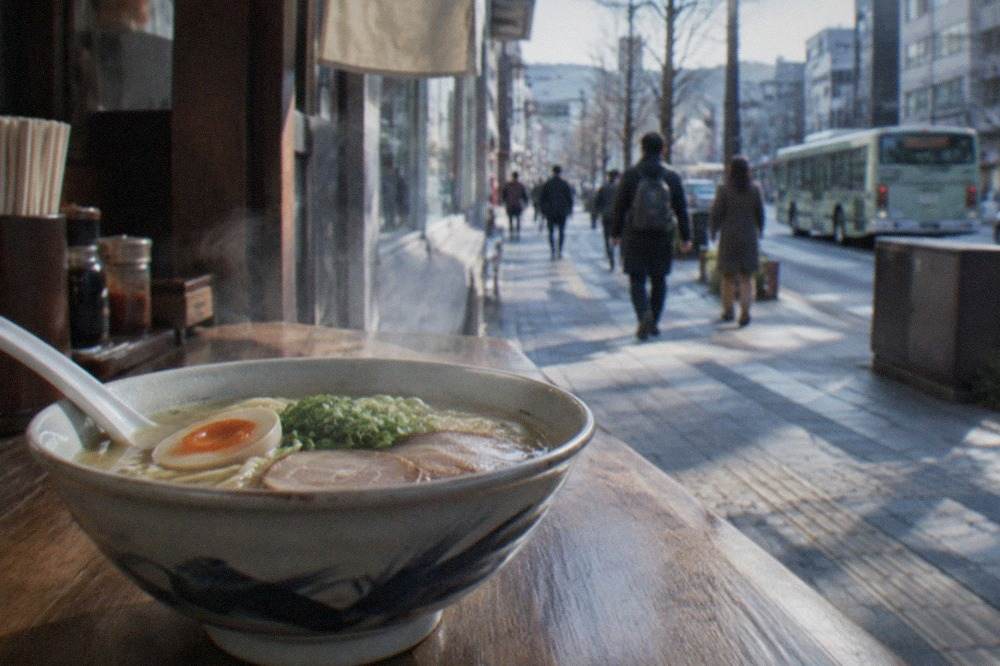
Kyoto-style ramen is a rich, oily, dark-brown soup built on chicken carcasses and pork bones, thickened with back fat and seasoned with dark soy sauce and dashi, a style that grew up in the city's ramen shops in the postwar decades. Tokyo ramen, by contrast, leans on clearer chicken or seafood broths with a lighter touch of fat, which is why Kyoto's bowl reads richer on the spoon.
Kyoto Ramen: What Is Kyoto-Style Ramen And Why Is It Richer Than Tokyo Ramen?
Kyoto is famous for kaiseki, tofu and tea ceremony food, and that is exactly why its ramen surprises people. Away from the temples and the tasting menus sits a working-class noodle culture with its own signature: a dark, heavy, chicken-and-pork bone broth finished with a slick of back fat and a pour of dark soy sauce. This guide covers what the style actually is, where to eat it, what things cost, and how to build a ramen day around it. For the wider food picture, start with our Kyoto food guide and the best restaurants in Kyoto.
What Makes Kyoto-Style Ramen Different From Tokyo Ramen?
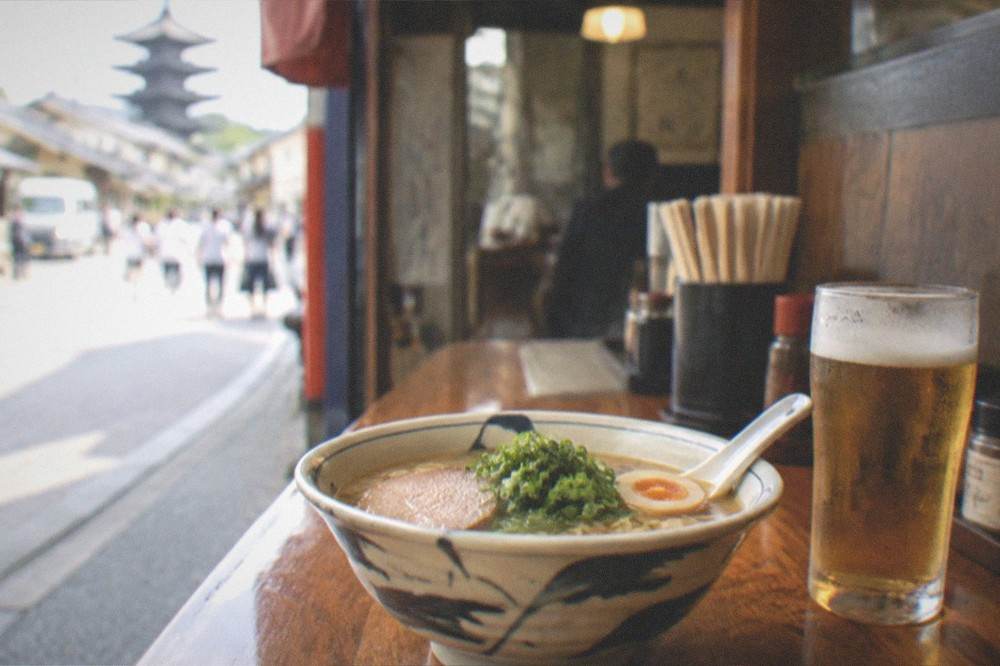
Kyoto-style ramen is a rich, opaque, dark-brown soup made by boiling chicken carcasses and pork bones together, then thickening the bowl with back fat and seasoning it with dark soy sauce and dashi, a combination that produces a noticeably heavier, oilier mouthfeel than the clearer chicken and seafood broths Tokyo ramen shops typically serve. The noodles are usually thin and firm, and the classic toppings are sliced pork, green onion and a soft egg.
The contrast is real and it is structural, not just branding. Tokyo's ramen tradition grew around lighter stocks: chicken bones, dried fish, kombu, sometimes a shoyu tare that keeps the soup translucent enough to see the noodles through. Kyoto's backstreet shops went the other way. The chicken-pork base is simmered hard, the fat is not skimmed off but spooned back in, and the result is a broth that coats the spoon.
Why did a city built on delicate temple cuisine produce one of Japan's heaviest bowls? The usual explanation, repeated by the shops themselves, is that the style came from Chinese immigrant cooks setting up near Kyoto's markets and station in the years after the Second World War, cooking for workers rather than for the tea-ceremony set. The city's cold, damp winters, January mean temperatures sit at 4.8 C in the JMA 1991-2020 normals, did the rest: a fatty bowl sells itself in February.
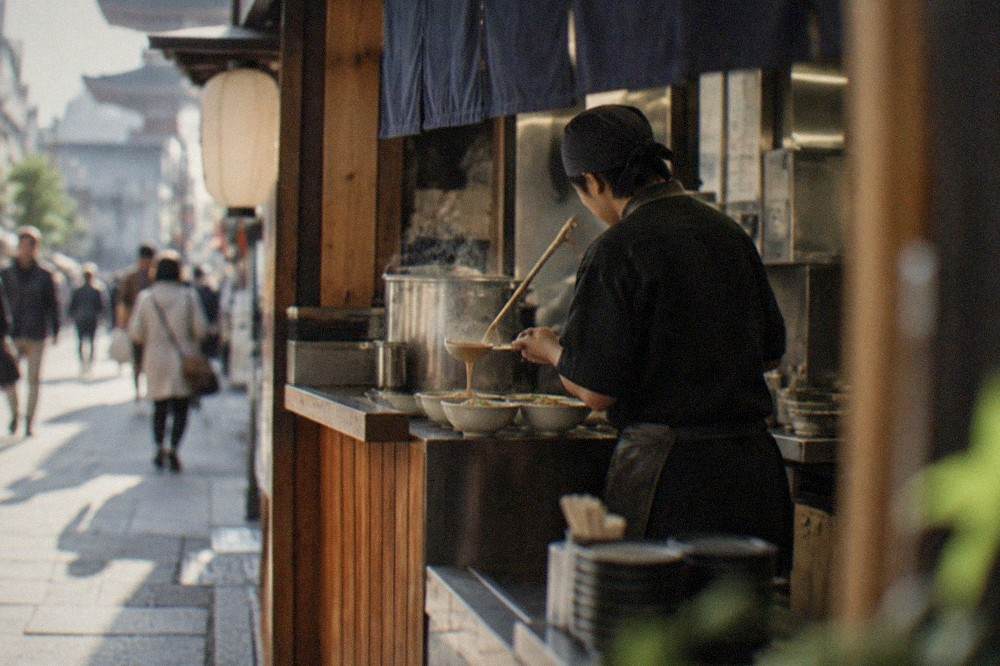
A fair warning about the word "style". Kyoto has no ramen association enforcing a recipe, and plenty of shops in the city serve tonkotsu, shio or miso bowls. What locals mean by "Kyoto ramen" is the specific chicken-pork, back-fat, dark-shoyu construction described above, and the shops most associated with it cluster around the station and downtown. If you want the broader context of how the city cooks, our piece on what is Kyoto-style cooking covers the temple-food side of the ledger.
Where To Eat The Best Kyoto Ramen?
The honest answer is that the strongest Kyoto ramen is eaten at small counter shops around Kyoto Station, Shichijo and the downtown Kawaramachi lanes, where the chicken-pork broth style was born, and the best plan is to anchor your ramen day in one of those three zones rather than chasing a single famous name. No shop's price is published on a verified page this site has read, so treat any bowl price quoted online as unconfirmed and check the menu at the door.
Each zone has a different character. The streets east and south of Kyoto Station are the historic heart of the style, the kind of narrow-fronted counters where the broth pot has been on the stove since morning. Downtown Kawaramachi and the lanes off Shijo-dori hold the widest choice, from old-school shops to modern shops doing riffs on the classic, plus the izakaya and bar scene that makes the area the city's default night out. The third zone is the student belt in the north of the city, where portions are generous and queues move fast.
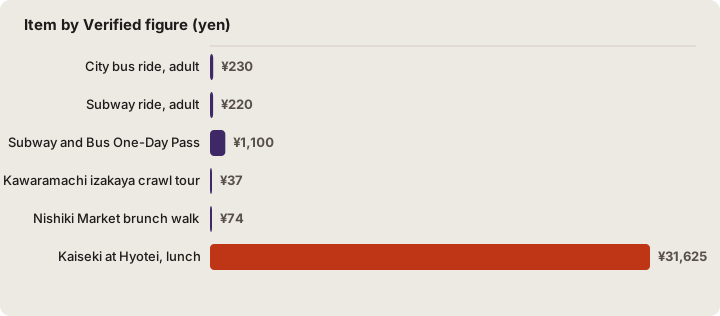
Getting between the zones is cheap and the fares are verified. The city bus charges a flat 230 yen per adult ride, the subway runs 220 to 360 yen by zone, and the Subway and Bus One-Day Pass costs 1,100 yen for adults and 550 yen for children, per the city's own fare pages. Note that the old bus-only one-day pass no longer exists: sales ended in September 2023 and the last day of use was 31 March 2024. If a guide tells you to buy one, it is out of date.
| Ramen zone | Character | Getting there | Best time to go |
|---|---|---|---|
| Kyoto Station east and south | Old-school counters, the historic home of the style | On foot from the station | Lunch, before the evening rush |
| Kawaramachi and Shijo lanes | Widest choice, izakaya and bars nearby | Subway to Karasuma or Kawaramachi | Evening, combine with a bar walk |
| North student belt | Big portions, fast turnover | Subway or city bus, 230 yen flat | Late lunch |
A guided walk is the efficient way to find the good lanes on a first visit, and the food walks below are the strongest options in the city right now.
The Kawaramachi bar and izakaya crawl is the natural fit for a ramen evening: downtown is where the noodle counters and the drinking lanes share the same streets, and a local guide knows which counter is worth the queue. It runs about 3 hours from 37 dollars per person and carries a 4.9 rating across 1,042 reviews on the operator's live listing.
How Much Does A Ramen Meal Cost In Kyoto?
No verified, published price for a bowl of Kyoto ramen exists on any shop's own page this site has read, so the honest answer is to check the ticket machine or menu at each shop rather than trusting a number copied from another guide. What is verified is the surrounding budget: city transport at 230 yen per bus ride, 1,100 yen for a one-day subway and bus pass, and guided food experiences from published prices on the operator's listings.
Ramen's role in the Kyoto food economy is best understood against the top of the market, and the top of the market has one fully verified price set. Hyotei, the famous kaiseki house by Nanzen-ji, prints its own prices on its own site, tax and service included: kaiseki from 31,625 yen at lunch and from 37,950 yen at dinner in the main building, while the same house's annex serves asa-gayu rice porridge at 5,445 yen and a Shokado bento at 7,260 yen. Those are Hyotei's prices, not a city average, but they frame the gap: the most formal meal in Kyoto can cost more than a month of ramen nights.
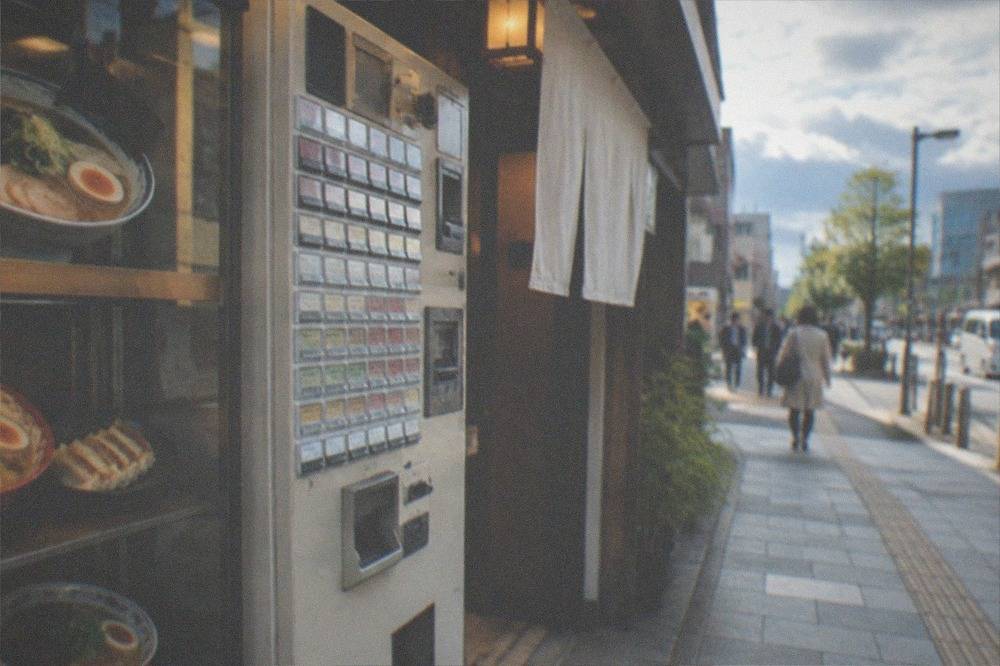
For planning, use ranges and verify at the door. Counter ramen in Japan generally sits in the same bracket as a lunch-set restaurant rather than a dinner destination, and Kyoto is no exception, but this site will not print a figure it cannot source. What is sourced and useful for a food day:
| Item | Verified figure | Source |
|---|---|---|
| City bus ride, adult | 230 yen flat | City fare page |
| Subway ride, adult | 220 to 360 yen by zone | City fare page |
| Subway and Bus One-Day Pass | 1,100 yen adult, 550 yen child | City pass page |
| Kawaramachi izakaya crawl tour | from $37 per person | Operator listing |
| Nishiki Market brunch walk | from $74 per person | Operator listing |
| Kaiseki at Hyotei, lunch | from 31,625 yen | Hyotei's own site |
If your ramen interest is more than eating, the making-it-yourself route is bookable and well reviewed. The ramen-making experience runs 90 minutes from 130 dollars per person, holds a 5 rating from 2,635 reviews, and covers the broth and noodle work from scratch, which is the fastest way to understand why the Kyoto style tastes the way it does.
What Is The History Of Kyoto Ramen?
Kyoto ramen is a postwar style: it grew from Chinese cooks serving noodle soups to workers near Kyoto's markets and station in the decades after the Second World War, and the chicken-pork, back-fat broth that defines it today was consolidated by a handful of long-running shops in the station and downtown areas over the postwar decades. No founding shop, founding year or inventor is documented on a primary source this site has verified, so treat any "Kyoto's first ramen shop" claim as local lore rather than record.
That caution matters, because ramen history online is mostly shop-origin legend repeated as fact. What is safe to say: the dish itself is Chinese in origin, it arrived in Japan in the late 19th and early 20th centuries, and it became a mass working-class food in the decades of Japan's postwar boom, exactly the period when Kyoto's own heavy style took shape. The city's tourism economy was already huge by then, and today the city's 2025 survey records 62.79 million visitors in a single year, a figure the city released in June 2026. Ramen shops serve a good share of those 62.79 million, especially around the station. The full index of guides sits on Kyoto Travel Guide.
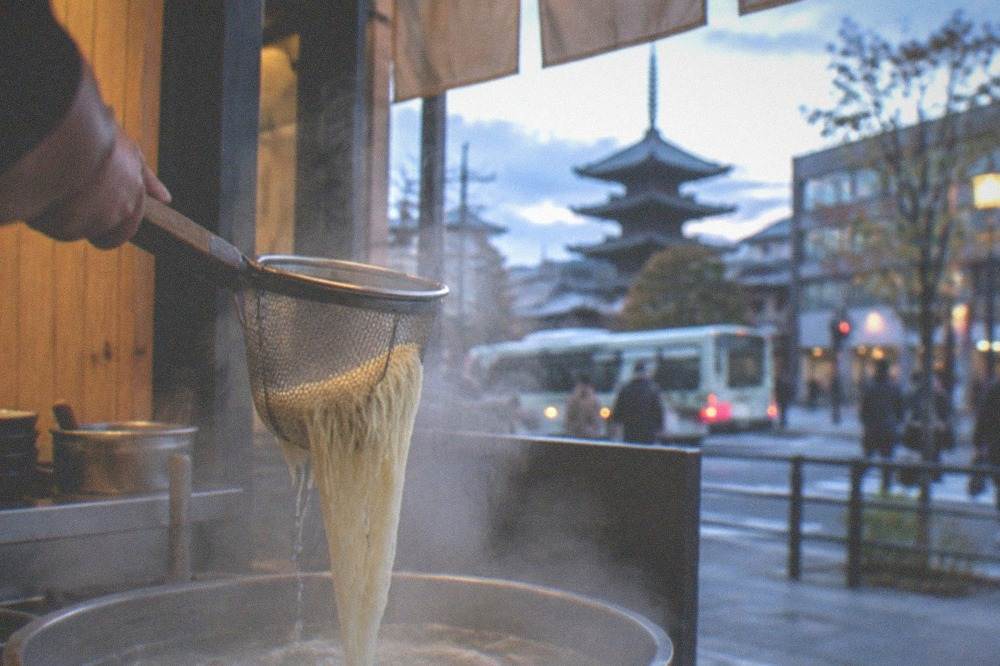
The style also makes sense in Kyoto's climate. The JMA 1991-2020 normals for the city show January as the coldest month, mean 4.8 C with a mean nightly low of 1.5 C, and July as the wettest, 223.6 mm of rain against June's 199.7 mm, a fact most guides get backwards. A bowl built on back fat is winter food, and the city has a lot of winter to fuel.
| Month | Mean C | Rain mm | What it means for ramen |
|---|---|---|---|
| January | 4.8 | 53.3 | Peak heavy-broth season |
| April | 14.4 | 117.0 | Cherry-blossom ramen queues outdoors |
| July | 27.3 | 223.6 | Wettest month; shops with cold-noodle menus |
| October | 18.4 | 143.2 | Comfortable walking between shops |
| December | 7.2 | 57.3 | Back-fat season returns |
What Is Kyoto-Style Ramen And Why Is It Richer Than Tokyo Ramen?
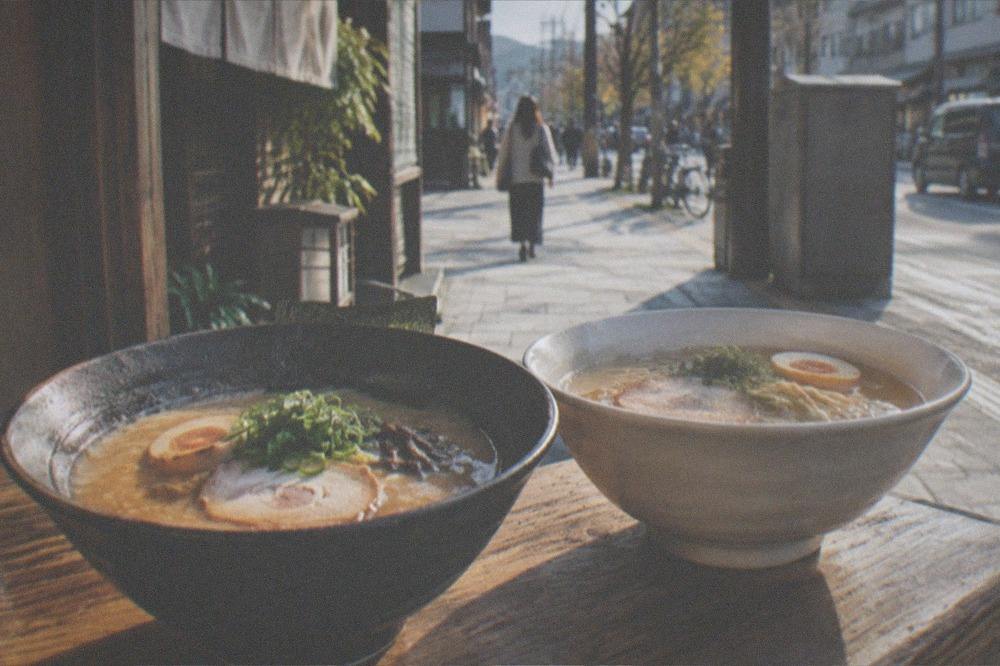
Kyoto-style ramen is richer than Tokyo ramen because of three deliberate choices in the pot: chicken carcasses and pork bones are boiled together instead of one clear stock, the rendered back fat is kept and added to the bowl instead of being skimmed away, and the tare leans on dark soy sauce and dashi instead of the lighter seasoning Tokyo shops favour. Every one of those choices adds body, oil or colour, and the finished soup is opaque and heavy where a classic Tokyo shoyu bowl is clear.
That is the technical answer, and it is worth spelling out because the difference is often described vaguely as "Kyoto ramen is thicker". It is not just thickness. The chicken-pork combination gives the broth a rounded, savoury depth; the back fat sits on the surface and carries aroma to the nose with every lift of the noodles; the dark soy sauce adds both salt and the mahogany colour that makes the bowl recognisable from across a counter. Tokyo's classic bowls, the clear shoyu and the chicken-salt styles, prize transparency and a cleaner finish. Neither is better. They are different instruments.
For a fuller comparison of the two cities as destinations, see Kyoto versus Tokyo. If you are arriving from the capital, our Tokyo to Kyoto guide covers the transport, and the Kyoto versus Osaka question usually comes next on the same trip.
Can You Learn To Make Ramen In Kyoto?
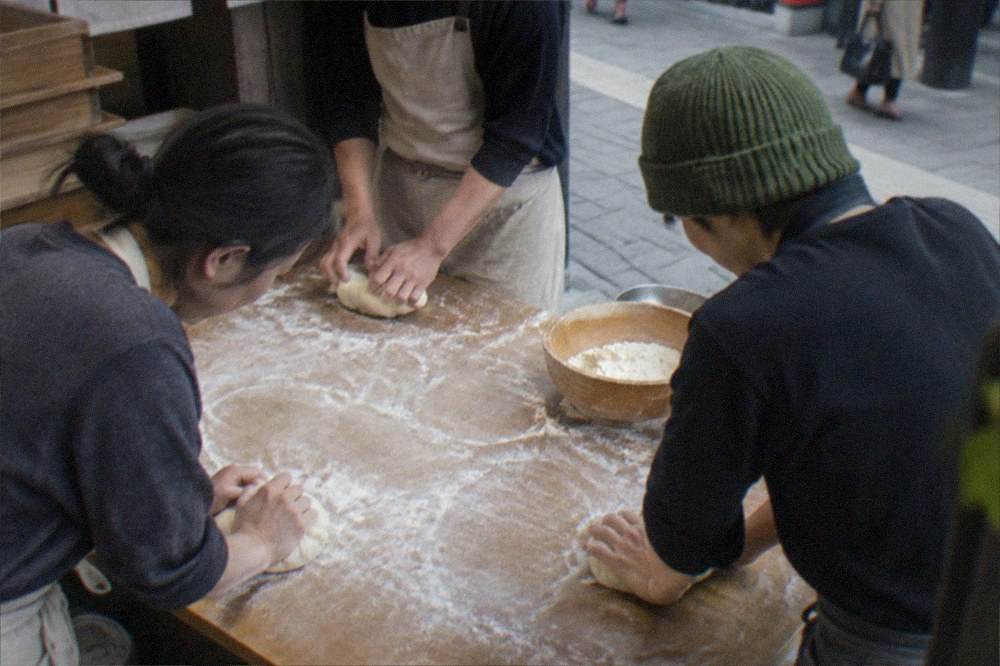
Yes, and it is one of the better food experiences in the city, because a hands-on class shows you the broth work that defines the Kyoto style: the 90-minute ramen-making experience walks you through preparing the soup base and pulling noodles from scratch, runs from 130 dollars per person, and holds a 5 rating from 2,635 reviews on the operator's listing. Kyoto also has a wider cooking-class scene covering bento boxes and washoku basics if you want more than one session.
The class is genuinely useful for understanding the richness question, because the back-fat step is the one home cooks skip, and tasting the broth before and after that step settles the whole Kyoto-versus-Tokyo argument in one spoon. For the broader cooking scene, see our Kyoto cooking class guide.
Pair the class with the eating. A good pattern for a food-focused day: a market walk in the morning, the ramen class in the early afternoon, then a counter bowl or an izakaya crawl in the evening. The Nishiki Market brunch walk covers the market side with seven tastings plus brunch over 3 hours from 74 dollars per person, rated 4.9 across 1,497 reviews. One market note that is verified: Nishiki's shops each keep their own hours, roughly 9 or 10:00 to 17 or 18:00, with no unified opening time printed anywhere, and the stalls ask you to eat at the stall rather than walking with food.
How Do You Build A Perfect Ramen Day In Kyoto?
A strong ramen day in Kyoto anchors on the station district or downtown, uses the 1,100 yen Subway and Bus One-Day Pass for movement, keeps the heaviest bowl for the evening when the back-fat style makes most sense, and ends with a guided izakaya crawl in Kawaramachi, where the noodle counters and the drinking lanes share the same streets. The pass covers both subway and bus, so a two-zone ramen route costs less than four single fares.
Start with the market for breakfast-adjacent grazing, then pick your zone. If you only have one day in the city and temples matter as much as noodles, the Perfect 1-Day Bus Tour covers the headline sights in 8 to 9 hours from 102 dollars per person, rated 4.9 across 17,054 reviews, and still returns you to the station in time for a counter bowl. For a fuller plan, see our one day in Kyoto itinerary.
| Time | Activity | Cost basis |
|---|---|---|
| Morning | Nishiki Market walk, eat at the stalls | Market walk from $74, self-guided free |
| Midday | Ramen-making class, 90 minutes | From $130 per person |
| Afternoon | Temples or the station district counters | One-day pass 1,100 yen |
| Evening | Counter bowl, then izakaya crawl | Crawl from $37 per person |
The evening crawl deserves the last word. The Kawaramachi izakaya crawl runs about 3 hours with a local guide through the downtown lanes, from 37 dollars per person and rated 4.9 from 1,042 reviews, and it is the version of a Kyoto food night that does not require you to read a single Japanese menu board. It is also the tour this page recommends most for the ramen-curious, because the guides move through the same lanes where the city's heaviest bowls are served.
That covers the eating, the making and the moving. Before the closing questions, here are the strongest food and sightseeing picks for a Kyoto ramen trip, all bookable through the operator's live listings, with free cancellation on most options so you can lock in the evening crawl before your plans are final.
Common Questions About Kyoto Ramen
What Is Kyoto-Style Ramen And Why Is It Richer Than Tokyo Ramen?
Kyoto-style ramen is a dark, opaque chicken-and-pork bone broth finished with back fat and dark soy sauce, which makes it richer and heavier than the clearer chicken and seafood stocks Tokyo ramen is known for. The fat is kept rather than skimmed, and that single choice is most of the answer.
Where can I eat Kyoto ramen near Kyoto Station?
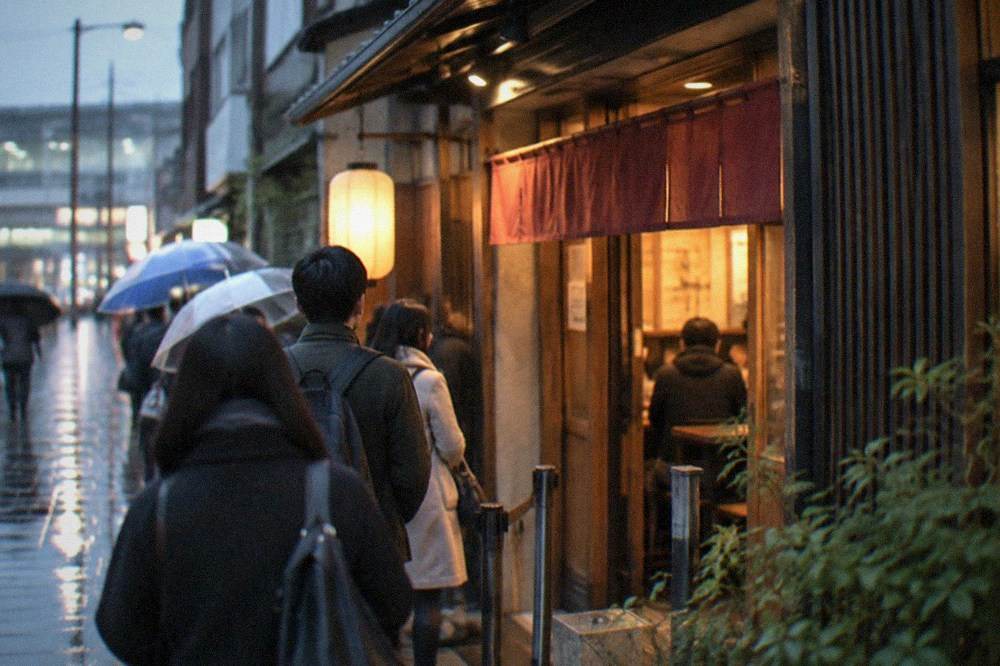
The streets east and south of Kyoto Station are the historic home of the style, full of small counter shops serving the chicken-pork broth. Expect queues at peak lunch and dinner hours, and check each shop's menu at the door, since no verified published price list exists for individual shops.
How much does a bowl of ramen cost in Kyoto?
No shop's bowl price is published on a verified page this site has read, so treat figures copied from other guides as unconfirmed. Ramen is generally among the cheapest full meals in the city; for verified budgeting, city buses are a flat 230 yen and the Subway and Bus One-Day Pass is 1,100 yen.
Is Kyoto ramen the same as tonkotsu ramen?
No. Tonkotsu is a pork-only style from Kyushu, milky white from long-boiled pork bones. Kyoto ramen uses chicken and pork together, keeps the back fat, and seasons with dark soy sauce, producing a brown rather than white soup.
Can I take a ramen-making class in Kyoto?
Yes. The award-winning ramen-making experience runs 90 minutes from 130 dollars per person, is rated 5 from 2,635 reviews, and covers the broth and noodles from scratch, which is the clearest way to understand why the local style tastes richer.
Is ramen a good late-night option in Kyoto?
Downtown Kawaramachi is the city's default night district, and counter shops and izakaya there run late. A guided option is the Kawaramachi bar and izakaya crawl, about 3 hours from 37 dollars per person, rated 4.9 across 1,042 reviews.
Kyoto's richest bowl is not an accident of fashion; it is a postwar working-class soup built for a cold, damp city, and once you have tasted the back-fat difference at a station counter or a downtown izakaya, the Tokyo comparison answers itself.