Kyoto Railway Museum
The Kyoto Railway Museum charges 1,500 yen for adults, closes every Wednesday, and is one of the few major Kyoto sights that prints every planning figure on its own pages. Here is what the museum says, and how to plan a visit around the facts.
Short answer
The Kyoto Railway Museum costs 1,500 yen for visitors 18 and over, 1,300 yen for university and high school students, and 200 yen for children from age 3. It is open 10:00 to 17:00 with last entry at 16:30, and it is closed every Wednesday plus 30 December to 1 January.
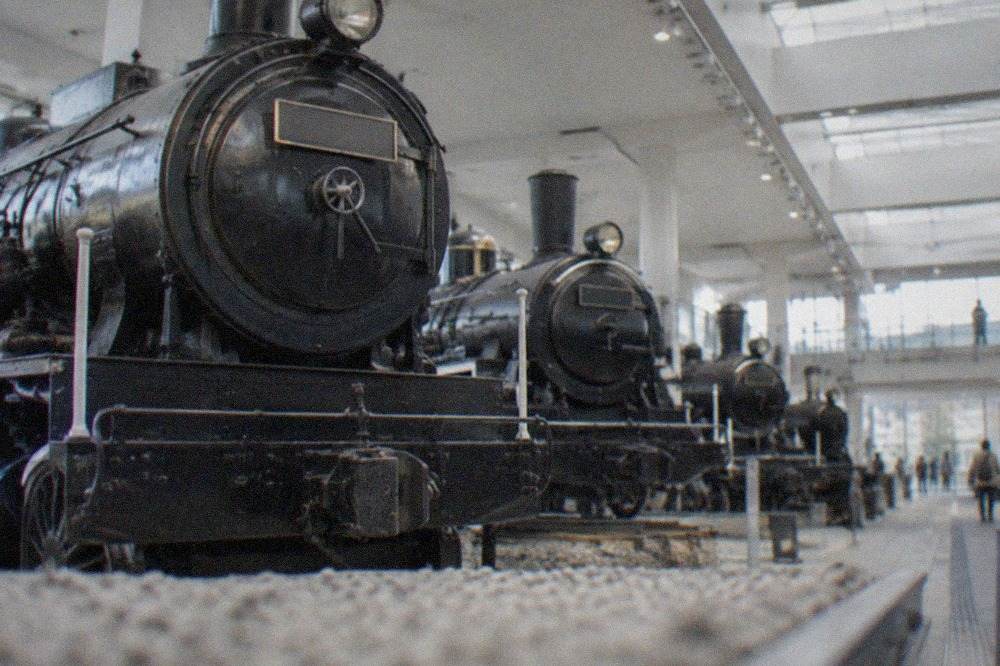
A museum hall in Kyoto holds more working steam locomotives than most countries' national collections, and the museum that owns them is the city's biggest indoor attraction. The Kyoto Railway Museum, which sits a few minutes south of Kyoto Station in the Umekoji district, is one of the few major Kyoto sights with a simple, honest pricing story: the museum's own pages print the fees, the hours and the Wednesday closure plainly, so nothing on this page has to be guessed. That matters more than it sounds, because Kyoto is a city where several famous temples changed their admission fees in 2026 and where a fee copied from a 2024 guide is now wrong. The railway museum is not one of those traps.
This page answers the question most visitors actually type, what the museum costs and whether it really shuts on Wednesdays, and then goes further: how to reach it, what is inside, whether it works for children, how it compares with the city's other museums, and whether a ticket should be bought ahead. Every figure comes from the museum's own published pages or from the operators and city bodies that run the transport around it. Where a number could not be verified, the page says so instead of inventing one.
What Does The Kyoto Railway Museum Cost And Is It Closed On Wednesdays?
The Kyoto Railway Museum charges 1,500 yen for visitors aged 18 and over, 1,300 yen for university and high school students, and 200 yen for children from age 3, with under-3s free. It is open 10:00 to 17:00 with last entry at 16:30, and yes, it is genuinely closed every Wednesday, plus 30 December to 1 January. Those figures come straight from the museum's own admission page, which is the authority this site treats as final on fees, hours and closures.
The Wednesday closure is the single biggest planning mistake visitors make with this museum. Kyoto's temples mostly open daily, Kinkaku-ji runs 9:00 to 17:00 year-round and Sanjusangen-do opens every single day, so travellers get used to a city that never closes midweek. The railway museum is different. It follows the standard Japanese museum pattern of a fixed weekly closure, and because the museum is large enough to fill half a day, arriving on a Wednesday to find the doors shut costs a whole morning. Check the calendar before you build an itinerary around it.
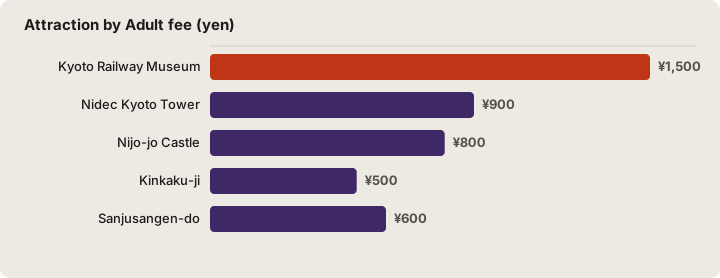
The price structure is unusually flat, and that is good news for families. A parent and one young child pay less together than a single adult ticket to some of Kyoto's temple grounds once you add a garden and a gate. Compare that with the city's other big paid attractions and the museum holds up well, as the table below shows.
| Attraction | Adult fee | Child basis | Closed days |
|---|---|---|---|
| Kyoto Railway Museum | 1,500 yen (18+) | 200 yen from age 3, free under 3 | Wednesdays, 30 Dec to 1 Jan |
| Nidec Kyoto Tower | 900 yen | 600 yen elementary and junior high, 200 yen from age 3 | Open daily, deck 10:00 to 21:00 |
| Nijo-jo Castle | 800 yen | 300 yen elementary | 29 to 31 December |
| Kinkaku-ji | 500 yen | 300 yen primary and middle school | None posted |
| Sanjusangen-do | 600 yen | 300 yen elementary | Open every day |
| Toei Kyoto Studio Park | No readable price published | No readable price published | Check the operator's own site |
The Toei Kyoto Studio Park row is deliberately blank, and that is honest rather than lazy: the studio park's official ticket pages do not present a readable price, so no figure is printed here. Anyone who quotes you a confident studio-park admission number copied it from a guide, not from the venue. The same discipline explains the Kiyomizu-dera situation across the city, where the widely repeated 500 yen admission is single source, because the temple itself does not print it on its own site.
How Do You Get To The Kyoto Railway Museum?
The Kyoto Railway Museum sits about 2 kilometres west of Kyoto Station in the Umekoji district, a roughly 20-minute walk, with the museum's own entrance 3 minutes from Umekoji-Kyotonishi Station on the JR Sagano Line and 7 minutes on foot from Randen Kitano-Hakubaicho tram stops. A city bus costs a flat 230 yen per adult ride, and the subway runs 220 to 360 yen by zone, so the museum is one of the cheapest major attractions in Kyoto to reach.
The transport facts are worth stating precisely because they are among the best-verified numbers in the whole city. The Kyoto City Transportation Bureau publishes the flat bus fare of 230 yen for adults and 120 yen for children aged 6 to 11, and the subway fare ladder of 220, 260, 290, 330 and 360 yen across its five zones. If you plan to move between several sights in one day, the Subway and Bus One-Day Pass at 1,100 yen for adults and 550 yen for children usually pays for itself on the third or fourth ride. Note the product's exact name, because the old bus-only one-day pass no longer exists: its sales ended in September 2023 and its last day of use was 31 March 2024, a fact the city's own transport bureau confirms. Any guide still recommending a 700 yen bus pass is years out of date.
| Transport option | Adult fare | Notes |
|---|---|---|
| Kyoto City Bus, flat fare | 230 yen | Child 6 to 11: 120 yen |
| Subway, by zone | 220 to 360 yen | Five zones, child fares half |
| Subway and Bus One-Day Pass | 1,100 yen | Child 550 yen; bus-only pass abolished 2024 |
| JR Sagano Line, Kyoto Station to Umekoji-Kyotonishi | Short hop fare | About 3 minutes' walk from the station to the museum |
| On foot from Kyoto Station | Free | About 20 minutes, mostly flat |
The walk from Kyoto Station is genuinely pleasant and often faster than waiting for a bus. The route crosses the Kamo river-side streets and passes Shosei-en garden, a landscaped stroll garden owned by the Higashi Hongan-ji temple complex, so the approach itself can carry a photo stop. Families with small children will find the pavements flat and wide the whole way, which is not true of the approaches to Kiyomizu-dera or the Ninenzaka slopes.
What Can You Actually See And Do Inside The Kyoto Railway Museum?
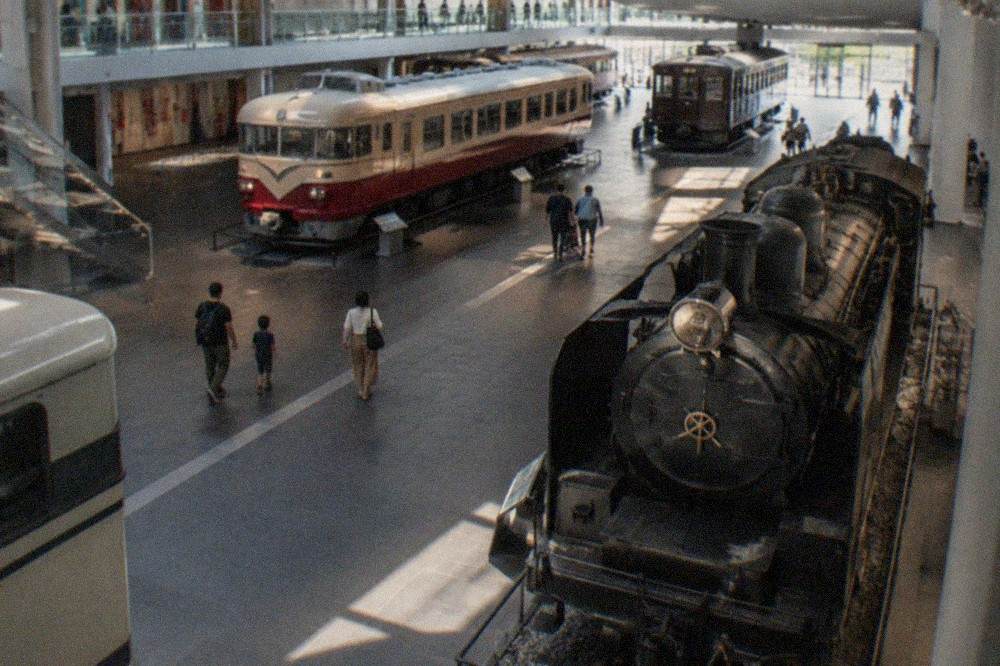
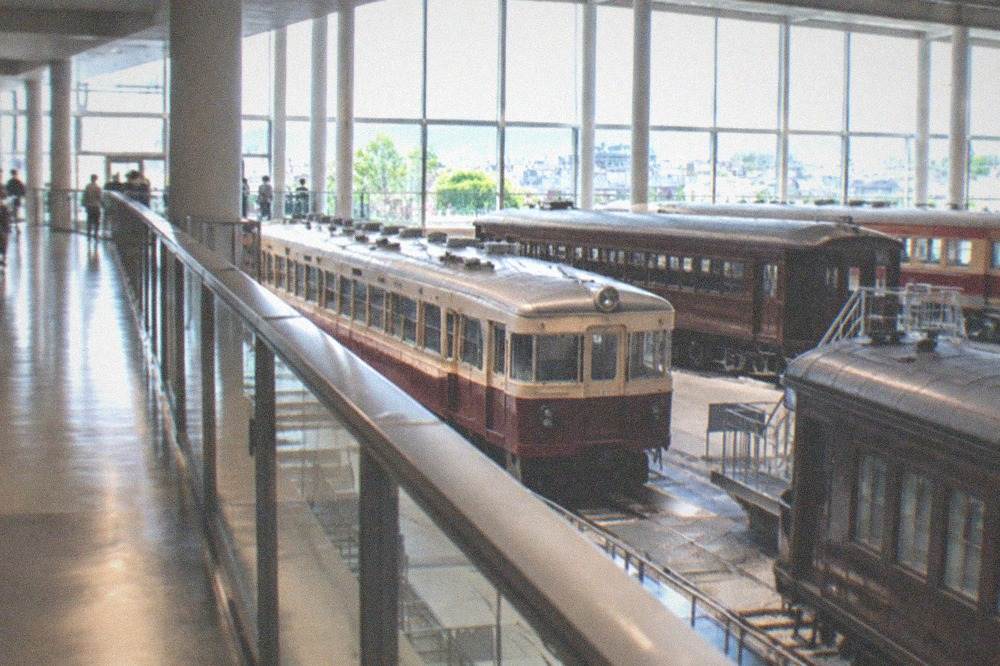
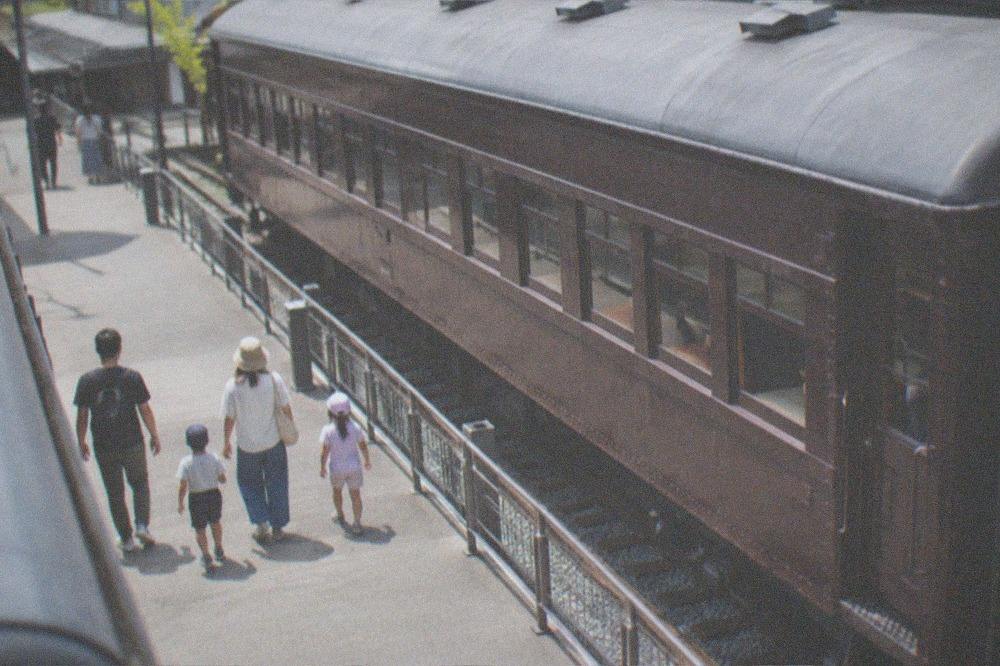
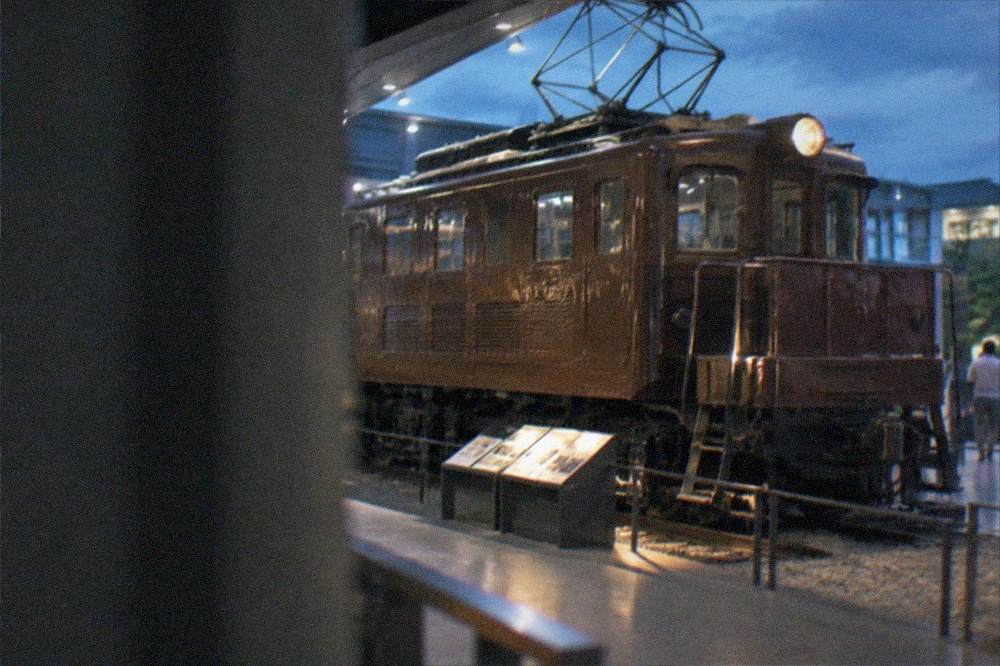
The Kyoto Railway Museum displays dozens of railway vehicles across a three-track Great Hall, including a working steam locomotive that still runs on selected days, a former imperial salon carriage, and an early-generation Shinkansen train, with a working fan-shaped turntable and a raised observation walkway above the hall. The collection spans from the earliest steam era to the modern era of high-speed rail, and the museum's own pages present it as a single continuous story of Japanese railway engineering.
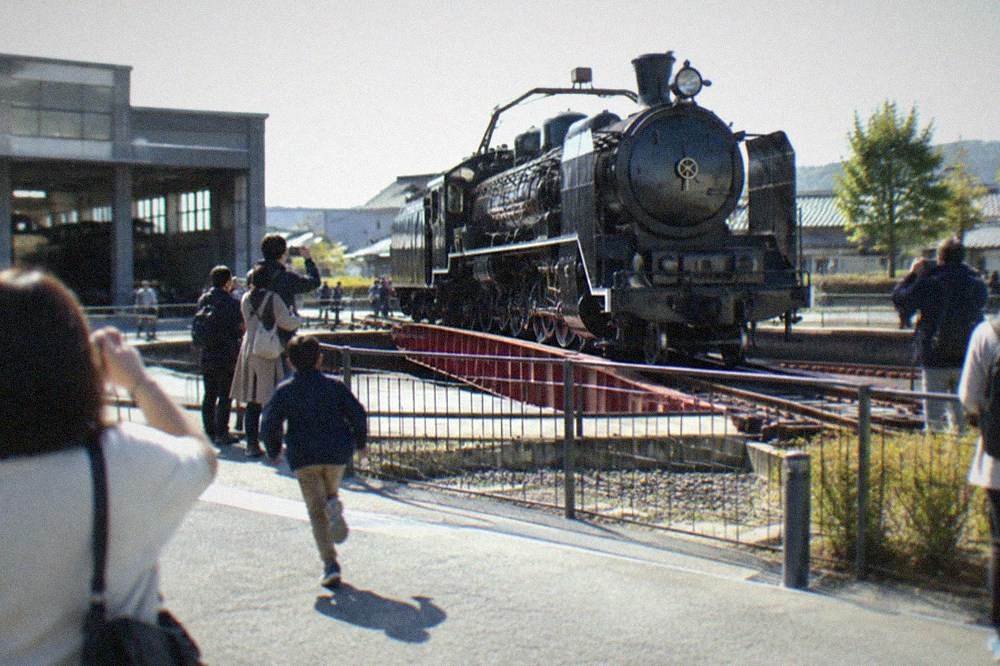
The headline machine is the museum's operating steam locomotive, which pulls a short train along the museum's own line on selected days for a small extra charge. Steam days are the museum's biggest draw and its biggest crowd, so if running a century-old locomotive matters to you, check the museum's operating calendar before choosing a date rather than after arriving. The second standout is the imperial salon carriage, a green-and-cream wooden-bodied coach built for the imperial household, with the interior preserved behind glass. The third is the Shinkansen nose cone, the bullet train shape that most of the world still pictures when it hears the word Japan.
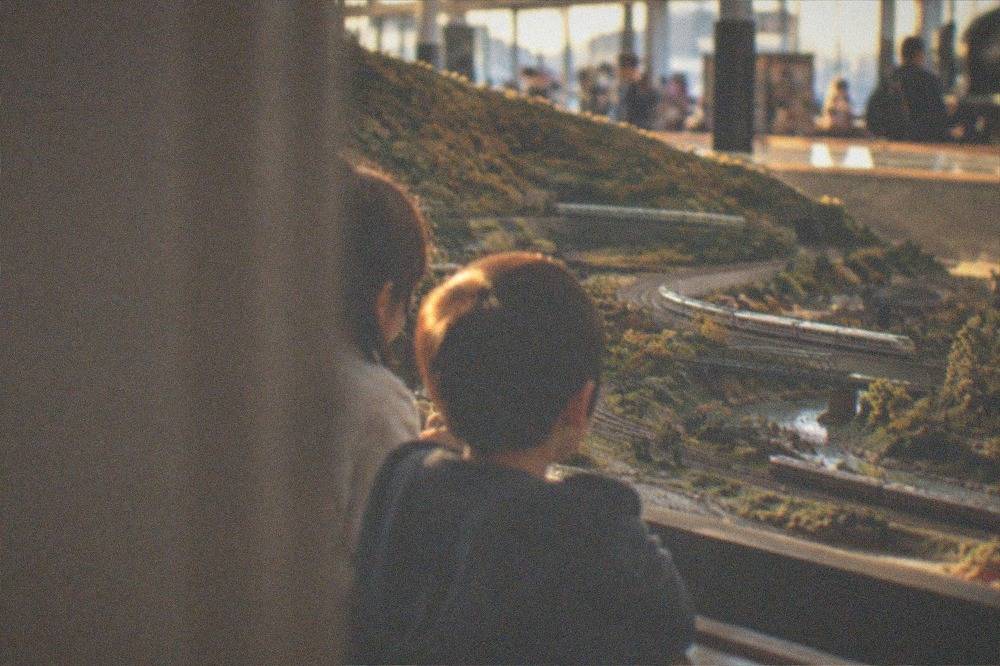
Around the Great Hall, the museum layers experiences rather than just exhibits. There are driving simulators that let visitors attempt to bring a commuter train into a platform, a railway diorama with working signalling, and a section on the science of railways that explains everything from rail gauge to electric traction in hands-on displays. The observation walkway above the hall gives a bird's-eye view of the whole collection and, on clear days, a sightline toward the Kyoto city skyline with the Kyoto Tower silhouette in the distance. The museum also sits directly beside a live JR freight and passenger line, and part of the building is designed so you can watch full-size working trains pass from behind glass, which is quietly the most Kyoto thing about it: the collection and the living railway sit a few metres apart.
The entry ticket product sold through the operator's live listing covers museum admission and is currently priced from $10.74 per person. The listing is a new product and carries no traveller reviews yet, which is real information rather than a gap: it means the ticket is untested by the crowd but backed by the operator's cancellation terms. For anyone who prefers to sort tickets before leaving home, it removes the one friction point the museum's own counter can add on busy days.
Is The Kyoto Railway Museum Good For Kids?
The Kyoto Railway Museum is one of the most child-friendly paid attractions in Kyoto, with 200 yen admission from age 3, free entry under 3, driving simulators, a hands-on science zone and a dedicated play space, all under one roof, which matters in a city where July rain averages 223.6 mm and August highs average 33.7 C. The museum is effectively an all-weather plan, and the child pricing makes it one of the cheapest full mornings a family can buy in this city.
The practical details support that claim. The fee bands mean a family of two adults and two school-age children pays less in total than a single adult kaiseki lunch at one of Kyoto's famous restaurants, where the kaiseki course at Hyotei, for instance, opens above 30,000 yen at lunch on that restaurant's own published menu. Inside, the layout is stroller-friendly with lifts to every level, the simulators queue by ticket rather than by pushing, and the museum cafe looks onto the live railway line so lunch comes with passing trains as entertainment. The Umekoji district around the museum adds the Umekoji Park lawn within a short walk, so an exit at 14:00 still leaves a full afternoon of low-effort sightseeing. For a fuller family plan, the Kyoto with kids itinerary builds a multi-day route around exactly this kind of mix.
One honest caution: the museum is popular with Japanese school groups on weekdays outside holidays, and a Wednesday closure means Thursday and Friday absorb some of that displaced demand. Mid-morning is the busiest window. The museum opens at 10:00, and the first hour is the calmest, which pairs well with the fact that last entry is 16:30 and the hall empties noticeably after 15:00. Arriving at opening or after 15:00 gives you the simulators with the shortest queues. More of these guides are collected on Kyoto Travel Guide.
How Does The Kyoto Railway Museum Compare With Kyoto's Other Museums?
The Kyoto Railway Museum is Kyoto's largest museum by exhibition floor area and its most modern major institution, and it is the only one of the city's big museums built around working machinery rather than artefacts behind glass, which makes it the strongest choice for visitors who find temple-and-scroll museums quiet going. Its 1,500 yen adult fee sits at the top of the city's museum price range, and it earns it.
The comparison set is genuinely strong. The Kyoto International Manga Museum, a short subway ride away, is a converted school building holding a wall-to-wall library of manga that visitors read on the lawn, and it suits a completely different mood, a slow afternoon rather than a mechanical spectacle. The Kyoto National Museum, next to Sanjusangen-do, is the city's serious art and archaeology collection. The Railway Museum's own news pages list special exhibits and anniversary events as they are confirmed, so a repeat visit in a festival or event window can show something the permanent collection does not. The right pick depends on the traveller, and the table below makes the trade-offs explicit.
| Museum | Character | Best for | Weak point |
|---|---|---|---|
| Kyoto Railway Museum | Working trains, simulators, industrial scale | Families, engineers, rainy days | Closed Wednesdays |
| Kyoto International Manga Museum | Read-in library of manga, lawn seating | Teens, relaxed afternoons | Not a machinery experience |
| Kyoto National Museum | Curated art and archaeology | Serious culture seekers | Rotating exhibits, less hands-on |
| Nidec Kyoto Tower deck | City viewpoint, 10:00 to 21:00 | Evening views, quick visits | A viewpoint, not a museum |
There is also a scheduling angle that pure comparison tables miss. Kyoto's temple circuit, the Kinkaku-ji to Ryoan-ji to Nijo-jo Castle spine, is an outdoor walking day, and in late July the mean daily high sits at 32.0 C with 223.6 mm of rain across the month, the wettest month of the year in the JMA 1991-2020 normals. A museum morning is the correct answer to both the heat and the rain, and the railway museum is the one big indoor attraction in the city that children do not have to be convinced to enter. Pair it with the Kyoto museums guide for the full indoor circuit, or with the Kyoto International Manga Museum page if the weather closes in for two days.
When Is The Best Time To Visit The Kyoto Railway Museum?
The best time to visit the Kyoto Railway Museum is a weekday between October and November or between February and April, arriving at the 10:00 opening or after 15:00, because the museum is closed Wednesdays, is busiest on weekends and school-trip mornings, and sits in a district that pairs well with Kyoto's best outdoor weather windows. Avoid national holiday weeks, when Japanese domestic tourism fills the hall.
The reasoning is partly climate. The JMA 1991-2020 normals for Kyoto put October at a mean of 18.4 C with 143.2 mm of rain and November at 12.5 C with 73.9 mm, the driest comfortable stretch of the calendar, and the sakura flowering normal of 26 March with full bloom on 4 April makes late March the other sweet spot. A museum morning followed by an outdoor afternoon works perfectly in those windows. In midsummer, the calculus flips: the museum becomes the morning or midday refuge and the outdoor sightseeing moves to the evening, exactly when the Nidec Kyoto Tower observation deck, open until 21:00, takes over.
Crowd timing inside the museum follows a predictable curve. The first hour after the 10:00 opening is calm, the 11:00 to 14:00 window carries the school groups and family arrivals, and the last 90 minutes before the 17:00 close, with last entry at 16:30, thin out again. Steam locomotive running days break this pattern entirely and pull the museum's biggest crowds of the month, so the two strategies are opposite: on a steam day, arrive at opening without fail; on an ordinary day, the late afternoon is a quiet gift.
Do You Need To Book Kyoto Railway Museum Tickets In Advance?
You do not strictly need to book Kyoto Railway Museum tickets in advance, because the museum sells admission at the counter all day, but buying ahead through the operator's live listing, currently from $10.74, removes the queue, guarantees entry on steam-running days, and lets you reorganise the whole day if a Wednesday closure or a holiday catches you out. The choice is about certainty, not access.
The counter rarely sells out on ordinary weekdays. It can sell out or queue heavily on steam locomotive running days, national holidays and the spring and autumn school-trip seasons, and the museum's own popularity has grown with Kyoto's overall visitor numbers: the city's 2025 tourism survey, released by the city in June 2026, recorded 62.79 million visitors, a record, with day visitors jumping from 39.76 million in 2024 to 46.20 million in 2025. Day visitors are precisely the group that arrives at a museum counter at 11:00. A pre-bought ticket converts that gamble into a plan.
There is a second, subtler reason to sort tickets early, and it is about the rest of the day. The museum's Umekoji location is a five-minute hop from Kyoto Station, which makes it a natural anchor for a station-area morning followed by an afternoon elsewhere: the Nijo-jo Castle grounds, the Tenryu-ji garden in Arashiyama, or the Nishiki Market stalls all connect back through the station or the JR line. A ticket in hand means you can commit to the 10:00 opening, leave by 13:00, and still reach a second major sight before its own last admission. The same logic applies in reverse for anyone arriving in the city that morning: the Haruka express guide covers the airport train, and the museum is close enough to the station that a late-morning arrival can still make the 16:30 last entry comfortably.
For travellers who want the museum folded into a wider first day rather than standing alone, a guided highlights morning is the efficient shape: the early-morning English-guided city tour, from $82 per person and rated 4.9 from 1,998 reviews, runs five to six hours through the headline sights and leaves the afternoon free. The museum then fills the after-lunch slot on any day but Wednesday. Visitors with more time in the region sometimes pair the museum morning with something completely different in the afternoon, and the Hozugawa white-water rafting half day, from $62 and rated 4.9 from 355 reviews, is the strongest contrast option: a morning of engineering stillness followed by three and a half hours on a river. The Kyoto itinerary guide and the master Things to Do in Kyoto page carry the full planning set.
That contrast pairing, a museum morning and a river afternoon, is also the shape that survives bad weather best, because it can be flipped without loss if the forecast turns: the museum absorbs a wet morning, and the rafting operator runs on a river that is already wet. Whichever way the day is ordered, the one fixed constraint stays the same, and it is worth repeating as the closing planning note of this section: no trains run through the Great Hall on a Wednesday, because there is no museum at all on a Wednesday.
Common Questions About The Kyoto Railway Museum
What Does The Kyoto Railway Museum Cost And Is It Closed On Wednesdays?
The Kyoto Railway Museum costs 1,500 yen for visitors 18 and over, 1,300 yen for university and high school students, and 200 yen for children from age 3, with under-3s free. It is open 10:00 to 17:00 with last entry at 16:30, and it is closed every Wednesday as well as from 30 December to 1 January.
How Long Should You Spend At The Kyoto Railway Museum?
Most visitors need two to three hours to see the Great Hall, the simulators and the science zone without rushing, and railway enthusiasts can fill half a day, especially on a steam locomotive running day. Allow more time if you plan to queue for the driving simulators, which are the most popular hands-on exhibits.
Can You Buy Kyoto Railway Museum Tickets Online?
Yes. An entry ticket is sold through the operator's live listing, currently from $10.74 per person, and the listing carries the operator's cancellation terms. The listing is new and has no traveller reviews yet, which is worth knowing before you book.
Is The Kyoto Railway Museum Worth It If You Are Not A Train Person?
For most visitors, yes. The museum is as much a design and industrial-history museum as a railway one, the Shinkansen and the imperial carriage are genuine cultural artefacts, and the all-weather, child-priced structure makes it one of the most reliable half-days in the city. If your time in Kyoto is two days or fewer and temples are your priority, it is a fair cut.
What Is Near The Kyoto Railway Museum?
The museum sits in the Umekoji district, a short walk from Umekoji Park, and about 20 minutes on foot from Kyoto Station, with Shosei-en garden on the walking route. Nidec Kyoto Tower and the station-area shops are a quick bus or walk away, which makes the museum easy to pair with a station-side morning or an afternoon departure.
The Kyoto Railway Museum is the rare Kyoto attraction where every planning number is printed by the venue itself: 1,500 yen in, 10:00 to 17:00, shut on Wednesdays. Build the day around those three facts and the rest of the visit takes care of itself.