What Happened To The Kyoto One-Day Bus Pass, And What Replaced It?
Kyoto retired its famous bus-only one-day pass in 2024 because it worked too well: nine out of ten buyers were visitors, and the pass herded them all onto the same crowded buses. The replacement is the Subway and Bus One-Day Pass at 1,100 yen, and this page explains when it pays for itself and when a plain IC card is the better buy.
Short answer
Sales of the Kyoto bus-only one-day pass ended at the end of September 2023 and its last day of use was 31 March 2024. The city's transport bureau replaced it with the Subway and Bus One-Day Pass, which costs 1,100 yen for adults and 550 yen for children and covers every city bus and subway line for one calendar day.
The green city bus was Kyoto's signature transport problem. The city's own transport bureau reported that about 90 percent of bus-only one-day pass buyers were visitors, and that the pass concentrated those visitors on a handful of routes through the Higashiyama and Arashiyama sightseeing corridors, exactly the buses that residents needed for their commutes. So the bureau killed its most famous tourist product. Sales of the bus-only one-day pass ended at the end of September 2023, and the last day the old pass could be used was 31 March 2024. The city's own discontinuation notice states the reasoning plainly, and this page is the practical aftermath: what to buy instead, what it costs, and how to tell in thirty seconds whether a day pass beats single fares.
What Happened To The Kyoto One-Day Bus Pass, And What Replaced It?
The bus-only one-day pass stopped being sold at the end of September 2023 and stopped being valid on 31 March 2024. The Kyoto City Transportation Bureau replaced it with the Subway and Bus One-Day Pass, priced at 1,100 yen for adults and 550 yen for children, which covers unlimited rides on all city subway lines and all city buses for one calendar day. The bureau's own notice says the old pass was withdrawn because roughly 90 percent of its buyers were tourists concentrated onto resident buses.
The old pass was a victim of its own success. For years, every guidebook told visitors to buy the 700 yen bus pass and ride the buses all day, and the result was predictable: the buses that served Kiyomizu-dera, Ginkaku-ji and Arashiyama filled with pass holders while the subway, faster and rarely crowded, ran half empty above and below the tourist streets. The bureau's answer was to price the replacement so that it only pays off if you mix subway and bus, and to push visitors toward the rail network that was built for exactly this volume.
The replacement pass is genuinely good, and this page is not a eulogy. The Subway and Bus One-Day Pass at 1,100 yen covers the two subway lines, the Karasuma and the Tozai, plus every city bus, including the EX100 and EX101 tourist express buses that the city launched to move visitors quickly between Kyoto Station and the eastern temple belt. The pass is sold at subway station offices, from vending machines in major stations, and at the city's information counters. Children aged 6 to 11 pay 550 yen.
One warning that matters more than the rest of this page combined: a great many articles, printed maps and hotel front desks still recommend the bus-only pass, sometimes with its old 700 yen price attached. If a source tells you to buy a bus-only day pass in Kyoto, that source is at least two years out of date. The product does not exist. The subway-and-bus version is the one on sale.
| Pass or ticket | Price | What it covers | Status |
|---|---|---|---|
| Bus-only One-Day Pass | no longer sold | city buses only | Sales ended September 2023, last use 31 March 2024 |
| Subway and Bus One-Day Pass | 1,100 yen adult, 550 yen child | all city buses and both subway lines, one day | Current product |
| Subway One-Day Pass | 800 yen adult, 400 yen child | subway only, one day | Current product |
| City bus single fare | 230 yen adult, 120 yen child | one bus ride, flat fare | Current |
| Subway single fare | 220 to 360 yen by zone | one subway ride | Current |
The table above is the whole decision in five rows. The rest of this page is about the arithmetic and the exceptions, because the arithmetic is where visitors lose money in both directions: buying a pass for a day that does not need one, or feeding a machine 230 yen at a time on a day that clearly did.
How Much Does The Subway And Bus One-Day Pass Cost In Kyoto?
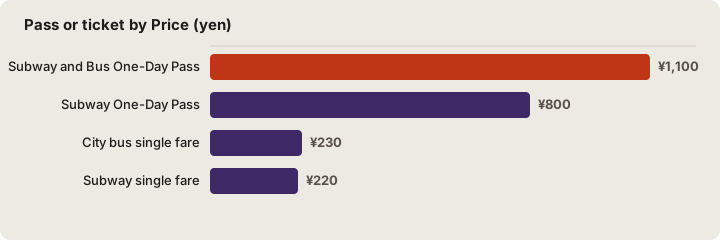
The Subway and Bus One-Day Pass costs 1,100 yen for an adult and 550 yen for a child aged 6 to 11, and it is valid on all Kyoto City buses and both subway lines for one calendar day of unlimited rides. A subway-only version exists at 800 yen for adults and 400 yen for children. The city's transport bureau publishes both prices on its fare and pass pages, and the pass also covers the EX100 and EX101 tourist express buses.
The pass pays for itself at different speeds depending on how you travel. A single city bus ride is a flat 230 yen, so four bus rides plus one subway ride, or three subway rides at the longer zone fares plus a bus, clears the 1,100 yen line. Most sightseeing days in Kyoto involve more movement than that, which is why the pass is the default recommendation for a first-time visitor doing the classic circuit. But a day built around one neighborhood, say Gion and Higashiyama on foot, may only need two or three rides, and for that day an IC card is cheaper.
The child pricing is worth a line of its own. Children from 6 to 11 pay half on buses, subway and the day pass, and under-6s ride free when accompanied. The child day pass at 550 yen needs only about three child bus rides to break even, so families with school-age children almost always come out ahead on sightseeing days.
Where you buy it matters less than it used to. The pass is available from the ticket machines in the larger subway stations, from staffed subway offices, and at the tourist information counters in Kyoto Station. Unlike the JR regional passes, there is no advance purchase, no exchange order and no passport check: it is a local transit ticket sold like any other. You validate it at the subway gate or show it to the bus driver on boarding, and it expires at the end of the service day, not 24 hours from first use. Buy it on the morning you plan to use it.
| Your day | Rides needed roughly | Better buy |
|---|---|---|
| One neighborhood on foot, Gion and Higashiyama | 2 to 3 rides | IC card, pay per ride |
| Classic circuit, Kinkaku-ji plus Fushimi Inari plus downtown | 4 or more rides | Subway and Bus One-Day Pass |
| Subway-heavy day, north to south across the city | 3 or more subway rides | Subway and Bus One-Day Pass |
| Arrival or departure day with luggage | 1 to 2 rides | IC card or single tickets |
If your plan is the standard first-day circuit, the pass is close to automatic. The one day in Kyoto itinerary that this site publishes is built around exactly that arithmetic, and it assumes the 1,100 yen pass rather than per-ride payment.
Is The Kyoto Subway And Bus Pass Better Than An IC Card?
For a heavy sightseeing day, yes: the 1,100 yen pass beats an IC card once you take four or more rides. For a light day of two or three rides, an IC card charged with pay-as-you-go credit is cheaper, because a 230 yen bus ride and a 220 yen short subway ride never reach the pass price. An ICOCA card costs 2,000 yen to buy, of which 500 yen is a refundable deposit and 1,500 yen is travel credit.
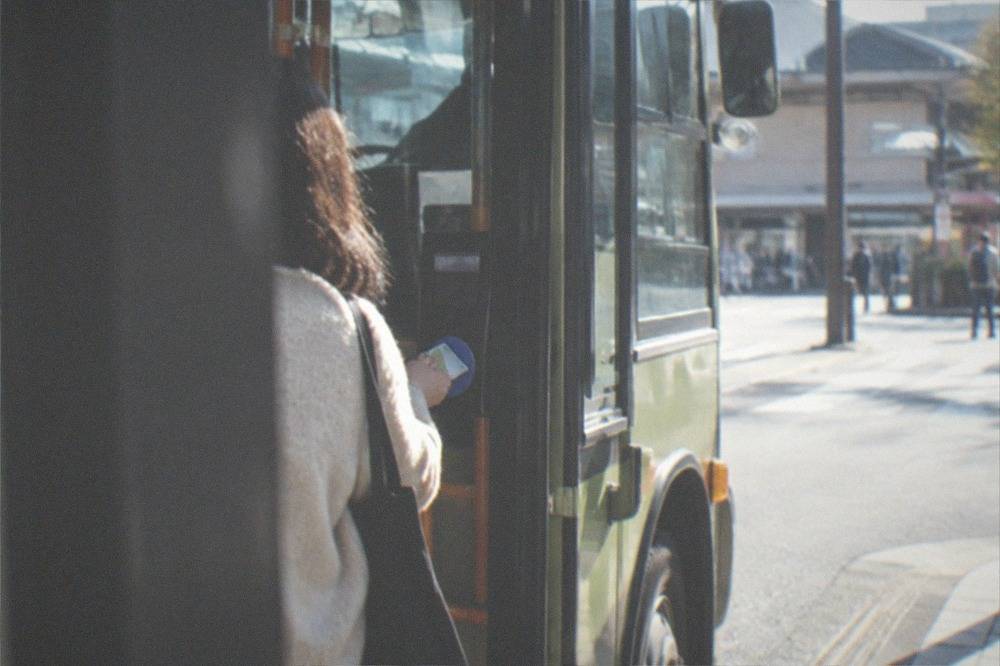
The honest framing is that this is not a contest between products but a match between product and day. The IC card, covered in detail on the ICOCA card guide, charges the same 230 yen bus fare and the same 220 to 360 yen subway fare as cash, with no discount, but it works on every operator in the region: JR lines, the private railways to Nara and Uji, Hankyu, Keihan, and buses in Osaka. The day pass works only on the city's own buses and subway. A day that ends in Nara or Uji on a private railway is a day where the pass covers the morning and the IC card covers the afternoon.
There is a subtlety worth knowing: the day pass is a calendar-day product, so a 23:00 purchase for a late-night ride is almost always wasted. And the pass does not cover the JR lines that run through the city, including the Nara Line to Inari and Uji, which trips up visitors who assume "subway" means every underground train in Kyoto. The subway is the city's own two lines; the JR Nara Line and the Keihan line are separate operators with separate fares.
For the arithmetic-minded, the break-even table, built only from the published flat fares:
| Rides in a day | Mix | Better buy |
|---|---|---|
| 3 bus rides | buses only | IC card |
| 4 bus rides | buses only | IC card, barely |
| 5 bus rides | buses only | Day pass |
| 3 subway rides | mid-zone subway | IC card |
| 4 mixed subway and bus rides | subway plus bus | Even |
| 5 or more mixed rides | subway plus bus | Day pass |
The pattern is simple: the pass is insurance against a big day. If you know your day is big, buy it in the morning and stop thinking about fares. If your day is small or unpredictable, carry the IC card and pay as you go, because unused pass value is simply lost.
What Are The EX100 And EX101 Tourist Express Buses In Kyoto?
The EX100 and EX101 are limited-stop tourist express buses launched to relieve overcrowding on the regular city buses. A ride costs 500 yen for adults and 250 yen for children, paid in cash or by IC card, and the Subway and Bus One-Day Pass covers them.
The EX100 runs from Kyoto Station past Gojo-zaka for Kiyomizu-dera, Gion, the Okazaki museum quarter and Ginkaku-ji, while the EX101 runs direct from Kyoto Station to the Kiyomizu side, every 7 to 8 minutes in the morning on operating days.
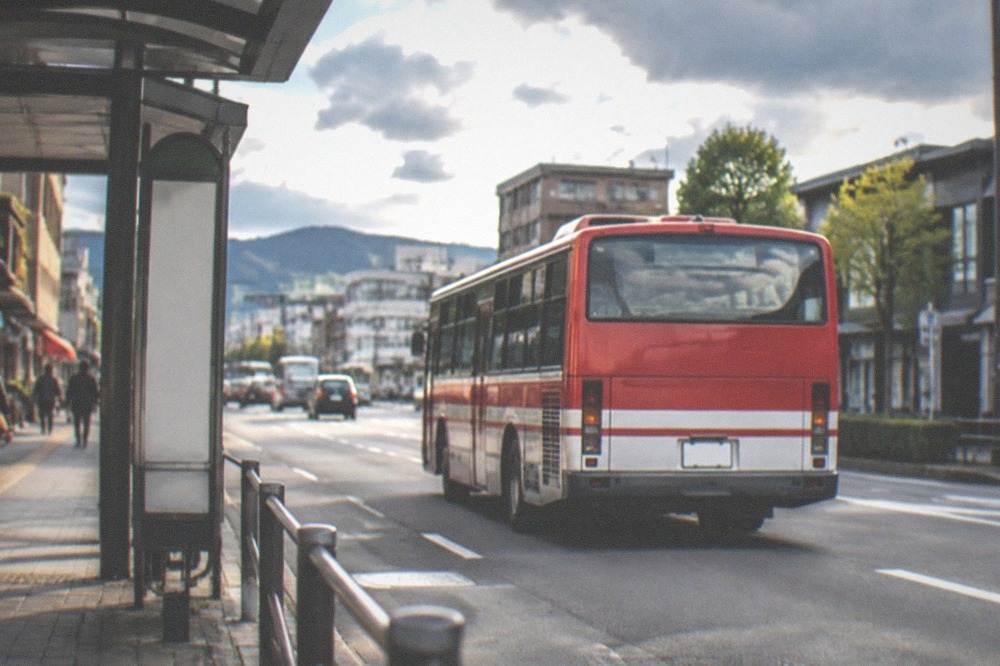
These buses exist because of the same overcrowding that killed the old bus pass. The city's transport pages describe them as express services with fewer stops, running primarily on weekends and holidays and in peak periods, connecting Kyoto Station directly to the eastern sightseeing belt where the regular buses were heaviest. For a visitor staying near Kyoto Station with a morning at Kiyomizu-dera or Ginkaku-ji planned, the EX100 is the fastest bus option in the city, and it is included in the day pass at no extra charge, which effectively raises the pass's break-even point by one ride.
The fare structure is unusual enough to notice: 500 yen is more than double the flat 230 yen regular bus fare, and it is a deliberate congestion price, not a mistake. The city's fare page confirms both the cash and IC payment options. If you are paying per ride, the EX buses are a premium product. If you hold the day pass, they are a free upgrade, and there is no reason not to use them.
The schedules shift with the seasons and the day of the week, and the city publishes current timetables on its transport pages, so check the operating days for your date rather than assuming a daily service. On a weekday in low season the EX101 in particular may not run at all, and the regular buses covering the same corridor are the fallback.
| Service | Adult fare | Child fare | Route summary | Day pass valid |
|---|---|---|---|---|
| Regular city bus | 230 yen | 120 yen | flat fare, all routes | Yes |
| EX100 express | 500 yen | 250 yen | Kyoto Station to Ginkaku-ji via Kiyomizu, Gion, Okazaki | Yes |
| EX101 express | 500 yen | 250 yen | Kyoto Station direct to the Kiyomizu side | Yes |
| Subway | 220 to 360 yen | 110 to 180 yen | Karasuma and Tozai lines, by zone | Yes |
How Do You Get From Kansai Airport To Kyoto Without A Bus Pass?
The JR West HARUKA One-way Ticket for foreign visitors costs 2,200 yen to Kyoto Station for an adult and 1,100 yen for a child, and the journey takes about 80 minutes. The regular fare is higher, so the visitor ticket is the one to buy. From Itami Airport, the Hankyu Kanko limousine bus costs 1,500 yen for an adult and 750 yen for a child, taking about 50 to 55 minutes from the station's Hachijo exit, with contactless card payment accepted since 1 March 2026.
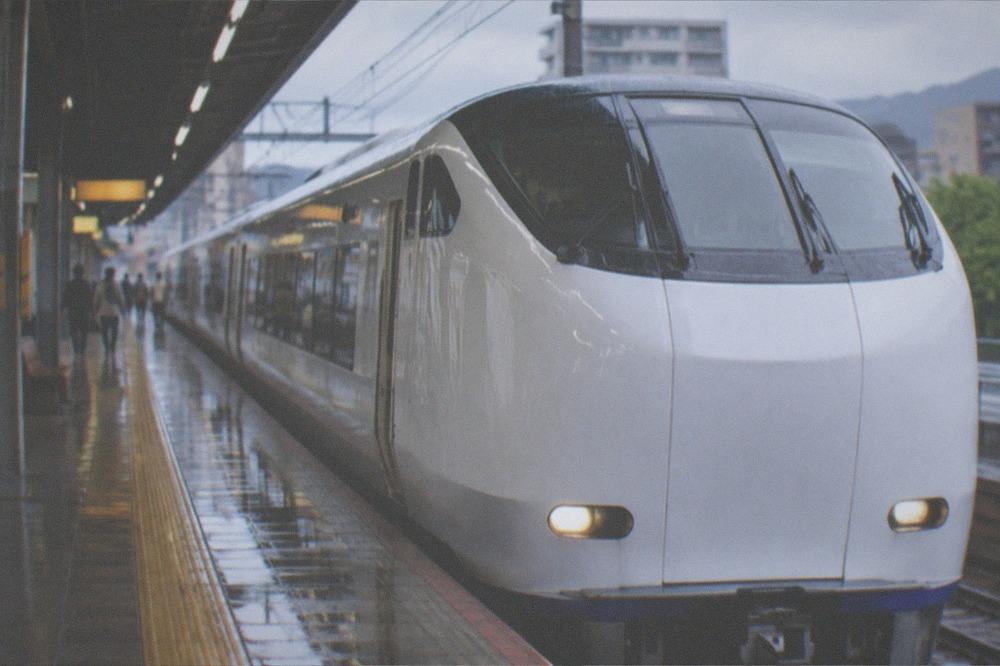
Kyoto has no airport of its own, so every itinerary starts with one of these two arrivals, and neither is covered by any city bus or subway product. The HARUKA is the default from Kansai International, and the visitor one-way ticket is the version to ask for by name, because JR West prices it well below the regular fare for foreign visitors holding a passport. The full arrival arithmetic, including where to sit and how the ticket machines handle foreign passports, is on the Kansai Airport to Kyoto guide.
From Itami, the limousine bus is the practical answer because Itami has no direct rail link to Kyoto. The operator's timetable gives the 50 to 55 minute running time and the 1,500 yen fare, and the Hachijo exit on the south side of Kyoto Station is the arrival point, which puts you directly above the Karasuma subway line for the final leg to your hotel. More of these guides are collected on Kyoto Travel Guide.
Once you are inside the city, the passes on this page take over. The airport transfers and the city network are separate purchases, and no pass in Kyoto bridges both. Visitors who try to make one product cover everything end up buying the wrong regional rail pass, a subject with its own traps on the JR Pass for Kyoto page.
Does The Kyoto Day Pass Cover Buses To Arashiyama And Fushimi Inari?
The Subway and Bus One-Day Pass covers city buses toward Arashiyama, but the JR Nara Line to Inari Station, the most convenient rail approach to Fushimi Inari, is a JR train and is not covered. The Keihan line to the Fushimi-Inari stop is a private railway and is also not covered. Fushimi Inari Taisha itself is free to enter, and the shrine's own FAQ confirms it charges no admission, so the only cost of the visit is the transport.
Arashiyama is reachable on the city network: the JR Sagano Line to Saga-Arashiyama is the fastest but is JR, while the Randen tram and city buses are covered alternatives, and the bus from central Kyoto takes longer but costs nothing extra on the pass. The honest answer for the district itself is that the tram, though charming, is slower than most visitors expect, and the walking distances inside Arashiyama are short once you arrive.
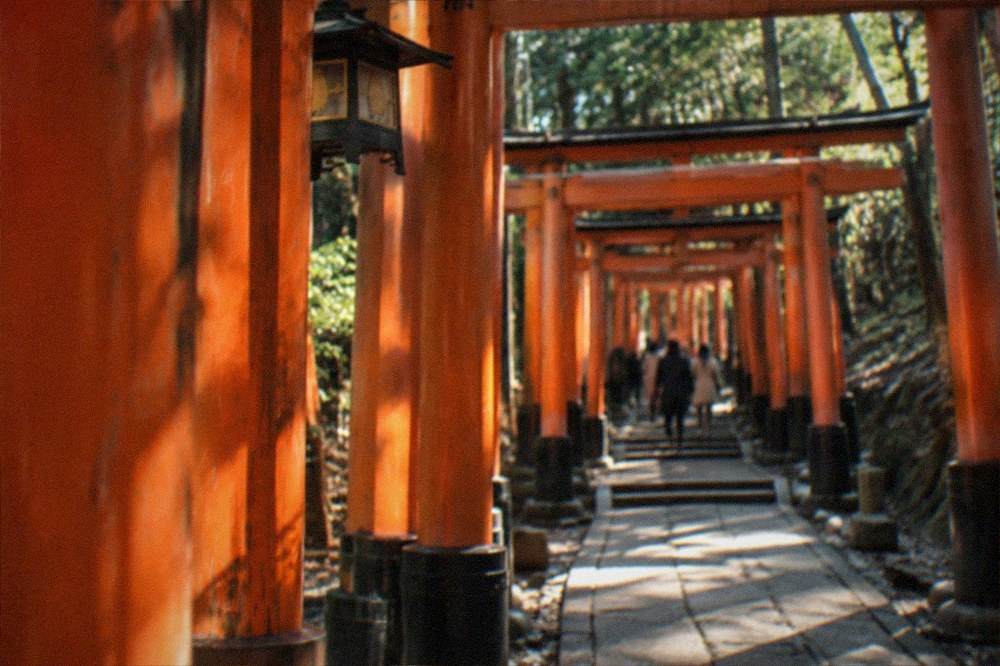
Fushimi Inari is the case that catches people. The shrine sits beside Inari Station on the JR Nara Line, a short two-stop hop from Kyoto Station, and that JR leg is not covered by the city pass. The alternative is the Keihan line to Fushimi-Inari station, a private railway, also not covered. A bus route exists but takes far longer than the train. So the standard advice is: use the pass for everything else in the day, and pay the small JR fare to Inari separately, or walk the approach from the Keihan side if the weather is kind.
The shrine's paths have no closing time, per its own published information, and admission is free, so the visit itself costs nothing. The transport is the only line item, and it is a small one. The shrine also links to the city's crowd comfort forecast from its own front page, which is worth a look before you set out, because Inariyama at midday in high season is a queue with scenery.
What Is The Cheapest Way To Get Around Kyoto For A Week?
For a week, the answer is an IC card plus day passes bought only on your heavy days, because no weekly city pass exists in Kyoto. The ICOCA card at 2,000 yen including a 500 yen refundable deposit handles every operator in the region, and the 1,100 yen day pass is added only on the two or three days when your route plan clears four rides. Buying a day pass every single day of a week is almost always more than a realistic itinerary needs.
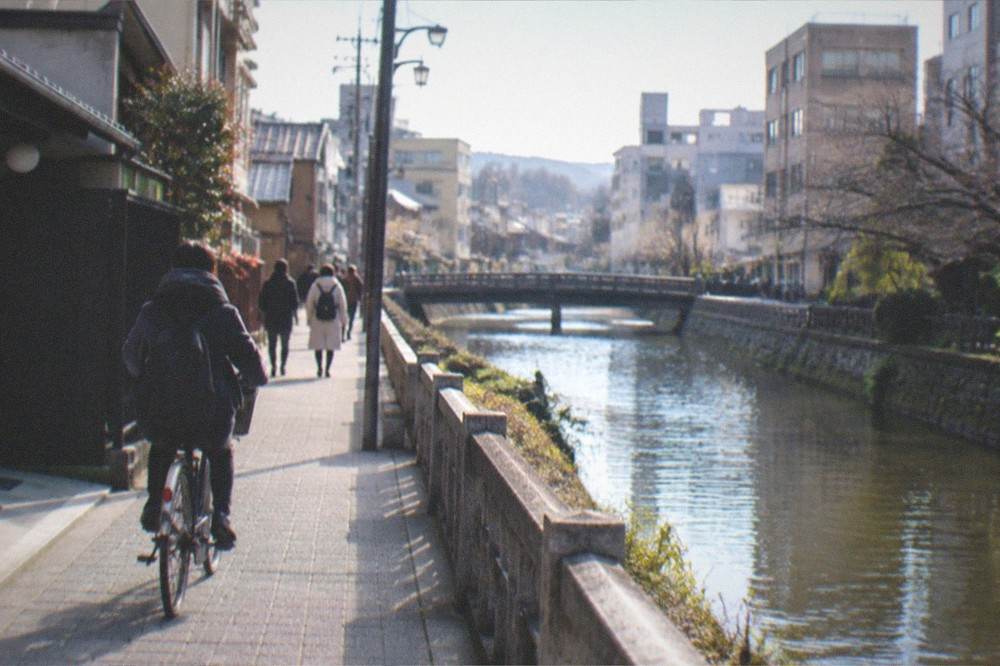
The mixed strategy works because Kyoto rewards walking more than visitors expect. The eastern temple belt from Kiyomizu-dera north to Ginkaku-ji is a single walkable corridor, the Philosopher's Path links a chain of temples on foot, and downtown Kawaramachi to Gion is a fifteen minute stroll. A realistic week has two or three heavy transit days and four or five light ones, which prices out at two or three day passes plus modest IC card spending on the walking days.
Two alternatives change the maths entirely. Bicycles are a serious option in Kyoto, flat and grid-planned, and the Kyoto bike rental guide covers where and for how much. And the subway itself, two lines but fast and punctual, is documented stop by stop on the Kyoto subway guide. A visitor who combines walking, two day passes and a bike day often spends less on transport for the whole week than a car-heavy plan would cost in fuel alone.
For the budget as a whole, the Kyoto trip cost guide puts transport in context against accommodation, the temple admission fees, which changed at two sites in 2026, and food. Transport is rarely the line item that decides a Kyoto budget; it is the line item that is easiest to get wrong in small, repeated amounts.
Should You Take A Guided Bus Tour Instead Of Using The Pass?
A guided bus tour makes sense when you want Kyoto's spread-out highlights in one day without route planning, because the city's big sights, Kinkaku-ji in the north-west, Arashiyama in the west and Fushimi Inari in the south-east, do not sit on one convenient line. The Perfect Kyoto 1-Day Bus Tour runs 8 to 9 hours from about 102 dollars, is rated 4.9 across 17,054 reviews, and includes transport between the sights, which removes the pass arithmetic from the day entirely.
The comparison is honest in both directions. The day pass plus your own navigation costs 1,100 yen plus temple admissions and gives you full control of timing, at the price of reading bus maps in a foreign script and losing time to transfers. The guided bus tour costs roughly a hundred times the pass but bundles the routing, the commentary and the admission logistics, and for a single day in Kyoto, especially a first day, many visitors value the recovered hours more than the saved yen.
The private version of the same idea, a full-day custom tour with a guide and vehicle, is the upgrade path when the group is four or more, because a private car reaches places the buses serve badly, such as the northern Higashiyama temples or a Kurama-and-Kibune day. And for a day built around one region rather than the whole city, the Kyoto buses guide explains the individual routes across the eastern sights.
Common Questions About The Kyoto Bus And Subway Pass
What Happened To The Kyoto One-Day Bus Pass, And What Replaced It?
Sales of the bus-only one-day pass ended at the end of September 2023 and the last day of use was 31 March 2024. The Kyoto City Transportation Bureau replaced it with the Subway and Bus One-Day Pass at 1,100 yen for adults and 550 yen for children, covering all city buses and both subway lines. The bureau said about 90 percent of the old pass's buyers were visitors, and the pass concentrated them on crowded resident buses.
Can I still buy the Kyoto bus-only one-day pass anywhere?
No. The product was withdrawn from sale at the end of September 2023 and stopped being valid on 31 March 2024. Any shop, website or hotel that offers to sell you one is selling something that no longer exists, and any guide recommending it is out of date.
Does the Subway and Bus One-Day Pass cover the JR trains in Kyoto?
No. The pass covers the city's two subway lines and the city buses only. JR lines, including the Nara Line to Inari Station for Fushimi Inari and the Sagano Line to Arashiyama, and private railways such as Keihan and Hankyu, charge separately. An IC card handles all of them.
Is the Kyoto day pass worth it for one day?
It pays for itself at four or more rides, since a bus ride is a flat 230 yen and subway rides run 220 to 360 yen by zone. A classic sightseeing day crossing the city two or three times clears that easily. A day spent walking one neighborhood does not, and an IC card is cheaper.
Do children pay for the Kyoto day pass?
Children aged 6 to 11 pay 550 yen for the Subway and Bus One-Day Pass, half the adult price, and under-6s ride free when accompanied. A child's pass breaks even at about three bus rides, so on a sightseeing day it is nearly always worth buying.
Does the day pass work on the airport buses or the HARUKA train?
No. The airport transfers are separate operators: the JR West HARUKA One-way Ticket for foreign visitors costs 2,200 yen from Kansai International to Kyoto, and the Itami limousine bus costs 1,500 yen. The city day pass begins and ends inside the city network.
For a day that leaves Kyoto entirely, the pass question changes shape. The day trips from Kyoto guide covers the rail fares to Nara, Uji and beyond, none of which the city pass touches, and the Nara comparison weighs whether the deer park belongs on a Kyoto transit day at all.
The Short Version
The bus-only pass is dead and it is not coming back; the city's own numbers made its retirement inevitable. The Subway and Bus One-Day Pass at 1,100 yen is the successor, it is better designed for how Kyoto actually wants visitors to move, and it covers the express buses that were built to solve the very crowding the old pass caused. Buy it on your big sightseeing days, carry an ICOCA on your small ones, and pay the small JR fare to Inari without resentment.
Check any source that still prints a 700 yen bus pass against the calendar, because that source is describing a Kyoto that has not existed since March 2024. The current product, the current prices and the current express buses are all on the city's own transport pages, and they are the only versions worth planning around.