Kyoto Subway Guide: Two Lines, Fares and Passes Explained
Kyoto's subway is small, two lines and one useful interchange, and it beats the buses at rush hour. Here is what it costs, where it goes and which pass to buy.
Short answer
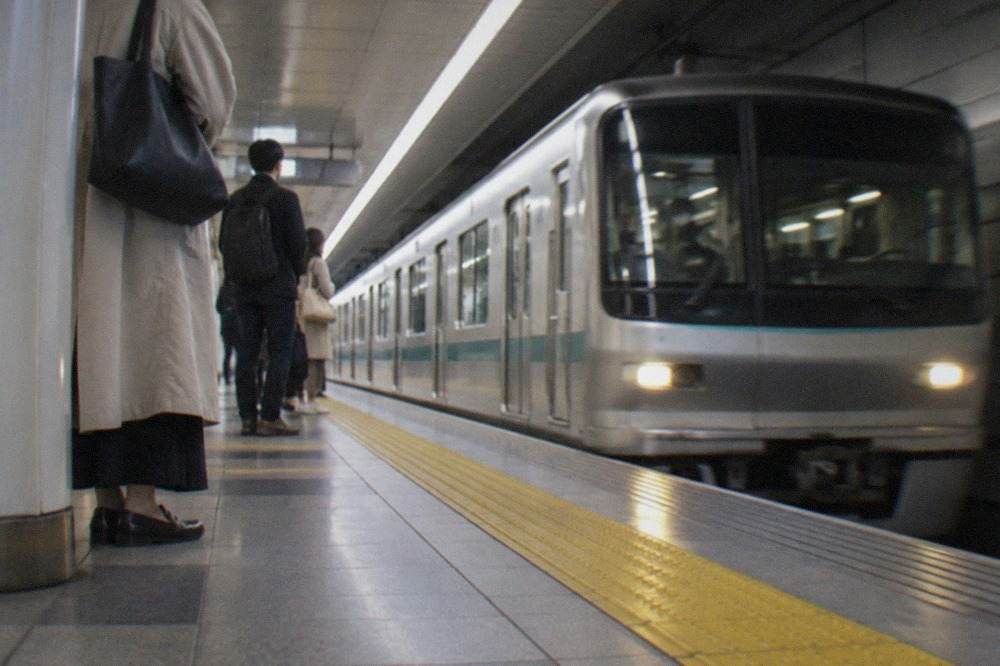
Kyoto has two subway lines, the north-south Karasuma Line and the east-west Tozai Line, which cross at Karasuma Oike Station. Fares run 220 to 360 yen by zone, and the Subway and Bus One-Day Pass costs 1,100 yen.
Kyoto's subway is the quiet winner of the city's transport mess. The city's own transport bureau runs just two lines, but they cut cleanly across the grid that the buses crawl through, and in a city that drew a record 62.79 million visitors in 2025, per the city's June 2026 survey release, that matters more than any sightseeing tip. The buses carry the crowds; the subway carries the people who planned.
This guide covers the two lines and their interchange, every fare the city publishes, the pass math that decides whether a day pass pays off, and how the subway fits with the airport trains, the tourist express buses and the IC card you will end up using anyway. For the wider picture of combining trains and buses into a sightseeing plan, see things to do in Kyoto, and for the deeper pass comparison, our Kyoto bus and subway pass guide breaks the arithmetic down line by line.
How Many Subway Lines Does Kyoto Have And Where Do They Cross?
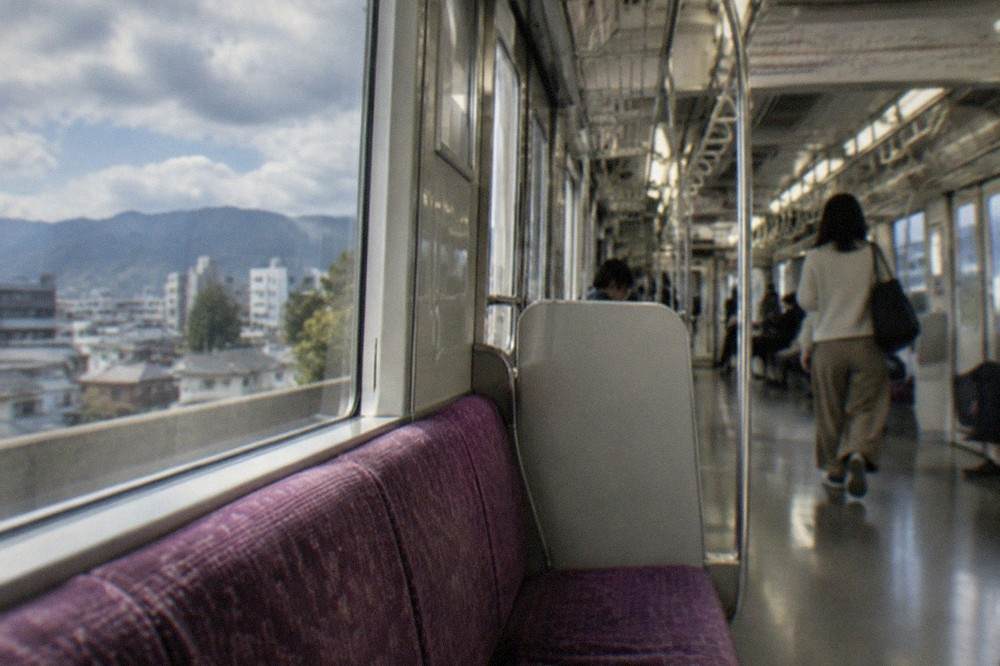
Kyoto has exactly two subway lines: the Karasuma Line, which runs north to south through Kyoto Station and the city centre, and the Tozai Line, which runs east to west along the middle of the city. The two lines cross at a single interchange, Karasuma Oike Station, which sits at the corner of Karasuma-dori and Oike-dori and is the only place in Kyoto where you can change between them without leaving the paid area.
The Karasuma Line is the older of the two and the one most visitors touch first, because its southern terminus is Kyoto Station itself. It runs from Takeda in the south, through Kyoto Station, Shijo, Karasuma Oike and Kitaoji, up to Kokusaikaikan in the north, which serves the Kyoto International Conference Center. The line is the spine of the city: nearly every major hotel district and the downtown shopping streets sit within a few minutes' walk of one of its stops.
The Tozai Line is the sightseeing line, and it is newer, deeper and quieter. It starts at Uzumasa Tenjingawa in the west, near the Toei Kyoto Studio Park and the Kyoto Railway Museum area, then runs east through Nijo, Karasuma Oike, Sanjo Keihan and Higashiyama before ending at Rokujizo in the southeast. Several of its stations sit closer to the eastern temple belt than any bus stop does, and it is the only rail link that puts you within reasonable walking distance of both the Kyoto Station area and downtown without a transfer.
One interchange for the whole network sounds like a weakness, and at peak times Karasuma Oike does get busy. In practice it is a strength: you can never get lost in the Kyoto subway, because every trip either stays on one line or changes once, at a station whose name is written in large friendly letters on every platform sign. The station also has staffed gates, escalators to street level and one of the clearest bilingual signage systems in the country.
| Line | Direction | Key stations | What it serves |
|---|---|---|---|
| Karasuma Line | North to south | Kyoto, Shijo, Karasuma Oike, Kitaoji, Kokusaikaikan | Kyoto Station, downtown shopping, city hall, conference center |
| Tozai Line | East to west | Uzumasa Tenjingawa, Nijo, Karasuma Oike, Sanjo Keihan, Higashiyama, Rokujizo | Nijo-jo Castle, downtown east side, Gion riverside, eastern temples |
The two-line shape also explains the pass math later in this guide. Because the network is compact, most trips cost the minimum 220 yen fare, and a day pass only pays off when you ride three or more times or combine the subway with the buses. That arithmetic, with the actual prices, is in the fare section below.
What Does the Kyoto Subway Cost?
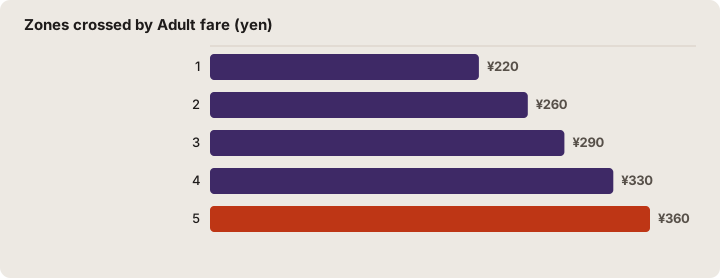
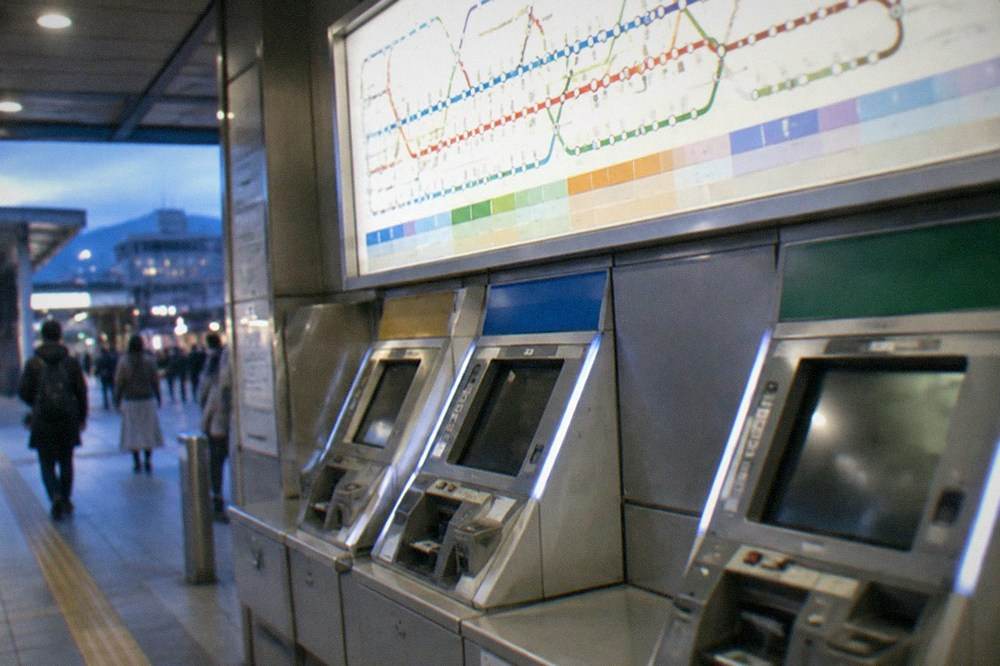
A single adult subway ride in Kyoto costs 220, 260, 290, 330 or 360 yen depending on how many zones you cross, with child fares at 110, 130, 150, 170 and 180 yen for the same five zones. The city's transport bureau publishes these fares on its fare page, and every station's fare chart above the ticket machines shows the same five steps. Most single-station hops in the city centre cost the 220 yen minimum.
The zone system is distance based, not line based. A short hop from Shijo to Karasuma Oike, one stop on the Karasuma Line, is the minimum fare. A long ride from Takeda at the southern end of the Karasuma Line to Kokusaikaikan at the northern end crosses more zones and lands at the 360 yen top of the scale. The Tozai Line works the same way: Uzumasa Tenjingawa to Rokujizo is one of the few journeys that reaches the top step.
| Zones crossed | Adult fare | Child fare (6-11) |
|---|---|---|
| 1 | 220 yen | 110 yen |
| 2 | 260 yen | 130 yen |
| 3 | 290 yen | 150 yen |
| 4 | 330 yen | 170 yen |
| 5 | 360 yen | 180 yen |
Children under six ride free with an adult. The fares are flat across both lines and there is no peak or off-peak pricing, which makes budgeting simple: even a full-length round trip on the longest corridor costs each adult no more than the 360 yen top fare each way, and most days come in well under that.
Paying is straightforward. Every station has ticket machines that take cash and IC cards, and the gates take ICOCA, Suica and the other ten Japanese IC cards without any setup. Our ICOCA card guide covers the card itself: it costs 2,000 yen including a 500 yen deposit, and it works on the subway, the buses, JR and the private railways in the region. If you are riding more than twice a day, skip the paper tickets entirely and tap in.
One honest caveat: the subway does not reach every major sight. Kinkaku-ji, Ginkaku-ji, Fushimi Inari Taisha and the Arashiyama bamboo grove all sit beyond walking distance of any subway station, which is why the bus network and the tourist express buses still matter. The subway is the fast skeleton of a Kyoto transport plan, not the whole body, and the section on buses below covers the connections.
For a first day of temple-hopping that covers the sights the subway cannot reach, the Fushimi Inari, Kinkakuji and Bamboo Grove 1-Day Bus Tour bundles the three headline sights into one loop with transport handled, which pairs well with a subway-based hotel location.
Which Kyoto Subway Pass Should You Buy?
The Subway and Bus One-Day Pass costs 1,100 yen for adults and 550 yen for children, and it covers unlimited rides on both subway lines plus all city buses, so it pays for itself after roughly three subway rides or four bus rides. The Subway One-Day Pass, subway only, is 800 yen for adults and 400 for children. Both are sold at subway station offices and pass machines.
The pass decision comes down to one question: are you riding the buses? The subway-only pass at 800 yen breaks even after four minimum-fare rides, which is a lot of subway for one day in a two-line city. Most visitors manage two or three subway trips a day, which means the subway-only pass usually loses money.
The combined pass at 1,100 yen is the one the city actually wants visitors to buy, and it is the successor to a product that no longer exists. The old bus-only one-day pass was abolished: sales ended at the end of September 2023 and the last day of use was 31 March 2024, according to the city's transport bureau, which noted at the time that most buyers were non-residents and that the pass concentrated tourists on already-crowded buses. Any guide still recommending a 700 yen bus pass is several years out of date.
| Product | Adult | Child | Covers | Break-even |
|---|---|---|---|---|
| Single subway fare | 220-360 yen | 110-180 yen | One ride | - |
| Subway One-Day Pass | 800 yen | 400 yen | Subway only | 4+ subway rides |
| Subway and Bus One-Day Pass | 1,100 yen | 550 yen | Subway + city buses | 3 subway rides or 5 bus rides |
| ICOCA card | 2,000 yen (500 deposit) | - | Pay as you go, all operators | Never, but flexible |
The break-even column deserves a caveat: it assumes minimum-fare rides. A day that mixes a long Karasuma Line ride with a cross-town Tozai trip and a bus back to the hotel can clear the combined pass with three rides. A day spent walking between Kyoto's temples in one district, with a single subway ride home, does not need any pass at all.
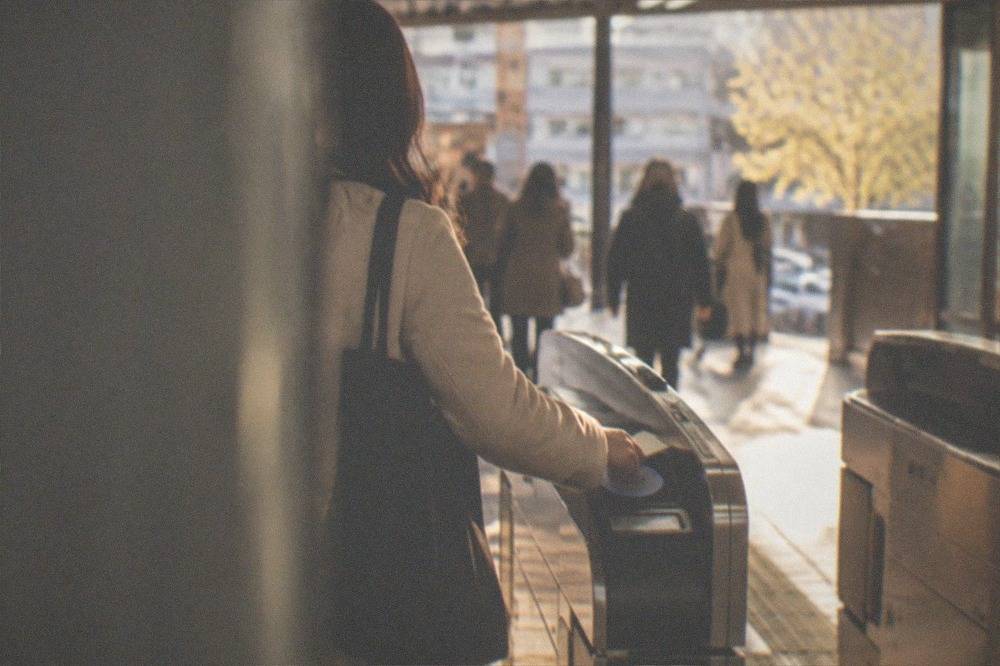
The passes are date-stamped on first use, not at purchase, so you can buy one the evening before and start it the next morning. They are also accepted on the EX100 and EX101 tourist express buses, which run 500 yen per adult ride in cash, per the city's transport site, so a combined pass holder can ride those without paying the express supplement separately.
If your first subway ride is from Kyoto Station with luggage after a long flight, a private transfer from the airport to your hotel door removes the worst leg of the journey before the subway takes over for the rest of the stay.
Where Do the Kyoto Subway Lines Actually Take You?
The Karasuma Line connects Kyoto Station, downtown Shijo, the city hall and Oike district, and the northern conference center area, while the Tozai Line connects Nijo-jo Castle, downtown's east side, the Kamo River bridges, the Higashiyama temple belt and Rokujizo in the southeast. Between them, the two lines put most of central Kyoto within a ten-minute walk of a station.
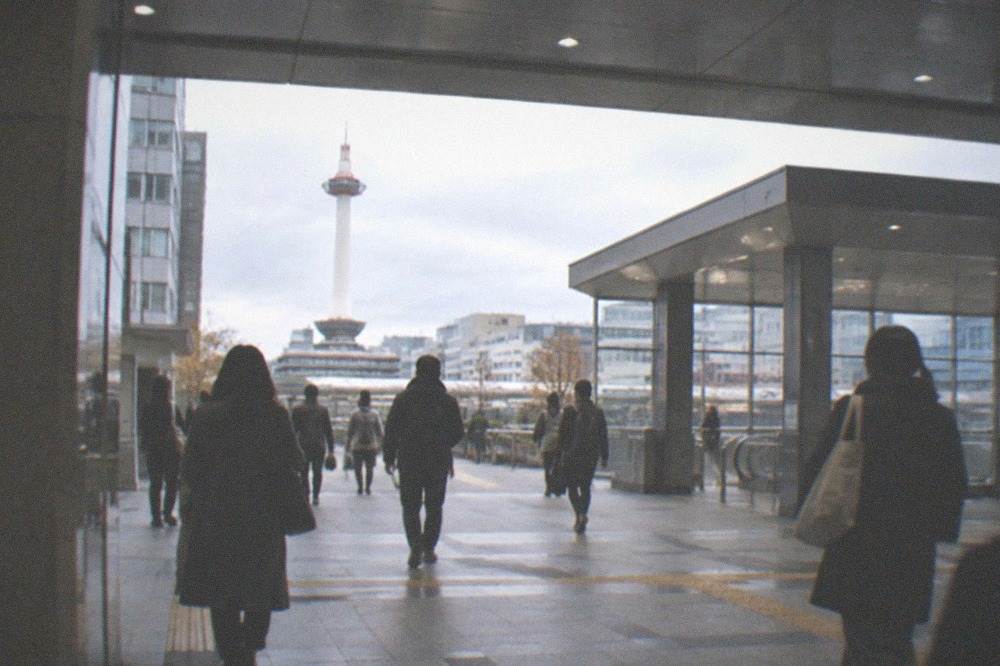
Start at Kyoto Station, because most visitors do. The Karasuma Line concourse sits directly under the station's central exit, and the first thing to know is that Kyoto Station itself is a destination: the Kyoto Station area guide covers the rooftop plaza, the ramen floors and the shopping that fills the time between trains. One stop north is Shijo, the downtown core, where the line meets the Hankyu railway and the department stores begin.
Karasuma Oike, two stops from the station, is the interchange and the practical centre of the network. The Tozai Line platforms sit deeper below the Karasuma ones, connected by escalators, and the station exits put you at the door of the Kyoto International Manga Museum, a short walk from Nishiki Market and the Kyoto shopping streets.
Heading west on the Tozai Line, Nijo Station serves Nijo-jo Castle, the shogun's residence where Tokugawa Yoshinobu announced the return of authority to the Emperor in October 1867, as the castle's own history page records. Two stops further is Uzumasa Tenjingawa, useful for the Toei Kyoto Studio Park and the Kyoto Railway Museum district. The wider set of guides lives on Kyoto Travel Guide.
Heading east instead, Sanjo Keihan sits at the west end of the Sanjo bridge over the Kamo River, the traditional boundary between downtown and Gion. Higashiyama Station is the deepest station in the network and exits directly into the eastern temple belt, a flat ten-minute walk from the southern end of Higashiyama's slopes. Rokujizo, the eastern terminus, connects to the JR and Keihan lines toward Uji.
| Station | Line | Within walking distance |
|---|---|---|
| Kyoto | Karasuma | Kyoto Station, Kyoto Tower, rail connections |
| Shijo | Karasuma | Downtown shopping, Hankyu line, Nishiki Market west end |
| Karasuma Oike | Both | City hall, Manga Museum, Oike-dori |
| Nijo | Tozai | Nijo-jo Castle |
| Sanjo Keihan | Tozai | Kamo River, Pontecho, downtown east |
| Higashiyama | Tozai | Eastern temples, Heian Shrine approach |
| Kitaoji | Karasuma | Kitayama street, northern bus hub |
| Kokusaikaikan | Karasuma | Kyoto International Conference Center |
The stations the subway does not serve are the ones every itinerary wants: Kiyomizu-dera, Gion's Hanamikoji, the Philosopher's Path, Kinkaku-ji and Arashiyama all need a bus, a train on another operator or a substantial walk. That is not a flaw in the network so much as the shape of the city, whose famous sights cluster in belts between the rail corridors. Plan the subway as the trunk and the buses as the branches, and the two-line map stops feeling small.
How Does the Kyoto Subway Compare With the City Buses?
The subway is faster and more predictable, while the buses reach more sights; a city bus ride costs a flat 230 yen for adults and 120 for children, against the subway's 220 to 360 yen by zone, and the buses are the ones that get stuck in Kyoto's traffic. The city's transport bureau has spent 2025 and 2026 adding tourist express buses and promoting luggage delivery specifically because the bus network is congested.
The flat bus fare is the honest starting point. Buses cost the same 230 yen whether you ride two stops or across the city, which makes them cheaper than most long subway rides and easier to budget. The trade is time: Kyoto's central streets move slowly at peak, and the same corridor the subway covers in four minutes can take a bus twenty.
The city knows this. Its 2025 and 2026 overtourism measures, published on the city's own transport pages, added the EX100 and EX101 tourist express buses linking Kyoto Station to the Kiyomizu side, Gion, Heian Shrine and Ginkaku-ji with fewer stops, at 500 yen per adult ride in cash, with IC cards accepted. The EX101 runs from Kyoto Station to the Kiyomizu side every 7 to 8 minutes in the morning on operating days, per the city's transport site. The hands-free luggage delivery scheme, promoted citywide, exists for the same reason: buses jam when suitcases board with them.
| Factor | Kyoto subway | Kyoto city bus |
|---|---|---|
| Fare | 220-360 yen by zone | Flat 230 yen |
| Speed in traffic | Unaffected | Slow at peak |
| Coverage | Central corridor only | Nearly all sights |
| Luggage friendliness | Good | Poor, drivers may refuse bulky bags |
| Crowding at rush hour | Busy but moving | Standing room only |
| Express option | N/A | EX100/EX101, 500 yen |
The practical rule that follows: use the subway for distance and the buses for the last kilometre. A trip from Kyoto Station to the Higashiyama temple belt is faster as an EX101 express or a subway ride to Higashiyama Station plus a walk; a trip between two sights inside one district is usually a short bus hop or simply a walk. The combined one-day pass exists precisely because the two networks complement each other rather than compete.
For visitors who would rather not solve the bus-plus-subway puzzle at all, the Samurai Ninja Museum skip-the-line ticket is a reminder that some indoor sights need no transport planning, sitting downtown within walking distance of the Karasuma Line's Shijo Station.
One rail trip the subway cannot replace is the Sagano Romantic Train out in Arashiyama, where a reserved ticket from 880 yen one way is the way to guarantee a seat on the scenic gorge run.
How Do You Get From Kansai Airport Onto the Kyoto Subway?
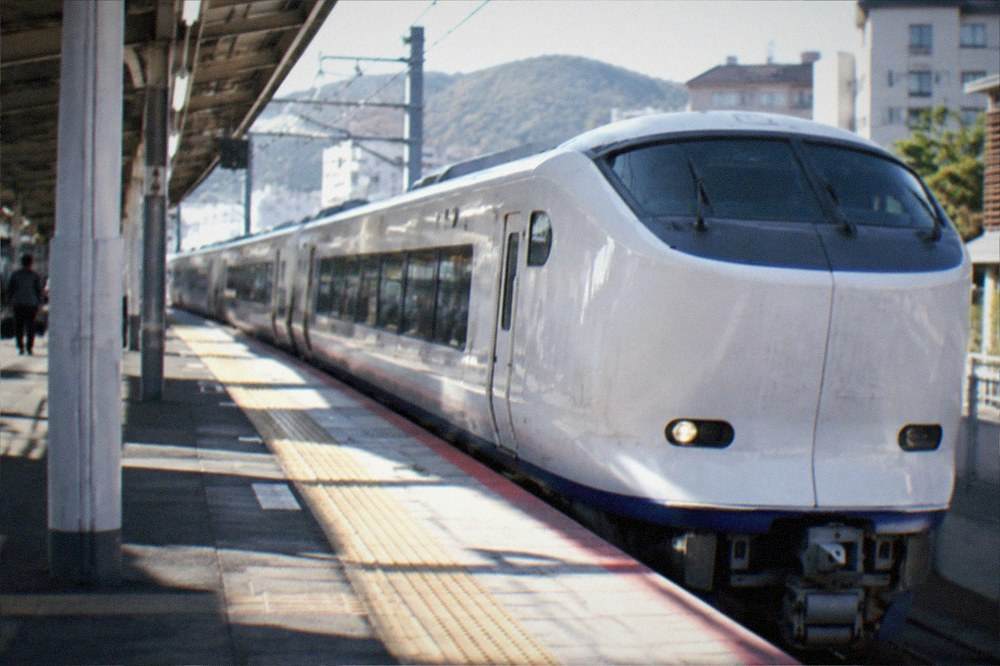
Kyoto has no airport of its own; the default rail link from Kansai International is the JR HARUKA express, whose foreign-visitor one-way ticket costs 2,200 yen to Kyoto Station for adults and 1,100 yen for children, per JR West's own product page, with the journey taking about 80 minutes. From Itami Airport, the Hankyu Kanko limousine bus costs 1,500 yen adult and 750 yen child, about 50 to 55 minutes to Kyoto Station's Hachijo exit.
The HARUKA ticket deserves its full product name because it is a specific fare, not the regular one. JR West's page prices the "HARUKA One-way Ticket" for foreign visitors at 2,200 yen to Kyoto, and it is bought with a passport or exchange order. The regular non-reserved fare is higher, around 3,060 yen, but that figure is not printed on a JR West fare page we could verify, so treat the visitor ticket as the price to plan around. The ride takes about 80 minutes.
From Kyoto Station, the subway takes over immediately: the Karasuma Line concourse is inside the station complex, one level down from the central concourse, and a train leaves every few minutes. A visitor landing at Kansai International in the morning can be standing at a downtown hotel check-in desk within two hours of clearing customs.
| Route | Fare | Time | Operator |
|---|---|---|---|
| Kansai International to Kyoto Station | 2,200 yen adult / 1,100 child (visitor ticket) | about 80 minutes | JR West HARUKA |
| Itami Airport to Kyoto Station | 1,500 yen adult / 750 child | 50-55 minutes | Hankyu Kanko Bus |
| Kyoto Station to downtown by subway | 220 yen | 3-4 minutes | Kyoto subway |
The Itami route lands at the Hachijo exit on the south side of Kyoto Station, which means a short walk through the station to reach the subway concourse, with escalators and elevators the whole way. Contactless card payment has been accepted on those limousine buses since 1 March 2026, per the operator's timetable page, so the exact-fare anxiety of older bus trips is gone.
For travellers who want the airport leg handled without any rail transfer at the end, a private transfer from Kansai International to a Kyoto hotel door is the alternative, and it is the one leg of a Kyoto trip where door-to-door genuinely beats a train, particularly with a family, ski-season luggage or a late arrival.
The JR West Kansai Area Pass, at 2,800 yen for one day, is a separate product aimed at regional day trips rather than the airport run, and it only makes sense alongside a plan to ride JR repeatedly outside the city.
Is the Kyoto Subway Easy For First-Time Visitors?
Yes: the Kyoto subway has bilingual Japanese and English signage on every platform, gate and ticket machine, announcements in both languages on all trains, only two lines to learn, and a single interchange at Karasuma Oike, which makes it one of the least confusing metro systems in Japan. Stations also carry station numbers with letter prefixes, K for Karasuma and T for Tozai, so navigation works even without reading any Japanese.
The letter and number system is the thing to learn first. Karasuma Line stations run K01 to K15 from Takeda northward, and Tozai Line stations run T01 to T17 from Uzumasa Tenjingawa eastward. Kyoto Station is K11; Karasuma Oike is K08 and T10 at once, and that double code is printed on every map in the system. Signs give the next station's number as well as its name, which settles the "is this my stop" question before the doors open.
Accessibility is better than the network's age suggests. Every station has at least one elevator from street to gate to platform, the newer Tozai Line stations have platform screen doors, and the trains have priority seating near every door. The city publishes an accessibility page for each station on its transport site, and the subway is the recommended mode for wheelchair users precisely because it avoids the bus boarding gap.
Rush hour runs roughly 8:00 to 9:00 and 17:30 to 19:00 on weekdays, and the trains are commuter-dense but nothing like Tokyo. The first trains start around 5:30 and the last ones pass through the central section shortly after midnight; the city's timetable page has the exact first and last departure for each station, and late-night visitors should check it rather than trust a general closing time, because the two lines differ.
A few honest habits make the system painless. Stand left on the escalators, let passengers off before boarding, keep phone calls short and quiet, and set a backpack on your front or a luggage rack when the car is full, which is standard etiquette across Japanese rail. None of it is policed on the subway; all of it is noticed. Our wider Kyoto etiquette guide covers the temple and shrine rules that matter beyond the turnstiles.
For a first visit built around the subway as its trunk, the one day in Kyoto itinerary pairs the Karasuma and Tozai lines with the bus hops that reach the sights the rails do not, and it is a sensible shape to copy even if you swap the sights.
Between subway rides, a tea ceremony session near a downtown station makes a natural anchor for the middle of the day, and the Jotokuji Temple ceremony is one of the most-booked in the city.
Common Questions About the Kyoto Subway
How Many Subway Lines Does Kyoto Have And Where Do They Cross?
Kyoto has two subway lines, the Karasuma Line running north to south and the Tozai Line running east to west. They cross at exactly one interchange, Karasuma Oike Station, in the centre of the city.
How much is a single Kyoto subway ride?
Adult fares run 220, 260, 290, 330 or 360 yen depending on the zones crossed, with child fares from 110 to 180 yen. Most short city-centre trips cost the 220 yen minimum.
Does the Kyoto subway take IC cards like ICOCA?
Yes. ICOCA, Suica and the other Japanese IC cards work at every subway gate and ticket machine. An ICOCA card costs 2,000 yen including a 500 yen deposit.
Is there still a bus-only one-day pass in Kyoto?
No. Sales of the bus-only pass ended in September 2023 and the last day of use was 31 March 2024. The current product is the Subway and Bus One-Day Pass at 1,100 yen for adults and 550 yen for children.
Can the Kyoto subway reach Fushimi Inari or Arashiyama?
Not directly. Fushimi Inari Taisha is best reached by the JR Nara Line from Kyoto Station, and Arashiyama by the JR Sagano Line or the Hankyu line, often combined with a subway ride to the transfer station.
What time does the Kyoto subway stop running?
Trains start around 5:30 and the last departures pass through the central section shortly after midnight, with the exact first and last times differing by station and line. Check the city transport bureau's timetable page for your specific station.
The Kyoto subway will never be the reason you visit, but it is the reason a packed itinerary stays on schedule. Two lines, one interchange, fares from 220 yen and a pass at 1,100 yen that covers the buses too: learn that much before you land, and the city opens up faster than any bus timetable ever will.