One Day In Kyoto: The Fushimi Inari, Kiyomizu-dera And Gion Route
One well-sequenced day in Kyoto can cover Fushimi Inari, Kiyomizu-dera and Gion, because all three sit on the same eastern side of the city and the transit between them is short. This itinerary uses only fees, hours and fares this site has verified on official pages, so the numbers here are the numbers you will actually pay.
Short answer
Yes. Fushimi Inari, Kiyomizu-dera and Gion fit comfortably in one day because they line up along Kyoto's eastern edge. Start at Fushimi Inari at dawn, walk down to Kiyomizu-dera through Higashiyama, then finish with the evening in Gion. Entry to Fushimi Inari is free, Kiyomizu-dera charges 500 yen, and Gion is a public district you simply walk.
Kyoto drew a record 62.79 million visitors in 2025, the city's own tourism survey released in June 2026 reports, and most of them compressed their sightseeing into the same handful of eastern landmarks. That is the honest reason a one day plan needs sequencing rather than enthusiasm: the crowds are not evenly spread across the day, and the sites are not evenly spread across the city. The good news is that the three most requested names, Fushimi Inari, Kiyomizu-dera and Gion, sit on one corridor along Kyoto's eastern edge, so a single well-ordered day covers them without a single wasteful crossing of town.
This page builds that day from figures this site has verified on the operators' own pages: the shrine's own FAQ for Fushimi Inari, the temple's own notice boards for fees, the city transport bureau for fares. Where a number is not verified, you will not find it here. For the wider picture of what the city holds, start with the full Kyoto attractions roundup and the first-time visitor primer. This article is part of Kyoto Travel Guide, where every fee and hour is checked against the venue's own page before it is printed.
Can You See Fushimi Inari, Kiyomizu-dera And Gion In One Day In Kyoto?
Yes, and it is the single most natural one day route in the city, because all three sit on Kyoto's eastern side and the transit between them is short. Fushimi Inari is free to enter and its paths have no closing time, Kiyomizu-dera opens at 6:00 daily and charges 500 yen, and Gion is a public walking district that is at its best after dark. The order that works is shrine first, temple second, district last, which follows both the light and the closing windows.
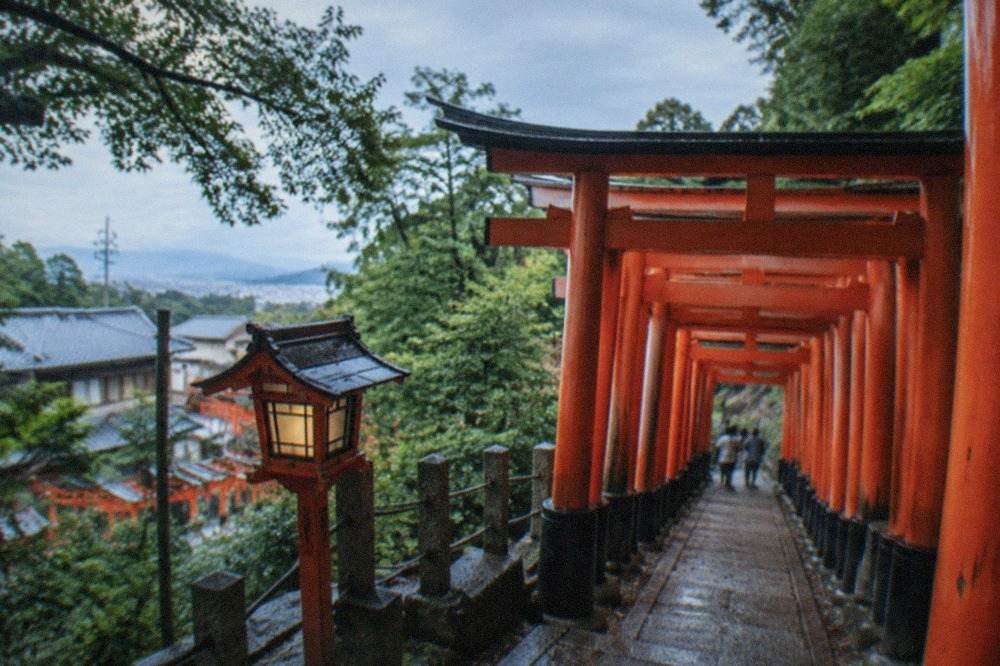
The geography is the argument. Fushimi Inari Taisha sits at the southern end of the Higashiyama ridge, Kiyomizu-dera sits roughly two kilometres north of it on the same slope, and Gion lies at the foot of that slope between the two. You are never backtracking. The shrine's own FAQ states that there are about 10,000 torii of all sizes across the whole mountain, a detail worth getting right because almost every competing guide wrongly puts that count inside the Senbon Torii tunnel alone.
The day also follows the fee structure sensibly. The free site is the one that rewards the most time and the earliest start; the paid temple is the one with a fixed closing time; the district costs nothing and improves as the evening arrives. If you want the deeper background on each stop, the Fushimi Inari guide and the Kiyomizu-dera guide carry it.
What Does One Day In Kyoto Actually Cost?
A solo adult doing this route pays roughly 800 to 1,300 yen in admissions and 500 to 1,000 yen in local transit, before food. The only entrance fee on the core route is Kiyomizu-dera at 500 yen, which is single source: the temple does not print the figure itself. Add the 230 yen flat city bus fare or a 1,100 yen Subway and Bus One-Day Pass, plus whatever you spend at the food stalls and shops along the way.
The fee picture matters more in 2026 than it did a year ago, because two temples changed their pricing. Ginkaku-ji doubled its admission to 1,000 yen from 1 April 2026, and Tofuku-ji revises on 1 November 2026 with a new 1,000 yen combined ticket. Neither is on this core route, but if you swap either in, budget accordingly. The table below sets out the verified figures for the sites a one day visitor is most likely to consider.
| Site | Adult admission | Notes |
|---|---|---|
| Fushimi Inari Taisha | Free | The shrine publishes no fee anywhere on its site |
| Kiyomizu-dera | 500 yen | Single source; the temple does not print it |
| Gion, Pontocho, Philosopher's Path | Free | Public streets, no admission |
| Kinkaku-ji | 500 yen | Fee set 1 April 2023 |
| Ginkaku-ji | 1,000 yen | Doubled from 500 on 1 April 2026 |
| Nijo-jo Castle | 800 yen | 1,300 yen with Ninomaru-goten Palace |
| Kodai-ji | 800 yen | 1,200 yen combined with Entoku-in |
| Nanzen-ji Hojo garden | 600 yen | Sanmon gate 600 yen, ticketed separately |
Transit is the other line item. The city bus flat fare is 230 yen for adults and 120 yen for children aged 6 to 11, per the city transport bureau. The Subway and Bus One-Day Pass costs 1,100 yen for adults and 550 yen for children, and it pays for itself at five bus rides, which a day like this can easily reach. The old bus-only one-day pass no longer exists; sales ended in September 2023 and its last day of use was 31 March 2024. The bus and subway pass guide works through the arithmetic in detail.
| Ticket | Adult | Child | When it pays off |
|---|---|---|---|
| Single city bus ride | 230 yen | 120 yen | Any single trip |
| Subway ride, zones 1-5 | 220-360 yen | 110-180 yen | Short hops |
| Subway and Bus One-Day Pass | 1,100 yen | 550 yen | 5 or more bus rides |
| Tourist express EX100 / EX101 | 500 yen | 250 yen | Kyoto Station to Gion or Kiyomizu side |
If your day ends up lighter on transit, the budget picture still holds up well, because the free side of this city is unusually generous: the shrine, the palace grounds, the market lanes and the riverside walks all cost nothing at all.
Why Does The Day Have To Start At Fushimi Inari?
Because Fushimi Inari is the one stop on this route with no closing time and no fee, so it is the only site that can absorb both the earliest and the latest hours of your day, and because its crowds build through the morning in a way the city's own comfort forecast tracks. The shrine's paths have no published closing time, which means a dawn start is always available to you, and the torii tunnels are at their most photographed state, empty, only in the first hours after light.
The shrine's own history gives the place its weight. Inari Okami was enshrined on Inariyama, a 233 m hill, on the first Day of the Horse of the second month of 711, at the hands of Irogu no Hatanokimi, an ancestor of the Hata clan, acting on an imperial order from Empress Genmei. The shrine hedges its own account with "is said to be", so keep that hedge in mind: this is tradition recorded in an ancient text, not a dated construction record. Nationwide, Inari shrines are, in the shrine's own words, said to be some thirty thousand, and Fushimi Inari is the head shrine they are affiliated with.
Two practical notes shape the visit. First, the full circuit of the mountain takes a serious walk; the how long it takes to walk up Fushimi Inari answer page covers the realistic timings, and many one day visitors turn back at the Yotsutsuji viewpoint partway up rather than completing the loop. Second, this is a Shinto shrine and nobody is buried on the mountain: the otsuka stones you pass bear deity names for worship, not graves, a point the who is buried at Fushimi Inari answer settles for good.
Getting there sets up the rest of the day. The shrine sits beside Inari Station on the JR Nara Line, two stops from Kyoto Station, which is why the dawn start works so well for visitors arriving in the city the evening before. The Fushimi district guide covers the wider area, including the sake breweries to the south, if your day runs ahead of schedule.
A guided version of this pairing makes sense for travellers who would rather not think about train platforms at six in the morning, and the cancellation terms are forgiving if your plans shift.
What Time Should You Leave Fushimi Inari For Kiyomizu-dera?
Leave Fushimi Inari by mid morning at the latest, because Kiyomizu-dera is the stop on this route with the most time-sensitive experience: the temple opens at 6:00 daily, its closing time moves with the season, and the walk down from the shrine through Higashiyama to the temple is the slowest, most crowded and most rewarding stretch of the day. There is no verified minute count for that walk, so the honest answer is to leave margin, not to race it.
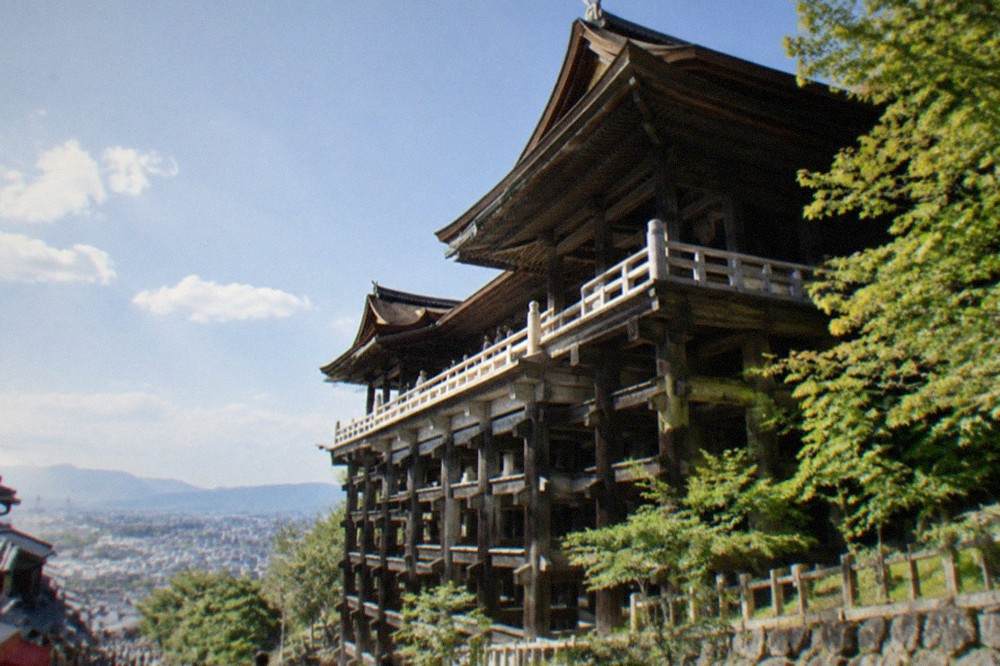
The route north is the Higashiyama sequence most visitors remember longest. From the base of Inariyama you can take the Keihan Line along the Kamo River from Inari to Kiyomizu-Gojo or Gion-Shijo, or walk and browse your way up through the lanes. The Higashiyama area guide maps the streets between the river and the temple, including Ninenzaka and Sannenzaka, the preserved sloping lanes that lead up to Kiyomizu-dera's gate.
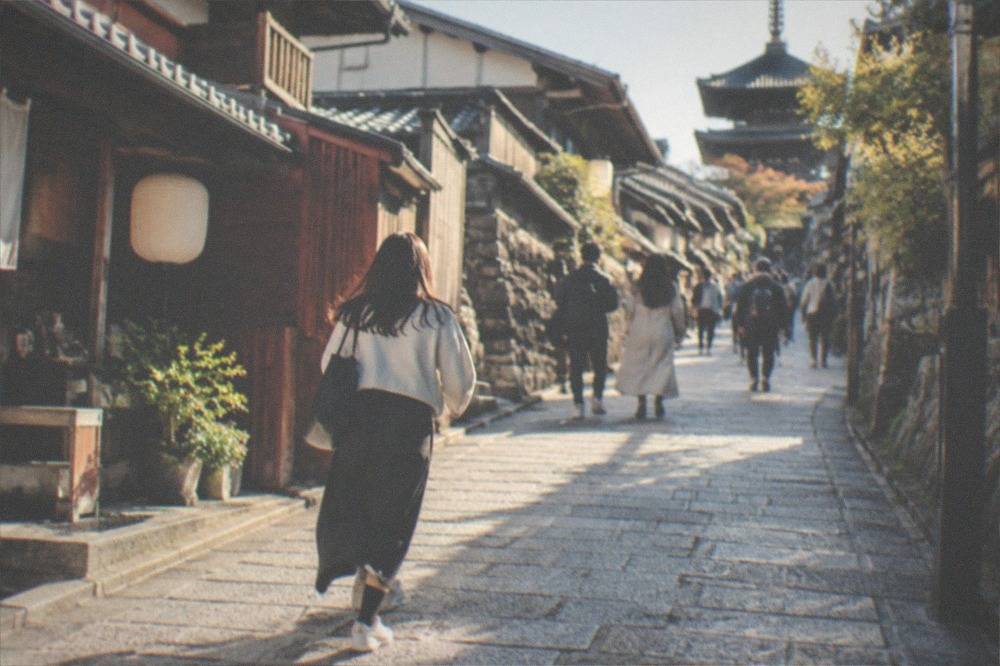
Kiyomizu-dera's own schedule is the reason the temple comes second rather than last. The temple opens at 6:00 every day, its FAQ confirms, and its closing time varies by season and by special viewing periods: the spring and autumn night viewings extend hours to 21:30 on their 2026 dates, with last entry at 21:00. The 500 yen admission is single source, meaning the temple does not print it on its own pages, so treat it as the widely reported figure rather than an official posting. Why the temple carries the weight it does is covered in the why is Kiyomizu-dera so famous answer.
The afternoon slot has one structural advantage: by early afternoon you are standing on the wooden stage looking west over the city, with the light behind you rather than in your face. Photographers planning more than this one day will find the stage at its best in that same window, when the sun sits behind the viewer and the city haze softens.
Where Do You Eat On A One Day Kyoto Route?
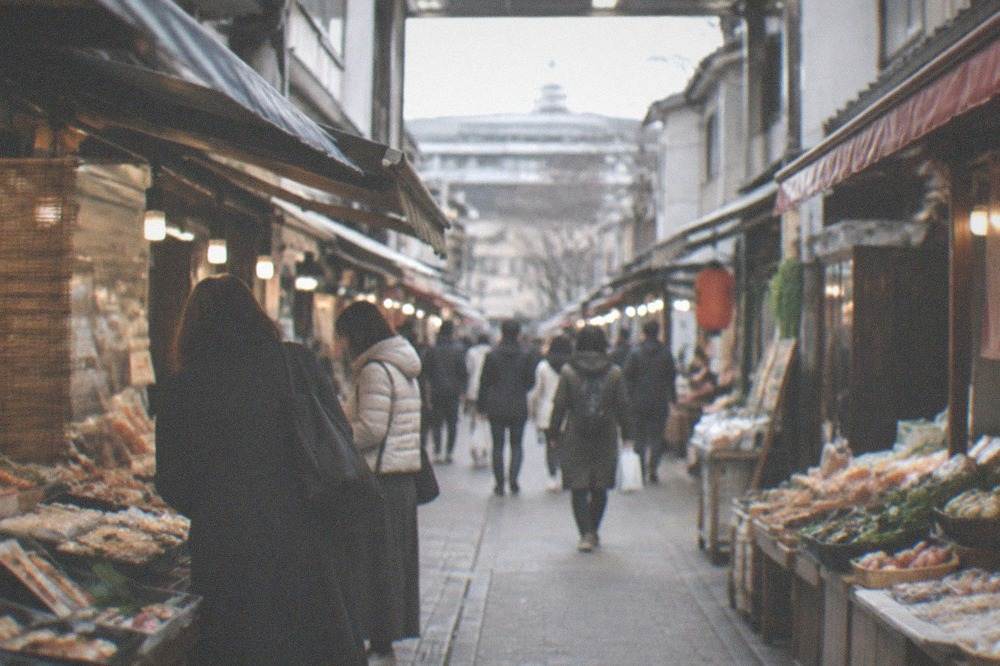
Lunch belongs to the Higashiyama lanes around Kiyomizu-dera, where the Ninenzaka and Sannenzaka slopes are lined with shops keeping their own hours, roughly 9 or 10:00 to 17 or 18:00, and dinner belongs to Gion or the Kawaramachi restaurant strip across the river, which runs later into the night. There is no verified unified opening time for any market or lane on this route, so plan lunch around the temple's schedule rather than a printed shop hour.
The honest warning about Nishiki Market, if you are tempted to detour there midday, is that it sits on the other side of the river and its shops keep individual hours with no unified schedule. The market's own association site prints no single opening time, so never trust a guide that gives you one. The market also discourages eating while walking: the official guidance is to eat at the stall or a designated area.
For dinner, the evening section of this itinerary lands you in Gion, with the Pontocho alley and the Kawaramachi strip a short walk west across the Kamo River. A useful benchmark for what dinner can cost: at Hyotei, one of Kyoto's most famous kaiseki houses near Nanzen-ji, the kaiseki course starts from 31,625 yen at lunch and 37,950 at dinner, while the same kitchen's annex serves porridge from 5,445 yen and a bento from 7,260 yen. Those are Hyotei's own published prices, not a Kyoto norm, but they frame the range honestly.
How Do You Spend The Evening In Gion?
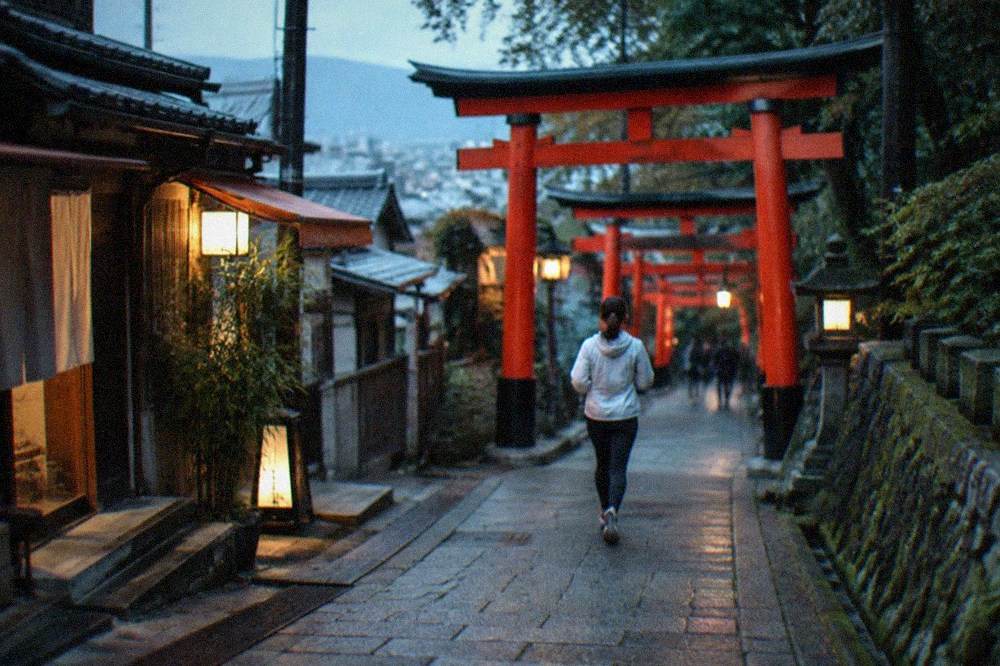
Gion costs nothing to enter and is at its best from late afternoon onward, when the lanterns come on along Hanamikoji and the teahouses open, so the final third of this one day route is simply a walk: south from Kiyomizu-dera through the Higashiyama lanes, then west into Gion, with the option of crossing the river to Kawaramachi for dinner. The district has rules that matter, and they are about conduct, not money.
The conduct rules come from the Kyoto City Tourism Association: do not touch, chase or photograph geiko and maiko without permission, and do not enter private property or photograph it where that is prohibited. Separately, on the private alleys off Hanamikoji, signs put up by the Gion South Side district council threaten a 10,000 yen penalty for unauthorized photography. That is council signage on private roads, not a city fine, and the distinction is the point: Hanamikoji's main street is public and the alleys off it are not. The Gion area guide gives the district its full context, and the Kyoto at night itinerary extends the evening if you have energy left.
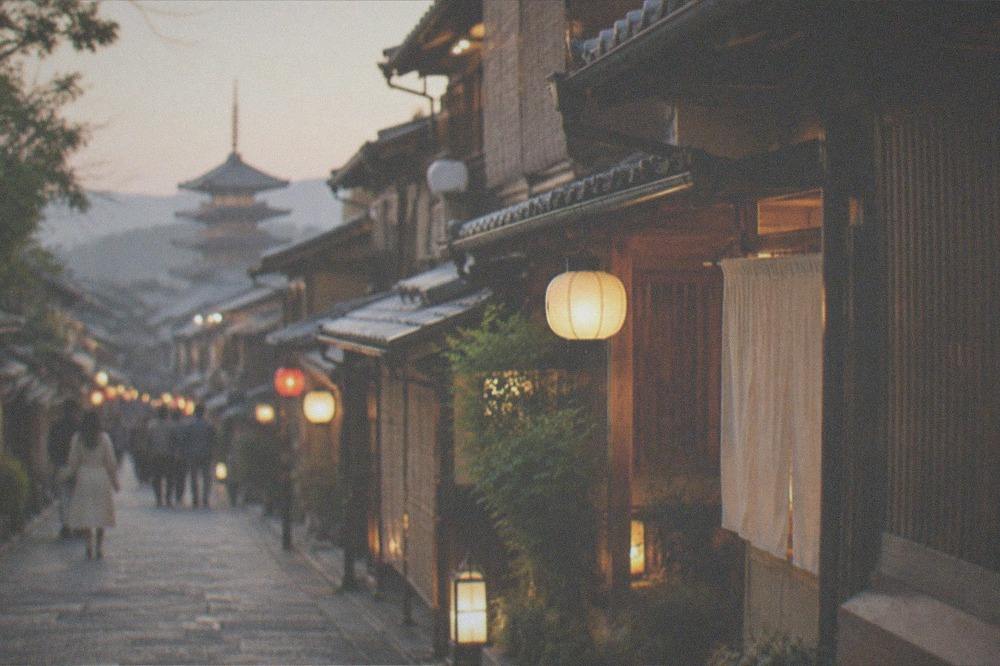
Gion is also where a guided walk earns its price, because the district's stories are not written on its walls. Two evening walks stand out on the numbers: the Gion Magical Night Walking Tour, rated 4.9 from 4,616 reviews at 1 hour 40 minutes, and the Gion Geisha District Hidden Gems walk, rated 4.8 from 4,599 reviews over 2 hours. Both start from around the low twenties in price and both finish near the Kawaramachi dining strip.
| Evening option | Length | Traveller rating | Notes |
|---|---|---|---|
| Walk Gion and Pontocho independently | Open-ended | Not applicable | Free, public streets |
| Gion Magical Night Walking Tour | 1h 40m | 4.9 from 4,616 reviews | Guided, evening departure |
| Gion Geisha District Hidden Gems walk | 2 hours | 4.8 from 4,599 reviews | Guided, covers hidden lanes |
| Free Gion Legacy of Geishas walk (GuruWalk) | 2 hours | 4.89 from 1,047 reviews | Tip-based, guru-led |
The free option deserves a line of explanation rather than a buried mention. The Gion Legacy of Geishas walk is a GuruWalk free walking tour, tip based and led by a local guru, rated 4.89 from 1,047 reviews over 2 hours. Because it is not one of this site's bookable tours, the honest thing is to name the platform and the format: it costs nothing up front and you tip the guru at the end.
What Are The Closing Windows That Can Break A One Day Kyoto Plan?
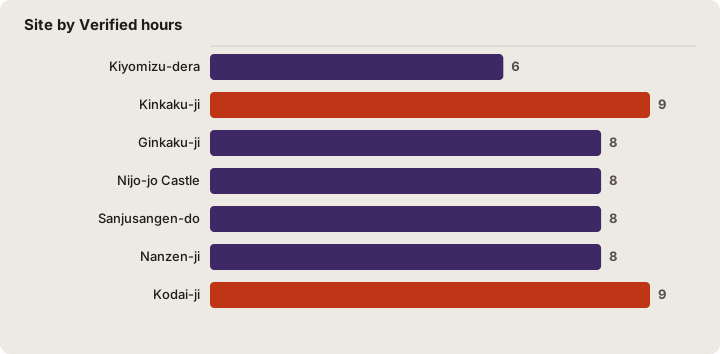
The closing windows that matter are Nijo-jo Castle, which stops admitting at 16:00 and closes at 17:00, Ginkaku-ji, which closes at 16:30 in winter, Sanjusangen-do, which closes at 16:00 from 16 November, and Nanzen-ji, which closes at 16:30 in winter. Any plan that has you arriving at a temple gate after 16:00 in the colder half of the year is simply wrong.
This is where most one day itineraries quietly fail. A plan that promises Kinkaku-ji at 16:30, or a January arrival at Nanzen-ji at 16:30, is describing a gate that is already shut. The table below is the verified grid; build any substitution around it.
| Site | Verified hours | Last admission |
|---|---|---|
| Kiyomizu-dera | Opens 6:00 daily, closing varies by season | Varies; night viewings to 21:30 on 2026 dates |
| Kinkaku-ji | 9:00-17:00 year-round | At close |
| Ginkaku-ji | 8:30-17:00 (1 Mar-30 Nov); 9:00-16:30 (1 Dec-end Feb) | At close |
| Nijo-jo Castle | Admission 8:45-16:00, closes 17:00 | 16:00 |
| Sanjusangen-do | 8:30-17:00 (1 Apr-15 Nov); 9:00-16:00 (16 Nov-31 Mar) | 30 minutes before close |
| Nanzen-ji | 8:40-17:00 (1 Mar-30 Nov); 8:40-16:30 in winter | 20 minutes before close |
| Kodai-ji | 9:00-17:30, reception to 17:00 | 17:00 |
| Fushimi Inari | Paths have no closing time | Not applicable |
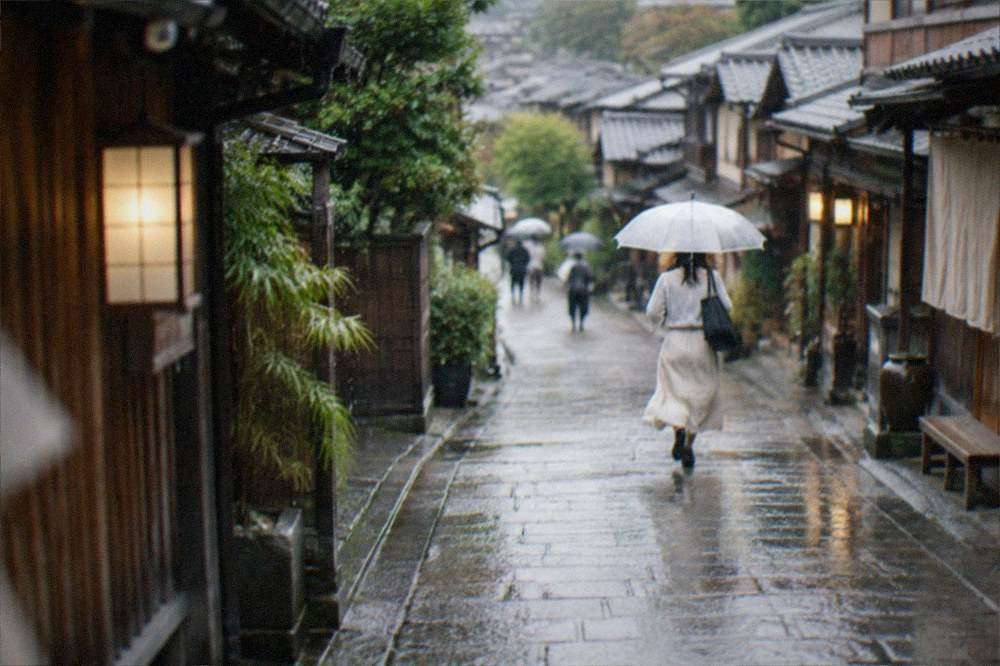
The other structural trap is the weather. Kyoto's wettest month is July, not June: the JMA 1991-2020 normals for station 47759 show 223.6 mm of rain in July against 199.7 mm in June, and August is hotter still, with a mean daily maximum of 33.7 C. Three of Kyoto's six hottest days on record fell in the summers of 2024, 2025 and 2026, so a summer run of this itinerary needs the dawn start even more than a spring one does. If the forecast turns, the indoor alternatives around the station and downtown museums are the fallback.
Should You Swap Something Out Of This One Day Kyoto Route?
Swap only for cause, and the two best substitutions are Nijo-jo Castle, at 800 yen or 1,300 with the Ninomaru-goten Palace, if history outweighs views for you, or the Higashiyama temples around Nanzen-ji if you would rather trade the shrine's crowds for garden quiet. Do not attempt to add Kinkaku-ji or the Arashiyama bamboo grove to this route: they sit on the city's western and north-western side, and the transit cost breaks the day.
The arithmetic is unforgiving. This page's route never leaves the eastern third of Kyoto. Adding the Golden Pavilion means a cross-city bus or subway leg each way, plus a 500 yen admission inside a 9:00-17:00 window, and adding Arashiyama means crossing to the far side of the city twice. If your heart is set on the west side, the honest move is to give it its own day, and the Arashiyama guide and the Kinkaku-ji guide plan that day properly.
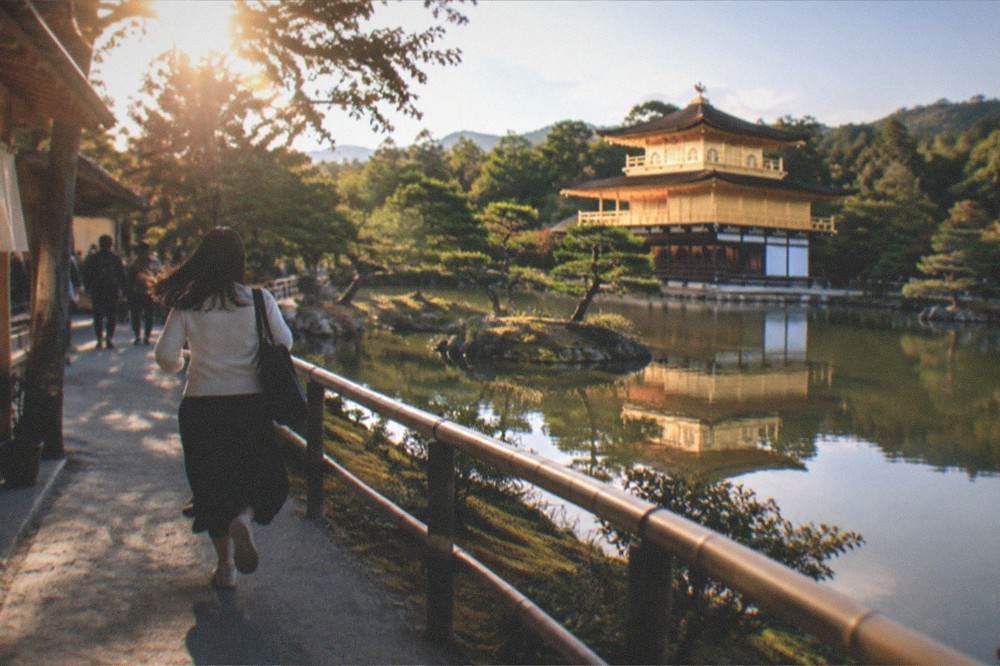
For visitors with more than one day, the sequencing advice is simple: run this east-side route on day one, then give the west and north their own full days. Spreading out matters in a city that received 62.79 million visitors in 2025, and the city's own crowd-dispersal campaigns in 2025 and 2026 have pushed exactly that message, promoting off-peak hours, express buses and lesser-known districts.
Common Questions About One Day In Kyoto
Can You See Fushimi Inari, Kiyomizu-dera And Gion In One Day In Kyoto?
Yes. All three sit along Kyoto's eastern edge, so the route is a straight line rather than a circuit. Start at Fushimi Inari early, since entry is free and the paths have no closing time, reach Kiyomizu-dera by late morning for its 500 yen admission and seasonal closing hours, and finish with a walk through Gion after the lanterns come on.
How Much Does One Day In Kyoto Cost?
Roughly 800 to 1,300 yen in admissions and 500 to 1,000 yen in local transit for a solo adult, before food. The only core-route entrance fee is Kiyomizu-dera at 500 yen, which is single source rather than temple-printed. The city bus flat fare is 230 yen, and the Subway and Bus One-Day Pass is 1,100 yen.
What Time Should You Start One Day In Kyoto?
As early as light allows, because Fushimi Inari is the only stop with no closing time and it is the one that fills fastest. Kiyomizu-dera opens at 6:00 daily, so the whole eastern route rewards early risers. The shrine's paths have no published closing time, which is why the dawn start is always available.
Is Gion Free To Walk Around?
Yes, Gion is a public district with no admission. The rules that apply are about conduct: the Kyoto City Tourism Association asks visitors not to touch, chase or photograph geiko and maiko without permission, and on the private alleys off Hanamikoji, signs put up by the Gion South Side district council threaten a 10,000 yen penalty for unauthorized photography.
Can You Add Kinkaku-ji To A One Day Kyoto Itinerary?
Not sensibly. Kinkaku-ji sits on the city's north-western side, so adding it to the eastern Fushimi Inari, Kiyomizu-dera and Gion route means two cross-city transit legs plus a 500 yen admission inside its 9:00-17:00 window. Give the Golden Pavilion its own day, or pair it with the north-west temples.
What Is The Best Month For A One Day Kyoto Trip?
Spring and autumn for scenery, but note the verified phenology: the JMA 1991-2020 normals put cherry full bloom at 4 April and the maple red-leaf marker at 5 December, later than most guides claim for the foliage peak. July is the wettest month at 223.6 mm, wetter than June, so pack for rain if you go in high summer.
If you would rather hand the sequencing to someone who does it daily, the guided options below cover this exact east-side pairing and the wider one day circuits.
For the evening leg, the Gion night walk is the one that pairs most naturally with this route, since it starts where the day ends.
The route closes where it began, on the eastern edge of the city. By the end of this day you will have stood under about 10,000 torii spread across a whole mountain, looked west from a wooden stage that has held its ground for centuries, and walked a district whose rules deserve the respect their signs ask for. That is one day in Kyoto done properly, and if it leaves you wanting a second, the itineraries linked above are the next step.