How Much Does A Trip To Kyoto Cost
Kyoto's costs moved sharply in 2026: Ginkaku-ji doubled its admission, the accommodation tax jumped to a 10,000 yen top tier, and the city recorded 62.79 million visitors in a single year. Here is what a day actually costs, built only from fees the venues and the city publish themselves.
Short answer
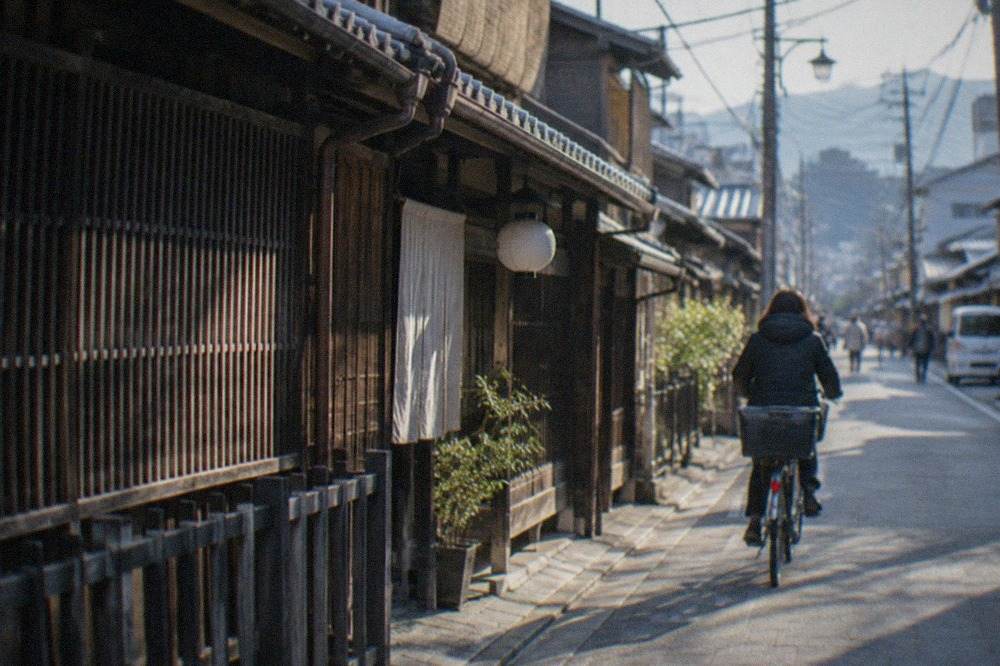
A budget day in Kyoto runs on free shrines, a 230 yen bus fare and market food; a mid-range day pairs paid temples and a pass with a sit-down dinner; a luxury day crosses 30,000 yen at one kaiseki house alone. The verified fees, fares and taxes below hold the detail.
How Much Does A Trip To Kyoto Cost
Kyoto recorded 62.79 million visitors in 2025, a record, and 2.0474 trillion yen of tourism spending, according to the city's own survey released in June 2026. That money buys everything from a 230 yen bus ride to a 37,950 yen kaiseki dinner, and the gap between those two numbers is the honest answer to what a Kyoto trip costs. The figures on this page come from the venues, the transport bureau and the tax office themselves, which matters more than usual in 2026: two temples changed their fees this year, the accommodation tax was restructured on 1 March, and a fee copied from a 2024 guide is now wrong in at least three places.
What Does A Day In Kyoto Cost On Budget, Mid-Range And Luxury Tiers?
A budget day in Kyoto can run under 4,000 yen per person using the 230 yen flat bus fare, free entry at Fushimi Inari Taisha and the Imperial Palace, and market or convenience food. A mid-range day lands near 12,000 yen with two paid temples, a Subway and Bus One-Day Pass at 1,100 yen and a casual dinner. A luxury day is open ended: at Hyotei alone, dinner kaiseki starts at 37,950 yen, before hotels in the top tax tier.
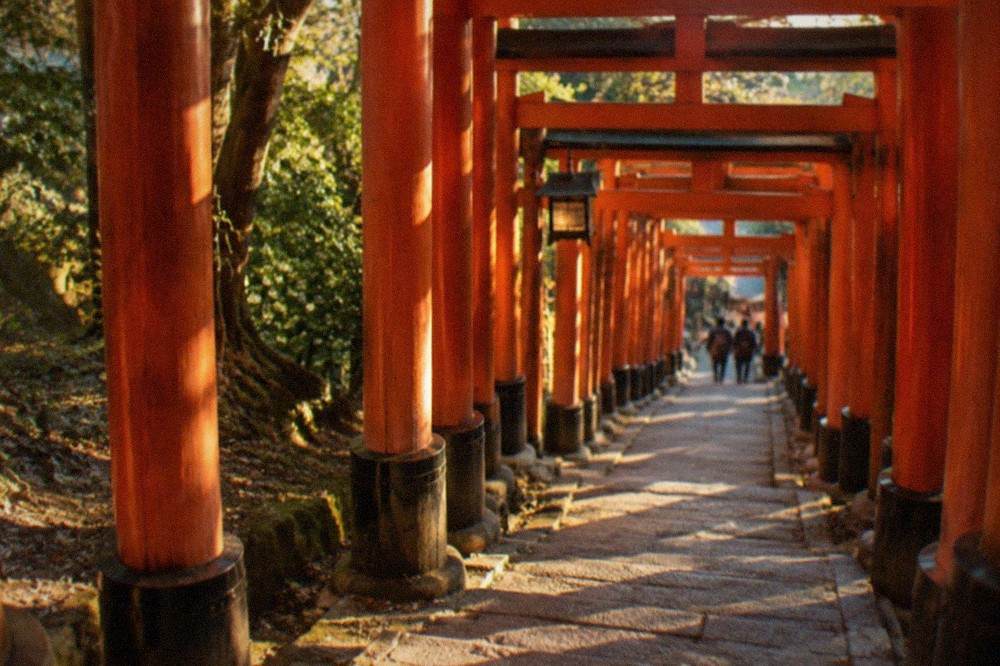
The three tiers are not marketing categories here. They fall straight out of numbers the city and the venues publish. The budget floor is real because Kyoto's most famous sites charge nothing: Fushimi Inari Taisha publishes no fee anywhere on its site, the Kyoto Imperial Palace states it is open to all visitors with no advance application, and the Arashiyama bamboo path, Nishiki Market, Gion, Pontocho and the Philosopher's Path are all free to walk. A budget day is mostly a decision about food and transport.
Mid-range is where most of the city's paid culture sits. Temple admissions cluster between 500 and 1,000 yen each, and a day that stacks Kinkaku-ji, Ryoan-ji and Nijo-jo Castle pays three separate admissions before lunch. Luxury in Kyoto has a specific shape: it is not a markup on the same product but a different product, the kaiseki course, where one of the city's most famous houses prices dinner from 37,950 yen while its own annex serves porridge and bento from 5,445 to 7,260 yen. The same kitchen, two price worlds, both printed on the restaurant's own page.
| Cost item | Budget day | Mid-range day | Luxury day |
|---|---|---|---|
| Attractions | Free sites only, 0 yen | Two or three paid temples, 500 to 1,000 yen each | Guided private touring, fees included |
| Local transport | 230 yen bus fare each ride | Subway and Bus One-Day Pass, 1,100 yen | Taxis and private transfers |
| Lunch | Market or convenience food | Casual restaurant, a few hundred to 2,000 yen | Kaiseki lunch, from 31,625 yen at Hyotei |
| Dinner | Under 1,500 yen | 3,000 to 6,000 yen | Kaiseki dinner, from 37,950 yen at Hyotei |
| Accommodation tax per night | 200 yen on a room under 6,000 yen | 400 to 1,000 yen by room band | 4,000 to 10,000 yen by room band |
The tax row is worth pausing on, because it is the cleanest published proxy for what a night costs. The city's own ordinance bands rooms from under 6,000 yen to 100,000 yen and up, and those bands describe the real spread of Kyoto lodging better than any travel writer's estimate. More on the tax itself further down.
For a fuller picture of what fills those days, the things to do in Kyoto page maps the free and paid options side by side.
Which Kyoto Temples And Shrines Charge Admission, And Which Are Genuinely Free?
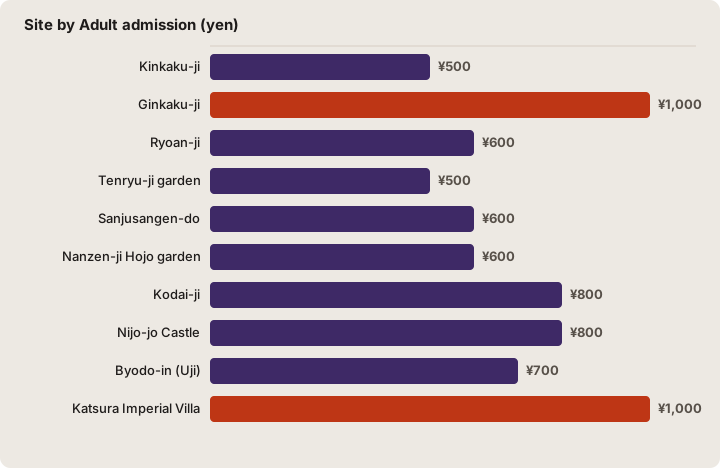
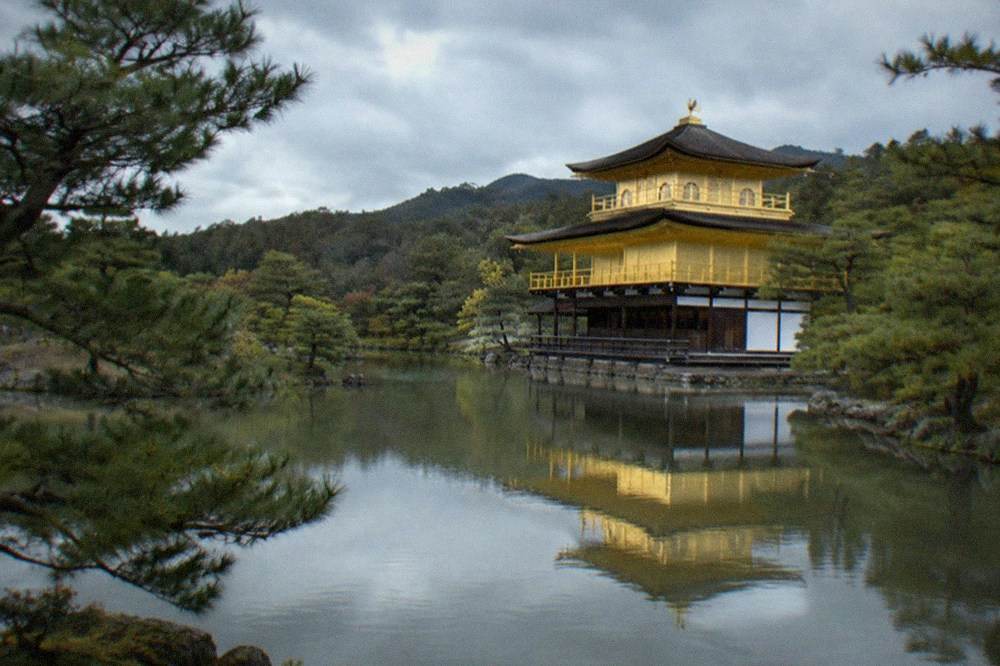
Kinkaku-ji charges 500 yen, Ginkaku-ji charges 1,000 yen from 1 April 2026 after doubling its fee, Ryoan-ji 600, Tenryu-ji garden 500, Sanjusangen-do 600 and Nijo-jo Castle 800 or 1,300 with the palace. Free to enter, verified: Fushimi Inari Taisha, the Kyoto Imperial Palace, Shugakuin Imperial Villa, the Sento Imperial Palace, Nishiki Market and the Arashiyama bamboo path.
The free list is shorter than most guides admit but stronger than it looks. Fushimi Inari Taisha, the head shrine of about 30,000 Inari shrines nationwide by the shrine's own account, publishes no admission fee anywhere on its site, and its mountain paths have no closing time. The Kyoto Imperial Palace states plainly that it is open to all visitors with no advance application. Shugakuin Imperial Villa and the Sento Imperial Palace are also free, though both are guided tours restricted to visitors 18 and over, and Katsura Imperial Villa charges 1,000 yen for the same 18-and-over arrangement.
The paid list changed in 2026, and this is where stale guides fail. Ginkaku-ji doubled its admission on 1 April 2026, from 500 to 1,000 yen for adults, its first revision in 32 years. Tofuku-ji revises on 1 November 2026: the Hojo garden goes from 500 to 600 yen, a new 1,000 yen combined ticket appears, and the Tsutenkyo bridge rises to 1,000 yen during the autumn foliage period. Kiyomizu-dera's widely quoted 500 yen figure is single source, the temple does not print it, so treat it as reported rather than official.
| Site | Adult admission | Notes |
|---|---|---|
| Fushimi Inari Taisha | Free | Paths have no closing time |
| Kyoto Imperial Palace | Free | Open to all, no application |
| Kinkaku-ji | 500 yen | School ages 300 yen |
| Ginkaku-ji | 1,000 yen | Doubled from 500 on 1 April 2026 |
| Ryoan-ji | 600 yen | High school 500, junior and elementary 300 |
| Tenryu-ji garden | 500 yen | Buildings plus 300, Hatto ceiling 500 separately |
| Sanjusangen-do | 600 yen | Group rate 550 |
| Nanzen-ji Hojo garden | 600 yen | Sanmon gate 600 separately |
| Kodai-ji | 800 yen | 1,200 combined with Entoku-in |
| Nijo-jo Castle | 800 yen | 1,300 with Ninomaru-goten Palace |
| Byodo-in (Uji) | 700 yen | Phoenix Hall interior plus 300 |
| Katsura Imperial Villa | 1,000 yen | 18 and over, guided, advance application |
| Tofuku-ji (from 1 Nov 2026) | 600 to 1,000 yen | New combined ticket 1,000 |
A realistic sightseeing day that stacks three paid temples pays three admissions from the table above, each between 500 and 1,000 yen. A day built on the free list spends nothing and still sees the mountain shrine, the palace grounds and the bamboo grove. Detailed guides to individual sites, including Kiyomizu-dera, Kinkaku-ji and Nijo-jo Castle, carry the full fee and hours detail.
The paid-temple budget is also the strongest argument for a guided walk on the free side of the ledger. The Fushimi Inari Hidden Hiking Tour, from $73 and rated 5 from 1,931 reviews, spends three hours on the mountain's quieter upper trails, and the shrine itself charges nothing, so the entire cost is the guide.
Between the free shrines and the paid temples, the middle of the market holds the tours that do the planning for you, and the three below are the ones this site's own numbers support at each price point.
How Much Does Getting Around Kyoto Cost?
A Kyoto city bus ride is a flat 230 yen for adults and 120 yen for children, the subway runs 220 to 360 yen by zone, and the Subway and Bus One-Day Pass costs 1,100 yen and pays for itself after roughly five bus rides. The old bus-only one-day pass no longer exists; sales ended in September 2023 and it stopped being usable on 31 March 2024.
The flat bus fare is the budget traveller's anchor: every city bus ride costs the same 230 yen whether it is two stops or across the city, and children aged 6 to 11 pay 120 yen. The subway's five zones run from 220 to 360 yen for adults. The arithmetic on the one-day pass is simple and worth doing before buying: at 1,100 yen, it breaks even at about five bus rides, so a day walking between nearby sites does not need it and a day crossing the city twice does.
| Transport | Adult fare | Child fare |
|---|---|---|
| City bus, flat fare | 230 yen | 120 yen |
| Subway, zones 1 to 5 | 220 to 360 yen | 110 to 180 yen |
| Subway and Bus One-Day Pass | 1,100 yen | 550 yen |
| Subway One-Day Pass | 800 yen | 400 yen |
| Tourist express EX100 / EX101 | 500 yen | 250 yen |
| HARUKA one-way ticket, airport to Kyoto | 2,200 yen | 1,100 yen |
| Itami Airport limousine bus to Kyoto Station | 1,500 yen | 750 yen |
Two airport numbers matter for the arrival-day budget. The JR West HARUKA one-way ticket for foreign visitors prices the run from Kansai Airport to Kyoto at 2,200 yen, against about 3,060 yen for the regular fare, so the visitor product is the one to buy. From Itami, the limousine bus costs 1,500 yen and takes about 50 to 55 minutes. The Haruka Express and Kyoto bus and subway pass guides carry the detail, and the ICOCA card, 2,000 yen including a 500 yen deposit, covers the small everyday fares without ticket decisions.
For anyone who would rather not plan the morning's routing at all, the Kyoto Early Morning Tour with English Speaking Guide moves the transport question onto the operator: 5 to 6 hours, from $82, rated 4.9 from 1,998 reviews, with an English-speaking guide handling the sequence.
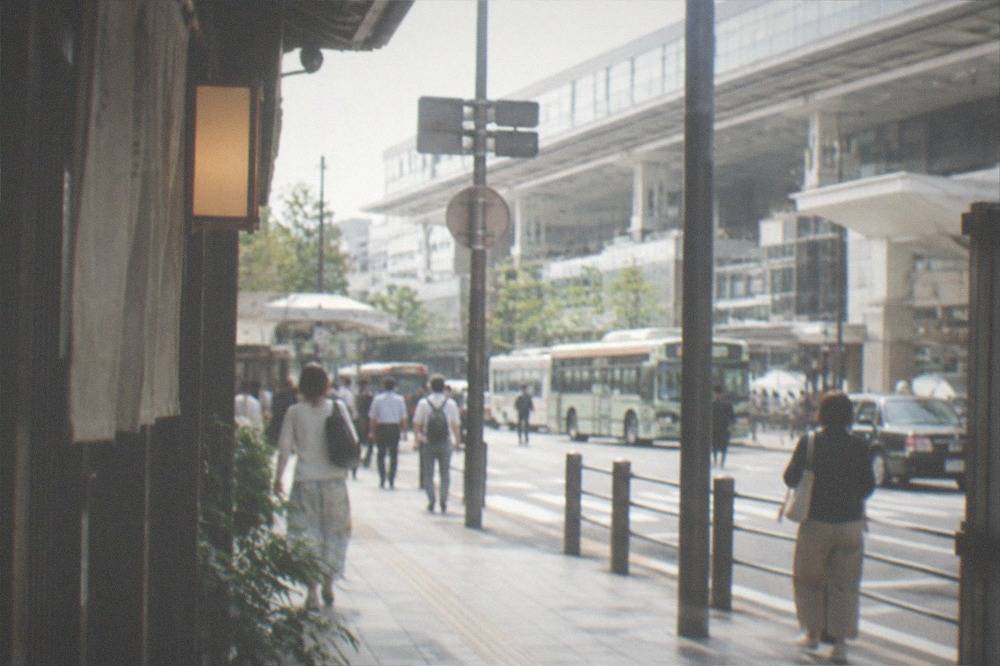
That guided-morning option is the one conversion block on this page worth acting on while you are still building the itinerary, because the morning slots fill first and the rest of the budget does not depend on it.
How Much Does Eating In Kyoto Cost?
At one of Kyoto's most famous kaiseki houses, Hyotei by Nanzen-ji, the dinner course starts at 37,950 yen and lunch at 31,625 yen, while the same restaurant's annex serves morning rice porridge at 5,445 yen and a bento at 7,260 yen. Below that, eating in Kyoto scales all the way down to market food and convenience-store meals under 1,000 yen.
The Hyotei numbers are the honest anchor for the luxury tier because the restaurant prints them itself, tax and service included, on its own page. They also kill a common myth: the 30,000 yen kaiseki bill is not a tourist trap but the published price of the main building's course, while the annex of the very same kitchen serves from about 5,400 yen. Never generalise either figure into what kaiseki costs in Kyoto; these are Hyotei's prices for the rooms and seasons stated on its menu. The full index of guides sits on Kyoto Travel Guide.
| Meal | Price, tax and service included | Where |
|---|---|---|
| Kaiseki lunch | from 31,625 yen | Hyotei main building, 12:00 to 15:00 |
| Kaiseki dinner | from 37,950 yen | Hyotei main building, 17:00 to 21:30 |
| Asa-gayu morning porridge | 5,445 yen | Hyotei annex, 16 March to 30 November |
| Shokado bento | 7,260 yen | Hyotei annex, 12:00 to 14:00 |
Below the kaiseki world, the cost curve flattens fast. Nishiki Market's stalls keep their own prices and their own hours, roughly 9 or 10:00 to 17 or 18:00, and the market association prints no unified opening time, so no single figure here is official. The market's own rule against eating while walking means the money goes to food eaten at the stall, not to packaging. Casual restaurant dinners, ramen and izakaya food fill the middle of the range, and a full guide to the best restaurants in Kyoto and to Kyoto street food covers the tiers between convenience-store onigiri and kaiseki.
A food tour is the mid-range shortcut: the Nishiki Market Brunch Walking Tour, from $74 and rated 4.9 from 1,497 reviews, includes seven tastings plus brunch, which converts the market's unlabelled stall prices into one known number.
What Is The Kyoto Accommodation Tax In 2026?
Kyoto's accommodation tax changed on 1 March 2026 to five tiers: 200 yen per person per night on rooms under 6,000 yen, 400 yen up to 20,000, 1,000 yen up to 50,000, 4,000 yen up to 100,000 and 10,000 yen at 100,000 and up. The top tier was previously 1,000 yen, so a luxury room's tax rose tenfold, and most competing guides still quote the old rates.
The tax is charged per person, per night, on the room-only rate excluding meals and consumption tax, and the city expects about 12.6 billion yen a year from the new structure. For trip budgeting, the practical effect is a small add-on at the budget end and a real line item at the top: two people sharing a room in the top band now pay 20,000 yen a night in tax alone, which belongs in any luxury-tier calculation.
| Room rate per night | Tax before 1 March 2026 | Tax from 1 March 2026 |
|---|---|---|
| Under 6,000 yen | 200 yen | 200 yen |
| 6,000 to under 20,000 yen | 400 yen | 400 yen |
| 20,000 to under 50,000 yen | 500 yen | 1,000 yen |
| 50,000 to under 100,000 yen | 1,000 yen | 4,000 yen |
| 100,000 yen and up | 1,000 yen | 10,000 yen |
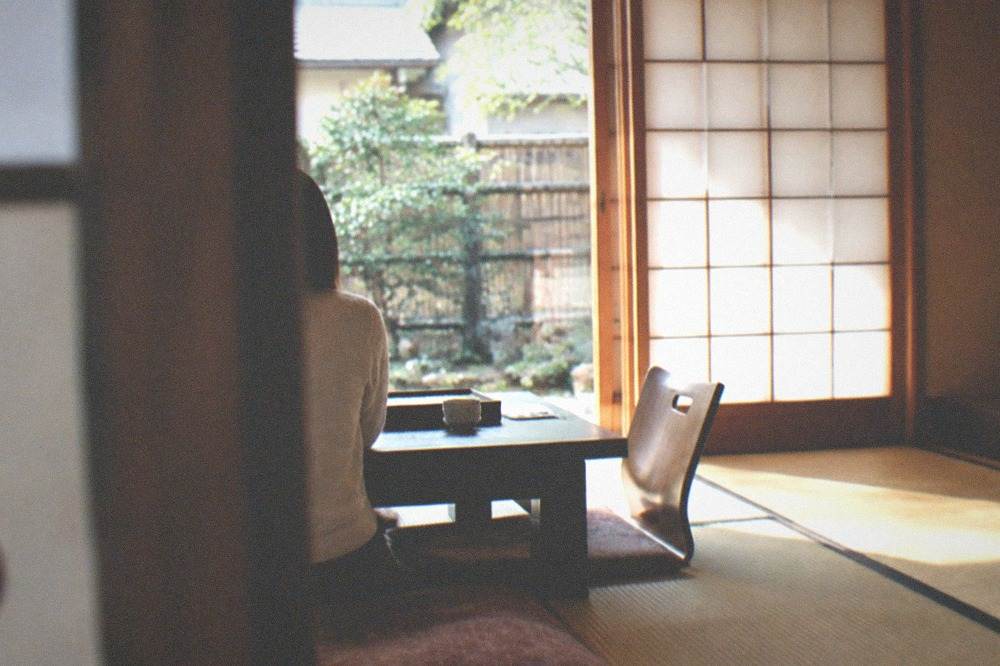
Lodging itself spans the whole tax table. A machiya stay or business hotel sits in the lower bands, a mid-range hotel in the 400 to 1,000 yen bands, and the luxury tier above 50,000 yen a night pays the new 4,000 or 10,000 yen rates. The Kyoto ryokan and where to stay in Kyoto guides break the neighbourhoods down, and the dedicated Kyoto accommodation tax page carries the ordinance detail.
What Do Kyoto Tours And Experiences Cost?
Verified tour prices on this site run from free, tip-based walking tours through GuruWalk to $335 for a private customisable day with guide and vehicle, with the popular middle ground between $20 and $130: a Gion geisha walk from $20, a tea ceremony from $29, a chopsticks class from $6 and a ramen-making class from $130.
The tour layer is where a Kyoto budget flexes most. At the bottom, genuinely free options exist and are not bait: GuruWalk lists Free Walking Tour Kyoto, a three-hour tip-based walk rated 4.93 from 1,128 reviews, led by a local guru who is paid by tips rather than a ticket price, and the same platform carries free Gion and historic-centre walks. Naming GuruWalk and the individual guru matters here because these are not this site's products; the platform and the guide, not a booking fee, are what the visitor pays through.
In the middle, the per-person prices are verified and modest against the kaiseki tier. A kimono rental starts from $17.35, a tea ceremony at Jotokuji Temple from $29, and the award-winning ramen-making experience from $130 with a 5 rating from 2,635 reviews. At the top, the private customisable day tour with guide and vehicle starts at $335 per group and runs a full day. The twelve activity kinds this site covers, from highlights day tours through tea ceremony and kimono to transfers, span that whole range, and transfers sit outside the count as pure transport.
| Experience | Starting price | Rating |
|---|---|---|
| Free Walking Tour Kyoto (GuruWalk, tip based) | Free | 4.93 from 1,128 reviews |
| Chopsticks making class with engraving | $6 | 4.9 from 4,252 reviews |
| Kimono rental | $17.35 | 4.7 from 3,813 reviews |
| Gion geisha district walk | $23 | 4.8 from 4,599 reviews |
| Tea ceremony at Jotokuji Temple | $29 | 4.9 from 3,758 reviews |
| Arashiyama walking tour with monkeys | $50 | 5 from 1,781 reviews |
| Early morning tour, English guide | $82 | 4.9 from 1,998 reviews |
| Ramen making experience | $130 | 5 from 2,635 reviews |
| Private customisable day tour | $335 per group | 4.8 from 719 reviews |
The free-walk option deserves its own line in any budget plan. GuruWalk's Kyoto roster includes the three-hour Free Walking Tour Kyoto, whose guru leads on tips alone, alongside free Gion and Higashiyama walks rated between 4.83 and 4.86. For a first day, pairing one of these with a paid temple entry is the cheapest structured introduction to the city that exists.
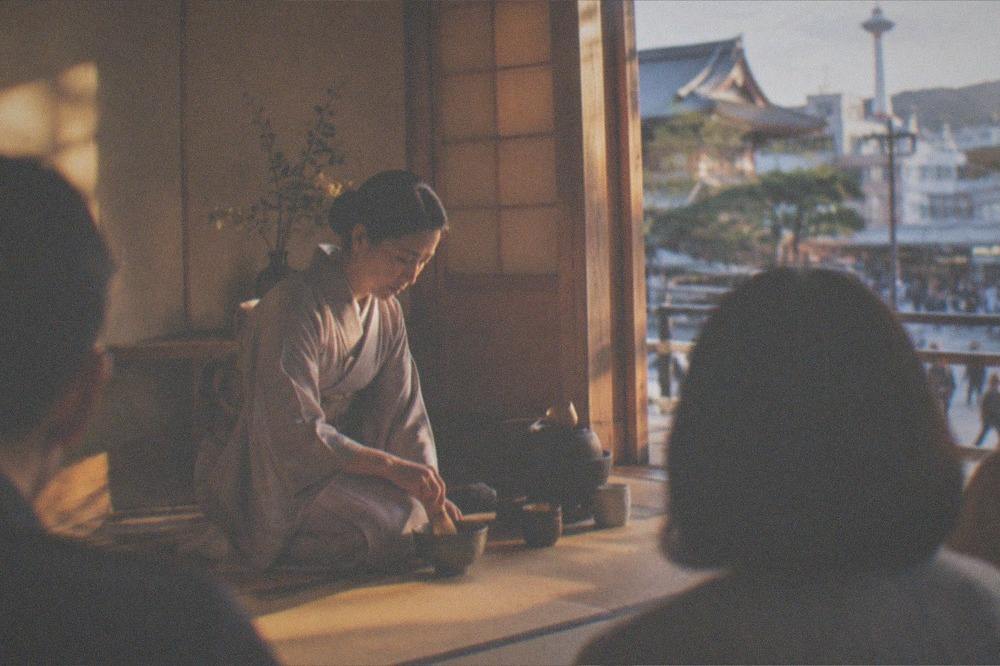
Beyond tours, the small paid experiences add up quietly. A kimono rental day from $17.35, a tea ceremony from $29 and a museum entry at the Manga Museum or Railway Museum, 1,500 yen general at the latter, each cost less than a single kaiseki course but shape the day far more than their price suggests.
When Is Kyoto Cheap, And When Is It Expensive?
Kyoto is cheapest in late winter, the driest and least crowded stretch, with January averaging just 53.3 mm of rain, and most expensive across the late-March cherry bloom, the 1 to 31 July Gion Matsuri, the mid-August holiday peak and the late-November maple season, when Tofuku-ji charges its 1,000 yen foliage-period rate.
The calendar drives price more than any other variable. The JMA 1991 to 2020 normals put January as both the coldest month, a 4.8 C mean, and the driest, 53.3 mm, and the city's own dispersal campaigns push visitors toward exactly these off-peak windows. At the other end, the cherry bloom arrived on 23 March in 2026, a week before the 26 March normal, and the Gion Matsuri runs the whole of July, with the Yamaboko Junko parades on the 17th and 24th. The maple marker is later than most guides claim: the JMA normal for the observatory's red-leaf date is 5 December, though the Arashiyama and eastern-hill peaks come earlier, and the 2026 forecasts put the best colour around late November.
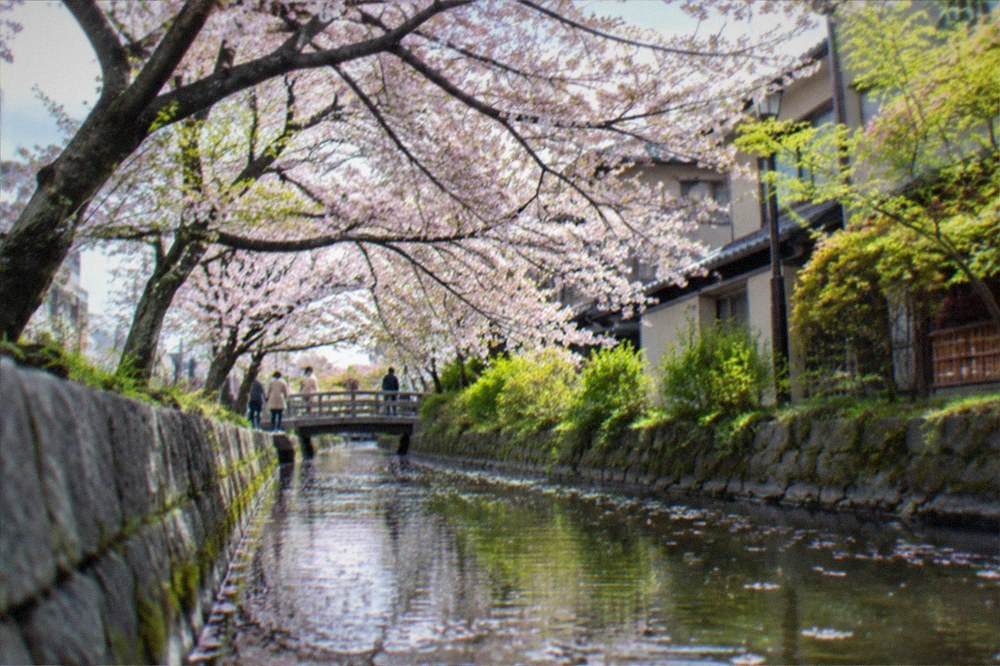
The fee system itself responds to the calendar. Tofuku-ji's Tsutenkyo bridge costs 600 yen for most of the year but 1,000 yen during the autumn foliage period from 1 November 2026, and Kiyomizu-dera and Kodai-ji both run paid night illuminations in spring and autumn, Kodai-ji's running 23 October to 13 December 2026. Rain matters too, and not in the way most guides say: July, not June, is Kyoto's wettest month at 223.6 mm against June's 199.7 mm, so the peak festival month is also the soggiest. The best time to visit Kyoto guide carries the season-by-season detail.
Crowds are the hidden cost. The city's 2025 survey counted 62.79 million visitors, up from 56.06 million in 2024, and its comfort forecast now publishes crowd predictions for specific spots and time slots. Off-peak travel buys the same temples for the same fees with shorter queues, which is the closest thing to a discount Kyoto offers.
Common Questions About Kyoto Trip Costs
What Does A Day In Kyoto Cost On Budget, Mid-Range And Luxury Tiers?
A budget day runs under 4,000 yen per person using free sites, the 230 yen bus and market food. A mid-range day lands near 12,000 yen with paid temples, a 1,100 yen day pass and a casual dinner. A luxury day is open ended: kaiseki dinner at Hyotei starts at 37,950 yen, and rooms in the top accommodation-tax band add 10,000 yen per person per night on top.
Is Fushimi Inari really free?
Yes. The shrine publishes no admission fee anywhere on its own site, and the mountain paths have no closing time. Costs only enter if you add a guided hike or use transport to get there.
Did temple prices go up in 2026?
Two did. Ginkaku-ji doubled to 1,000 yen for adults on 1 April 2026, its first change in 32 years, and Tofuku-ji revises on 1 November 2026 with the Hojo garden rising to 600 yen and a new 1,000 yen combined ticket. Kinkaku-ji remains 500 yen.
Is the Kyoto bus pass worth it?
The Subway and Bus One-Day Pass costs 1,100 yen against a 230 yen flat bus fare, so it pays off at roughly five rides. A day spent walking between nearby sites does not need it. The old bus-only pass was abolished; its sales ended in September 2023.
How much is the accommodation tax?
Between 200 and 10,000 yen per person per night depending on the room rate, under the five-tier structure that took effect on 1 March 2026. The top tier, for rooms of 100,000 yen and up, was 1,000 yen before the change.
Can you do Kyoto cheaply without missing the famous sights?
Yes, more than in most tourist cities. Fushimi Inari Taisha, the Kyoto Imperial Palace, Nishiki Market, the Arashiyama bamboo path and the Gion, Pontocho and Philosopher's Path walks are all free, and GuruWalk lists tip-based walking tours that cost nothing upfront. The paid temples add 500 to 1,000 yen each on top.
The honest summary: Kyoto's floor is unusually low for a city this famous, its ceiling is genuinely high, and the 2026 changes raised the ceiling faster than the floor. A traveller who walks the free sites, rides the flat-fare bus and eats from the market spends less in a day than a single course at the kaiseki houses costs, and every number in that sentence is one the city or the venue publishes itself.