Day Trips From Kyoto: Nara, Osaka, Uji, Kobe and How Long Each Really Takes
Kyoto sits inside a ring of cities and temple towns that are close enough to reach on a morning train: Nara, Osaka, Uji and Kobe are all within an hour or so, and the mountains to the north and the coast of the Sea of Japan sit half a day away. Here is what each trip costs, how long the train really takes, and which ones justify the fare.
Short answer
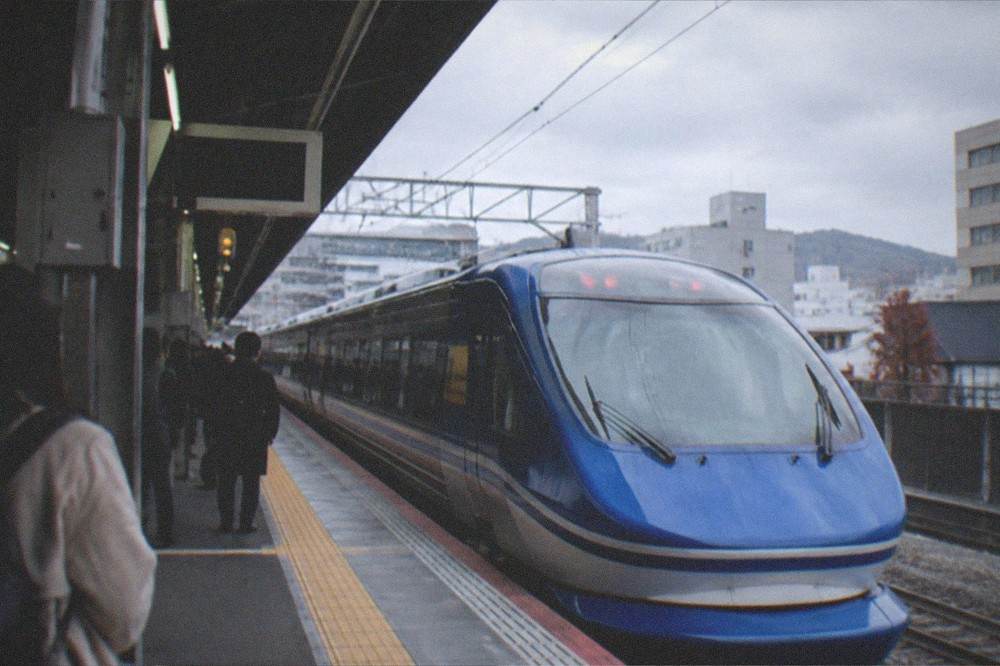
Nara is about 45 minutes from Kyoto Station on the JR Miyakoji Rapid at roughly 720 yen one way, Uji is 240 yen and about 20 minutes on the JR Nara Line, Osaka is about 30 minutes on the JR special rapid, and Kobe is about 50 minutes. All four work as a morning-out-and-back day trip.
Kyoto recorded 62.79 million visitors in 2025, according to the city's own tourism survey released in June 2026, and a good share of them used the city as a base for everywhere else in Kansai. That is the right instinct. Kyoto Station is one of the best-connected rail hubs in western Japan, and four of the region's biggest draws, Nara, Osaka, Uji and Kobe, sit within an hour of it. The deer of Nara Park, the matcha mills of Uji, the harbor front of Kobe and the neon of Osaka are all morning-train destinations, not overnight commitments.
The longer trips need more planning. Hiroshima and Miyajima are two and a half to three hours away by shinkansen, Amanohashidate and the boat houses of Ine sit on the Sea of Japan coast, and the thatched village of Miyama is a bus ride into the northern mountains. This guide works through all of them with verified fares, times and admission prices, so you can decide which day trips earn a slot in your itinerary and which ones to skip.
Which Day Trips From Kyoto Take Under An Hour: Nara, Osaka, Uji, Kobe?
Nara takes about 45 minutes from Kyoto Station on the JR Miyakoji Rapid at roughly 720 yen one way, or about 35 minutes on a Kintetsu limited express at 1,280 yen including the surcharge. Uji is about 20 minutes and 240 yen on the JR Nara Line. Osaka is about 30 minutes on the JR special rapid, and Kobe about 50. All four are comfortably under an hour, and the fares are the cheapest part of the day.
Those four cities are the reason Kyoto works so well as a single base. The JR Miyakoji Rapid runs direct from Kyoto to Nara with no transfers, and the Kintetsu line from Kyoto Station drops you a short walk from Nara Park on the other side of town. Uji is so close that the JR Nara Line fare is barely more than a city bus ride inside Kyoto. Osaka and Kobe both sit on the JR Kobe Line corridor west of Kyoto, so one frequent service covers both.
The fares above are single-source figures gathered from fare guides rather than an operator fare page, so treat them as close approximations and check the fare display at the ticket gate. The times are stable and well documented. Nothing in the under-an-hour set requires a reservation, a pass or any advance planning beyond knowing which line to board.
| Destination | Line | Time | Fare (one way) | Notes |
|---|---|---|---|---|
| Uji | JR Nara Line | about 20 min | 240 yen | Keihan also serves Uji, about 31 min, 360 to 420 yen |
| Osaka | JR Kyoto Line special rapid | about 30 min | check the fare display at the gate | Trains every few minutes all day |
| Nara | JR Miyakoji Rapid | about 45 min | about 720 yen | Direct, no transfer |
| Nara | Kintetsu express | about 35 to 40 min | 760 yen | Limited express adds 520 yen, about 35 min total |
| Kobe | JR special rapid | about 50 min | about 1,100 yen | Sannomiya is the usual stop |
One warning that matters more than any fare: the bus-only one-day pass that older guides recommend for getting around Kyoto no longer exists. Sales ended at the end of September 2023 and the last day of use was 31 March 2024. The current product is the Subway and Bus One-Day Pass at 1,100 yen, or 550 yen for a child, which covers both networks. If a guidebook in your bag tells you to buy a 700 yen bus pass, that book is out of date in other ways too.
Is Nara Worth a Day Trip From Kyoto?
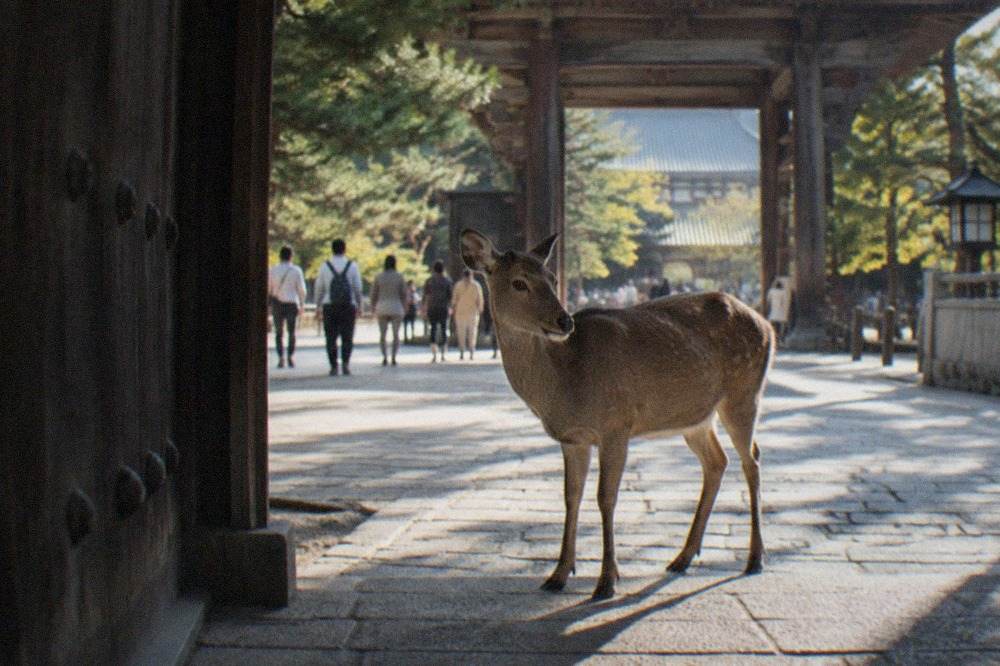
Nara is the strongest under-an-hour day trip for most visitors, because the 2026 census counted 1,687 deer living in and around Nara Park, up 222 on 2025, and Todai-ji's Daibutsuden charges just 800 yen for adults to stand in front of one of the largest bronze Buddha halls in the world. The JR ride is about 45 minutes and roughly 720 yen. The deer outnumber the reasons to argue against going.
The census figures come from the Nara deer foundation, which counted the herd on 15 and 16 July 2026 between 05:30 and 08:00: 411 stags, 990 does and 286 fawns. The foundation also records 140 deer deaths in fiscal 2025, of which 36 were road accidents, which is why the park asks visitors to stay on the paths and keep the animals away from traffic.
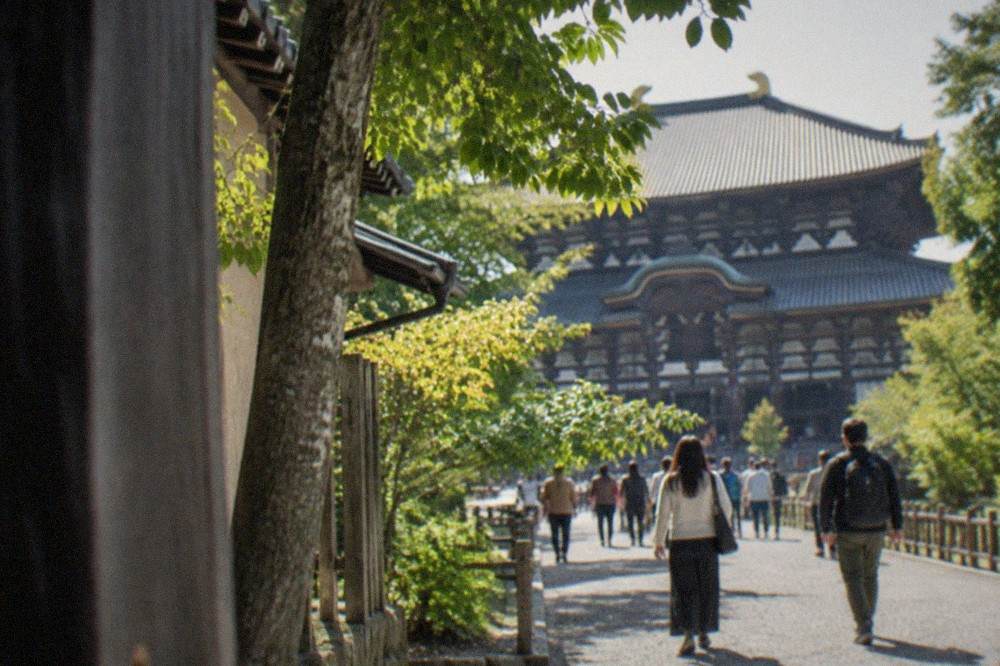
Todai-ji's Daibutsuden is open 7:30 to 17:30 from April to October and 8:00 to 17:00 from November to March, every day. Admission is 800 yen for adults and university students, 400 yen for elementary school children. The temple sits at the top of the park, and the walk from either Nara station passes through the deer the whole way.
The practical choice between the two rail lines comes down to where in Nara you want to start. The JR station is on the west side of the park, closer to the Kofuku-ji end. The Kintetsu station is closer to Naramachi and the southern entrance. Both are a 15 to 20 minute walk from the Daibutsuden. For a fuller comparison of the two cities as destinations, see Kyoto vs Nara: Which City Deserves Your Time and the answer page on whether Nara is closer to Kyoto or Osaka.
The Nara Early Morning Tour runs about four and a half hours with an English-speaking guide and is rated 4.9 from 1,131 reviews, from $62 per person. An early start is genuinely the right call here: the park is at its best before the midday crowds arrive from Kyoto and Osaka, and the deer are more active in the cooler hours. The full guide to Nara as a day trip covers the temples, the gardens and the etiquette around the herd.
Is Uji Worth the 20-Minute Train Ride From Kyoto?
Uji is the best value day trip in Kansai. The JR Nara Line fare is 240 yen each way, Byodo-in charges 700 yen for adults to enter the garden and museum, and the Phoenix Hall interior adds 300 yen with tours from 9:30 to 16:10 at 50 people per slot. The town is small enough to walk end to end in an afternoon and it is the historic heart of Japanese green tea.
Byodo-in, the temple on the 10 yen coin, is the headline sight. The garden and Hoshokan museum admission is 700 yen for adults, 400 for junior high and high school, 300 for elementary. Phoenix Hall interior tours run 9:30 to 16:10 with 50 people per slot, tickets issued from 9:10, first come first served. A change to the tour capacity is announced from 16 October 2026, and the new figure has not been published, so check the temple's own news page before counting on a slot.
The tea culture is the other half of the trip. Uji is where matcha was first cultivated for whisked tea, and the shops along the main street sell everything from matcha soft serve to tea-ceremony grades of powder. The difference between ordinary matcha and Uji matcha is a question of origin and grading, and the matcha guide covers it in detail. The Keihan line also reaches Uji in about 31 minutes at 360 to 420 yen, useful if your hotel sits closer to a Keihan station than to Kyoto Station.
| Uji sight | Admission | Hours | Notes |
|---|---|---|---|
| Byodo-in garden and museum | 700 yen adult, 400 junior/senior high, 300 elementary | garden 8:45-17:30, museum 9:00-17:00 | Group rates available |
| Byodo-in Phoenix Hall interior | plus 300 yen | tours 9:30-16:10, 50 per slot | Tickets from 9:10, first come first served; capacity change announced from 16 Oct 2026 |
| Ujigami Shrine | free | grounds open daily | Oldest standing shrine architecture in Japan |
| Tea houses along the main street | varies | typically 10:00-17:00, each shop sets its own | Matcha, hojicha and sweets |
For a full walkthrough of the town, the bridge and the tea shops, see the Uji day trip guide.
Is Osaka a Better Day Trip Than a Second Day in Kyoto?
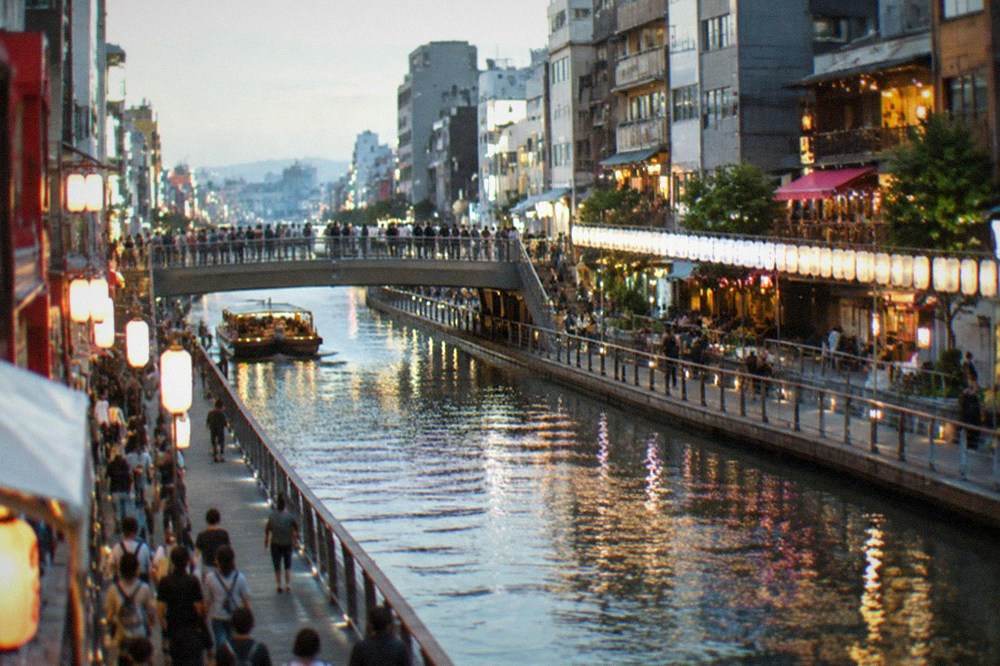
Osaka is about 30 minutes from Kyoto Station on the JR special rapid, with trains every few minutes, so the question is not travel time but what you want from the day. Osaka delivers a castle, a food street culture that is louder and cheaper than Kyoto's, and the Dotonbori neon at night, and the fare is a few hundred yen each way. A day there is a real change of pace, not a consolation prize.
The honest framing is that Osaka and Kyoto are different products. Kyoto has 17 UNESCO World Heritage sites and closes early. Osaka has the castle, Kuromon Market, Shinsekai and a nightlife district that is still loud at midnight. If your Kyoto evenings feel quiet, an evening in Osaka is a 30 minute train ride away, and the special rapid runs late in both directions.
The Osaka day trip guide covers the neighborhoods, the castle and the food streets in detail, and the Tokyo to Kyoto rail guide explains how the shinkansen fits into a Kansai arrival.
Is Kobe a Good Day Trip From Kyoto?
Kobe is about 50 minutes from Kyoto Station on the JR special rapid to Sannomiya, and the city earns a day for three things: the harbor front at Meriken Park, the Kitano district of western-style merchant houses, and a beef dinner that is the reason many people make the trip at all. The Nunobiki herb garden ropeway behind the station gives the best view of the bay.
Kobe is the least temple-heavy of the four near trips, which is exactly its value if your Kyoto days are full of them. The city rebuilt its waterfront after the earthquake that devastated the region in the 1990s, and the museum and port district now make a pleasant half-day walk. Kitano's ijinkan, the surviving foreign merchants' houses from the port's treaty era, charge separate admissions of a few hundred yen each, and the ropeway to the herb gardens runs from just north of Shin-Kobe station.
The Kobe day trip guide covers the neighborhoods, the beef lunch options and the ropeway in detail. Pair it with a morning in Osaka if you want two cities in one day, since they are 20 minutes apart on the same coastal line.
What Are the Best Mountain Day Trips From Kyoto?
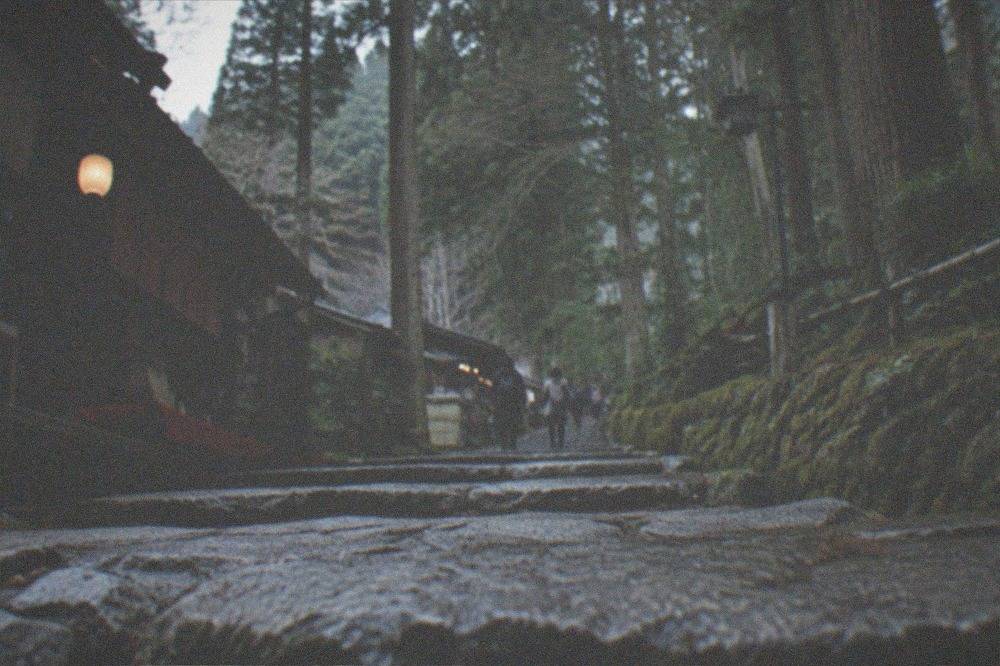
Kurama and Kibune, Ohara and Takao are the three mountain valleys within an hour of central Kyoto, and each is a bus or a single train ride away. Kurama and Kibune sit at the end of the Eizan railway, about an hour from Demachiyanagi, with a hike between the two villages and a hot spring at the top. Ohara needs a bus but rewards it with Sanzen-in's moss garden.
These are the trips that most visitors to Kyoto never take, because the temples inside the city absorb all the time. That is a fair trade on a first visit, but on a third or fourth day the mountains are the better call. The Kurama to Kibune hike takes about two hours over the ridge, passing the shrine of tengu lore and ending at a village of riverside dining platforms that are built over the stream in summer. The full route is in the Kurama and Kibune guide.
Ohara, an hour by bus from Kyoto Station, holds Sanzen-in and a village of farmhouses that feels further from the city than the clock says. Takao is the closest of the three, a short bus ride up a valley of maple trees with three quiet temples and almost no crowds outside autumn. Both have their own guides, Ohara and Takao.
Is Hiroshima and Miyajima Possible as a Day Trip From Kyoto?
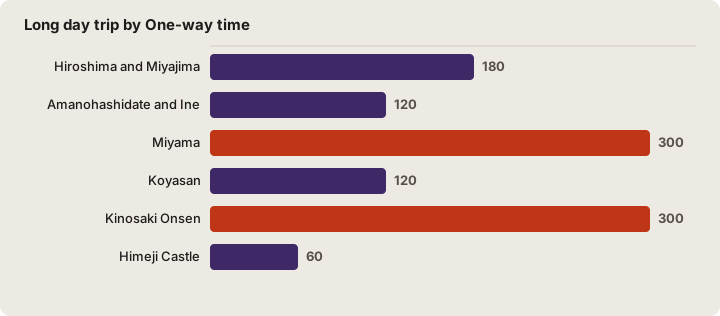
Hiroshima and Miyajima are a long but workable day trip from Kyoto, roughly two and a half to three hours each way by shinkansen, and the Hiroshima Miyajima bus tour from Kyoto covers the Peace Memorial Park and the island in a single 8-hour guided day from $115 per person, rated 4.7 from 1,239 reviews. Doing it independently means an early shinkansen and a late return, but it is done every day.
The guided option exists precisely because the independent version is punishing. The bus tour handles the transfer logistics, the Miyajima ferry and the timing at the Peace Park, and it is one of the few cases where a tour buys real hours rather than convenience. The trade is simple: you see the two headline sites, the Peace Memorial Park and Itsukushima shrine, and you skip the museum depth that an overnight stay allows.
For the full picture of what the trip involves, see the Hiroshima and Miyajima guide. The exact shinkansen fare from Kyoto to Hiroshima was not verified for this site, so check the current fare on the operator's own reservation page before budgeting, and note that the Japan Rail Pass does not cover the fastest Nozomi services on that line.
| Long day trip | One-way time | Best for | Verdict |
|---|---|---|---|
| Hiroshima and Miyajima | about 2.5 to 3 h by shinkansen | Peace Park, Itsukushima shrine | Guided day tour or overnight |
| Amanohashidate and Ine | about 2 h by limited express plus bus | Sandbar, boat houses | Full day, early start |
| Miyama | about 1.5 h by bus or train plus bus | Thatched village | Half to full day |
| Koyasan | about 2 h by train plus cable car | Temple stay, cemetery | Better overnight |
| Kinosaki Onsen | about 2.5 h by limited express | Seven public baths | Overnight town |
| Himeji Castle | about 1 h by shinkansen | The castle itself | Half day is enough |
What About Amanohashidate, Ine and Miyama?
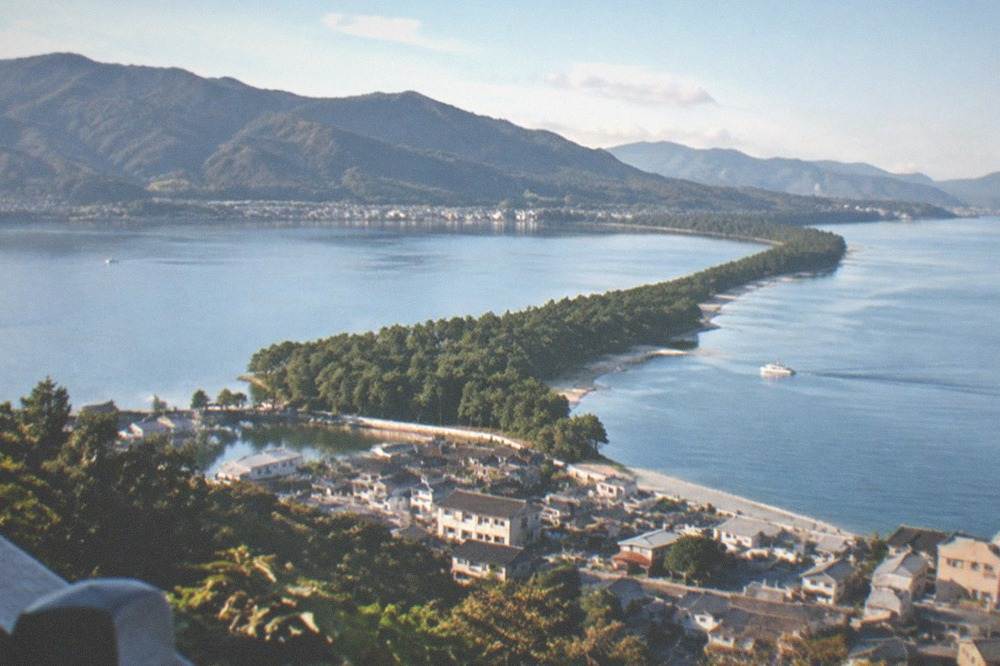
Amanohashidate and the boat houses of Ine sit on the Sea of Japan coast about two hours north of Kyoto, and the combined day tour runs 10 hours from $52 per person, rated 4.9 from 597 reviews. Amanohashidate is the pine-covered sandbar ranked as one of Japan's three scenic views, and Ine is a fishing village whose houses are built over the water. Miyama's thatched village is the third stop on the same route.
The north coast is the trip that Kyoto's visitors most consistently underestimate. The limited express from Kyoto Station to Amanohashidate station takes about two hours, and the view from the hillside parks at either end of the sandbar is the point of the journey. Ine is a further bus ride up the Tango peninsula, where about 200 fune-bune boat houses line the bay with garages for fishing boats on the ground floor.
Miyama is different again: a hamlet of some 30 thatched kayabuki farmhouses in a mountain valley, still lived in, with a small folk museum. All three are covered in their own guides, Amanohashidate and Ine and Miyama thatched village. The combined 10-hour tour is the efficient way to see all three in one day, since the public transport connections between them are slow and infrequent.
How Much Does a Day Trip From Kyoto Cost in Total?
A realistic day trip budget is a few thousand yen per person for the near destinations: two train fares, one or two admissions, and lunch. Nara costs about 720 yen each way on the JR plus 800 yen into Todai-ji, Uji is 240 yen each way plus 700 yen into Byodo-in, and Kobe about 1,100 yen each way before food. The guided tours run from $52 to $220 per person depending on distance and whether a vehicle is included.
The table below lists the fixed costs. Food is the wild card, and the honest ceiling comes from Kyoto itself: Hyotei, by Nanzen-ji, prints kaiseki from 31,625 yen at lunch and from 37,950 yen at dinner in its main building, while the same kitchen's annex serves asa-gayu at 5,445 yen and a Shokado bento at 7,260 yen. Those are Hyotei's own prices and they say more about the spread of dining in this region than any average could.
| Day trip | Round-trip transport | Main admission |
|---|---|---|
| Uji | 240 yen each way | Byodo-in 700 yen |
| Nara (JR) | about 720 yen each way | Todai-ji 800 yen |
| Osaka | frequent rapid service, check the fare at the gate | castle grounds free |
| Kobe | about 1,100 yen each way | ropeway varies |
| Kurama-Kibune | about 1,000 yen | Kurama-dera varies |
Transport fares marked "about" are single-source figures, so allow a small margin. The one purchase that reliably saves money inside Kyoto itself is the Subway and Bus One-Day Pass at 1,100 yen, worth it on any day you make three or more subway or bus trips.
Should You Take a Guided Tour or Go Independently?
Go independently for Nara, Uji, Osaka and Kobe, where the trains are frequent and the signage is bilingual, and take a tour for Hiroshima, Amanohashidate and any trip that chains three or more sites in a day. The Perfect 1-Day Bus Tour covers Fushimi Inari, Kinkaku-ji and the bamboo grove from $97 per person, rated 4.8 from 5,317 reviews, and a private car tour with a guide and Nara option runs from $220 per person.
The dividing line is transfer time. Inside the under-an-hour ring, a train every ten minutes beats any bus, and you set your own pace at each stop. Beyond it, the arithmetic flips: the Amanohashidate, Ine and Miyama route involves a limited express, two buses and a ferry to do properly, and the 10-hour guided tour does it for less money and less risk than the same day on public transport.
The private car tier is worth considering for groups and for anyone whose Kyoto days are short. The Kyoto Private Car Tour, full day with a local guide and a Nara option, runs 8 hours from $220 per person and is rated 4.9 from 310 reviews, and the Private Customizable Day Tour with guide and vehicle is priced per group from $335. Both let you set the route, which matters if you have already seen the headline temples and want the north of the city or the Fushimi sake district instead.
For readers building a full week around Kyoto with two or three of these trips embedded, the five days in Kyoto itinerary slots day trips into the back half of the week, when the temple fatigue is real and the train north starts to look better than a seventh temple.
What Is the Best Season for Day Trips From Kyoto?
Spring and late autumn are the best seasons, and the JMA phenology record gives the dates: Kyoto's cherry trees flowered on 23 March 2026 and reached full bloom on 30 March, against a 1991-2020 normal of 26 March and 4 April, while the maple red-leaf marker fell on 10 December 2025 against a normal of 5 December. The under-an-hour trips are fine year-round. The mountain trips are not.
The phenology dates come from the Japan Meteorological Agency's Kyoto observatory, which has tracked the same specimen trees for over 70 years. Two years of data make the pattern clear: 2026 bloomed four days ahead of the normal and 2025 a day behind it, so late March to early April is the window, with the first week of April as the safest bet for full bloom.
Autumn is the trickier season to call. The JMA maple marker, 5 December on the 1991-2020 normal and 10 December in 2025, is the observatory's own specimen tree, not the Arashiyama or Kurama peak, which run earlier, in late November. The commercial foliage forecasts for 2026 put the Kyoto red-leaf peak in late November to mid-December. The practical advice: book the mountain day trips for late November, and expect the Kurama to Kibune hike to be at its best then, with the trade-off of the year's biggest crowds on the same trail.
| Season | Kyoto normals (JMA 1991-2020) | 2026 actual | Best day trips |
|---|---|---|---|
| Cherry flowering | 26 March | 23 March | Uji, Osaka castle grounds |
| Cherry full bloom | 4 April | 30 March | Nara Park, Philosopher's Path |
| Ginkgo yellow | 24 November | not yet observed | Kobe, city walks |
| Maple red leaves | 5 December | not yet observed | Kurama-Kibune, Takao, Ohara |
Summer changes the calculus. July, not June, is Kyoto's wettest month, with 223.6 mm of rain against June's 199.7 mm on the JMA 1991-2020 normals, and August is the hottest at a mean of 28.5 C with a mean daily high of 33.7 C. Three of Kyoto's six hottest days on record fell in the summers of 2024, 2025 and 2026. The mountain valleys, the Kibune riverside platforms and the north coast are the summer choices.
Common Questions About Day Trips From Kyoto
Which Day Trips From Kyoto Take Under An Hour: Nara, Osaka, Uji, Kobe?
Nara is about 45 minutes on the JR Miyakoji Rapid at roughly 720 yen, Uji about 20 minutes at 240 yen, Osaka about 30 minutes, and Kobe about 50 minutes. All four are direct services from Kyoto Station or a nearby terminal, with no reservations needed.
Is Nara or Uji the Better Day Trip From Kyoto?
Nara for the deer, the scale of Todai-ji and a full day of sights. Uji for tea culture, Byodo-in and a shorter, cheaper, quieter trip. If you have one day and want the bigger impression, Nara. If you have seen the big temples already, Uji.
Can You Do a Day Trip From Kyoto to Hiroshima?
Yes, but it is roughly two and a half to three hours each way by shinkansen, so the day starts early and ends late. The Hiroshima Miyajima guided bus tour from $115 per person covers the Peace Memorial Park and the island in 8 hours and handles the transfers.
What Is the Cheapest Day Trip From Kyoto?
Uji, at 240 yen each way on the JR Nara Line and 700 yen into Byodo-in, so the fixed costs stay low before food. Osaka is also cheap, since the castle grounds are free and the rapid service runs every few minutes.
Do You Need a Rail Pass for Day Trips From Kyoto?
Usually no. The JR West Kansai Area Pass costs 2,800 yen for one day, which is more than a round trip to Nara or Uji costs. It only pays off on days with multiple long JR rides, and the bus-only city pass it is sometimes confused with no longer exists.
Which Day Trip Is Best in Autumn?
Kurama and Kibune, Takao and Ohara, all in late November. The JMA maple marker for Kyoto is 5 December on the 1991-2020 normal, but the mountain valleys peak two to three weeks earlier than that observatory date, so aim for the last week of November.
How Do You Fit Day Trips Into a Kyoto Itinerary?
Do not plan a day trip before day three. Kyoto's headline sights, Fushimi Inari, Kinkaku-ji, the Higashiyama slopes, need two full days at minimum, and the city's 2025 survey counted 62.79 million visitors, so every one of them is crowded by mid-morning. Slot day trips into days three to five, one per day at most, and keep the under-an-hour set for afternoons when the temples close.
Most Kyoto temples stop admitting between 16:00 and 17:00, which leaves a long summer evening. Osaka, 30 minutes away, is the natural answer, and its nightlife runs until the last trains back. For everything worth seeing inside the city itself, the things to do in Kyoto page is the master list to draw from.
The pairing that works best for a first week: two days in Kyoto, a Nara day, a Kyoto day, then either Osaka or the Arashiyama morning with an afternoon trip to Uji, which sits on the same JR line as the Fushimi sake district. Whatever you choose among these trips, the train is the easy part: the hard part is deciding which of them to cut, and the honest answer is that on a week in Kyoto you will run out of days before you run out of options, as this Kyoto Travel Guide lays out across its neighborhood and itinerary pages.