Which Is Fastest From KIX To Kyoto: Haruka, Limousine Bus Or Taxi?
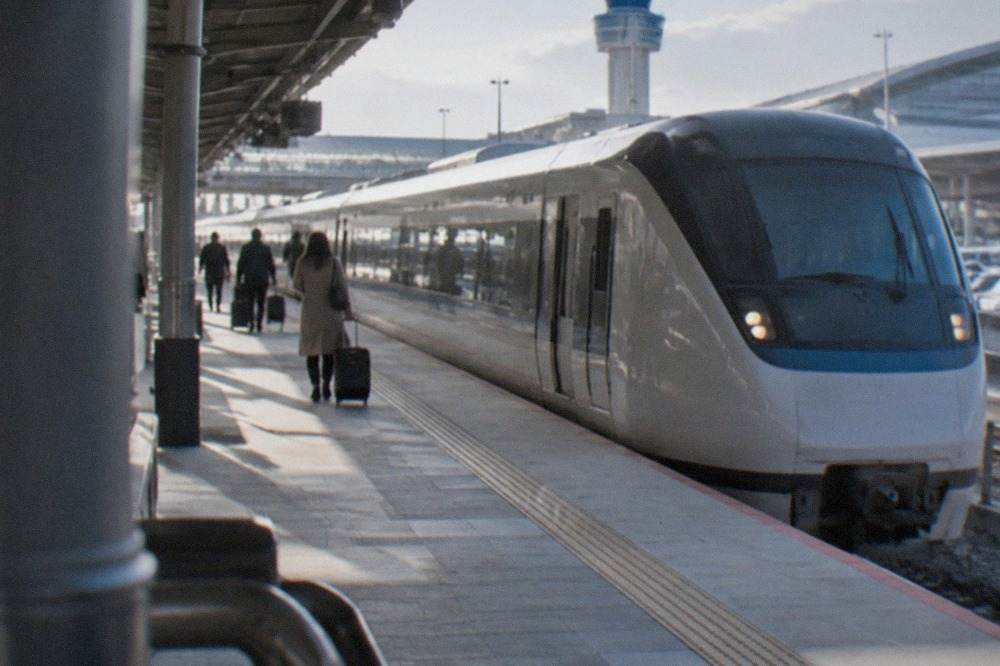
The Haruka limited express is the fastest way from Kansai Airport to Kyoto Station, taking about 80 minutes without a transfer, and the JR West visitor ticket prices it at 2,200 yen. The airport taxi is the only door-to-door option but costs many times more.
Short answer
The Haruka is fastest at about 80 minutes direct from Kansai Airport to Kyoto Station, and the JR West HARUKA One-way Ticket for foreign visitors costs 2,200 yen. Limousine buses from KIX run to central Kyoto hotels in roughly 105 minutes, and a taxi covers the roughly 100 km in about 90 minutes at a much higher fare.
Kyoto has no airport of its own. Every visitor lands somewhere else, and for almost everyone flying internationally that means Kansai International Airport, the island airport in Osaka Bay that most people call KIX. From there you have three realistic ways into Kyoto: the JR Haruka limited express train, an airport limousine bus, or a taxi or private transfer. The answer to which is fastest is simpler than most guides admit, and the answer to which is best value is simpler still.
The Haruka runs direct from the airport to Kyoto Station in about 80 minutes, with no transfer and no traffic. The JR West HARUKA One-way Ticket, a product sold specifically to foreign visitors, prices that ride at 2,200 yen for an adult and 1,100 for a child. Nothing else combines that speed with that price. The bus is cheaper in some cases and drops you closer to some hotels, the taxi is the only true door-to-door option, and this guide compares all three honestly, including the details that changed in 2026. If you are still building the rest of the trip, our Kyoto Travel Guide hub page collects the transport, area and itinerary pieces in one place.
Which Is Fastest From KIX To Kyoto: Haruka, Limousine Bus Or Taxi?
The Haruka limited express train is the fastest option, running direct from Kansai Airport Station to Kyoto Station in about 80 minutes with no transfers. The limousine bus takes roughly 105 minutes to central Kyoto and depends on road traffic, while a taxi or private car covers the roughly 100 km distance in about 90 minutes, also traffic dependent. Only the train's journey time is effectively fixed, because it never leaves the rails.
That "about" on the train time is deliberate. The 75 to 80 minute figure for the Haruka comes from secondary sources rather than a JR West fare page we could verify directly, so this site reports it as about 80 minutes rather than promising a precise minute count. What is verified on JR West's own pages is the product and the price: the HARUKA One-way Ticket for foreign visitors,, at 2,200 yen to Kyoto for an adult and 1,100 for a child. The regular fare without that ticket is about 3,060 yen non-reserved, which is why the visitor ticket is the one worth knowing about before you land.
Speed is not only about the clock, either. The Haruka leaves from Kansai Airport Station, which is inside the terminal building, one escalator ride from arrivals. You are on a train within twenty minutes of clearing customs if the ticket machines cooperate. A taxi ranks outside the same terminal but then faces the bay crossing and the expressways into Kyoto, and the bus has to work through central Kyoto streets stop by stop. For the full story on the train itself, including seat reservations and luggage racks, read our Haruka Express guide.
How Much Does Each KIX To Kyoto Option Cost?
The Haruka costs 2,200 yen with the JR West visitor ticket, the airport limousine bus to Kyoto Station costs around 2,600 yen for adults, and a taxi or private transfer is priced per vehicle rather than per person, so a group of three or four narrows the gap considerably. The bus is priced per person, the taxi per car, which is the single biggest cost difference between them.
The train and bus prices are per person, so a family of four pays four times the fare. The taxi is per car, which is why it stops looking absurd for larger groups or for anyone arriving at midnight with four suitcases. This site's verified prices, all from the operators' own pages, break down like this:
| Option | Adult fare | Child fare | Basis |
|---|---|---|---|
| Haruka with JR West HARUKA One-way Ticket | 2,200 yen | 1,100 yen | per person, foreign visitors |
| Haruka regular fare, non-reserved | about 3,060 yen | about half | per person |
| KIX limousine bus to Kyoto Station area | around 2,600 yen | around 1,300 yen | per person |
| Taxi or private transfer | priced per vehicle | per vehicle | varies by destination and time |
Two cautions on that table. The bus figures are the commonly published ones and vary slightly by exact stop, so check the operator's live listing when you book. The transfer figures depend on destination, vehicle size and arrival time, and this site does not print a single number for them; the operator's listing states the coverage area and options. The one number you should not print from memory is any regional rail pass price beyond the JR West Kansai Area Pass, which is 2,800 yen for one day on JR West's own page; reports of that pass being withdrawn appear nowhere on JR West's own site, so this guide makes no promise either way about its future.
If you are weighing a private transfer seriously, the departure direction is where it earns its keep. A private car from a Kyoto hotel to KIX removes the 6 a.m. platform calculus entirely, and the operator's listing spells out the vehicle sizes and coverage area.
Where Does The Haruka Actually Take You In Kyoto?
The Haruka terminates at Kyoto Station, on the south edge of central Kyoto, from where the Karasuma subway line, city buses and JR lines fan out across the city. It does not stop at any other Kyoto station, so if your hotel is in Arashiyama, the north or the far east you will transfer once at Kyoto Station. Most first-time visitors stay within one subway or bus ride of it.
Kyoto Station is not just a terminus, it is the city's transport spine. The Karasuma subway line runs north from the station under the main shopping axis, with adult fares of 220 to 360 yen depending on zone. City buses board from several street-level stops at a flat 230 yen per adult ride, 120 yen per child. The one thing to know before you buy anything is that the old bus-only one-day pass no longer exists: sales ended at the end of September 2023 and the last day of use was 31 March 2024. The product that replaced it for visitors is the Subway and Bus One-Day Pass at 1,100 yen, 550 for a child, which covers both networks. Our Kyoto bus and subway pass guide works out when it pays off.
Kyoto Station itself deserves a sentence of warning: it is enormous, and the bus stops alone span several blocks. Give yourself ten minutes to find the right one with luggage. The city's transport bureau publishes the stop map on its own pages, and the station information counter will point at the right letter for your hotel area.
For choosing where to sleep relative to all this, our where to stay in Kyoto guide maps the neighborhoods against transport, and the Kyoto Station area guide covers staying right on top of the Haruka's terminus, which is the single most underrated convenience for an arrival day.
Is The Limousine Bus From KIX To Kyoto Worth It?
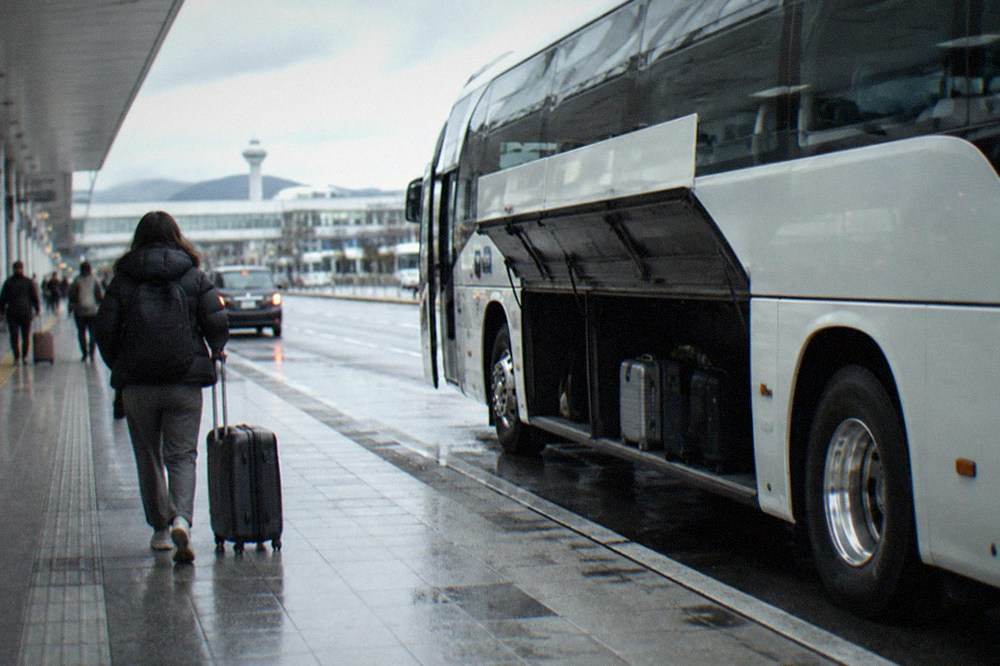
The limousine bus is worth it when your hotel is one of its direct stops, because it drops you at the door with your luggage stowed underneath, but it is slower than the Haruka at roughly 105 minutes to Kyoto Station and it is exposed to road traffic. It is not worth it if you would have to transfer anyway, because the Haruka plus one subway ride is faster and cheaper.
The bus's real selling point is the hotel stops. Several routes from KIX serve central Kyoto hotels and the area around Kyoto Station, which means no dragging suitcases through a rail station at all. Against that, the schedule is thinner than the Haruka's, the journey is longer even in good traffic, and a jam on the Hanshin Expressway can add half an hour without warning. The train simply does not have that failure mode.
One point of confusion to clear up: the famous 1,500 yen limousine bus fare you may have read about is the Itami Airport route, not KIX. The Itami to Kyoto Station limousine, run by Hankyu Kanko Bus, costs 1,500 yen for an adult and 750 for a child, takes about 50 to 55 minutes from the Hachijo exit side, and has accepted contactless card payment since 1 March 2026. If you are arriving at Itami instead of KIX, that bus is genuinely competitive, and our Itami Airport to Kyoto guide covers it in full. Domestic arrivals often land at Itami, so check your booking before you plan around KIX advice.
When Is A Taxi Or Private Transfer From KIX The Right Call?
A taxi or private transfer is the right call for late-night arrivals after the last Haruka, for groups of three or more where the per-vehicle price approaches the combined per-person train fares, and for travelers staying far from Kyoto Station in places like Ohara or the northern hills. For a solo traveler arriving midday, it is the most expensive option by a wide margin.
The timing point matters most. The Haruka's last departures from KIX are in the evening, and the limousine buses thin out around the same time. If your flight lands at 21:30, the platform maths changes completely: a taxi or pre-booked private transfer may be the only realistic way to reach Kyoto that night rather than sleeping at the airport hotel. Check the operator's timetable for the exact last departure on your travel date, because seasonal revisions move it.
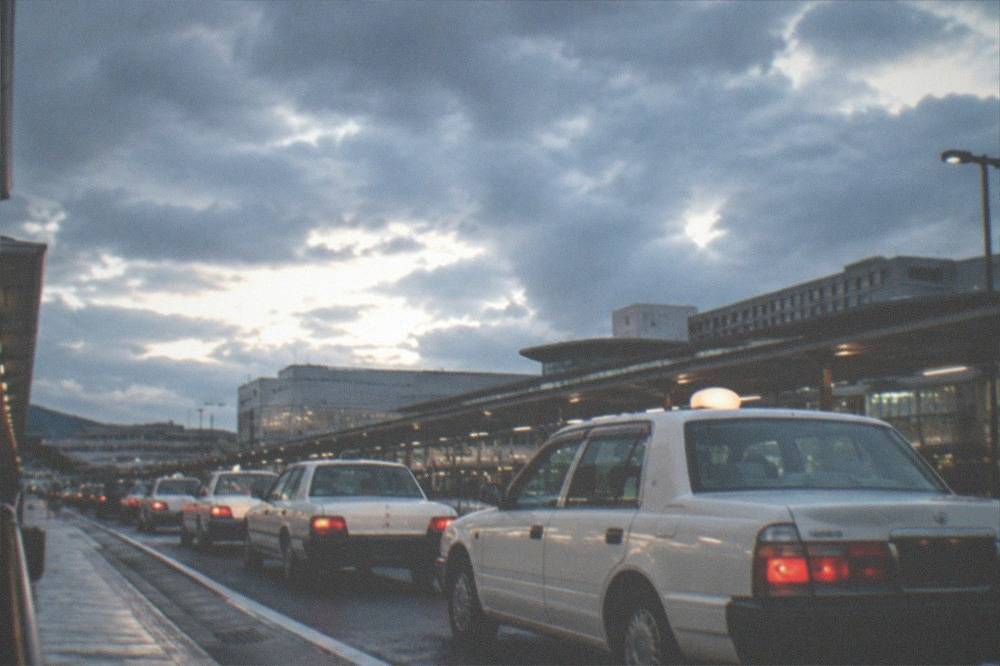
For the departure side of the trip, a private transfer works in reverse and arguably better. Kyoto hotels to KIX at dawn, with a driver tracking your flight, removes the single most stressful leg of a Japan itinerary. The operator's listing states the coverage area and vehicle options, and the product is bookable through this site's transfer partners.
A metered taxi from KIX to Kyoto is also possible, and it will cost broadly the same as a pre-booked transfer, sometimes more with night surcharges and tolls. Our Kyoto taxi and Uber guide explains how taxis work inside the city once you have arrived, including the flat bus fare alternative of 230 yen a ride that makes short hops cheap.
What Should You Know About ICOCA And Tickets At KIX?
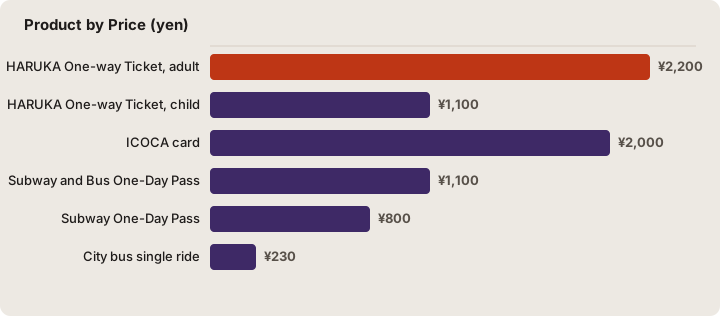
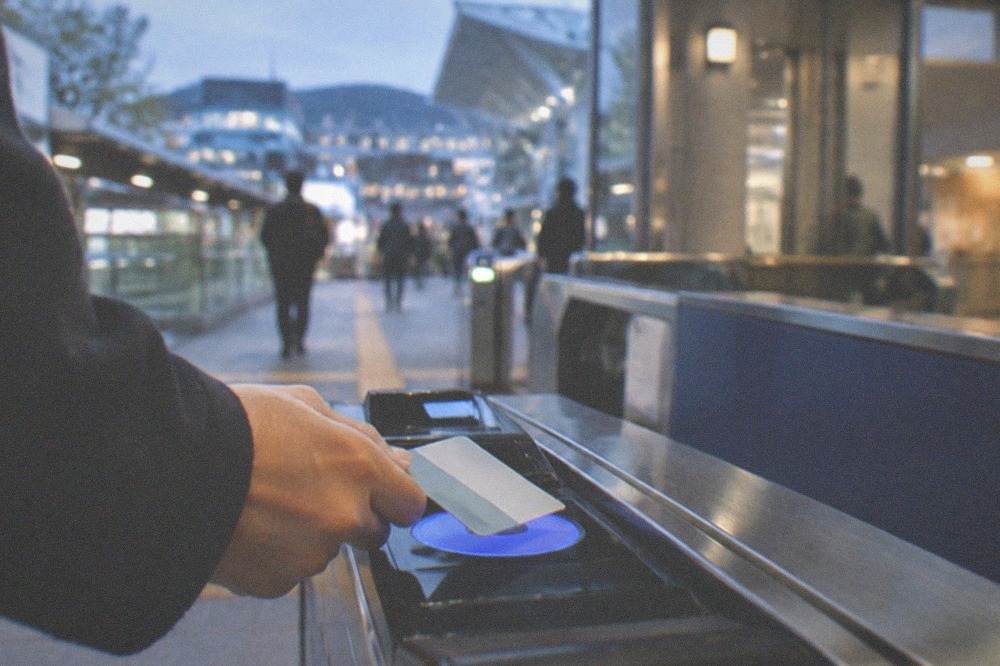
An ICOCA card costs 2,000 yen including a 500 yen refundable deposit and works on the Haruka's non-reserved cars, city buses and the subway, but it does not give you the visitor ticket price. Buy the JR West HARUKA One-way Ticket for the airport leg if you are eligible, then add an ICOCA for everything inside Kyoto. The two products solve different problems.
The cleanest setup for most visitors is two purchases. First, the HARUKA One-way Ticket, bought with a foreign passport, which handles the airport leg at 2,200 yen instead of the roughly 3,060 yen regular fare. Second, an ICOCA, charged with a few thousand yen, which covers the 230 yen bus rides and the 220 to 360 yen subway fares for the rest of the stay. JR West's own how-to page confirms the 2,000 yen ICOCA price with the 500 yen deposit inside it.
| Product | Price | What it covers |
|---|---|---|
| HARUKA One-way Ticket, adult | 2,200 yen | KIX to Kyoto, one ride, foreign visitors |
| HARUKA One-way Ticket, child | 1,100 yen | same, ages 6 to 11 |
| ICOCA card | 2,000 yen incl. 500 deposit | buses, subway, JR local trains, vending |
| Subway and Bus One-Day Pass | 1,100 yen | unlimited city buses and subway, one day |
| Subway One-Day Pass | 800 yen | subway only, one day |
| City bus single ride | 230 yen | flat fare, adult |
Notice what is not on that list: the bus-only one-day pass. It ended, as covered above, and any guide still recommending it is at least two years stale. The Subway and Bus One-Day Pass at 1,100 yen is the current product, and it only pays off if you will ride four or more bus trips in a day, which the Kyoto buses guide helps you judge. For data as well as trains, our eSIM for Kyoto guide covers staying connected from the moment you land.
What About Arriving From Osaka Or Tokyo Instead?
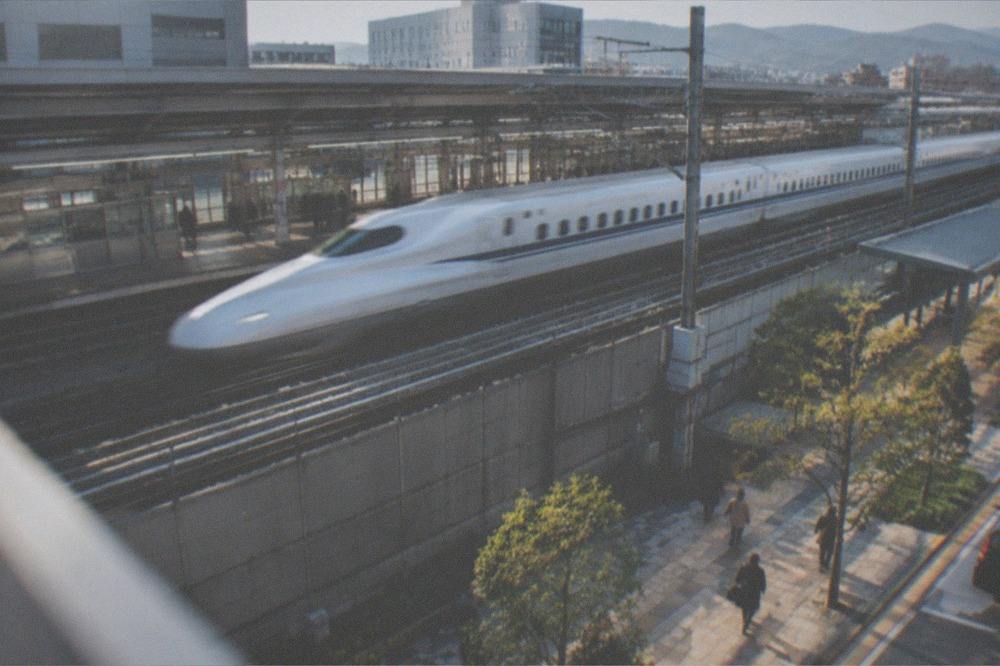
If you are already in Japan, arriving from Tokyo by Shinkansen to Kyoto Station or from Osaka by JR or subway-linked lines is faster and cheaper than routing through KIX, and the Haruka is only the right tool when you are starting at the airport itself. Tokyo to Kyoto by Shinkansen takes about two hours and fifteen minutes, and Osaka to Kyoto runs about 30 minutes on the JR Kyoto Line.
This sounds obvious, but it trips people up on multi-city trips. A traveler flying into Tokyo and immediately backtracking to KIX for a Kyoto flight has added hours and cost for nothing. The Tokyo to Kyoto guide compares the Shinkansen against flying into either airport, and the Osaka to Kyoto guide covers the short hop for anyone splitting a stay between the two cities.
The airport question also has a general answer page: our Kyoto airport guide compares KIX against Itami for Kyoto-bound travelers, including which domestic routes favor which airport. The short version is that KIX handles the international traffic and the long-distance domestic routes, while Itami is closer to Kyoto for the short domestic hops.
How Do You Get From Kyoto Station To Your Hotel?
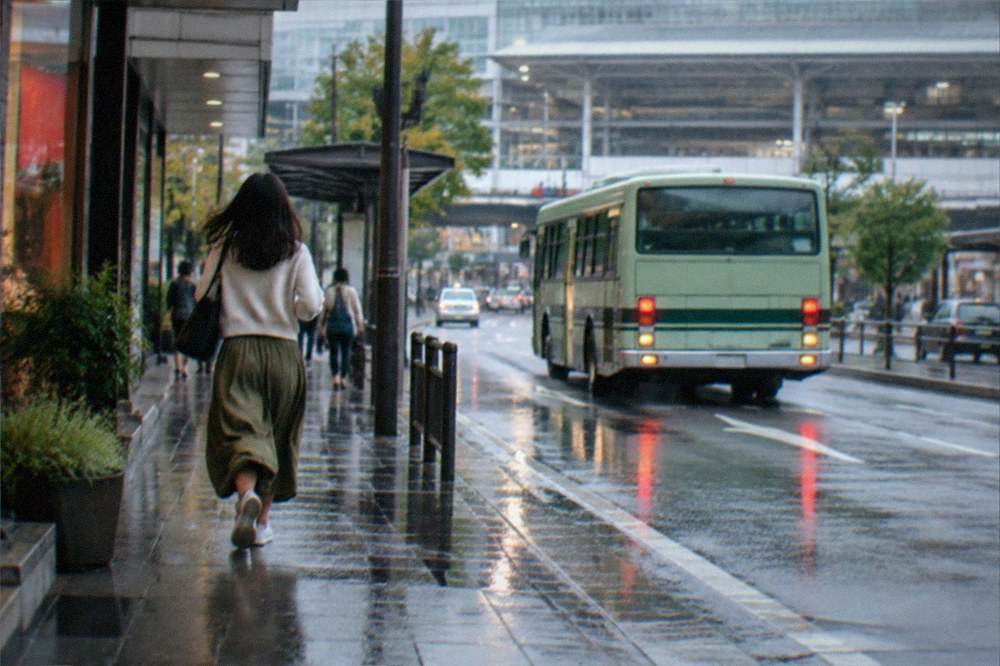
From Kyoto Station you reach central hotels by Karasuma subway line in under ten minutes, by city bus at a flat 230 yen, or on foot if you are staying in the station area itself, and the EX100 and EX101 tourist express buses run direct from the station to the Kiyomizu and Gion side for 500 yen in cash. Taxis from the station rank complete the picture for heavy luggage.
The EX100 and EX101 buses deserve a special mention for arrivals, because they were built precisely for people like you. The city's transport bureau runs them as limited-stop expresses from Kyoto Station to the Gojo-zaka stop for Kiyomizu-dera, then Gion and on toward Ginkaku-ji, at 500 yen for an adult and 250 for a child, with IC cards accepted. If your hotel is on the east side of the city, they beat a crowded local bus with luggage. The city launched them as part of its overtourism measures, and they run primarily on weekends and holidays, so check the operating days.
| Connection from Kyoto Station | Fare | Notes |
|---|---|---|
| Karasuma subway line | 220 to 360 yen by zone | runs north under the shopping axis |
| City bus, flat fare | 230 yen adult, 120 yen child | flat fare anywhere in the city |
| EX100 / EX101 tourist express | 500 yen adult, 250 yen child | limited stops toward Kiyomizu, Gion, Ginkaku-ji |
| Subway and Bus One-Day Pass | 1,100 yen | both networks, pays off from about four bus rides |
| Station taxi rank | metered | best with heavy luggage |
For the luggage itself, Kyoto runs a hands-free delivery network with counters at the station, which the city promotes specifically to keep suitcases off crowded buses. Our Kyoto luggage storage guide covers the counters and the delivery options. And once you are installed, the one day in Kyoto itinerary is built around a station-area start, which pairs naturally with a Haruka arrival.
What Can You Do With A Day Saved On The Transfer?
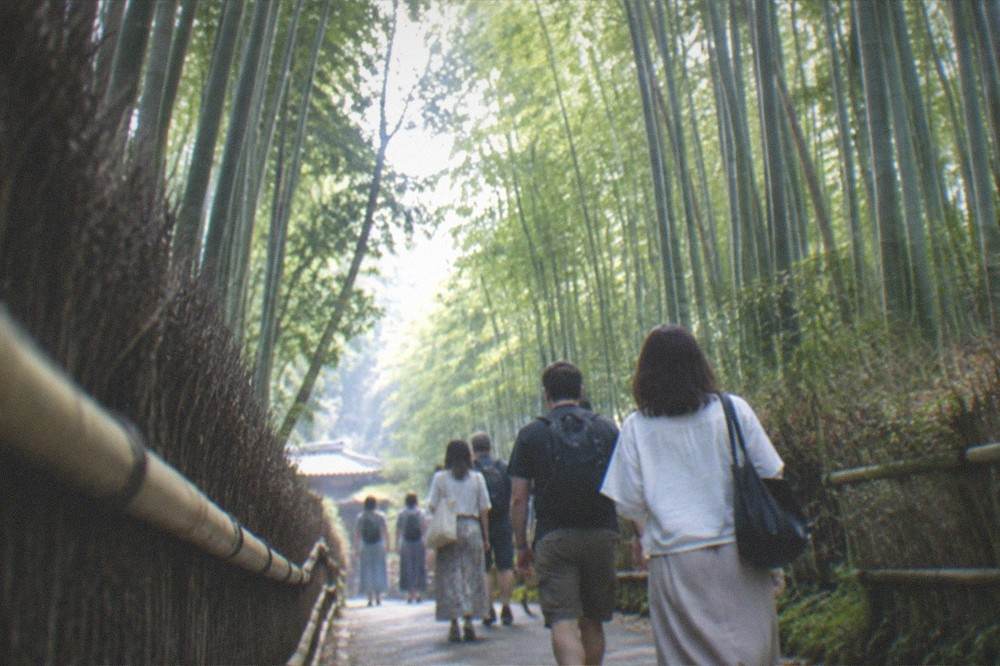
A fast Haruka arrival saves you the better part of a morning compared with the bus, and the most efficient use of that saved time is a guided day tour that starts from central Kyoto, such as a one-day bus tour covering Fushimi Inari, Kinkaku-ji and the Arashiyama bamboo grove, or a half-day walking tour of Arashiyama. Both pick up near the station area and hand you the headline sights without any route planning on day one.
This is the quiet argument for the train that nobody prices. The Haruka's 80 minutes against the bus's 105 or more is not just comfort, it is a full temple visit recovered. A first-timer with two or three days in the city should not spend the first of them reading bus maps, and the guided options below are the ones this site rates for exactly that arrival-day scenario.
For travelers who prefer to move under their own power once the luggage is dropped, the Arashiyama walking tour covers the bamboo grove, the monkey park approach and a temple garden in about five hours, which fits neatly into an afternoon that a morning Haruka arrival makes possible.
Common Questions About Kansai Airport To Kyoto Transport
Which Is Fastest From KIX To Kyoto: Haruka, Limousine Bus Or Taxi?
The Haruka train is fastest at about 80 minutes, direct from the airport terminal to Kyoto Station. The taxi takes about 90 minutes subject to traffic, and the limousine bus takes roughly 105 minutes to central Kyoto, also subject to traffic.
How much is the Haruka from Kansai Airport to Kyoto?
The JR West HARUKA One-way Ticket for foreign visitors costs 2,200 yen for an adult and 1,100 yen for a child. The regular fare is about 3,060 yen non-reserved, so the visitor ticket is the better buy if you are eligible.
Does the Haruka go to any stop besides Kyoto Station?
No. Within Kyoto the Haruka terminates at Kyoto Station, so you transfer there to the subway, city buses or a taxi for hotels elsewhere in the city.
Is there a bus from KIX to Kyoto hotels?
Yes, airport limousine buses from KIX serve central Kyoto, including hotel stops and the Kyoto Station area, at around 2,600 yen for an adult. The journey takes roughly 105 minutes and depends on road traffic.
What is the last Haruka from KIX to Kyoto?
The last departures are in the evening, and the timetable shifts with seasonal revisions, so check the operator's timetable for your exact travel date. If you land after the last train, a taxi or pre-booked private transfer is the realistic option.
Do I need an ICOCA card for the Haruka?
No. An ICOCA works for the non-reserved fare, but it does not give you the visitor ticket price. Buy the HARUKA One-way Ticket for the airport leg and use ICOCA for buses and the subway inside the city.
The honest summary: take the Haruka unless a hotel bus stop is at your door or your arrival time forces a car. Book the visitor ticket before you land, keep an ICOCA charged for everything after Kyoto Station, and remember that the bus-only day pass you may have read about is gone, replaced by the 1,100 yen Subway and Bus One-Day Pass. Get those three things right and the transfer from Kansai Airport to Kyoto becomes the easiest part of the trip.