Day Trip From Kyoto To Koyasan
Koyasan is the monastic mountain headquarters of Shingon Buddhism, reached from Kyoto by train, a cable car and a winding bus, and it is the most demanding of Kyoto's classic day trips. Here is how the route works, what a single day on the mountain can hold, and when the plan tips from ambitious to unrealistic.
Short answer
There is no direct train from Kyoto to Koyasan. The route runs through Osaka to Gokurakubashi, where the Nankai cable car climbs the mountain, and the whole journey, transfers included, takes up most of a morning each way. That makes Koyasan a long day trip: possible, but only with an early start.
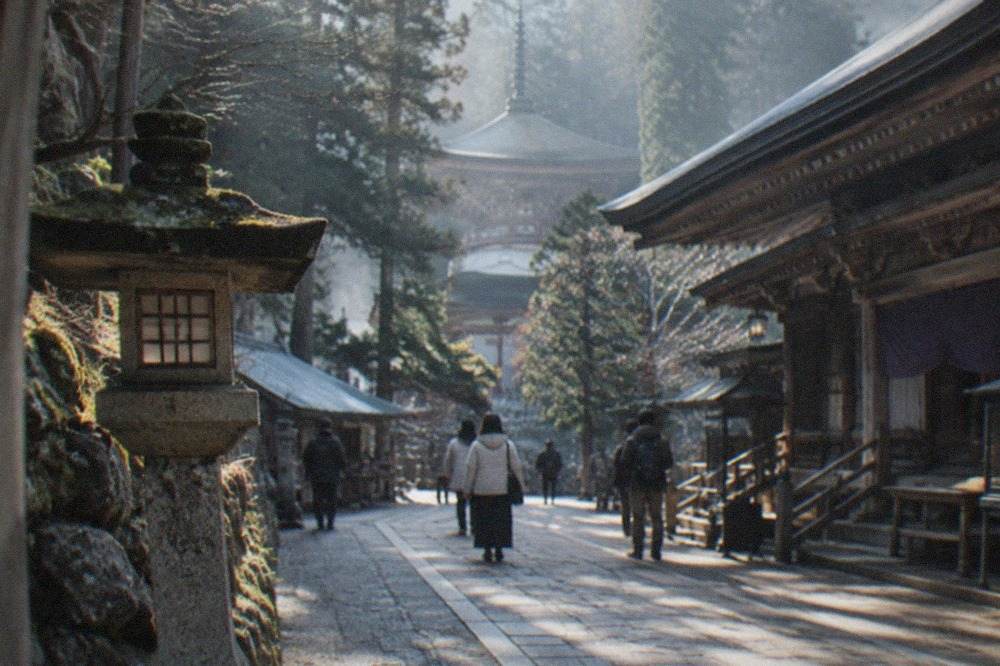
Koyasan sits on a forested plateau about 1,000 metres up in the mountains of Wakayama Prefecture, south of Kyoto, and it is not a place you stumble into. The monk Kukai, known after his death as Kobo Daishi, founded it in the early ninth century as the centre of Shingon Buddhism, and the mountain has functioned as a working monastic town ever since: more than a hundred temples, a cemetery trail through centuries-old cryptomeria, and lodging houses where lay guests eat shojin ryori, the vegetarian cuisine of the temples. This site's Kyoto Travel Guide coverage usually stays inside the city, but Koyasan is one of the few destinations that justifies the longest day trip a Kyoto base allows.
The honest framing matters before anything else. Kyoto drew a record 62.79 million visitors in 2025, according to the city's own tourism survey released in June 2026, and the pressure shows most at the headline sights inside the city. Koyasan is the opposite problem: it is far enough, and logistically awkward enough, that the question is never crowds but time. Every decision on this page flows from that single constraint.
How Long Does It Take From Kyoto To Koyasan By Train And Cable Car?
There is no direct service of any kind from Kyoto to Koyasan. The journey runs south through Osaka on JR or subway lines to a Nankai Railway station, then by Nankai express to Gokurakubashi at the foot of the mountain, then up the steep final climb by the Nankai cable car, and finally by bus across the plateau to the temple quarter. With transfers, allow most of a morning each way, and treat any plan that does not leave Kyoto before mid-morning as a plan to stay overnight.
The reason the answer is shaped this way rather than given as a single number is that the total depends on connection luck at two or three points, and no operator publishes a Kyoto-to-Koyasan through time. What is fixed is the structure: rail to Osaka, Nankai rail to the valley station, cable car up the mountain wall, bus on top. The cable car section is the shortest link in the chain by far; the rail mileage to Osaka and the winding mountain sections are what eat the day.
A practical consequence follows. Because the last part of the route is a mountain railway and bus network with a finite service day, the mountain effectively closes for late arrivals. The temples keep their own hours, the cemetery path is a public walking route, but the return cable car and trains run on a timetable that punishes anyone who lingers past late afternoon. Build the day backwards from the last sensible departure from Koyasan, not forwards from a comfortable Kyoto breakfast.
For readers still assembling the Kyoto end of the trip, the city's own transit is cheap and simple: the City Bus flat fare is 230 yen for adults and 120 yen for children, the subway runs 220 to 360 yen by zone, and the Subway and Bus One-Day Pass is 1,100 yen, or 550 for a child. The old bus-only one-day pass no longer exists; sales ended in September 2023 and the last day of use was 31 March 2024, so any guide still recommending it is out of date.
What Does The Route From Kyoto To Koyasan Look Like Stage By Stage?
The route has four stages: a run from Kyoto down to a Nankai station in Osaka, the Nankai express south to Gokurakubashi, the cable car up the mountain flank, and a bus across the Koyasan plateau to the temple area. The stages that decide the day are the Osaka connection and the cable car transfer, because a missed link at either one costs a full interval on a mountain timetable, not a few minutes on a city line.
Stage one is the Osaka leg. From Kyoto Station, JR lines reach Osaka Station or Namba-area stations depending on the routing chosen, and the subway can complete a transfer to Nankai's network at Namba or Shin-Imamiya. This is ordinary urban rail, frequent and forgiving, and it is the one part of the journey where a delay costs minutes rather than an hour.
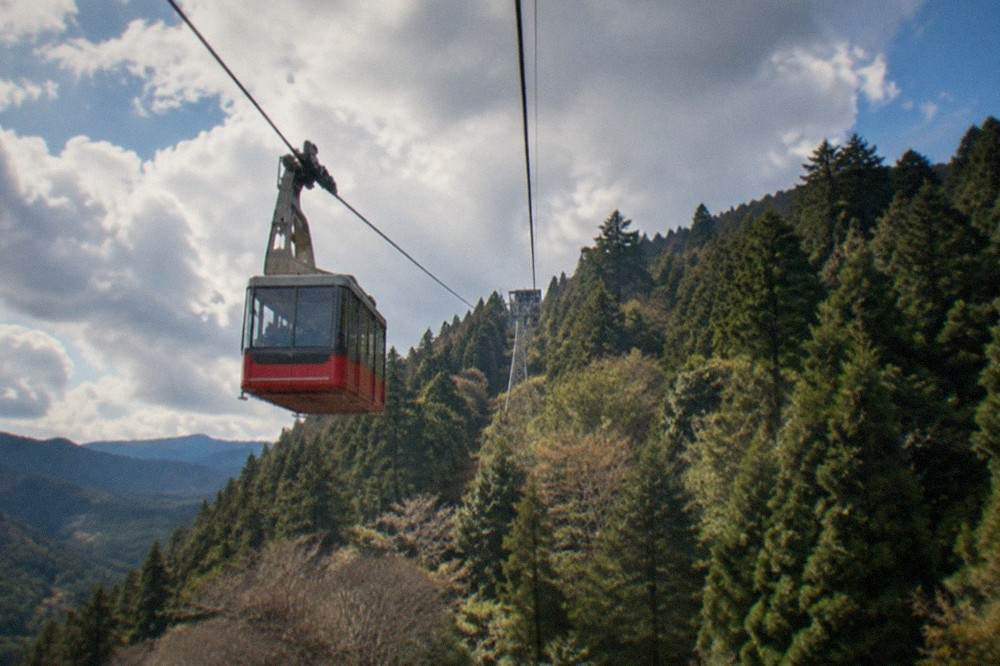
Stage two is the Nankai run from Osaka down to Gokurakubashi, the valley terminus at the bottom of the cable car line. Nankai operates express services on this corridor, and the station at the top of the mountain, Koyasan Station, connects by bus to the temple quarter. The cable car between Gokurakubashi and Koyasan Station is one of the steepest ordinary cable car lines in Japan, and it is the piece every traveller remembers: a short, sharply angled climb through forest with the valley dropping away below the windows.
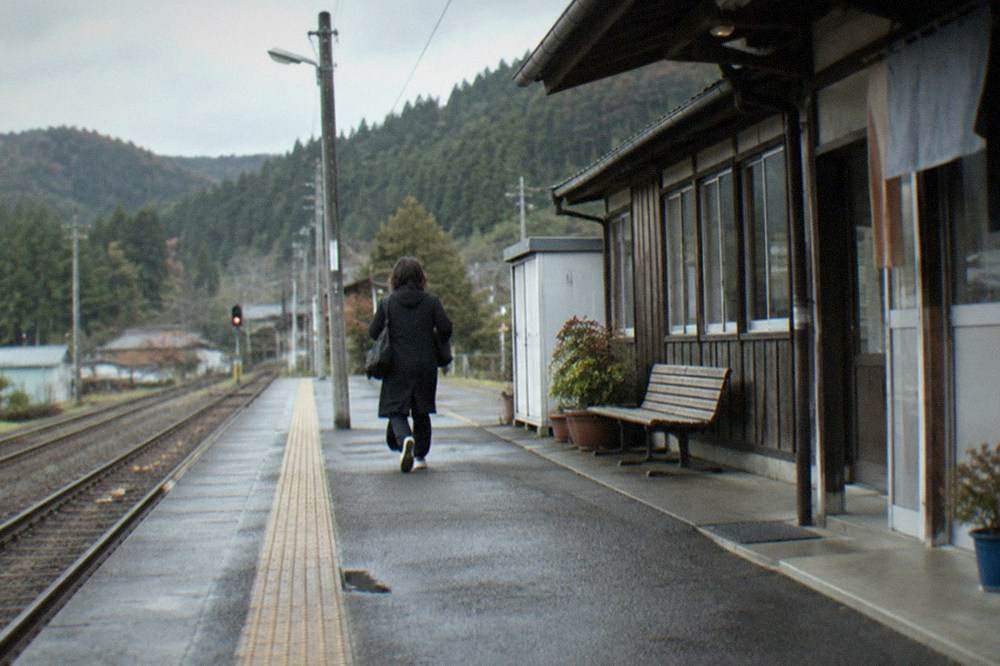
Stage four, the plateau bus, matters more than it looks on a map. The walk from Koyasan Station to the main temple area is long and uphill, and virtually everyone takes the bus. Timetables are coordinated with the cable car, which helps, but the bus is also the service that returns you at the end of the day, so note the last departures when you arrive rather than trusting to luck at dusk.
For comparison, here is how Koyasan stacks up against other classic day trips from Kyoto, using the fares this site has verified from operators and timetables:
| Day trip from Kyoto | Direct rail link? | Verified fare signal | Character of the day |
|---|---|---|---|
| Nara | Yes, JR Miyakoji Rapid | 720 yen one-way, about 45 minutes | Easy half or full day, flat walking |
| Uji | Yes, JR Nara Line | 240 yen one-way | Short, relaxed, tea and Byodo-in |
| Kurama and Kibune | Yes, Eizan line from Demachiyanagi | short mountain railway, one transfer at Kurama | Half day of hiking |
| Osaka | Yes, frequent | multiple operators, city-scale | Urban, no planning risk |
| Koyasan | No, cable car and bus required | no through service from Kyoto | Long day, mountain timetables |
The pattern is blunt: every other major day trip from Kyoto is a single train ride away, and Koyasan alone demands a multi-stage mountain transfer. If you want a deeper comparison of the options, the day trips from Kyoto guide covers the full set, and the Nara and Kurama and Kibune pages detail the two easiest alternatives.
What To Actually See And Do On Koyasan In One Day?
The realistic one-day Koyasan itinerary is three things: Okunoin, the vast cemetery forest walk to Kobo Daishi's mausoleum; Danjo Garan, the central temple compound with its pagoda and main hall; and, if time and appetite allow, a shojin ryori meal, the vegetarian temple cuisine the mountain is famous for. Kongobu-ji, the head temple, can replace one of the two walks, but trying to do all four in a day-trip window turns the visit into a checklist sprint.
Okunoin is the reason most people make the trip. The approach is a stone path through an old cemetery said to hold the graves of centuries of Japanese religious and secular figures, running under tall cedars, ending at the torii and halls of the mausoleum area where Kobo Daishi is venerated in eternal meditation. The walk is the attraction: it takes a unhurried stretch of time, and it is the one part of Koyasan that genuinely cannot be compressed. Give it the largest single block of your day.
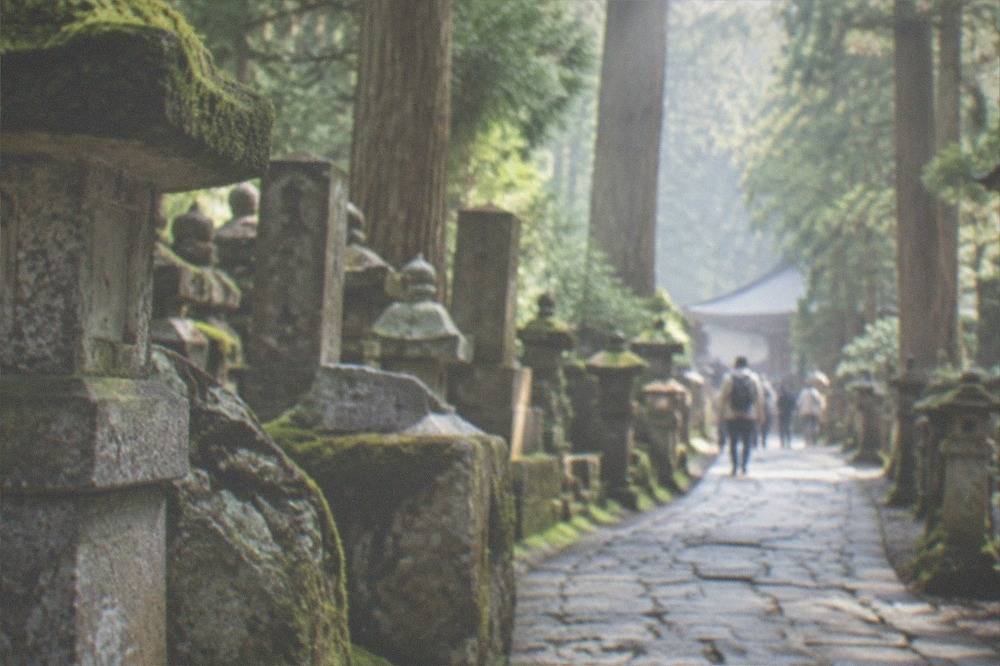
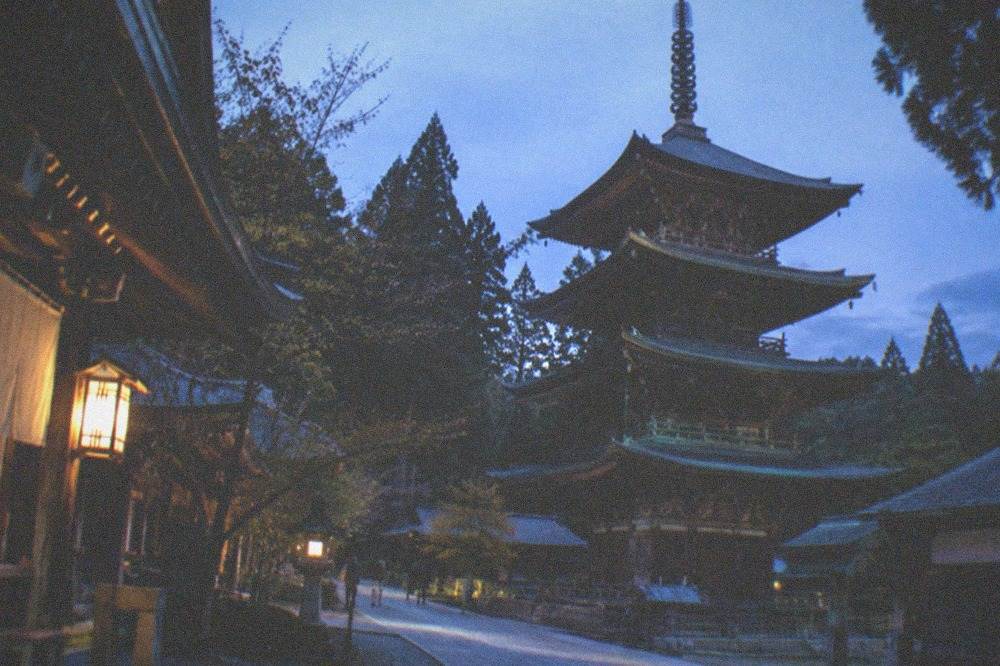
Danjo Garan is the monastic heart, a compound of halls and a large pagoda that Kukai established as the ritual centre of Shingon. It sits close to the town's main street, so it pairs naturally with lunch and with Kongobu-ji, whose Banryutei rock garden is one of the largest in Japan. The distances on the plateau are walkable but not trivial, and the town bus links the Garan area to Okunoin's entrance, which saves legs on a compressed schedule.
Shojin ryori deserves a word of honesty. It is superb, subtle cooking, and the temple lodging houses serve it to overnight guests as a matter of course, but a day tripper needs to plan lunch deliberately, because the famous temple meals are tied to the shukubo, the temple lodgings. Some restaurants in town serve shojin-style set meals at midday; the strongest version of the experience, dinner and breakfast in a temple, belongs to the overnight visitor. Kyoto has its own deep tradition of the same cuisine, covered in the tofu and shojin ryori and vegetarian guides, but the mountain setting is part of what Koyasan sells.
Is One Day Enough For Koyasan Or Should You Stay Overnight?
One day gives you the cemetery walk and the Garan compound, but it costs you the two experiences that define Koyasan: the evening, when the Okunoin path empties and the lanterns do their work, and the morning services at the temple lodgings, which overnight guests attend before breakfast. The honest recommendation is that a day trip is a sampler and an overnight is the real visit; if the itinerary has any flexibility at all, sleep on the mountain.
The economics of the decision are not really about money. A night in a shukubo, temple lodging, with two shojin meals included, is typically comparable to a mid-range Kyoto hotel night once the meals are counted, and it converts six hours on the plateau into eighteen. What the overnight costs is itinerary flexibility elsewhere, because it commits one night of a Kyoto-based trip to a mountain with an early last cable car down.
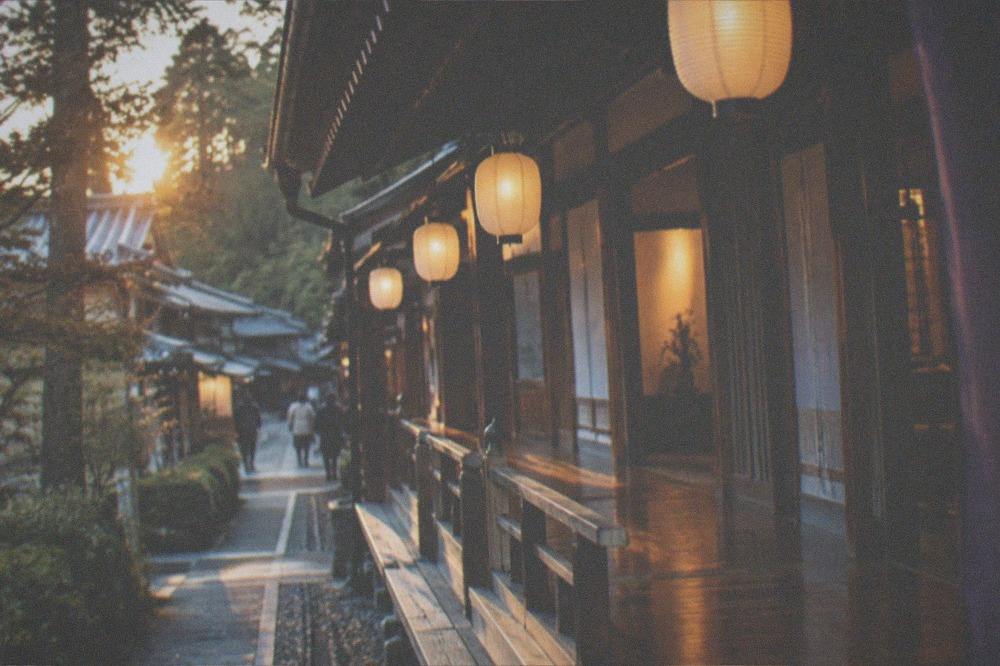
The day-trip version is still worth defending. Travellers on a fixed Kyoto base, especially first-time visitors working through a one day in Kyoto or three days in Kyoto plan, often cannot spare the night, and a well-run day trip delivers the forest, the Garan and the cable car ride, which is more mountain Buddhism than most itineraries ever see. Go with the early start, accept that you will leave before dark, and treat the evening lanterns as the reason to come back.
What Does A Koyasan Day Trip Cost?
The day's costs are the Nankai fare package from Osaka, the cable car and plateau bus, lunch, and the admission charged at the few ticketed temple buildings, and the practical planning approach is to price the Kyoto city transit, which is fully verified below, then confirm the mountain-side fares on the operator's own ticketing page before you travel. Nankai sells combined tickets covering the express train, cable car and bus, and those bundles are usually the right buy for a day tripper who cannot afford a missed connection.
This site's fact base does not carry a verified current figure for the Nankai Koyasan ticket bundles, so treat any specific price printed elsewhere, including in otherwise good guides, as something to confirm on the operator's own ticketing page before you travel. What can be stated is structural: the cable car and the plateau bus are not free additions to a rail ticket, they are separately priced services that the bundles fold together, and buying them separately at Gokurakubashi is the slow way to start a mountain day.
The Kyoto end of the budget is fully verified and small. Here is what the city-side transport actually costs:
| Item | Adult | Child |
|---|---|---|
| Kyoto City Bus, flat fare | 230 yen | 120 yen |
| Kyoto subway, by zone | 220 to 360 yen | 110 to 180 yen |
| Subway and Bus One-Day Pass | 1,100 yen | 550 yen |
| Subway One-Day Pass | 800 yen | 400 yen |
| EX100 / EX101 tourist express bus | 500 yen | 250 yen |
For travellers who have not yet reached Kyoto at all, the arrival costs are also fixed and verified. The JR West HARUKA One-way Ticket for foreign visitors is 2,200 yen from Kansai International Airport to Kyoto, 1,100 yen for a child, with the journey taking about 80 minutes. From Itami Airport, the Hankyu Kanko limousine bus to Kyoto Station is 1,500 yen adult and 750 yen child, about 50 to 55 minutes from the Hachijo exit, and it has taken contactless card payment since 1 March 2026. The Kansai Airport to Kyoto and Itami Airport to Kyoto pages carry the detail.
One Kyoto cost that surprises people booking any overnight, mountain or otherwise: the city's accommodation tax changed on 1 March 2026, and the top tier went from 1,000 yen to 10,000 yen per person per night on rooms of 100,000 yen and up. The middle tiers moved too, with a 20,000 to 50,000 yen room now carrying 1,000 yen. The accommodation tax guide has the full five-tier table.
When Is The Best Time Of Year For A Koyasan Day Trip From Kyoto?
The best windows are late March to April, when the cherry season overlaps with clear mountain air, and late October to November, when the plateau's maples turn well after the city's; the worst are late July and August, when Kyoto's basin is at its hottest and the mountain climb adds humidity of its own, and mid-winter, when snow on the plateau can slow the bus and cable car links.
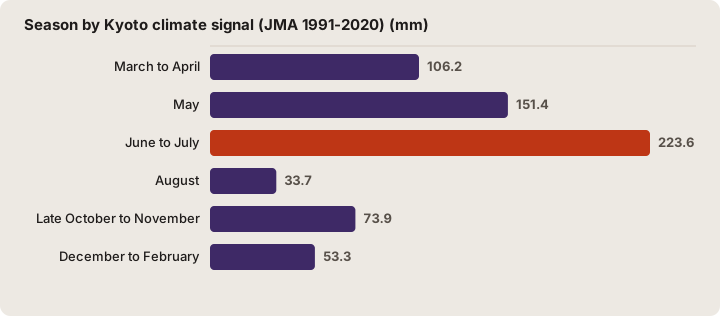
The climate reasoning comes from the JMA 1991-2020 normals for Kyoto, station 47759, and it cuts against common advice. July, not June, is Kyoto's wettest month, at 223.6 mm against June's 199.7 mm, so the rainy-season dodge that books mountain days in early July is mis-timed. August is the hottest month in the city, mean 28.5 C with a mean daily maximum of 33.7 C, and it is also the sunniest at 182.7 hours; the mountain plateau is cooler, but the rail journey to it passes through the basin at its worst.
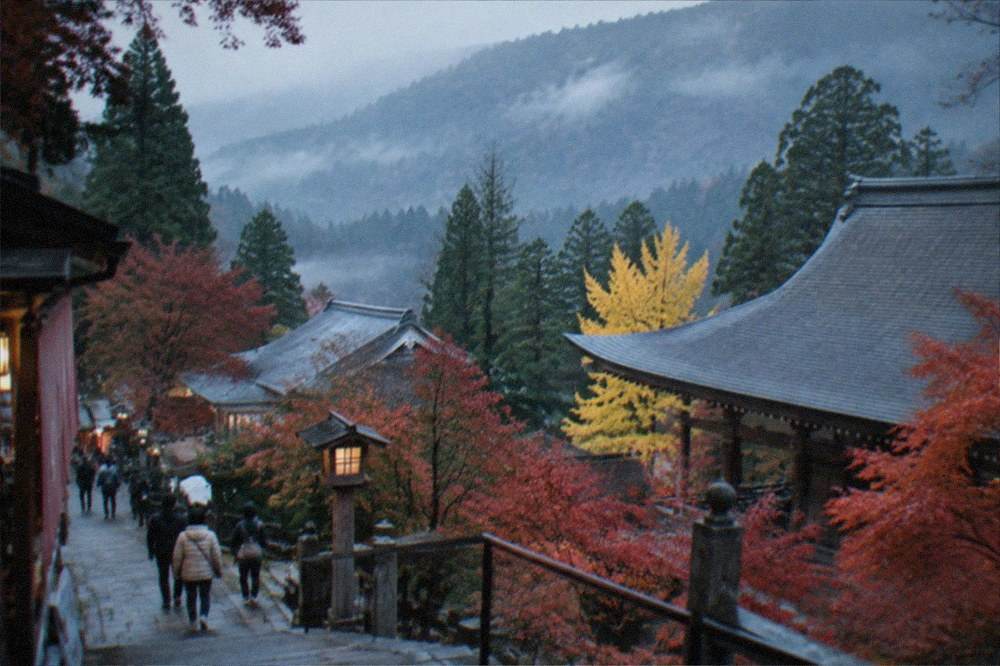
Autumn is the strongest season, with a caveat about dates. The JMA's official marker for maple red leaves in Kyoto has a 5 December normal, far later than the mid-November peak most guides claim for the famous viewing spots, and the 2025 observed date was 10 December. The mountain turns earlier than the city basin, so a late-November Koyasan day can catch colour that Kyoto has already dropped. The Kyoto autumn leaves guide carries the full phenology table.
Winter has a real case for the hardy: Kyoto's January is both its coldest month, mean 4.8 C with a mean daily minimum of 1.5 C, and its driest at 53.3 mm, and the station's record low of -11.9 C and deepest snow of 41 cm are reminders that this is a genuine winter region, not a mild one. Snow on the plateau is atmospheric around the temples but can tighten the mountain timetables, so check the operator's service notices before committing a winter day trip.
| Season | Kyoto climate signal (JMA 1991-2020) | Koyasan day-trip verdict |
|---|---|---|
| March to April | March rain 106.2 mm, April 117.0 mm | Strong: cherry overlap, cool walking |
| May | 151.4 mm, mean 19.5 C | Good: green, comfortable |
| June to July | July wettest at 223.6 mm | Weak: humid, wettest stretch |
| August | Hottest, 33.7 C mean daily maximum | Weak in the city, tolerable up top |
| Late October to November | November rain only 73.9 mm | Strongest: foliage, dry, cool |
| December to February | January driest at 53.3 mm, cold | Specialist: snow risk on the plateau |
What Are The Alternatives If The Koyasan Day Feels Too Long?
If the multi-stage mountain route does not fit your dates, the honest alternatives inside the same travel radius are Kurama and Kibune, a forest hike reached by a single mountain railway from Demachiyanagi in northern Kyoto, and Ohara, a temple village in the northern hills, both of which deliver mountain atmosphere without a cable car transfer or an Osaka rail leg.
Kurama and Kibune is the closest substitute in spirit: a cedar-forested ridge walk between two mountain villages, reached by the Eizan railway, with the Kurama and Kibune page covering the route. Ohara offers temple gardens and rural quiet, detailed in the Ohara guide. For a different flavour of escape entirely, Miyama has thatched village scenery, and Lake Biwa sits a short rail ride east.
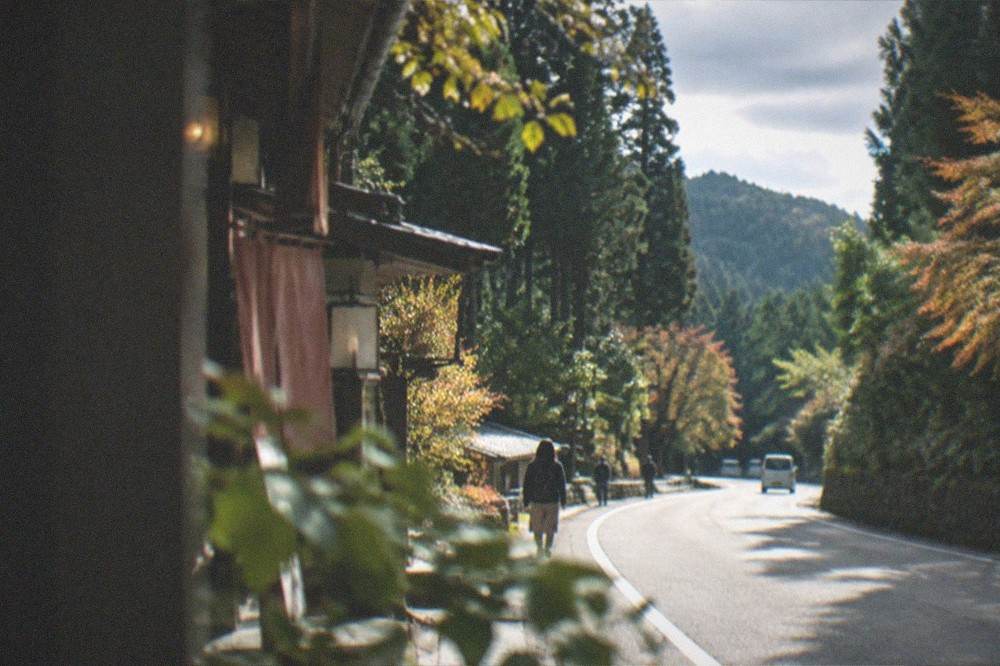
The other honest alternative is to spend the day in Kyoto itself and do it properly. A private guide with a vehicle removes the transfer risk that defines mountain day trips, and the guided options below cover the city's headline sights with the efficiency a fixed itinerary demands.
For travellers who prefer not to plan a self-guided mountain day at all, a structured bus tour of Kyoto's headline sights is the lowest-effort fallback: it covers the golden pavilion, the bamboo grove and Fushimi Inari in one booked day, with none of the timetable anxiety a Koyasan run brings. The comparison below shows how the two styles stack up.
| Style of day | Best for | Trade-off |
|---|---|---|
| Self-guided Koyasan run | Travellers who want the monastic mountain and can start early | Long transfers, fixed mountain timetables |
| Guided bus day in Kyoto | First-time visitors on a tight schedule | Shared pace, less contrast with the city |
| Private guide and vehicle | Fixed itineraries that cannot absorb risk | Highest cost, most control |
Common Questions About A Koyasan Day Trip From Kyoto
How Long Does It Take From Kyoto To Koyasan By Train And Cable Car?
There is no direct service. The route runs through Osaka to Gokurakubashi on the Nankai line, then up the mountain by cable car to Koyasan Station, then by bus to the temple quarter. With transfers, allow most of a morning each way, and plan the day backwards from the last downhill cable car and train connections rather than forwards from a relaxed start.
Can You Do Koyasan As A Day Trip From Kyoto?
Yes, with an early start and realistic expectations. A day trip covers the Okunoin cemetery walk and the Danjo Garan compound comfortably, but the evening lantern-lit path and the morning temple services belong to overnight guests. If the itinerary can absorb one night, a temple lodging is the better version of the visit.
What Is The Cable Car To Koyasan Actually Like?
It is a short, steep funicular-style climb from Gokurakubashi up the mountain flank to Koyasan Station, through forest, and it is timed to connect with the Nankai trains below and the buses above. It is the most memorable link in the chain, but the rail mileage to Osaka and the winding plateau bus are what determine the total journey time.
Is Koyasan Worth The Trip Compared With Nara Or Uji?
They answer different questions. Nara and Uji are single-train, low-stress half days with temples, deer and tea culture. Koyasan is a full monastic mountain with a cemetery forest unlike anything else in Japan, and it costs most of a day to reach and return from. If you want maximum contrast with Kyoto, Koyasan wins; if you want maximum sightseeing per hour, it does not.
Do You Need To Book Anything Ahead For Koyasan?
The Nankai side sells combined tickets covering express train, cable car and bus, which day trippers should buy for the connection security, and temple lodgings for overnight stays book out well ahead in foliage season. The cemetery path and the Garan area need no booking. Confirm current fares and timetables on the operators' own pages before you travel, because mountain schedules change seasonally.
Koyasan rewards the traveller who accepts its terms: a long, staged journey, an early alarm, and a willingness to leave before the lanterns come on. Plan the rail and cable car sequence with the same care you would give a flight connection, keep the return timetable in your pocket all day, and the mountain gives back a stillness that the 62.79-million-visitor city below it cannot.