Three Days In Kyoto: The Itinerary That Actually Works
Three days is enough for Kyoto's core if you accept that the city's twelve activity kinds cannot all be covered and you plan around real closing windows rather than wishful ones.
Short answer
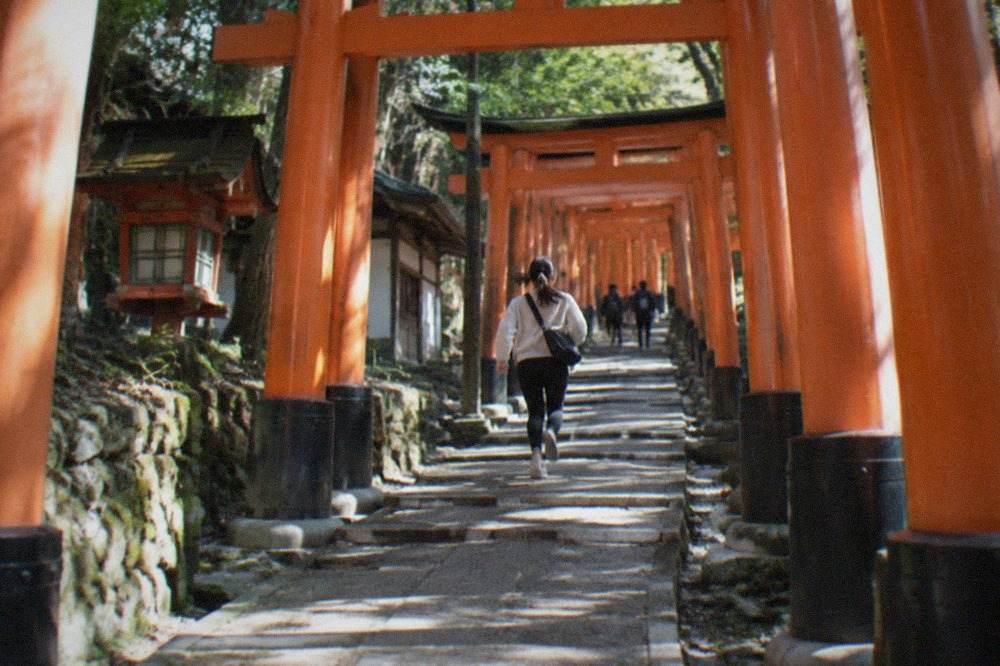
Three days covers Kyoto's essential core: the Fushimi Inari torii paths, the Kinkaku-ji and Ginkaku-ji pavilions, the Higashiyama lanes around Kiyomizu-dera, Arashiyama's bamboo grove and the Sagano Romantic Train, plus one evening in Gion. It is not enough for the imperial villas, the northern mountains or a day trip, and it is definitely not too long.
Kyoto drew a record 62.79 million visitors in 2025, according to the city's own tourism survey released in June 2026, and most of them tried to see the same handful of places in two or three days. That is the real planning problem here: not whether Kyoto has enough content, it plainly does, but whether three days lets you move through it without spending your trip in queues. This itinerary is built only on fees, hours and fares this site has verified against the venues' own pages, and it says plainly where a number has to be checked with the venue because no verified figure exists.
Is Three Days Enough For Kyoto, Or Too Long?
Three days is enough for Kyoto's core and it is not too long, provided you accept a boundary: the site's twelve activity kinds cannot all be covered in three days. You can see the major temples, Fushimi Inari, Arashiyama, Gion and one market. You cannot also fit the imperial villas, the northern mountains, a day trip to Nara or Uji, and a kaiseki dinner with a booking window. Three days is the shortest honest stay; four or five is comfortable.
The question hides a second one: what does "enough" mean? If it means standing in front of Kinkaku-ji at 9:00, walking the Senbon Torii and eating your way down a market street, three days does it. If it means the Katsura Imperial Villa tour, the Kurama to Kibune hike and a slow afternoon in Fushimi's sake district, three days is genuinely too short. The city's 2025 survey counted 46.20 million day visitors against 16.59 million overnight guests, which tells you how many people try to compress Kyoto into less than a day. They are the crowd you are planning around.
For the arithmetic on trip length generally, see how many days Kyoto needs, and for a shorter cut, the two-day Kyoto itinerary drops Arashiyama.
What Can You Realistically See In Three Days In Kyoto?
Realistically, three days covers one anchor area per day: east Kyoto's temple belt from Kiyomizu-dera through Gion on day one, the golden and silver pavilions with Nijo-jo Castle on day two, and Arashiyama with the Sagano Romantic Train on day three. This uses nine or ten of the site's twelve activity kinds, with tea ceremony and a food tour as the flexible fillers. Transfers are transport and sit outside that count.
The structure matters more than the order. Kyoto's sights cluster, and the fastest way to waste a three-day trip is to cross the city repeatedly. The flat bus fare is 230 yen and the subway runs 220 to 360 yen by zone, so the money is trivial either way; the cost is time. The Subway and Bus One-Day Pass at 1,100 yen pays for itself at roughly four bus rides, and it is the current product: the old bus-only pass stopped being usable on 31 March 2024, a fact many older guides still get wrong.
One warning that most itineraries skip. Closing windows are real and early. Nijo-jo Castle stops admitting at 16:00 and closes at 17:00. Ginkaku-ji closes at 16:30 in winter. Sanjusangen-do stops at 16:00 from 16 November. Nanzen-ji's reception ends 20 minutes before its 16:30 winter close. A plan that has you arriving at 16:30 in January is not a plan.
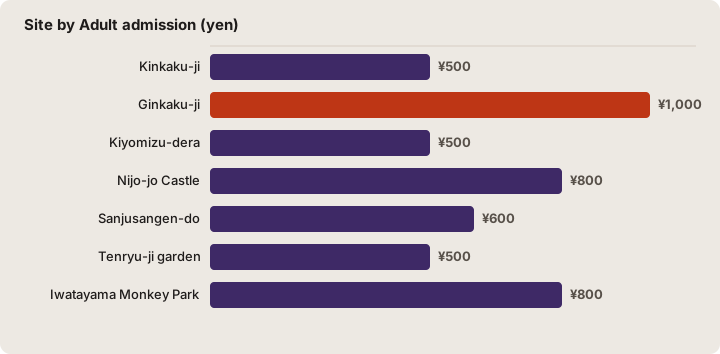
Here is the fee picture for everything this itinerary touches, all verified on the venues' own pages:
| Site | Adult admission | Hours that matter |
|---|---|---|
| Kinkaku-ji | 500 yen | 9:00-17:00 year-round |
| Ginkaku-ji | 1,000 yen from April 2026 | 8:30-17:00 summer, 9:00-16:30 winter |
| Kiyomizu-dera | 500 yen | opens 6:00 daily, closing varies |
| Nijo-jo Castle | 800 yen, or 1,300 with the palace | admission 8:45-16:00 |
| Sanjusangen-do | 600 yen | to 17:00 summer, 16:00 from 16 Nov |
| Tenryu-ji garden | 500 yen, plus 300 for buildings | 8:30-17:00 |
| Fushimi Inari Taisha | free | paths have no closing time |
| Iwatayama Monkey Park | 800 yen, cash only | 9:00-16:00 |
Note the Ginkaku-ji line. The temple doubled its adult fee from 500 to 1,000 yen effective 1 April 2026, its first change in 32 years, so Ginkaku-ji now costs twice Kinkaku-ji. For a first visit, Kinkaku-ji is the better use of a fee that has not moved since April 2023.
If you would rather have day one or two handled end to end, these are the three products that map most directly onto this itinerary:
Day One In Kyoto: Higashiyama And Gion
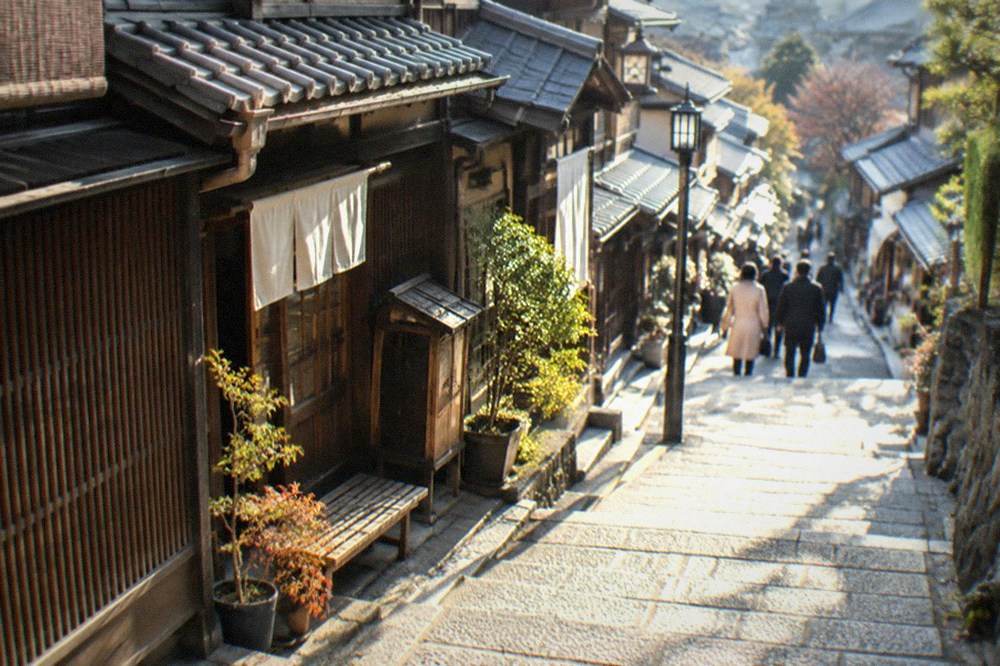
Start day one at Kiyomizu-dera, which opens at 6:00, walk down through Ninenzaka and Sannenzaka to the Kamo river, cross into Gion for the afternoon, and finish with an evening walk along Hanamikoji. The day costs 500 yen in temple admission plus bus or subway fares, and every site on it sits within walking distance of the next one.
The reason to start at Kiyomizu-dera is the 6:00 opening, which the temple's own FAQ confirms. The temple's hours run to 18:00 in the standard season and stretch to 21:30 during the spring and autumn night-viewing windows, which in 2026 run 27 March to 5 April and 21 to 30 November. Arriving early does not come with a crowd-count promise, because no verified figure supports one, but it does mean you are inside before the tour buses.
From the temple gate, the Ninenzaka and Sannenzaka lanes run downhill toward the city. They are the best-preserved slope streets in Kyoto and they are free to walk. By afternoon, move east into Gion. Two conduct rules from the city's tourism association apply and are worth knowing before you go: do not touch, chase or photograph geiko and maiko without permission, and do not enter private property or photograph where prohibited. Signs on the private alleys off Hanamikoji threaten a 10,000 yen penalty, and that signage comes from the local district council, not a city ordinance.
For the evening, the cheapest structured option in this district is a guided walk. The Gion geisha district walks explain what you are looking at; the walk below is the highest-rated paid one on this site's roster.
If the evening budget is zero, the walk itself is free, and Gion's public lanes cost nothing to wander at your own pace.
Day Two In Kyoto: The Pavilions And Nijo-jo Castle
Day two runs west and north: Nijo-jo Castle in the morning while admission is open, Kinkaku-ji at midday, then Ryoan-ji and finishing at Ginkaku-ji before its 16:30 winter close. Admission across the day is the four venue fees listed below, each verified on the venue's own page, and the castle's Ninomaru-goten Palace is a 500 yen addition to the castle ticket if you want the interior.
Nijo-jo Castle is the morning anchor because its admission window closes at 16:00, and because its history rewards attention. In 1867, the 15th shogun, Tokugawa Yoshinobu, summoned senior vassals from 40 domains to the Ohiroma of Ninomaru-goten Palace on 13 October, announced the return of political authority to the Imperial Court on the 14th, and the Emperor accepted on the 15th. The Meiji Restoration was proclaimed in that building. The castle ticket is 800 yen; the combined ticket with the palace is 1,300 yen, and the Honmaru-goten Palace, reopened in September 2024 after restoration, requires a separate 1,000 yen advance reservation.
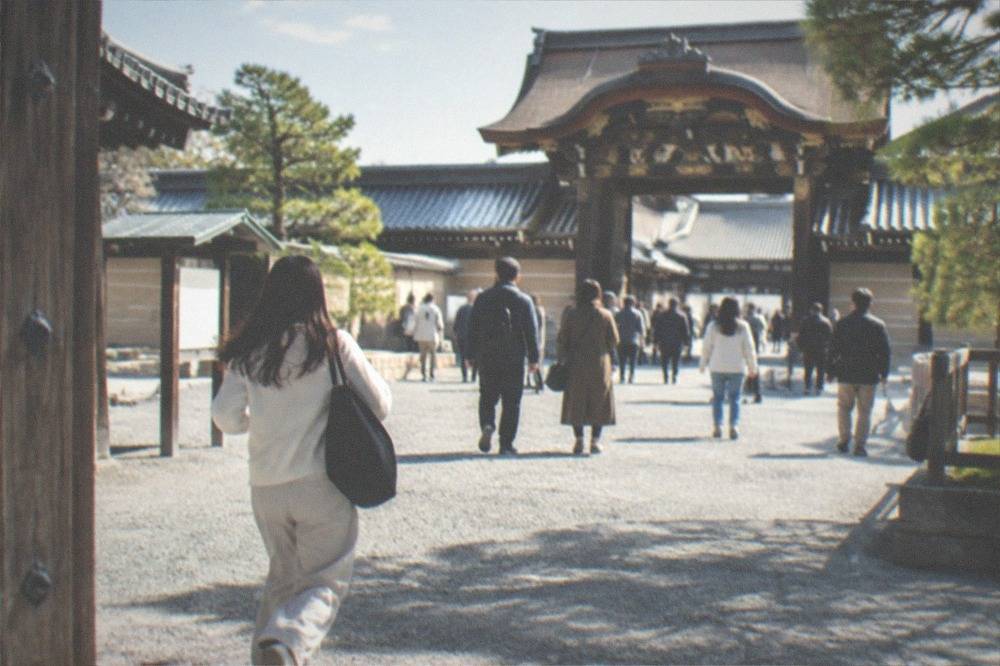
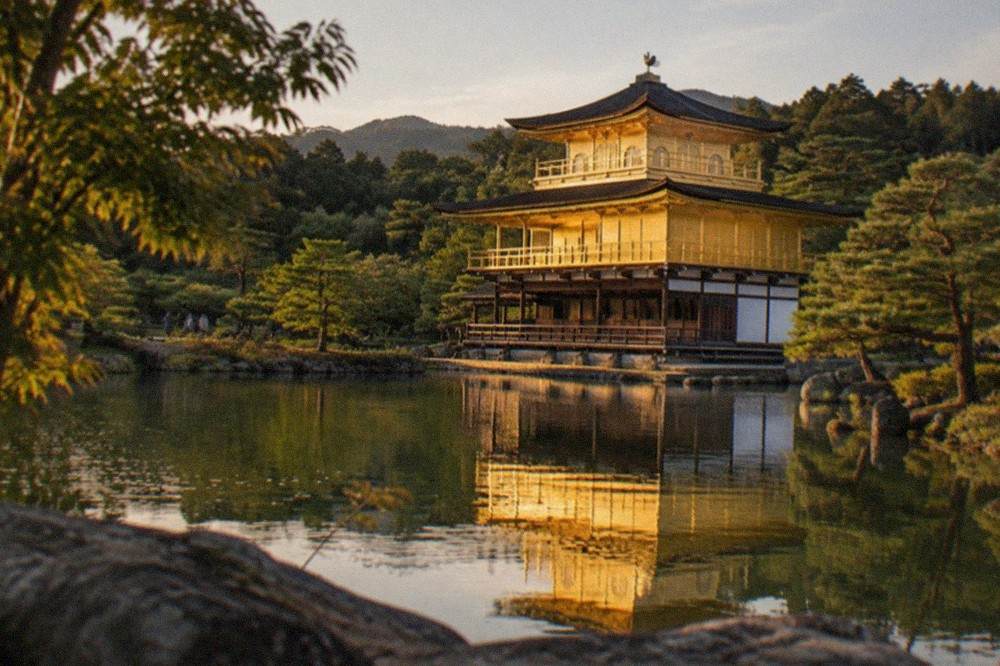
Kinkaku-ji, formally Rokuon-ji, charges 500 yen and opens 9:00 to 17:00 year-round. Ryoan-ji next door charges 600 yen for adults and holds the famous rock garden. Ginkaku-ji, the Jisho-ji, is the day's end point and its fee is the one that changed: 1,000 yen for adults from 1 April 2026, was 500. Its hours are 8:30 to 17:00 from March to November and 9:00 to 16:30 in winter, so the winter close is the constraint your plan has to respect.
The Philosopher's Path starts near Ginkaku-ji if you have legs left, and it costs nothing.
If you would rather compress the pavilion circuit into a single guided loop, the one-day bus tour below covers Fushimi Inari, Kinkaku-ji and the bamboo grove with transport and admission logistics handled, rated 4.8 from 5,317 reviews.
The same operator's listing runs 8.5 to 9 hours, so treat it as a replacement for a full self-guided day rather than a half-day add-on. If that trade suits you, the box below goes straight to the live listing.
Day Three In Kyoto: Arashiyama And The Sagano Romantic Train
Day three goes west to Arashiyama: the bamboo grove in the early morning, Tenryu-ji's garden when it opens at 8:30, the Iwatayama Monkey Park for the view, and the Sagano Romantic Train along the Hozu river gorge, at 880 yen one way for an adult. The day's costs are the individual venue fees below, with the grove itself free and the train the largest single item.
The bamboo grove is a free public path with no closing time, and no enforced one-way system or crowd rule is confirmed on primary sources, so ignore any guide promising a quiet-hour hack. Tenryu-ji, a UNESCO-listed Zen temple, charges 500 yen for the garden and 300 yen more for the buildings. The Iwatayama Monkey Park is a real hike up the hill, 800 yen for adults, cash only, open 9:00 to 16:00, and the park itself warns it closes early if the monkeys head back up the slope.
The Sagano Romantic Train, operated by the Sagano Scenic Railway, runs about hourly through the day and costs 880 yen one way for an adult, 440 for a child. Its season runs roughly March to December with most Wednesdays off, and the operator's own timetable is the place to confirm a specific date. The alternative on the same river is the Hozugawa Kudari boat ride, 6,000 yen for an adult, about two hours on the water, running its regular timetable from 10 March to 13 December 2026. The Hozugawa river boat guide covers the choice in detail.
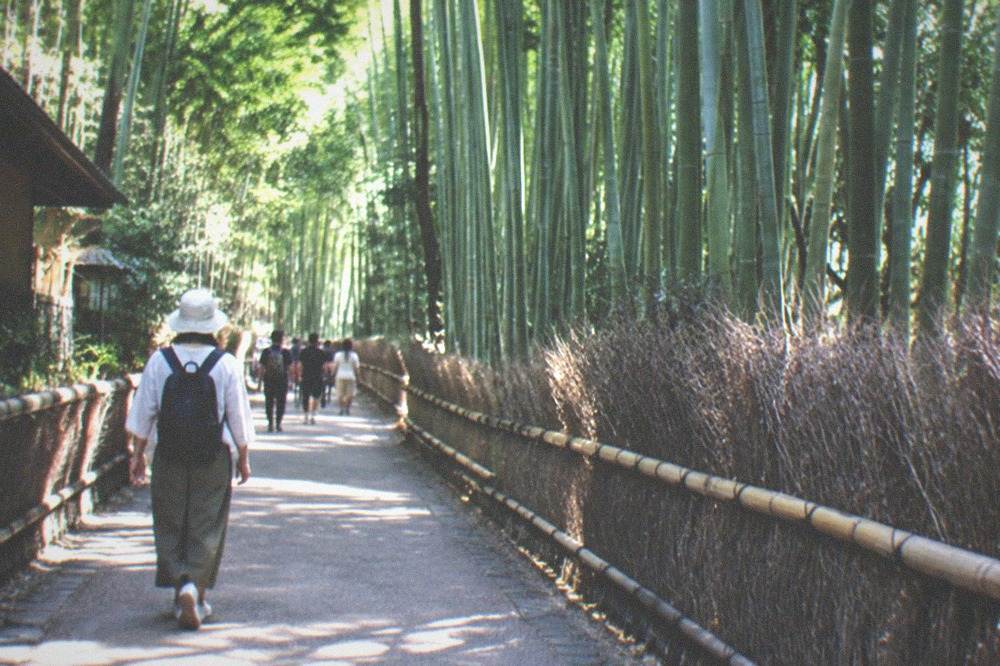
For a guided version of the whole Arashiyama morning, this walk covers the grove, the monkeys and a temple garden in five hours:
What Does Three Days In Kyoto Cost?
A three-day Kyoto trip on this itinerary costs the sum of the individual verified admissions, transport and the Sagano train, before food and lodging. Add the accommodation tax, which changed on 1 March 2026: a 20,000 yen room now carries 1,000 yen per person per night, and the top tier runs to 10,000 yen on rooms of 100,000 yen or more.
The admission arithmetic, using only verified fees:
| Day | Sites and fees |
|---|---|
| Day 1 | Kiyomizu-dera 500 yen; Gion free |
| Day 2 | Nijo-jo Castle 800 yen or 1,300 with the palace; Kinkaku-ji 500; Ryoan-ji 600; Ginkaku-ji 1,000 |
| Day 3 | Tenryu-ji garden 500 yen; Monkey Park 800; Sagano train one way 880; bamboo grove free |
Transport on top is modest. The flat bus fare is 230 yen per ride, the subway 220 to 360 yen, and the Subway and Bus One-Day Pass at 1,100 yen covers unlimited use of both for a day. The airport arrival is separate: the JR West HARUKA one-way ticket for foreign visitors costs 2,200 yen from Kansai Airport to Kyoto, and the journey takes about 80 minutes.
The tax change is the line most competing guides still get wrong. The five tiers from 1 March 2026 are:
| Room rate per night, per person | Tax before 1 March 2026 | Tax from 1 March 2026 |
|---|---|---|
| Under 6,000 yen | 200 yen | 200 yen |
| 6,000 to under 20,000 yen | 400 yen | 400 yen |
| 20,000 to under 50,000 yen | 500 yen | 1,000 yen |
| 50,000 to under 100,000 yen | 1,000 yen | 4,000 yen |
| 100,000 yen and up | 1,000 yen | 10,000 yen |
The base is the room-only charge, excluding meals and consumption tax, and the city expects about 12.6 billion yen a year from the change.
When Should You Take This Three-Day Kyoto Trip?
The best months for this itinerary are late March to early April for cherry blossom and mid to late November for maple foliage, matched against the JMA's own phenology record: Kyoto's sakura full-bloom normal is 4 April, and the maple red-leaf normal is 5 December, far later than most guides claim. July and August are the hardest months, with July the wettest at 223.6 mm and August the hottest at a 28.5 C mean.
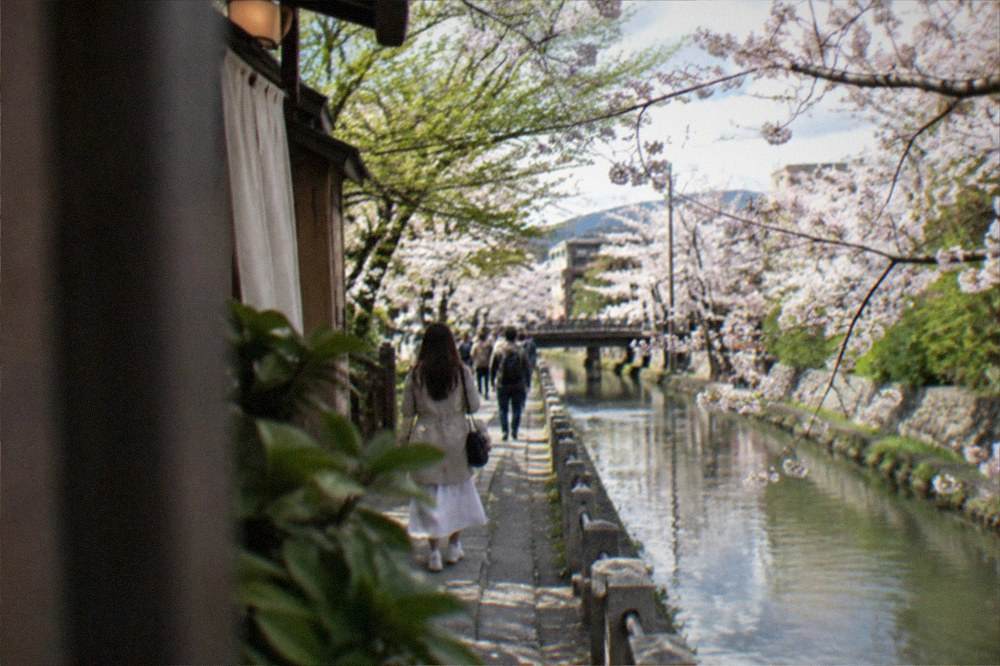
The Japan Meteorological Agency's Kyoto observatory gives the 1991 to 2020 normals, and they are the only bloom dates worth planning on. In 2026 sakura flowered on 23 March and reached full bloom on 30 March, both slightly ahead of normal. In 2025 the dates were 27 March and 5 April. The maple normal of 5 December is the observatory's specimen tree, not the Arashiyama peak, so treat it as the official marker rather than the best week. The cherry blossom and autumn leaves guides carry the season detail.
The monthly climate picture, from the JMA 1991-2020 normals at station 47759:
| Month | Rain mm | Mean C | Mean daily max C |
|---|---|---|---|
| March | 106.2 | 8.8 | 14.1 |
| April | 117.0 | 14.4 | 20.1 |
| May | 151.4 | 19.5 | 25.1 |
| July | 223.6 | 27.3 | 32.0 |
| August | 153.8 | 28.5 | 33.7 |
| November | 73.9 | 12.5 | 17.3 |
The counterintuitive fact worth knowing: July, not June, is Kyoto's wettest month. And three of Kyoto's six hottest days on record fell in the summers of 2024, 2025 and 2026, with July 2026 hitting 39.7 C. If you travel in high summer, plan the outdoor segments for morning.
What Should You Skip If You Only Have Three Days In Kyoto?
Skip the imperial villas' guided tours, the Kurama to Kibune hike, the Fushimi sake district and every day trip beyond the city on a three-day stay, because each one eats half a day or more. Katsura Imperial Villa alone is a reserved 60-minute guided tour at 1,000 yen, Shugakuin is adults-only and free but equally fixed, and Nara or Uji each consume a full day of your three.
The trade-off is real. Katsura Imperial Villa requires an advance application online or same-day numbered tickets with ID, and it closes Mondays. The Kurama and Kibune area sits outside this site's verified fact pack entirely, so no admission fee or journey time can honestly be printed here; check with the venues directly. The same honesty applies to Ohara and Mount Hiei.
Day trips are the most tempting cut, and the arithmetic is against them. Nara is about 45 minutes and 720 yen each way on the JR Miyakoji Rapid, so a Nara day costs you one of your three Kyoto days. If the deer are the reason, the 2026 census counted 1,687 of them in Nara Park, up 222 on 2025. The day trips from Kyoto guide covers the options, but on a three-day first visit, Kyoto itself is the better spend.
What you should not skip is food. The Nishiki Market walk costs nothing to enter, though the shops keep their own hours, roughly 9 or 10:00 to 17 or 18:00, and the market's own rule is to eat at the stall rather than while walking. A tea ceremony runs from entry-level classes upward on this site's roster; the tea ceremony guide explains the range. For the splurge, the kaiseki guide records Hyotei's own published prices: kaiseki from 31,625 yen at lunch in the main building, while the same house's annex serves porridge and bento from 5,445 to 7,260 yen.
Before the final questions, here again are the three products that fit this itinerary best:
Of those three, the bus tour replaces a whole self-guided day, while the studio park ticket is a half-day filler better suited to a fourth day than to this three-day plan. The hidden Inari hike, though, fits day one or day three as a direct upgrade to the shrine visit.
Common Questions About Three Days In Kyoto
Is Three Days Enough For Kyoto, Or Too Long?
Three days is enough for the core, covering the major temples, Fushimi Inari, Arashiyama and Gion, and it is not too long. It is too short for the imperial villas, the northern mountains or a day trip. Four or five days is the comfortable range.
What Is The Best Order For Three Days In Kyoto?
Group by area: Higashiyama and Gion on day one, the pavilions and Nijo-jo Castle on day two, and Arashiyama with the Sagano Romantic Train on day three. This minimises cross-city travel, which is the main time cost in Kyoto.
How Much Money Do You Need For Three Days In Kyoto?
Admissions and transport on this itinerary are the sum of the individual verified fees listed above, before food and lodging. Add the accommodation tax, which from 1 March 2026 charges 1,000 yen per person per night on rooms of 20,000 yen and up.
Can You Visit Fushimi Inari On A Three-Day Trip?
Yes, and it is free, with no closing time on the paths. The shrine dates its founding to 711, when Inari Okami was enshrined on Inariyama, and it is the head shrine of about 30,000 Inari shrines nationwide. The walking-time question is answered in the [Fushimi Inari walking guide](/answers/how-long-does-it-take-to-walk-up-fushimi-inari/).
Should You Take A Day Trip From Kyoto If You Only Have Three Days?
Not on a first visit. Nara is about 45 minutes and 720 yen each way by JR, so a day trip costs one of your three days. Save Nara, Uji or Osaka for a longer stay, using the [four-day itinerary](/itineraries/four-days-in-kyoto/).
What Is The Biggest Planning Mistake For Three Days In Kyoto?
Ignoring closing windows. Nijo-jo Castle stops admitting at 16:00, Ginkaku-ji closes at 16:30 in winter, and Sanjusangen-do stops at 16:00 from 16 November. A schedule that arrives after those times is simply wrong, and no amount of early starts fixes it.
Three days in Kyoto, planned around verified fees and honest closing times, gives you the city's essential core without the compression that ruins most first visits. Start at Kyoto Travel Guide for the full picture, and if a fourth day opens up, the Kyoto itinerary hub shows where it goes.