Day Trip From Kyoto To Nara
Nara sits about 45 minutes from Kyoto by rapid train and packs Japans first permanent capital into a walkable strip of temples, parkland and sacred deer.
Short answer
The JR Miyakoji Rapid takes about 45 minutes and costs about 720 yen one way; the Kintetsu limited express takes about 35 minutes for 760 yen plus a 520 yen surcharge. Both fares are single-source figures, so treat them as close approximations and check the operator before you travel.
Day Trip From Kyoto To Nara
Nara was Japans capital before Kyoto was, holding the seat of power from 710 until the court moved north, and almost everything a visitor needs sits inside a compact area you can cross on foot in twenty minutes. The city draws a very different crowd from Kyoto: fewer gates and lanterns, more open grass, and roughly 1,700 deer wandering the park at the foot of the temples, by the count of the 2026 census. The trip from Kyoto is short enough that the train choice matters more than the itinerary, so this guide starts there and works outward to fees, walking routes and timing.
Which Train From Kyoto To Nara Is Faster: JR Nara Line Or Kintetsu?
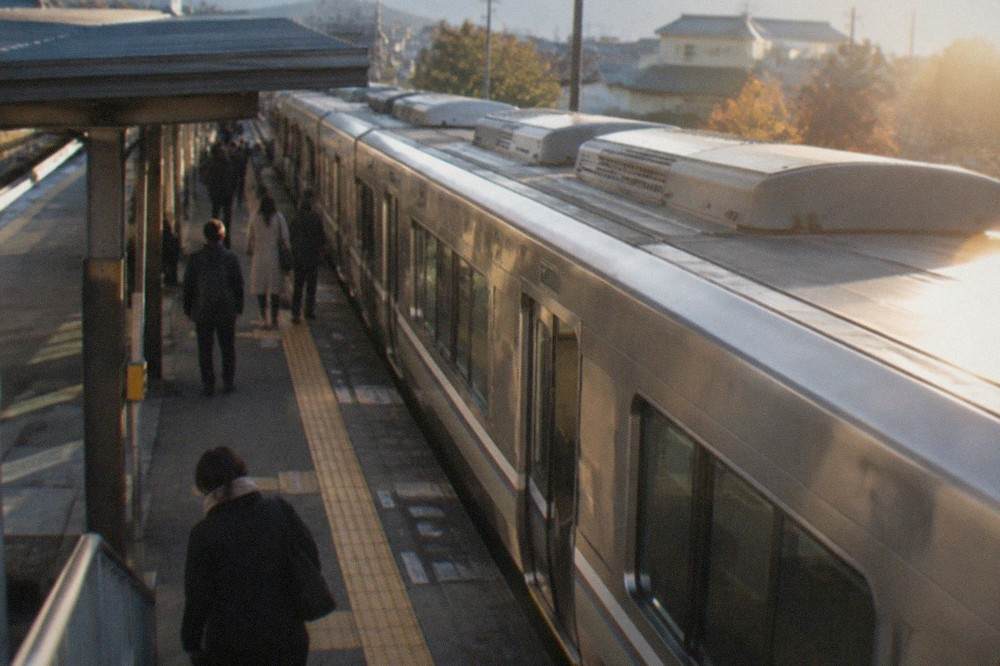
The Kintetsu limited express is the fastest option at about 35 minutes from Kyoto to Kintetsu-Nara, against about 45 minutes for the JR Miyakoji Rapid to JR Nara Station. The Kintetsu fare is about 760 yen plus a 520 yen limited express surcharge, while the JR Miyakoji Rapid costs about 720 yen. Both fares are single-source figures, so treat them as approximations and confirm with the operator.
The honest answer is that speed costs money and buys you very little. Ten minutes saved matters little on a day trip, and the two stations drop you at different ends of the same walkable district. JR Nara Station sits about 15 minutes walk from Nara Park; Kintetsu-Nara sits closer, roughly 5 to 10 minutes from the edge of the park and the commercial arcades around Sanjo Dori.
There is a third option that suits nobody in a hurry: the Kintetsu ordinary express, at about 760 yen without the surcharge, which stops more often and takes longer. If you hold a Japan Rail Pass, the JR Miyakoji Rapid is covered and the Kintetsu lines are not, which settles the question on its own; see the JR Pass and Kyoto guide for how the pass treats Kansai day trips.
| Route | Operator | Typical time | Fare (one way) | Notes |
|---|---|---|---|---|
| Kyoto to JR Nara | JR Miyakoji Rapid | about 45 min | about 720 yen | Covered by the Japan Rail Pass |
| Kyoto to Kintetsu-Nara | Kintetsu express | longer, stops more | about 760 yen | Not covered by the JR Pass |
| Kyoto to Kintetsu-Nara | Kintetsu limited express | about 35 min | about 760 + 520 yen | Reserved seat, surcharge mandatory |
One planning note: both fares above come from secondary sources rather than a live operator fare table, so budget a little slack and buy at the machine or counter on the day. Trains on both lines run frequently through the day, and the return leg in the late afternoon is rarely a problem even in high season, though seats on the Miyakoji Rapid fill around 16:00 to 17:00 when day-trippers head back to Kyoto in a wave.
How Much Does A Day Trip From Kyoto To Nara Cost?
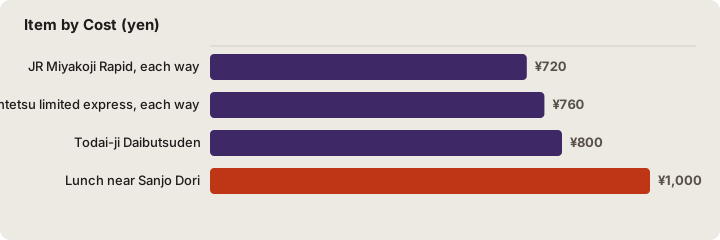
A budget day runs to roughly 3,000 to 4,000 yen per person: about 720 yen each way on the JR Miyakoji Rapid, so roughly double that for the return, 800 yen into the Todai-ji Daibutsuden, and 1,000 to 1,500 yen for lunch and snacks. Add temple extras such as the Kasuga Taisha special viewing rooms, and a comfortable mid-range day lands nearer 5,000 to 6,000 yen.
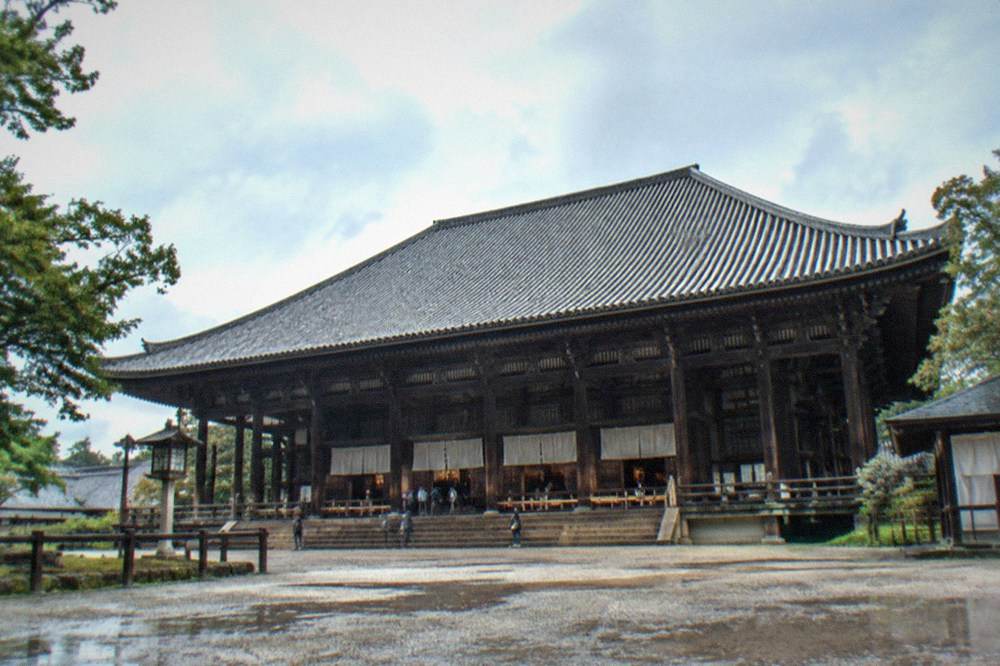
Nara is one of the cheaper day trips out of Kyoto precisely because its headline attraction, the park itself, is free and always has been. The paid items are the temples, and they are modest by Kyoto standards. The Todai-ji Daibutsuden charges 800 yen for adults and university students and 400 yen for elementary school children, open 7:30 to 17:30 from April to October and 8:00 to 17:00 from November to March, every day of the week.
| Item | Cost | Notes |
|---|---|---|
| JR Miyakoji Rapid, each way | about 720 yen | Single-source fare, hedge it |
| Kintetsu limited express, each way | about 760 + 520 yen | Includes the mandatory surcharge |
| Todai-ji Daibutsuden | 800 yen adult, 400 yen child | Daily; hours shift by season |
| Nara Park | free | Open ground, no gate |
| Lunch near Sanjo Dori | 1,000 to 1,500 yen | Planning range, check the room |
If the train-and-temple logistics feel like more planning than you want for a single day, guided options exist that fold Nara into a handled itinerary, and the strongest of them for a first visit are below.
The Nara Early Morning Tour from Kyoto or Osaka is worth a specific look if timing matters to you: it runs 4 hours 30 minutes, departs early enough to beat the midday crowds at the big halls, and carries a 4.9 rating from 1,131 reviews. The full tour page has the current details.
What To See In Nara On A Day Trip
The core walk runs Nara Park, the Todai-ji Daibutsuden, Kasuga Taisha and the Naramachi lanes, in that order, and it fits comfortably into five to six hours on foot. The Daibutsuden is the anchor: the hall houses the Great Buddha, and admission is 800 yen for adults and university students. Kasuga Taisha and Naramachi add the shrine lanterns and the old merchant streets without another long walk.
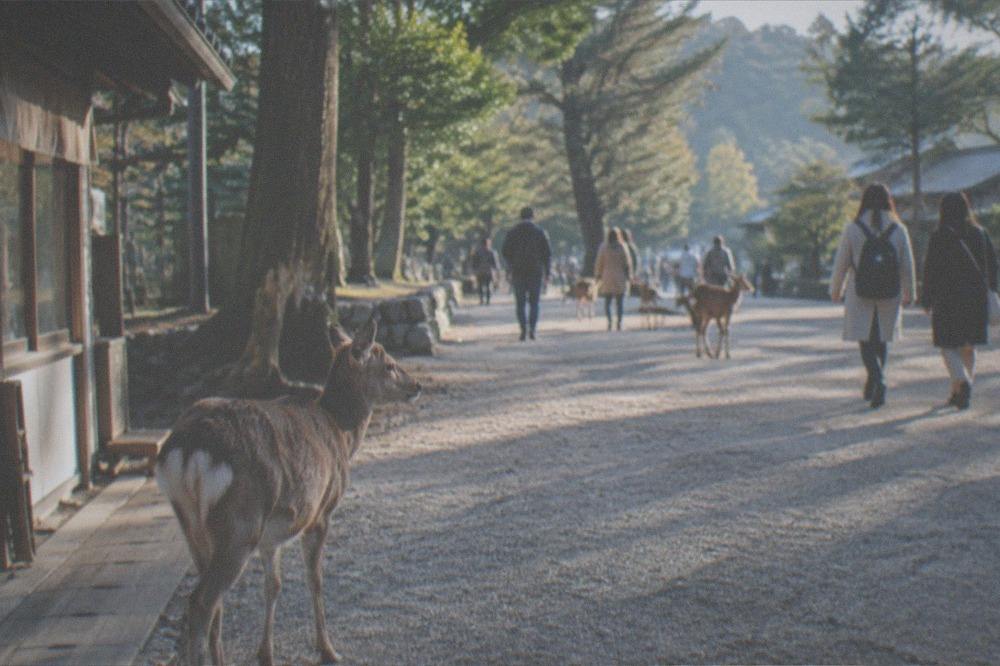
Start from Kintetsu-Nara if you took the Kintetsu, or walk up from JR Nara through the Sanjo Dori arcade if you took the JR line. The park opens around you before you reach any gate: grass, ponds, and deer, all unfenced. The Daibutsuden sits inside the Todai-ji complex at the top of the slope, and the approach through the Nandaimon gate with its two guardian figures is part of the visit, not a corridor to rush through.
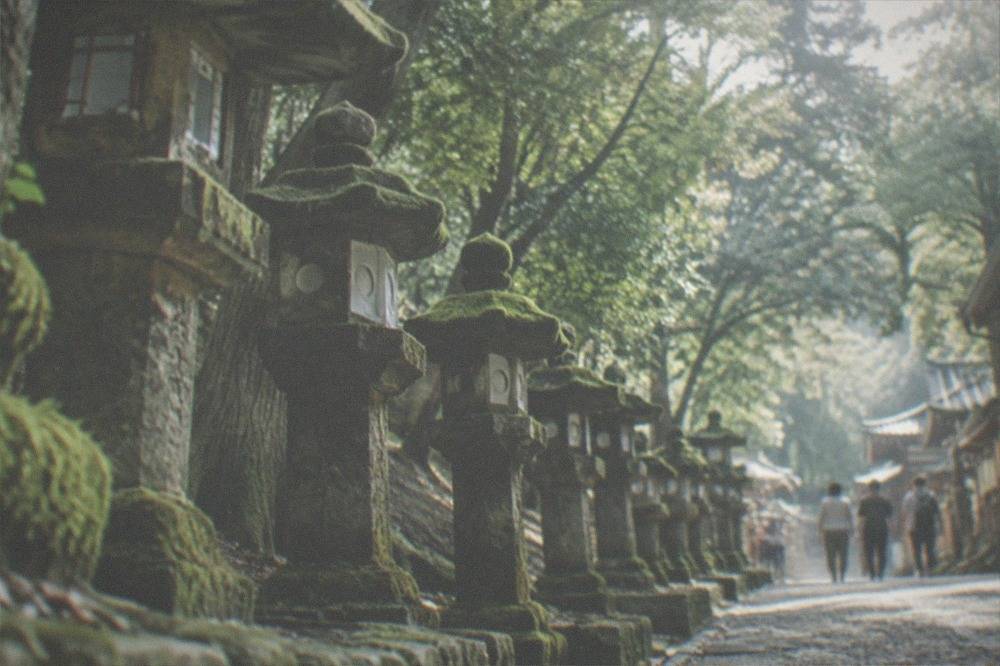
Kasuga Taisha lies east of the park through a lane of stone lanterns, and its inner special viewing area carries a separate small fee. Naramachi, the old merchant quarter, sits south of the arcade on the way back toward the stations, and its lattice-fronted buildings now hold cafes and small shops. A realistic day: arrive mid-morning, Daibutsuden before noon, lunch near Sanjo Dori, Kasuga Taisha early afternoon, Naramachi and the arcades before the train back.
Two additions stretch the day without breaking it. The Nara National Museum sits inside the park boundary between the Daibutsuden and Kasuga Taisha, and its Buddhist sculpture collection is the reason many travellers give Nara a second day. And Wakakusa Hill, the grassy rise at the eastern edge of the park, offers a short climb with a view back over the whole basin; the deer thin out along its lower slopes, which makes it the quietest corner of the standard map.
For readers planning a wider Kansai stay, Nara pairs naturally with Uji on a single rail corridor, and the full set of options is laid out in the day trips from Kyoto guide.
Is Nara Park Worth The Visit, And What About The Deer?
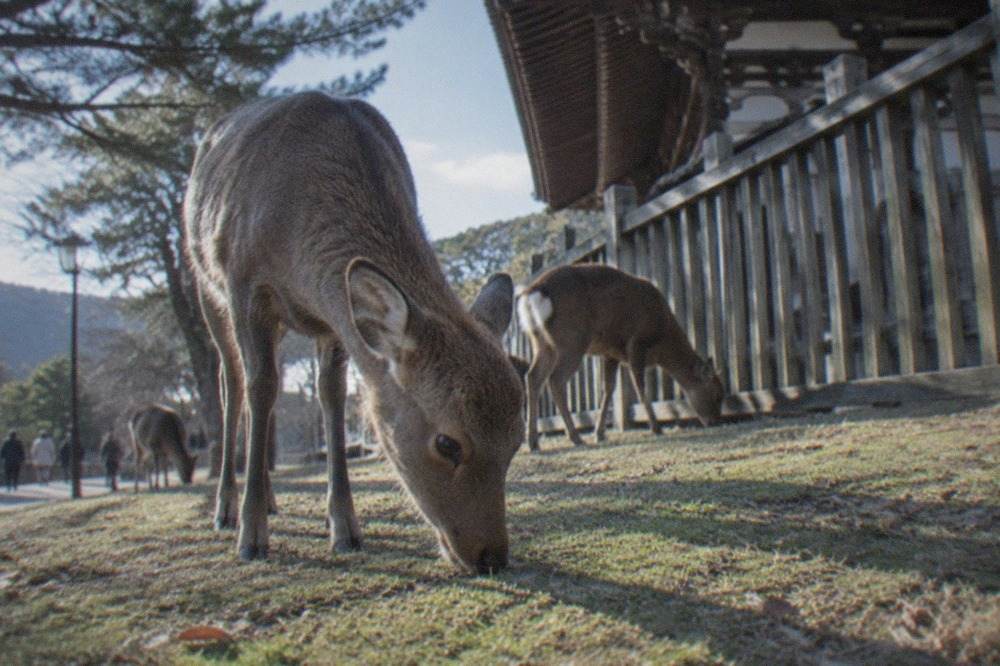
Nara Park is the reason most people make the trip, and the 2026 census counted 1,687 deer in and around it, up 222 on 2025, comprising 411 stags, 990 does and 286 fawns. The count was taken on 15 and 16 July 2026 between 05:30 and 08:00. The deer are wild animals protected as natural monuments, not pets, and the park publishes clear rules about feeding and bowing.
The deer are the headline and the honest caveat in one. They bow for crackers, they crowd anyone who visibly carries food, and they can nip. The census also records 140 deer deaths in FY2025, of which 36 were road accidents, which is why the roads through the park carry strict speed limits and the city treats deer-vehicle collisions as a serious metric. The animals are protected under national designation, and feeding them anything other than the official crackers sold in the park is against the rules.
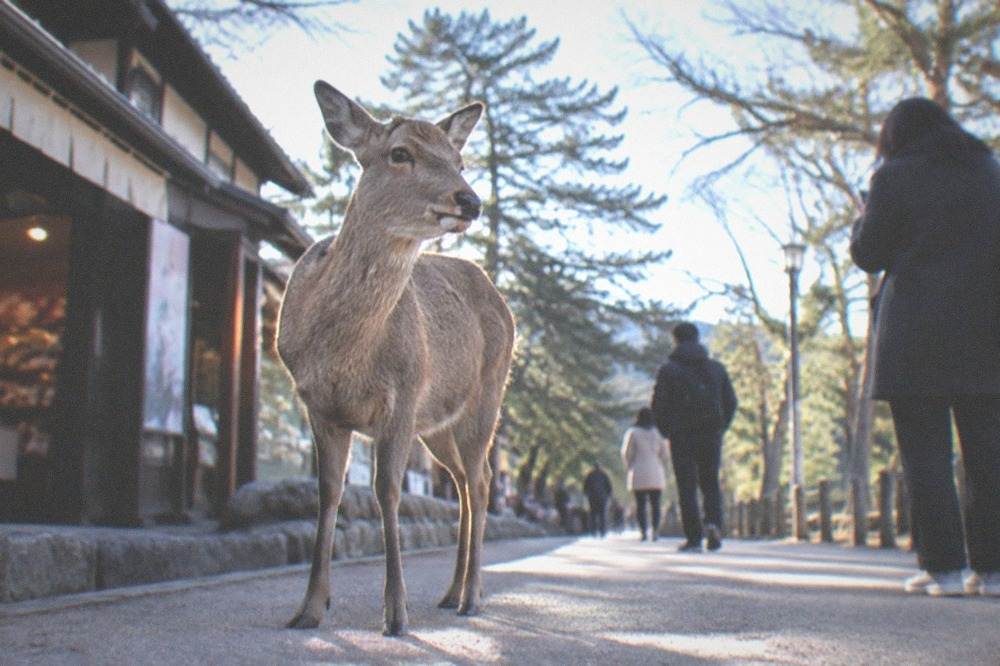
A few practical points the first page of search results tends to skip:
- The deer are most active and most insistent around the cracker stalls; if you want photographs without a crowd, walk to the quieter edges near Wakakusa Hill.
- Rutting season in autumn makes the stags less predictable, and the park posts caution notices then.
- The crackers are the only approved feed; other food, including human snacks, harms them and is prohibited.
For the comparison that matters if your time in Kansai is short, the Kyoto versus Nara guide sets out which city earns your limited days.
How Long Do You Need In Nara?
Half a day covers the park, the Daibutsuden and Naramachi; a full day adds Kasuga Taisha in depth, the Nara National Museum and a walk up Wakakusa Hill without any hurry. The train each way is under an hour, so a day trip loses little time to travel. Most visitors arrive mid-morning and leave by late afternoon, which is exactly when the park is busiest.
The early-morning logic works strongly here. The Daibutsuden opens at 7:30 in the April to October season, and the park in the first hour after sunrise is a different place from the park at 13:00, when the tour buses have landed. An early start also softens the summer problem: July and August afternoons in this basin are hot, with Kyoto's July normal a mean of 27.3 C and a mean daily maximum of 32.0 C, and Nara, sitting in its own inland basin, runs comparably hot in the same months. The full index of guides sits on Kyoto Travel Guide.
If a full guided morning appeals, the Nara Early Morning Tour covers the core sights in 4 hours 30 minutes with an English-speaking guide, and the tour page carries the current departure times.
When Is The Best Time Of Year For A Nara Day Trip?
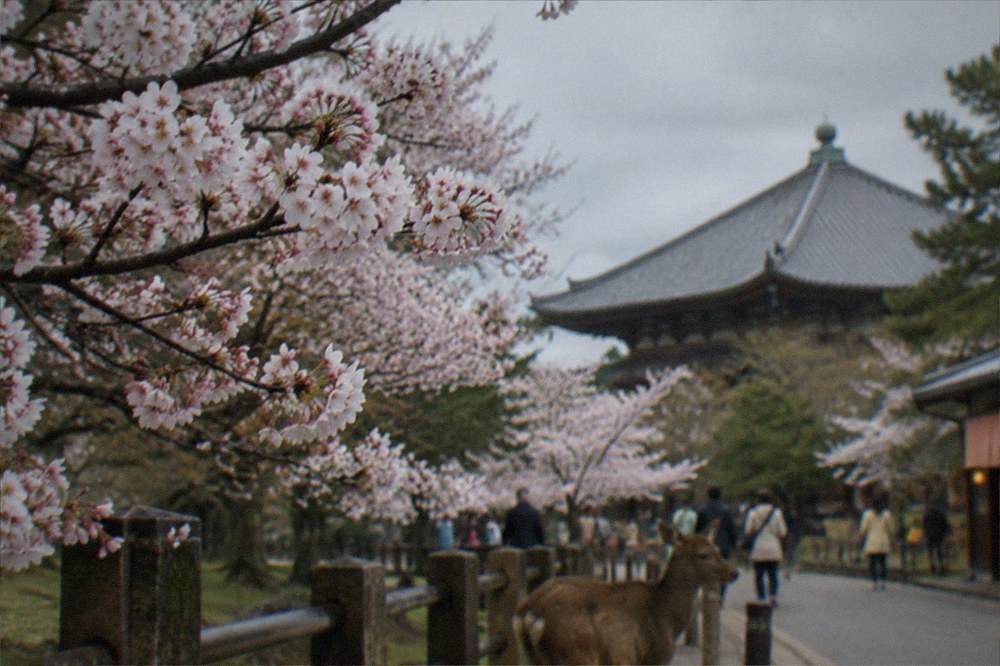
Late March to early April and mid-November to early December are the two peak windows, matching the cherry and maple seasons, but both bring the heaviest crowds. Winter is quiet, genuinely cold, and workable; summer is hot and humid, with July the wettest month in nearby Kyoto at 223.6 mm against 199.7 mm in June, per the JMA 1991-2020 normals.
The cherry blossom timing follows the same JMA phenology that governs Kyoto, since the two cities sit 30 kilometres apart in the same basin system. Kyoto's 1991-2020 normal for full bloom is 4 April, and 2026 reached full bloom on 30 March. The maple normal is later than most guides admit: the official red-leaf marker for the Kyoto observatory is 5 December, and 2025's observation was 10 December, so a "mid-November peak" claim should be read as a visitor-area estimate rather than the official marker.
| Season | What to expect | Crowd level |
|---|---|---|
| Late March to early April | Cherry blossom, mild days | Highest |
| May | Green, warm, Aoi Matsuri traffic in Kyoto | Moderate |
| July to August | Hot and humid, mean daily max above 32 C | Moderate |
| Mid-November to early December | Maple colour around the park | High |
| January to February | Cold, quiet, occasional snow | Lowest |
Winter deserves a better reputation than it gets. The park is at its emptiest, the deer are at their hungriest and most attentive, and the cold in this basin is real rather than token: the Kyoto station record low is -11.9 C with a deepest snow of 41 cm, and Nara's inland position gives it the same continental bite. A January morning in Nara can be genuinely cold, so pack for it rather than trusting the mild-winter line that circulates in warmer-climate guidebooks.
How Do You Get Around Nara Once You Arrive?
On foot, almost entirely. The distance from Kintetsu-Nara Station to the Daibutsuden is under 2 kilometres, and everything on the standard itinerary lies inside that radius. There are loop buses around the park area for tired legs, and taxis are cheap for the short hops, but a visitor with working knees needs neither on the classic route.
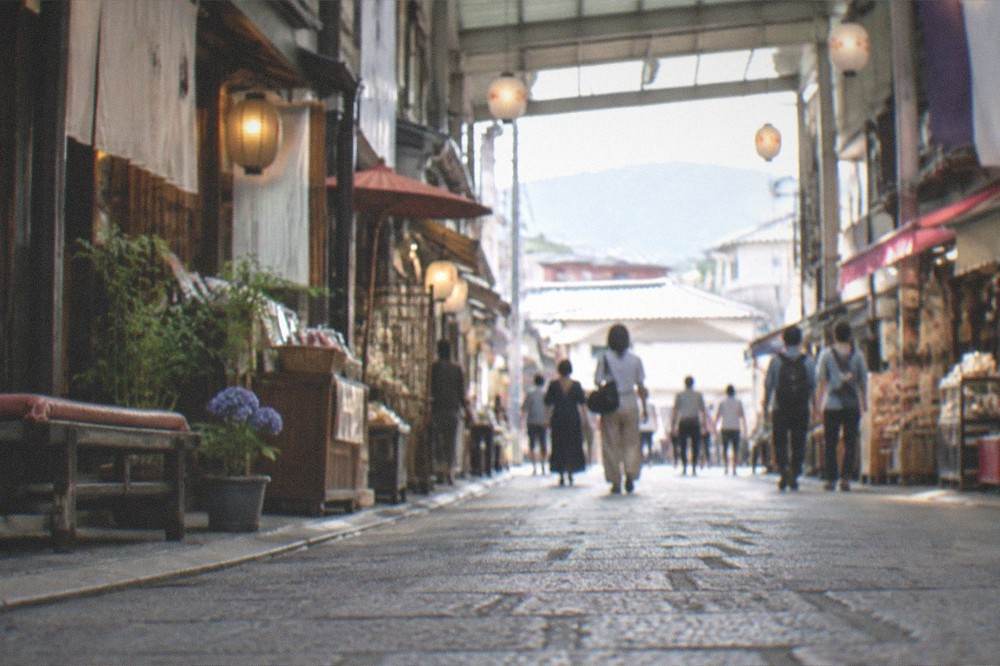
The walk from JR Nara Station is longer, about 15 minutes to the park edge, but it runs through the covered Sanjo Dori arcade, which is useful in rain and useful for lunch on the way back. From Kintetsu-Nara, the route climbs gently past Naramachi and the pond at the Sarusawa-ike before the park opens up.
Comfortable shoes matter more than transport. The park paths are gravel and earth in places, the approach to Todai-ji is a sustained gentle slope, and the deer have no respect for anyone's footwear choices. For readers extending the day, Kobe and Osaka both sit within an hour of Nara by rail, and Lake Biwa makes a quieter contrast if the deer crowds have worn you down.
If you would rather not manage trains, deer and temple hours yourself, the private car option below handles the whole day with a local guide and a Nara itinerary built in.
For a longer excursion that pairs a guided structure with serious distance, the Hiroshima and Miyajima bus tour from Kyoto or Osaka runs a full day and includes the shinkansen leg; the tour page has the current schedule, and it suits a different day of your trip rather than the Nara day itself.
Before the final section, here are the three strongest guided picks for days out of Kyoto, covering the group bus format, the private car format and the early morning format.
What Are The Common Mistakes On A Kyoto To Nara Day Trip?
The three recurring mistakes are taking the wrong train line for your rail pass, arriving at midday with the tour crowds, and buying crackers before entering the park, which invites a deer ambush within thirty seconds. A fourth is underestimating the walk from JR Nara Station, which is double the distance from Kintetsu-Nara and runs uphill on the return.
The pass point deserves emphasis. A Japan Rail Pass holder who rides Kintetsu pays full fare and learns about it at the gate; the Miyakoji Rapid is the pass-covered choice, and the ten extra minutes against the limited express is the price of coverage. The midday point is behavioral: the Daibutsuden between 11:00 and 15:00 carries the densest foot traffic of any hall in Kansai outside Kyoto's own peak spots, and arriving at opening time costs you nothing but an earlier alarm.
A quieter mistake is treating Nara as Kyoto-lite. The two cities share a UNESCO density but not a mood: Kyoto rewards sequential gate-crashing, while Nara rewards lingering, because the park between the sights is itself the sight. Travellers who sprint from hall to hall report the day as underwhelming; travellers who let an hour go to the grass, the deer and the lantern paths report it as a highlight of the whole Kansai leg. Budget the idle time deliberately.
Common Questions About A Day Trip From Kyoto To Nara
Which train from Kyoto to Nara is faster: JR Nara Line or Kintetsu?
The Kintetsu limited express is faster at about 35 minutes, against about 45 minutes for the JR Miyakoji Rapid. It costs about 760 yen plus a 520 yen surcharge, while the JR option is about 720 yen. Both fares are single-source figures, so confirm with the operator before travelling.
Can you do Nara as a day trip from Kyoto?
Yes, easily. The rail journey is under an hour each way, and the entire standard itinerary, Nara Park, the Todai-ji Daibutsuden, Kasuga Taisha and Naramachi, fits inside a five to six hour walk. Most visitors do it as a day trip and return to Kyoto for the evening.
How much does the Nara day trip cost?
Roughly 3,000 to 4,000 yen per person on a budget: about 720 yen each way on the JR Miyakoji Rapid, 800 yen into the Daibutsuden, and lunch. A comfortable mid-range day with temple extras lands nearer 5,000 to 6,000 yen.
Is it safe to feed the deer in Nara Park?
Feeding is allowed only with the official crackers sold inside the park, never with human food. The deer are wild, protected animals; the 2026 census counted 1,687 of them. Bow to one and it may bow back, but keep hold of the crackers, because the animals will crowd anyone visibly carrying food.
Which Nara station should I use?
Kintetsu-Nara is closer to the park, about 5 to 10 minutes on foot, while JR Nara Station is about 15 minutes away through the Sanjo Dori arcade. Japan Rail Pass holders should use JR Nara, since the Kintetsu lines are not covered.
What should I eat in Nara on a day trip?
The Sanjo Dori arcade and the lanes of Naramachi carry the practical options: kakinoha sushi pressed in persimmon leaf, mochi pounded fresh in front of the Nakatanidou shop window, and simple noodle and curry lunches in the 1,000 to 1,500 yen range. Nara's food scene is quieter than Kyoto's, which suits a walking day.
Nara rewards the early start and punishes the mid-afternoon arrival, and the train choice that matters most is the one your rail pass already made for you. Plan the Daibutsuden for the morning, keep the crackers hidden until you are ready, and the old capital will fit neatly inside a single day out of Kyoto, with time left for the arcade on the walk back to the platform.