Kaiseki In Kyoto: Course Order, Timing And What Dinner Costs
Kaiseki is Kyoto's formal dining tradition, and it works by rules most first-time visitors never hear about: a fixed course order, a two-hour sitting, and a price ladder that runs from under 8,000 yen to well past 30,000 at the same address.
Short answer
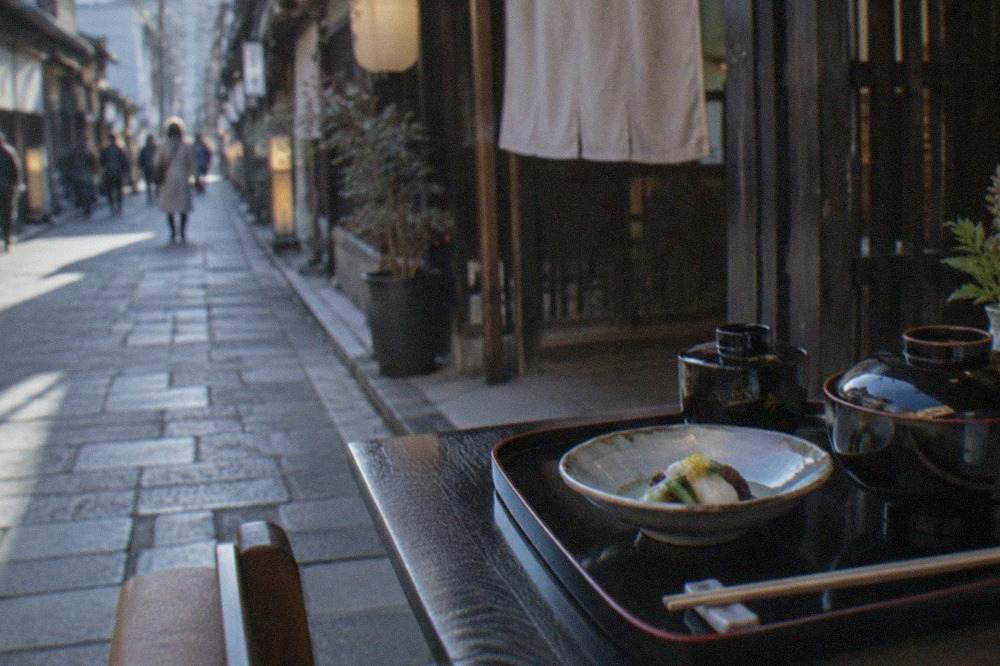
A kaiseki dinner in Kyoto is a sequence of small seasonal courses served in a fixed order, from a light opener through sashimi, a grilled course, a simmered course and rice, and a full sitting usually takes about two hours. At Hyotei, one of the city's most famous kaiseki houses, the main-building course starts from 37,950 yen at dinner, while the same kitchen's annex serves from 5,445 yen.
Kaiseki is the meal Kyoto built its restaurant reputation on, and almost nothing about it works the way a first-time visitor expects. The portions are small but the sitting is long. The menu is not really chosen by the diner. And the price question everyone asks, whether 30,000 yen is normal, has an honest answer that most guides dodge: at one of the most famous kaiseki houses in the city, the course itself starts above that figure, while the same kitchen's annex serves lunch for a fifth of it. This page lays out the course order, the timing, the real published prices, and the booking etiquette, all from sources the restaurants and the city themselves publish.
The word kaiseki carries two related meanings, and Kyoto restaurants use both. One writing of it refers to the simple meal once served at tea gatherings before matcha, a light interlude in the tea ceremony tradition. The other refers to the elaborate multi-course dinner that grew out of that restraint and became the highest expression of Japanese restaurant cooking. In Kyoto, the second meaning dominates, but the first explains the logic: every course exists to be a small, considered pause rather than a plate to fill you up.
What Is Kaiseki In Kyoto?
Kaiseki is a formal Japanese meal served as a fixed sequence of small, seasonal courses, each plated for one person and brought out one at a time, and Kyoto is the city where the tradition is deepest and the cooking most closely tied to temple cuisine and the tea ceremony. The kitchen decides the menu; the diner rarely chooses. It is the opposite of a la carte dining, and the price is set by the course, not by what you order.
The tradition grew from two roots. The first is shojin ryori, the vegetarian temple cooking of Zen monasteries, which brought Kyoto its discipline of seasonal vegetables and quiet plating. The second is the tea ceremony, where a modest tray meal preceded the bowl of matcha and taught the idea that a meal could be structured as a rhythm of small servings. Over the centuries those two restraints combined, gained fish and fowl, and became the restaurant form served across the city today.
What marks a Kyoto kaiseki kitchen more than anything is the grip of the seasons. The menu changes not just quarterly but often monthly, and the cook's skill is judged on how precisely the food speaks to the moment: bamboo shoots in spring, hamo eel in early summer, matsutake in autumn. The tableware changes with the season too. A lacquer bowl in December and a glass dish in August can carry the same soup, and the choice is part of the cooking.
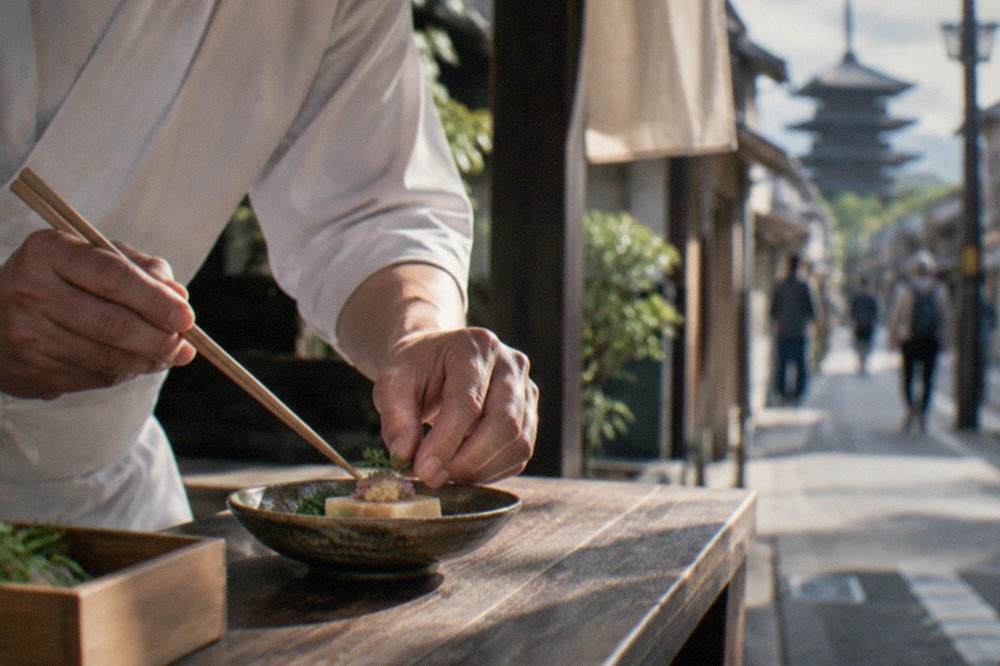
This is also why kaiseki is a poor fit for picky eaters and a good fit for curious ones. The menu is decided that morning from the market, the house explains it course by course, and substitutions are generally not how the meal works. Diners with allergies or strong aversions should say so at the time of booking, not at the table, because the kitchen buys for the number of covers it expects.
What Is A Kaiseki Course Order And How Long Does Dinner Take?
A traditional kaiseki course order runs: sakizuke, a small appetiser; mukozuke, sashimi; takiawase, simmered vegetables and fish; futamono, a lidded soup; yakimono, a grilled course; su-zakana, a palate cleanser; shiizakana, a substantial hot pot or aizakana course; gohan, rice with pickles and miso soup; then mizumono, dessert. A full dinner sitting takes about two hours, and the kitchen sets the pace.
The order is not decoration. It is built like a story with a rise and a fall: the meal opens light and raw, builds through cooked and richer courses, peaks with the rice course, which in the tea tradition signals the meal is winding down, and closes sweet. Each course arrives one at a time, plated for one person, and the server usually names the main ingredient so you know what you are looking at.
The timing follows the order. Two hours is the honest planning number for a full dinner course; a lunch course at the same house is often a little shorter, and the kitchen will not rush you out. If you have a train to catch, book the earliest sitting and tell the house when you arrive. Kyoto's famous houses run two sittings at dinner, an early one and a late one, and the start times are fixed rather than rolling.
| Course | Name | What arrives | Role in the meal |
|---|---|---|---|
| 1 | Sakizuke | Small seasonal appetiser | Opening note, sets the season |
| 2 | Mukozuke | Sashimi on a fresh plate | Raw, clean, early |
| 3 | Takiawase | Simmered fish and vegetables | First cooked depth |
| 4 | Futamono | Lidded soup bowl | A pause, opened at the table |
| 5 | Yakimono | Grilled fish or meat | The savoury peak |
| 6 | Su-zakana | Vinegared small dish | Palate reset |
| 7 | Shiizakana | Hot pot or substantial course | The indulgence |
| 8 | Gohan, ko no mono, tomewan | Rice, pickles, miso soup | Signals the close |
| 9 | Mizumono | Fruit or sweet | The exit |
Two practical notes on the order. First, houses vary: some merge courses, some add a steamed chawanmushi as mushimono, and a kaiseki house with a specialty, a famous soup or a signature grilled dish, will build the sequence around it. Second, the rice course is not a side dish arriving with everything else, as it might elsewhere in Japanese dining. It arrives late, alone, and it means the meal is nearly over. Eating it quickly and standing up is the classic first-timer mistake, because dessert is still to come.
If a two-hour sitting sounds like a lot of commitment for a first taste, a shorter food walk is a gentler introduction. The Nishiki Market brunch walking tour covers seven tastings plus brunch in three hours, and it teaches the seasonal ingredients a kaiseki kitchen would cook with that week.
How Much Does Kaiseki In Kyoto Cost At A Famous House?
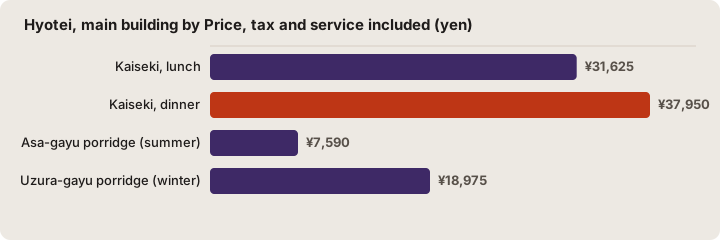
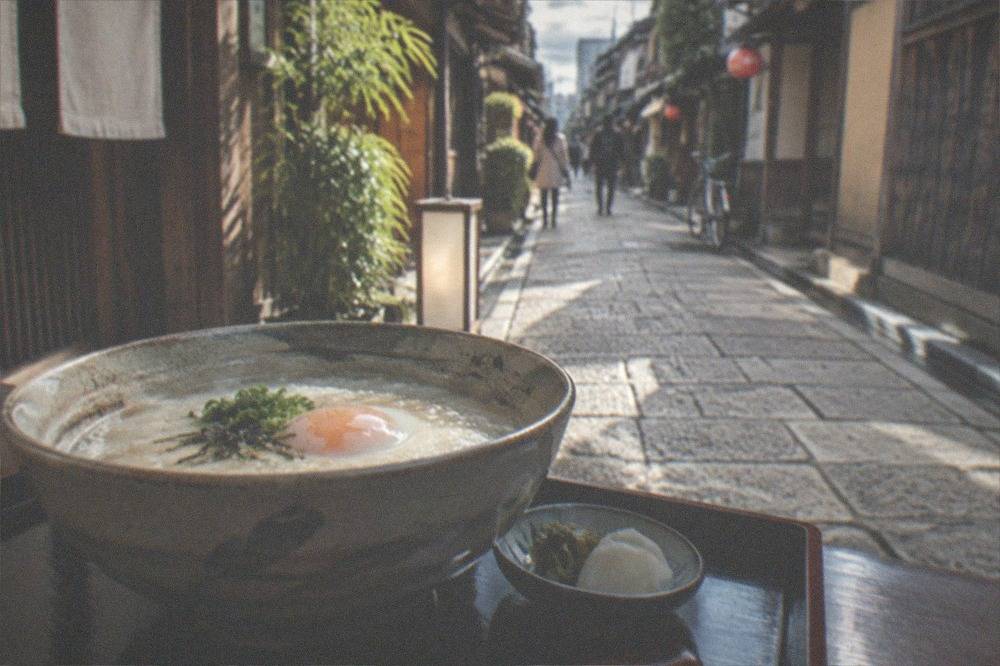
At Hyotei, the celebrated kaiseki house by Nanzen-ji, the main building serves kaiseki from 31,625 yen at lunch and from 37,950 yen at dinner, tax and service included, while the same house's annex serves asa-gayu rice porridge at 5,445 yen and a Shokado bento at 7,260 yen. Those are Hyotei's own published prices, not a city average, and bookings are taken from two people.
That is the honest answer to the 30,000 yen question, and it is worth stating plainly: at one of the most famous kaiseki houses in Kyoto, the full course opens above 30,000 yen, and the same kitchen's casual annex serves lunch under 8,000. The gap is not a trick or a tourist price. It reflects two different meals, two different rooms and two different time commitments under one roof.
Hyotei prints these figures on its own site, tax and service included, and they are the only restaurant prices this page will quote, because they are the only ones with a restaurant's own page behind them. The main building's kaiseki runs at lunch from 12:00 to 15:00 with last order at 13:00, and at dinner from 17:00 to 21:30 with last order at 19:00. The annex, a separate building on the same grounds, serves breakfast porridge from 8:00 to 11:00 and the Shokado bento from 12:00 to 14:00. Reservations at the main building are taken from two people.
| Hyotei, main building | Price, tax and service included | Serving time |
|---|---|---|
| Kaiseki, lunch | from 31,625 yen | 12:00-15:00, last order 13:00 |
| Kaiseki, dinner | from 37,950 yen | 17:00-21:30, last order 19:00 |
| Asa-gayu porridge (summer) | 7,590 yen | 1 July to 31 August, 8:00-11:00 |
| Uzura-gayu porridge (winter) | 18,975 yen | 1 December to 15 March |
| Hyotei, annex | Price, tax and service included | Serving window |
|---|---|---|
| Asa-gayu porridge | 5,445 yen | 16 March to 30 November, 8:00-11:00 |
| Uzura-gayu porridge | 5,445 yen | 1 December to 15 March |
| Shokado bento | 7,260 yen | 12:00-14:00 |
Never generalise these numbers. A guide that hands you a single city-wide price range for kaiseki is quoting a figure nobody publishes. Plenty of solid kaiseki restaurants across the city serve fine courses well below Hyotei's main-building level, but this site will not print a figure for any of them without that restaurant's own page in front of it. If a price matters to your planning, ask the house directly when you book, or check the house's own site before you go. For a broader picture of eating out in the city, our guide to the best restaurants in Kyoto covers the full range, and our answer on how much dinner costs in Kyoto looks at the cheaper end.
Sake is part of the same decision. A kaiseki sitting pairs naturally with sake rather than wine, and knowing a dry from a sweet profile before you sit down makes the pairing conversation with the server much easier. The 3-hour insider sake brewery tour with tastings and pairings is the practical way to build that vocabulary before the meal.
How Do You Book Kaiseki In Kyoto And What Should You Wear?
Book one to two months ahead for a famous house, earlier for peak foliage and cherry seasons, and always state allergies and party size at the time of booking because the kitchen buys to order. Dress smart casual, avoid strong fragrance, and arrive on time for a fixed sitting. Hyotei takes main-building reservations from two people, and the top houses are commonly booked through a hotel concierge or a booking service rather than walk-in.
The booking rhythm matters more than visitors expect. A famous kaiseki house may seat a dozen people a night. The kitchen buys that morning for the covers it expects, which is why cancellations are taken seriously and why the house wants to know about dietary limits in advance rather than at the table. If your Japanese is limited, the concierge desk of your ryokan or hotel will make the call for you, and this is a completely normal request rather than an imposition.
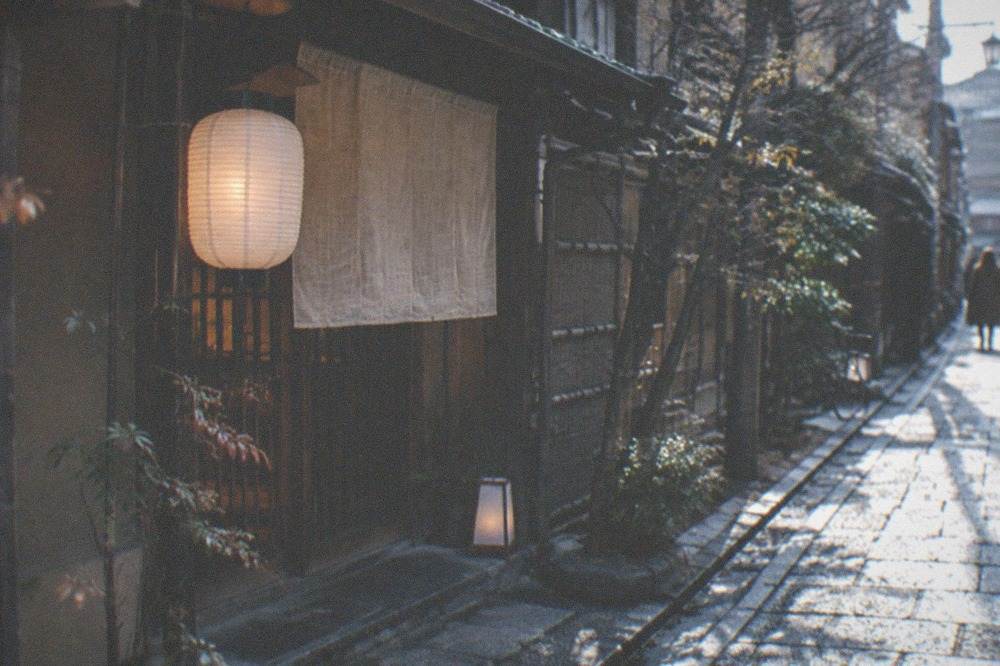
Clothing is simpler than the setting suggests. Smart casual is the working rule: nothing torn, no strong perfume or cologne, because fragrance interferes with the food, and shoes you can slip off easily, since most houses seat you on tatami or ask you to remove shoes at the entrance. Photography is usually tolerated but a quiet room of a dozen diners is not the place for a long shoot; the safest habit is one discreet photo of a course if the room seems relaxed, then the phone away.
| Booking question | What to say | Why it matters |
|---|---|---|
| Party size | Exact number, including children | Kitchen buys per cover |
| Allergies and aversions | Name them specifically | Menu is fixed, no swaps on the night |
| Budget or course level | Ask what courses are offered | Houses often run more than one tier |
| Timing | Any hard end time | Sittings are fixed, pace is set by kitchen |
| Special occasion | Say so when booking | Some houses mark it in the plating |
One more etiquette point that Kyoto takes seriously: the private alleys and quiet streets around the famous dining districts, Gion in particular, are residential. The city's tourism association publishes conduct guidelines asking visitors not to photograph geiko and maiko without permission and not to enter private property, and signs on some private alleys off Hanamikoji threaten a 10,000 yen penalty for unauthorised entry or photography. If your dinner route passes through Gion, read our piece on why you cannot take pictures of geisha in Kyoto before you walk over.
What Is The Difference Between Kaiseki And Kyo-ryori?
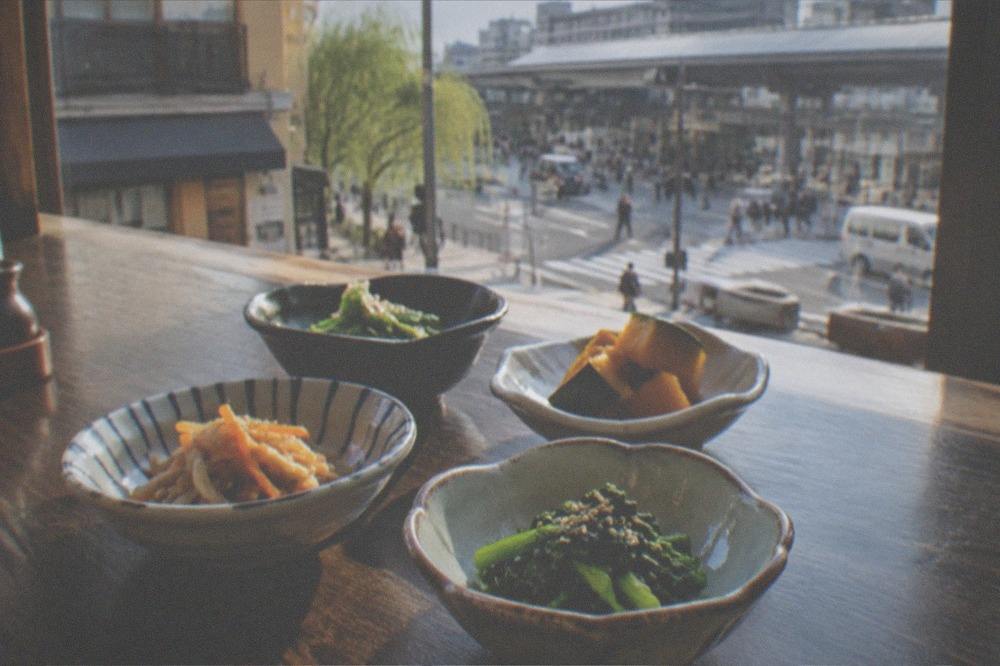
Kaiseki names the form of the meal, the fixed sequence of small courses, while kyo-ryori means Kyoto cooking broadly, the local cuisine as a whole, which includes kaiseki but also home-style dishes, tofu specialities, obanzai small plates and shojin temple food. A restaurant serving kyo-ryori may serve kaiseki, but a kaiseki house is not necessarily serving the whole local repertoire. Kyoto cooking is the tradition; kaiseki is its most formal expression.
The distinction is useful when reading menus. A place advertising kyo-ryori kaiseki is telling you it serves the formal course built on local, seasonal Kyoto ingredients. A place advertising only kaiseki may be equally traditional but is describing the structure rather than the sourcing. And a place advertising obanzai, the Kyoto home cooking of seasoned vegetable small plates, is a different, cheaper and often excellent experience entirely.
The tofu thread runs through all of it. Kyoto's water made it a tofu city, and the famous yudofu, simmered tofu, is associated with the temple areas of Arashiyama and Nanzen-ji. A full kaiseki course at a tofu-specialist house is one of the gentler ways into the tradition for vegetarians, though true vegetarian kaiseki is more precisely found in shojin ryori, the Zen temple cooking that started the whole lineage. If that interests you, our guide to Kyoto tofu and shojin ryori covers where the tradition is served.
Where Should You Eat Kaiseki In Kyoto?
The classic kaiseki geography clusters in three areas: around Nanzen-ji and the eastern temple belt, where Hyotei sits; Pontocho and the downtown Kamo River lanes, where the dining rooms are smaller and the tradition livelier; and Gion, where teahouse dining and the geisha districts shaped a more private style. Each area suits a different kind of evening, and the choice of area matters as much as the choice of house.
The Nanzen-ji belt is the most scenic walk to dinner in the city. The temple's aqueduct, the Philosophers Path a little north, and the leafy streets around Nanzen-ji itself make the approach part of the meal. Houses here are old, quiet and often garden-facing, and Hyotei, founded as a teahouse serving pilgrims to Nanzen-ji, is the anchor of the whole neighbourhood.
Downtown, along Pontocho alley and the Kamo River lanes, the rooms are smaller, the choice wider, and the price ladder starts lower. This is where a first kaiseki dinner is easiest to arrange on shorter notice, and the river-facing terraces in summer add a seasonal pleasure the temple belt cannot match. Gion is the most formal and the most private: some of the best dining rooms in the district are tied to the teahouse culture and are genuinely hard to book without an introduction, which is exactly what they intend.
| Area | Character | Best for |
|---|---|---|
| Nanzen-ji and the east | Old houses, gardens, quiet streets | A full evening, a special occasion |
| Pontocho and downtown | Narrow lanes, wide price range | A first kaiseki, shorter notice |
| Gion | Private rooms, teahouse lineage | Formal occasions, deep pockets and patience |
| Arashiyama | Riverside, tofu specialists | Lunch after the bamboo grove |
If you are building kaiseki into a longer stay, the natural slot is one splurge dinner in a multi-day plan. Our three days in Kyoto itinerary leaves the third evening open for exactly this, and a morning at Fushimi Inari before a kaiseki dinner the same day is a pairing many visitors arrive wishing they had planned.
Can You Experience Kaiseki Culture On A Budget?
Yes, in three honest ways: eat at the annex or lunch service of a famous house, where Hyotei's own annex serves from 5,445 yen; choose kaiseki-style bento boxes, sold at stations and department stores as a compressed version of the course; or take a cooking class that teaches the structure of the meal. The full two-hour course at a top house is the splurge, but the cooking tradition itself is reachable at a fraction of the price.
The annex route is the best-kept one. Several of Kyoto's great houses run a second, casual room serving the same kitchen's food in a simpler form, and Hyotei's published prices show exactly how wide the gap runs: a Shokado bento at 7,260 yen in the annex against a kaiseki course from 31,625 yen in the main building. You eat the same season, the same craft, a different meal. The asa-gayu morning porridge, served in the annex from 8:00, is a Kyoto institution of its own.
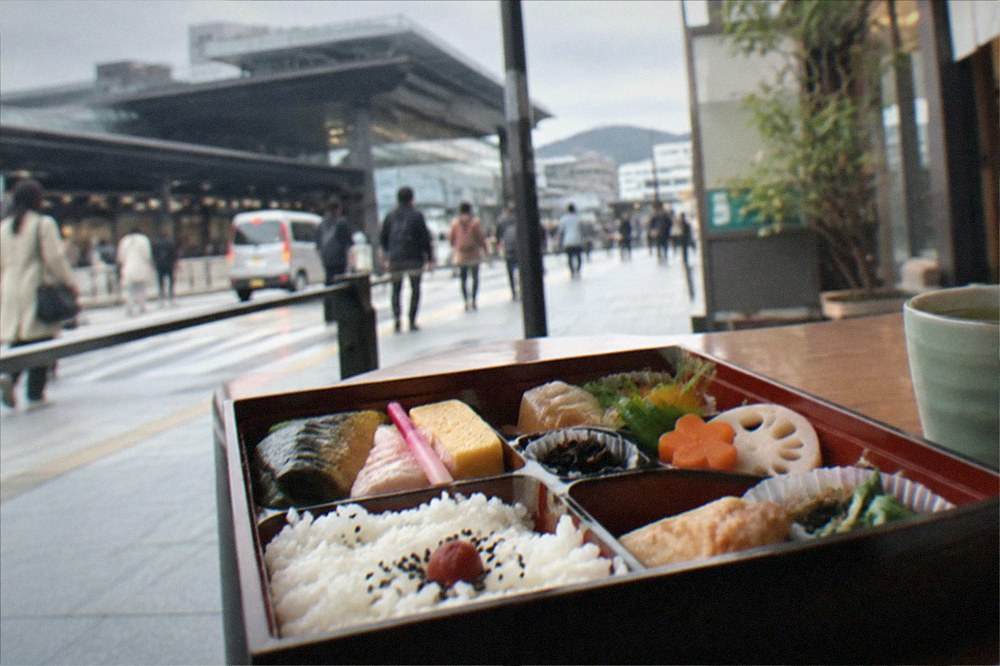
The bento route needs no booking at all. The Shokado bento itself, the compartmented black box of rice, seasonal dishes and pickles, exists because a tea master wanted kaiseki's variety in a portable form, and Kyoto's station and department-store food halls sell descendants of the idea across a wide price range. It is not the ceremony, but it carries the logic of the course structure in a box.
The class route turns the meal into the activity. A small-group washoku class teaches the cooking behind the courses, and the small-group washoku bento cooking class is the version most visitors can book without any Japanese. For drinks rather than food, the award-winning ramen making experience is a different tradition entirely, but it shares the same idea: learn the craft, then recognise it when a master serves it.
When Is The Best Season For A Kaiseki Dinner In Kyoto?
Autumn is the strongest season for kaiseki, because the cooking follows the market and the autumn market is the richest: matsutake mushrooms, chestnuts, persimmon and the first of the winter fish, all plated against foliage season, which in Kyoto peaks late, with the JMA normal for maple red leaves at 5 December and the 2025 observation on 10 December. Spring runs it close, with bamboo shoots and cherry. Book earliest for these two windows.
The seasonal logic of kaiseki makes the timing question real rather than cosmetic. A course eaten in late November will be a materially different meal from the same course in June, because the kitchen is answering the market. The JMA 1991-2020 normals for Kyoto put cherry full bloom at 4 April and maple red leaves at 5 December, and the 2026 season ran early for cherry, with flowering recorded on 23 March and full bloom on 30 March. Those dates matter to the plate as much as to the park.
Summer is the season most underrate. The heat is real, the JMA normals put July as the wettest month at 223.6 mm, and August as the hottest at a mean of 28.5 C, but the cooking answers it: hamo eel, the summer fish of Kyoto, cold noodles in glass bowls, and the asa-gayu porridge that Hyotei serves only from 1 July to 31 August. A summer kaiseki is built to cool you down.
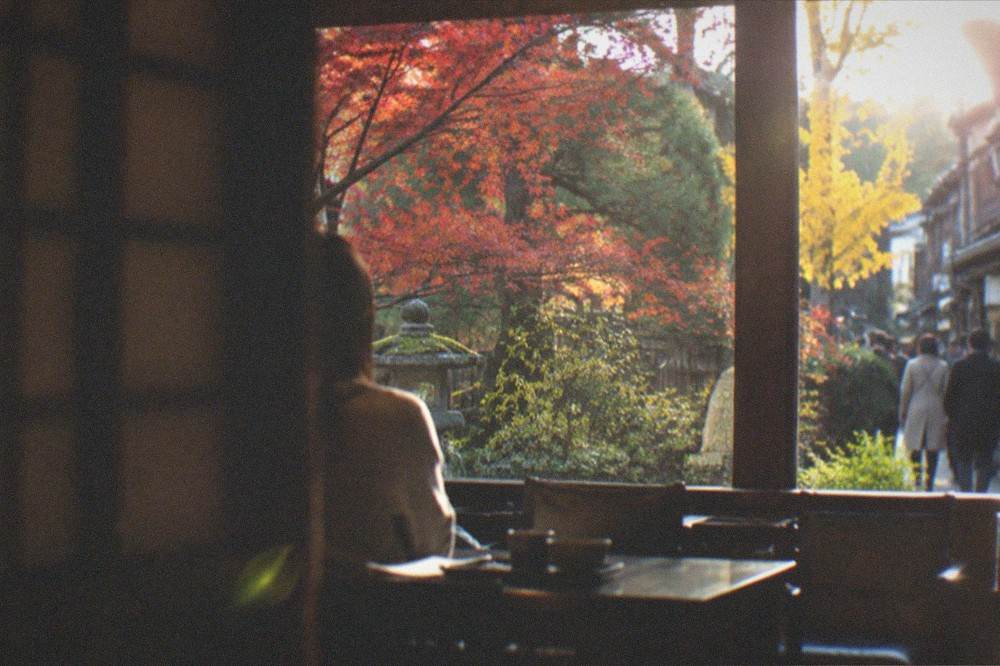
Winter is the connoisseur's pick. The broths deepen, the hot pot course earns its place, and the crowds thin after New Year. Hyotei's uzura-gayu, quail porridge, is served only from 1 December to 15 March, which tells you when that kitchen thinks its cold-weather cooking is at its best. Whatever season you choose, the practical rule is the one above: the famous rooms fill first in foliage and cherry weeks, so book the dinner before you book the flight.
Common Questions About Kaiseki In Kyoto
What Is A Kaiseki Course Order And How Long Does Dinner Take?
The order runs sakizuke (appetiser), mukozuke (sashimi), takiawase (simmered), futamono (lidded soup), yakimono (grilled), su-zakana (palate cleanser), shiizakana (hot pot), gohan (rice with pickles and soup) and mizumono (dessert). A full dinner sitting takes about two hours, paced by the kitchen, with fixed start times for each sitting.
Is Kaiseki Worth The Price In Kyoto?
That depends on what you want from an evening. The published prices at Hyotei show the honest shape of the decision: a main-building course from 37,950 yen at dinner against an annex bento at 7,260 yen from the same kitchen. If a two-hour, seasonal, chef-driven meal in a historic room is the point of your trip, the course justifies it. If you mainly want to eat well in Kyoto, the annex, bento and cooking-class routes deliver the tradition at a fraction of the cost.
Can Vegetarians Eat Kaiseki In Kyoto?
Yes, and Kyoto is arguably the best city in Japan for it, because the kaiseki lineage runs through shojin ryori, the vegetarian temple cooking of the Zen monasteries. State the requirement at booking rather than at the table, since the kitchen buys each morning for the covers it expects. Tofu-specialist houses around Nanzen-ji and Arashiyama are the natural starting point.
Do You Tip At A Kaiseki Restaurant In Kyoto?
No. Tipping is not part of dining culture in Japan, and leaving money on the table creates an awkward moment rather than a grateful one. The service charge, where a house applies one, is included in the bill, and at Hyotei the published prices are already tax and service inclusive.
What Should You Drink With Kaiseki?
Sake is the traditional pairing, and the server will guide you if you say what you like, dry or sweet, light or full. Beer and green tea are both normal. If you want to understand what you are drinking before the meal, a guided brewery visit with tastings, such as the 3-hour insider sake brewery tour, builds exactly that vocabulary.
How Far Ahead Should You Book A Kaiseki Restaurant In Kyoto?
One to two months for a well-known house, earlier for the cherry and foliage peaks, and always with your party size, allergies and any hard end time stated at the time of booking. Hyotei takes main-building reservations from two people, and the top rooms in Gion often require a hotel concierge or an introduction.
Kaiseki rewards planning and punishes improvisation, but the tradition is wider than its most expensive room. Book the famous course once if the occasion calls for it, and use the annexes, bentos and classes for every other night; either way you are eating the same city's cooking, shaped by the same seasons, at the pace the kitchen sets. For everything else on the table in this city, start with our things to do in Kyoto page, or let Kyoto Travel Guide plan the rest of the trip around the meal.