Taxis And Uber In Kyoto: What Actually Works, What It Costs, And When To Skip Both
Uber exists in Kyoto, but it works differently from London or New York: the app dispatches licensed Kyoto taxis rather than private drivers. This guide covers what that means in practice, what a taxi ride costs, and when the subway or the EX100 express bus is the smarter choice.
Short answer
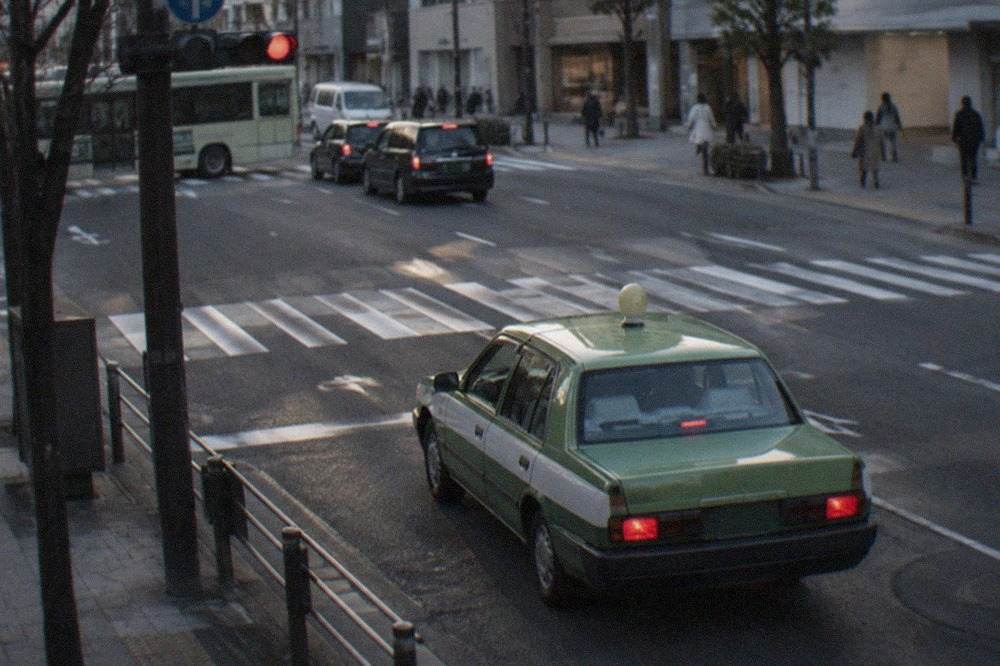
Yes, Uber works in Kyoto, but almost every ride is a licensed metered taxi, not an UberX-style private car. You pay the metered taxi fare through the app. Base fare is about 500 yen for the first kilometre, then distance and time charges build the rest of the meter.
Uber in Kyoto is real, but it is not the product most visitors imagine. The app does not summon a stranger's private car the way it does in London, Sydney or Los Angeles. Instead, it functions mainly as a dispatch service for Kyoto's licensed taxi companies, and the fare you pay is the metered taxi fare, settled through the app. That single fact changes almost every practical decision a visitor makes about getting around this city, from airport runs to a late-night ride back from Gion.
The city's own transport numbers explain why this matters. Kyoto drew a record 62.79 million visitors in 2025 according to the city's tourism survey, and the transport bureau has spent years pushing visitors off crowded buses and onto the subway, the EX100 and EX101 tourist expresses, and hands-free luggage delivery. Taxis are part of that system, not a rival to it. Understanding where they fit, and where the flat 230 yen bus fare or the 1,100 yen Subway and Bus One-Day Pass wins, is the difference between a smooth trip and one spent stuck behind tour buses on Shijo-dori.
Does Uber Work In Kyoto And Does It Call A Regular Taxi?
Yes, Uber works in Kyoto, and in almost every case it calls a regular licensed taxi rather than a private driver. The car that arrives is a Kyoto taxi company vehicle with a meter, and you are charged the metered taxi fare, paid through the app. There is no UberX-style pool of private cars the way there is in many Western cities, so the app is best understood as a convenient way to hail a taxi in a city where street hailing is already easy.
The practical consequence is that Uber in Kyoto is neither cheaper nor more expensive than flagging the same taxi on the street. The fare is the fare the meter shows. What the app adds is language-free booking, a record of your route, and cashless payment, which matters if you have just landed without yen. What it does not add is surge-driven savings or a budget tier, because there is no separate Uber fleet undercutting the taxi operators.
A few ride-hailing alternatives operate on the same principle. Japan's own taxi apps, including the widely used GO app, dispatch the same licensed fleets, sometimes with a wider choice of companies than Uber shows. If you plan to use apps at all, installing more than one is sensible: coverage varies by neighbourhood and time of day, and downtown Kyoto is dense with taxis in a way the northern temple districts are not.
One warning worth stating plainly: do not confuse ride-hailing with the unlicensed street touts that operate near nightlife areas in any big city. Every service discussed in this guide dispatches licensed, insured, metered vehicles. If a private individual offers you a ride outside a station, that is not any of these systems, and you should decline.
How Much Does A Kyoto Taxi Ride Actually Cost?
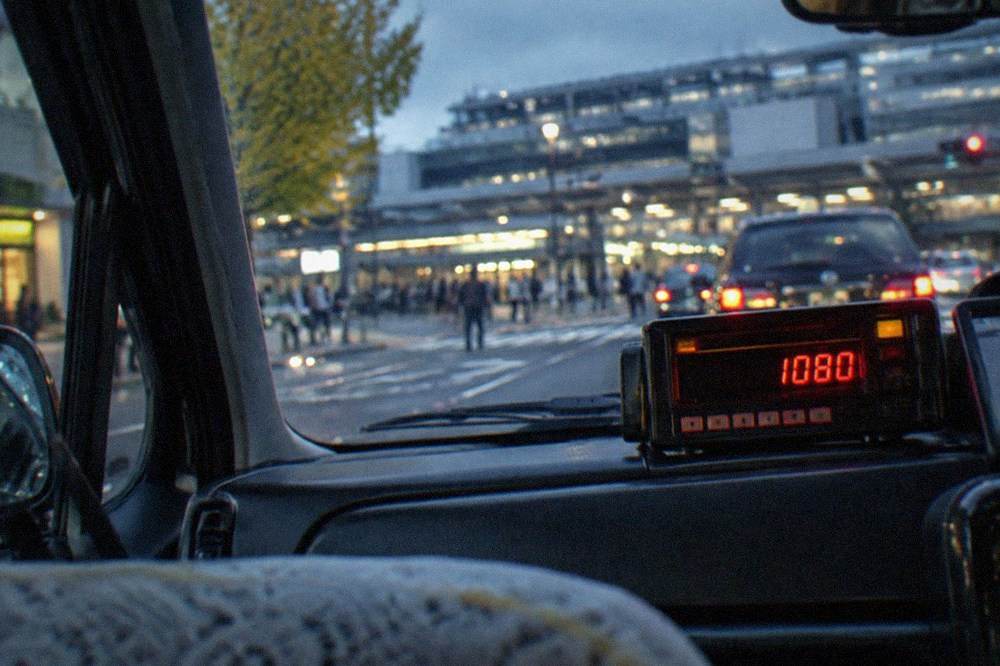
A Kyoto taxi starts at around 500 yen for the first kilometre, then adds distance-based increments and time charges when the car is stuck in traffic, so a typical 3 kilometre ride across central Kyoto lands somewhere between 1,000 and 1,500 yen. Late-night rides between about 22:00 and 05:00 carry a surcharge, commonly around 20 percent, added to the meter.
The exact base fare varies slightly by operator and vehicle size, which is why this guide gives the standard mid-size figures rather than a single official number: Kyoto, unlike the city bus or subway, has no single published municipal fare table, because the taxis are private companies regulated at prefectural level. What is consistent is the structure: distance plus time, with the meter visible to you at all times.
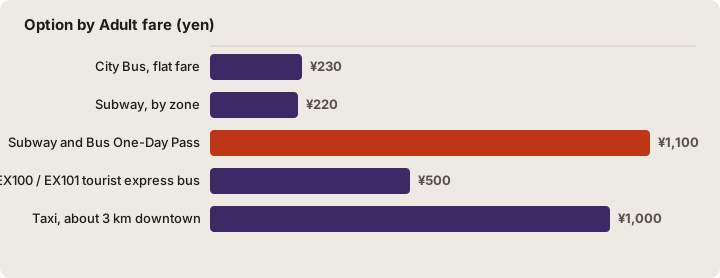
To put those figures against the alternatives, here is how the same central Kyoto journey compares across the transport options this site has verified prices for:
| Option | Adult fare | Notes |
|---|---|---|
| City Bus, flat fare | 230 yen | Any single ride, child 120 yen |
| Subway, by zone | 220 to 360 yen | Five zones across the two lines |
| Subway and Bus One-Day Pass | 1,100 yen | Child 550 yen; pays off after roughly 4 to 5 rides |
| EX100 / EX101 tourist express bus | 500 yen | Child 250 yen; fewer stops, faster to Kiyomizu and Gion |
| Taxi, about 3 km downtown | roughly 1,000 to 1,500 yen | Metered; late-night surcharge applies |
That table is the whole decision in miniature. For one or two people moving a short distance along a subway line, the taxi is a comfort purchase, not a necessity. For three or four people travelling together, or for a late-night return when the buses have thinned out, the arithmetic tilts the other way: a 1,200 yen taxi split four ways beats four bus fares and is dramatically faster.
Taxis in Kyoto also take IC cards and, in almost all vehicles now, contactless credit cards, which removes the old advice about carrying a fistful of yen notes. The ICOCA card costs 2,000 yen including a 500 yen deposit and works in taxis that display the IC mark, on every bus and subway ride, and on the JR and Kintetsu lines to Nara and Uji. Our ICOCA card guide for Kyoto covers where to buy one and how the deposit comes back to you.
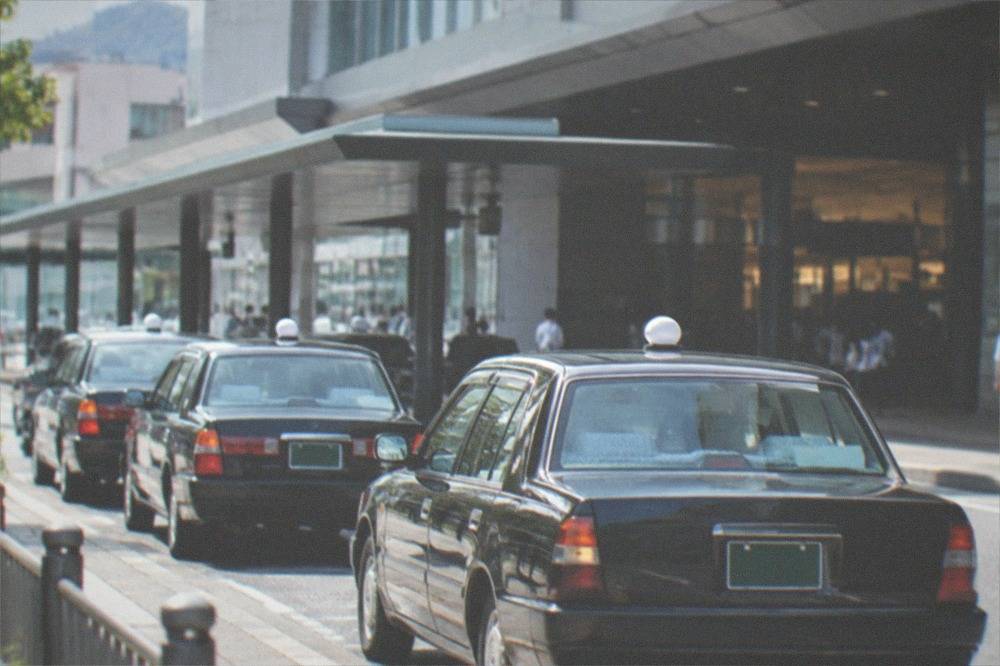
When Is A Taxi In Kyoto The Right Choice?
A taxi is the right choice in Kyoto when you are three or more people, when you are travelling late at night after buses thin out, when you are carrying luggage between a hotel and a station, or when your destination sits in the northern temple districts where subway coverage is thin. It is the wrong choice for rush-hour journeys along Shijo-dori or Kawabata-dori, where the taxi meter climbs while the subway runs underneath the traffic.
The geography drives this. Kyoto's two subway lines form a cross, one north-south along the Karasuma axis and one east-west along Shijo-dori, and they serve the station, downtown, the Imperial Palace area and the Kyoto International Conference Center efficiently. They do not reach Kinkaku-ji, Ginkaku-ji is a walk from the nearest stop, and the Higashiyama slope up to Kiyomizu-dera is a bus or taxi proposition. The Kyoto subway guide maps the lines against the main sightseeing districts.

Luggage is the other big trigger. The city actively discourages large bags on crowded buses, and drivers may refuse them, which is part of the wider overtourism response. The city's hands-free program promotes luggage delivery from station counters to hotels, and for a family landing at Kansai International with four suitcases, a taxi or a private transfer is often the sane choice over wrestling bags onto the HARUKA. The airport decision has its own arithmetic, covered in detail in our Kansai Airport to Kyoto guide.
Here is a quick decision grid for the situations visitors actually face:
| Situation | Best option | Why |
|---|---|---|
| Kyoto Station to downtown hotel with bags | Taxi or subway | Short hop; taxi about 1,000 to 1,500 yen |
| Late evening, Gion back to a downtown hotel | Taxi | Buses thin out; walking routes are dimly lit in places |
| Kyoto Station to Kinkaku-ji | Taxi or city bus | No subway; taxi costs several thousand yen |
| Downtown to Kiyomizu-dera, daytime | EX101 express or bus | 500 yen, faster than a taxi in traffic |
| Family of four, any medium trip | Taxi | Split four ways it often beats four bus fares |
| Solo traveller, any subway-covered trip | Subway | 220 to 360 yen, immune to traffic |
One more honest note on timing: the morning taxi queues at Kyoto Station and Arashiyama can be long precisely because every visitor has the same 08:00 idea. The city's crowd management now includes a Tourism Comfort Forecast that rates expected congestion at major spots by time slot, and it is worth checking before you commit to a taxi-dependent itinerary built around peak hours at Fushimi Inari or the bamboo grove.
How Do You Hail Or Book A Taxi In Kyoto?
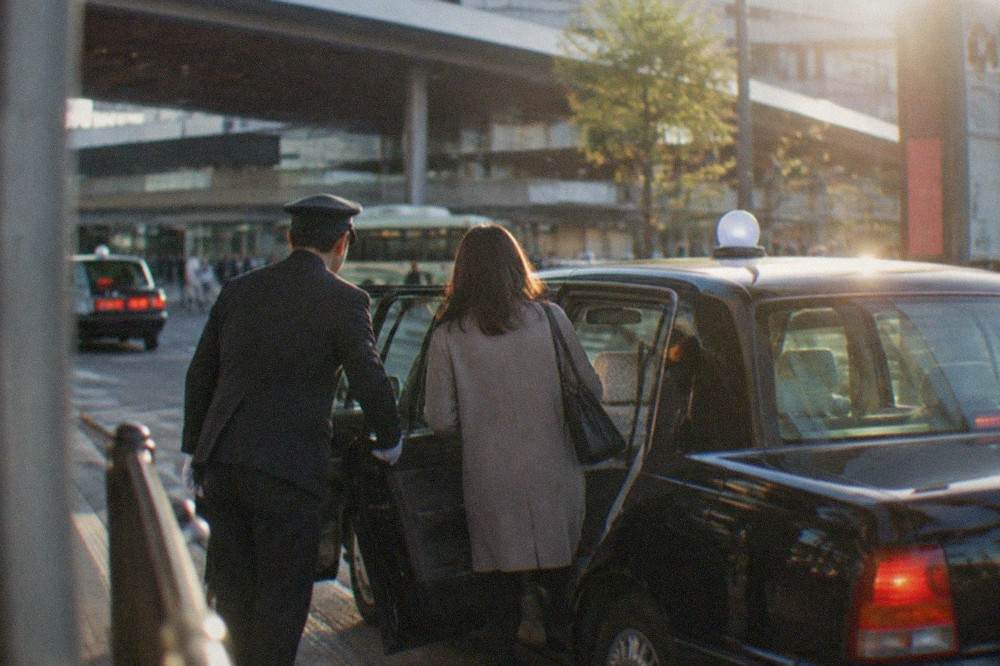
You can hail a Kyoto taxi on the street wherever the roof sign shows a vacant light, queue at any taxi stand outside stations and major hotels, book through the Uber or GO apps, or ask your hotel or restaurant to call one. Tipping is not expected and not customary, and drivers control the rear left door automatically, so wait for it to open rather than pulling it yourself.
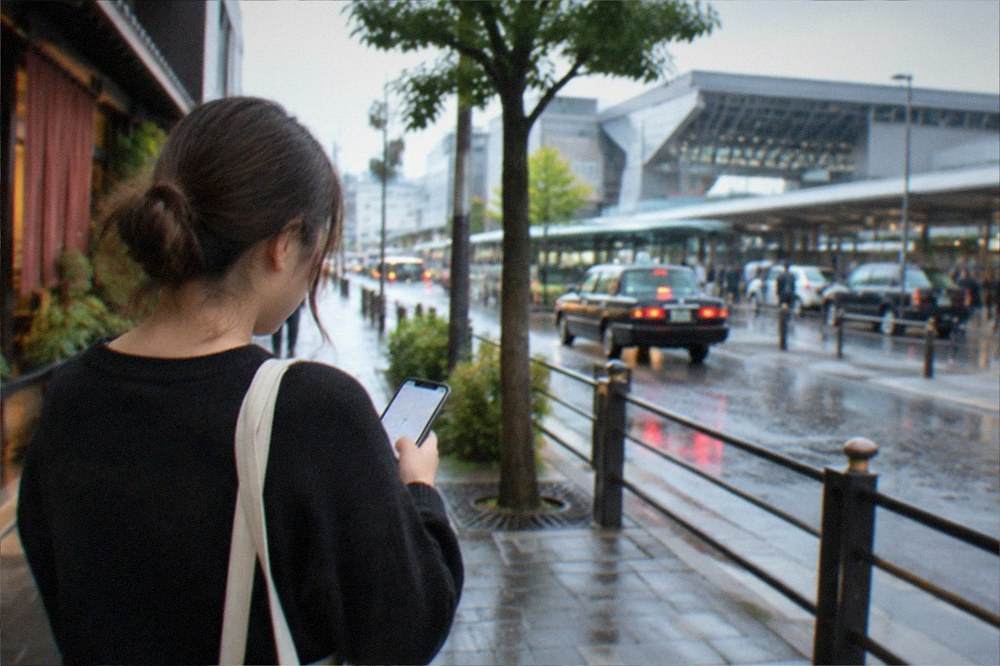
Street hailing works well downtown and along the main arteries, less well in the residential north and the western hills. Taxi stands are the reliable option at Kyoto Station, at the major temples, and at the big hotels, and the queues move quickly except at peak tourist hours. The apps are the fallback for everywhere else, and they are also the friendliest option if you cannot pronounce your destination: you type it, the driver sees it in Japanese.
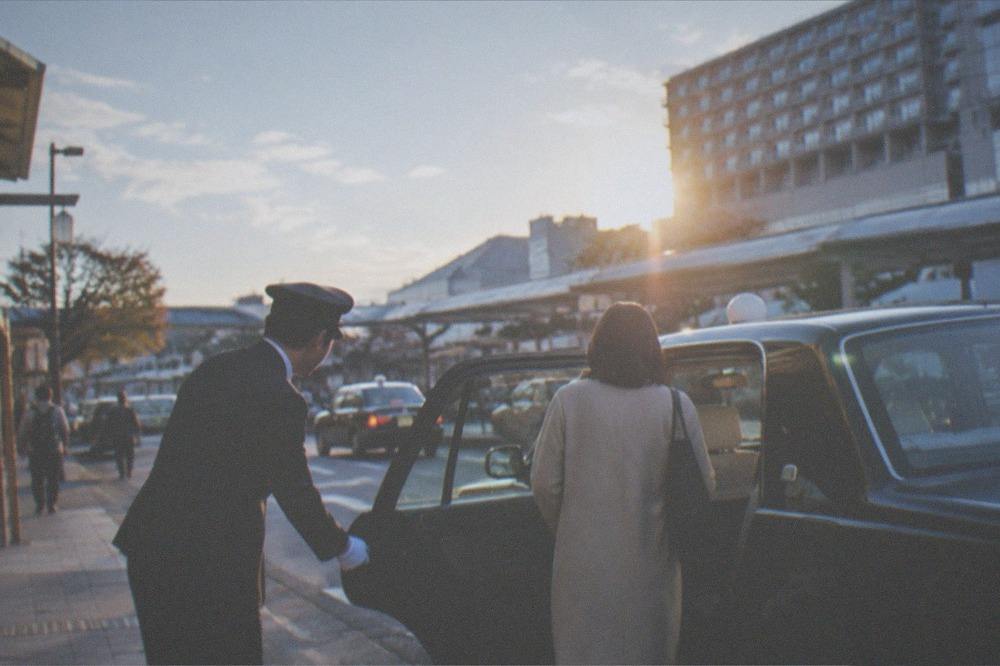
A few etiquette points that genuinely matter. Have your address written or in your phone in Japanese characters where possible, because street numbers in Kyoto are notoriously loose and landmarks work better than numbers. Do not slam the automatic door; it looks and feels as odd to the driver as it would to you. And if you are heading somewhere specific inside the Gion district, be aware that parts of the private alleys are closed to tourist access under the district council's signage, so a taxi can only take you to the public edges, a subject our Gion guide covers in full.
Payment is nearly universal: cash, IC card and contactless credit card cover almost every vehicle in the fleet now, and the driver will tell you plainly if their machine is down. Keep small notes for the rare cash-only situation, but do not plan around it.
How Much Is A Taxi From Kansai Airport Or Itami To Kyoto?
A taxi from Kansai International Airport to Kyoto is a poor choice: the run is about 100 kilometres and metered fares reach roughly 30,000 yen or more, so nobody takes one except by accident or in a group with no alternative. From Itami Airport, a metered taxi to Kyoto costs several times the bus fare, while the Hankyu Kanko limousine bus does the same trip for 1,500 yen adult and 750 yen child in about 50 to 55 minutes.
The airport arithmetic is not close. From Kansai International, the JR West HARUKA One-way Ticket for foreign visitors costs 2,200 yen to Kyoto, 1,100 yen for a child, and the journey takes about 80 minutes. A private transfer, booked in advance at a fixed price, sits far below a metered taxi and is the sensible upgrade if you want door-to-door service with luggage. The full comparison, including the Itami limousine bus details and contactless payment notes, is in our Kansai Airport to Kyoto guide.
| Route | Option | Cost | Time |
|---|---|---|---|
| KIX to Kyoto | HARUKA visitor ticket | 2,200 yen | about 80 minutes |
| KIX to Kyoto | Metered taxi | roughly 30,000 yen or more | 90 minutes or more |
| Itami to Kyoto Station | Limousine bus | 1,500 yen adult, 750 child | 50 to 55 minutes |
| Itami to Kyoto Station | Metered taxi | metered, traffic dependent | about 50 minutes |
| Kyoto Station to downtown | Taxi | about 1,000 to 1,500 yen | 10 to 15 minutes |
Note the honest caveat on those taxi figures: the airport runs are estimates, because metered fares depend on traffic and the exact destination, and no operator publishes a single flat rate for these routes. Treat them as the right order of magnitude for a decision, not as quotes. The rail and bus figures, by contrast, are the operators' own published prices. The full index of guides sits on Kyoto Travel Guide.
Is Uber Cheaper Than A Regular Taxi In Kyoto?
No, Uber is not cheaper than a regular taxi in Kyoto, because the car Uber sends is a regular taxi charging its normal metered fare. There is no separate cheaper Uber fleet in the city, so the price you see in the app is the taxi price. The app's value is convenience, not savings, and during periods of high demand some dispatches carry a booking premium on top of the meter rather than a discount.
This is the single most common misconception visitors arrive with, and it is worth being blunt about it. In cities like London or Bangkok, the app-based option undercuts the incumbent taxis, and people assume Japan works the same way. It does not. Japanese regulation requires ride-hailing platforms to dispatch licensed taxi operators, and the fare is the regulated meter fare. You are paying for the dispatch, the payment processing and the paper trail.
Where the app can still be the right call: when no taxi stand is nearby, when you want a fare estimate before committing, when you need an English-language interface, or when you want the route recorded for peace of mind late at night. Those are real benefits. Just do not build a budget around Uber being a discount tier in Kyoto, because it is not one.
What About Taxi Alternatives: Buses, Subway And The One-Day Pass?
The strongest taxi alternative in Kyoto is the Subway and Bus One-Day Pass at 1,100 yen adult and 550 yen child, which covers both subway lines and the city buses and pays for itself after about four to five rides. The subway runs 220 to 360 yen by zone, the city bus is a flat 230 yen, and the EX100 and EX101 tourist expresses cost 500 yen with fewer stops.
The old bus-only one-day pass no longer exists: sales ended in September 2023 and the last day of use was 31 March 2024.
That last sentence deserves emphasis, because guides written before 2024 still recommend the old bus pass, and following that advice sends visitors to a ticket machine that will not sell them one. The transport bureau retired it deliberately, saying around 90 percent of buyers were non-residents and that the pass concentrated tourists on the buses. The replacement is deliberately designed to spread visitors onto the subway.
| Ticket | Adult | Child | What it covers |
|---|---|---|---|
| City bus, single ride | 230 yen | 120 yen | Flat fare, any distance |
| Subway, single ride | 220 to 360 yen | 110 to 180 yen | Five zones |
| Subway One-Day Pass | 800 yen | 400 yen | Subway only |
| Subway and Bus One-Day Pass | 1,100 yen | 550 yen | Both networks, one day |
| EX100 / EX101 express | 500 yen | 250 yen | Limited-stop tourist routes |
The EX100 and EX101 deserve a specific mention for exactly the trips taxis are most often hired for. The EX100 runs Kyoto Station to Gojo-zaka for Kiyomizu, Gion, the Okazaki museum district and Ginkaku-ji, and the EX101 runs direct to the Kiyomizu side, with the city's own transport pages noting EX101 frequencies of every 7 to 8 minutes in the morning on operating days. At 500 yen it undercuts any taxi on the same corridor, and with fewer stops it often matches the door-to-door time once traffic is factored in. Our Kyoto buses guide and the bus and subway pass guide cover the routes in detail.
For sightseeing days that string together temples, the honest answer is that a well-chosen guided tour often beats both the taxi and the bus. A guided morning or full-day circuit handles the transfers, the timing and the queue positions for you, at a per-person price that a family would spend on two or three taxi hops.
Are Kyoto Taxis Safe, Accessible And Child-Friendly?
Kyoto taxis are among the safest and most reliable in the world: drivers are licensed professionals, vehicles are immaculately maintained, doors operate automatically, and incidents involving visitors are vanishingly rare. Larger vehicles and wheelchair-accessible taxis exist but are limited in number and should be booked in advance through an operator or hotel, and child car seats are not fitted as standard, so families with small children should request a seat-equipped vehicle when booking or bring their own.
The safety record is not in serious dispute anywhere in the city, and the late-night picture is strong too: Kyoto is broadly safe to walk at night, and a taxi ride home is a comfort decision rather than a security one. The accessibility picture is more mixed. Standard Kyoto taxis are sedans with a step up, and while some operators run station-wagon and wheelchair-accessible vehicles, they are a small share of the fleet and are not something you can reliably hail on the street. Booking ahead through GO, Uber or a hotel concierge with a specific vehicle request is the workable route, and our Kyoto accessibility guide goes deeper on the whole city infrastructure.
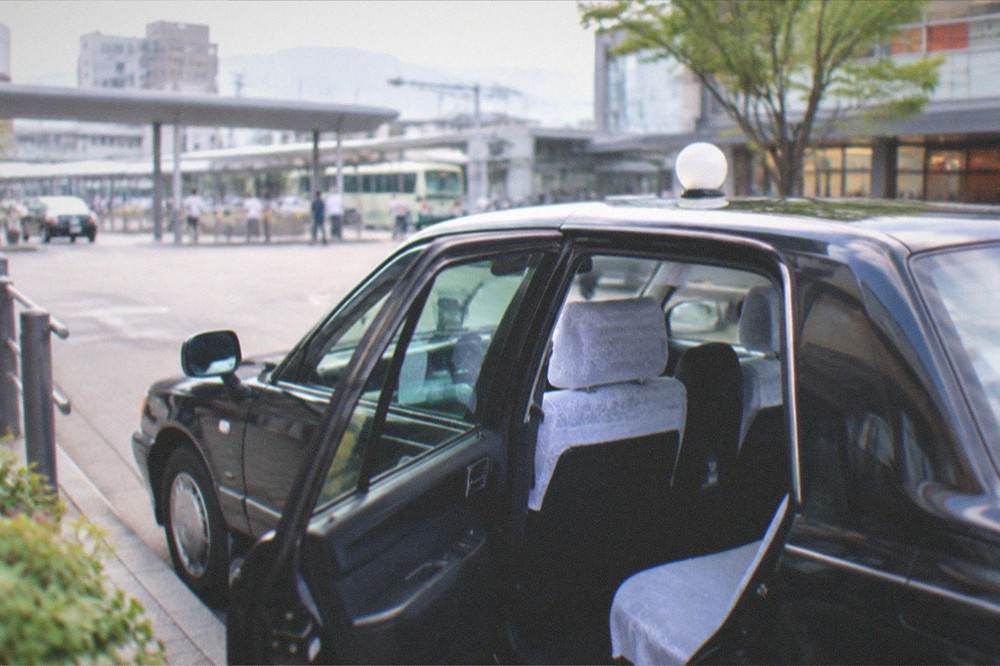
For children, Japanese law requires appropriate restraints, and taxi operators handle this inconsistently: a child carried in a taxi is legally permitted on an adult's lap in practice, but for real protection, request a vehicle with a child seat when you book through an app or hotel. This is one situation where booking ahead, rather than hailing from a stand, makes a genuine difference to what arrives.
Common Questions About Taxis And Uber In Kyoto
Does Uber work in Kyoto?
Yes, but almost every car it dispatches is a licensed Kyoto taxi charging its normal metered fare, not a private UberX driver. The app is a convenient way to hail and pay, not a cheaper alternative to taxis.
Is Uber cheaper than a taxi in Kyoto?
No. Because the vehicle is a metered taxi, the price is the taxi price, and high-demand periods can add a booking premium on top. Use the app for convenience, not savings.
Do you tip taxi drivers in Kyoto?
No, tipping is not customary and drivers will generally refuse or be confused by it. The metered fare, rounded up at most, is the full price.
How much does a taxi cost in Kyoto?
Roughly 500 yen for the first kilometre plus distance and time charges, with a late-night surcharge of around 20 percent between about 22:00 and 05:00. A 3 kilometre downtown ride typically costs 1,000 to 1,500 yen.
Should I take a taxi from Kansai Airport to Kyoto?
No, a metered taxi from KIX to Kyoto can reach roughly 30,000 yen or more. The JR West HARUKA visitor ticket costs 2,200 yen and takes about 80 minutes, and a pre-booked private transfer costs far less than a metered taxi if you want door-to-door service.
Do Kyoto taxis take credit cards?
Almost all vehicles now accept contactless credit cards and IC cards such as ICOCA alongside cash. Occasionally a reader is down, so keeping some yen notes is sensible.
The bottom line for this city: Uber in Kyoto is a taxi dispatcher, taxis are excellent but metered, and the 1,100 yen one-day pass plus the subway network will carry most visitors through most days for a fraction of what a taxi habit costs. Save the taxis for luggage, late nights, groups and the temple districts the subway cannot reach, and the rest of the time let the city's own transit do the work. For the full picture of what to build around your transport choices, start with our guide to the things worth doing across Kyoto.