What Does The Haruka Express Cost From Kansai Airport To Kyoto?
The JR West HARUKA One-way Ticket for foreign visitors costs 2,200 yen from Kansai International Airport to Kyoto, with children at 1,100 yen. The journey takes about 80 minutes. Here is what the fare includes, how to buy it, and how it stacks up against every other way of reaching the city.
Short answer
The HARUKA One-way Ticket for foreign visitors costs 2,200 yen adult and 1,100 yen child from Kansai International Airport to Kyoto Station, and the run takes about 80 minutes.
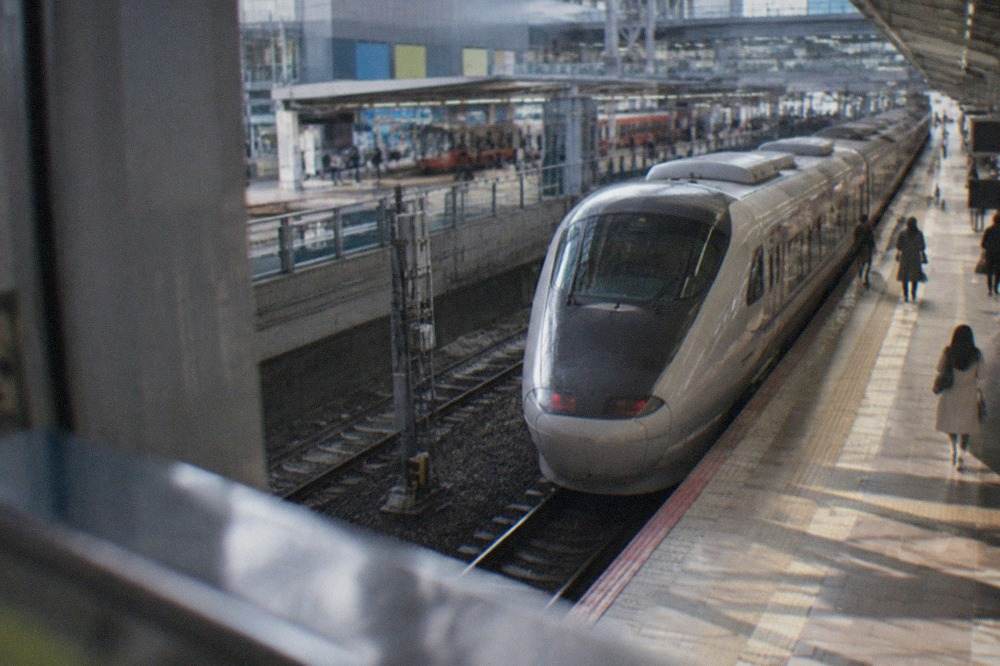
The Haruka Express is the train most visitors ride between Kansai International Airport and Kyoto, and almost every guide on the internet prices it wrong. The JR West page for the product most foreign visitors actually buy, the HARUKA One-way Ticket, lists 2,200 yen adult and 1,100 yen child to Kyoto, while the regular fare often quoted in older articles sits near 3,060 yen and rests on a single source. The run takes about 80 minutes. That gap between the two numbers is the difference between buying the right ticket and paying roughly 40 percent more for the same seat, and it is the reason this page exists.
Kyoto has no airport of its own. Every visitor lands at Kansai International on its artificial island in Osaka Bay or at Itami to the north, then covers the last stretch by rail, bus or car. The city's own 2025 tourism survey, released in June 2026, counted a record 62.79 million visitors, and a large share of them funneled through exactly this corridor. This guide sets out the verified fares, the buying process, the alternatives and the onward connections, in plain figures. For the wider arrival picture, including the Itami bus route, our Kansai Airport to Kyoto guide covers every option in detail.
What Does The Haruka Express Cost From Kansai Airport To Kyoto?
The JR West HARUKA One-way Ticket, the product sold to foreign visitors, costs 2,200 yen for an adult and 1,100 yen for a child from Kansai International Airport to Kyoto Station. The regular fare for the same journey sits near 3,060 yen when bought as separate base and limited express tickets, which is why the visitor ticket is the one to ask for by name. The journey takes about 80 minutes, and the fare covers a reserved seat on a limited express train.
The pricing structure confuses people because there are really two ways to ride. A traveler who taps an ICOCA card at the gate and boards pays the base fare plus the limited express charge, and live search results put that combination near 3,060 yen, but that figure rests on a single secondary source rather than a JR West fare page, so treat it as approximate. A traveler who buys the HARUKA One-way Ticket, an e-ticket or exchange-order product JR West sells specifically to foreign visitors, pays a flat 2,200 yen. JR West's own page for the product states the Kyoto price as, and it also prices the Osaka and Shin-Osaka terminus at 1,800 yen, which tells you the Kyoto markup buys roughly another half hour of track.
The child fare at 1,100 yen applies to the same age bands JR West uses across its network. There is no cheaper advance-purchase tier and no peak surcharge on this product: the 2,200 yen figure is the price, and it includes a seat reservation, which matters on afternoon arrivals when tour groups fill the train. What it does not include is anything beyond Kyoto Station. The subway, the buses and the taxis in the city are separate fares, set out further down this page.
| Ticket | Adult | Child | What it covers |
|---|---|---|---|
| HARUKA One-way Ticket (foreign visitors) | 2,200 yen | 1,100 yen | Reserved seat, KIX to Kyoto Station |
| Regular fare, base plus limited express | about 3,060 yen | roughly half | Same train, bought without the visitor product |
| ICOCA card purchase | 2,000 yen | 2,000 yen | 500 yen deposit plus 1,500 yen of credit, usable on local transit |
One caveat on that third row: an ICOCA is a stored-value card, not a discount. You load money, the gate deducts the fare, and the 500 yen deposit comes back when you return the card. It is worth having for the subway and buses once you arrive, but it does not reduce the Haruka fare itself.
How Do You Buy The Haruka One-Way Ticket At Kansai Airport?
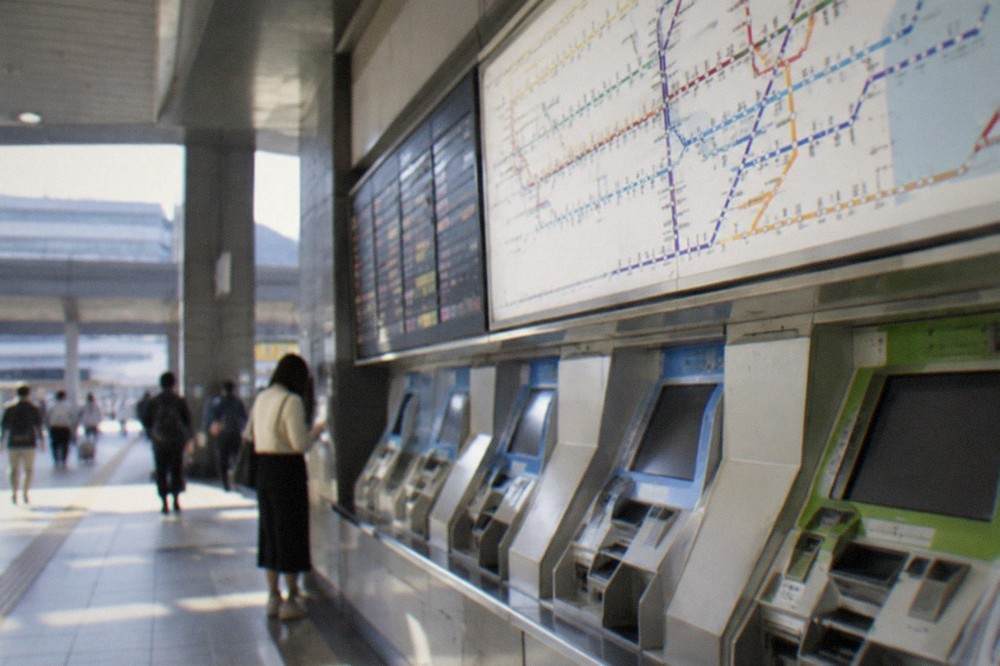
Buy the HARUKA One-way Ticket before you pass through the fare gates, either as an e-ticket on the JR West website or as an exchange order converted at the ticket office in the airport station. Foreign-visitor eligibility is checked at purchase, and the ticket includes a reserved seat that you select when buying, so there is nothing more to do at the platform except board. The product cannot be bought from a regular fare machine.
The e-ticket route is the smoothest. JR West sells the ticket through its own site, you receive a QR code, and you scan it at the gate. The exchange-order route involves buying a voucher from a travel agent before departure and swapping it at the JR ticket office, the Midori no Madoguchi, in Kansai Airport Station. Both produce the same 2,200 yen outcome. What neither route produces is a paper ticket you can buy on the day from a machine, which is why travelers who arrive unprepared end up paying the regular fare.
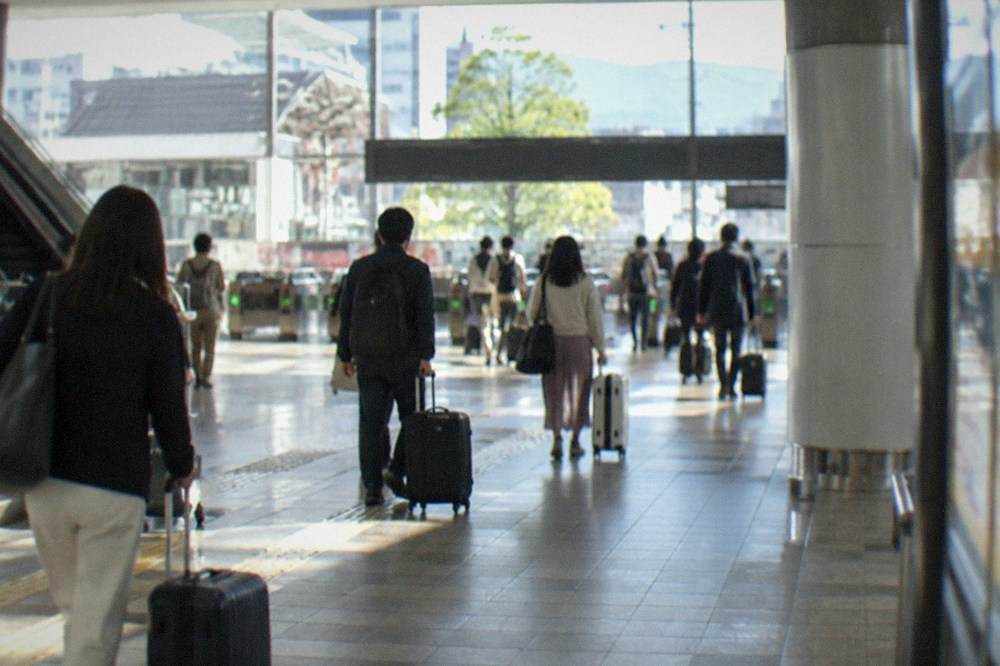
Timing matters more than most guides admit. The Haruka runs roughly twice an hour through the day, and the trains arriving in Kyoto between 21:00 and midnight are noticeably lighter than the mid-afternoon ones, which arrive alongside package tours. If your flight lands in the evening, the last departures still connect, but check the operator's timetable for the day of the week you travel, because the late-evening frequency thins out. The station at Kansai Airport is directly connected to Terminal 1, one level up from arrivals, so the walk from baggage claim to the platform takes about ten minutes with a suitcase.
For travelers who would rather not manage tickets and platforms at all, there is a door-to-door alternative: a private departure transfer from a Kyoto hotel to Kansai International, bookable from 108 USD per person, which makes sense for early flights and heavy luggage. The rest of this page sticks to self-managed options, because they are cheaper for most people.
Haruka Express Vs Airport Limousine Bus: Which Is Better From KIX?
The Haruka Express is the better choice from Kansai International for almost every visitor: it is faster, at about 80 minutes against the bus routes, and the 2,200 yen visitor ticket undercuts the comparable bus fares. The limousine bus wins only for passengers staying near a bus stop it serves directly, or those with luggage that does not fit the train racks, since buses take luggage in the hold. From Itami, the equation reverses and the bus becomes the default.
Kansai International sits on an island connected to the mainland by a single road and rail bridge, which means the train and the highway buses run the same corridor for most of the way. The Haruka's about-80-minute run is consistent because it is a limited express with priority on the track. Buses to Kyoto from KIX take around 105 minutes and cost more than the visitor ticket, so the train's advantage is real on both time and price. The bus's advantage is luggage handling and the drop-off points: some Kyoto hotels sit directly on a bus route, saving a transfer.
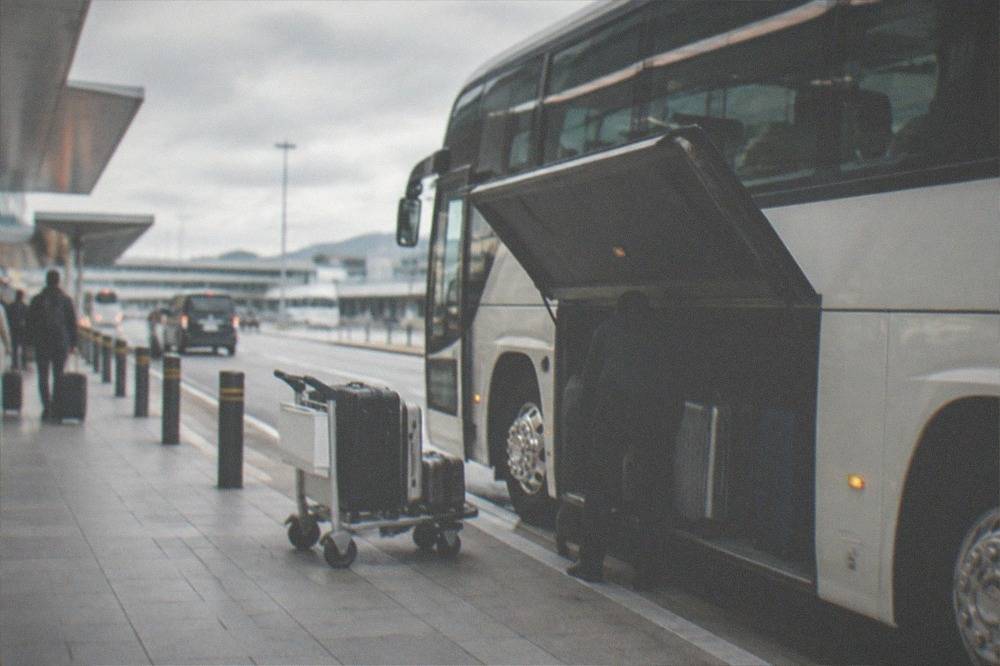
From Itami, the story is different. The Hankyu Kanko limousine bus runs from Itami to Kyoto Station's Hachijo exit for 1,500 yen adult and 750 yen child, taking about 50 to 55 minutes, and it has accepted contactless card payment since 1 March 2026. Itami has no direct limited express to Kyoto, so the bus is genuinely the default there. If you are deciding which airport to fly into, our Itami Airport to Kyoto guide works through that comparison stop by stop.
| Route | Mode | Adult fare | Time | Best for |
|---|---|---|---|---|
| KIX to Kyoto Station | Haruka Express, visitor ticket | 2,200 yen | about 80 minutes | Speed and price |
| KIX to Kyoto Station | Airport limousine bus | above the visitor ticket | about 105 minutes | Direct hotel drop-offs, heavy luggage |
| Itami to Kyoto Station | Hankyu Kanko limousine bus | 1,500 yen | 50 to 55 minutes | Anyone landing at Itami |
| KIX to Kyoto | Private transfer | from 108 USD per person | varies with traffic | Early flights, groups, door to door |
The private transfer row deserves a note on honesty: it is not competing on price. It competes on certainty. A driver meets you, the luggage goes in the boot, and no platform changes are involved. For a family of four with two large cases catching a 07:00 departure, the arithmetic can work, and for everyone else the train does the job for a third of the cost.
How Long Does The Haruka Express Take To Kyoto?
The Haruka Express takes about 80 minutes from Kansai International Airport to Kyoto Station. JR West's own access materials describe the run as roughly 75 to 80 minutes, but the exact minute depends on the departure, so plan on 80 and treat anything faster as a bonus. Trains run roughly twice an hour through the day, with thinner frequency in the late evening.
The about in that answer is deliberate. The 75-minute figure circulates widely in guides, but it rests on a single source rather than a JR West timetable page we could verify, and the difference between 75 and 80 minutes is irrelevant to any realistic connection. What matters is the shape of the schedule: departures cluster in the morning and afternoon, and the last trains of the evening still reach Kyoto before midnight, but a 22:30 landing can mean a wait on the platform.
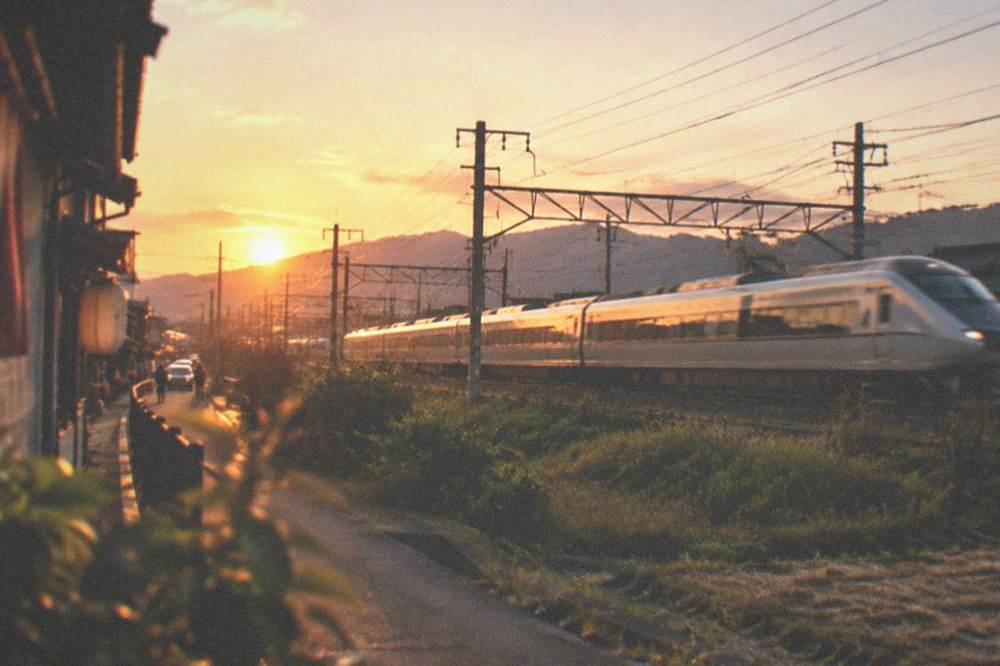
The route runs across the bay bridge, through Osaka's western suburbs, past Osaka Station territory and up the JR Kyoto Line. Most Haruka services to Kyoto call at Osaka and Shin-Osaka first, which is why the ticket to those stations is cheaper at 1,800 yen. Sit on the right side heading north for the best views as the train skirts the city, though the honest answer is that the scenery is commuter-grade until the Hozugawa valley appears near the end of the run.
Season affects the ride more than the timetable. July is Kyoto's wettest month at 223.6 mm against June's 199.7 mm in the JMA 1991-2020 normals, and typhoon season runs roughly July to October, so a summer arrival can mean a slower, wetter crossing of the bay bridge. None of this makes the train unreliable, but it is a reason to leave margin before a same-day connection rather than booking a tour that starts ninety minutes after landing.
Where Does The Haruka Stop In Kyoto And What Connects There?
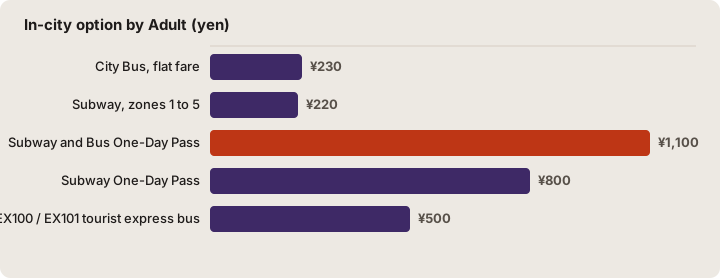
The Haruka terminates at Kyoto Station, and from there the Karasuma subway line runs north through the city center with fares from 220 to 360 yen by zone, while City Bus flat fares are 230 yen adult and 120 yen child. The Subway and Bus One-Day Pass at 1,100 yen pays for itself after roughly four bus rides or a mix of bus and subway trips. Taxis from the station rank start at a metered rate and make sense for three or more people with luggage.
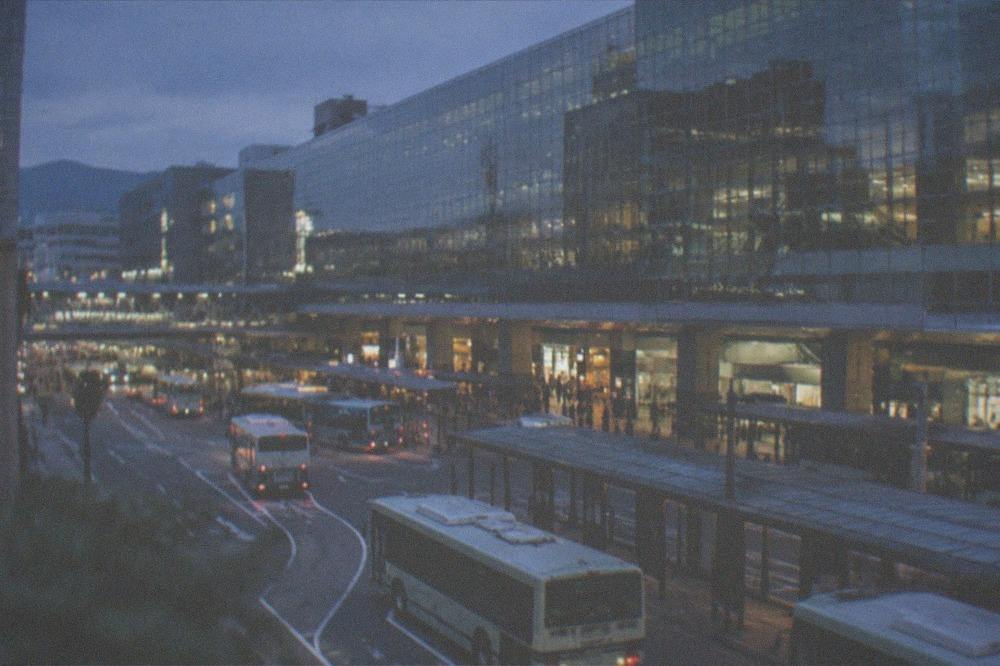
Kyoto Station is the city's transport hub and also its most disorienting building, a slab of glass and steel with the Karasuma Line underneath, the bus terminal on the north side, and taxi ranks on both. The one thing to know before arriving is which exit you need: the Karasuma central exit puts you at the bus stops and the subway, while the Hachijo exit on the south side faces the long-distance buses and some hotels. The Haruka arrives on the JR platforms in the middle, one escalator ride from either.
The in-city fares are flat and verified from the city's own transport bureau. City Bus charges 230 yen per adult ride regardless of distance, 120 yen for children aged 6 to 11. The subway charges by zone, 220 to 360 yen for adults across the five fare zones. The combined Subway and Bus One-Day Pass costs 1,100 yen adult and 550 yen child, and the subway-only version is 800 and 400. One warning that trips up readers of older guides: the bus-only one-day pass no longer exists. Sales ended in September 2023 and the last day of use was 31 March 2024, because the transport bureau found 90 percent of buyers were tourists concentrating on a handful of bus routes. The product to buy today is the combined pass.
| In-city option | Adult | Child | Notes |
|---|---|---|---|
| City Bus, flat fare | 230 yen | 120 yen | Any distance, any route |
| Subway, zones 1 to 5 | 220 to 360 yen | 110 to 180 yen | Karasuma and Tozai lines |
| Subway and Bus One-Day Pass | 1,100 yen | 550 yen | Breaks even after about four bus rides |
| Subway One-Day Pass | 800 yen | 400 yen | Subway only |
| EX100 / EX101 tourist express bus | 500 yen | 250 yen | Cash or IC, station to Kiyomizu, Gion, Ginkaku-ji |
The EX100 and EX101 tourist expresses deserve a line because they solve the station-to-east-Kyoto problem directly: 500 yen in cash takes you from Kyoto Station to the Gojo-zaka stop for Kiyomizu-dera, then Gion, then the Ginkaku-ji end of town, with fewer stops than the local buses. They run mainly on weekends and holidays. Our Kyoto buses guide maps the full network if you want the detail.
Is The Haruka Express Covered By Any Rail Pass?
The Haruka Express is covered by the nationwide Japan Rail Pass and by JR West's regional passes, including the Kansai Area Pass at 2,800 yen for one day, but for a single KIX-to-Kyoto ride no pass pays for itself. A pass only makes sense if you are also making long return trips, such as a Kyoto to Tokyo run on the Shinkansen. For one airport transfer, the 2,200 yen visitor ticket is the cheapest legitimate way onto the train.
The arithmetic is straightforward. The one-day Kansai Area Pass costs 2,800 yen, which is 600 yen more than the visitor ticket, so it wins only if you add a same-day round trip to Osaka or Nara on JR lines. The Japan Rail Pass costs far more and needs multiple intercity journeys to break even. Travelers coming from the capital should read our Tokyo to Kyoto guide before assuming a pass helps, because the Nozomi Shinkansen, the fastest and most frequent service on that corridor, sits outside Japan Rail Pass validity, a restriction that quietly lengthens every pass-holder's Tokyo trip.
One thing this page will not do is advise you to rush a pass purchase before any deadline. Rumors about regional pass changes circulate constantly, and JR West's own pages carry nothing we could verify on that front, so there is no deadline to print and no urgency to manufacture. Buy the pass your itinerary justifies, when you need it.
For the return journey at the end of a trip, the same 2,200 yen visitor ticket works in reverse, and the private transfer option covers the case where a dawn flight makes a 05:00 train unworkable. A full cost breakdown for the whole trip, not just the transfer, is in our Kyoto trip cost guide, which prices a realistic mid-range day including the new accommodation tax tiers.
What Should You Do In The Hours After Arriving In Kyoto?
Most Haruka arrivals land in Kyoto between late morning and mid-afternoon, which leaves a half day for the east side: Kiyomizu-dera at 500 yen, the Ninenzaka and Sannenzaka slopes, and Gion at dusk are all walkable from the Gojo-zaka bus stop or Kiyomizu-dera Station on the Keihan line. For a first evening, the Gion walk is free and needs no ticket, no reservation and no planning beyond comfortable shoes.
The practical sequence looks like this. Drop luggage first: Kyoto Station's coin lockers fill by midday in peak season, and the city's hands-free delivery counters, promoted by the tourism association, will forward bags to your hotel for later pickup. Then head east. The EX100 bus or the Keihan line from Tofukuji gets you to the Kiyomizu side in under half an hour, and the temple closes at 18:00 in the regular season, with the last entry a little before.
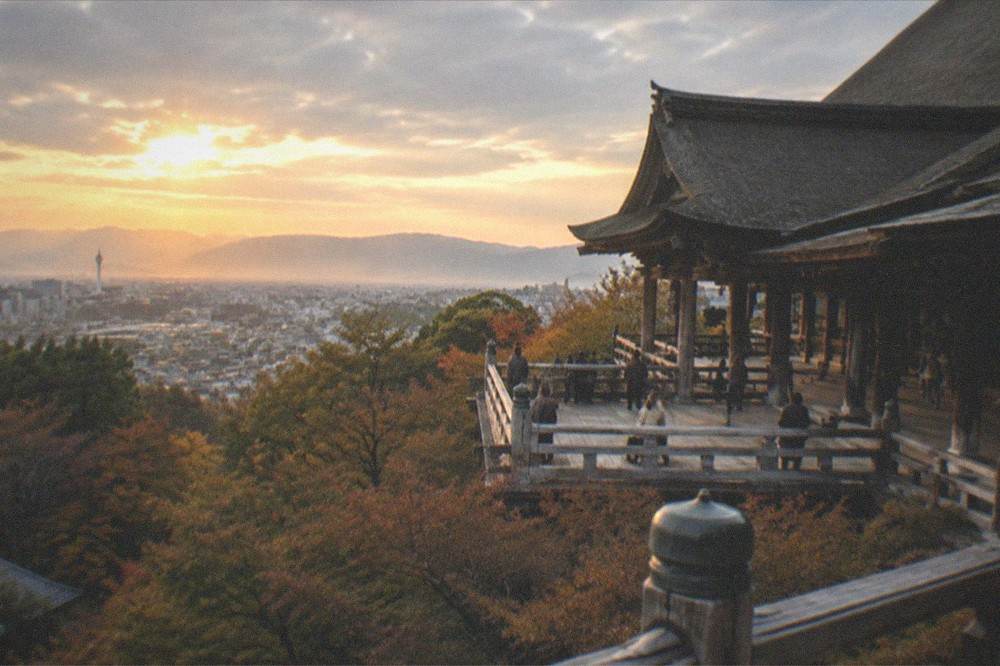
If the arrival day is your only full-flexibility day, a structured option beats improvisation. The Perfect 1-Day Bus Tour covers the headline sights, Fushimi Inari, Kinkaku-ji and the Arashiyama bamboo grove among them, in 8 to 9 hours from 102 USD, rated 4.9 across more than 17,000 reviews, and it removes every transfer decision from a jet-lagged first day. The Nijo Castle guided tour with admission included, from 41 USD, is the better pick if you want a single deep stop rather than the sweep. Both are bookable for the day after arrival, which is the smarter pattern: use arrival afternoon for the free east-side walk, then commit to structure the next morning.
For the rest of the stay, the arrival corridor is behind you and the ordinary decisions take over: where to sleep, what to eat, how to move. Our things to do in Kyoto roundup is the master list, and Kyoto Travel Guide is the front door to all of it.
Common Questions About The Haruka Express
What does the Haruka Express cost from Kansai Airport to Kyoto?
The JR West HARUKA One-way Ticket for foreign visitors costs 2,200 yen adult and 1,100 yen child from Kansai International Airport to Kyoto Station. The regular fare, bought as base plus limited express without the visitor product, sits near 3,060 yen, so ask for the One-way Ticket by name.
How long is the Haruka Express ride to Kyoto?
About 80 minutes from Kansai International Airport to Kyoto Station. Some sources quote 75 minutes, but that figure is not confirmed on a JR West timetable page, so plan on 80 and check the operator's timetable for your departure time.
Can I use an ICOCA card on the Haruka Express?
An ICOCA covers the base fare at the gate, but the Haruka is a limited express, so a limited express charge applies on top. The 2,200 yen HARUKA One-way Ticket bundles both for foreign visitors and is cheaper than paying the components separately. ICOCA costs 2,000 yen to buy, including a 500 yen deposit.
Is the Haruka Express covered by the Japan Rail Pass?
Yes, the nationwide Japan Rail Pass covers the Haruka, as do JR West regional passes such as the one-day Kansai Area Pass at 2,800 yen. For a single airport transfer no pass pays for itself; the visitor ticket at 2,200 yen is cheaper than any of them.
Where do I catch the Haruka at Kansai Airport?
Kansai Airport Station is directly connected to Terminal 1, one level up from arrivals. Buy or exchange the HARUKA One-way Ticket at the JR ticket office before the gates, then board from the Haruka platforms. The walk from baggage claim takes about ten minutes with a suitcase.
Is the bus cheaper than the Haruka from KIX?
No. The limousine bus from Kansai International to Kyoto costs more than the 2,200 yen visitor ticket and takes around 105 minutes against the train's about 80. The bus wins only for direct hotel drop-offs or luggage that does not fit train racks. From Itami, the bus at 1,500 yen is the default because no direct express train runs that route.
The fare is the fixed point of this whole corridor: 2,200 yen for the visitor ticket, about 80 minutes on the train, and everything after Kyoto Station is a separate, well-documented cost. Buy the right ticket at the airport office, keep the ICOCA for the city, and the most expensive mistake available on this route is simply not knowing which product to ask for.