How Much Does A Kyoto Tea Ceremony Cost And How Long Does It Last?
Tea ceremony in Kyoto runs from a 592-review budget class at $8.05 to a full kimono ceremony with hairstyling, and most sessions last between one and two hours.
Short answer
A Kyoto tea ceremony costs from $8.05 for a basic class to about $79 for a private kimono ceremony, and most sessions last 1 hour to 1 hour 30 minutes.
Kyoto has been the home of Japanese tea culture since the fifteenth century, when the tea master Murata Juko worked in the city and the monk Ikkyu taught him the spirit that later became chado, the way of tea. The ceremony that survives in Kyoto today is the direct descendant of that lineage, and it is one of the few traditional arts a visitor can book into with no Japanese, no prior training and about an hour of time. The question most people actually ask before booking is the practical one, and the answer is less uniform than the brochures suggest.
This guide sets out what a tea ceremony in Kyoto costs at every tier on the current operator roster, how long each format runs, what actually happens inside the room, and how the etiquette works. Every price and rating below comes from the operator listings this site carries, and every Kyoto fact comes from verified primary sources.
How Much Does A Kyoto Tea Ceremony Cost And How Long Does It Last?
A Kyoto tea ceremony costs from $8.05 for a basic group class to about $79 for a private ceremony in kimono near a working shrine, and most sessions last between 1 hour and 1 hour 30 minutes. The most-booked option on this site, a ceremony at Jotokuji Temple, starts at $29, runs 1 hour 10 minutes and carries a 4.9 rating from 3,758 traveller reviews. At the other end, a full kimono ceremony with hairstyling and accessories starts at $49 to $79 depending on the venue.
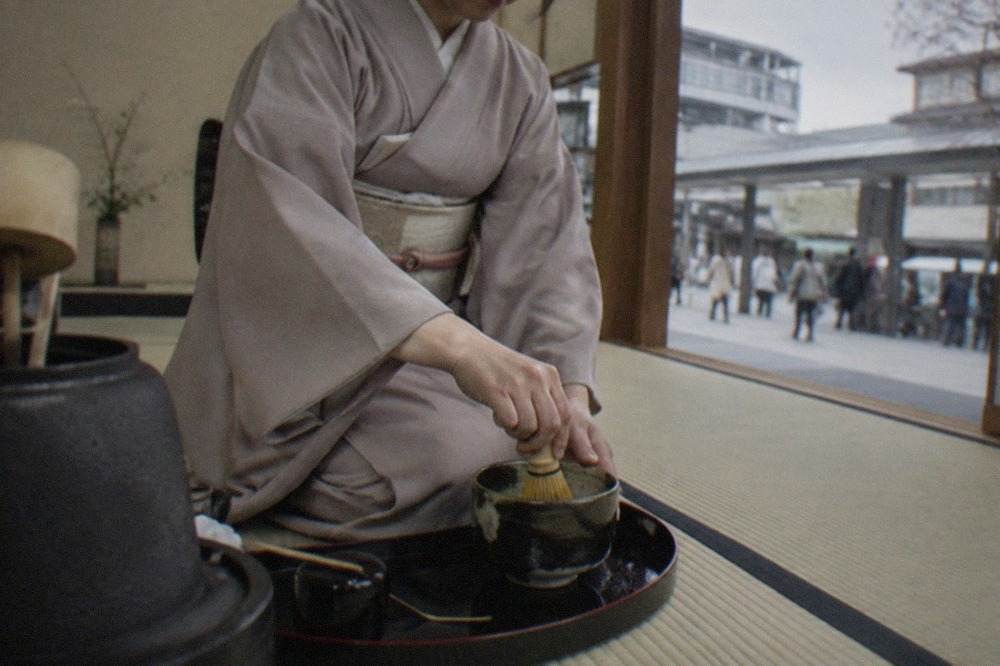
The spread is wide because the word "ceremony" covers three genuinely different products. At the bottom sits the demonstration-and-taste format: you watch a host prepare matcha, learn two or three etiquette points, whisk a bowl yourself and drink it. The Tea Ceremony Class Experience in Kyoto, from $8.05 with a 4.3 rating from 592 reviews, is this format. In the middle sits the temple or machiya ceremony, a 60 to 90 minute session in a real tatami room, sometimes with a garden view, sometimes with a short walk in kimono afterwards. At the top sits the private or semi-private ceremony with full kimono dressing, hairstyling and accessories included, which is the closest a short visit gets to the formal experience.
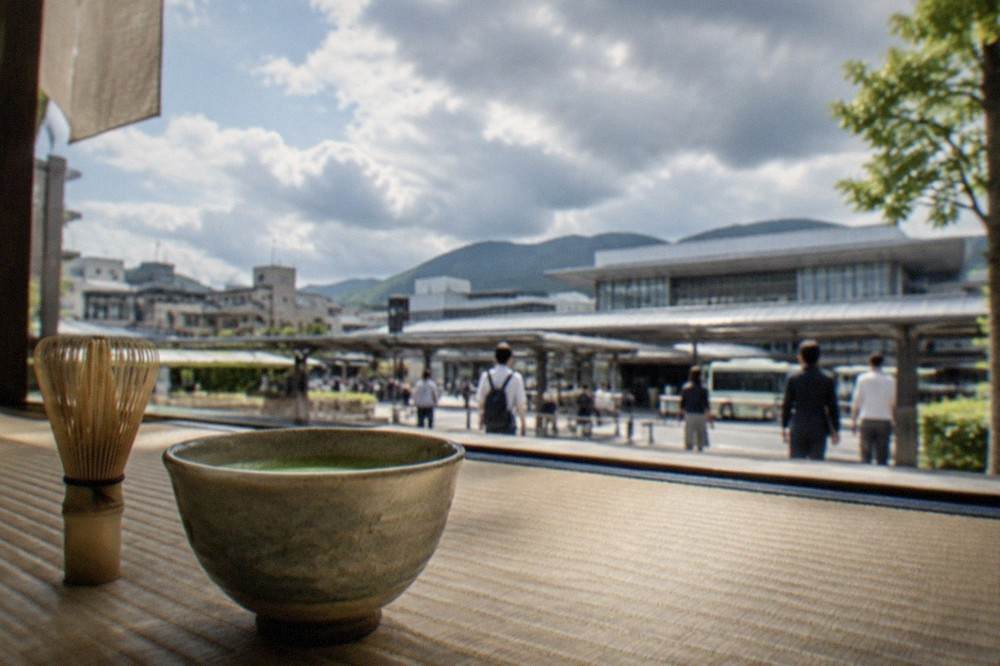
Duration tracks price only loosely. The budget class runs about an hour. The Jotokuji Temple ceremony runs 1 hour 10 minutes. The kimono ceremonies at Maikoya Nishiki and at Orizuruya in Gion both run 1 hour 30 minutes, and the private ceremony near Imamiya Jinjya Shrine also runs 1 hour 30 minutes. Nothing on the current roster runs longer than 90 minutes, which matters if you are stacking a ceremony into a sightseeing day: a morning ceremony plus an afternoon of temples is a realistic Kyoto day, and the section on combining visits below covers how to do it.
| Experience | Starting price | Rating | Reviews | Duration |
|---|---|---|---|---|
| Tea Ceremony Class Experience | $8.05 | 4.3 | 592 | about 1 hour |
| Tea Ceremony Ju-An at Jotokuji Temple | $29 | 4.9 | 3,758 | 1 hour 10 minutes |
| Kimono Tea Ceremony at Orizuruya, Gion | $49 | 4.9 | 1,871 | 1 hour 30 minutes |
| Kimono Tea Ceremony at Maikoya, Nishiki | $53 | 4.9 | 1,114 | 1 hour 30 minutes |
| Tea Ceremony with Kimono near Imamiya Jinjya Shrine | $79 | 5.0 | 440 | 1 hour 30 minutes |
One pricing note that trips people up: kimono rental sold separately is cheaper than a kimono ceremony, because the ceremony adds a host, a tatami room and matcha. The standard Kyoto Kimono Rental starts at $17.35 with a 4.7 rating from 3,813 reviews, and the rental with hairstyling and accessories starts at $21 with a 4.8 rating from 1,344 reviews. If your goal is photographs in Gion, rent the kimono. If your goal is to understand the tea itself, book the ceremony and skip the kimono.
What Actually Happens During A Kyoto Tea Ceremony?
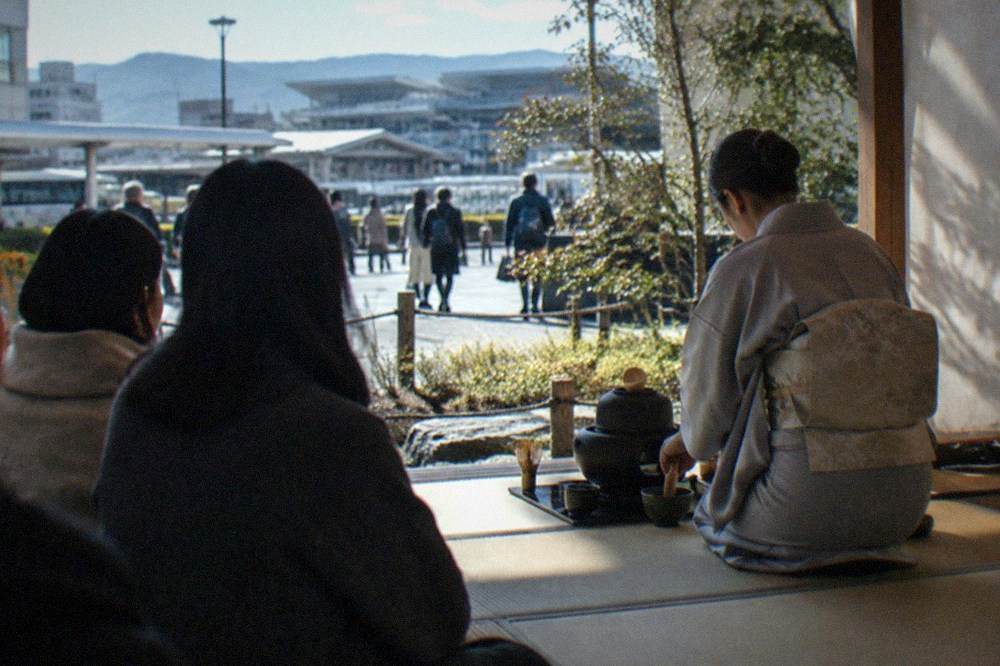
A Kyoto tea ceremony opens with a short explanation of chado, moves through the host's formal preparation of a bowl of matcha, then hands the whisk to you: you make your own bowl, drink it, and finish with a traditional sweet. The whole sequence, in the 1 hour 10 minute temple format, spends roughly 20 minutes on background, 30 on the host's demonstration and the rest on your own preparation and tasting. Nothing requires prior knowledge, and every session on this roster is taught in English.
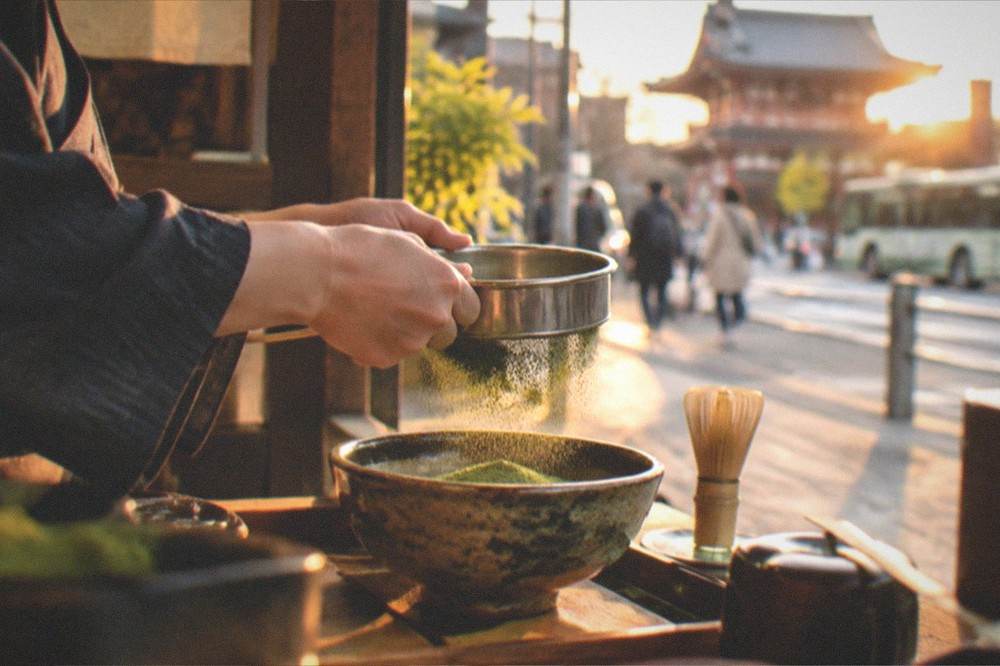
The demonstration is the part worth watching closely. The host purifies the tea scoop and whisk with deliberate, slow movements, adds matcha powder to the bowl, pours hot water and whisks to a bright green froth. Every gesture is fixed: the bowl is turned twice before drinking, the front of the bowl is avoided out of respect for its maker, and the guest wipes the rim after drinking. Hosts explain each movement as they make it, and the explanations are where most of the value of a paid session sits. A free video shows the same bowl of tea; a host in the room answers your questions about why.
The sweet, wagashi, is not decoration. Matcha is bitter, and the ceremony pairs it with a small seasonal sweet that is eaten before drinking, so the tea follows sweetness rather than competing with it. In spring the sweets are sakura-shaped, in autumn maple-shaped, and the seasonal change is one of the small pleasures of repeating a ceremony in different months.
Sitting posture deserves a warning. The formal seiza position, kneeling with the weight on your lower legs, goes numb for most untrained legs within ten or fifteen minutes. Every venue on this roster permits guests to shift their legs to the side, and nobody will judge you for it. Wear something you can kneel in comfortably, which the clothing section below covers in detail.
Where Should You Book A Tea Ceremony In Kyoto?
The strongest booking for a first ceremony is the Tea Ceremony Ju-An at Jotokuji Temple, from $29, rated 4.9 from 3,758 reviews over 1 hour 10 minutes, because it puts you in an actual working temple rather than a purpose-built studio. The strongest budget option is the Tea Ceremony Class Experience at $8.05, and the strongest full-dress option is the private ceremony with kimono near Imamiya Jinjya Shrine at $79, rated 5.0 from 440 reviews.
Location shapes the experience more than price does. The Jotokuji Temple ceremony happens inside a temple, which means the approach, the incense and the garden are part of the hour. The Maikoya ceremony sits by Nishiki Market, which pairs naturally with a market walk before or after, and the Orizuruya ceremony sits in Gion, minutes from Hanamikoji. The Imamiya Jinjya Shrine option is the most intimate of the four kimono ceremonies and the only one rated a flat 5.0, though from the smallest review base at 440.
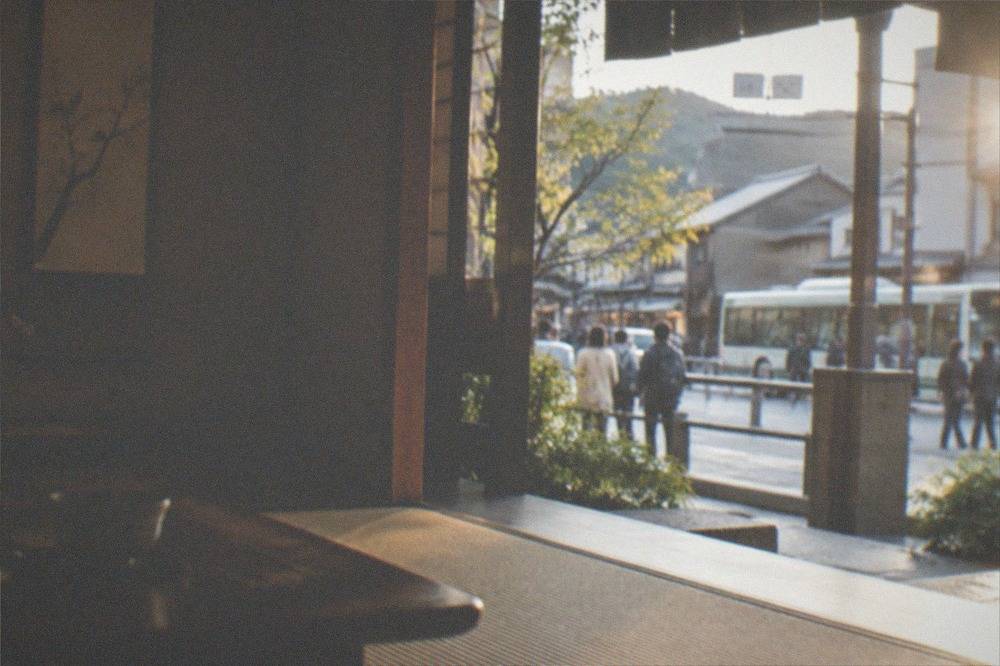
For pairing with other sights, think in districts. A ceremony near Nishiki Market combines with the market itself and with downtown Kawaramachi. A ceremony in Gion combines with the geisha district walk and with Kiyomizu-dera, which opens at 6:00 according to the temple's own FAQ, so an early temple visit plus a late-morning ceremony in Gion is a clean half day. A ceremony near Nanzen-ji combines with the temple itself and with the Philosopher's Path, which is free to walk.
The full set of Kyoto experiences, ceremonies included, is catalogued on the things to do in Kyoto page, and the cost of a whole Kyoto day, ceremony and all, is broken down in the Kyoto trip cost guide.
Can You Do A Tea Ceremony In Kyoto Without Speaking Japanese?
Yes, every tea ceremony on this site's roster is delivered in English, and no Japanese is expected of guests at any price tier. Hosts explain the etiquette in plain English before each stage, demonstrate every movement first, and correct nothing unless you ask. The only Japanese words you need are the two phrases hosts teach as part of the session itself, and even those are offered as colour rather than required.
The two phrases are worth learning anyway. Before drinking, the guest says "osakini" to the others present, an acknowledgement of going first. After the first sip, the guest praises the bowl, traditionally with a phrase such as "keiko kobore" spoken while turning the bowl to examine its face. Hosts teach both in the room, and the ceremony works fine with nods and smiles in their place.
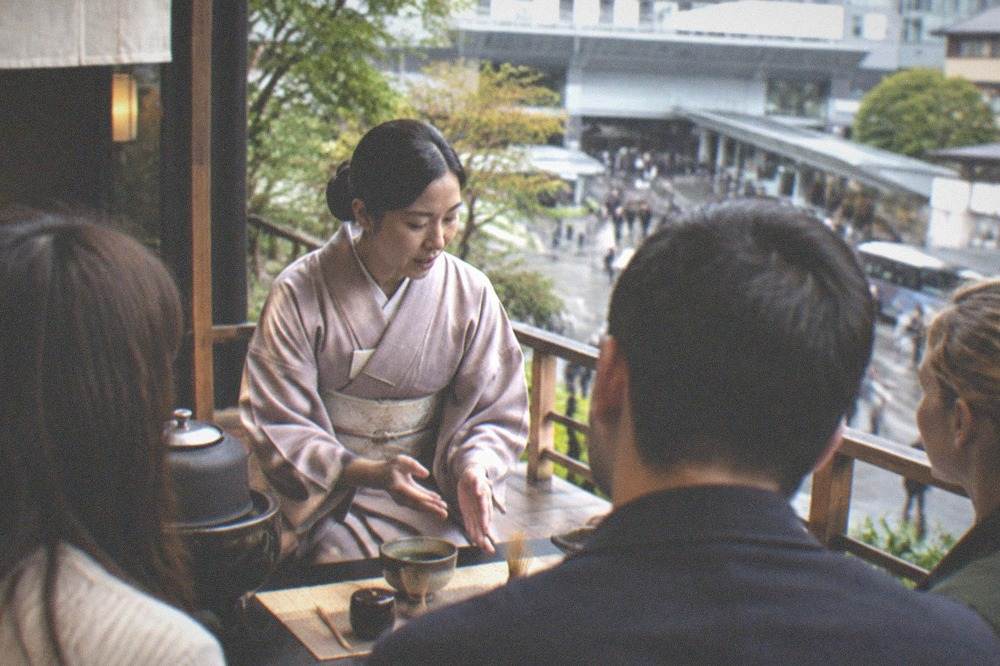
The language question matters more at the budget end, where group sizes are larger and the host's attention is thinner. The $8.05 class carries a 4.3 rating from 592 reviews, the lowest on the roster, and the gap to the 4.9 temple ceremony is largely about attention per guest. If language comfort is your priority, the smaller and more expensive the session, the more questions the host can actually answer.
What Should You Wear To A Kyoto Tea Ceremony?
Plain, loose clothing that lets you kneel and sit cross-legged is the right choice for a Kyoto tea ceremony: trousers or a long skirt beat tight jeans, white socks are provided or expected, and anything loud, revealing or heavily perfumed is out of place in a tatami room. If your session includes kimono dressing, arrive with undergarments that work under layered silk and hair that can be restyled, because the dressing takes 20 to 30 minutes of your session time.
Shoes come off at the genkan, the entrance step, and you sit on tatami, so socks matter. Venues that include kimono provide tabi, the split-toe white socks, as part of the dressing. For non-kimono sessions, plain socks of your own are the polite equivalent, and slipping shoes off without stooping into the room is the small gesture hosts notice. The rest of the planning pages sit on Kyoto Travel Guide.
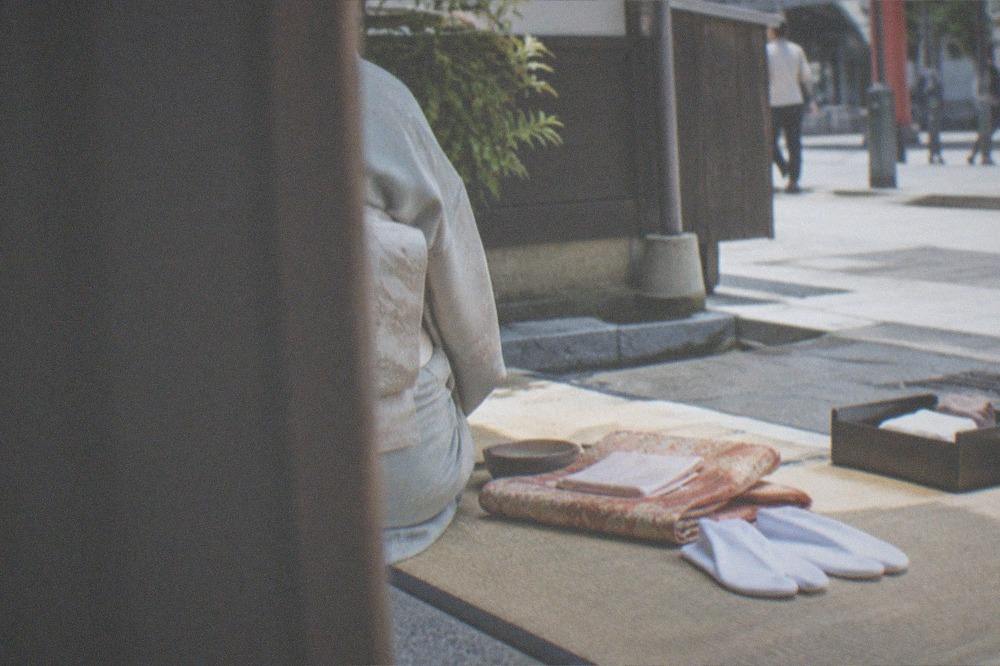
For the kimono ceremonies, the practical details are on the operator pages. The ceremony near Imamiya Jinjya Shrine includes kimono dressing in its 1 hour 30 minutes. The Orizuruya ceremony in Gion does the same. If you want the kimono experience without the ceremony, the kimono rental in Kyoto guide covers the standalone rental options, which start at $17.35 and can be worn all day through Gion and Higashiyama.
One honest comparison: a rented kimono worn for a day of photographs and a kimono worn inside a tea room are different products. The tea room kimono is part of the ceremony's logic, the host dresses you properly and the hour is structured around it. The all-day rental is a costume for walking. Both are good; they are simply not the same purchase.
What Is The Etiquette You Actually Need For A Kyoto Tea Ceremony?
The etiquette that matters in a Kyoto tea ceremony is short: arrive on time, remove shoes, sit as directed, turn the bowl twice before drinking, avoid the bowl's front, finish the tea in about three sips, and keep phones silent and away. Hosts forgive every posture mistake and explain every movement, so the real breaches are lateness, photography where it is not invited, and loud conversation during the host's preparation.
The bowl handling is the part guests most fear and hosts most enjoy teaching. You receive the bowl with both hands, place it on your left palm, rest the right hand on its side, bow your head slightly, turn it clockwise twice so its front faces away from you, and drink. After the last sip, wipe the rim with your thumb and forefinger, turn the bowl back so its front returns to you, and set it down. That is the entire required repertoire.
| Situation | What To Do | What Hosts Forgive |
|---|---|---|
| Sitting seiza | Shift legs quietly to the side when numb | Any posture change |
| Receiving the bowl | Both hands, slight bow, turn twice | Wrong turn direction |
| Drinking | About three sips, wipe rim after | Slurping the last sip, which is traditional |
| Phones | Silent, in a bag, away | Photos after asking |
| Timing | Arrive 5 to 10 minutes early | Being early, not late |
Photography deserves a specific word, because Kyoto as a city has been tightening its rules on exactly this. The city's tourism association publishes four conduct guidelines for the Gion area, which prohibit touching, chasing or photographing geiko and maiko without permission and entering or photographing private property where it is prohibited. In private alleys off Hanamikoji, signs posted by the Gion South Side district council threaten a 10,000 yen penalty for unauthorised photography or entry, and that is council signage, not a city fine. A tea room is private space under the same logic: ask before photographing the host at work, and expect the answer to be no during the preparation itself.
How Does A Tea Ceremony Fit Into A Day Of Kyoto Sightseeing?
A 1 hour to 1 hour 30 minute tea ceremony fits into a Kyoto sightseeing day as either the morning anchor before a temple run or the midday pause between two districts, and the arithmetic is simple: budget 2 hours door to door including arrival and dressing, then plan around it. A 6:00 opening at Kiyomizu-dera, a 10:00 ceremony in Gion and an afternoon in Arashiyama is a full and realistic day.
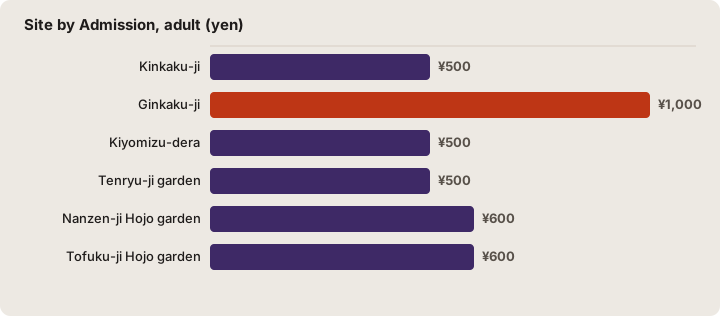
The temple fees are the other half of that arithmetic, and several of them changed recently, so figures copied from older guides are now wrong. Ginkaku-ji doubled its adult admission from 500 to 1,000 yen effective 1 April 2026, with children rising from 300 to 500, the temple's own notice states. Tofuku-ji revises its fees on 1 November 2026: the Hojo garden rises from 500 to 600 yen, a new 1,000 yen combined ticket appears, and the Tsutenkyo bridge rises from 600 to 1,000 yen during the autumn foliage period. Kinkaku-ji remains 500 yen for adults and 300 for school children, unchanged since 1 April 2023.
| Site | Admission, adult | Note |
|---|---|---|
| Kinkaku-ji | 500 yen | school children 300 yen |
| Ginkaku-ji | 1,000 yen | doubled from 500 on 1 April 2026 |
| Kiyomizu-dera | 500 yen | figure is not printed by the temple |
| Tenryu-ji garden | 500 yen | buildings plus 300, Hatto ceiling 500 separately |
| Nanzen-ji Hojo garden | 600 yen | Sanmon gate 600, ticketed separately |
| Tofuku-ji Hojo garden | 600 yen | from 1 November 2026, was 500 |
| Fushimi Inari Taisha | free | the shrine publishes no fee |
Set against those admissions, a tea ceremony at $29 to $79 is not the expensive item in a Kyoto day; it is the item with the most human attention per yen. A day that pairs a ceremony with free entries, Fushimi Inari Taisha, the Arashiyama bamboo path and the Philosopher's Path, all free to walk, keeps the budget honest. The Kyoto temples context and the broader Kyoto shrines picture are covered in their own guides.
For a fuller food-and-culture day, a ceremony near Nishiki Market chains into the market itself, where each shop keeps its own hours, roughly 9 or 10:00 to 17 or 18:00, with no unified market hours in existence, and stalls ask you to eat at the stall rather than walking. And if the ceremony awakens an interest in Kyoto's formal dining, the kaiseki tradition grew out of the same tea culture: at Hyotei, by Nanzen-ji, the restaurant's own site prints kaiseki from 31,625 yen at lunch and from 37,950 at dinner in the main building, while the same house's annex serves asa-gayu at 5,445 yen and a Shokado bento at 7,260 yen. Those are Hyotei's own prices, not a city norm, and the kaiseki in Kyoto guide covers the tradition properly.
Is A Kyoto Tea Ceremony Worth It For Kids And Groups?
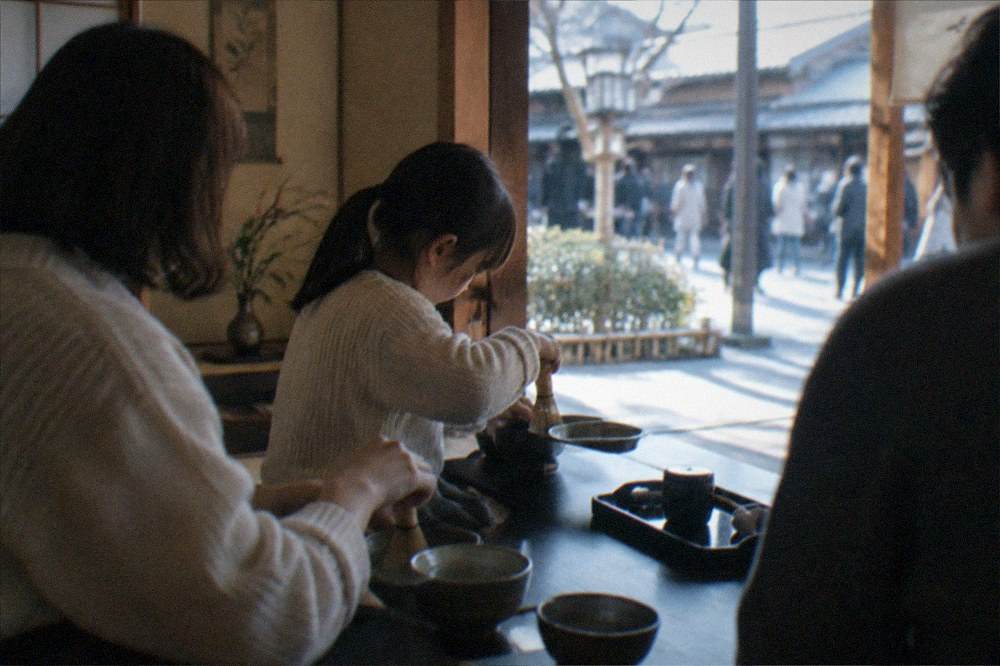
A Kyoto tea ceremony is worth it for children from about school age up, because the format is short, hands-on and sweet-ended, and the whisking is the kind of task kids enjoy, but the formal kimono ceremonies are better value for adults, since the dressing time eats the session. For groups, the class-style sessions at the budget end handle larger numbers, while the temple and shrine ceremonies suit pairs and small families best.
The honest caveat is attention span. A 1 hour 10 minute session holds a child of eight or nine; a 1 hour 30 minute kimono session with 20 to 30 minutes of dressing before any tea appears is a stretch for younger children. The sweet and the whisking are the reliable winners, and the seiza sitting is the reliable loser, so a session where legs can be moved to the side suits families better than a strictly formal one.
For adults travelling together, the booking rule from the formal side of the tradition is worth knowing: Hyotei's main building takes reservations from two people, its own site states, and that two-person minimum is common across Kyoto's formal dining and tea venues. A couple books easily; a group of six should check group options before assuming a single session fits everyone.
What About Matcha Itself: Does Kyoto Matcha Matter?
Yes, the matcha matters, and Kyoto's neighbour Uji is the reason: Uji in southern Kyoto Prefecture is Japan's most storied matcha growing region, and the tea served in Kyoto's ceremonies is overwhelmingly Uji-grown, stone-milled from shade-grown leaves. The difference between culinary and ceremonial grade is real, and a ceremony in Kyoto is the cheapest way to taste ceremonial-grade matcha prepared correctly.
Uji's tea history runs back centuries, and the region's matcha, ground from tencha leaves shaded for weeks before harvest, is what the ceremony bowl is meant to hold. The distinction between matcha and uji matcha is covered in its own article elsewhere on this site, and the practical takeaway for booking is simple: a ceremony in Kyoto is not just a class, it is a tasting of the local product at its intended standard. The day trip to Uji guide covers the growing region itself, including Byodo-in, whose garden and museum admission is 700 yen for adults with the Phoenix Hall interior at 300 yen more.
If the ceremony leaves you wanting to cook with matcha rather than whisk it, the cooking class route is the next step: the small-group washoku bento class, from $61 and rated 4.9 from 461 reviews, teaches the same kitchen traditions, and the Kyoto cooking class options extend from there into ramen making and beyond.
Common Questions About A Kyoto Tea Ceremony
How much does a Kyoto tea ceremony cost?
From $8.05 for a basic group class to about $79 for a private ceremony in kimono near a working shrine. The most-booked option, the Tea Ceremony Ju-An at Jotokuji Temple, starts at $29 with a 4.9 rating from 3,758 traveller reviews.
How long does a Kyoto tea ceremony last?
Between 1 hour and 1 hour 30 minutes on every session in the current roster. The temple ceremony at Jotokuji runs 1 hour 10 minutes, and the kimono ceremonies at Orizuruya, Maikoya and near Imamiya Jinjya Shrine all run 1 hour 30 minutes, dressing time included.
Do I need to speak Japanese for a tea ceremony in Kyoto?
No. Every ceremony on this site's roster is delivered in English, hosts demonstrate each movement before guests repeat it, and the two traditional phrases are taught as part of the session rather than expected in advance.
What should I wear to a tea ceremony in Kyoto?
Plain, loose clothing you can kneel in, with plain socks since shoes come off at the entrance. Avoid tight jeans, short skirts, heavy perfume and anything loud. Kimono ceremonies include dressing, so arrive with hair that can be restyled and undergarments that work under layered silk.
Can children join a Kyoto tea ceremony?
Children from about school age up generally enjoy the format, since it is short, hands-on and ends with a sweet. The 1 hour 10 minute temple session suits families better than the 1 hour 30 minute kimono sessions, whose dressing time eats into the tea.
Is a kimono included in a Kyoto tea ceremony?
Only in the kimono-named sessions: the Orizuruya ceremony in Gion at $49, the Maikoya ceremony by Nishiki Market at $53 and the private ceremony near Imamiya Jinjya Shrine at $79. Standard sessions are held in your own clothes, and standalone kimono rental starts at $17.35 if you want the costume without the ceremony.
A tea ceremony is the single most compact introduction to Kyoto's traditional culture on offer: an hour, one bowl of tea, and a host whose entire job is to explain why the bowl turns twice. Book the temple format for the atmosphere, the budget class for the price, or the kimono session for the full dress, and arrive five minutes early with plain socks and an empty stomach for the sweet.