Geisha In Kyoto: Geiko, Maiko And The Real Difference Explained
Geisha is the general word, geiko is what Kyoto calls them and maiko is the apprentice. That three-word answer carries a four-hundred-year history, five working districts and a set of conduct rules the city now publishes in four languages, and this guide unpacks all of it.
Short answer
Geisha is the umbrella term, geiko is the Kyoto word for a fully qualified woman of the profession, and maiko is a Kyoto apprentice in her training years. Tokyo uses geigi, Kyoto uses geiko, and the differences run through dress, makeup, duties and pay.
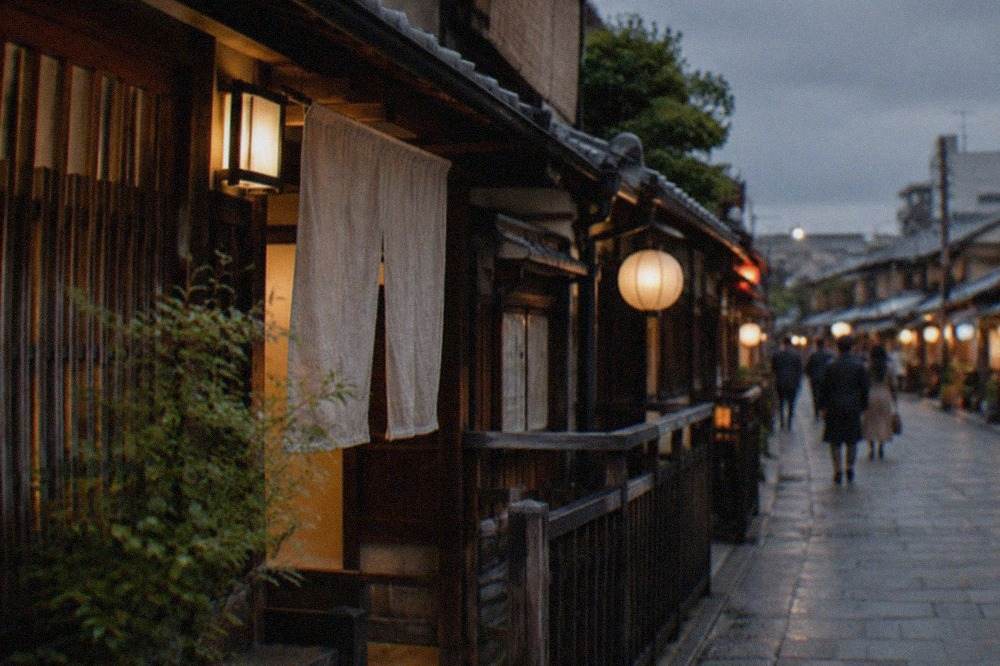
Gion's wooden facades hide a profession most visitors only glimpse as a flash of white collar disappearing behind a sliding door. The words used to describe that profession are used wrongly on most travel forums, and the mistakes matter here more than almost anywhere in Japan, because Kyoto is the one city where the local vocabulary is different from the national one. The Kyoto City Tourism Association now publishes conduct guidelines for the Gion area, the district council has put up penalty signage on its private alleys, and the city's 2025 survey counted a record 62.79 million visitors, a number that explains why the rules got written down at all.
This guide covers the vocabulary first, then the five districts, the etiquette that is actually enforced, what a maiko's training looks like, and the legitimate ways to see a performance. For the wider picture of the city's attractions, start with the things to do in Kyoto overview.
What Is The Difference Between Geiko, Maiko And Geisha?
Geisha is the general Japanese word for a professional hostess and performer trained in dance, music and conversation; geiko is the Kyoto word for the same fully qualified professional, and maiko is the Kyoto word for an apprentice, usually in her mid-teens to early twenties. Tokyo says geigi where Kyoto says geiko, so the same profession has three names depending on the city and the career stage, and the visible differences in dress and makeup follow the career stage, not the city.
The word geisha itself breaks into two characters, one for art and one for person, and that is the honest job description. A geiko or maiko is not a courtesan and never was; the historical confusion comes from the separate and now extinct oiran, who wore elaborate obi tied at the front and worked in a different quarter entirely. Geiko and maiko wear the obi tied at the back, and their work is entertainment: dance, shamisen, tea ceremony, drinking games and conversation at ozashiki, the private banquets held in teahouses.
The career ladder is the second thing to understand. A girl entering the profession in Kyoto begins as a shikomi, a houseworker and student, then debuts as a maiko after years of training in dance, music, tea ceremony and Kyoto dialect. After roughly five to ten years, and in modern practice often at around twenty or twenty-one, she becomes geiko. The erikae, or collar-changing ceremony, marks the moment the plain collar of the apprentice is exchanged for the white collar of the professional.
The table below is the quick reference. Every row is a matter of convention rather than law, and individual okiya, the houses that employ the women, vary the details.
| Feature | Maiko (apprentice) | Geiko (professional) |
|---|---|---|
| Age range | Mid-teens to early twenties | Twenties upward, careers can run decades |
| Makeup | White face with red and pink accents, own hair | Lighter makeup, often a wig, more subdued palette |
| Hair | Styled own hair, requires weekly salon visits | Wig, typically |
| Kimono | Long furisode sleeves, bold patterns | Shorter sleeves, quieter patterns |
| Obi | Long, trailing, often 5 metres or more | Shorter, box-style |
| Footwear | Tall okobo wooden sandals | Zori, flat |
| Duties | Dance and learning, accompanied | Full hosting, music, conversation |
| Pay | Allowance from the okiya | Independent earnings |
The distinction is not pedantry. When the city's tourism association writes its guidance about photographing geiko and maiko, it uses both words deliberately, because the people a visitor is most likely to see hurrying to an appointment in the early evening in Gion are disproportionately maiko, and they are on their way to work.
Where Are Kyoto's Five Geisha Districts?
Kyoto has five registered hanamachi, or flower towns: Gion Kobu, Miyagawa-cho, Pontocho, Kamishichiken and Gion Higashi. Each is a compact area of teahouses and okiya around its own kaburenjo theatre, and together they still register working geiko and maiko, though the profession's numbers have fallen from its early twentieth-century peak to a few hundred practitioners citywide. Gion is the famous one, but it is not the largest or the oldest.
Kamishichiken, near Kitano Tenmangu in the city's northwest, is the oldest, with a history the district traces to the late sixteenth century. Pontocho is the narrow alley along the Kamo River that most visitors walk through without realising it is a working hanamachi at all. Miyagawa-cho, on the east bank of the river south of Gojo, is large and less touristed. Gion Higashi is the small eastern remnant of what was once a single larger district before Gion Kobu split off. The full geography is laid out in the five geisha districts of Kyoto, which covers access and character district by district.
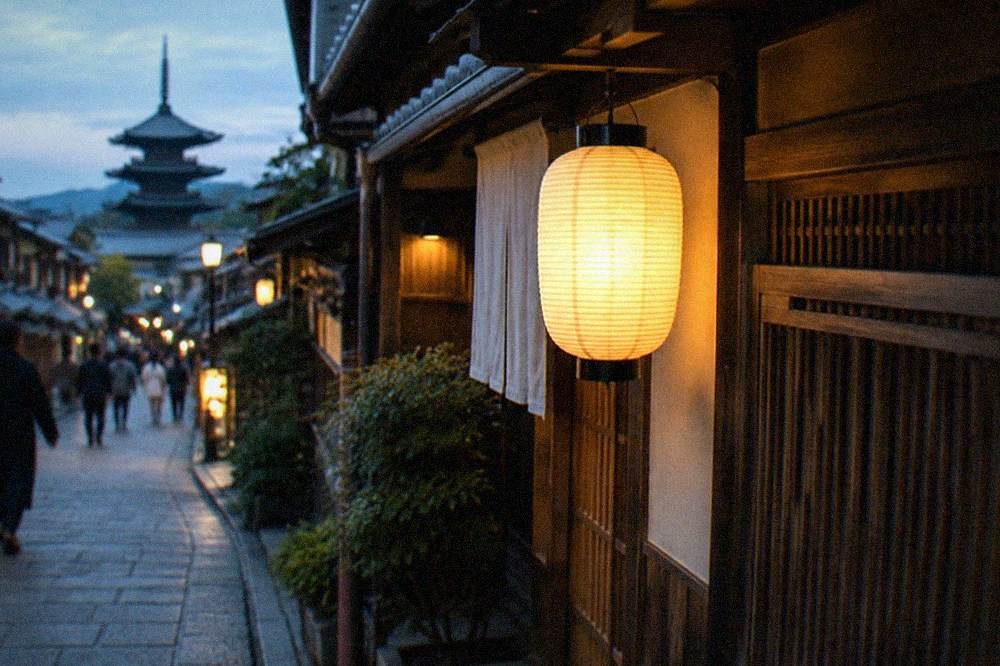
The practical point for a visitor is that the five districts are working neighbourhoods, not theme parks. The teahouses are private businesses, most ozashiki are invitation-only or arranged through a hotel concierge with an introduction, and the streets between them are a mix of public road and private alley. That mix is exactly where the trouble in recent years has come from, and it is worth understanding before you go.
A guided walk is the lowest-friction way to see the districts, because a local guide knows which streets are public and which are not, and can read the architecture in a way a signboard does not. The Gion geisha district hidden gems walking tour is the most-booked option on this site for that purpose.
How Should You Behave Around Geiko And Maiko In Gion?
The Kyoto City Tourism Association's published guidance asks visitors not to touch, chase or photograph geiko and maiko without permission, and not to enter or photograph private property where that is prohibited. Separately, on the private alleys off Hanamikoji, signs posted by the Gion South Side district council threaten a 10,000 yen penalty for unauthorized photography or entry. Hanamikoji's main street remains public and photographable, the alleys off it are not, and that distinction is the entire point.
The penalty signage is district-council signage, not a municipal ordinance, and it is important to describe it that way. What is verified at city level is conduct guidance, not money: the tourism association's "Message from Southern Gionmachi" sets out the behaviour expected of visitors in plain terms. The rules exist because the record 62.79 million visitors the city counted in 2025 include a large share who come specifically to Gion, and the residents of the private lanes reached a breaking point several years ago.
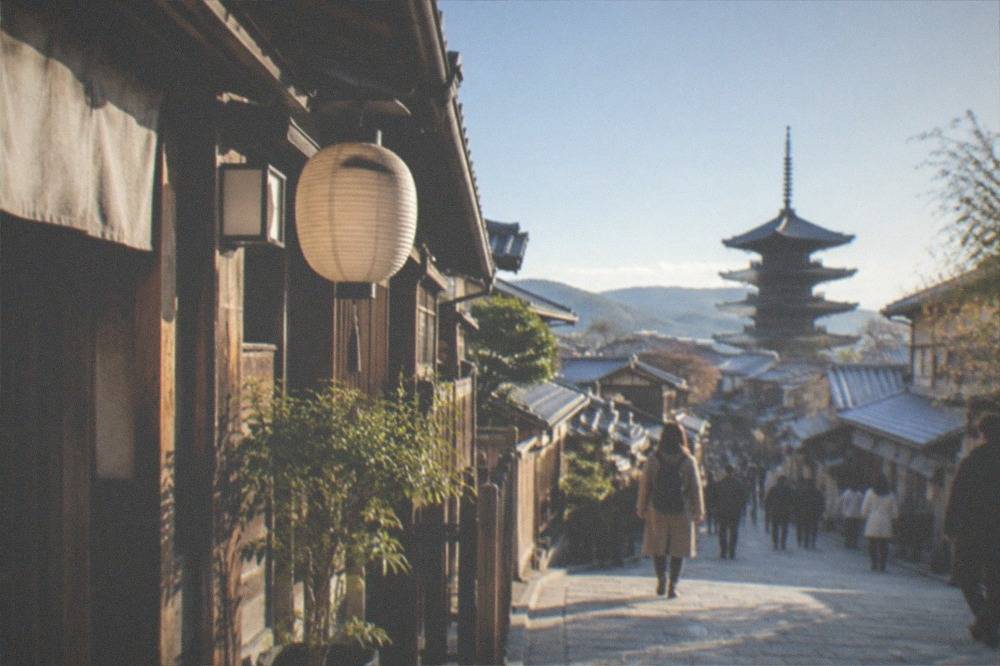
The behaviour rules are simple to state. Do not touch, chase or photograph a geiko or maiko without permission. Do not enter private property, and do not photograph where photography is prohibited. Do not block the narrow lanes waiting for someone to emerge from a doorway. Do not follow anyone. If a maiko is walking to an appointment, she is commuting, and the correct response is the one you would give any stranger on their way to work.
The deeper background, including why the rules were written and what the signage actually says, is covered in why you can't take pictures of geisha in Kyoto.
| Situation | Public or private | Photography | What to do |
|---|---|---|---|
| Hanamikoji main street | Public road | Allowed | Photograph buildings, not people's faces without consent |
| Alleys off Hanamikoji | Private, council-signed | Prohibited by signage, 10,000 yen penalty threatened | Do not enter |
| A maiko walking to work | Public street | Not without permission | Step aside and let her pass |
| Teahouse doorways and gates | Private | Prohibited | Do not block or peer in |
| Yasaka Shrine grounds | Public | Allowed | Normal shrine etiquette applies |
Kamigamo Shrine, on the city's north side, separately requires advance permission for photographing rites and for any drone flight, a reminder that shrine and district rules in Kyoto are local, specific and worth checking rather than assuming.
What Does A Maiko's Training Actually Involve?
A Kyoto maiko trains for years before her debut and keeps training throughout her apprenticeship: daily lessons in classical dance, shamisen, tea ceremony and Kyoto dialect, weekly hair appointments at a specialist salon, and evening ozashiki engagements where she learns hosting by doing it. She lives in an okiya run by an okasan, the house mother, who funds her clothes and training against future earnings, and the debt is cleared over the apprenticeship rather than paid upfront by her family.
The training year is structured around the public performances. Each district's kaburenjo theatre stages spring and autumn dance recitals, the Miyako Odori in Gion Kobu being the best known, and these are the one occasion when the general public can buy a ticket and watch maiko and geiko perform formally. Rehearsals for those recitals fill the mornings; engagements fill the evenings; the hours in between hold the lessons.
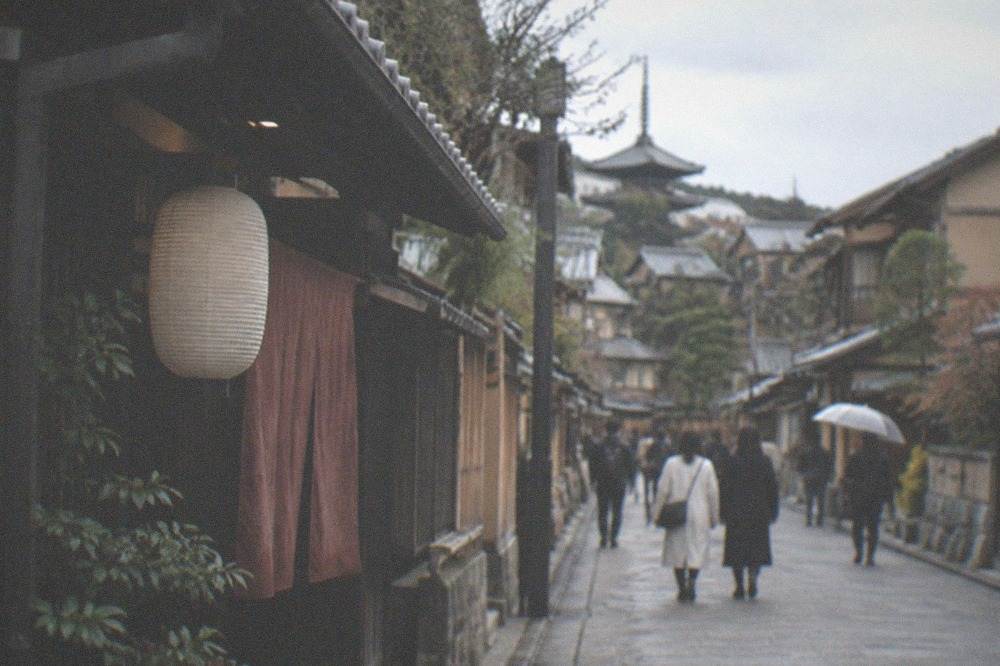
The economics surprise people. A maiko's wardrobe is owned by the okiya, and a single formal ensemble represents a serious outlay, which is why the okiya system persists: it is a financing structure as much as a household. When a maiko turns her collar and becomes geiko, she can remain in the okiya or strike out independently, and the profession's modern flexibility, including the option to leave and return, is a change from the pre-war contract system that once bound women to the houses.
Can You Attend A Real Geisha Performance In Kyoto?
Yes, through three legitimate routes: a ticket to a district's public dance recital, of which the Miyako Odori in Gion Kobu each spring is the largest; a banquet or cultural experience booked through a hotel concierge or a licensed operator, where a maiko or geiko performs and interacts with guests; and occasional stage shows and tea service events staged for visitors at venues such as Gion Corner. An invitation to a traditional ozashiki in a teahouse remains introduction-only and is not something a walk-in visitor can arrange.
The recitals are the authentic entry point. They are seasonal, ticketed, staged in proper theatres and attended by locals, and a spring trip timed to one is the single most reliable way to watch maiko dance without any etiquette risk. The cultural-experience route trades some authenticity for accessibility: a booked session typically includes a short performance, tea, and question time, and it is the format most visitors will encounter.
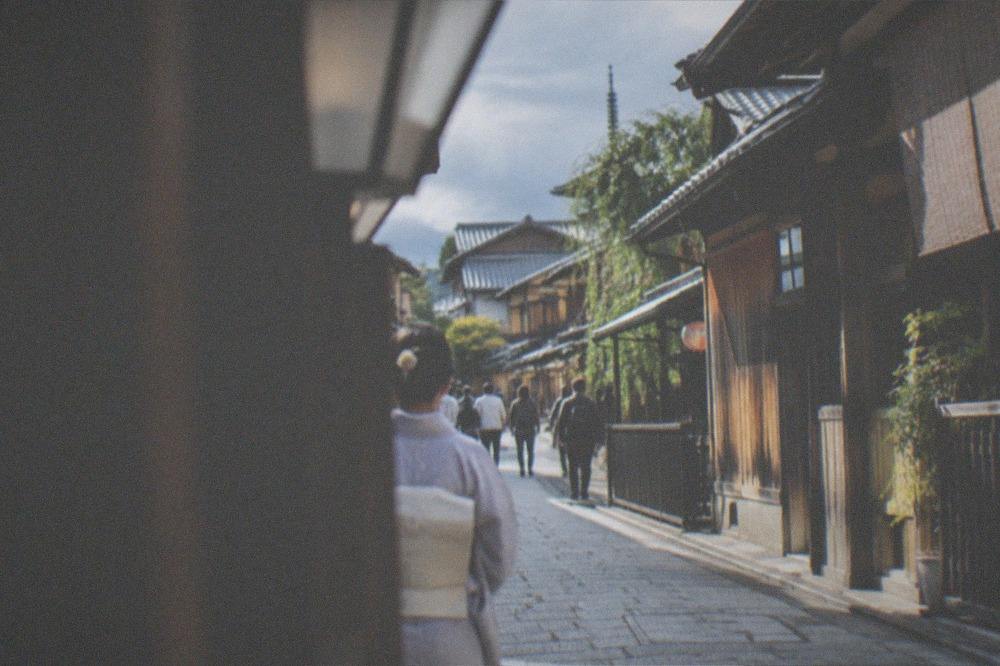
What you cannot do is engineer a street encounter. Never wait outside an okiya, never follow a geiko, and never ask one to pose. The city's guidance covers all of it, and the penalty signage covers the private alleys. A respectful alternative that shares the same aesthetic world is a formal tea ceremony, and the tea ceremony experiences listed on this site include several held in temple settings in the Gion area.
What Do The Kimono, Makeup And Hair Signals Mean?
Every visible element of a maiko's appearance encodes her career stage: the long trailing obi and tall okobo sandals belong to the apprentice, the white collar and shorter sleeves to the qualified geiko, and within the apprenticeship itself the hair ornaments, lip colour and eyebrow treatment change year by year, from the junior maiko's red-and-white accents to the senior apprentice's fuller red lips. Reading the signals turns a glimpse on a street corner into something you can actually interpret.
The makeup tells the clearest story. A junior maiko wears only her lower lip painted red; the upper lip is added as she matures. The white base leaves a strip of unpainted skin at the hairline, deliberately, to show the makeup is makeup. The nape of the neck carries two or three points of bare skin in a pattern, the shape of which changes with seniority. A geiko wears less white overall, and often a wig rather than styled natural hair, which is why the weekly salon visits that shape a maiko's real hair into the distinctive split-peach arrangement are an apprentice's burden alone.
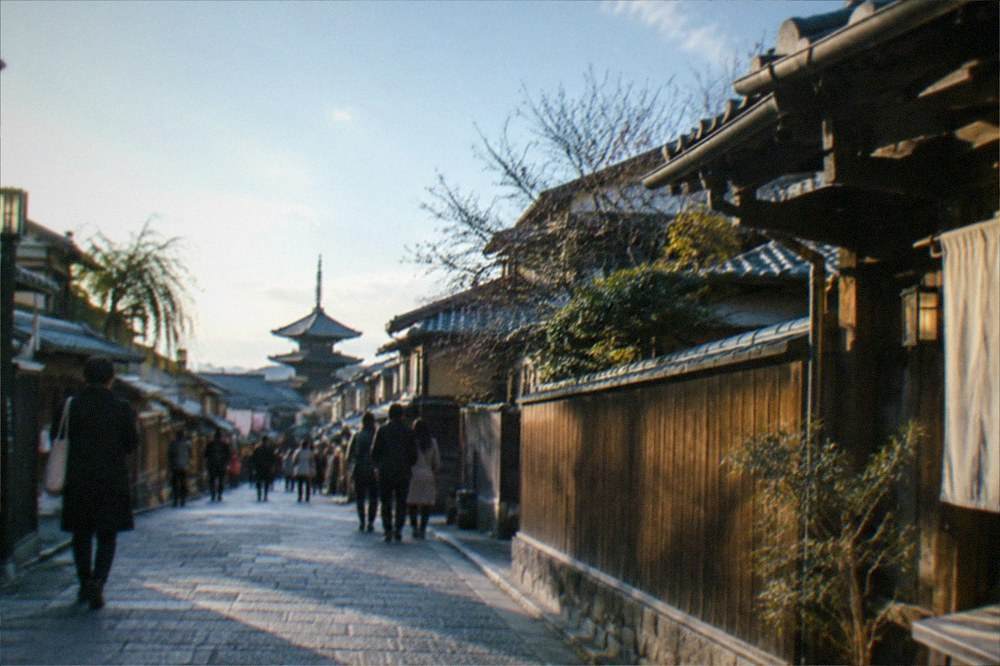
The seasonal cycle matters too. The patterns of a maiko's kimono follow the calendar, plum motifs in late winter, cherry in spring, and the whole wardrobe rotates on a schedule the okiya manages. If you see a maiko in a summer ro-weave kimono in August, that is the calendar working, not a costume choice.
When Is The Best Time Of Year To See Geisha In Kyoto?
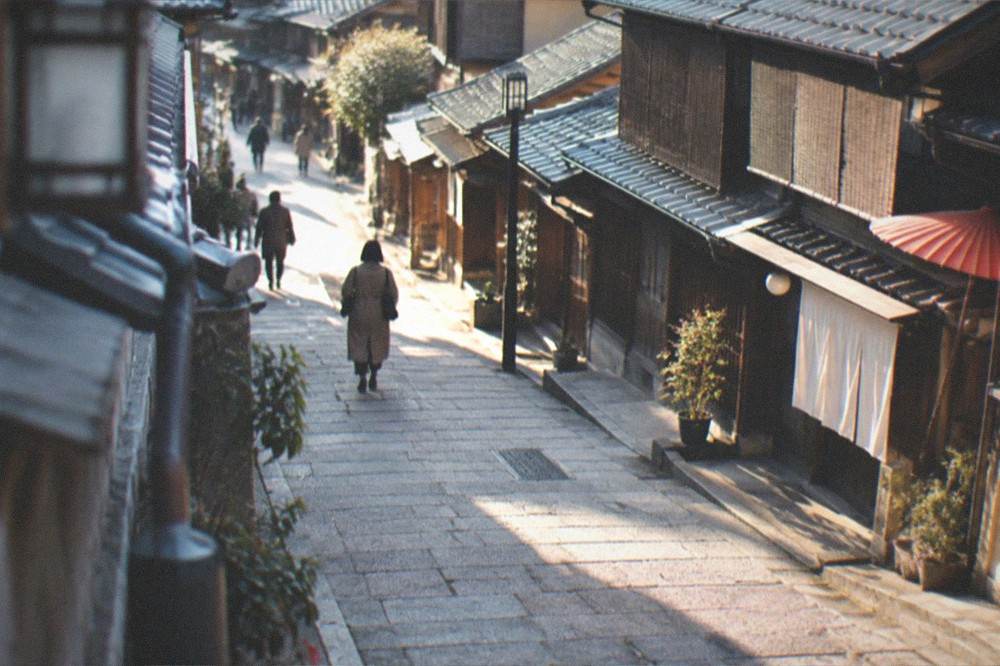
Spring is the peak season for public performances, because the Miyako Odori and the other district recitals run through April, and Gion sits inside the main cherry-blossom corridor between Yasaka Shrine and the Maruyama park area. July brings Gion Matsuri, the month-long festival whose processions fill the district with crowds and floats. Winter is quietest, and the January New Year shrine visits are a traditional occasion when maiko appear in formal dress in small numbers.
The JMA phenology record for Kyoto puts the 1991-2020 normal full-bloom date for cherry at 4 April, and the 2026 bloom peaked on 30 March, so a visit in the first week of April targets both the blossom and the recital season at once. The trade-off is crowds: the same week is among the busiest of the city's year, and Gion's narrow streets feel it most. The festival's procession dates, 17 and 24 July, are the two days when the whole neighbourhood is on the street.
| Season | What happens in the hanamachi | Visitor notes |
|---|---|---|
| January | New Year shrine visits, formal dress | Quiet streets, cold weather, low crowds |
| April | District dance recitals including Miyako Odori | Peak season, book recital tickets well ahead |
| July | Gion Matsuri, processions 17 and 24 July | Whole district on the street, very crowded |
| October to November | Autumn recitals, autumn foliage season | Second peak, pleasant weather |
| December to February | Fewest engagements, quietest streets | Best for photographs of empty lanes |
For fitting a Gion evening into a longer stay, the two days in Kyoto itinerary places the district on the evening of day one, after the Higashiyama temple walk, which is the natural sequence: the temples close around five, and Gion comes alive after that.
Common Questions About Geisha In Kyoto
What Is The Difference Between Geiko, Maiko And Geisha?
Geisha is the general term, geiko is Kyoto's word for a fully qualified professional, and maiko is Kyoto's word for an apprentice. Tokyo uses geigi where Kyoto uses geiko. The visible markers differ too: the maiko wears long sleeves, a trailing obi, tall wooden sandals and full white makeup with her own hair, while the geiko wears subdued dress, a wig and lighter makeup.
Can You Take Photos Of Geisha In Kyoto?
Not without permission. The Kyoto City Tourism Association asks visitors not to touch, chase or photograph geiko and maiko without consent, and on the private alleys off Hanamikoji, signs posted by the Gion South Side district council threaten a 10,000 yen penalty for unauthorized photography or entry. Hanamikoji's main street is public; the alleys off it are not.
Where Are You Most Likely To See A Maiko In Kyoto?
The early evening, roughly 5 to 7 pm, in Gion's Hanamikoji and the lanes around it, when maiko walk from their okiya to their first engagements. Miyagawa-cho and Kamishichiken see far fewer visitors and the same commute. Never follow or block anyone; the city's guidance is explicit about it.
How Much Does It Cost To See A Geisha Performance In Kyoto?
A ticket to a district dance recital such as the Miyako Odori is the affordable, authentic route, with prices set by each district's theatre. Booked cultural experiences with a maiko performance and tea service start around the prices shown on the operator listings on this site. A traditional teahouse banquet remains introduction-only rather than a priced public product.
Is Geisha A Kyoto Word Or A Tokyo Word?
Geisha is the national word, used across Japan. Kyoto prefers geiko for the professional and maiko for the apprentice, and Tokyo says geigi for the professional. All three refer to the same profession: a trained hostess and performer in dance, music and conversation.
When Is Gion Matsuri And Does It Involve Geisha?
Gion Matsuri runs the whole of July, with the Yamaboko Junko processions on 17 and 24 July, and it belongs to Yasaka Shrine, the shrine at the top of Hanamikoji. The festival fills the Gion district with floats and crowds, and the shrine's own event page is the source for the current year's schedule.
The profession's future is the question every guide eventually circles back to. Numbers are well down on the twentieth-century peak, the okiya system is harder to sustain with fewer recruits, and the attention of 62.79 million annual visitors is both the industry's economic base and its greatest strain. What a visitor controls is narrow and real: stay on the public streets, buy a ticket to a recital instead of chasing a photograph, and let the commute be a commute. The best restaurants in Kyoto and the evening walks around Kyoto Travel Guide cover the rest of what the district's evening hours are for.