Day Trip From Kyoto To Uji
Uji sits twenty minutes down the JR Nara Line from Kyoto Station, and it packs a UNESCO World Heritage temple, the birthplace of Japanese green tea, and riverside walking paths into a compact day trip.
Short answer
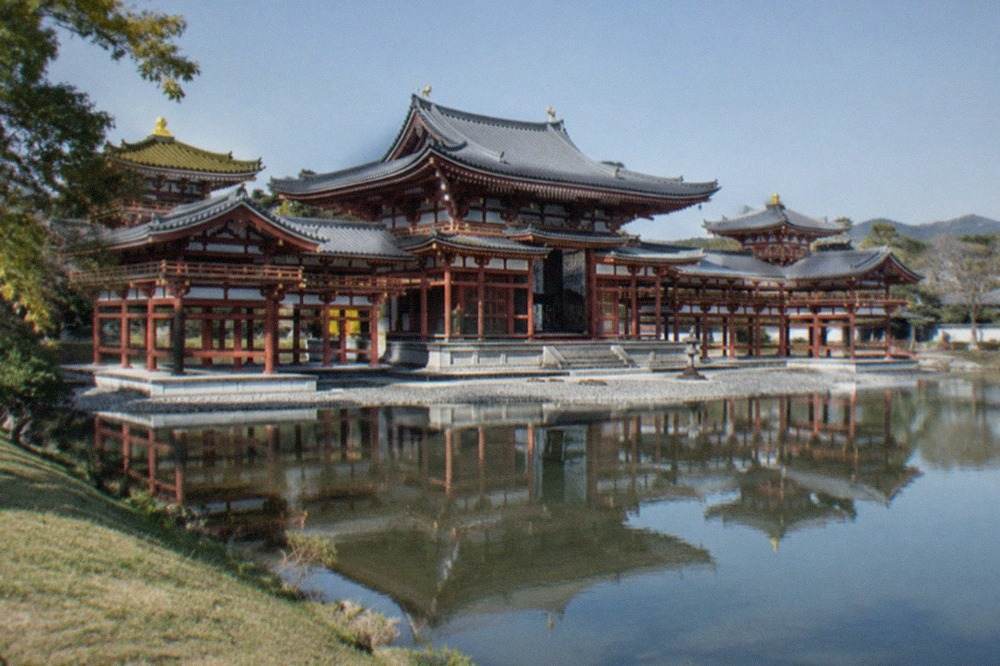
Take the JR Nara Line from Kyoto Station to Uji, about 20 minutes at 240 yen one way, or the Keihan Line with one change in about 31 minutes for 360 to 420 yen. Byodo-in charges 700 yen for the garden and museum, plus 300 yen for the Phoenix Hall interior.
Uji is the small city south of Kyoto that most visitors reach in under half an hour and then wonder why they almost skipped it. The JR Nara Line covers the distance for 240 yen, the Keihan Line does it with one change in about 31 minutes, and at the other end sits Byodo-in, whose Phoenix Hall is printed on the 10 yen coin, alongside the tea fields that made Japanese green tea what it is. The city's 2025 tourism survey counted a record 62.79 million visitors to Kyoto, and Uji is one of the places the city's own dispersal campaigns point to when they ask people to spread out, so a day here is both easy and useful. This guide from Kyoto Travel Guide covers the trains, the fees, the tea, and a realistic plan for one day.
How Do You Get From Kyoto To Uji And How Long Does It Take?
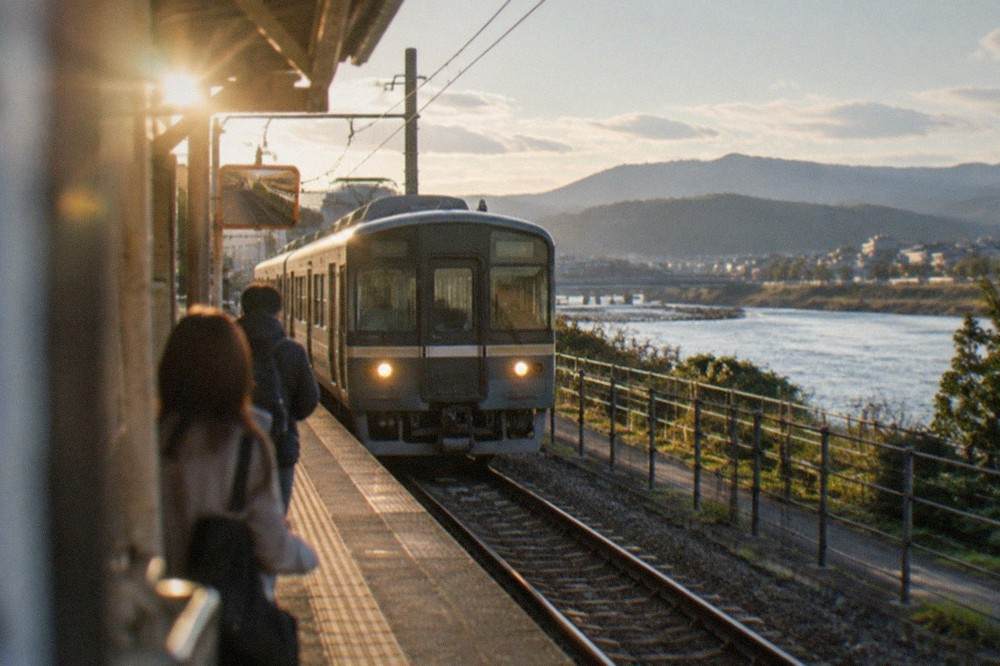
The JR Nara Line runs direct from Kyoto Station to Uji in roughly 20 minutes for 240 yen one way, while the Keihan Line reaches Uji from Sanjo or other downtown stations in about 31 minutes for 360 to 420 yen with a change at Chushojima. Both are frequent, both take IC cards, and neither needs a reservation, so the choice comes down to where in Kyoto you are starting from rather than speed.
The JR option is the simplest if you are already at Kyoto Station. Local trains on the Nara Line stop at Uji every few minutes through the day, and the fare, confirmed against the operator's fare tables, is 240 yen one way. There is no express premium and no seat reservation to think about. Uji Station puts you a short walk from Byodo-in and the river.
The Keihan option serves anyone staying downtown, near Gion or Kawaramachi, better. Keihan trains from Sanjo or Shichijo run down the east bank of the Kamo River to Chushojima, where you change to the Keihan Uji Line for the last few stops into Keihan-Uji Station. The operator's timetable gives the whole journey at about 31 minutes, with fares varying between 360 and 420 yen depending on the starting point. Keihan-Uji Station is on the opposite bank of the river from JR Uji, and the walk to Byodo-in is a couple of minutes longer but passes through the main shopping street.
| Route | From | Time | Fare (one way) | Notes |
|---|---|---|---|---|
| JR Nara Line | Kyoto Station | ~20 min | 240 yen | Direct, no change |
| Keihan Line + Uji Line | Sanjo and downtown stops | ~31 min | 360-420 yen | One change at Chushojima |
| Nara detour | Kyoto Station | ~45 min | 720 yen | Combine both in one day |
A useful detail: Uji sits on the same corridor as Nara, and the JR Miyakoji Rapid to Nara takes about 45 minutes at 720 yen one way. Plenty of travellers pair the two, doing Uji in the morning when the tea shops open and moving on to Nara for the afternoon, then returning on a direct rapid train. If that appeals, our guide to Nara from Kyoto covers the deer park and temples in detail.
What Makes Uji Worth The Train Ride From Kyoto?
Uji holds Byodo-in, a UNESCO World Heritage site whose Phoenix Hall appears on the 10 yen coin, plus the historic tea district that defined Japanese green tea for 800 years, all inside a walkable riverside core that takes half a day to cross. The city's own tourism material leans on three things: the temple, the tea, and the Tale of Genji, whose final chapters are set on this stretch of the Uji River.
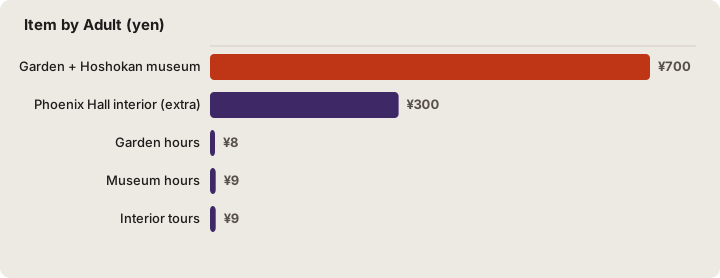
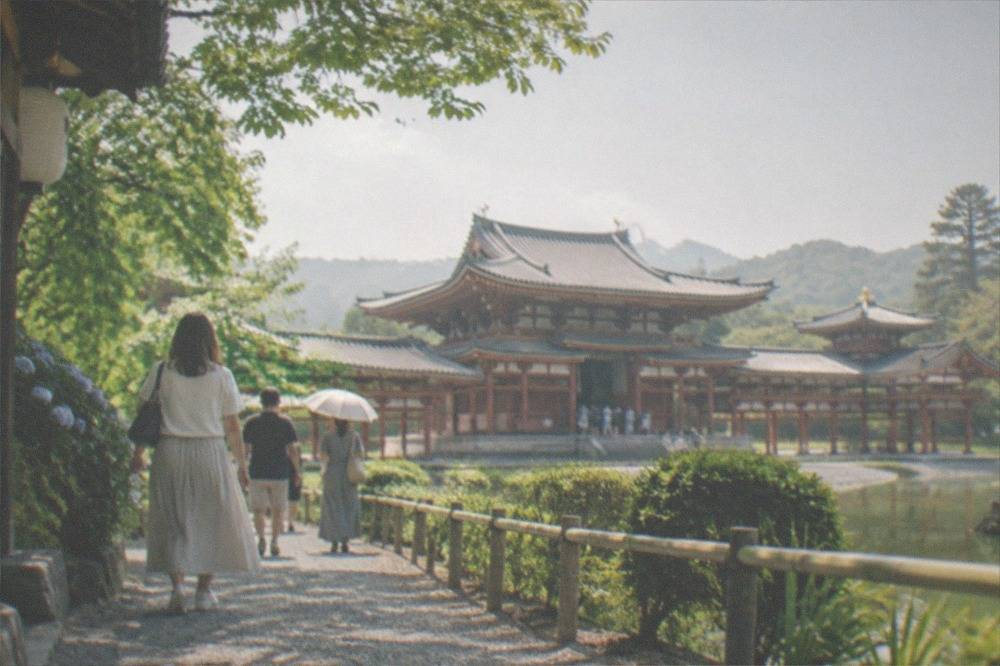
Byodo-in is the headline. The temple's own guide pages set the admission at 700 yen for adults covering the garden and the Hoshokan museum, with junior high and high school students at 400 yen and elementary children at 300 yen. The Phoenix Hall interior costs 300 yen on top, with tours running from 9:30 to 16:10 in slots of 50 people, and tickets issued from 9:10 on a first come, first served basis. A capacity change to those interior tours is announced from 16 October 2026, and the temple has not published the new figure, so treat the slot system as the thing to plan around rather than a number.
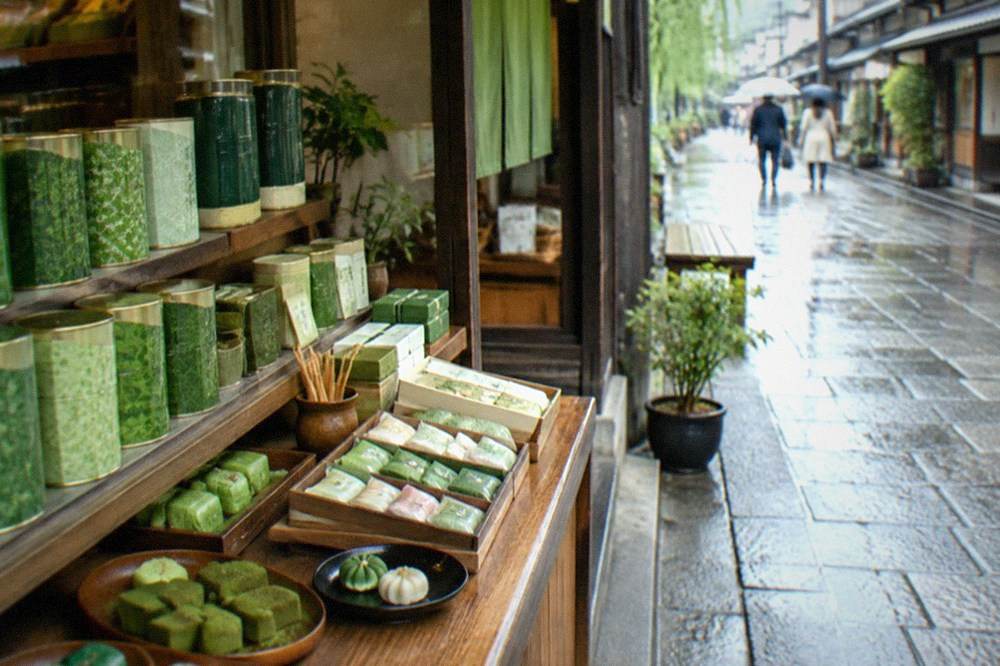
The tea is the second reason. Uji has been a tea-growing centre since the Kamakura period, and the city's matcha carries a protected designation in the way Champagne does for sparkling wine. The main street between the station and the temple is lined with shops grinding matcha on the spot, and the difference between matcha and Uji matcha is exactly the sort of question worth settling here rather than in a Kyoto café.
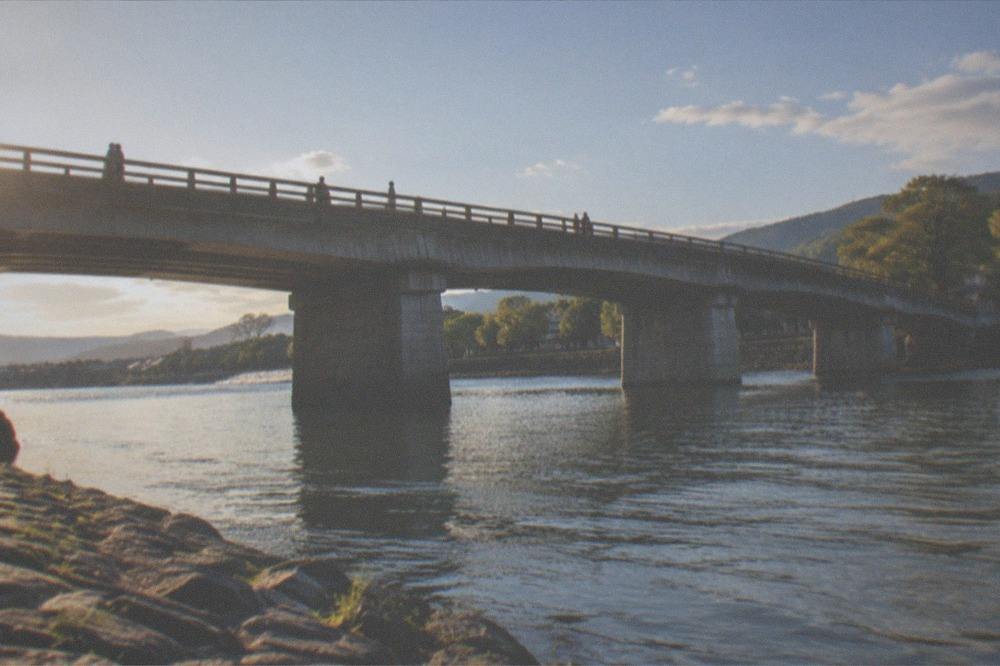
The third reason is the river itself. The Uji River runs between the two stations, crossed by stone bridges and lined with walking paths, and the Tale of Genji Museum sits on its bank. The city is compact enough that nothing on this list is more than 20 minutes on foot from either station, which is what makes it work as a half-day or full-day trip depending on your pace.
For travellers who would rather not manage trains and timing themselves, there are guided options that cover Uji as part of a bigger Kyoto-area day. One full-day sightseeing tour from Osaka or Kyoto covers both cities in about 9 hours from $55 per person, rated 4.7 from 41 reviews, and a guided day removes the guesswork from station choice and opening hours.
How Much Does Byodo-in Cost And What Are Its Hours?
Byodo-in charges 700 yen for adults covering the garden and Hoshokan museum, 400 yen for junior high and high school students, and 300 yen for elementary children, with the Phoenix Hall interior tour at an extra 300 yen. The garden opens 8:45 to 17:30 with reception until 17:15, the museum 9:00 to 17:00, and interior tours run 9:30 to 16:10 in 50-person slots with tickets from 9:10.
Those figures come from the temple's own guide pages, which is the only place a fee on this site may come from. The interior tour is the part worth planning for: because tickets are first come, first served from 9:10, a morning arrival matters if the hall itself is the point of your trip. Arrive for the 9:10 issue window and you will usually make an early slot; arrive mid-afternoon in peak season and you may find later slots thinning out.
The temple is open every day, which is unusual in Kyoto, where many sites close weekly. The announced capacity change from 16 October 2026 is the one moving part: the temple has said the Phoenix Hall tour system changes on that date without publishing the new number, so check the temple's own news page if you are travelling after mid-October 2026.
| Item | Adult | Junior high / high school | Elementary |
|---|---|---|---|
| Garden + Hoshokan museum | 700 yen | 400 yen | 300 yen |
| Phoenix Hall interior (extra) | 300 yen | 300 yen | 300 yen |
| Garden hours | 8:45-17:30 | reception to 17:15 | |
| Museum hours | 9:00-17:00 | reception to 16:45 | |
| Interior tours | 9:30-16:10, 50 per slot | tickets from 9:10 |
If you are weighing Uji against other easy days out, it helps to know what else the region holds. Our day trips from Kyoto round-up ranks the options, and the best time to visit Kyoto guide covers the seasonal angle, since Uji's tea harvest in late spring and its riverside maples in late autumn change the character of the town.
Is Uji Japan's Matcha Capital And Where Do You Taste It?
Uji is the historical source of Japanese green tea cultivation and still the name attached to the country's most protected matcha, with tea fields in the surrounding hills and a main street of shops that grind matcha fresh, serve it whisked, and fold it into everything from soft serve to soba. The designation is geographic and regulated, which is why the question of matcha versus Uji matcha has a real answer rather than a marketing one.
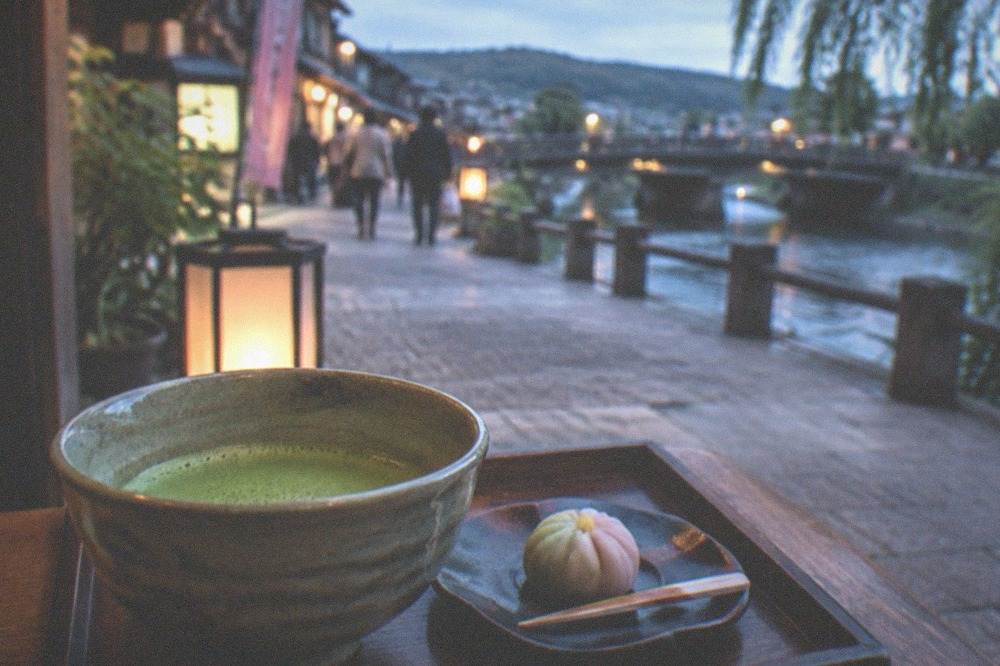
Tea cultivation in the Uji area traces back roughly 800 years, and the city's growers supplied the court and the shoguns before matcha became a global word. The practical consequence for a visitor is concentration: the street running from the station toward Byodo-in, and the lanes around it, hold the densest cluster of tea shops, cafés and confectioners anywhere in Japan devoted to a single product. You can taste whisked matcha served properly, buy leaf tea graded by harvest, and eat matcha parfaits within a five-minute walk.
The honest way to plan tasting is by shop, not by price list, because this site prints food prices only from a restaurant's own page and Uji's tea shops do not publish theirs in a form we can verify. What is verifiable is the structure: most shops along the main street open late morning and close early evening, and the freshest experience is a proper seated bowl of matcha with a sweet, which takes fifteen minutes and costs a few hundred yen to a little over a thousand.
For context on what tea culture looks like back in the city, our Kyoto tea ceremony guide covers the full ritual, and the matcha in Kyoto guide separates the grades and the vocabulary. Uji is where the leaf comes from; Kyoto is where the ceremony formalised drinking it.
What Does A One-Day Uji Itinerary Look Like?
A realistic day starts with a mid-morning JR train from Kyoto Station, Byodo-in first while the interior tour slots are open, then the main street tea shops for a seated matcha and lunch, the Tale of Genji Museum or the river walk in the afternoon, and a return train by early evening, with total train cost under 500 yen and admission under 1,000 yen per adult. The whole circuit is on foot and covers under 5 kilometres.
The order matters for one reason: the Phoenix Hall interior tickets. Arriving at Byodo-in by 10:00 gives you the best chance at an interior slot, and the garden and museum fill whatever gap sits between your slot time and lunch. The walk from JR Uji Station to the temple is about 10 minutes, so a train leaving Kyoto Station around 9:00 to 9:30 sets the day up correctly.
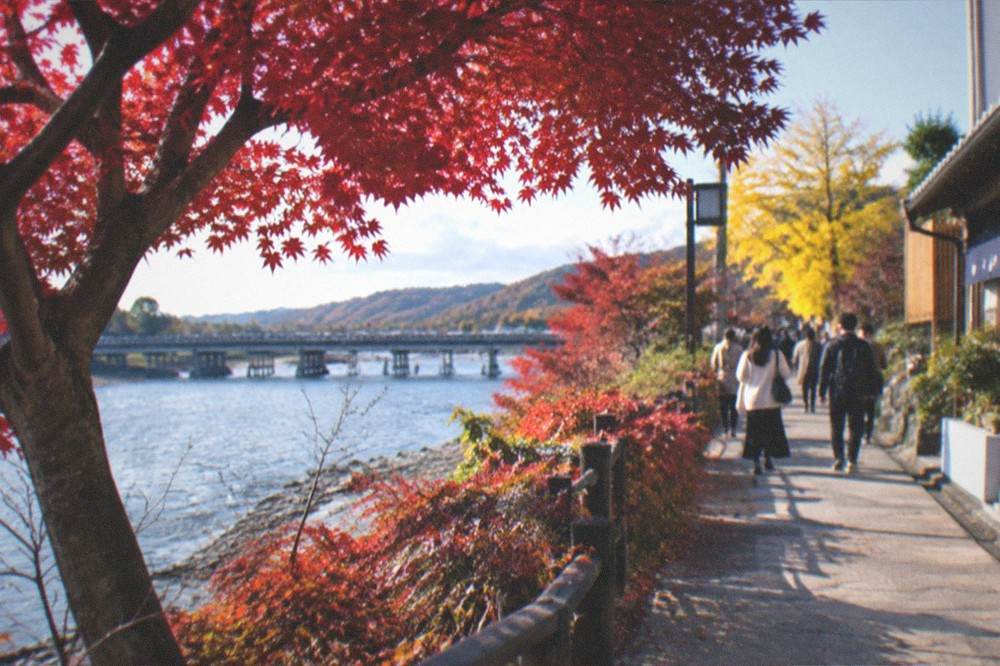
Afternoon is flexible. The Tale of Genji Museum sits on the river's north bank and covers the novel whose final chapters are set here. The riverside path between the bridges makes an easy loop, and the tea shops fill any remaining time. If you are travelling in late autumn, the maples along the river turn after the city's, because the JMA's own phenology record for Kyoto puts the official red-leaf marker at a 5 December normal, later than the mid-November peaks most guides claim.
| Time | Activity | Cost |
|---|---|---|
| 9:00-9:30 | JR Nara Line, Kyoto Station to Uji | 240 yen |
| 10:00-11:30 | Byodo-in garden, museum, Phoenix Hall | 700 + 300 yen |
| 11:30-13:00 | Main street tea shops, seated matcha, lunch | varies by shop |
| 13:00-15:00 | Tale of Genji Museum or river walk | varies |
| 15:00-17:00 | Shopping, second tea stop, return walk | free |
| 17:00-17:30 | Train back to Kyoto | 240 yen |
Families should note that Uji is flat, compact and stroller-friendly in a way that Kyoto's temple hills are not, which makes it a strong choice with children. The Kyoto with kids guide covers other options in the same spirit.
Should You Take A Guided Tour To Uji Or Go Independently?
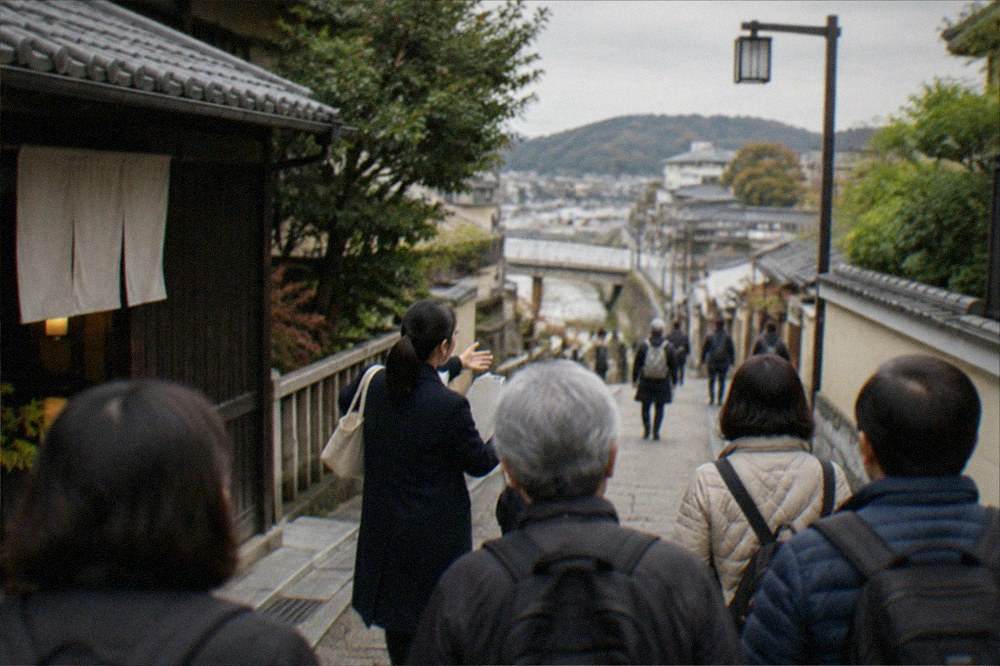
Going independently is the natural fit for Uji, because the trains are direct, cheap and frequent, and the town is small enough that a guide adds context rather than navigation. A guided tour earns its price when you want Uji combined with other destinations in one day, or when you would rather not manage connections at all, with full-day options from around $55 to $115 per person depending on scope.
The arithmetic is straightforward. Two train fares and Byodo-in admission total under 1,000 yen per adult, so a tour's value is never in the transport. It is in the guiding, the pacing and the combinations. The full-day Kyoto and Uji sightseeing tour from Osaka or Kyoto runs about 9 hours from $55 per person, rated 4.7 from 41 reviews, and suits travellers who want the day fully managed. Larger bus products cover different mixes: one combines Fushimi Inari, Kinkaku-ji and the bamboo grove in 8.5 to 9 hours from $97 per person, rated 4.8 from 5,317 reviews, and an Arashiyama walking option with a monkey park or sake brewery choice runs 5 hours from $52 per person, rated 4.9 from 942 reviews.
| Option | Duration | From | Traveller rating |
|---|---|---|---|
| Kyoto & Uji full-day sightseeing tour | 9 hours | $55 | 4.7 (41 reviews) |
| Fushimi Inari, Kinkaku-ji, bamboo grove bus tour | 8.5-9 hours | $97 | 4.8 (5,317 reviews) |
| Arashiyama walk with monkey park or sake brewery | 5 hours | $52 | 4.9 (942 reviews) |
| Independent by JR Nara Line | ~20 min each way | 240 yen each way |
The independent route rewards a little reading. Our Fushimi Inari shrine page covers the shrine that sits one stop pattern before Uji on the same line, and the answer page on how long it takes to walk up Fushimi Inari is worth reading if you are tempted to chain the two in one morning.
When Is The Best Time Of Year To Visit Uji?
Late April to early June brings the first-flush tea harvest and the greenest fields, mid-November to early December turns the riverbanks red with maples, and May offers the steadiest weather of the year with a mean temperature of 19.5 C and 151.4 mm of rain. July and August are the hottest and July is Kyoto's wettest month at 223.6 mm, so summer visits reward early mornings.
Those climate figures come from the JMA 1991-2020 normals for Kyoto, the nearest long-record station, and they carry one correction most guides get wrong: July, not June, is the wettest month here. The tea harvest runs through spring, with the first picking in late April and early May, and shops are at their freshest in the weeks after. Autumn colour along the Uji River runs later than the city's headline spots, which extends the season rather than shortening it.
| Season | Weather (Kyoto normals) | What it means in Uji |
|---|---|---|
| Late Apr-early Jun | May mean 19.5 C, 151.4 mm rain | First-flush tea, freshest matcha |
| Jul-Aug | Jul mean 27.3 C, 223.6 mm rain; Aug mean 28.5 C | Hot and wettest; go early |
| Mid-Nov-early Dec | Nov mean 12.5 C, 73.9 mm rain | River maples, later than the city |
| Dec-Feb | Jan mean 4.8 C, 53.3 mm rain | Cold, dry, quiet |
The Kyoto weather guide carries the full monthly table, and the Kyoto autumn leaves guide covers the foliage calendar in depth.
Before the final word on seasons, one more planning option deserves a look. If a fully guided day appeals more than timetables, the longer bus products that cover Kyoto's headline sites also remove every connection decision from your morning.
For travellers who prefer a smaller group and a slower pace, an Arashiyama-centred walking tour with a monkey park or sake brewery option is a different flavour of the same idea, and it pairs well with an Uji day on a separate morning.
Common Questions About Uji Day Trips
How Do You Get From Kyoto To Uji And How Long Does It Take?
Take the JR Nara Line from Kyoto Station to Uji, about 20 minutes at 240 yen one way, or the Keihan Line from downtown with one change at Chushojima, about 31 minutes for 360 to 420 yen. Both run frequently and accept IC cards.
How much does Byodo-in cost?
Adults pay 700 yen for the garden and Hoshokan museum, with the Phoenix Hall interior tour at an extra 300 yen. Junior high and high school students pay 400 yen and elementary children 300 yen for the garden and museum.
Can you do Uji and Nara in one day?
Yes. Uji sits on the same JR corridor, and the Miyakoji Rapid to Nara takes about 45 minutes at 720 yen one way. Do Uji in the morning for the Phoenix Hall tickets and tea shops, then move on to Nara for the afternoon.
Is Uji worth visiting without a guide?
Yes. The town is compact, walkable and signposted in English, with the main street running between the stations and the temple. A guide adds historical context, but navigation is not the problem it is in larger destinations.
What is Uji famous for?
Two things above all: Byodo-in, whose Phoenix Hall is a UNESCO World Heritage site and appears on the 10 yen coin, and green tea, since the Uji area has been the historical centre of Japanese tea cultivation for roughly 800 years.
When do the Phoenix Hall interior tours run?
Tours run 9:30 to 16:10 in slots of 50 people, with tickets issued from 9:10 on a first come, first served basis. A capacity change is announced from 16 October 2026, and the new figure has not been published, so check the temple's own site if travelling after that date.
Uji rewards a slow pace more than a long list, and that is the honest summary of the day trip. Two cheap trains, one temple with a coin-etched hall, and a street of the best tea in Japan, all inside 20 minutes of Kyoto Station, is a day that competes with anything in the city itself.