Kiyomizu-dera Temple
Kiyomizu-dera opens at 6:00 every morning and its closing time moves with the seasons, from 18:00 on ordinary days to 21:30 during the spring and autumn night viewings. The widely reported admission is 500 yen, though the temple does not print the figure on its own site.
Short answer
Kiyomizu-dera opens at 6:00 daily and closes between 18:00 and 21:30 depending on the season. Admission is widely reported at 500 yen for adults and high school students, but the temple does not publish the fee on its own site.
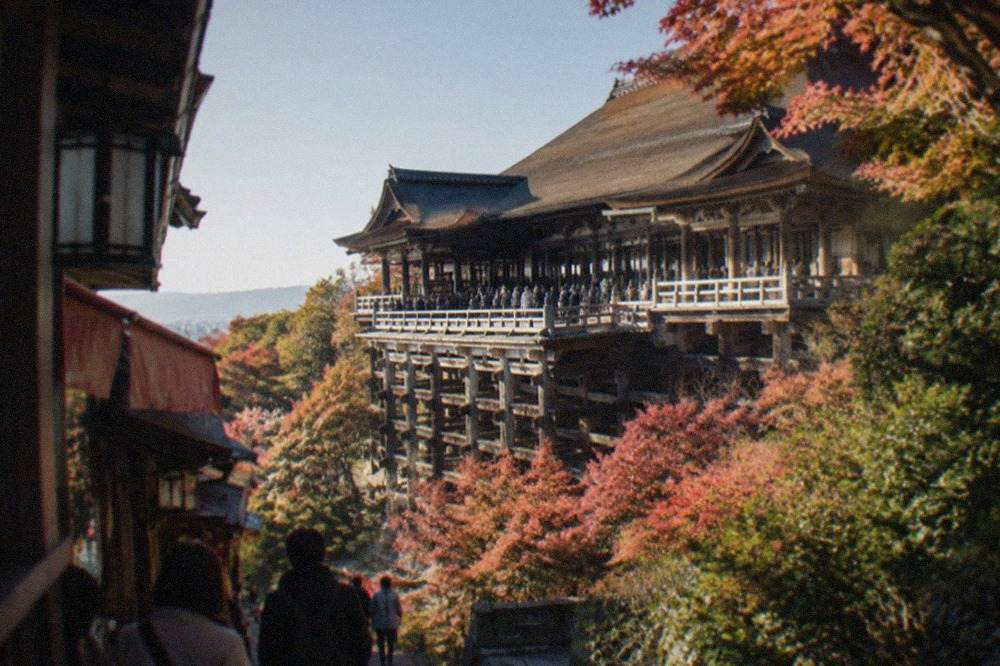
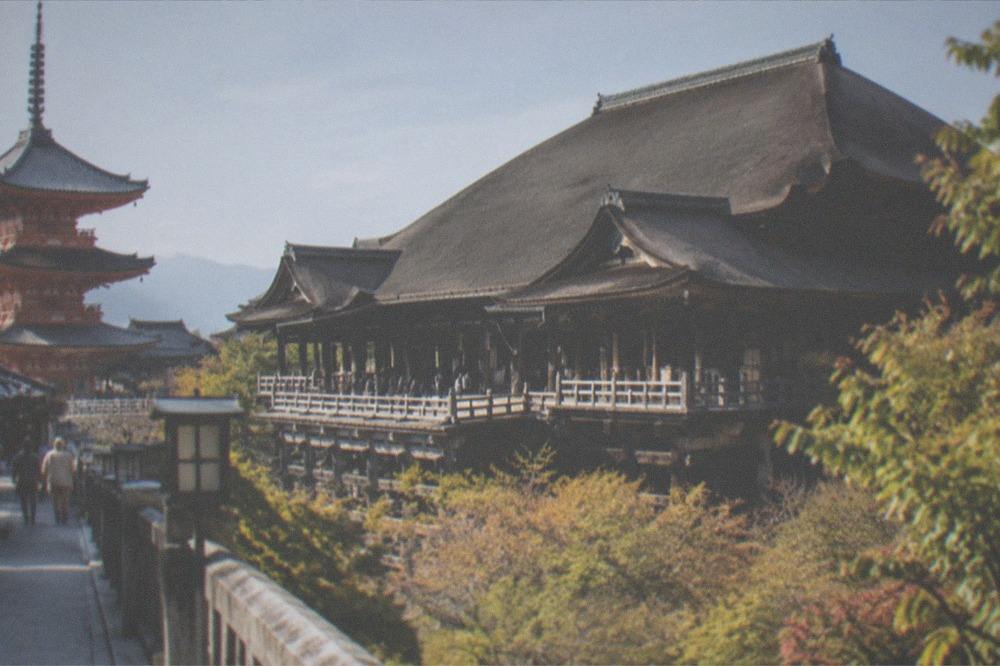
Kiyomizu-dera sits on the steep eastern edge of Kyoto, its main hall built out over a wooden stage that stands high above the hillside on hundreds of interlocking pillars, no nails in the joinery. The temple has drawn pilgrims since the eighth century, and today it anchors the whole Higashiyama sightseeing belt: the stage, the Otowa waterfall below it, and the lanes of Ninenzaka and Sannenzaka running down toward the city. This page sets out what the visit costs, when the gates open, and how to time it against the crowds, using the temple's own published schedule and the verified fee records for every temple around it.
What Does The Kiyomizu-dera Main Hall Ticket Cost And When Does It Open?
Kiyomizu-dera opens at 6:00 every day of the year, and its closing time moves with the season: 18:00 on ordinary days, 18:30 through the high summer, and 21:30, with last entry at 21:00, during the spring and autumn night viewings. Admission is widely reported at 500 yen for adults and high school students, but the temple does not print this figure on its own site, so treat it as the going rate rather than an official price.
The 6:00 opening is stated in the temple's own FAQ, and it is the single most useful fact on this page. Almost every other major temple in Kyoto opens between 8:00 and 9:00, which means Kiyomizu-dera offers a two-hour window in which you can see the stage and the grounds in near solitude, then walk down through Higashiyama before the tour buses arrive. The closing schedule comes from the temple's access page, which publishes the full year in advance.
| Period in 2026 | Hours | Note |
|---|---|---|
| 1 Jan to 26 Mar | 6:00 to 18:00 | Standard winter schedule |
| 27 Mar to 5 Apr | 6:00 to 21:30 | Spring night viewing, last entry 21:00 |
| 6 Apr to 30 Jun | 6:00 to 18:00 | Standard schedule |
| 1 Jul to 13 Aug | 6:00 to 18:30 | Extended summer closing |
| 14 to 16 Aug | 6:00 to 21:30 | Bon period night viewing |
| 17 to 31 Aug | 6:00 to 18:30 | Extended summer closing |
| 1 Sep to 20 Nov | 6:00 to 18:00 | Standard schedule |
| 21 to 30 Nov | 6:00 to 21:30 | Autumn night viewing, last entry 21:00 |
| December | 6:00 to 18:00 | Standard schedule |
Two exemptions are printed by the temple itself: teachers escorting school trips enter free with ID and an itinerary, and a disability handbook holder plus one companion enter free. Children and junior high students are generally admitted at a reduced rate, but as with the adult fee, the temple does not publish the bands, so check at the gate.
How Old Is Kiyomizu-dera And Why Is The Stage Famous?
The temple traces its founding to the eighth century, long before Kyoto's most famous golden pavilion existed, and its main hall and stage were rebuilt in the Edo period. The stage is built from keyaki wood fitted together without a single nail, and it juts out over a steep drop on a forest of pillars, a construction method that made it a national treasure and gave Japanese the idiom "to jump off the stage of Kiyomizu", meaning to take a bold leap.
The founder was the monk Enchin, who according to the temple's own account was led to the Otowa waterfall while searching for clean water for his devotions. The warrior Sakanoue no Tamuramaro later funded a proper hall, and the complex grew around the waterfall rather than the other way round. Fires destroyed earlier buildings repeatedly; the main hall that stands today comes from the Edo-period rebuild, which is old by any standard but young compared with the temple's founding.
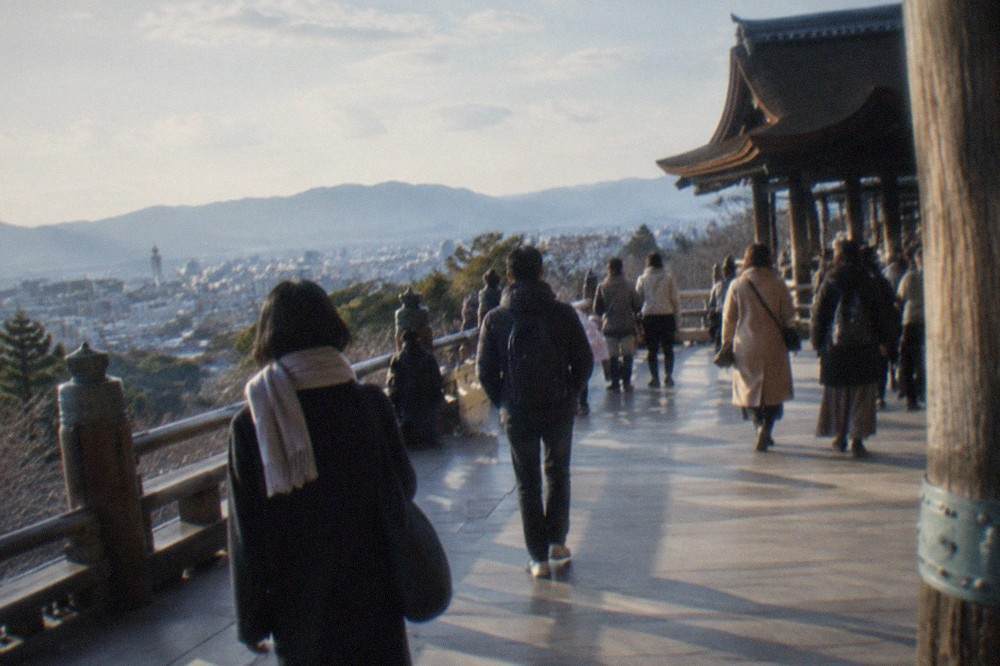
The stage itself was designed for religious dances performed before the deities, not for sightseeing, though the panorama across the city toward Nidec Kyoto Tower is now its main draw. The phrase about jumping off the stage is not just a figure of speech: during the Edo period people genuinely leapt from it as an act of faith, believing survival meant a wish granted, and records of the practice survive in temple documents. The temple eventually banned it in the Meiji era.
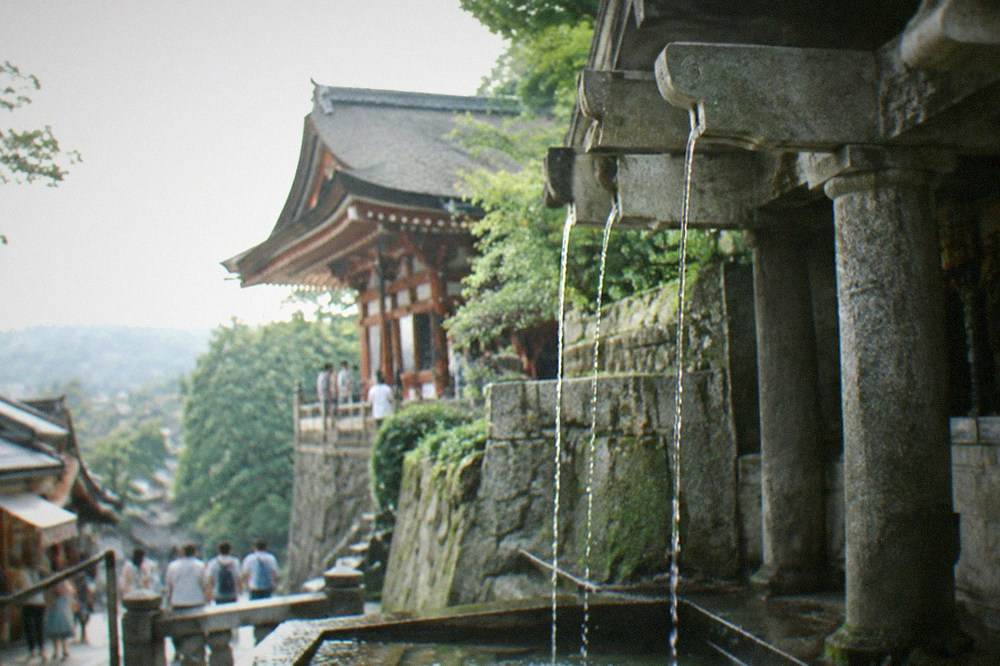
The Otowa waterfall at the base of the hall is the temple's origin point and still its ritual centre. Its three streams are said to offer longevity, success in study and success in love, and visitors queue to drink from one, and only one, because drinking from all three is held to be greedy and to invite the opposite of all three blessings.
For visitors who want the history explained rather than read off signs, a guided morning option is worth considering. The Kiyomizu-Dera & Fushimi Inari Tour pairs the temple with the shrine in a single morning, and a fuller comparison of the city's big guided days sits in our overview of things to do in Kyoto.
How Do You Get To Kiyomizu-dera?
The temple has no station of its own, and the standard approach is a 20 to 25 minute walk uphill from Kiyomizu-Gojo Station on the Keihan line, or a similar walk from Gion-Shijo through the Higashiyama lanes. From Kyoto Station, the JR Nara line to Tofuku-ji then a transfer to the Keihan line takes about 20 minutes, and the city's EX101 express bus runs direct from Kyoto Station to the Gojo-zaka stop at the foot of the temple.
The bus option deserves a note. Kyoto's transport bureau runs tourist express buses, the EX100 and EX101, specifically to move visitors off the crowded ordinary routes, and the EX101 connects Kyoto Station with the Kiyomizu side of the city with limited stops. A ride costs 500 yen for adults, and the city's own transport pages confirm the route and fare. The ordinary city bus costs a flat 230 yen per adult ride, but the eastern hills routes are among the most crowded in the city, which is exactly the problem the expresses were created to solve.
| Approach | Cost per adult | Time | Notes |
|---|---|---|---|
| Keihan line to Kiyomizu-Gojo, then walk | 220 to 360 yen by zone | 20 to 25 min walk uphill | Quietest option |
| EX101 express bus from Kyoto Station | 500 yen | Direct to Gojo-zaka | Runs mainly on busy days |
| Ordinary city bus | 230 yen flat | Traffic-dependent | Often very crowded |
| Subway to Higashiyama Station, then walk | 220 to 360 yen | 25 min walk | Serves the northern approach |
| Taxi from Kyoto Station | Metered | About 15 min | Drops at Gojo-zaka |
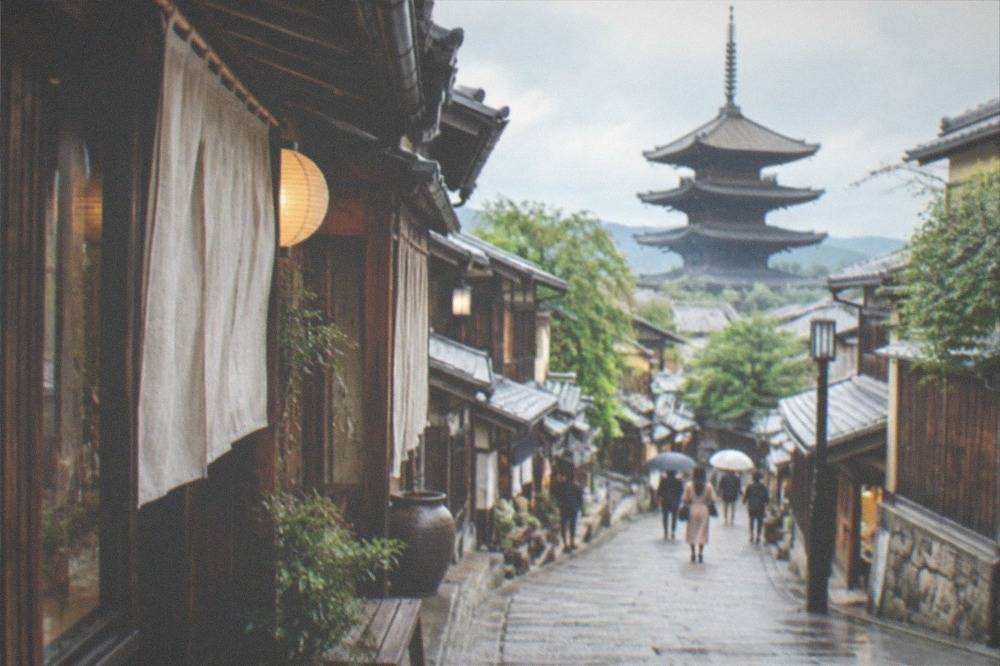
The walk from Gion-Shijo, up through the preserved lanes, is the approach most worth taking at least once. It passes Kodai-ji and the sloped streets of Ninenzaka and Sannenzaka, so the journey becomes part of the visit. Coming down, the same route delivers you into central Kyoto in twenty minutes.
When Is The Best Time Of Day To Visit Kiyomizu-dera?
Between 6:00 and 8:00 in the morning is the quietest window at Kiyomizu-dera, because the temple opens two hours before almost every other major site in Kyoto and the tour groups have not yet arrived. The worst hours are roughly 10:00 to 15:00, when the stage, the waterfall queue and the approach lanes are all at their densest. The last hour before closing, from about 17:00, thins out again and catches the best light on the wooden hall.
The numbers behind the crowds are stark. The city's 2025 tourism survey recorded 62.79 million visitors to Kyoto in a single year, a record, and the eastern temple belt absorbs a large share of them. The city responds with tools rather than barriers: the Kyoto Tourism Comfort Forecast publishes a five-level crowd prediction for major spots, built from location data, weather and time of day, and Fushimi Inari and the Higashiyama area are both covered. Checking it the evening before costs nothing and changes the shape of a day.
| Time of day | Crowd level | Light | Verdict |
|---|---|---|---|
| 6:00 to 8:00 | Low | Soft, from the east | Best window |
| 8:00 to 10:00 | Building | Good | Still worthwhile |
| 10:00 to 15:00 | Peak | Harsh midday | Avoid if you can |
| 15:00 to 17:00 | Easing | Warm | Good second choice |
| Final hour | Low | Evening glow | Excellent in autumn |
Season matters as much as hour. The temple's own night viewings, in late March and late November, are the two periods when the closing time extends to 21:30, and they are also the two periods when demand is highest. Our Kyoto crowds guide covers the wider toolkit, including the morning-dispersal campaigns the city now runs.
What Can You See On The Temple Grounds?
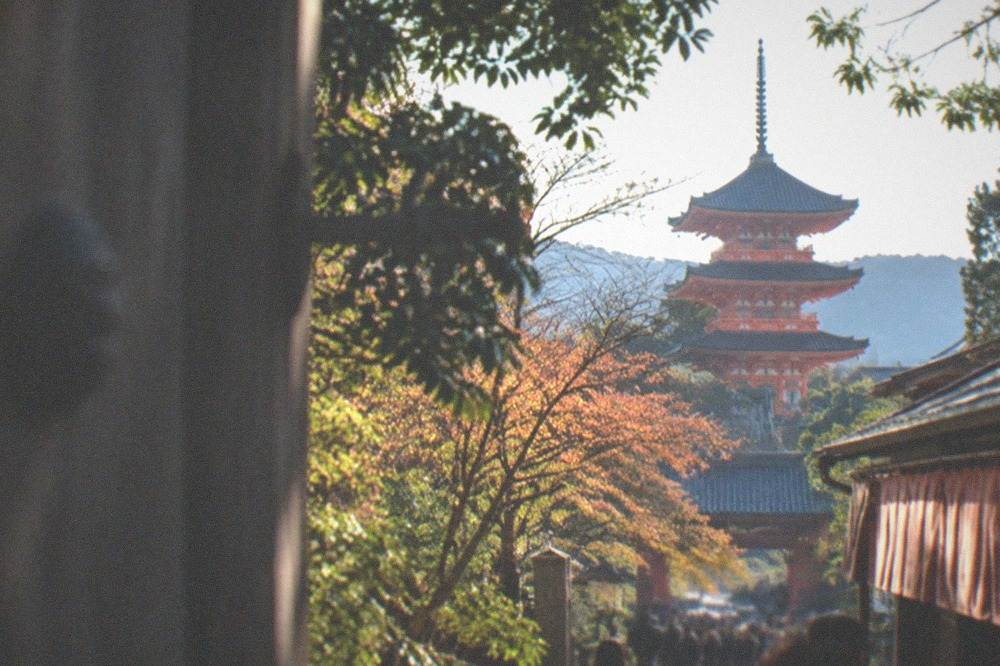
Beyond the main hall and its stage, the Kiyomizu-dera grounds hold the Otowa waterfall, the Jishu-jinja shrine dedicated to a deity of love and matchmaking, a three-storey pagoda rebuilt in the Edo period, and the Okunoin inner hall set in trees at the far end of the complex, all included in the one admission. The whole circuit takes most visitors 60 to 90 minutes at an unhurried pace.
The pagoda is the first thing most people photograph, and for good reason: standing at the entrance gate, it frames the temple's most complete view. Jishu-jinja, partway through the grounds, draws a younger Japanese crowd because of its two "love stones" set about ten metres apart, which pilgrims walk between with their eyes closed, success at reaching the far stone said to mean luck in love. The shrine is a separate institution on the temple's land, and it is worth knowing that its precinct is included in your walk even though it keeps its own character. The wider set of guides lives on Kyoto Travel Guide.
The Okunoin at the rear offers the view most visitors miss, back across the whole complex toward the city. From there, the return path descends past the waterfall and out through the exit at the bottom of the hill, so the natural direction of travel is a loop rather than an out-and-back.
How Does The Kiyomizu-dera Fee Compare With Kyoto's Other Temples?
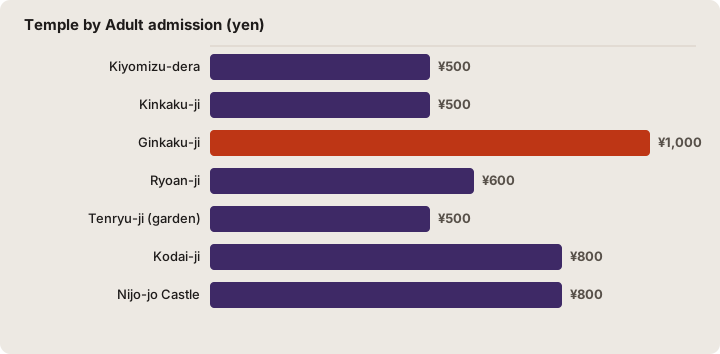
At the widely reported 500 yen, Kiyomizu-dera sits at the cheap end of Kyoto's major temples, tied with Kinkaku-ji and below Ginkaku-ji, which doubled to 1,000 yen in April 2026. Kodai-ji charges 800 yen, Ryoan-ji 600, and Nijo-jo Castle starts at 800 yen, or 1,300 with the Ninomaru-goten Palace. The comparison matters because most visitors walk to at least two of these in a day, and the fees add up faster than many itineraries assume.
The Ginkaku-ji change is the one to know about, because guides published before 2026 still quote the old 500 yen. The temple's own notice, dated January 2026, set the new fee at 1,000 yen for adults and 500 for children from 1 April 2026, the first rise in 32 years. Tofuku-ji, south of the centre, revises its fees on 1 November 2026, with its Hojo garden rising from 500 to 600 yen and a new 1,000 yen combined ticket.
| Temple | Adult admission | Child / student | Source status |
|---|---|---|---|
| Kiyomizu-dera | 500 yen (widely reported) | Reduced rates, not published | Fee not printed by the temple |
| Kinkaku-ji | 500 yen | 300 yen, primary and middle school | Verified on the temple's site |
| Ginkaku-ji | 1,000 yen from 1 Apr 2026 | 500 yen | Verified, doubled from 500 |
| Ryoan-ji | 600 yen | 500 high school, 300 elementary | Verified |
| Tenryu-ji (garden) | 500 yen | 300 yen | Buildings plus 300, Hatto 500 extra |
| Kodai-ji | 800 yen | 400 yen, junior high and high school | 1,200 combined with Entoku-in |
| Nijo-jo Castle | 800 yen | 400 / 300 yen | 1,300 with Ninomaru-goten |
A realistic full day in eastern Kyoto, taking in Kiyomizu-dera, Kodai-ji and the walk through Higashiyama, runs about 1,300 yen in temple admissions per adult before food or transport. A day that adds Ginkaku-ji and the Philosopher's Path pushes the total well past that, since Ginkaku-ji alone now costs double what it did a year before. None of this is expensive by the standards of major European attractions, but it is not free, and the temples that are free, notably Fushimi Inari Taisha, which publishes no fee anywhere on its site, are worth building a day around.
What Is There To See Around Kiyomizu-dera In Higashiyama?
The temple is the anchor of a walkable district rather than a standalone sight: Kodai-ji is five minutes downhill, the preserved slopes of Ninenzaka and Sannenzaka run directly from the exit, Yasaka Shrine and the Gion district are twenty minutes on foot, and the whole chain can be walked in a morning without transport. Most first-time visitors under-estimate how much of this is free to enter.
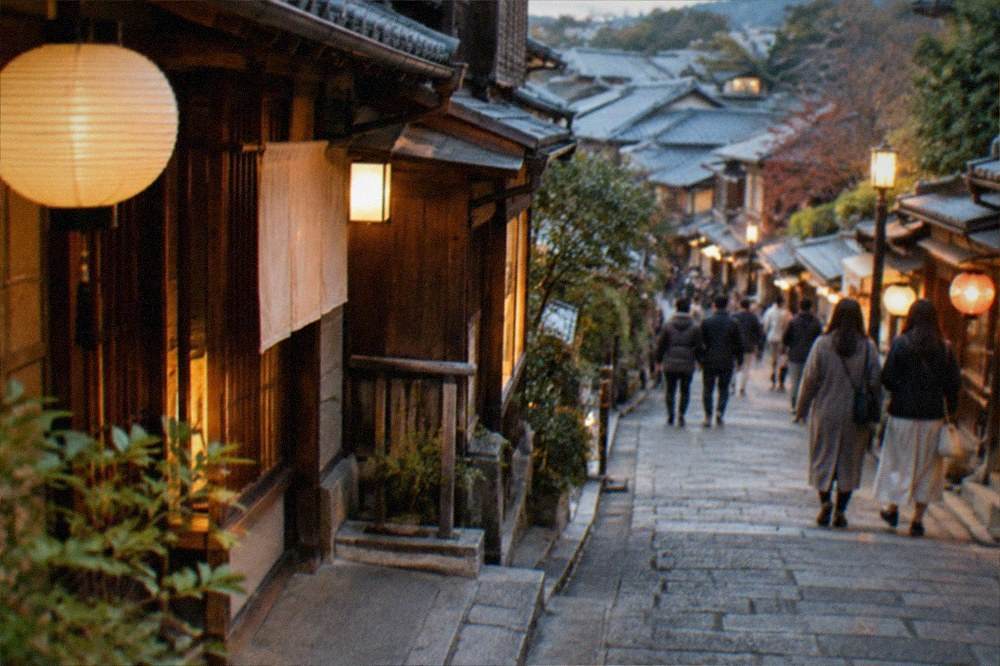
The slopes below the temple are the best-preserved streetscapes in central Kyoto, lined with wooden machiya shopfronts selling pottery, pickles and matcha sweets. They are public streets, so walking them costs nothing, though the shops keep individual hours. Descending them delivers you toward Yasaka Shrine, which charges no admission, and from there into the Gion streets on the north side of Shijo-dori.
For a fuller route, our one day in Kyoto itinerary strings the temple together with the Arashiyama side of the city, and the Higashiyama area guide covers the district in depth. If your day runs into the evening, the temple lanes are also on the route described in our Kyoto at night itinerary, which pairs the area with the Gion walk below.
When Are The Kiyomizu-dera Night Viewings And Are They Worth It?
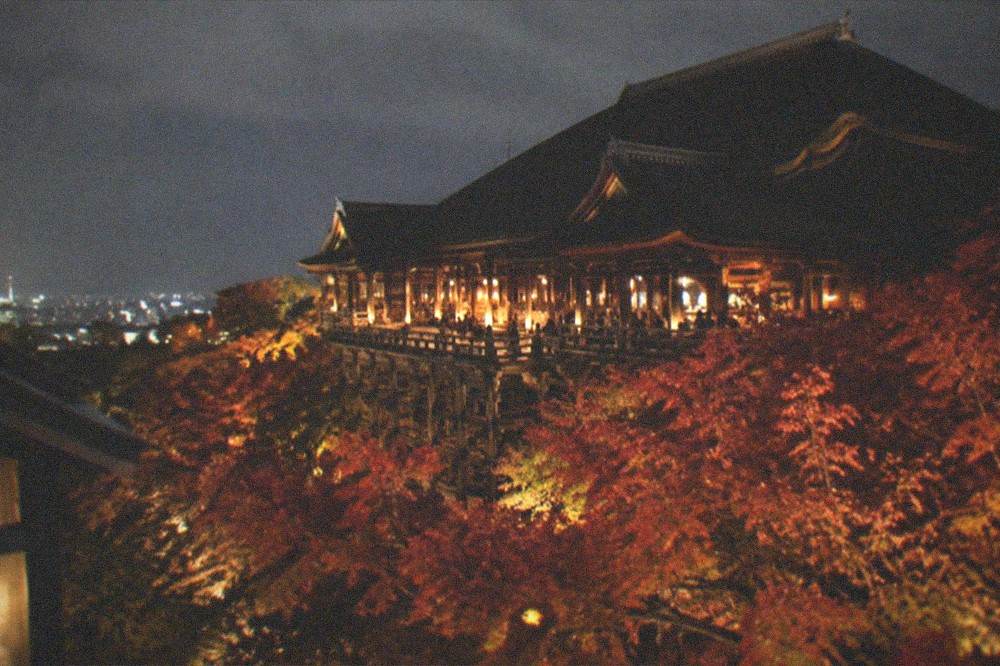
Kiyomizu-dera runs special night openings twice a year: 27 March to 5 April for the cherry blossom, and 21 to 30 November for the autumn maple, both with hours extended to 21:30 and last entry at 21:00, plus a shorter Bon-period opening from 14 to 16 August. The temple and its trees are illuminated, the stage is viewed against the lit city below, and the same admission applies.
The autumn dates align with the foliage season, and here the official record is more precise than most guides. The Japan Meteorological Agency's Kyoto observatory records the 1991 to 2020 normal for the maple's red leaves as 5 December, and the 2025 observation came on 10 December. Those dates refer to the observatory's specimen tree, not the Higashiyama peak, but they explain why the late-November illumination, timed to the district's maples rather than the official marker, lands before the botanical peak rather than after it. The cherry side is easier: the JMA normal for full bloom is 4 April, and in 2026 the city reached full bloom on 30 March, inside the night-viewing window.
| Event | 2026 dates | Hours | What is lit |
|---|---|---|---|
| Spring night viewing | 27 Mar to 5 Apr | 6:00 to 21:30 | Cherry trees and the main hall |
| Bon night viewing | 14 to 16 Aug | 6:00 to 21:30 | Main hall and grounds |
| Autumn night viewing | 21 to 30 Nov | 6:00 to 21:30 | Maples, pagoda and stage |
Whether the illumination is worth the extra crowds is a fair question. The view from the stage over a lit Kyoto is genuinely different at night, and the illuminated maple corridor along the exit path is one of the city's strongest images. The trade-off is that everyone else knows it. Arriving at 18:00 sharp, when ordinary daylight visiting ends, beats arriving at 19:00, and the final 30 minutes before last entry are the calmest. Our Kyoto autumn leaves itinerary builds a full late-November day around these dates.
How Should A First-Time Visitor Plan The Visit?
Arrive by 7:00, allow 90 minutes on the grounds, walk down through Sannenzaka and Ninenzaka, and be in Gion by mid-morning before the crowds build. Check the temple's access page the week you travel, because the night-viewing dates shift the closing time, and check the city's comfort forecast the night before. Budget 500 yen for the temple, in coins, and expect to pay separately at Kodai-ji if you continue down the hill.
The single biggest planning error at Kiyomizu-dera is treating it as a mid-day stop. Mid-day is when the tour groups arrive, when the queue at the waterfall stretches down the steps, and when the stage is a shoulder-to-shoulder platform rather than a viewpoint. The temple hands you a free solution by opening at 6:00, two hours before almost anything else in the city, and using it costs nothing but an alarm clock.
The second error is under-planning the walk down. The lanes below the temple are not a corridor to be passed through but a destination in themselves, and rushing them to reach the next temple wastes the best-preserved part of the district. First-time visitors will find the full sequence, including transport and timing, in our Kyoto first-timers itinerary, and the deeper background on the temple's fame in why Kiyomizu-dera is so famous.
Common Questions About Kiyomizu-dera
What Does The Kiyomizu-dera Main Hall Ticket Cost And When Does It Open?
Admission is widely reported at 500 yen for adults and high school students, though the temple does not publish the fee on its own site. The gates open at 6:00 every day, and closing moves between 18:00, 18:30 and 21:30 depending on the season, with the 21:30 closing reserved for the spring and autumn night-viewing periods.
Is Kiyomizu-dera open at night?
Only during the special night-viewing periods: 27 March to 5 April, 14 to 16 August, and 21 to 30 November, when the temple stays open to 21:30 with last entry at 21:00. On ordinary evenings it closes at 18:00, or 18:30 in July and August.
How long does a visit take?
Most visitors spend 60 to 90 minutes on the grounds, covering the main hall and stage, the Otowa waterfall, the Jishu-jinja shrine and the pagoda. Adding the walk down through Sannenzaka and Ninenzaka makes it a two-hour experience.
Can you drink from the Otowa waterfall?
Yes, and most visitors do. The three streams are said to grant longevity, success in study and success in love, and tradition holds that you should drink from one only, because drinking from all three is greedy.
What is the best month to visit Kiyomizu-dera?
Late March to early April for the cherry blossom and the spring night viewing, or late November for the maples and the autumn illumination. The JMA normal for cherry full bloom in Kyoto is 4 April, and the maple red-leaf normal is 5 December, so the illumination window in November precedes the official foliage marker.
Is Kiyomizu-dera wheelchair accessible?
The main approach involves steep slopes and steps, and the stage itself is reached by stair. The temple grounds have some accessible routes, but the hillside setting means visitors with mobility limits should expect a partial visit rather than a full circuit, and our Kyoto accessibility coverage goes into the detail.
The temple rewards early risers more than any other site in the city, and the fee, at the widely reported 500 yen, is among the smallest you will pay in Kyoto for one of its largest sights. Go at 6:30, walk down slowly, and the rest of Higashiyama will feel like a bonus rather than a battle.