What Do Nijo Castle And The Ninomaru Palace Tickets Cost?
Nijo-jo Castle charges 800 yen for general admission and 1,300 yen with the Ninomaru-goten Palace included, on a fee table the city publishes itself, and the castle where the Tokugawa shogunate ended is one of the few Kyoto sites where the combined ticket genuinely matters.
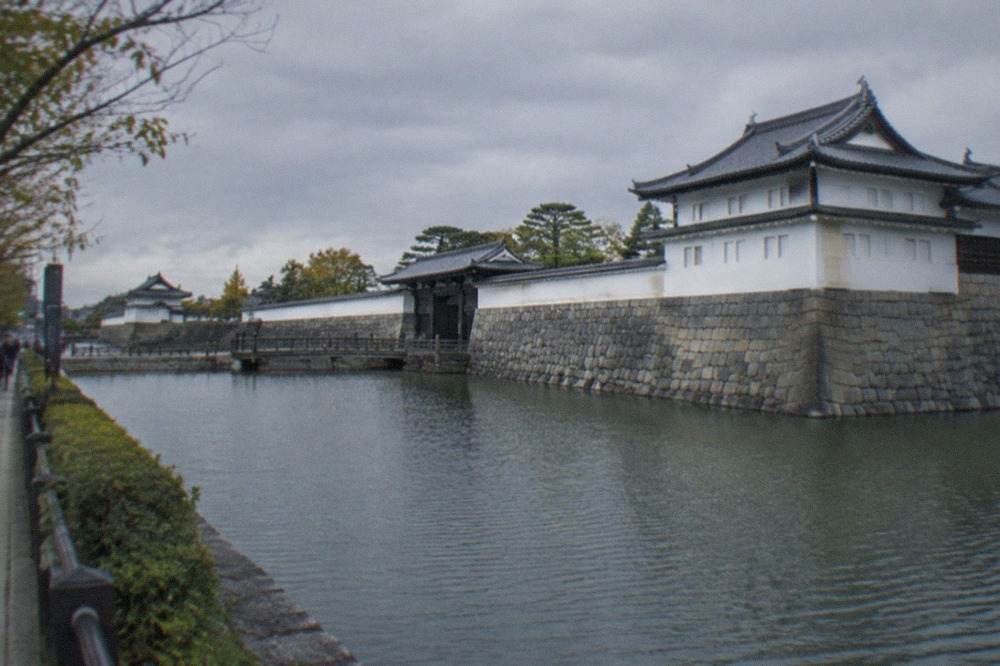
Short answer
Nijo-jo Castle costs 800 yen for general admission, 400 yen for junior high and high school students and 300 yen for elementary students, free below elementary age. The ticket that includes the Ninomaru-goten Palace is 1,300 yen general, and that palace is the reason most people come, so the combined ticket is the one to buy.
Nijo-jo Castle is the place where the Tokugawa shogunate ended, in a room you can still stand in, and it is also one of the few Kyoto attractions where the ticket structure has a genuine decision in it. The city's own castle site publishes the full fee table, the hours and the closed days, so nothing here needs to be guessed. This page sets out what each ticket costs, what the Ninomaru-goten Palace adds, what the Honmaru-goten Palace requires, and how the whole visit compares with the rest of Kyoto Travel Guide's covered sites.
What Do Nijo Castle And The Ninomaru Palace Tickets Cost?
A general admission ticket to Nijo-jo Castle costs 800 yen, junior high and high school students pay 400 yen, elementary students 300 yen, and children below elementary age enter free. The combined ticket that also covers the Ninomaru-goten Palace is 1,300 yen general, with groups of 30 or more paying 1,100 yen. Admission is taken from 8:45 to 16:00 and the castle closes at 17:00, with Ninomaru reception running to 16:10.
Those figures come straight from the castle's own admission page, which the city of Kyoto maintains, and they are current for 2026. The general ticket covers the castle grounds, the outer gardens and the walls, but not the interior of the Ninomaru-goten Palace, which is the building most visitors actually come for. That makes the 500 yen step up to the combined ticket the single clearest value decision on any Kyoto itinerary, and for almost everyone the answer is to pay it.
| Ticket | General | Junior high / high school | Elementary | Group (30+) |
|---|---|---|---|---|
| Castle only | 800 yen | 400 yen | 300 yen | 700 yen |
| Castle + Ninomaru-goten Palace | 1,300 yen | 400 yen | 300 yen | 1,100 yen |
| Honmaru-goten Palace (added) | 1,000 yen | 300 yen | 200 yen | advance reservation required |
| Painting Gallery (added) | 100 yen | 100 yen | 100 yen | on top of castle admission |
The group rate applies from 30 people, and there is a Kyoto citizen annual passport at 2,600 yen for residents. The Honmaru-goten Palace and the Painting Gallery are both add-ons to a base ticket, not standalone entries, and the Honmaru requires an advance reservation, which the next sections cover in detail.
How Does Nijo Castle's Price Compare With Kyoto's Other Big Sites?
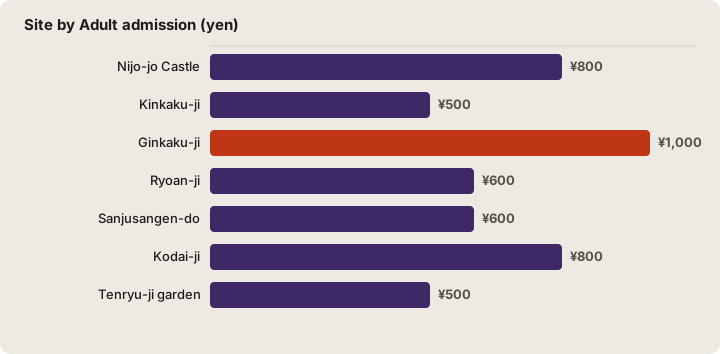
Nijo-jo Castle's 1,300 yen combined ticket sits mid-table among Kyoto's major paid sites: cheaper than Ginkaku-ji's new 1,000 yen admission plus nothing else, comparable to Kinkaku-ji at 500 yen plus transport, and well below what a day of temple-hopping in Higashiyama adds up to. The comparison matters because two of those fees changed in 2026, so any guide written before April this year is quoting wrong numbers for at least one site.
The fee landscape shifted in 2026 in ways that catch out older guides. Ginkaku-ji doubled its admission from 500 to 1,000 yen for adults effective 1 April 2026, the temple's first rise in 32 years. Tofuku-ji revises its fees on 1 November 2026, with the Hojo garden going from 500 to 600 yen and a new 1,000 yen combined ticket. Kinkaku-ji last changed its fee on 1 April 2023, to the current 500 yen. Nijo-jo Castle's own table has held steady, which makes it one of the more predictable entries in the set.
| Site | Adult admission | Notes |
|---|---|---|
| Nijo-jo Castle | 800 yen | 1,300 yen with Ninomaru-goten Palace |
| Kinkaku-ji | 500 yen | fee set 1 April 2023 |
| Ginkaku-ji | 1,000 yen | doubled from 500 on 1 April 2026 |
| Ryoan-ji | 600 yen | |
| Sanjusangen-do | 600 yen | 1,001 Kannon statues, temple's own count |
| Kodai-ji | 800 yen | 1,200 yen combined with Entoku-in |
| Tenryu-ji garden | 500 yen | buildings plus 300 yen, Hatto ceiling 500 yen separately |
| Fushimi Inari Taisha | free | the shrine publishes no fee anywhere |
Against that table, the castle's combined ticket buys more built interior than almost anything else in the city. The Ninomaru-goten Palace is a full shogunal residence with sliding-screen paintings, nightingale floors that chirp underfoot as a security measure, and a sequence of audience rooms ranked by formality. For a fuller run through the temples, the Kyoto temples guide covers the ones that charge and the ones that do not, and the things to do in Kyoto page places the castle in a whole itinerary.
If you would rather have the logistics handled, the guided visit with admission included is the strongest option here, and the one-day bus tour covers the castle alongside the golden pavilion and Fushimi Inari for travellers compressing Kyoto into a single day.
What Are Nijo Castle's Opening Hours And Closed Days?
Nijo-jo Castle takes admission from 8:45 to 16:00 and closes at 17:00, with the Ninomaru-goten Palace reception running to 16:10. The castle closes on 29 to 31 December each year, and the Ninomaru-goten Palace additionally closes every Tuesday in January, July, August and December, unless that Tuesday falls on a public holiday, in which case it opens.
That Tuesday pattern is the detail that ruins visits. It is entirely possible to arrive on a July Tuesday, pay 1,300 yen for the combined ticket, and find the palace half of that ticket shut. The castle's own guidance page prints the closure schedule plainly, and the summer months are exactly when most foreign visitors are in town, so the overlap is worth checking before you set out rather than at the gate.
| Period | Admission hours | Notes |
|---|---|---|
| General | 8:45-16:00 | castle closes 17:00 |
| Ninomaru-goten reception | 8:45-16:10 | last entry for the palace |
| Castle closed | 29-31 December | annual |
| Ninomaru-goten closed | Tuesdays in Jan, Jul, Aug, Dec | open if the Tuesday is a holiday |
| Ninomaru-goten closed | 26-28 December, 1-3 January | annual |
Morning is the calmer window. The city's 2025 tourism survey recorded 62.79 million visitors across the year, a record, and the castle's Ninomaru corridors are narrow enough that a full afternoon crowd slows the walk through considerably. The first hour after opening, and the last hour before reception closes, are the quietest stretches on a normal day.
What Is The Ninomaru-goten Palace And Why Does The Combined Ticket Matter?
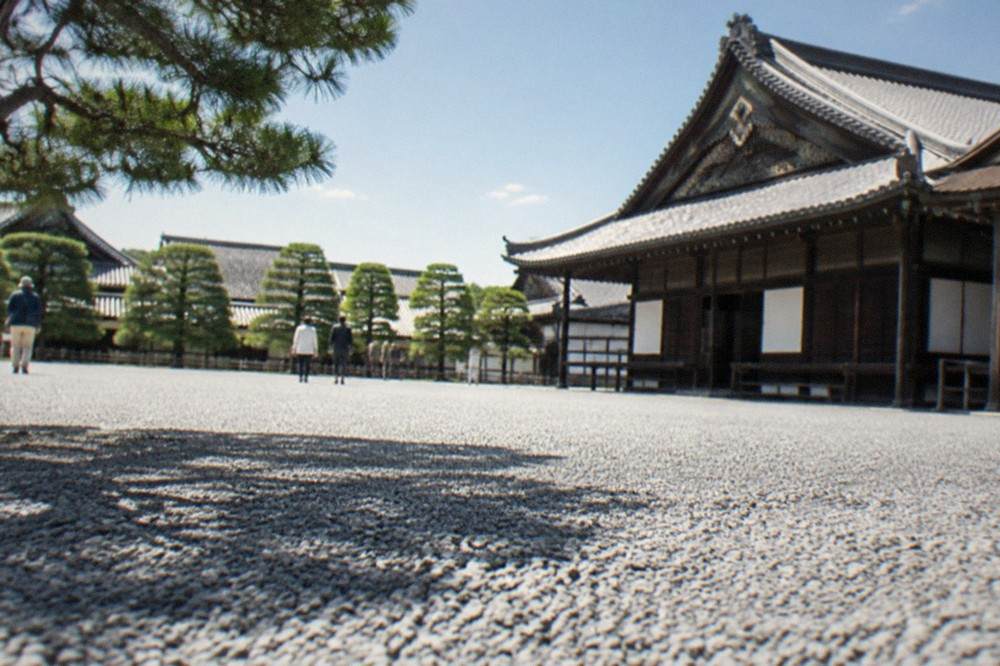
The Ninomaru-goten Palace is the shogunal residence at the heart of Nijo-jo Castle, a linked sequence of reception rooms, waiting chambers and painted sliding screens built to display Tokugawa power, and it is included only in the 1,300 yen combined ticket, not the 800 yen base admission. It is also the building where the 15th shogun, Tokugawa Yoshinobu, summoned senior vassals from 40 domains in October 1867.
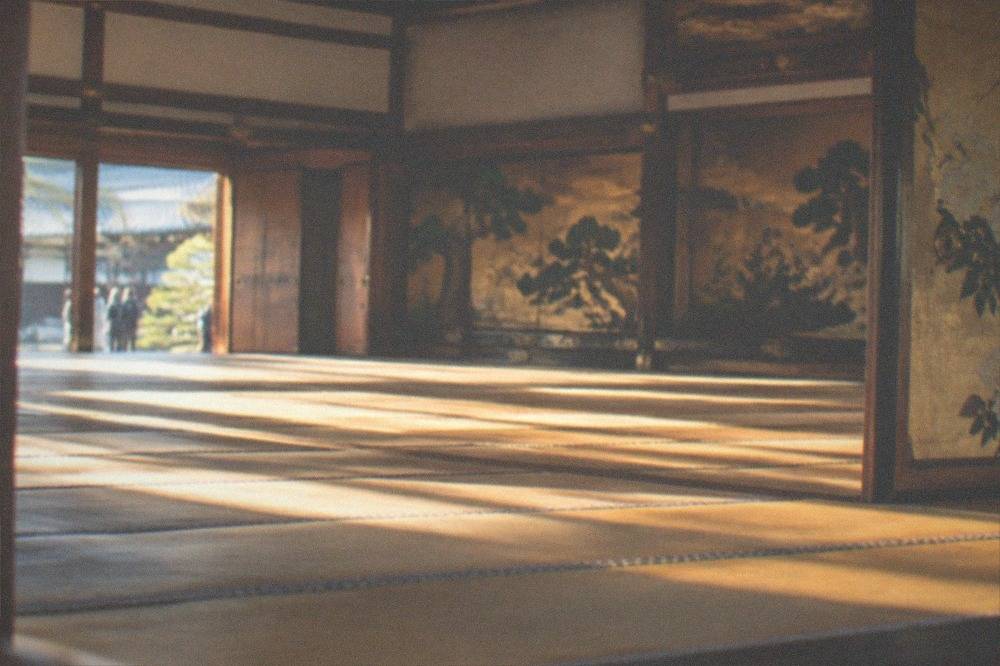
The palace is the reason the castle earned its UNESCO World Heritage listing, and it is the part of the site that a base ticket excludes. Inside, the rooms ascend in formality from the guards' chambers through to the Ohiroma, the grand hall where the shogun received the most senior lords. The walls carry screen paintings by artists of the Kano school, and the floors are the famous nightingale construction, designed to chirp under any footsteps so that no one could approach the shogun unheard.
Photography inside the palace is not permitted, and shoes come off at the entrance, which is standard for Japanese buildings of this kind but worth knowing with small children in tow. The walk-through takes most visitors between 30 and 45 minutes at an unhurried pace, longer in crowds. For the practicalities of visiting with mobility needs, the Kyoto accessibility guide covers the castle's flat gravel paths and the palace route.
The guided tour that includes both the castle admission and the Ninomaru-goten Palace saves the separate ticket purchase and adds the historical context the rooms themselves do not explain.
A guided option is worth considering here specifically because the palace's signage is thin on narrative. The screens and the room hierarchy make far more sense with someone explaining who stood where and why, and the Nijo Castle guided tour with admission bundles both costs into one booking, rated 5 from 481 traveller reviews.
What Happened At Nijo-jo Castle In 1867?
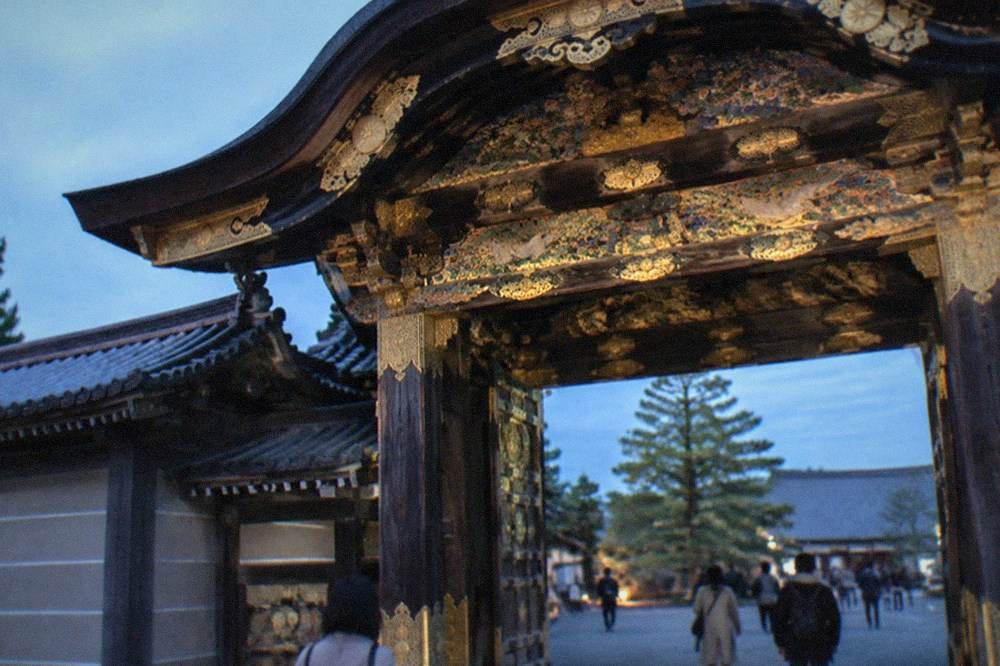
In 1867 the end of the political rule of the Tokugawa shogunate and the restoration of power to the Emperor was proclaimed at Nijo-jo Castle. The 15th shogun, Tokugawa Yoshinobu, summoned senior vassals from 40 domains to the Ohiroma of the Ninomaru-goten Palace on 13 October 1867, announced on the 14th his intention to return political authority to the Imperial Court, and the Emperor accepted on the 15th.
The castle's own history page tells it in exactly that sequence, and it is one of the great ironies of Japanese history that the shoguns built Nijo-jo as a Kyoto residence to project power and ended it in the same rooms. Edo Castle was then handed over without bloodshed in the spring of 1868, and the Meiji period began. Standing in the Ohiroma, you are in the room where 40 domains' worth of senior vassals heard the shogun ask their opinions and then dissolve the office he held.
The castle's framing matters for how you describe it. The English page says "the 15th Shogun, Tokugawa Yoshinobu" and says Tokugawa rule ended, so "the last Tokugawa shogun" is safe wording. The page does not carry a Taisei Hokan gloss, and the October dates should be printed as the castle prints them rather than converted to the lunar calendar, which older reference works sometimes do.
For travellers who arrive in late October, the timing pairs naturally with the Jidai Matsuri, Kyoto's festival of ages held on 22 October every year, which processes from the Imperial Palace to Heian Shrine and commemorates the same transfer of power to the Emperor that was set in motion at this castle.
Is The Honmaru-goten Palace Worth The Extra 1,000 Yen?
The Honmaru-goten Palace costs a further 1,000 yen general, 300 yen junior high and high school, 200 yen elementary, on top of castle admission, and an advance reservation is required, which makes it a planning decision rather than a spontaneous one. It reopened to the public in September 2024 after a long restoration closure, and it is the quieter, more domestic counterpart to the Ninomaru's ceremonial rooms.
The reservation requirement is the whole story. You cannot decide at the gate to add the Honmaru, because entry is booked in advance through the castle's system. Travellers who want the complete castle experience should book before arrival, ideally as soon as travel dates are fixed, since slots on peak days go early. Those content with the shogunal showpiece can skip it without feeling shortchanged, because the Ninomaru-goten carries the historical weight.
The Painting Gallery, at 100 yen on top of the base admission, is a cheaper add-on and an easy yes for anyone with 20 spare minutes, holding original paintings from the castle's collection.
How Much Time Do You Need At Nijo Castle?
Most visitors need between 90 minutes and two hours at Nijo-jo Castle: roughly 40 minutes for the Ninomaru-goten Palace walk-through, 30 to 40 minutes for the gardens and outer grounds at a walking pace, and extra time for the Painting Gallery or Honmaru if booked. A rushed visit can compress the palace and a circuit of the grounds into an hour, but the castle rewards the slower pace.
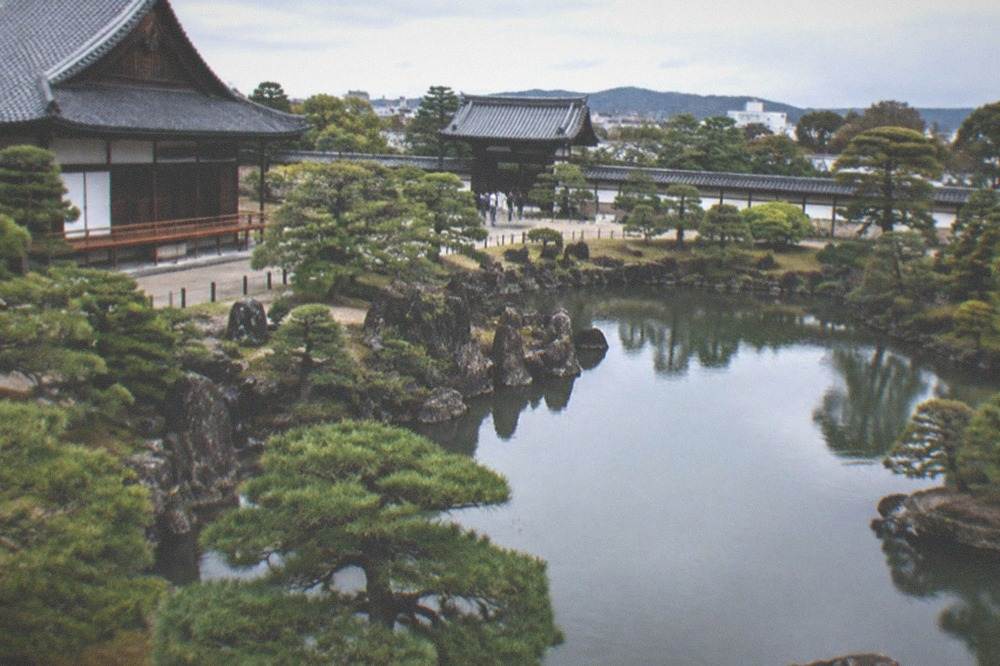
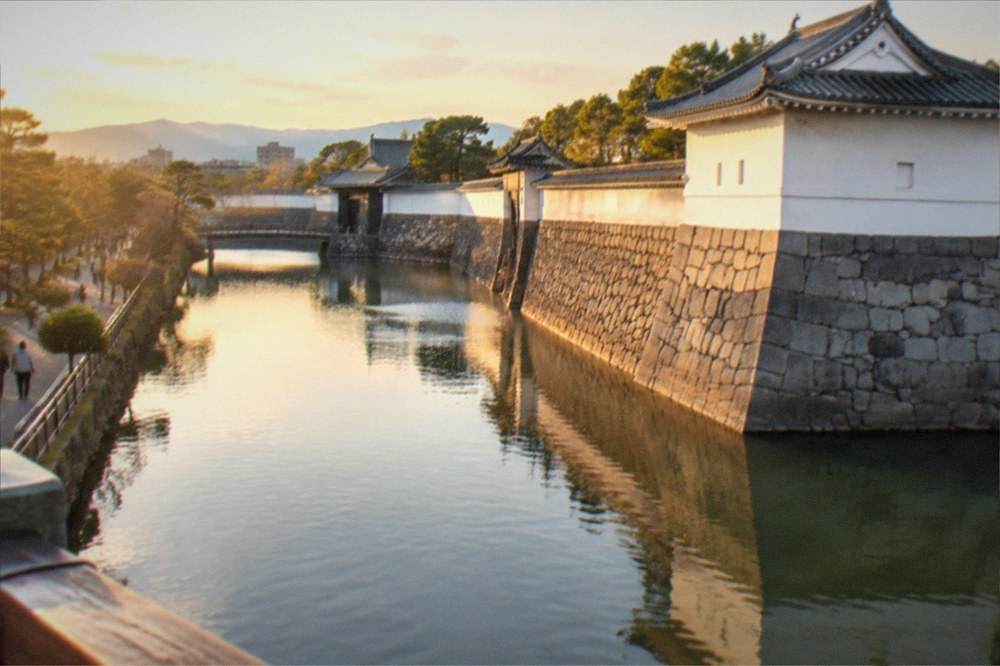
The grounds are larger than the palace concentration suggests, with the inner and outer moats, the Ninomaru garden with its carefully placed stones and pines, and the walks along the walls. The castle sits flat on gravel and paved paths, which makes it one of the more comfortable major sites for slow walkers and wheelchairs, unlike the stepped approaches at Kiyomizu-dera or the slopes of the Higashiyama temple district.
Pairing the castle with nearby sites works well because of where it sits. The Kyoto Imperial Palace is a short subway ride away and, unlike the castle, is free, with the Imperial Household Agency stating it is open to all visitors with no advance application necessary. Nanzen-ji and Eikan-do sit on the eastern side of the city and make a natural afternoon after a morning at the castle.
How Do You Get To Nijo Castle?
Nijo-jo Castle is served by two subway stations on the Karasuma and Tozai lines, Nijo and Nijojo-mae, both within a few minutes' walk of the gates, with subway fares running 220 to 360 yen by zone and the city bus flat fare at 230 yen. The Subway and Bus One-Day Pass at 1,100 yen covers unlimited rides on both networks for a day and pays off after roughly four trips.
The castle is one of the easiest major sites in Kyoto to reach precisely because it does not depend on the buses, which the city has been actively trying to move tourists off. The city's transport bureau publishes the fare tables directly: subway rides cost 220, 260, 290, 330 or 360 yen for adults depending on zone, and the flat city bus fare is 230 yen for adults and 120 yen for children aged 6 to 11. The old bus-only one-day pass no longer exists; sales ended in September 2023 and its last day of use was 31 March 2024, so any guide still recommending it is several years stale.
| Option | Adult fare | Notes |
|---|---|---|
| Subway, by zone | 220-360 yen | Nijo and Nijojo-mae stations serve the castle |
| City bus, flat | 230 yen | child (6-11) 120 yen |
| Subway and Bus One-Day Pass | 1,100 yen | child 550 yen, unlimited both networks |
| Subway One-Day Pass | 800 yen | subway only |
| Tourist express EX100 | 500 yen | Kyoto Station to Gion and Ginkaku-ji corridor |
Cyclists have an easy run too, since the castle sits on flat ground west of the Imperial Palace, and the Kyoto bike rental guide covers the rental shops and the routes that link the castle with the palace and the Kamo River. The Kyoto subway guide maps the two lines if this is a first visit.
Should You Take A Guided Tour Of Nijo Castle?
A guided tour of Nijo-jo Castle with admission included costs from $41 per person and runs about 90 minutes, rated 5 from 481 reviews, which makes it one of the cheapest guided entries among Kyoto's major sites. The case for a guide is strongest at this castle specifically, because the Ninomaru-goten Palace's signage is sparse and the 1867 story is the reason the rooms matter.
The self-guided visit is perfectly workable, and the castle's own materials do cover the basics. But the palace is a sequence of rooms whose meaning is in their hierarchy, and the painted screens reward explanation. A guide who can point at the Ohiroma and describe the 40 domains' vassals assembling there in October 1867 turns a walk into a story.
| Option | From | Duration | Traveller rating |
|---|---|---|---|
| Nijo Castle guided tour, admission included | $41 | 1 hour 30 minutes | 5 from 481 reviews |
| Perfect Kyoto 1-Day Bus Tour | $102 | 8 to 9 hours | 4.9 from 17,054 reviews |
| Sagano Romantic Train ticket | $5.65 | ticket only | 4.5 from 4,737 reviews |
For travellers fitting the castle into a bigger first day, the one-day bus tour bundles it with the golden pavilion and other headline sites, and it carries one of the largest review bases of any Kyoto product. The Sagano Romantic Train ticket, at 880 yen adult one-way on the operator's own fare table, is the standard add-on for anyone heading to Arashiyama afterwards, and the Arashiyama guide covers how the two combine.
What Else Is Near Nijo Castle?
Within a short subway or bus ride of Nijo-jo Castle sit the Kyoto Imperial Palace, which is free to enter, Nidec Kyoto Tower at 900 yen adult, the Kyoto Railway Museum at 1,500 yen for 18 and over, and the Kyoto International Manga Museum, making the castle the anchor of a full west-central Kyoto day that needs no taxi and no tour bus.
The tower, and the sponsor name Nidec is part of its official title, opens its observation deck from 10:00 to 21:00 with last admission at 20:30, so it works as an evening bookend after a morning at the castle. The Railway Museum, closed Wednesdays and from 30 December to 1 January, is the strongest family pairing in the area, and the Kyoto Railway Museum guide covers it in full. The Manga Museum and Kyoto Tower pages fill out the set.
Common Questions About Nijo Castle
What Do Nijo Castle And The Ninomaru Palace Tickets Cost?
General admission to Nijo-jo Castle is 800 yen, junior high and high school 400 yen, elementary 300 yen, free below elementary age. The combined ticket including the Ninomaru-goten Palace is 1,300 yen general, or 1,100 yen for groups of 30 or more.
Is the Honmaru-goten Palace included in the Nijo Castle ticket?
No. The Honmaru-goten Palace costs a further 1,000 yen general, 300 yen junior high and high school, 200 yen elementary, on top of castle admission, and it requires an advance reservation, so it cannot be added spontaneously at the gate.
What days is Nijo Castle closed?
The castle closes on 29 to 31 December. The Ninomaru-goten Palace additionally closes every Tuesday in January, July, August and December unless that Tuesday is a public holiday, plus 26 to 28 December and 1 to 3 January.
Can you take photos inside the Ninomaru-goten Palace?
No, photography inside the palace is not permitted, and shoes are removed at the entrance. The gardens and castle grounds are freely photographable.
How long does a visit to Nijo Castle take?
Plan on 90 minutes to two hours: about 40 minutes for the Ninomaru-goten Palace, 30 to 40 for the gardens and grounds, more if you add the Painting Gallery or have a Honmaru reservation.
Why is Nijo Castle historically important?
It is where the Tokugawa shogunate ended. The 15th shogun, Tokugawa Yoshinobu, summoned senior vassals from 40 domains to the palace's Ohiroma on 13 October 1867, announced on the 14th the return of political authority to the Emperor, and the Emperor accepted on the 15th.
The bottom line is simple: buy the 1,300 yen combined ticket unless you have a specific reason not to, book the Honmaru in advance if you want it, and check the Tuesday closure pattern before you go. Everything on this page comes from the castle's own published fee table and schedule, which the city keeps current, so a quick glance at the castle site before departure is the only check left to make.