Kyoto Hidden Gems: Quiet Temples, Empty Streets and the City Most Visitors Miss
Kyoto drew a record 62.79 million visitors in 2025, yet most of them compressed into a handful of streets. This guide covers the temples that stay quiet, the neighborhoods the crowds skip, and the verified fares and hours you need to reach them.
Short answer
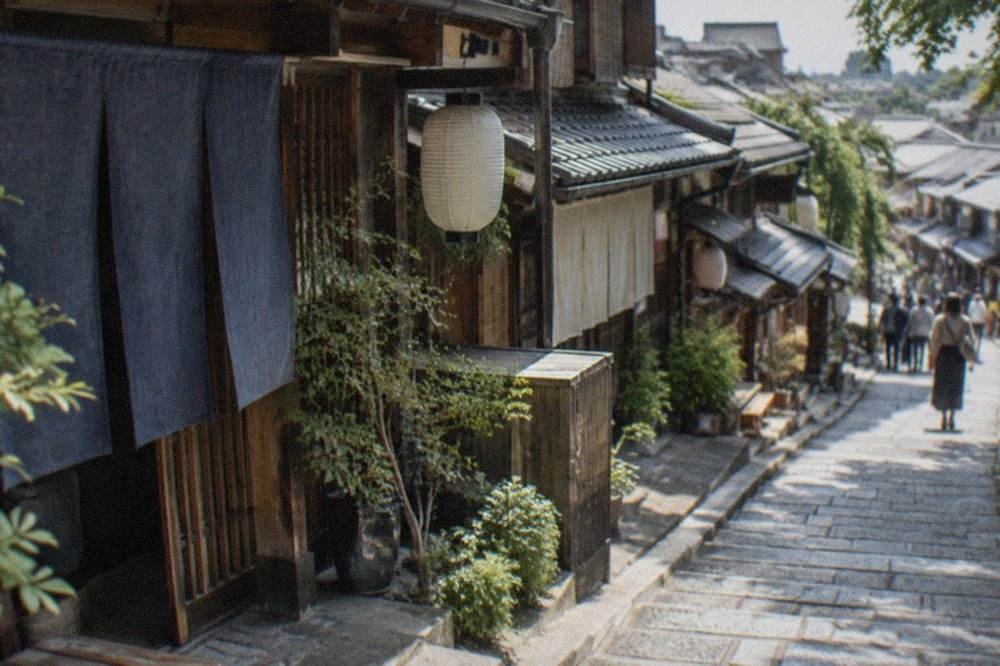
Kyoto's quietest temples include Otagi Nenbutsu-ji in Arashiyama's hills, Honen-in on the Philosopher's Path, Shisen-do in the Higashiyama foothills and Genko-an in northwest Kyoto. All sit within reach of the city's flat 230 yen bus fare or the subway, and each sits minutes from a famous counterpart that absorbs the crowds.
Kyoto recorded 62.79 million visitors in 2025, according to the city's own tourism survey released in June 2026, and 12.68 million of them were foreign guests. The number that matters for your day, though, is where those people stand. The vast majority compress into a corridor running from Kiyomizu-dera through Gion to Kinkaku-ji, and the city's crowd forecast, the Kyoto Tourism Comfort Forecast, exists precisely because the imbalance is that stark. The good news is geographic: Kyoto's famous sights sit on a grid of temples, and for every one holding a queue there is another, often older and nearly always quieter, a short bus or subway ride away. This guide is about that second city, with every fare, fee and date verified against the sources this site records.
Which Kyoto Temples Stay Empty: Otagi Nenbutsu-ji, Honen-in, Shisen-do, Genko-an?
The four temples that stay quiet are Otagi Nenbutsu-ji, deep in Arashiyama's western hills, Honen-in behind the Philosopher's Path, Shisen-do at the foot of Higashiyama's Mount Daimonji, and Genko-an in northwest Kyoto near Takagamine. Each sits within walking distance or one bus ride of a far more famous counterpart that absorbs the crowds, and none appears on the standard first-visit circuit of Kinkaku-ji, Kiyomizu-dera and Gion.
Start with Otagi Nenbutsu-ji, the easiest case to make. It sits at the far end of the Saga-Toriimoto area of Arashiyama, past the bamboo grove and the tourist buses, in a hillside village of thatched roofs and farmhouses that the city preserves as a Traditional Buildings Preservation District. The temple's moss-covered stone figures, each carved with a different expression, line the grounds in ranks. The number of figures is widely quoted, but this site has not verified it against the temple's own materials, so treat any count you read elsewhere with caution. What is verifiable is the silence: the walk from the nearest bus stop passes rice fields and cemetery slopes, and the crowds that fill the bamboo grove an hour's walk east rarely come this far. Our Otagi Nenbutsu-ji attraction guide covers it in depth.
Honen-in is a different kind of quiet. It sits two minutes off the Philosopher's Path, the canal-side walk that connects Ginkaku-ji to Nanzen-ji, yet most walkers pass its entrance without turning in. The approach runs through a small wood to a thatched gate, and the temple sets a small garden of raked sand that is re-patterned through the year. There is no famous building, no gold, no view, which is exactly why the numbers stay thin even in cherry-blossom season, when the canal itself is shoulder to shoulder.
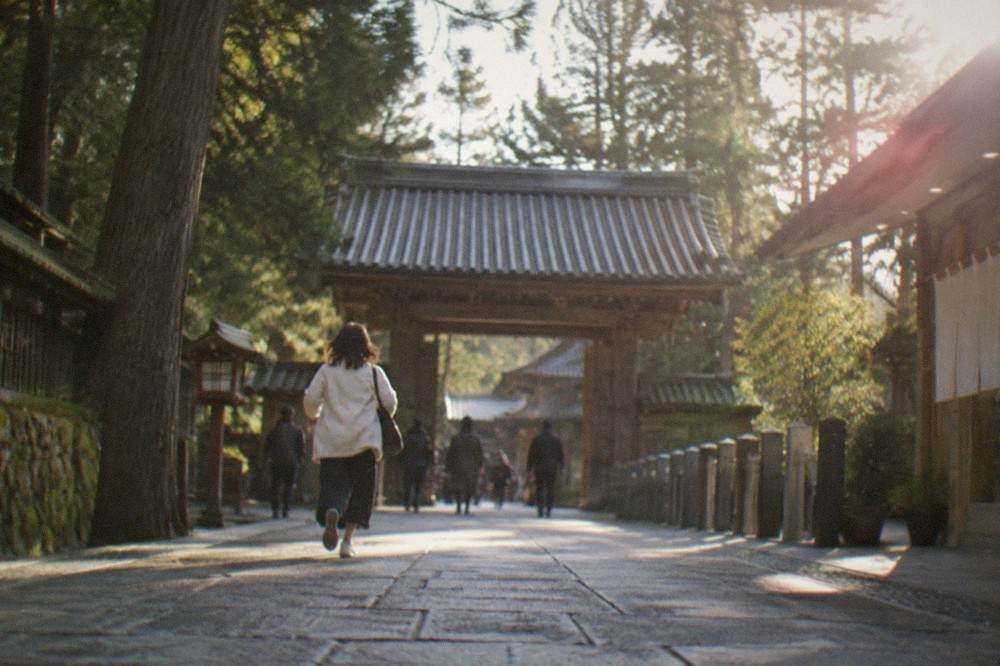
Shisen-do sits in the Higashiyama foothills north of Nanzen-ji, up a residential slope that filters out everyone unwilling to climb it. A retired scholar's retreat from the seventeenth century, it holds one of the small, austere gardens Kyoto does best, with a single azalea-clipped hillside facing a tea pavilion. It charges admission at the gate, and the fee is modest, but this site has not verified the current figure on the temple's own page, so check before you go rather than trusting a number copied from an older guide. The same caution applies to Genko-an, a Zen temple in the Takagamine area of northwest Kyoto known for its two framing windows, one round and one square, which look onto the garden as composed pictures. Takagamine was historically a craftsman's quarter, and it still feels like one, with workshops and narrow lanes where the loudest sound is a plane on wood.
The pattern across all four is the same, and it is the single most useful planning insight on this page: quiet in Kyoto is not a matter of luck, it is a function of distance from the nearest famous anchor. The temples above are all secondary anchors in their own micro-regions, and the crowds follow the primary ones. Choose the secondary, and you get the architecture, the gardens and the history at a fraction of the density.
Why Are Kyoto's Famous Temples So Crowded?
Kyoto drew 62.79 million visitors in 2025, a record, up from 56.06 million in 2024, and 46.20 million of them were day visitors who compress their sightseeing into a few hours and a few famous names. The city's own survey records tourism spending of 2.0474 trillion yen, and the crowds concentrate where that spending is easiest to capture: Kinkaku-ji, Kiyomizu-dera, Gion and the Arashiyama bamboo grove.
The arithmetic of a day trip explains the rest. A visitor with one day in Kyoto will, rationally, pick the sights with the strongest name recognition, and every guide ever written agrees with them. The result is a city that feels full at 11:00 and empty at 08:00, full at Kinkaku-ji and empty at the temple ten minutes' walk further on. The city's response has been dispersal: the Kyoto Tourism Comfort Forecast publishes a five-level crowd comfort rating for spots and time slots, built on smartphone location data, weather and weekday patterns, and the shrine and temple sites increasingly link to it. Fushimi Inari Taisha, for instance, links to the forecast and its own approach cameras directly from its homepage.
| Metric | 2025 | 2024 |
|---|---|---|
| Total visitors | 62.79 million (record) | 56.06 million |
| Foreign visitors | 12.68 million | derived reference value |
| Day visitors | 46.20 million | 39.76 million |
| Overnight guests | 16.59 million (record) | 16.30 million |
| Tourism spending | 2.0474 trillion yen | 1.8839 trillion yen |
The fee structure reinforces the concentration, because the famous temples are cheap enough to collect. Kinkaku-ji charges 500 yen for adults and 300 for primary and middle school children. Ginkaku-ji doubled its admission on 1 April 2026, from 500 to 1,000 yen for adults and from 300 to 500 for children, its first change in 32 years, so any guide still printing 500 is out of date. Even at the new rate, the temple's own hours, 8:30 to 17:00 from March to November, mean the queues form early and stay. The quiet temples cost the same or less to reach and hold a fraction of the people.
A guided early-morning walk is one way to see the famous layer before the crowds build, and the roster carries a strong option.
Where Are Kyoto's Best Hidden Neighborhoods and Streets?
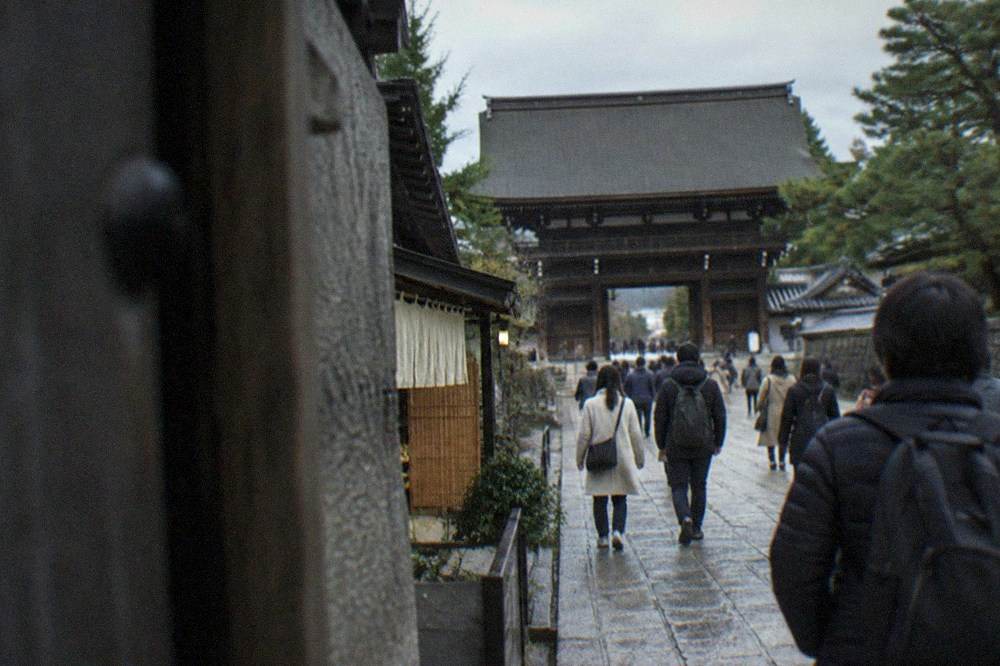
Kyoto's quietest rewarding districts are Takagamine and Nishijin in the northwest, the Saga-Toriimoto village at the edge of Arashiyama, the Ohara valley in the northern hills, and the lanes south of Kitayama along the canal, each holding temples, workshops or shrines that the standard circuit never touches and each reachable on the city's flat 230 yen bus fare.
Nishijin is the old weaving quarter, and its grid of lanes still holds loom workshops behind wooden facades. There is no single sight to photograph, which is the point: the district rewards walking, and the Nishijin area sits within our wider neighborhoods coverage. Takagamine, covered above for Genko-an, is the craftsman cousin, historically settled by artists and metalworkers under temple patronage. Both areas sit well north of the tourist corridor and rarely see a tour group.
Saga-Toriimoto is the village at the end of the Arashiyama line, where Otagi Nenbutsu-ji sits. The thatched gatehouses there are among the few in the city, and the walk between them and Adashino Nenbutsu-ji, a temple of stone figures gathered from old memorial grounds, is one of the best quiet hours in Kyoto. The crowds stop at the bamboo grove two kilometres east, and the road beyond it thins within a few hundred metres.
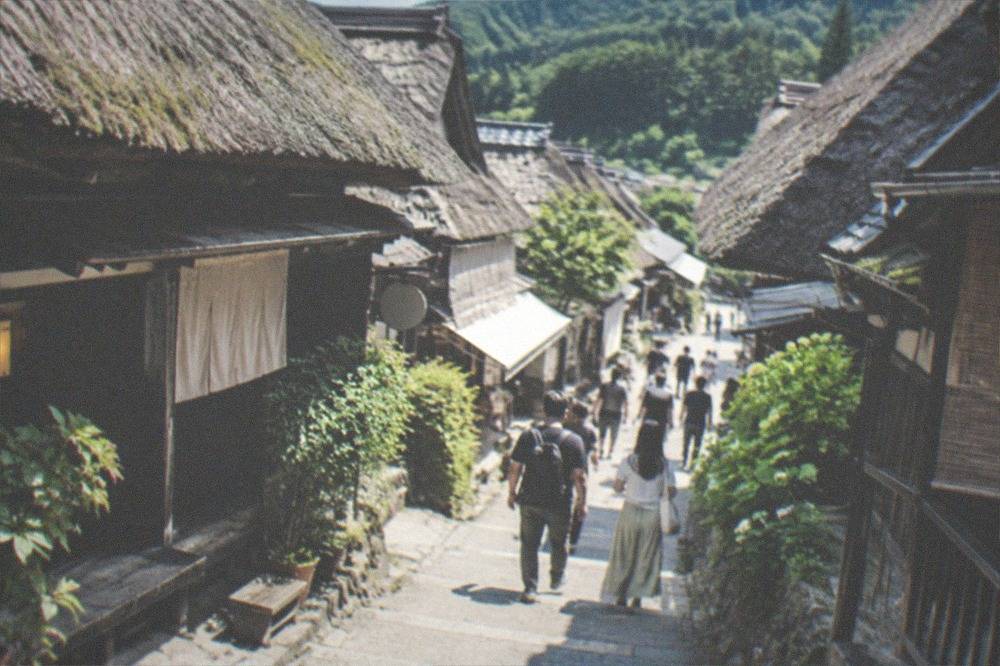
Ohara, in the northern hills, is the deepest cut on this list and the one most worth the travel time. The valley holds Sanzen-in, a large Tendai temple with moss gardens, and Jakko-in, set in cedar forest. The trip takes close to an hour from the centre by bus, which is exactly why it stays quiet even in peak season. Miyama, further still, is a thatched village in the mountains north of the city and a full day in itself.
Closer in, the lanes of Higashiyama south of Kodai-ji thin out within one block of the Ninenzaka and Sannenzaka slopes. Kodai-ji itself, at 800 yen for adults, or 1,200 combined with Entoku-in, is a temple most visitors skip between Kiyomizu-dera and the geisha districts, and its night illuminations run late. For the evening layer of the city, our Kyoto at night itinerary picks up where the daytime circuit ends.
A guided walk is the most efficient way into the hidden layer of Gion in particular, since the district's private alleys carry conduct rules that are easy to breach by accident.
The Gion rules matter enough to state plainly. The city's tourism association publishes four guidelines: do not touch, chase or photograph geiko and maiko without permission, and do not enter or photograph private property where prohibited. On the private alleys off Hanamikoji, signs posted by the local district council threaten a 10,000 yen penalty for unauthorized photography or entry. That is council signage, not a municipal fine, but the effect on your day is the same: walk the main public road, and treat the lanes as residential. A guide who knows which alleys are public and which are not removes the guesswork entirely, and the two-hour format leaves the rest of the evening free for the river corridors.
When Should You Visit Kyoto's Quiet Spots to Avoid Crowds?
The quietest hours in Kyoto are before 08:00 and after 17:00, the quietest months are January, February, June and late November to early December, and the JMA's own phenology records show the maple red-leaf marker falling on 5 December on the 1991 to 2020 normal, far later than the mid-November peak most guides claim. Timing beats location: the famous sights at 07:00 are emptier than the hidden ones at noon.
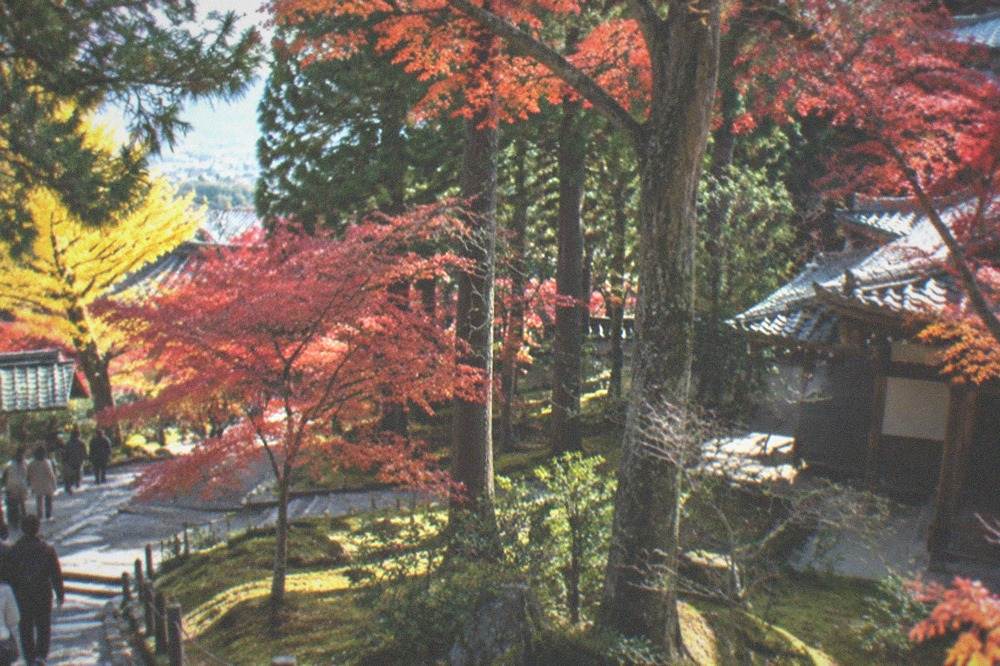
The phenology data is this site's strongest card. The Japan Meteorological Agency's Kyoto observatory records the maple red-leaf date, the official marker for the specimen tree, at 5 December on the 1991 to 2020 normal, with 2025 observed on 10 December. The Arashiyama and Higashiyama foliage peaks run earlier than the observatory's marker, so treat 5 December as the official measure rather than the best week, but the direction is clear: late foliage in Kyoto is real, and the last week of November into the first week of December holds colour that most itineraries have already abandoned. Our autumn leaves itinerary is built around that window.
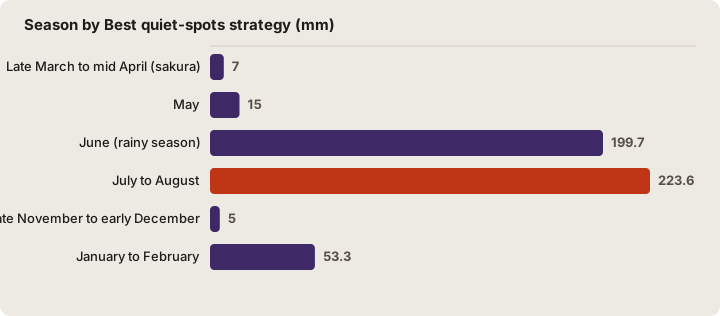
| Season | Crowd level | Best quiet-spots strategy |
|---|---|---|
| Late March to mid April (sakura) | Highest | Arrive at any sight by 07:00; JMA 2026 full bloom was 30 March |
| May | Moderate | Aoi Matsuri on 15 May draws crowds to the Kamo river corridor only |
| June (rainy season) | Low | 199.7 mm of rain, the second-wettest month; temples empty out |
| July to August | High, hot | July is the wettest month at 223.6 mm; Gion Matsuri runs all month |
| Late November to early December | High then falling | Maple marker normal is 5 December; crowds thin after the peak |
| January to February | Lowest | Cold, 53.3 mm and 65.1 mm of rain; the quietest temple days of the year |
The summer figures deserve a note, because they surprise people: July, not June, is Kyoto's wettest month at 223.6 mm against 199.7 mm, per the JMA 1991 to 2020 normals for station 47759. August is hotter, with a mean daily maximum of 33.7 C, and three of Kyoto's six hottest days on record fell in the summers of 2024, 2025 and 2026. A hidden-gems strategy in summer is partly a heat strategy: the forested temples, Honen-in and Jakko-in included, hold shade the stone terraces of Kiyomizu-dera do not. The wider set of guides lives on Kyoto Travel Guide.
For rainy days, which the table above suggests you should plan for in June and July, the quiet indoor layer is covered in our Kyoto rainy day itinerary.
Which Hidden Kyoto Sights Are Free and Which Charge?
Genuinely free, verified on the operators' own pages: Fushimi Inari Taisha, which publishes no fee anywhere on its site, the Kyoto Imperial Palace, open to all with no advance application, the Shugakuin Imperial Villa and Sento Imperial Palace, both free but guided and restricted to visitors 18 and over, the Arashiyama bamboo path, Nishiki Market and the streets of Gion and Pontocho. The quiet temples above charge modest admissions at the gate.
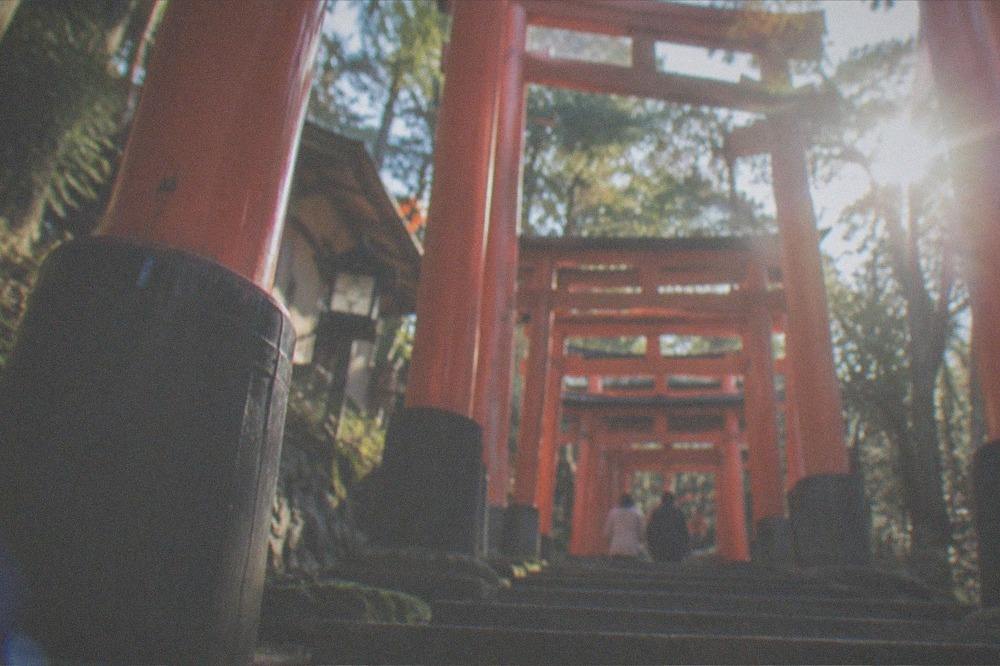
The free list is shorter than people hope but longer than the famous-sights list suggests. Fushimi Inari is the standout: no admission, and the paths have no closing time, though the shrine publishes desk and prayer hours only, so treat any "open 24 hours" claim as a phrase rather than a shrine statement. The shrine dates its founding to 711, when, in its own account, Inari Okami was enshrined on Inariyama by Irogu no Hatanokimi acting on an imperial order from Empress Genmei, and it is the head shrine of a network the shrine itself says numbers about 30,000 Inari shrines nationwide. The lower gates are busy; the upper mountain is not, and the crowd thins within the first thirty minutes of climbing.
| Sight | Admission | Verified |
|---|---|---|
| Fushimi Inari Taisha | Free, paths have no closing time | Shrine's own site |
| Kyoto Imperial Palace | Free, open to all, no application needed | Imperial Household Agency |
| Shugakuin Imperial Villa | Free, guided, 18 and over only | Imperial Household Agency |
| Katsura Imperial Villa | 1,000 yen for 18 and over, free for 12 to 17, guided | Imperial Household Agency |
| Otagi Nenbutsu-ji, Honen-in, Shisen-do, Genko-an | Charged at the gate; current figures not verified on the temples' own pages | Check before visiting |
| Kodai-ji | 800 yen adult, 1,200 combined with Entoku-in | Temple's own site |
| Tofuku-ji (Tsutenkyo bridge) | 600 yen adult, rising to 1,000 in the autumn foliage period from 1 Nov 2026 | Temple's own notice |
The Tofuku-ji row is worth a second look, because it is a hidden-gems story in itself. The temple's own notice revises its fees on 1 November 2026: the Hojo garden rises from 500 to 600 yen, a new 1,000 yen combined ticket appears, and the Tsutenkyo bridge crossing rises from 600 to 1,000 yen during the autumn foliage period. Tofuku-ji is famous for its autumn crowds, but the temple's quieter gates and sub-temples, and its giant Sanmon gate, sit a few minutes from the bridge queue. Our wider Kyoto temples guide and the zen gardens guide cover the full fee structure, including the 2026 Ginkaku-ji doubling.
One hidden-gems hike deserves its own mention: the Fushimi Inari hidden hiking tour on this site's roster, a three-hour guided walk at 5.0 from 1,931 reviews, which takes the mountain's back trails rather than the main senbon torii approach.
How Do You Get to Kyoto's Hidden Gems Without a Car?
You do not need a car. Kyoto's city bus charges a flat 230 yen per adult ride, the subway runs 220 to 360 yen by zone, the Subway and Bus One-Day Pass costs 1,100 yen and the tourist express buses EX100 and EX101 charge 500 yen a ride between Kyoto Station and the eastern temple corridor. Every hidden gem on this page sits on one of those networks, and the old bus-only one-day pass no longer exists.
The pass point matters, because outdated guides still sell it. The bus-only one-day pass ended sales in September 2023 and stopped being usable on 31 March 2024; the city's transport bureau noted that 90 per cent of its buyers were non-residents and that the pass concentrated tourists on the buses. The replacement is the Subway and Bus One-Day Pass at 1,100 yen for adults and 550 for children, which spreads riders across both networks and pays off from roughly four combined rides.
| Transport | Fare | Note |
|---|---|---|
| City bus, flat fare | 230 yen adult, 120 yen child 6 to 11 | Any distance in the city |
| Subway, zones 1 to 5 | 220 / 260 / 290 / 330 / 360 yen adult | Child fares half |
| Subway and Bus One-Day Pass | 1,100 yen adult, 550 yen child | Bus-only pass abolished March 2024 |
| Tourist express EX100 / EX101 | 500 yen adult, 250 yen child | Kyoto Station to Kiyomizu, Gion, Ginkaku-ji corridor |
| ICOCA card | 2,000 yen including 500 yen deposit | Rechargeable, works on bus and subway |
For the specific hidden gems: Otagi Nenbutsu-ji and Saga-Toriimoto sit at the end of the Arashiyama bus corridor, reachable on the flat fare. Takagamine and Genko-an are a northern bus ride. Ohara requires the rural line and a separate fare. Honen-in and Shisen-do are walkable from the Philosopher's Path corridor, where the Philosopher's Path and Nanzen-ji pages cover the anchors. Nanzen-ji's Hojo garden charges 600 yen and its Sanmon gate 600 yen separately, which surprises visitors expecting one ticket.
Cycling covers the flat north of the city well, and the e-bike layer is the strongest hidden-gems format on the roster, since the distances between quiet temples defeat walking but suit pedal assist.
For travellers weighing a base, the quiet districts are also the affordable ones: our where to stay in Kyoto guide maps the trade-offs, and the budget guide covers the rest. One cost that catches every visitor now is the accommodation tax, which changed on 1 March 2026: a room rate of 20,000 to under 50,000 yen per night now carries 1,000 yen per person, up from 500, and the top tier, 100,000 yen and above, carries 10,000, up from 1,000. Print the tier that applies to your room, never a flat figure.
What Hidden Kyoto Experiences Are Worth Booking?
The hidden-gems layer that benefits most from a guide is Gion's private alleys, where conduct rules apply; the early morning, when a guide gets you through the famous sights before the crowds; and the Arashiyama back country, where the Sagano Romantic Train at 880 yen one way connects to temples most visitors never reach. Guided walks cost from about 20 to 40 dollars per person on this site's roster and consistently rate above 4.8.
The reasoning is simple. A hidden gem you cannot interpret is just an empty street, and a guide turns the empty street into the story. The Gion hidden-gems walk on this roster, at 4.8 from 4,599 reviews, covers the geisha district's lanes and histories in two hours. The early-morning tour with an English-speaking guide, at 4.9 from 1,998 reviews, front-loads the famous layer before the crowds build. The Arashiyama bamboo, Sagano train, matcha and temple tour, at 4.6 from 31 reviews, is the newer listing of the three and combines the grove with the railway into the hills.
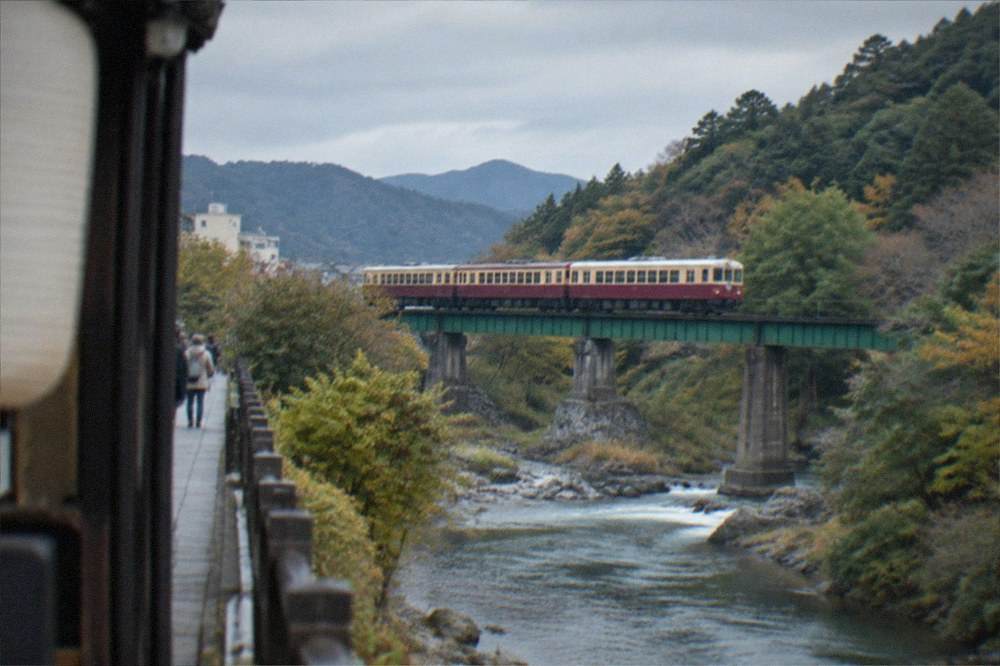
The Sagano Romantic Train is the Arashiyama back door. The operator's own ticket page prices the standard one-way fare at 880 yen for adults and 440 for children, and the line runs roughly hourly through the Hozugawa valley toward Kameoka. Pair it with the Hozugawa Kudari river boat back down, at 6,000 yen for adults and 4,500 for children on the operator's verified fare table, for the full valley loop. The monkeys at Iwatayama, above the bamboo grove at 800 yen for those 16 and over and cash only, are a quieter counterpart to the grove itself.
For food, the hidden layer runs through the izakaya lanes off Kawaramachi and the shojin-ryori temple kitchens; our tofu and shojin-ryori guide covers the latter, and the Kyoto street food guide the rest. Nishiki Market's rule is worth knowing before you go: eating while walking is discouraged, and the market's own guidance asks visitors to eat at the stall or a designated area. There are no unified market hours; each shop keeps its own, roughly 9 or 10:00 to 17 or 18:00.
Accessibility across the quiet layer varies more than the famous sights, since the hillside temples involve slopes and steps; the Kyoto accessibility guide covers what to expect, including which areas work best for slower or wheelchair itineraries.
Common Questions About Kyoto Hidden Gems
Which Kyoto Temples Stay Empty: Otagi Nenbutsu-ji, Honen-in, Shisen-do, Genko-an?
Otagi Nenbutsu-ji in Arashiyama's Saga-Toriimoto village, Honen-in just off the Philosopher's Path, Shisen-do in the Higashiyama foothills and Genko-an in the Takagamine district of northwest Kyoto are the four that most reliably stay quiet. Each sits near a far more famous counterpart that absorbs the crowds, and none is on the standard first-visit circuit.
What is the quietest time of year to visit Kyoto?
January and February are the quietest months, with 53.3 mm and 65.1 mm of rain respectively on the JMA 1991 to 2020 normals and the lowest visitor pressure of the year. Late November into early December is quieter than the foliage peak and still holds colour, since the JMA maple red-leaf marker falls on 5 December on the normal.
Are Kyoto's hidden gems free to visit?
Some are. Fushimi Inari Taisha, the Kyoto Imperial Palace, the Arashiyama bamboo path, Nishiki Market and the streets of Gion and Pontocho are all free, verified on the operators' own pages. The quiet temples such as Otagi Nenbutsu-ji, Honen-in, Shisen-do and Genko-an charge modest admissions at the gate; check current figures before visiting rather than trusting older guides.
Can you reach Kyoto's hidden gems by public transport?
Yes. Kyoto's city bus charges a flat 230 yen per adult ride, the subway runs 220 to 360 yen by zone, and the Subway and Bus One-Day Pass costs 1,100 yen. Every hidden gem on this page is reachable on those networks, though Ohara and Miyama in the northern hills require longer rural rides.
Is Gion a hidden gem?
The main streets of Gion are not, but its private alleys are effectively closed to casual exploration: signs posted by the local district council threaten a 10,000 yen penalty for unauthorized photography or entry on the private roads off Hanamikoji, and the city's tourism association asks visitors not to touch, chase or photograph geiko and maiko without permission. A guided walk is the practical way to see the district's hidden layer responsibly.
How do you avoid crowds in Kyoto in cherry blossom season?
Arrive before 08:00. The JMA recorded 2026 full bloom in Kyoto on 30 March, three days ahead of the 4 April normal, and the famous spots fill by mid-morning. The hidden temples, the upper mountain at Fushimi Inari and the northern districts like Takagamine hold a fraction of the density even at peak.
The quiet layer of Kyoto is not a secret so much as a decision: the same 62.79 million visitors who filled the bamboo grove in 2025 walked past Honen-in's gate, Saga-Toriimoto's thatched houses and Genko-an's windows, because nothing directed them to turn. A one-day pass, an early alarm and a willingness to walk ten minutes past the famous anchor will put you in a version of the city that most of those visitors never saw, and it costs the same 230 yen bus fare to get there.