Is The Kyoto Imperial Palace Free, And Do You Still Need A Reservation?
The Kyoto Imperial Palace, the Kyoto Gosho, sits inside the Kyoto Gyoen National Garden and is one of the few former imperial residences in the world that charges nothing and requires no booking. The Imperial Household Agency's own page states it plainly: open to all visitors, no advance application necessary.
Short answer
Yes. The Kyoto Imperial Palace is free to enter and the Imperial Household Agency states that no advance application is necessary. The surrounding Kyoto Gyoen National Garden is also free and always open to walk through.
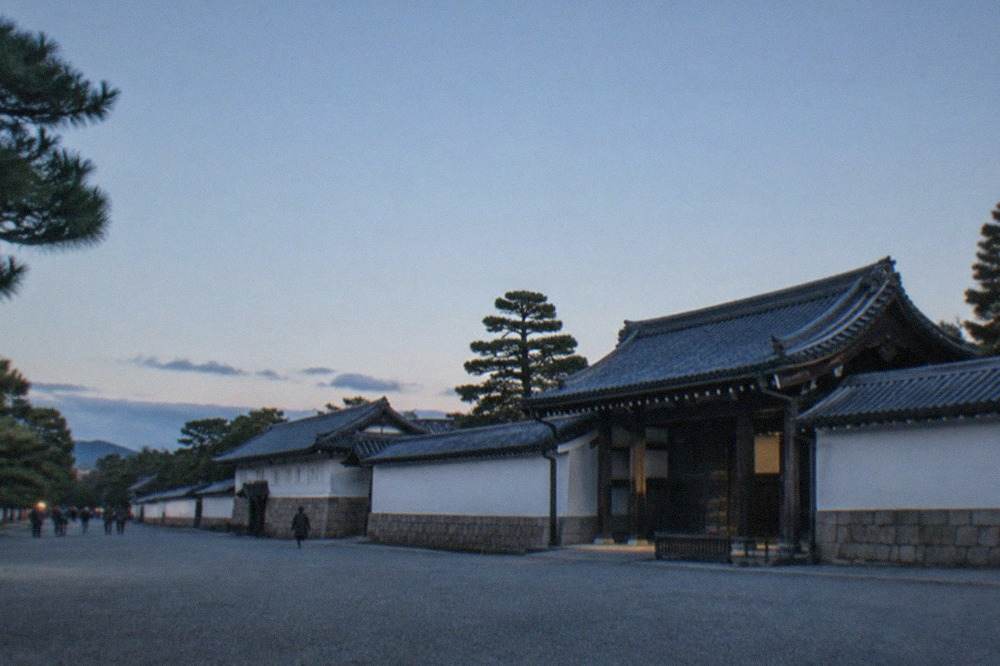
The Kyoto Imperial Palace, known in Japanese as the Kyoto Gosho, was the residence of Japan's imperial family for most of the thousand years the court sat in Kyoto, and today it is one of the most accessible historic sites in the city. The Imperial Household Agency's English page for the palace states its access policy in a single sentence: "open to all visitors. No advance application is necessary." That sentence, and the absence of any fee anywhere on the agency's site, is the answer to the question most visitors ask first, and it makes the palace one of the few headline attractions in Kyoto that costs nothing at all.
The palace sits inside the Kyoto Gyoen National Garden, a broad rectangular park that spreads between Imadegawa-dori and Marutamachi-dori just north of the city centre. For context on how unusual the free access is: Kyoto drew a record 62.79 million visitors in 2025 according to the city's own tourism survey, released in June 2026, and the pressure of those numbers shows up almost everywhere else in the city, from timed ticketing at villas to crowd-forecast tools. The palace remains the calm exception, and this guide from Kyoto Travel Guide covers what you can actually see there, how to reach it, how it compares with the other imperial properties, and what the surrounding neighbourhood holds.
Is The Kyoto Imperial Palace Free, And Do You Still Need A Reservation?
Yes, the Kyoto Imperial Palace is completely free to enter, and no reservation is required. The Imperial Household Agency, which manages the palace, states that it is open to all visitors with no advance application necessary. The surrounding Kyoto Gyoen National Garden is also free, open to walk through at any time, and the palace grounds inside it carry no admission fee, no timed entry and no ticket of any kind.
That was not always the case. For years the palace interior was visitable only on a guided tour run by the agency, with advance booking through its website or a same-day application at its office. The agency has since opened the palace to all comers, which is why older guidebooks and plenty of online answers still tell you to book ahead. They are describing a policy that no longer applies.
Two practical caveats belong here, and both come from the agency's own material rather than from second-hand guides. First, the agency publishes the palace's opening days and hours on its site, and those are the only hours worth trusting, because the palace does close for imperial events, New Year periods and maintenance in ways that change from year to year. Second, this page's fact base could not verify a stable, currently published hours table for the palace, so treat any specific times you read elsewhere, including in printed guides, as unconfirmed until you check the agency's own page at sankan.kunaicho.go.jp.
The comparison with the other imperial properties in Kyoto is where the reservation question really matters, because the free palace is the exception and not the rule. Katsura Imperial Villa, across the river to the west, charges 1,000 yen for visitors 18 and over, is free for ages 12 to 17, and can be visited only on a guided tour of about 60 minutes, by advance online application or same-day numbered ticket with ID, and it closes Mondays. Shugakuin Imperial Villa in the north-east hills is free but also guided only, and admits visitors 18 and over only, with under-18s, infants included, not admitted. The Sento Imperial Palace, next to the Gosho itself, shares the same free, guided, adults-only arrangement. Families with children should note that plainly: the palace is the one imperial property in Kyoto with no age restriction and no booking.
If your interest in imperial and sacred Kyoto runs deeper than a walk through the grounds, the guided options nearby are worth weighing. The Kurama and Kibune hiking tour, an eight-hour guided walk through the mountains north of the city, is rated 5.0 from 82 reviews and runs from $210 per person, covering the temples, shrines and legends of the Kurama area with a guide who can explain the religious history that a palace placard will not.
Where Is The Kyoto Imperial Palace And How Do You Get There?
The palace sits inside the Kyoto Gyoen National Garden, north of the downtown grid and about 10 minutes from Kyoto Station by subway. The closest subway stations are Imadegawa and Marutamachi on the Karasuma Line, both on the garden's edge, and the flat, gravelled park is walkable from downtown Kawaramachi in about 20 minutes. A single subway ride costs between 220 and 360 yen depending on zone.
The subway is the sensible route from most of the city. The Karasuma Line runs directly beneath Karasuma-dori, and Imadegawa Station exits almost into the garden's western side, while Marutamachi Station serves the southern edge. The city's published subway fares run 220 to 360 yen for adults by zone, with children at 110 to 180 yen, and a day of sightseeing that pairs the palace with subway-friendly stops is exactly what the Subway and Bus One-Day Pass at 1,100 yen was designed for. Note that the old bus-only one-day pass no longer exists; it left the market at the end of March 2024, and any guide still recommending it is out of date.
From Kyoto Station itself, the Karasuma Line reaches Imadegawa in about 10 minutes. If you are coming from the Kiyomizu-dera or Gion side, the Tozai Line to Karasuma Oike and a transfer, or a city bus north along Karasuma-dori, will do it, though the buses in central Kyoto carry the crowding the city has been actively managing with express routes and luggage rules. Cyclists will find the garden an easy stop on a north-south ride, and the flat terrain makes it one of the more accessible historic sites in the city.
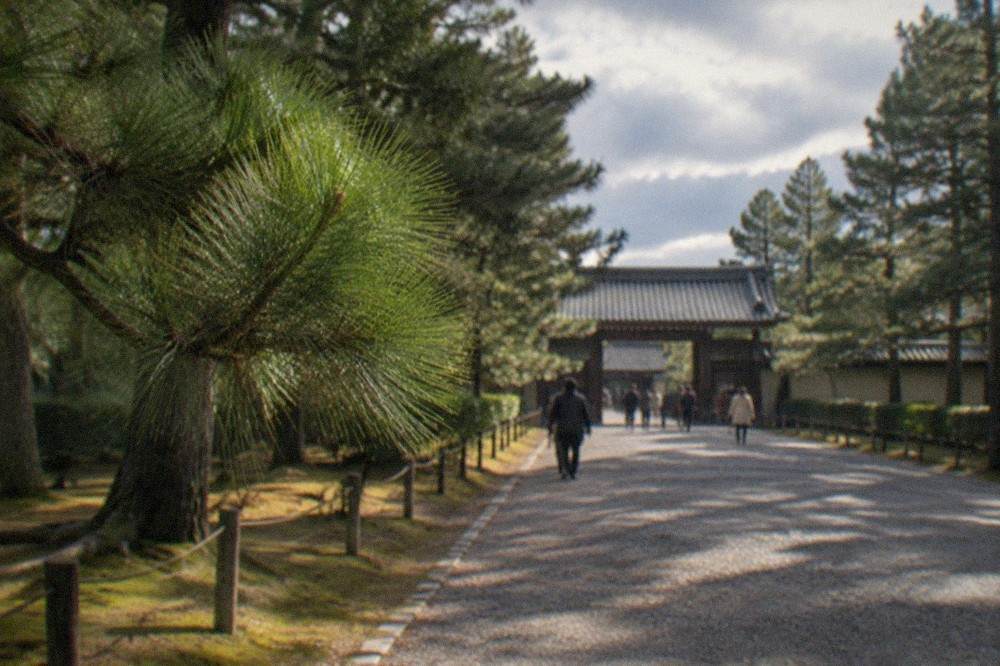
The garden itself deserves the walk, not just the palace. The Kyoto Gyoen was created as a firebreak zone around the court residences after the capital moved to Tokyo, and the noble families' plots were cleared into the open park you see now, leaving long gravel avenues lined with pines and some enormous camphor trees. It functions as the locals' park: joggers on the north-south avenues, baseball games on the lawns, herons around the pond corners. On a trip built around ticketed temples, the free, uncrowded scale of it is a genuine change of pace, and it pairs naturally with the free things to do in Kyoto beyond it.
Three contrasting ways to spend a guided day in Kyoto: the full-day Kurama and Kibune mountain hike for sacred sites and legends, the Toei Kyoto Studio Park entry ticket for a film-set theme park day, and the free, tip-based walking tour of Kyoto, a three-hour GuruWalk tour led by a local guru who works for tips rather than a fixed price, rated 4.93 from 1,128 reviews.
What Can You Actually See Inside The Kyoto Imperial Palace Grounds?
The palace grounds hold the reconstructed ceremonial halls of the former court, including the Shishinden, the Seiryoden and the smaller palace buildings arranged around gravel courtyards, together with the historic gates and garden areas. Entry is on foot through the visitor gates, the interior buildings are viewed from designated routes, and the Imperial Household Agency manages the grounds without charging admission or requiring a booking.
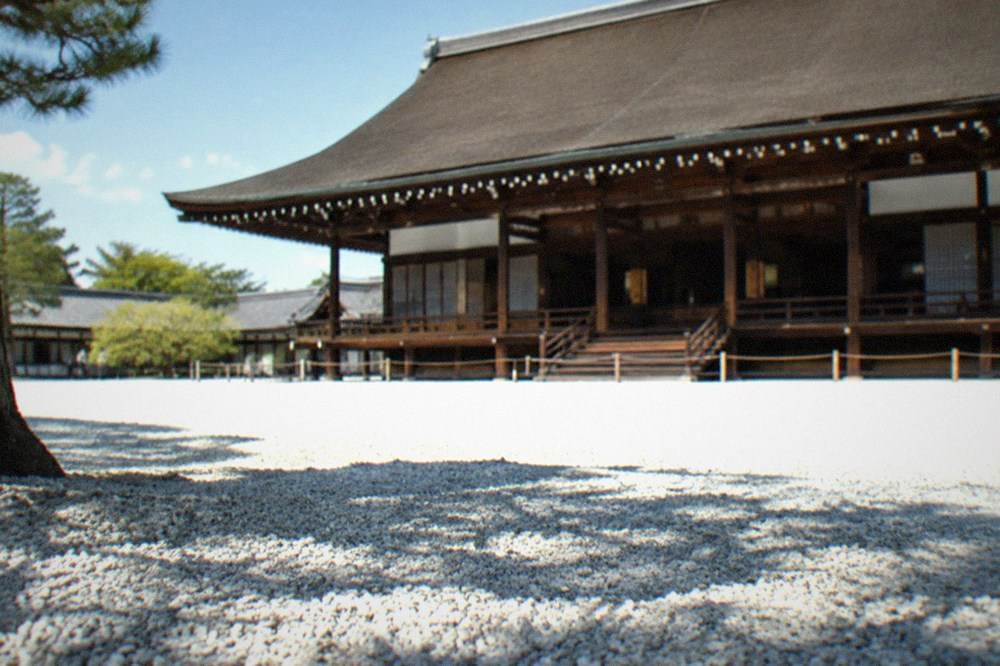
The Shishinden is the centrepiece. It is the main ceremonial hall, the setting for enthronements, and the building whose broad cypress-bark roof and white gravel forecourt define the standard image of the Kyoto Gosho. The current structure is a faithful reconstruction of the mid-19th-century palace, built when the site was rebuilt for a planned imperial visit, and it preserves the Heian-period ceremonial layout rather than any medieval fabric. The point is worth understanding before you go: almost nothing at the palace is original in the centuries-old sense, because the site burned and was rebuilt repeatedly across its history, and what stands now represents the palace as it was configured in the 19th century.
The Seiryoden, the former imperial residence hall, and the smaller study and living quarters stretch north of the main courtyard, each with its own enclosed garden. The Otsunegoten, the everyday palace building, is the largest surviving structure on the site. Around and between them sit gates, walls and pine-shaded corners that read less like a tourist attraction and more like a working ceremonial precinct, which is effectively what the site remains: it is still maintained as a place where imperial ceremonies could be held, and the modern palace buildings of the current era stand in a separate, closed compound to the east.
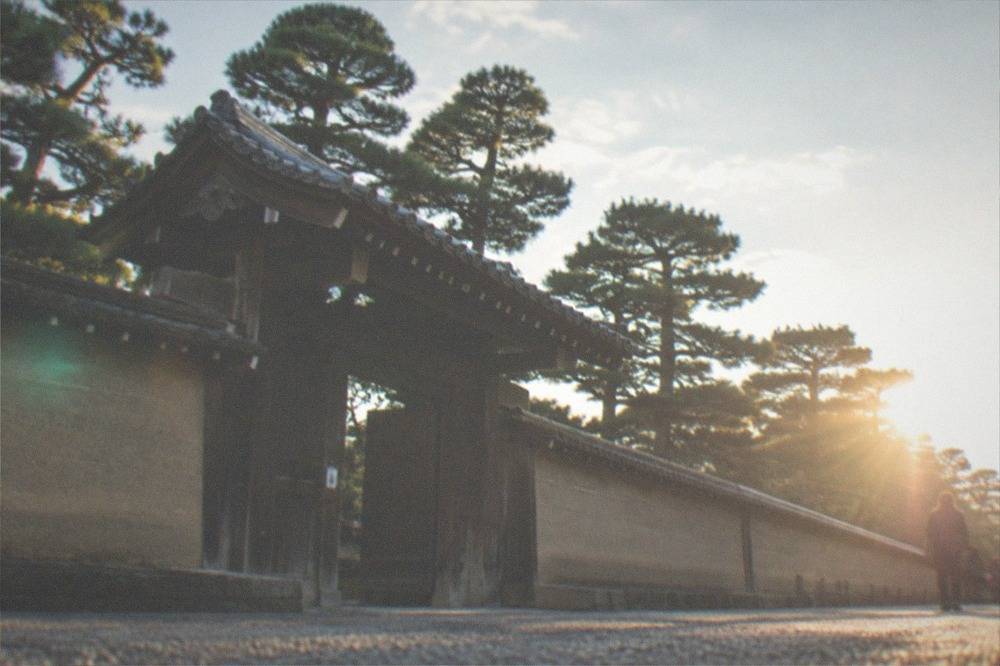
What you will not get, without effort, is interpretation. The agency's signage is modest, and the buildings are viewed from outside or from verandas rather than entered in most cases. A visitor who arrives knowing nothing of the Meiji Restoration will see handsome halls and little more. The historical hinge is worth learning in advance: this was the seat of a court that held ceremonial authority while shoguns governed from elsewhere, and the transfer of that authority back to the throne was proclaimed at Nijo-jo Castle in 1867. The city's own castle site records that the 15th shogun, Tokugawa Yoshinobu, summoned senior vassals from 40 domains on 13 October 1867, announced the return of political authority on the 14th, and the Emperor accepted it on the 15th. The Kyoto Gosho is the other end of that story: the court that received the authority back.
If self-guided grounds leave you wanting a guide's context, the Kurama and Kibune hiking tour pairs sacred-site storytelling with a real day in the mountains north of the city.
How Does The Palace Compare With Kyoto's Other Imperial Properties?
The Kyoto Imperial Palace is the only one of the four imperial properties that is free, unguided and open to all ages. Katsura Imperial Villa charges 1,000 yen for visitors 18 and over, is free for ages 12 to 17, and requires a guided tour of about 60 minutes booked in advance or by same-day numbered ticket. Shugakuin Imperial Villa and the Sento Imperial Palace are free but guided, and both admit visitors 18 and over only, with under-18s not admitted.
That table is the planning tool. Four properties, three different access regimes, and the differences matter more than the distances between them.
| Property | Entry fee | Guided tour | Age limits | Booking |
|---|---|---|---|---|
| Kyoto Imperial Palace (Kyoto Gosho) | Free | No | None | None required |
| Katsura Imperial Villa | 1,000 yen (18+), free 12-17 | Yes, about 60 min | 12 and over | Advance application or same-day numbered ticket with ID |
| Shugakuin Imperial Villa | Free | Yes | 18 and over only | Advance application or same-day ticket |
| Sento Imperial Palace | Free | Yes | 18 and over only | Advance application or same-day ticket |
Katsura, with its celebrated stroll garden, is the one serious garden-lovers plan around, and the 1,000 yen fee for adults is modest against what it buys. The villa closes Mondays, with the closure moving to Tuesday when Monday is a holiday, and the same-day tickets are issued first come first served at the villa entrance with ID. Shugakuin, with its sweeping upper garden terrace built around borrowed scenery from the surrounding mountains, is free but strictly for adults. The Sento Palace, a short walk from the Gosho inside the same garden area, is the quietest of the four and also adults-only. Our dedicated pages on the Katsura Imperial Villa and Shugakuin Imperial Villa cover each in detail.
The practical reading is this: if you are travelling with children, or you want to keep a day flexible, the Kyoto Gosho is your palace. If you are an adult travelling without kids and you can commit to a booking window, Katsura and Shugakuin are arguably the more remarkable visits, and both reward planning weeks ahead through the agency's online application. Nothing stops a thorough trip from doing all four.
What Do Kyoto's Temples And Attractions Charge Around The Palace?
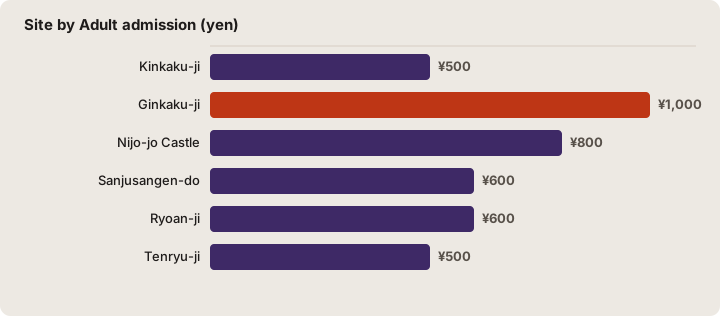
Most of Kyoto's headline temples charge admission, and two of them changed their fees in 2026. Kinkaku-ji charges 500 yen, Ginkaku-ji doubled to 1,000 yen from 1 April 2026, and Nijo-jo Castle charges 800 yen or 1,300 with the Ninomaru-goten Palace. Against that landscape, the free Kyoto Imperial Palace and the free Fushimi Inari Taisha are the two major exceptions, alongside the free Shugakuin and Sento properties.
The fee landscape shifts more than most guides admit, which is why a printed price from a 2024 guide is already wrong in at least two places. Ginkaku-ji doubled its admission from 500 to 1,000 yen for adults effective 1 April 2026, its first change in 32 years, with children rising from 300 to 500 yen. Tofuku-ji revises its fees on 1 November 2026, with the Hojo garden rising from 500 to 600 yen, a new 1,000 yen combined ticket, and the Tsutenkyo bridge route rising to 1,000 yen for adults during the autumn foliage period. These are verified from the temples' own notices.
| Site | Adult admission | Notes |
|---|---|---|
| Kyoto Imperial Palace | Free | No booking, no age limit |
| Fushimi Inari Taisha | Free | Shrine publishes no fee anywhere on its site |
| Kinkaku-ji | 500 yen | School ages 300 yen |
| Ginkaku-ji | 1,000 yen | Doubled from 500 on 1 April 2026 |
| Nijo-jo Castle | 800 yen | 1,300 yen with Ninomaru-goten Palace |
| Sanjusangen-do | 600 yen | 1,001 Kannon statues, stated by the temple |
| Ryoan-ji | 600 yen | High school 500, elementary and junior high 300 |
| Tenryu-ji | 500 yen garden | Buildings plus 300 yen, Hatto ceiling 500 yen separately |
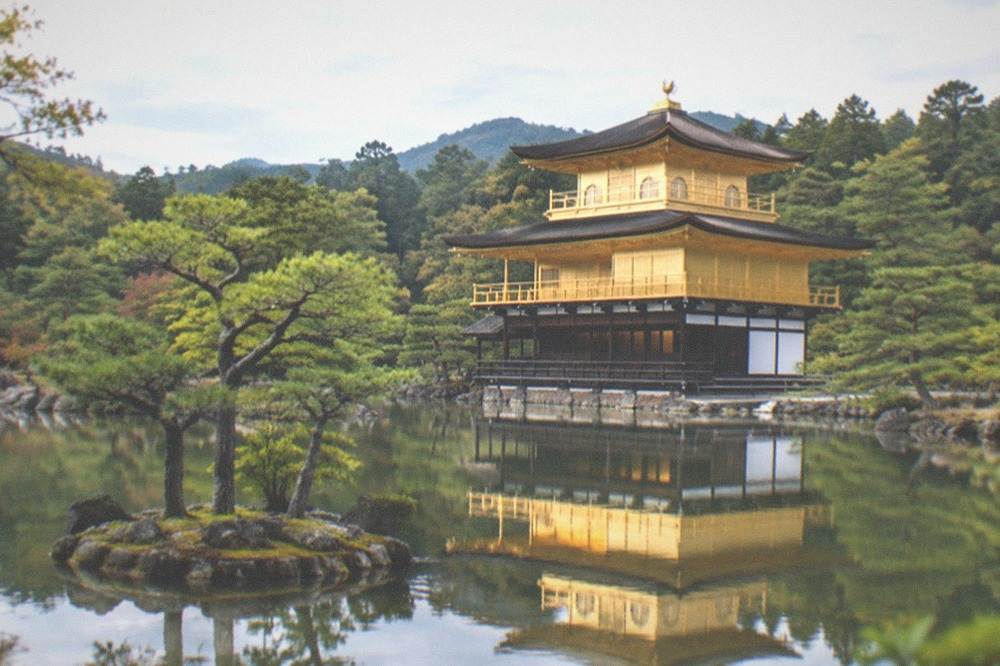
The budget framing is straightforward. A day built around the free palace, the free garden, the free Fushimi Inari shrine and free walking districts like Gion and Pontocho Alley can genuinely cost nothing in admission, while a day of the great temples runs a few thousand yen per person before lunch. Our Kyoto on a budget guide builds the full free-and-cheap itinerary, and the wider list sits in things to do in Kyoto.
One caution on fees copied from elsewhere: Kiyomizu-dera's widely quoted 500 yen admission is single-source, the temple does not print it on its own site, so treat it as reported rather than official. And Toei Kyoto Studio Park publishes no readable price on its official ticket page, so no fee figure for it should be trusted from any guide, including this one.
When Is The Best Time To Visit The Kyoto Imperial Palace?
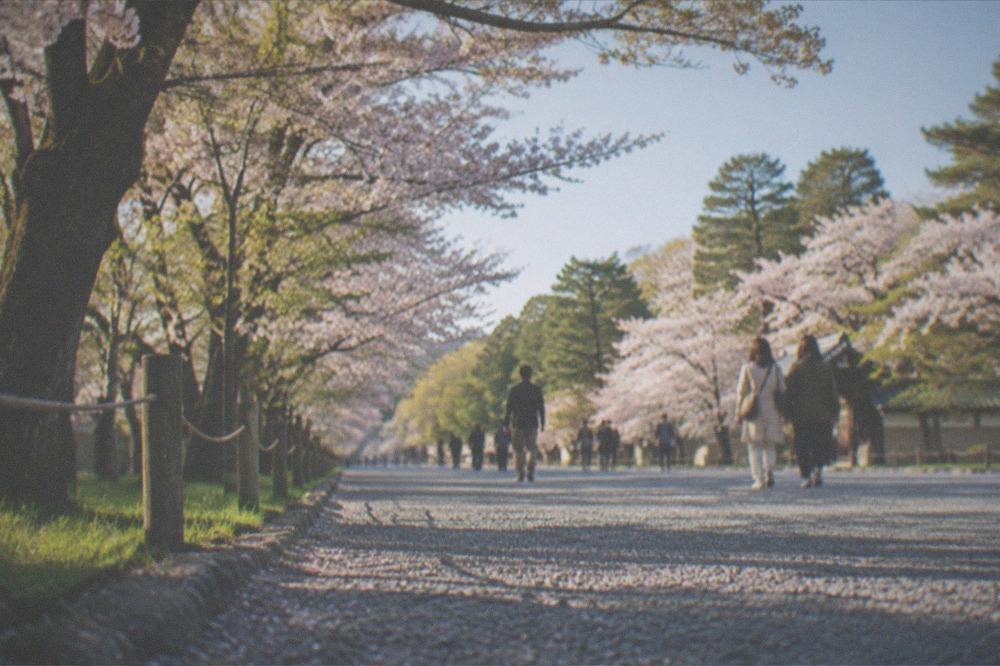
The palace grounds are at their best in late March and early April for cherry blossom, and in late November to early December for autumn colour, with the JMA normals putting full bloom at 4 April and the maple red-leaf marker at 5 December. Mornings are quieter than afternoons, weekdays quieter than weekends, and the open garden means the site never feels closed in even at busy times.
The Kyoto Gyoen holds some of the city's most reliable cherry trees, including early-blooming varieties planted so that blossom stretches across several weeks rather than one crowded weekend. The Japan Meteorological Agency's Kyoto observatory records the 1991 to 2020 normal for full bloom at 4 April, and in 2026 the city reached full bloom on 30 March, a few days ahead of the normal. Flowering in 2026 was recorded on 23 March against a normal of 26 March. The JMA's own tables are the reference here, not the crowd-forecast apps.
Autumn runs later than most visitors expect. The JMA normal for the maple red-leaf marker at its Kyoto specimen is 5 December, and in 2025 the marker fell on 10 December, while private forecasts put the Arashiyama-area peak around late November. The palace garden's ginkgo avenues turn a strong yellow in the last week of November, and the JMA normal for ginkgo yellow leaves is 24 November. Anyone planning a "peak foliage" week in mid-November is usually a little early for the official markers, though the city's illuminated temple gardens extend the season well past the leaf drop.
| Season | JMA normal (1991-2020) | 2026 / 2025 actual | What it means for the palace |
|---|---|---|---|
| Cherry flowering | 26 March | 23 March 2026 | Early blossom in the Gyoen |
| Cherry full bloom | 4 April | 30 March 2026 | Peak week for the garden's cherries |
| Ginkgo yellow | 24 November | 25 November 2025 | Golden avenues in the park |
| Maple red leaves | 5 December | 10 December 2025 | Late colour in the garden's maples |
Weather is the other seasonal variable. The JMA 1991 to 2020 normals for Kyoto put July as the wettest month at 223.6 mm, ahead of June at 199.7 mm, a fact that surprises visitors who assume the rainy season ends when June does. August is the hottest month, with a mean daily maximum of 33.7 C, and three of Kyoto's six hottest days on record fell in the summers of 2024, 2025 and 2026. The wide, shaded avenues of the Gyoen make the palace one of the more forgiving hot-day visits in the city, but the smart summer pattern is an early morning, and the city's own crowd-dispersal campaigns promote exactly that.
What Else Is Near The Kyoto Imperial Palace?
The palace sits within easy walking distance of Nijo-jo Castle to the west, the downtown shopping streets to the south, and the museum and temple district to the east, with the Kamo River a short walk away. The surrounding neighbourhood mixes university city, government buildings and quiet machiya lanes, and it holds some of the city's better value eating and drinking.
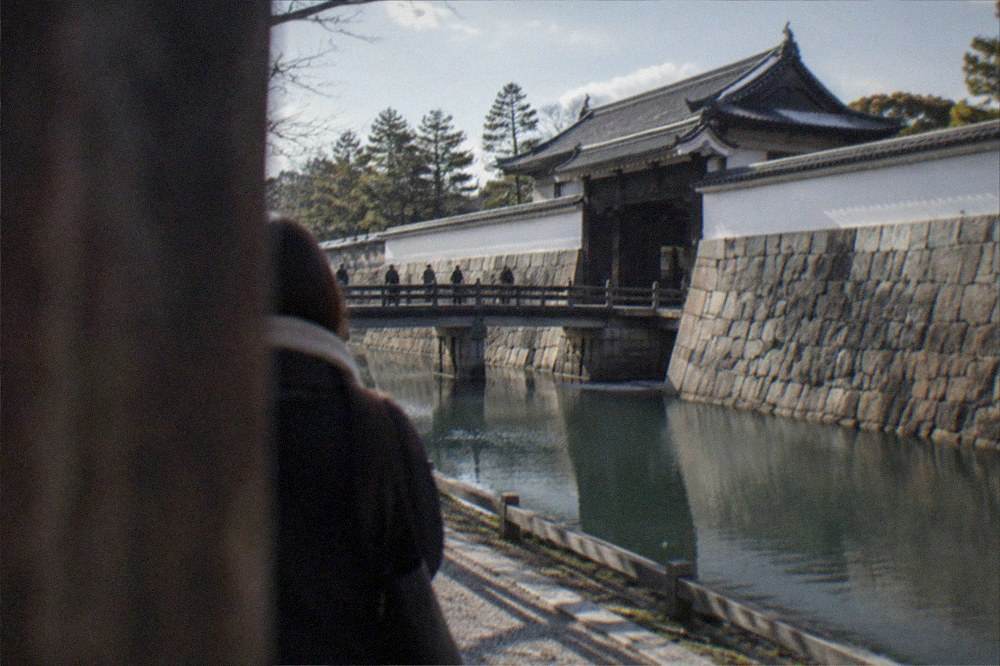
The obvious pairing is Nijo-jo Castle, a short walk west, where the 800 yen admission, or 1,300 yen with the Ninomaru-goten Palace, buys the painted interiors and nightingale floors of the shogunal residence that proclaimed the end of shogunal rule in 1867. Doing the palace in the morning and Nijo-jo in the afternoon is a coherent imperial-and-shogunal day, and the two sites tell the two halves of the same political story.
East of the garden, the city thins into the Okazaki museum district around Heian Shrine, whose enormous vermilion torii and garden are a short ride away. South takes you into downtown: the Teramachi and Shinkyogoku arcades, Nishiki Market, and the eating and drinking of Kawaramachi and Pontocho, where our izakaya guide and best restaurants in Kyoto round out the evening. A palace-morning, downtown-afternoon day is one of the easiest satisfying days in the city, and it costs nothing in admission until you decide it should.
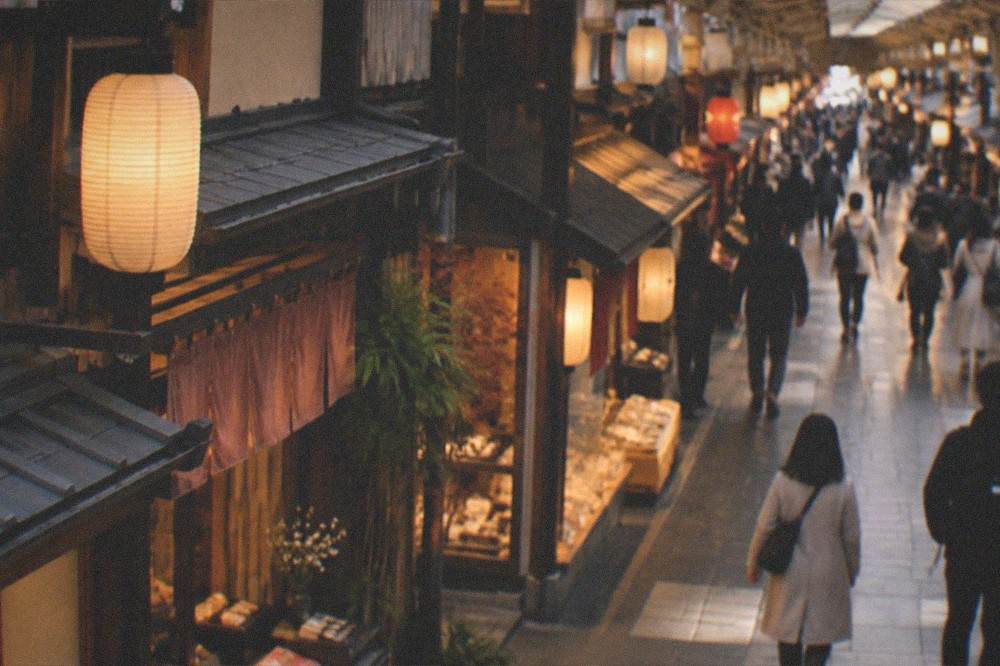
For a fuller structure, our Kyoto itinerary places the palace inside a multi-day plan, and travellers with a single day can lift the palace-and-downtown half day straight out of it.
Before the practicalities, three ways to round out a Kyoto visit beyond the palace gates: the Kurama and Kibune hiking tour for a full day of mountain temples and legends, the Toei Kyoto Studio Park entry ticket for a samurai-film theme park afternoon, and the free three-hour GuruWalk walking tour of Kyoto, tip-based and led by a local guru, currently rated 4.93 from 1,128 reviews.
Common Questions About The Kyoto Imperial Palace
Is The Kyoto Imperial Palace Free, And Do You Still Need A Reservation?
Yes, it is free, and no reservation is needed. The Imperial Household Agency states the palace is open to all visitors with no advance application necessary. The old guided-tour booking system no longer applies to the palace itself, though Katsura, Shugakuin and the Sento Palace still require applications.
How do I get to the Kyoto Imperial Palace from Kyoto Station?
Take the Karasuma subway Line to Imadegawa or Marutamachi Station, about 10 minutes, at a fare of 220 to 360 yen by zone. Both stations sit on the edge of the Kyoto Gyoen National Garden that surrounds the palace.
Can children visit the Kyoto Imperial Palace?
Yes. Unlike Shugakuin Imperial Villa and the Sento Imperial Palace, which admit visitors 18 and over only, the Kyoto Imperial Palace has no age restriction. Katsura Imperial Villa admits ages 12 and over, free for 12 to 17.
How long does a visit to the Kyoto Imperial Palace take?
Allow about an hour for the palace grounds and another hour if you walk the surrounding Kyoto Gyoen National Garden. Visitors combining the palace with Nijo-jo Castle or downtown typically spend a half day in the area.
What is the difference between the Kyoto Imperial Palace and Nijo-jo Castle?
The palace was the emperor's residence, the seat of the imperial court. Nijo-jo Castle was the Kyoto residence of the shoguns. The transfer of authority from the shogunate back to the throne was proclaimed at Nijo-jo Castle in October 1867, with the Emperor's acceptance following on 15 October.
The free walking tour of Kyoto deserves a final mention for budget travellers: it is a three-hour GuruWalk tour, tip based rather than priced, led by a local guru, and rated 4.93 from 1,128 reviews. It is not this site's product, which is exactly why the platform and the guru arrangement are named here rather than buried.
The Kyoto Imperial Palace rewards exactly the kind of visit Kyoto makes hardest elsewhere: an unhurried, unbooked, free walk through a thousand years of court history, taken at whatever hour the morning allows. Pair it with Nijo-jo Castle for the shogunal half of the story, keep the JMA's blossom and foliage markers in mind when you pick your dates, and the Kyoto Gosho will anchor the calmest day of your trip.