Which Fushimi Breweries Offer Tastings: Gekkeikan, Kizakura, Fujioka?
Fushimi, a short ride south of Kyoto Station, is one of Japan's best-known sake brewing districts, home to Gekkeikan, Kizakura and a cluster of smaller houses including Fujioka. Not every brewery opens its doors to walk-ins, and the ones that do each run their visits differently, so a little planning decides whether the day is a string of closed gates or a proper tasting route.
Short answer
Gekkeikan, Kizakura and Fujioka all pour tastings in Fushimi, but each does it differently: Gekkeikan through its own museum facility, Kizakura through its brewery-adjacent restaurant and tasting counter, and Fujioka as a small working brewery with limited visiting arrangements. Check each brewery's own pages for current hours and fees before you go.
Fushimi, a short ride south of Kyoto Station, is one of Japan's best-known sake brewing districts, home to Gekkeikan, Kizakura and a cluster of smaller houses including Fujioka. Not every brewery opens its doors to walk-ins, and the ones that do each run their visits differently, so a little planning decides whether the day is a string of closed gates or a proper tasting route. This page lays out what each of the three famous names actually offers a visitor, how to reach the district, what a tasting day realistically costs, and how to fold the trip into the rest of a Kyoto stay.
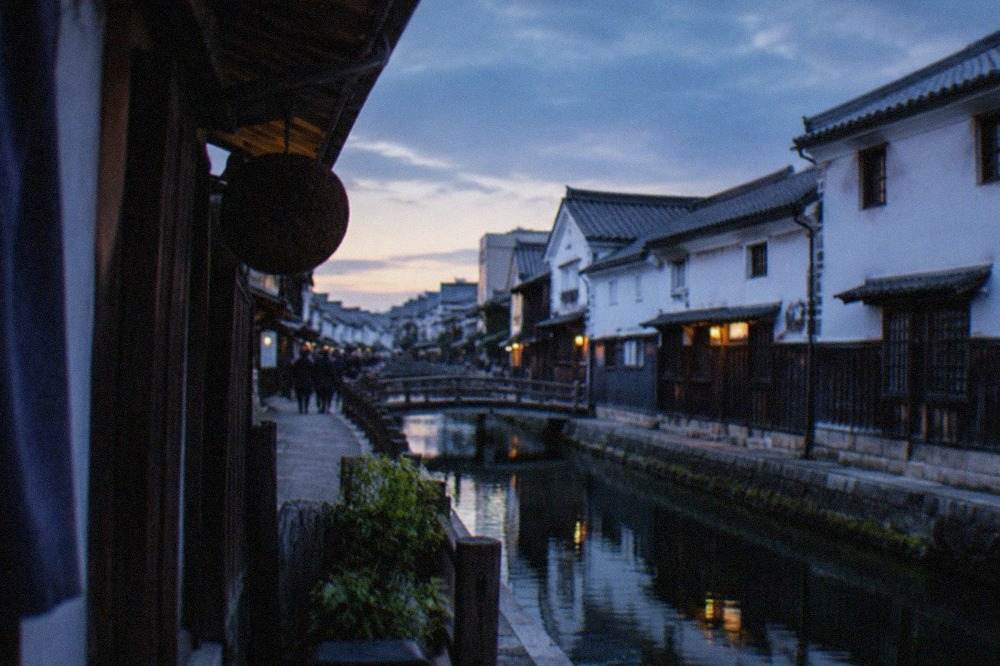
The district's character comes from its geography. Fushimi sits on flat ground along the Uji river system south of the city centre, historically a castle town before it was a brewing town, and the canals that carried rice and finished sake still run between the brewery buildings. The area is compact, walkable, and far less crowded than the Higashiyama sights, which matters in a city that drew a record 62.79 million visitors in 2025 according to the city's own tourism survey, released in June 2026. For context on how the whole southern half of Kyoto fits together, see the Fushimi area guide.
Which Fushimi Breweries Offer Tastings: Gekkeikan, Kizakura, Fujioka?
All three names pour tastings in Fushimi, but through different doors. Gekkeikan, the largest, runs a dedicated museum facility in the district with exhibits and a tasting counter. Kizakura welcomes visitors through its brewery-adjacent restaurant and its own tasting setup. Fujioka is a small working brewery, and its visiting arrangements are correspondingly limited, so check the brewery's own pages for current hours, fees and whether a reservation is needed before travelling out.
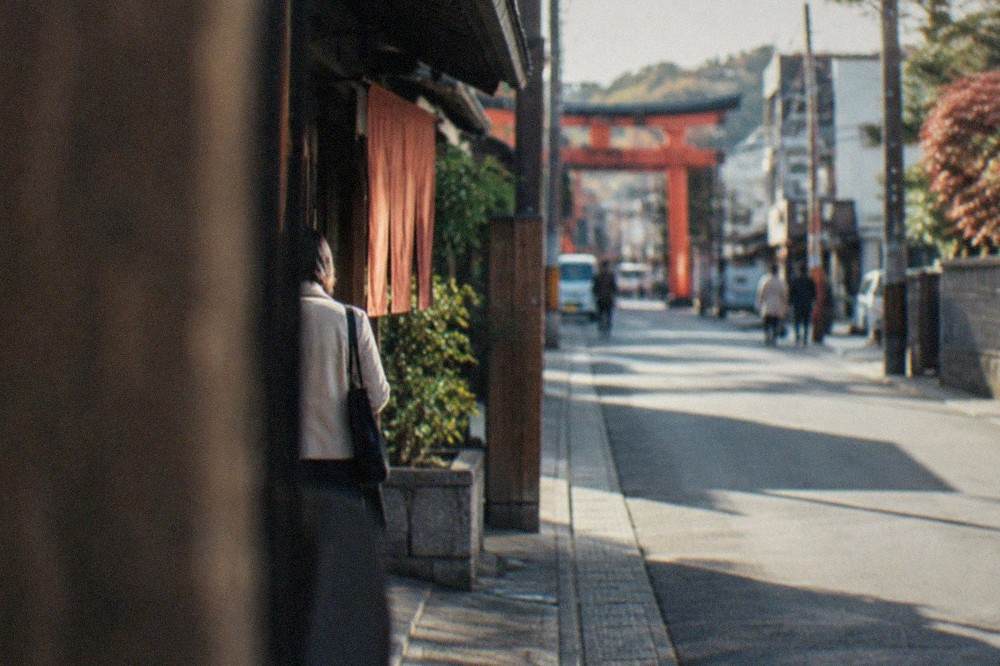
Gekkeikan is the giant of the three and the name most visitors already know from supermarket shelves at home. Its Fushimi presence is built around a museum facility that walks you through the brewing process, the tools and the house's history in the district, and it is the most reliable option for a visitor without Japanese or without a reservation, because it is set up as a permanent attraction rather than a working production site. The tasting counter at the end is the payoff: a chance to compare the house's styles side by side rather than drinking one bottle blind. Current admission and hours are on Gekkeikan's own site, and that is where to check rather than relying on a guide printed a season ago.
Kizakura takes a different approach. The house is known for its kizakura-branded junmai and for a lively, food-forward visitor experience: a restaurant serving dishes designed to go with the brewery's sake, plus a tasting counter where you can work through the range. Of the three, it is the one that most comfortably fills a lunch stop, and the pairing angle makes it the best introduction for a visitor who is new to sake and wants food alongside the pours rather than tastings on an empty stomach. Again, the brewery's own pages carry the current hours and any reservation requirements.
Fujioka is the smallest of the three and the one where expectations need the most managing. It is a working brewery of the old sort, and small working breweries in Japan generally cannot absorb casual walk-throughs of the production floor for hygiene and safety reasons. What that means in practice is that its visitor offering is narrower than the big two, and the arrangement can change from season to season. The honest advice: treat Fujioka as a name to seek out at Fushimi's tasting rooms and bottle shops, where its sake is poured and sold, unless its own current information confirms a visit format that suits you.
A fourth name worth knowing is Matsumoto Shuzo, another historic house in the district whose brewery building is one of the most photographed in Fushimi, and there are smaller tasting rooms and sake shops scattered along the main streets where several houses' products are poured side by side. The district is genuinely walkable between all of these; the whole brewing quarter is a compact grid of canals, warehouses and shopfronts.
If you would rather have someone else handle the route, the language and the reservations, a guided option exists. The Nishiki Market brunch walking tour covers Kyoto's food culture in the city centre, and for the sake-specific side there is a dedicated brewery walk:
The 3-Hour Kyoto Insider Sake Brewery Tour with Tastings and Pairings runs from $73 per person, is rated 5 from 1,027 reviews, and spends three hours on exactly this territory: a working brewery district, guided tastings, and food pairings that explain what you are drinking. For a first-time visitor who wants the vocabulary and the context rather than just the pours, it is the strongest single option, and it removes the risk of arriving at a brewery on a closed day.
How Do You Get To The Fushimi Sake District?
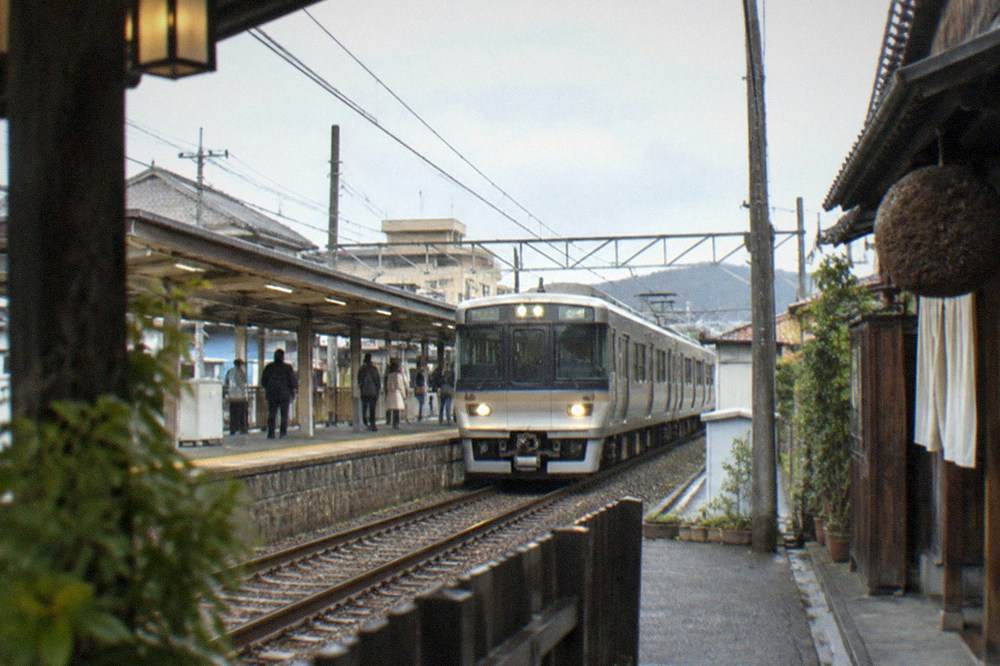
Fushimi sits directly south of Kyoto Station, roughly ten minutes away by train on the JR Nara Line to Inari or a Keihan line connection, with the brewing quarter itself a flat walk from the district's stations. A city bus costs a flat 230 yen per adult ride, the subway runs 220 to 360 yen by zone, and the Subway and Bus One-Day Pass at 1,100 yen covers unlimited rides if Fushimi is part of a wider day.
The transport facts here come from the city's own published fares. Kyoto City Bus charges a flat 230 yen per adult ride and 120 yen per child aged 6 to 11, per the city's fare pages. The subway charges 220 to 360 yen for adults depending on zone. The one-day product is the Subway and Bus One-Day Pass at 1,100 yen for adults and 550 yen for children, and it is worth repeating that the old bus-only one-day pass no longer exists: sales ended in September 2023 and the pass was unusable after 31 March 2024, so any guide still recommending it is out of date.
| Option | Adult fare | Notes |
|---|---|---|
| Kyoto City Bus, flat fare | 230 yen | Child (6-11) 120 yen |
| Kyoto subway, by zone | 220 to 360 yen | Child fares roughly half |
| Subway and Bus One-Day Pass | 1,100 yen | Child 550 yen; unlimited subway and bus for one day |
| Subway One-Day Pass | 800 yen | Subway only, if you are not using buses |
| Tourist express buses EX100 / EX101 | 500 yen per ride | Fewer stops, aimed at visitors heading to the main sights |
The practical point for Fushimi specifically: the district is served by several rail lines and the brewing quarter is a level, pleasant walk from its stations, so the choice of line matters less than the choice of shoes. If you are combining Fushimi with Fushimi Inari Taisha, the shrine is one stop south of Kyoto Station on the JR Nara Line, and the shrine's own pages confirm entry is free with no closing time set for the mountain paths, so the pairing costs nothing in admissions. The shrine is the head shrine of the roughly 30,000 Inari shrines the shrine itself says exist nationwide, and it dates the enshrinement of Inari Okami to 711. The Fushimi Inari guide covers the climb in detail, and the answer on who is buried at Fushimi Inari settles a common misconception: nobody is, because it is a Shinto shrine and the otsuka on the mountain are worship stones, not graves.
For visitors building a first itinerary, the one day in Kyoto itinerary and the half-day itinerary both show how a southern detour fits against the eastern temple corridor. And if you are weighing the district against the headline sights, the trio below covers both ends of that trade-off:
| Tour | From | Rating | Duration |
|---|---|---|---|
| Nishiki Market Brunch Walking Tour (7 Tastings + Brunch) | $74 | 4.9 from 1,497 reviews | 3 hours |
| Kyoto: Fushimi Inari, Kinkakuji, Bamboo Grove 1-Day Bus Tour | $97 | 4.8 from 5,317 reviews | 8.5 to 9 hours |
| Kyoto: Hozugawa River Half-day White Water Rafting Adventure | $62 | 4.9 from 355 reviews | 3 hours 30 minutes |
What Does A Fushimi Sake Tasting Day Cost?
The honest answer is that the rail fare is small, the brewery experiences are individually priced, and the total depends almost entirely on how many stops you make and whether you eat. A round trip from Kyoto Station costs a few hundred yen each way, the Gekkeikan museum facility charges its own admission set on the brewery's current pages, restaurant stops at a brewery like Kizakura are priced per dish, and a guided brewery tour with pairings runs from $87 per person in this site's roster.
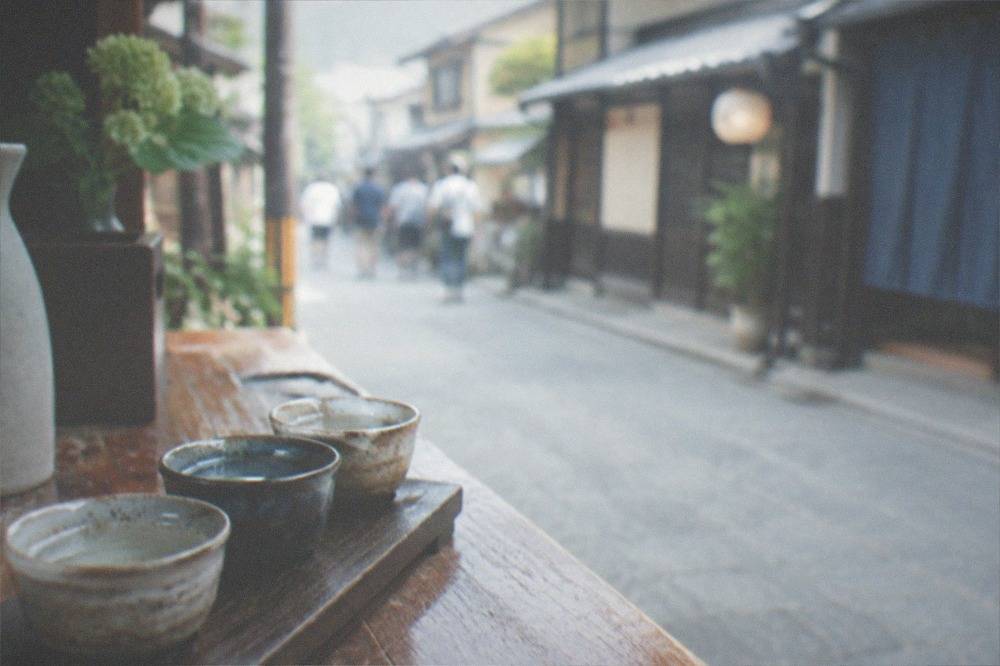
This site's rule on food and drink prices is strict, and it applies to sake too: a figure is only printed when it comes from the venue's own current page, and no Fushimi brewery's fee table is in the verified fact base behind this site. So rather than quoting an admission number that may be a season stale, the honest planning frame is this: budget a small per-stop amount for each brewery facility that charges, expect the restaurant stops to behave like restaurants, and check each house's own site the week you travel. What can be stated precisely is the transport and tour layer, because those figures are verified.
The guided layer, from the verified roster on this site, prices as follows: the 3-hour insider sake brewery tour with tastings and pairings from $87 per person, the Kawaramachi bar and izakaya crawl from $37 per person for the evening equivalent downtown, and the food-focused walks from the $20s upward. A guided day removes the per-stop uncertainty because the tastings are inside the ticket.
There is also a genuinely free layer to a Fushimi day, and it is a big one. The walk through the brewing quarter itself costs nothing: the canals, the white-walled warehouses, the stacked cedar barrels outside the brewery gates, all of it is public street. Fushimi Inari Taisha, one stop away, is free to enter with no closing time on the paths, per the shrine's own pages. The free things to do in Kyoto guide collects more of this tier, and the Kyoto on a budget guide builds a full low-cost day around it.
Is The Fushimi Sake District Worth Visiting With Fushimi Inari Taisha?
Yes, and the pairing is close to natural: Fushimi Inari is one stop south of Kyoto Station and the brewing quarter is a short rail hop beyond it, so the shrine in the morning and the breweries after lunch is a standard and sensible shape for the day. The shrine is free and its paths have no closing time, while the breweries keep daytime hours, so the order matters: climb the mountain first, drink second.
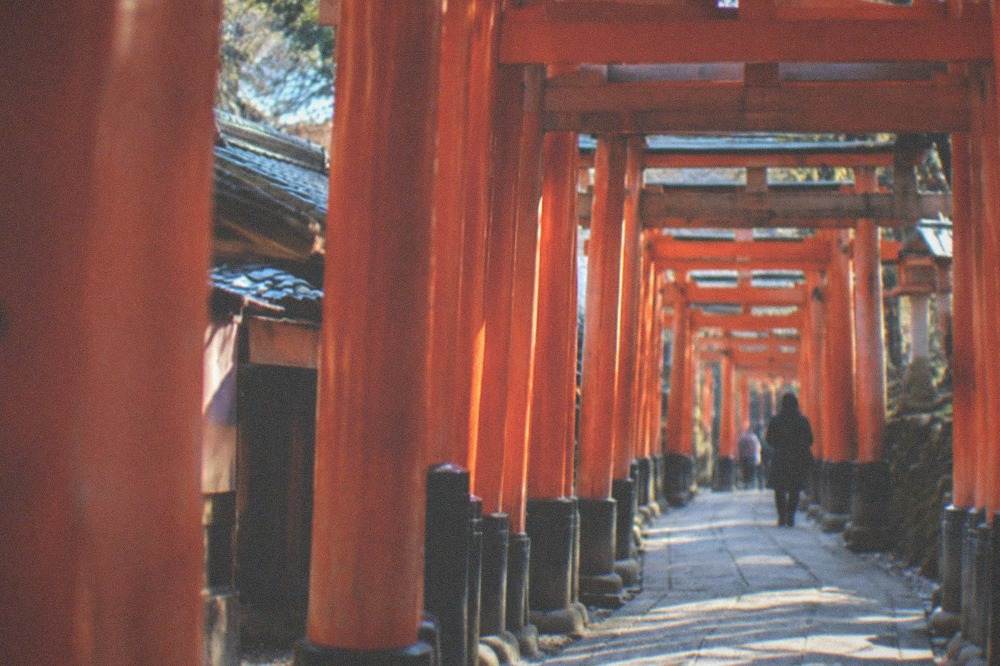
The logic is practical as well as scenic. Fushimi Inari's paths are busiest through the middle of the day, and the shrine's own site links to the Kyoto Tourism Comfort forecast, a crowd-comfort tool the city runs using location data, so you can check conditions before you leave. The brewing district, by contrast, is one of the calmer corners of a city that recorded 62.79 million visitors in 2025, with day visitors alone numbering 46.20 million. A morning at the shrine, a lunch in the brewing quarter, and an afternoon of tastings spreads your day across both.
One caution worth stating plainly: the shrine's mountain is a real walk, and the guide to how long it takes to walk up Fushimi Inari covers the terrain honestly. Doing the full circuit and then moving on to tastings is a full day, not a light one. If your knees or your schedule say otherwise, the lower gates and the Senbon Torii tunnel alone give you the shrine's signature sight, and the tunnel contains a share of the roughly 10,000 torii the shrine says stand across the whole mountain, never the whole count, a distinction the shrine's own FAQ makes and most guides blur.
For visitors who want the shrine handled for them, the 1-day bus tour in the trio above covers Fushimi Inari alongside Kinkaku-ji and the Arashiyama bamboo grove in a single loop from Kyoto, which trades flexibility for not having to think about transfers at all. The trade-off runs the other way too: the Kyoto crowds guide explains why the big bus circuits concentrate people at the same hours, and independent travel to Fushimi avoids exactly that.
What Else Is There To Do In Fushimi Besides Sake?
Fushimi is a historic castle town before it is a brewery quarter, and the non-sake list includes the Teradaya inn associated with the Bakumatsu-era story of Sakamoto Ryoma, the moats and gate remnants of Fushimi Castle, riverside walks along the Uji system, and the Goko-gawa canal streets that give the district its look. None of these requires a ticket, and all of them sit inside the same walkable grid as the breweries.
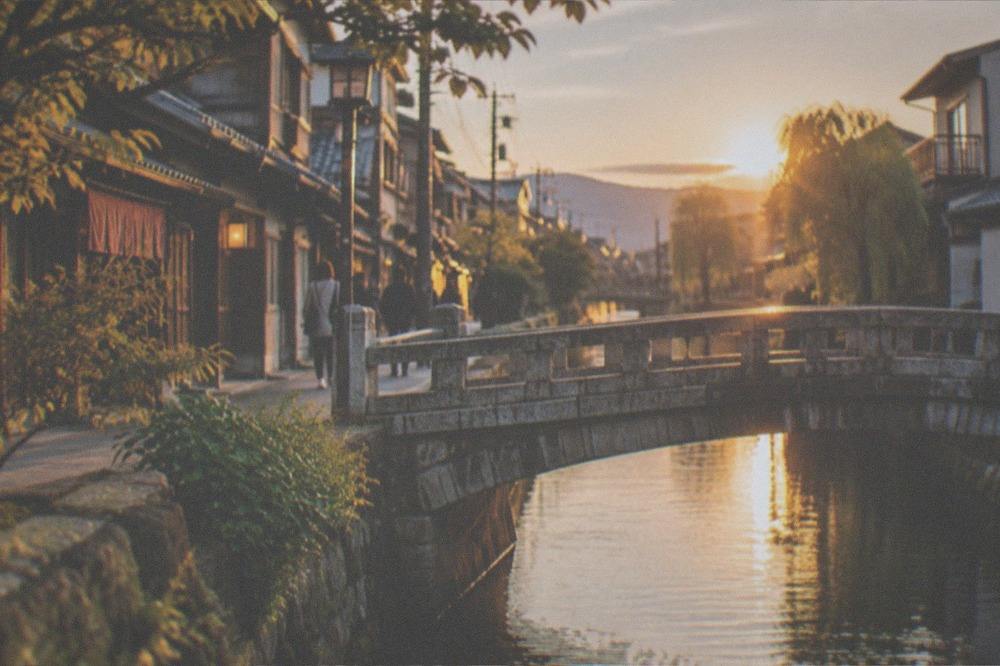
The castle story is the one most visitors miss entirely. Fushimi Castle stood here as a Toyotomi-era stronghold, and the town that grew around it supplied the brewing district with its merchants, its water and its canals. The castle site is now a park with reconstructed elements rather than a standing keep, which is exactly why it stays quiet: there is no ticket booth and no queue, just the ground and the moats. Teradaya, the old inn on the canal, is the other period piece, tied to the assassination attempt on Sakamoto Ryoma during the Bakumatsu period, the turbulent final years of Tokugawa rule that ended with the restoration of imperial authority proclaimed at Nijo-jo Castle in 1867. It is a small site, and its opening arrangements are its own to publish.
The river is the third layer. The district's eastern edge runs toward the Uji river system, and the waterfront is a flat, pleasant walk with none of the slope of the eastern temple hills. This is also the corridor the Hozugawa Kudari boat ride drains into on its way down from the mountains, so a day that starts with white water upstream can, in principle, end with sake downstream, though the rafting tour and the breweries make an ambitious single day.
A reasonable half-day shape, using nothing but verified fares and free streets:
| Time | Stop | Cost |
|---|---|---|
| Morning | Fushimi Inari Taisha, lower gates and Senbon Torii | Free |
| Late morning | Train south to the brewing quarter | A few hundred yen |
| Midday | Lunch at a brewery restaurant such as Kizakura | Priced per dish |
| Afternoon | Gekkeikan museum facility and tasting counter | Admission on the brewery's own pages |
| Late afternoon | Canal walk, Goko-gawa streets, bottle shops | Free |
Photographers should note the district is one of the better-value subjects in the city: the Kyoto photo spots guide ranks where the frames are, and the brewery streets at the end of the day, when the tour groups have gone and the light comes low along the canals, are among the most forgiving. For visitors working out which neighbourhoods to sleep in versus day-trip to, the Kyoto neighbourhoods guide places Fushimi against Gion and the northern districts, and the Gion area, covered in its own page on this site, handles the evening side of the city if sake after dark is better spent downtown.
When Is The Best Time To Visit The Fushimi Sake District?
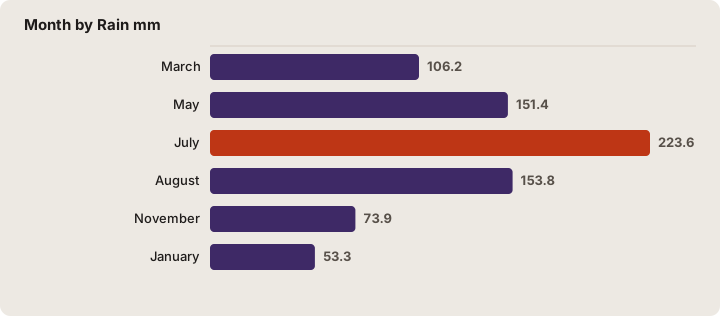
Autumn and spring are the comfortable seasons, and the brewing calendar adds a wrinkle most guides ignore: sake is brewed through the cold months, roughly late autumn to early spring, so a winter visit is when the district smells most like work in progress, while the brewery facilities keep standard daytime hours year-round. July is Kyoto's wettest month at 223.6 mm against June's 199.7 mm in the JMA 1991-2020 normals, so the rainy-season cliché is also the wrong month.
The climate facts come from the Japan Meteorological Agency's 1991-2020 normals for Kyoto station 47759. The pattern that matters for a walking district: July averages 223.6 mm of rain, August is the hottest month with a mean of 28.5 C and a mean daily maximum of 33.7 C, and January is both the coldest at a mean of 4.8 C and the driest at 53.3 mm. Three of Kyoto's six hottest days on record fell in the summers of 2024, 2025 and 2026, so midsummer walking days here are getting genuinely hot, and the brewing quarter's streets offer limited shade.
| Month | Mean C | Rain mm | What it means for Fushimi |
|---|---|---|---|
| March | 8.8 | 106.2 | Cherry season; JMA recorded 2026 flowering on 23 March, full bloom 30 March |
| May | 19.5 | 151.4 | Comfortable walking weather between the spring and summer peaks |
| July | 27.3 | 223.6 | Wettest month of the year, and hot; plan indoor brewery stops |
| August | 28.5 | 153.8 | Hottest month, mean daily high 33.7 C |
| November | 12.5 | 73.9 | Peak foliage season; JMA's maple normal is 5 December, later than guides claim |
| January | 4.8 | 53.3 | Cold, dry, quiet, and the heart of the brewing season |
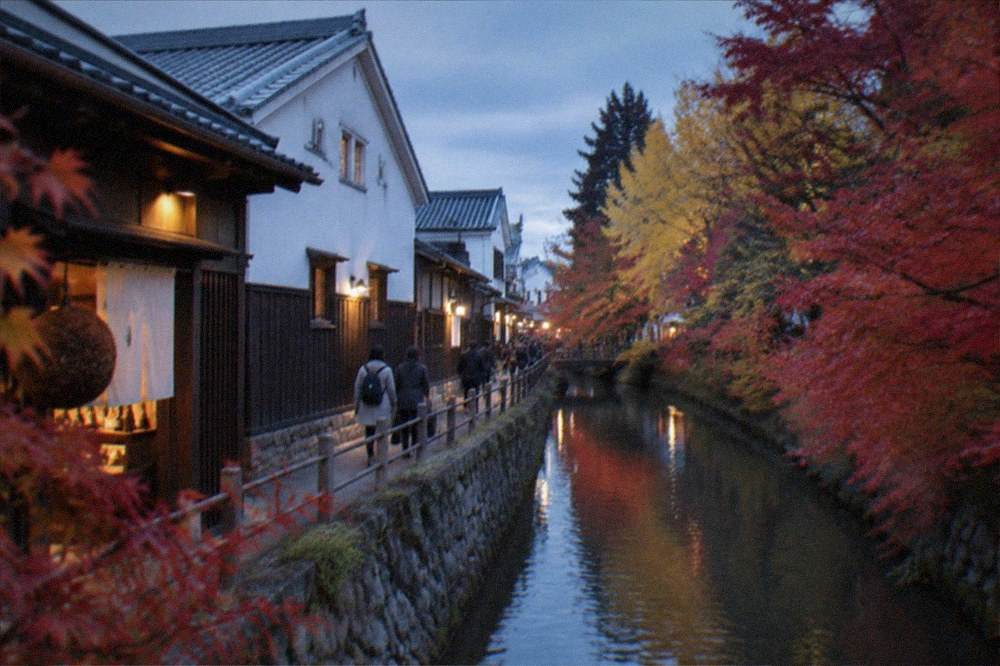
The seasonal detail worth knowing is the phenology one. The JMA's Kyoto observatory records the maple red-leaf normal as 5 December, which is markedly later than the mid-November peak most guides promise, and its own 2025 observation was 10 December. The observatory tree is not the Arashiyama peak, so treat it as the official marker rather than a best-week promise, but the direction is clear: Kyoto's foliage runs later than the guidebook consensus, and a late-November or early-December Fushimi day can catch both colour and cold-weather brewing. The Kyoto autumn leaves guide and the best time to visit Kyoto guide expand both points with the full tables.
Winter, in other words, is the insider's season here. The streets are quiet, the brewing is in progress, the mean temperature of 4.8 C is fine for a walk between warm tasting rooms, and the district's low-season calm contrasts with a city whose satisfaction numbers stay above 90 percent even as its visitor count sets records. The Kyoto in winter guide covers the whole cold-season case.
Before the final practicalities, one more guided option for the evening-inclined, since a sake day can as easily run after dark from the city centre:
The Kyoto: Kawaramachi Local Bar and Izakaya Crawl Tour runs from $37 per person, is rated 4.9 from 1,042 reviews, and spends three hours in the downtown drinking quarter. It is not a Fushimi tour, but it is the natural sequel: if the brewery district taught you what you like in the afternoon, this is where you drink more of it at night, in the hands of a guide who knows the counters.
Common Questions About The Fushimi Sake District
Which Fushimi breweries offer tastings: Gekkeikan, Kizakura, Fujioka?
All three pour in the district, but differently: Gekkeikan through its museum facility with a tasting counter, Kizakura through its brewery restaurant and tasting setup, and Fujioka as a small working brewery with limited visiting arrangements. Check each brewery's own current pages for hours, fees and reservations before travelling out.
How do I get from Kyoto Station to the Fushimi sake district?
The district sits directly south of Kyoto Station, about ten minutes by rail, with the brewing quarter a flat walk from its stations. A city bus costs a flat 230 yen per adult, the subway runs 220 to 360 yen by zone, and the Subway and Bus One-Day Pass at 1,100 yen covers unlimited rides if Fushimi is one stop in a wider day.
Can you visit Fushimi and Fushimi Inari on the same day?
Yes, and it is the standard pairing. Fushimi Inari is one stop south of Kyoto Station with free entry and no closing time on the paths, per the shrine's own pages, while the breweries keep daytime hours. Climb the mountain in the morning and drink in the afternoon, not the other way round.
Is the Fushimi sake district good for visitors who do not drink sake?
Reasonably, yes. The canal streets, warehouse architecture and castle-town history are free and pleasant to walk, the brewery restaurants serve food alongside the sake, and Fushimi Inari next door is one of the city's essential sights regardless of what you drink. The district is also one of the calmer corners of a city that recorded 62.79 million visitors in 2025.
When is the best time of year to visit Fushimi?
Autumn and spring for comfort, winter for atmosphere: sake is brewed through the cold months, so a January or February visit is when the district is most visibly at work. July is Kyoto's wettest month at 223.6 mm against June's 199.7 mm in the JMA 1991-2020 normals, and August is the hottest with a mean daily maximum of 33.7 C, so midsummer is the weakest choice for a walking day.
Do I need a reservation for Fushimi brewery tours?
For the large museum-style facility at Gekkeikan, walk-in visits are generally the model, but hours and any booking requirements are on the brewery's own site. For smaller houses and for guided tours, book ahead: the 3-hour insider sake brewery tour on this site's roster runs from $87 per person with tastings and pairings included, and pre-booking is how those visits are secured.
The last word on planning: Fushimi rewards a slow pace and punishes a rigid one. The breweries keep their own hours, the small houses change their arrangements, and the best version of the day is the one with slack in it, a long lunch, an unplanned bottle shop, the canal walk that runs longer than intended. Pair it with the shrine in the morning, take the pass if the rest of the day is bus-bound, and check the breweries' own pages the week you travel. That is the whole secret, and it is the same one this Kyoto Travel Guide applies everywhere in the city: verified fares, current venue pages, and no borrowed numbers.