Kyoto Half Day Itinerary
Three half-day routes through Kyoto, compared on verified admission fees, real closing times and the transit that connects them, so four hours buys the right district and not a closed gate.
Short answer
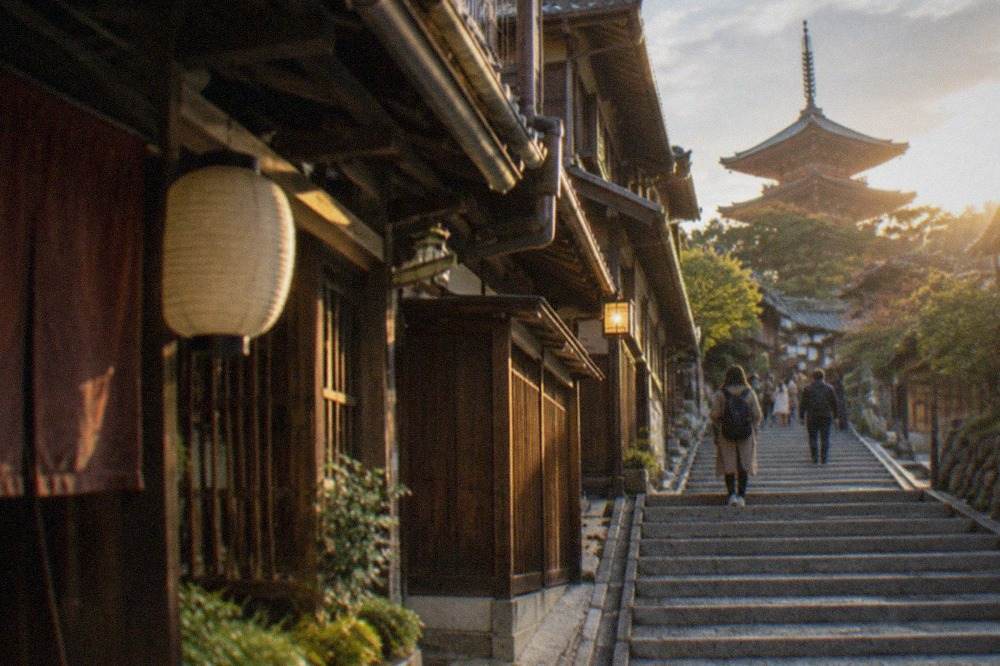
For a first visit with only half a day, Higashiyama gives the highest density of sights per minute walked: Kiyomizu-dera, the Ninenzaka and Sannenzaka slopes and Yasaka Shrine chain together on foot with no transit between them. Arashiyama is the better half day for scenery and a river pace, and Fushimi Inari is the right choice only for an early morning or a late evening, because the middle of the day belongs to the crowds.
Kyoto drew a record 62.79 million visitors in 2025, the city's own tourism survey reports, and a growing share of them are not staying a week. The same survey counted 46.20 million day visitors against 16.59 million overnight guests, which means most people experiencing Kyoto on any given day are doing it on a clock. A half day is now a normal way to see the city, not a compromise, and it rewards planning more than a long stay does, because the difference between a good four hours and a wasted ones is usually a closing time somebody copied from an old guide.
Three districts genuinely work as half days: Higashiyama, Arashiyama and Fushimi Inari. Each one is walkable once you arrive, each has a different character, and each fails differently if you time it wrong. This page compares all three on the numbers this site has verified from the venues' own pages, then gives a route for each. If you are working out how the half day fits a longer plan, start with one day in Kyoto or the first-time visitor guide.
Which Kyoto Half Day Works Best: Higashiyama, Arashiyama Or Fushimi?
For a first visit, Higashiyama is the strongest half day, because it chains Kiyomizu-dera, the Ninenzaka and Sannenzaka slopes, Kodai-ji and Yasaka Shrine into one continuous walk with no transit in the middle. Arashiyama is the better pick for scenery, the bamboo grove and the river, and Fushimi Inari is the best half day only at the edges of the day, early morning or after dinner, because the shrine is free and never closes its paths but the middle hours are the most crowded.
The honest answer depends on what the half day is attached to. If you have an afternoon free before a train, Higashiyama wins on reliability: Kiyomizu-dera opens at 6:00 and runs to 18:00 in the regular season, so an arrival as late as 16:00 still buys the stage view. If you have a morning, Fushimi Inari at first light is the closest thing Kyoto has to a quiet headline sight, and the shrine's own FAQ confirms entry is free with no closing time on the paths. Arashiyama sits in between and suits a half day that is really about pace rather than checklist count, a boat, a train, a garden and a walk.
One structural point before the routes. This site's tour roster is organised into twelve activity kinds, from highlights day tours to tea ceremony and kimono, and transfers sit outside that count because they are transport rather than activities. Any tour count you read here says twelve kinds, not a rounded-up number.
What Does Each Kyoto Half Day Actually Cost In Fees?
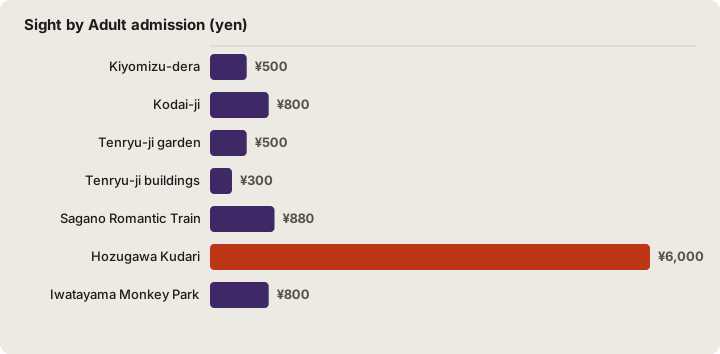
A Higashiyama half day costs 1,300 yen per adult in temple admissions at 2026 prices, with Kiyomizu-dera at 500 yen, Kodai-ji at 800 yen and Yasaka Shrine free. An Arashiyama half day runs from nothing at all, if you only walk the bamboo path, up to the price of the Tenryu-ji garden, the Sagano Romantic Train one way and the Hozugawa Kudari boat added together. A Fushimi Inari half day costs zero, because the shrine charges no admission anywhere on its site.
Those are the verified figures, and two of them moved recently. Ginkaku-ji doubled its adult admission to 1,000 yen from 1 April 2026, the temple's own notice states, and Tofuku-ji revises its fees on 1 November 2026 with a new 1,000 yen combined ticket in foliage season, so any fee list copied from a 2024 or 2025 guide is already wrong in at least one place. The table below is what the venues themselves print.
| Sight | Adult admission | Hours that matter | Source basis |
|---|---|---|---|
| Kiyomizu-dera | 500 yen | Opens 6:00 daily, closes 18:00 in the regular season | Temple FAQ and schedule |
| Kodai-ji | 800 yen | 9:00-17:30, reception to 17:00 | Temple visit page |
| Yasaka Shrine | Free | Grounds always accessible | Shrine |
| Tenryu-ji garden | 500 yen | 8:30-17:00, last entry 16:50 | Temple visit page |
| Tenryu-ji buildings | Garden plus 300 yen | Same | Same |
| Sagano Romantic Train | 880 yen one way | Roughly hourly through the day in season | Operator ticket page |
| Hozugawa Kudari | 6,000 yen adult, 4,500 child | Regular timetable 10 March to 13 December | Operator tickets page |
| Iwatayama Monkey Park | 800 yen | 9:00-16:00, weather dependent | Park site |
| Fushimi Inari Taisha | Free | Paths have no closing time | Shrine FAQ |
Note the child bands, because they differ by venue: the Sagano train counts an adult at 12 and over with children 6 to 12, while the Hozugawa boat charges child rate from infant to elementary age. The monkey park charges 800 yen for 16 and over and 400 for ages 4 to 15.
How Do You Fit A Half Day Around Kyoto's Real Closing Windows?
The binding constraint is the 16:00 admissions cutoff, not the closing hour: Nijo-jo Castle stops admitting at 16:00 and closes at 17:00, Sanjusangen-do moves to a 16:00 close from 16 November, Nanzen-ji closes at 16:30 in winter, and Ginkaku-ji shuts at 16:30 from December to February. Morning half days dodge every one of these cutoffs by default, which is the quiet structural argument for starting early rather than finishing late.
This is where most half-day plans break. The closing windows are seasonal and they move. Kiyomizu-dera runs its spring night viewing to 21:30 in late March and early April and its autumn night viewing to 21:30 in late November, the temple's schedule states, so an evening half day in those windows is genuinely available. Outside them, 18:00 is the wall.
A second constraint is transit. Higashiyama needs one bus or one subway ride to reach and then nothing but feet. Arashiyama is a terminal district, roughly half an hour out from the centre on the JR Sagano Line or the Keifuku tram, so the round trip eats time that must be budgeted. Fushimi Inari sits on the JR Nara Line two stops from Kyoto Station, which makes it the easiest half day to bolt onto anything.
| Half day | Best start | Latest workable start | Binding cutoff | Transit from Kyoto Station |
|---|---|---|---|---|
| Higashiyama | 08:00 | 15:00 | Kodai-ji reception 17:00 | Bus or subway, one ride |
| Arashiyama | 08:30 | 13:00 | Monkey park entry ~15:30 | JR or tram, one ride each way |
| Fushimi Inari | 06:30 | Any hour | None, paths never close | JR Nara Line, two stops |
The city's flat bus fare is 230 yen per adult ride and the subway runs 220 to 360 yen by zone, the city's transport bureau confirms, and the product that covers both is the Subway and Bus One-Day Pass at 1,100 yen. The old bus-only one-day pass no longer exists: sales ended in September 2023 and its last day of use was 31 March 2024, so any guide still recommending it is four years stale. For a single half day with two or three rides, pay as you go with an ICOCA, which costs 2,000 yen including a 500 yen deposit.
If half a day is all you have and you want the headline sights without managing any of this yourself, the guided options are worth a look before you commit to a self-planned route.
The strongest of these for a half-day mindset is the 1-Day Bus Tour of Fushimi Inari, Kinkaku-ji and the Bamboo Grove, from $97 and rated 4.8 from 5,317 reviews, which compresses the three headline sights into a single sweep. You can also Check availability if the date matters to your planning.
What Is The Best Higashiyama Half Day Route?
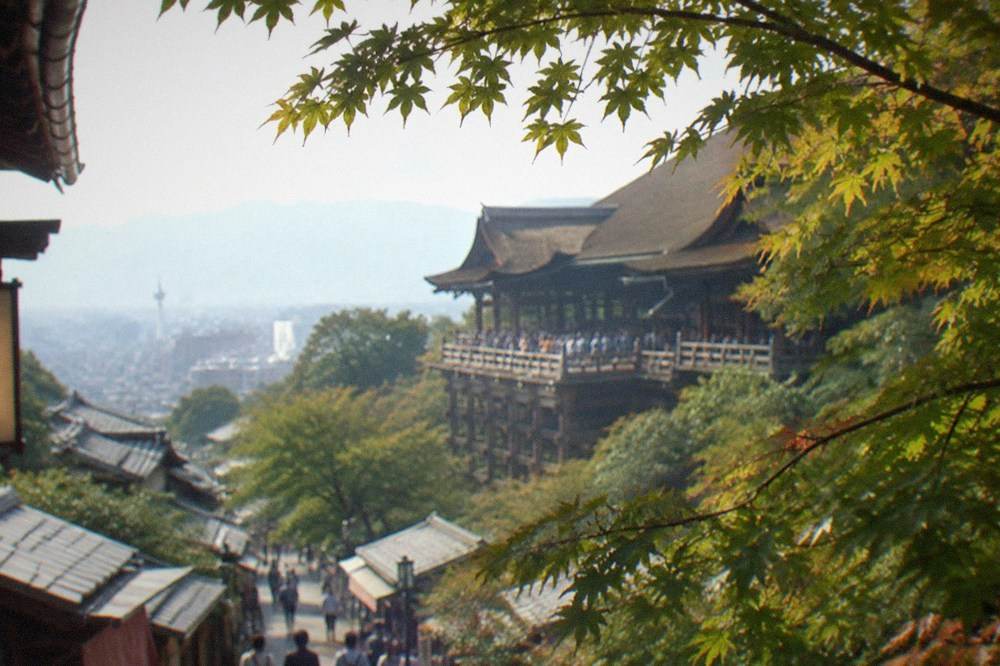
Start at Kiyomizu-dera for opening at 6:00 if you can, walk down through Ninenzaka and Sannenzaka to Kodai-ji, then continue north through Maruyama Park to Yasaka Shrine and finish at the top of Gion's Hanamikoji street, a route of roughly two kilometres on foot with one 500 yen and one 800 yen admission and no transit at all, which is why it is the best half day in the city for density.
The route works in both directions, but the downward direction is kinder on the legs and puts the slopes' shops in front of you rather than behind. Kiyomizu-dera's FAQ states the temple opens at 6:00 every day, and the schedule page sets the regular close at 18:00, extended to 21:30 for the spring night viewing from 27 March to 5 April and the autumn night viewing from 21 to 30 November. The 500 yen admission is the temple's own figure.
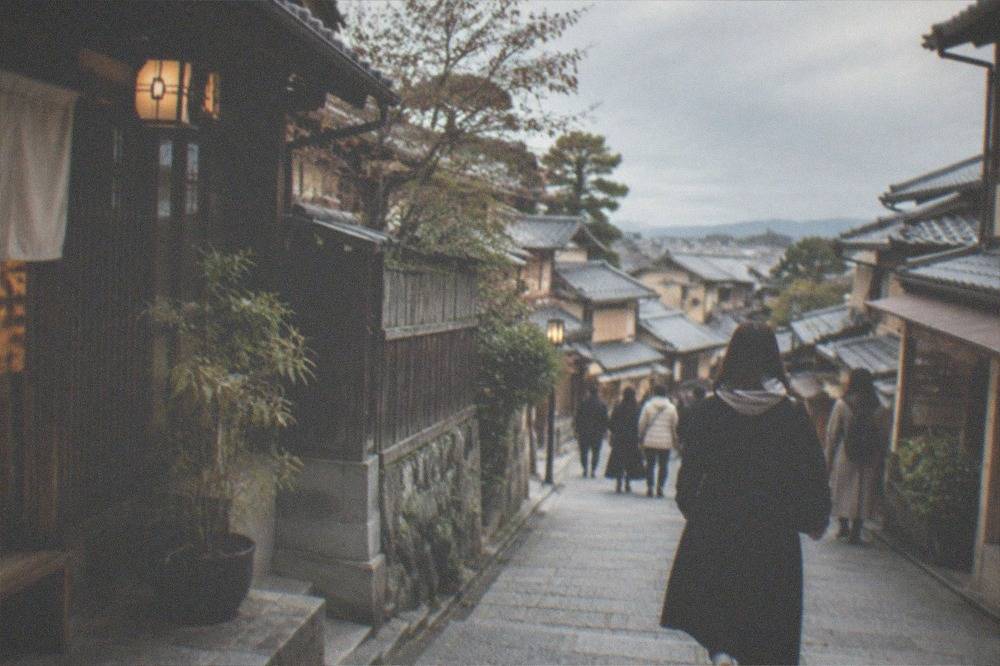
Ninenzaka and Sannenzaka, the two preserved slopes below the temple, cost nothing and are the closest thing central Kyoto has to an Edo-period street scene. They are also the most crowded stretch of the whole route by mid-morning, which is the practical case for the 6:00 start rather than a promise of emptiness. Kodai-ji, the Zen temple associated with Toyotomi Hideyoshi's widow, charges 800 yen and keeps reception to 17:00, with night illuminations running 17:00 to 22:00 during its autumn viewing from 23 October to 13 December 2026. Maruyama Park and Yasaka Shrine are both free and both open continuously.
The half day ends naturally at Gion. If that is where your interest really lies, the Gion guide goes deeper, and the geisha conduct rules matter here: the city's tourism association asks visitors not to touch, chase or photograph geiko and maiko without permission, and signs on the private alleys off Hanamikoji threaten a 10,000 yen penalty for unauthorised photography or entry, signage set by the local district council rather than a city ordinance.
What Is The Best Arashiyama Half Day Route?
The strongest Arashiyama half day is bamboo grove first, then Tenryu-ji's garden, then the Togetsukyo bridge and Iwatayama Monkey Park, with the Sagano Romantic Train or the Hozugawa Kudari boat as the anchor if you would rather ride than climb, and the whole district is free to walk if you skip the ticketed pieces, which is the flexibility Higashiyama does not offer.
The bamboo path itself is a free public walk with no admission and no closing time, and the grove is the one sight in Kyoto that genuinely costs nothing and delivers the postcard. Tenryu-ji, the UNESCO-listed Zen temple whose garden dates to the 14th century, tickets in three pieces: the garden at 500 yen for high school age and up, the buildings at garden plus 300 yen, and the Cloud Dragon ceiling of the Hatto separately at 500 yen, with the Hatto closed 28 to 30 October 2026 and 2 January 2027. Hours run 8:30 to 17:00 with last admission at 16:50. Everything else covered here is indexed on Kyoto Travel Guide.
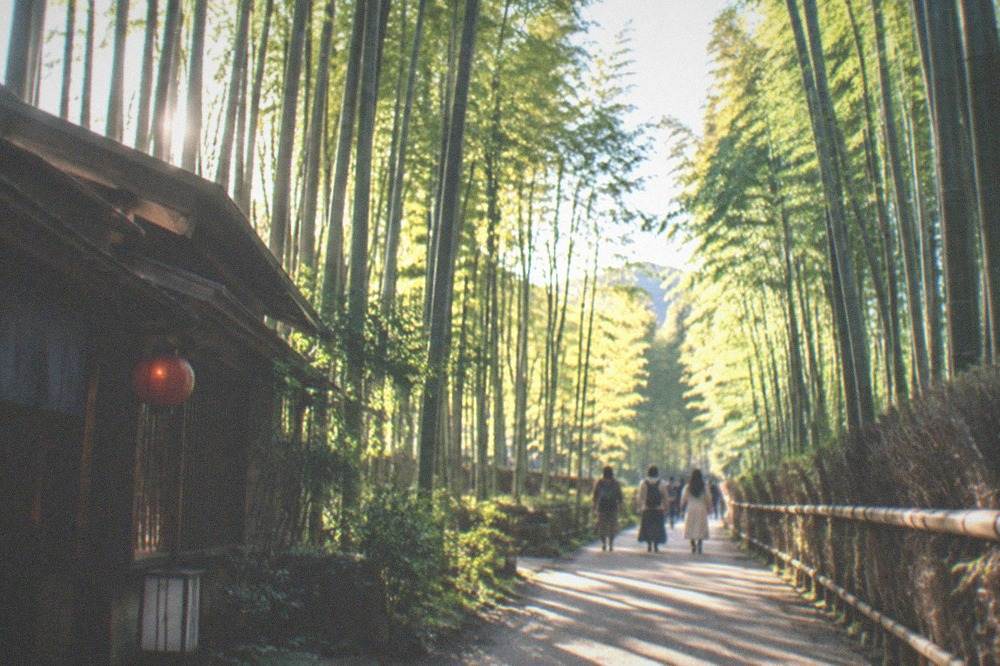
From there the route crosses Togetsukyo bridge to the monkey park, which is a real climb: 800 yen for ages 16 and over, 400 for 4 to 15, open 9:00 to 16:00 with the summit until 16:30, and the park's own site warns it closes early in bad weather or when the monkeys head back up the hill. Cash only at the gate.
The two paid anchors change the shape of the half day. The Sagano Romantic Train, run by the Sagano Scenic Railway, costs 880 yen one way for an adult of 12 and over and 440 for a child of 6 to 12, with toddlers free when accompanied. The Hozugawa Kudari river boat costs 6,000 yen adult and 4,500 child and runs about two hours on a 24-seat shared boat, with the regular timetable running 10 March to 13 December 2026. The boat is running normally, the operator's site confirms. The widely repeated figure of about 4,100 yen for the boat is stale, so budget on the real 6,000. For the full picture of the district, see the Arashiyama area guide and the bamboo grove page.
If a two-hour boat feels slow, the same river runs a half-day white-water rafting option that covers the gorge faster and wetter.
What Is The Best Fushimi Inari Half Day Route?
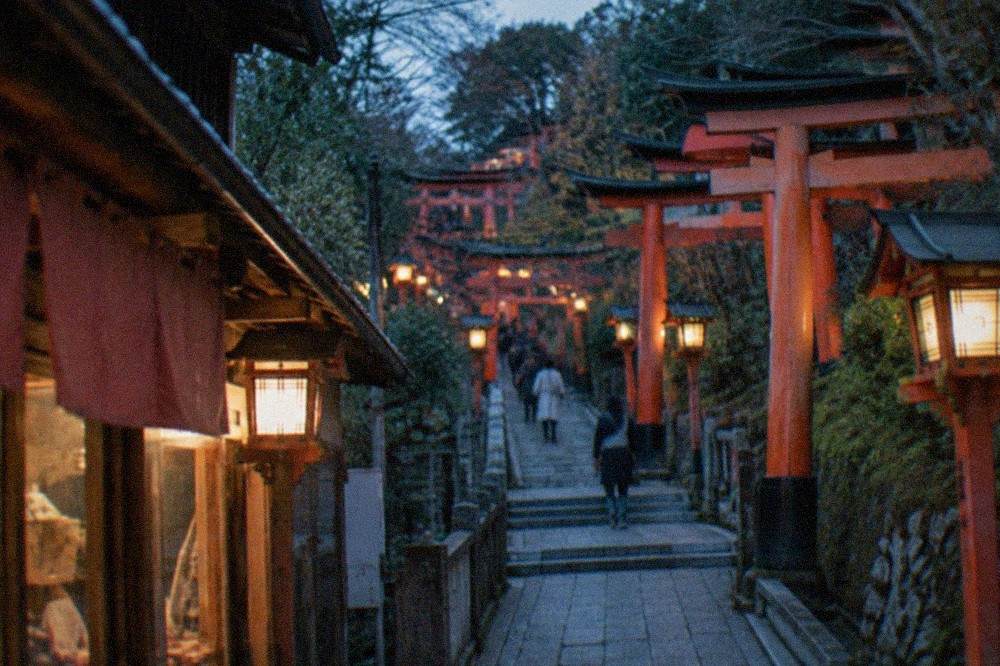
Go at 6:30 in the morning or after 18:00 in the evening, walk the Senbon Torii as far as the Yotsutsuji intersection and turn back if the summit is not the point, because the shrine is free, the paths have no closing time, and the shrine's own FAQ says the mountain holds about 10,000 torii of all sizes across the whole mountain, not 10,000 in the tunnel itself, which is the error almost every guide repeats.
Fushimi Inari Taisha is the head shrine of the Inari faith, and the shrine's own pages say there are said to be about 30,000 Inari shrines across the country affiliated with it. It dates the enshrinement of Inari Okami on Inariyama to the first Day of the Horse of the second month of 711, naming Irogu no Hatanokimi of the Hata clan, who it says received an imperial order from Empress Genmei, and the shrine hedges its own account with "is said to be", so the honest phrasing is enshrined in 711, never built in 711. Inariyama itself is 233 m, the shrine states.
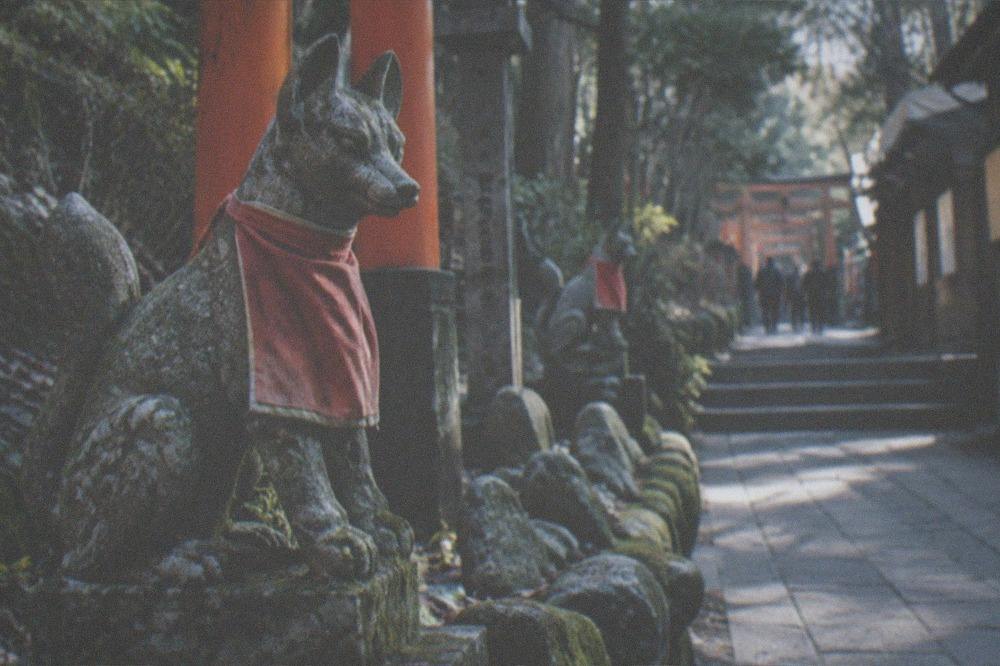
The half-day shape is simple because the shrine does the work. The JR Nara Line gets you there in two stops from Kyoto Station, the main tunnel of torii sits minutes from the entrance, and the full circuit of the mountain is a hike rather than a stroll. This site deliberately does not print a walking time for the summit, because no verified figure exists in the fact base, and a made-up "two hours" is the kind of number that ruins a tight half day. What is verifiable: the paths have no closing time, entry is free, and the shrine links to the city's crowd forecast and its own approach cameras, which is the tool to check before setting out.
One correction worth carrying: the stone otsuka along the paths are worship stones bearing deity names, not graves, and nobody is buried on the mountain. The shrine is a Shinto site. The deeper background is on the Fushimi Inari page.
If your half day starts or ends at Kyoto Station, Fushimi Inari is the district that fits around it, which is why the bus tour above uses it as a bookend.
Which Half Day Fits Which Season In Kyoto?
In cherry season, late March to early April, Higashiyama is the pick, because the JMA observatory's full-bloom normal is 4 April and the 2026 bloom landed on 30 March, putting the slopes' trees at peak under the route. In summer, Fushimi Inari's shaded paths beat the open slopes, and in autumn the maple argument flips to Arashiyama, though the JMA red-leaf normal of 5 December is the observatory's specimen tree, not the district's peak.
The climate record matters more here than most guides admit. The JMA 1991-2020 normals for Kyoto show July, not June, as the wettest month, 223.6 mm against 199.7 mm, and August as the hottest, with a mean of 28.5 C and a mean daily high of 33.7 C. Three of Kyoto's six hottest days on record fell in the summers of 2024, 2025 and 2026. A summer half day should be a morning half day, full stop, and Fushimi Inari's forest cover makes it the least punishing of the three routes in July.
| Season | Best half day | Why, on verified data |
|---|---|---|
| Cherry, late March to early April | Higashiyama | 2026 full bloom 30 March, night viewing to 21:30 |
| Summer, July to August | Fushimi Inari, early | July wettest month at 223.6 mm, August mean high 33.7 C |
| Autumn, November | Arashiyama or Higashiyama | Kodai-ji night illumination 23 Oct to 13 Dec 2026 |
| Winter, December to February | Higashiyama | Fewest crowds, but note Ginkaku-ji closes 16:30 |
For season-specific planning the cherry blossom itinerary and the autumn leaves itinerary break the year down further, and the rainy day itinerary covers the half days that dissolve, because 1,522.9 mm falls on this city in an average year.
Can You Combine Two Half Days Into One Long Day?
Yes, and the pairing that works is Fushimi Inari at opening followed by Higashiyama through the afternoon, because the JR Nara Line returns you to Kyoto Station in minutes and the whole second half needs no further transit, while pairing Arashiyama with either of the others usually fails, since it is a terminal district and the round-trip transit eats the buffer that a closing window needs.
The sequencing rule is to put the time-sensitive piece first. Fushimi Inari has no cutoff, so on paper it should go last, but in practice its crowds peak in the middle of the day, so the early slot is the one that rewards you. Higashiyama's pieces have real reception deadlines, Kodai-ji at 17:00 above all, so it anchors the afternoon. If you are building upward from a half day, the full one-day itinerary and two days in Kyoto do exactly this at longer length.
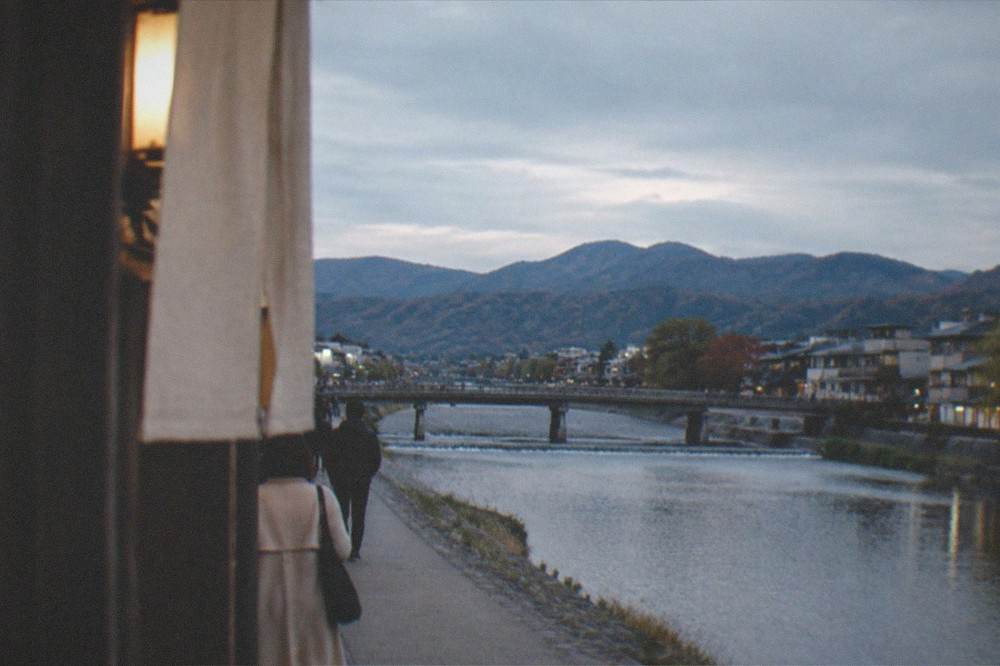
For travellers with a free half day attached to another city, the pairing question changes shape, and the Kyoto versus Osaka comparison covers it. What does not change is the arithmetic: one district, walked properly, beats two districts rushed, and in a city that received 62.79 million visitors last year, the rushed version is the one everybody else is doing.
For travellers whose half day is really a spare morning before a train, the northern hills offer something the three classic districts cannot: a hike that ends at hot springs. The Kurama to Kibune route is the one to look at.
Common Questions About Kyoto Half Day Itineraries
Which Kyoto half day works best: Higashiyama, Arashiyama or Fushimi?
Higashiyama for a first visit, because it chains Kiyomizu-dera, the preserved slopes, Kodai-ji and Yasaka Shrine on foot with no transit between them. Arashiyama if scenery and the river matter more than sight count. Fushimi Inari if your half day falls early in the morning or late in the evening, since the paths never close and the middle of the day is the crowded part.
Can you see Kyoto in half a day?
You can see one district properly in half a day, and that is the right goal. Kiyomizu-dera, the Ninenzaka and Sannenzaka slopes, Kodai-ji, Maruyama Park and Yasaka Shrine all fit inside four unhurried hours in Higashiyama, with 1,300 yen in total admissions. A guided bus tour compresses more headline sights into the same window if density matters more than depth.
What time do Kyoto temples stop admitting visitors?
Nijo-jo Castle stops admitting at 16:00 and closes at 17:00. Sanjusangen-do closes at 16:00 from 16 November. Nanzen-ji closes at 16:30 in winter and Ginkaku-ji at 16:30 from December to February. Kiyomizu-dera is the exception that saves late plans, opening at 6:00 daily and closing at 18:00 in the regular season, with night viewing to 21:30 in late March and late November.
Is Fushimi Inari free to visit?
Yes. The shrine's own FAQ prints no admission fee anywhere, and the paths have no closing time, so a visit costs nothing at any hour. The JR Nara Line fare to get there from Kyoto Station is a separate cost.
How much does the Hozugawa Kudari boat cost?
The operator's own tickets page sets 6,000 yen for adults and 4,500 yen for children from infant to elementary age, on scheduled shared boats of 24 seats, running about two hours. The figure of about 4,100 yen that circulates in older guides is stale. The regular timetable runs 10 March to 13 December 2026.
Is the Sagano Romantic Train worth it in a half day?
At 880 yen one way for an adult of 12 and over, it is a reasonable spend if the train is the point of the Arashiyama visit, and it pairs naturally with the Hozugawa Kudari boat for a loop. If your half day is about the bamboo grove, Tenryu-ji and the monkey park, the train is the piece to cut first.
The half day you choose should follow the clock you actually have, not the itinerary you wish you had. Higashiyama rewards an afternoon with a hard stop, Arashiyama rewards a whole unhurried morning, and Fushimi Inari rewards whoever sets the alarm. Pick one, walk it properly, and let the other two wait for the next trip, which in a city this dense is not a loss but a reason to come back.