How Big Is The Chion-in Sanmon Gate And Is It The Largest Wooden Gate In Japan?
Chion-in's Sanmon gate is one of the most photographed structures in Higashiyama, and the claim that it is Japan's largest wooden gate travels with it everywhere. Here is what this site's verified sources actually support, and how to build a day around the temple either way.
Short answer
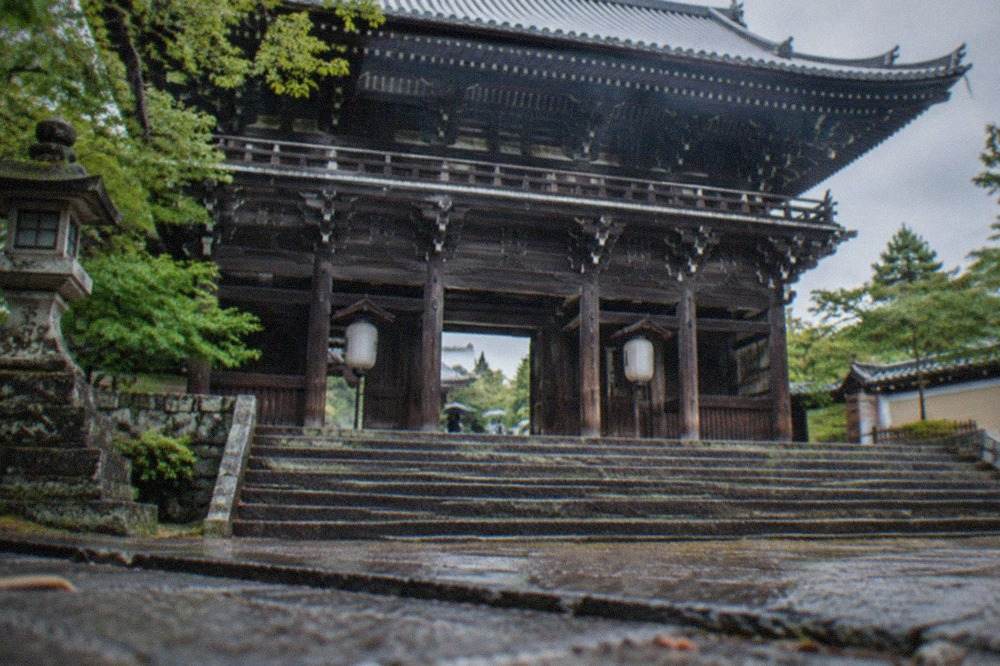
The Sanmon at Chion-in is widely described as the largest surviving wooden gate in Japan, but no measurement of it appears in this site's verified fact base, so treat the superlative as a long-repeated description rather than a checked figure. The temple sits at the foot of Higashiyama beside Maruyama Park and Yasaka Shrine, and it is the head temple of the Jodo school of Japanese Buddhism.
How Big Is The Chion-in Sanmon Gate And Is It The Largest Wooden Gate In Japan?
Chion-in stands at the bottom of the Higashiyama hills, a few minutes' walk uphill from Maruyama Park and Yasaka Shrine, and its Sanmon gate dominates the approach so completely that most photographs of the temple are really photographs of the gate. The claim attached to it, that it is the largest wooden gate in Japan, is repeated in almost every guidebook paragraph about the temple. This page takes a different approach: it separates what is verifiable from what is merely oft-repeated, then gives you everything you actually need to plan a visit, from the fees at the comparable temples around it to the walk from Kyoto Station's side of the city. For the wider picture of the city, start with our things to do in Kyoto overview or the Kyoto Travel Guide homepage.
How Big Is The Chion-in Sanmon Gate And Is It The Largest Wooden Gate In Japan?
The honest answer is that this site cannot print a number. Our verified fact base, which records only figures read directly on official pages, carries no measurement of the Chion-in Sanmon. The superlative itself, largest wooden gate in Japan, is a long-standing and widely repeated description rather than a statistic this site can confirm against a primary source. The gate's scale is obvious to anyone standing under it, and that impression is the reliable part.
What can be said without a number is still a lot. The Sanmon is a two-storey structure of the kind Buddhist temples call a "mountain gate", and it was rebuilt in the early Edo period after fire destroyed earlier buildings on the site. Tokugawa patronage is the reason the temple complex is on the scale it is: the gate, the enormous main hall and the wide stone staircases belong to the same era of construction, and the whole precinct was laid out to impress processions arriving from the city.
The reason the "largest in Japan" claim survives is that the competing candidates are few. Great wooden gates of this type are rare survivors, and most of the other famous ones, at Nanzen-ji or To-ji Temple, are either smaller in footprint or restored in ways that complicate the comparison. But "rare and enormous" is not the same as a verified record, and a guide that prints a precise height for the Sanmon without naming where the number comes from is doing exactly what this site refuses to do.
If the size of temple structures is what draws you to Kyoto, the honest route is to compare what is actually measurable. Sanjusangen-do states on its own site that 1,001 Kannon statues stand in its hall, a figure the temple itself publishes, and that hall is one of the longest wooden buildings in the country. That is a superlative with a named source behind it. The Sanmon's fame does not need the record to be worth the walk uphill.
What Is Chion-in Temple And Why Does It Matter In Kyoto?
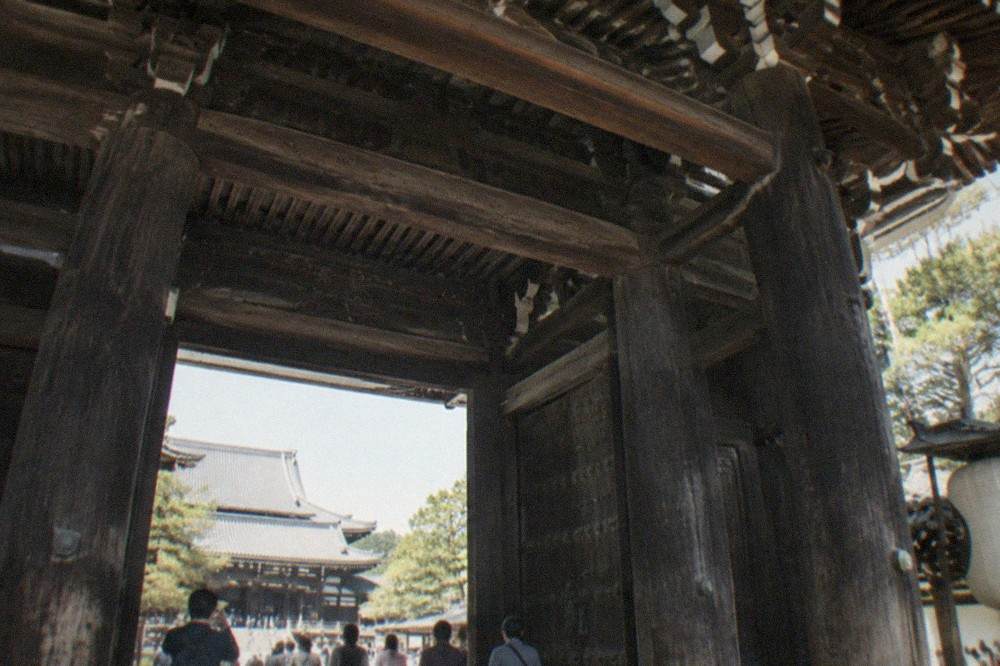
Chion-in is the head temple of the Jodo, or Pure Land, school of Japanese Buddhism, the tradition that centres practice on the recitation of Amida Buddha's name. It is the administrative seat of a school with thousands of affiliated temples across Japan, which is why its precinct is built on a scale closer to a palace than a parish church. The temple sits directly north of Yasaka Shrine and Maruyama Park, making it the religious anchor at the top of the Gion district.
The school traces its lineage to Honen, the 12th-century reformer who taught that recitation, not esoteric ritual, was the path open to everyone. The temple marks the site associated with his teaching and death, and the Tokugawa family's patronage in the early Edo period turned a memorial institution into one of the largest temple complexes in the country. That history explains the physical experience of visiting: you climb wide stone steps, pass under the Sanmon, and the buildings keep coming, hall after hall, in a way few other Kyoto temples match.
For a visitor, the significance is partly geographic. Chion-in sits at the junction of the two most walked routes in east Kyoto. Downhill and south is Gion and the lanes toward Kiyomizu-dera. Level and west is Maruyama Park, Kyoto's best-known cherry-blossom park, and then the shopping streets of Higashiyama. North along the hillside the path leads toward Nanzen-ji and the Philosopher's Path. Very few temples in the city sit so naturally at the centre of a walking day.
The temple also functions in the city's ritual calendar. Its New Year's Eve bell-ringing is one of Kyoto's famous ceremonies, with the great bell rung 108 times, and the temple's own grounds host periodic displays and commemorations tied to the Jodo school's calendar. These events are announced on the temple's own channels, and because they change year to year, this site does not print a schedule for them. Check the temple's current notices before planning a visit around one.
How Much Does Chion-in Cost To Visit Compared With Kyoto's Other Temples?
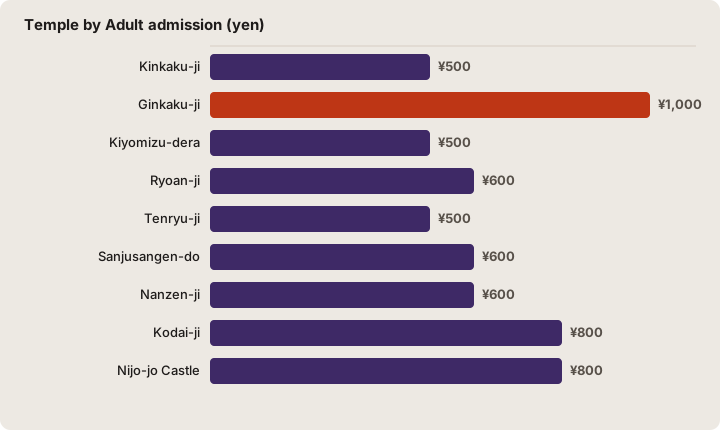
Chion-in's grounds are generally open to walk through without a separate entry charge, but this site's verified fact base does not carry a published fee schedule for the temple, so treat any specific yen figure for its inner halls as unconfirmed until you see the temple's own notice at the gate. What is firmly verified is the fee landscape around it: Kyoto's major temples charge between 500 and 1,000 yen for adults, and two of them changed their prices in 2026.
The comparison below uses only figures read on each temple's own official page. Note the two 2026 changes in particular: Ginkaku-ji doubled its adult fee to 1,000 yen from 1 April 2026, and Tofuku-ji revises its fees on 1 November 2026. A guide quoting 2024 prices is wrong for both.
| Temple | Adult admission | Child / student | Source status |
|---|---|---|---|
| Kinkaku-ji | 500 yen | 300 yen (primary and middle school) | Verified on the temple's page |
| Ginkaku-ji | 1,000 yen from 1 April 2026 | 500 yen (was 300) | Verified, doubled in 2026 |
| Kiyomizu-dera | 500 yen | 500 yen (high school) | Single source: the temple does not print it |
| Ryoan-ji | 600 yen | 500 / 300 yen | Verified on the temple's page |
| Tenryu-ji | 500 yen (garden) | 300 yen, buildings plus 300 | Verified on the temple's page |
| Sanjusangen-do | 600 yen | 400 / 300 yen | Verified on the temple's page |
| Nanzen-ji | 600 yen (Hojo garden), Sanmon 600 yen separately | 500 / 400 yen | Verified on the temple's page |
| Kodai-ji | 800 yen, 1,200 combined with Entoku-in | 400 yen (junior high and high school) | Verified on the temple's page |
| Nijo-jo Castle | 800 yen, 1,300 with Ninomaru-goten | 400 / 300 yen | Verified on the castle's page |
| Chion-in | Not carried in this site's verified fact base | Not carried | Check the notice at the gate |
Two practical notes on that table. First, Kiyomizu-dera's 500 yen figure is single source: the temple's own site does not print it, so never present it as official. Second, the separate ticketing at Nanzen-ji is the pattern to expect at large complexes, where the grounds are free but each sub-temple or garden charges its own fee, and Chion-in has historically worked the same way, with certain inner halls carrying a special-viewing charge during limited periods. The temple's own signage at the entrance is the only reliable statement of what applies on the day you visit.
Budgeting a temple day in east Kyoto is therefore straightforward. Walking the Chion-in approach, Maruyama Park and the Gion lanes costs nothing, in the same way that the Arashiyama bamboo grove and Fushimi Inari Shrine are free to enter, the latter verified by the shrine publishing no fee anywhere on its site. The money goes to the halls and gardens you choose to step inside, and at the verified prices above, a day of four or five temple interiors is a matter of adding up the individual tickets.
What Are The Opening Hours And How Do You Get To Chion-in From Kyoto Station?
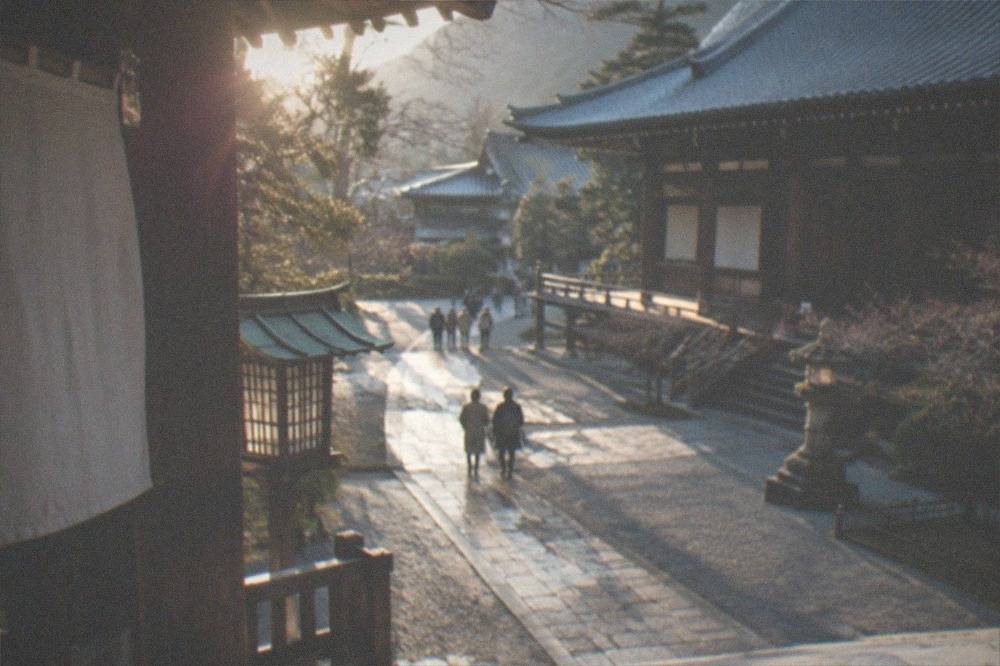
Chion-in sits about 20 minutes' walk northeast of Kyoto Station's side of the city centre, or a short bus or subway ride followed by a walk uphill. The subway fare runs 220 to 360 yen for adults depending on zone, the city bus flat fare is 230 yen, and the all-day product is the Subway and Bus One-Day Pass at 1,100 yen.
Chion-in's own hours vary by season and by hall, and this site does not print a schedule the temple has not published in a form we verified.
The transport side is where verified numbers help most. The temple's nearest landmarks, Maruyama Park and Yasaka Shrine, sit at the top of the Higashiyama walking district, and the approaches from the west are flat until the last climb to the gate itself.
| Option | Adult fare | Notes |
|---|---|---|
| Kyoto City Bus, flat fare | 230 yen | Child 120 yen (ages 6 to 11) |
| Subway, zones 1 to 5 | 220 to 360 yen | Child half fare by zone |
| Subway and Bus One-Day Pass | 1,100 yen | Child 550 yen; the bus-only pass is gone |
| Tourist express EX100 / EX101 | 500 yen per ride | Runs Kyoto Station toward Kiyomizu and Gion, fewer stops |
| ICOCA card | 2,000 yen including a 500 yen deposit | Works on bus, subway and JR |
The EX100 and EX101 express buses deserve a mention because they were created precisely for the route you are likely to take. They run from Kyoto Station toward the Kiyomizu-dera side of Higashiyama with fewer stops than the ordinary buses, at 500 yen for adults, and the city's transport bureau confirms they accept IC cards and the Subway and Bus one-day products. They were introduced as a crowd-relief measure, and the city's 2025 tourism survey explains why: Kyoto recorded 62.79 million visitors in 2025, a record, of whom 46.20 million were day visitors, and the east-side temple routes carry a large share of that flow.
On foot, the most pleasant approach is from Shijo-dori. Walk east through the Gion district, pass Yasaka Shrine on your left, and the Chion-in approach opens up beyond the shrine's northern edge. Coming from Kiyomizu-dera, the route north through the Sannenzaka and Ninenzaka lanes and past Kodai-ji reaches Chion-in in about 15 minutes. Coming the other way, the temple is a natural first stop before the walk north to Nanzen-ji along the canal.
For hours, the pattern across Kyoto's verified temples is a morning opening between 8:00 and 9:00 and a closing between 16:30 and 17:30, with Kiyomizu-dera the famous exception, opening at 6:00 daily with a closing time that moves by season and extends to 21:30 during its spring and autumn night viewings. Chion-in follows the mainstream pattern, but the temple's own current notice board and website are the authority on the day's times, particularly for the inner halls, which open on their own separate schedules and close for winter in some cases. Arriving before 10:00 or after 16:00 is the reliable way to see the approach with fewer people, a point the city's own crowd-dispersal campaigns make explicitly.
What Can You Actually See Inside The Chion-in Precinct?
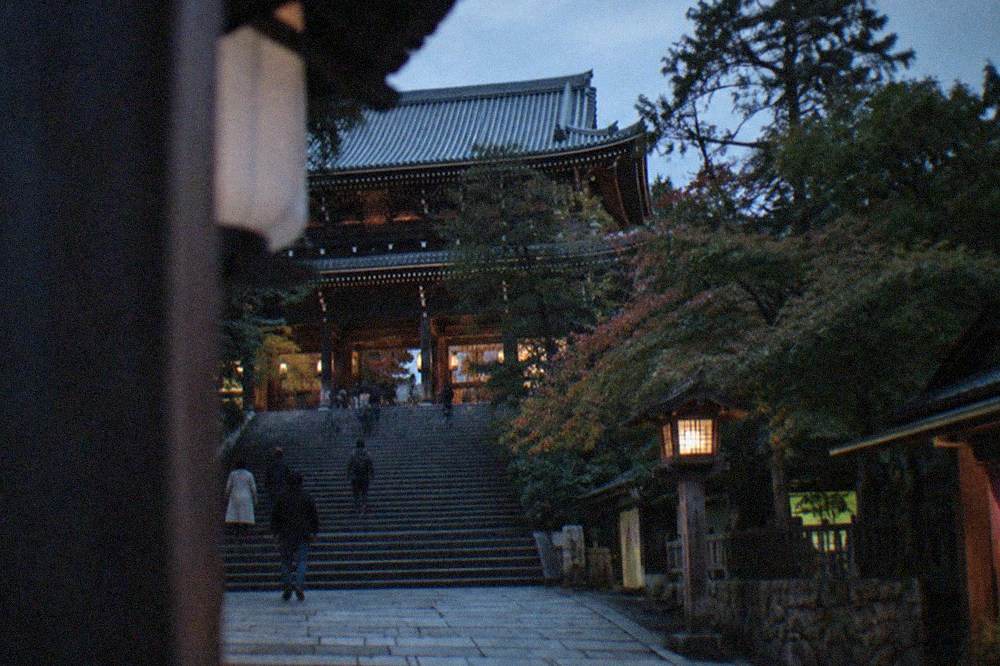
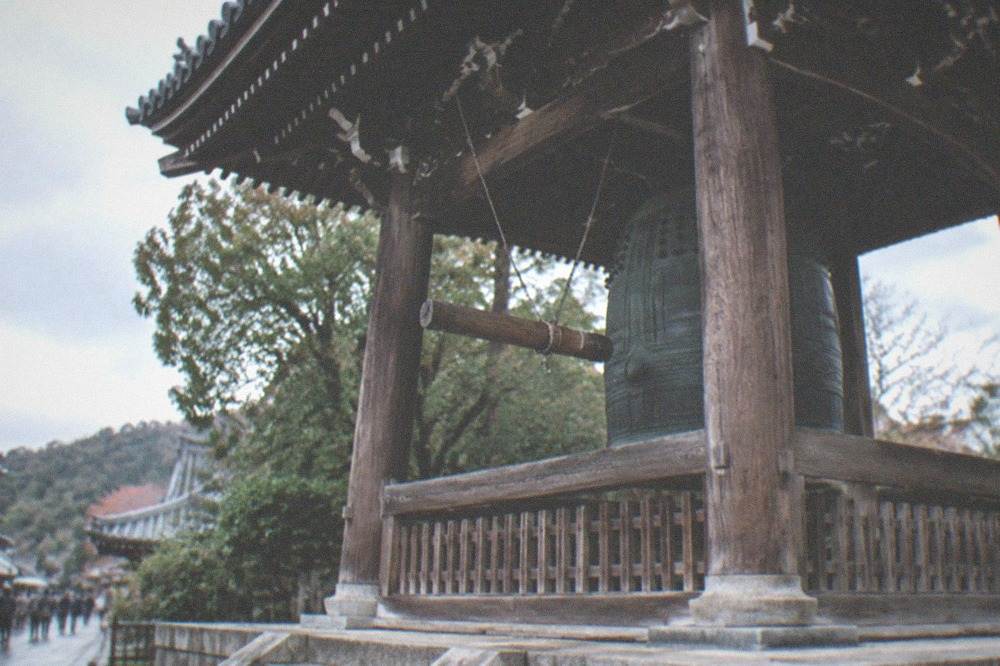
The precinct's headline sights are the Sanmon gate itself, the wide stone staircases that frame the approach, the enormous main hall, and one of the largest temple bells in Japan, which is rung in a famous New Year's Eve ceremony. Beyond the core buildings, the grounds climb into the wooded hillside behind, connecting toward the paths that lead north along Higashiyama. The scale of the complex, not any single interior, is the reason to come.
Start at the bottom and work up. The outer staircase and the gate are the composition everyone photographs, and the viewing works because the gate is set high enough that you see it against sky and trees rather than against the city. Once through the gate, the courtyard levels open toward the main hall, which is among the largest wooden halls you will stand in front of in Kyoto. Whether the interior is open on a given day depends on the temple's schedule, and the special-viewing arrangements change, so the notice at the entrance is the final word.
The bell is the other famous object. The New Year's Eve ceremony, in which the bell is struck 108 times, is one of Kyoto's best-known year-end events, and it draws a large crowd to the temple grounds on the night of 31 December. Attending it means standing outside in winter cold for hours; the JMA climate normals put January's mean temperature at 4.8 C with a mean daily minimum of 1.5 C, so dress for it. The bell tower itself is visible on the grounds year-round.
The wooded hillside behind the main halls is the under-used part of the precinct. The paths climb toward the ridge and connect, with some route-finding, to the walking trails that run north toward Eikan-do and Nanzen-ji. This is the quietest part of a visit, and in cherry season the trees on the slopes behind the temple bloom slightly later than the riverside cherries, which extends the viewing window.
For context on temple scale in Kyoto, the honest comparators are the ones with verified numbers. Sanjusangen-do's hall holds 1,001 Kannon statues, a count the temple itself publishes, and Tenryu-ji in Arashiyama pairs a large hall with one of the most famous gardens in the country. Chion-in's distinction is different again: it is not a single must-see interior so much as a whole hillside institution, and the visit rewards time spent on the approach as much as in any hall.
When Is The Best Time Of Year To Visit Chion-in?
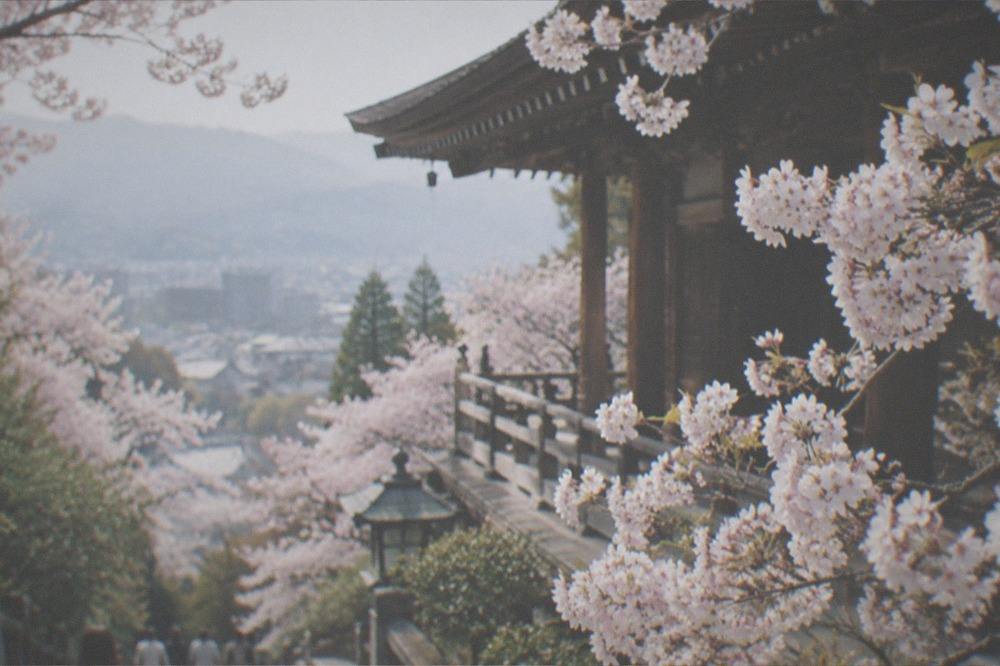
The two peak seasons are cherry blossom in late March and early April, when Maruyama Park next door is the centre of the city's hanami, and autumn foliage from mid-November into December, when the Higashiyama hillside behind the temple turns. The JMA's verified phenology record for Kyoto puts the normal full-bloom date for cherries at 4 April and the normal red-leaf date for maples at 5 December, both later than most guide schedules assume.
The phenology table below is the JMA observatory's own record for Kyoto, with the 1991 to 2020 normals alongside the last two years. The maple date deserves emphasis: the official marker is 5 December, and the 2025 observation was 10 December, both far later than the "mid-November peak" that most visiting advice prints. The observatory's date is one specimen tree turning, not the Arashiyama or Higashiyama scenic peak, but it corrects the calendar in the right direction.
| Event | 2026 observed | 2025 observed | 1991-2020 normal |
|---|---|---|---|
| Cherry flowering | 23 March | 27 March | 26 March |
| Cherry full bloom | 30 March | 5 April | 4 April |
| Maple red leaves | Not yet observed | 10 December | 5 December |
| Ginkgo yellow leaves | Not yet observed | 25 November | 24 November |
| Plum flowering | 22 February | 11 March | 22 February |
For weather planning, the JMA 1991 to 2020 normals hold a surprise that most guides get wrong: July, not June, is Kyoto's wettest month, at 223.6 mm against June's 199.7 mm. August is the hottest, with a mean daily maximum of 33.7 C, and January is both the coldest and the driest. Summer visits are therefore about heat management as much as rain, and the shaded hillside behind Chion-in is genuinely useful on an August afternoon.
| Month | Rain mm | Mean C | Mean daily max C |
|---|---|---|---|
| March | 106.2 | 8.8 | 14.1 |
| April | 117.0 | 14.4 | 20.1 |
| July | 223.6 | 27.3 | 32.0 |
| August | 153.8 | 28.5 | 33.7 |
| November | 73.9 | 12.5 | 17.3 |
| December | 57.3 | 7.2 | 11.6 |
The crowd dimension matters as much as the weather. Kyoto's 2025 survey recorded 62.79 million visitors, a record, and the city has responded with dispersal measures, including the tourist express buses and campaigns to shift visits to mornings and off-peak seasons. Chion-in sits inside the most-visited walking district in the city, so the timing advice is simple: early morning in any season beats mid-afternoon in peak season, and the temple's own crowd conditions can be checked through the Kyoto Tourism Comfort forecast, which the city's tourism association operates using location data.
What Are The Rules And Etiquette At Chion-in And Nearby Gion?
The rules that matter around Chion-in are the Gion district's conduct rules, published by the Kyoto City Tourism Association: do not touch, chase or photograph geiko and maiko without permission, and do not enter private property or photograph where it is prohibited. In the private alleys off Hanamikoji, signs posted by the local district council threaten a 10,000 yen penalty for unauthorized photography or entry, and that is council signage, not a city fine. On temple grounds generally, follow the posted notices at each hall.
The Gion rules matter here because Chion-in is a five-minute walk from the heart of the geisha district, and most visitors combine the two. The distinction to keep straight is between the public main street of Hanamikoji, where photography is allowed, and the private alleys running off it, where the signs ban entry and photography outright. The 10,000 yen figure on those signs is real, but it is set by the district council that owns the private roads, so write it that way and not as a municipal fine.
On temple etiquette, the universal Kyoto pattern applies. Remove shoes where halls require it, do not photograph interiors where notices prohibit it, and treat the working religious spaces as working religious spaces: monks live and practise in these buildings, and the early morning is their time. The city's tourism association publishes conduct guidance that covers all of this, and the temples' own signage is the binding version on the day.
One more practical rule for the walk itself: eating while walking is discouraged in the nearby Nishiki Market, where the official guidance is to eat at the stall or a designated area, and the same courtesy applies on temple grounds. Kyoto's 2025 survey found that while over 90 percent of both Japanese and foreign visitors reported satisfaction, about half of Japanese respondents named something disappointing about their trip, and crowding and visitor behaviour are the recurring themes in the city's own overtourism measures. The etiquette rules are the city's direct response to that.
Which Guided Tours Work Well With A Chion-in Visit?
Chion-in needs no guide to enjoy: the gate, the stairs and the park speak for themselves. A guided tour earns its place when you want the temples beyond walking distance, or the history you cannot read off the signage. A one-day bus tour covers the big UNESCO sites efficiently, a guided castle tour handles Nijo-jo's politics properly, and for the hills north of the city, a guided hike into Kurama and Kibune pairs a real trail with the legends attached to it.
The full-day bus tour is the practical choice for a first visit that includes Chion-in only as one stop among many. The best-rated options run eight to nine hours and cover the east-side temples plus the Arashiyama district, with transport and timing handled. The Perfect Kyoto 1-Day Bus Tour runs from $102 per person, is rated 4.9 from 17,054 reviews, and lasts 8 to 9 hours; the Fushimi Inari, Kinkakuji and Bamboo Grove variant runs from $97, rated 4.8 from 5,317 reviews over about 8.5 hours. For a shorter morning, the Kyoto Early Morning Tour with an English-speaking guide runs from $82, rated 4.9 from 1,998 reviews, over 5 to 6 hours, and the early start is exactly what the city's own crowd-dispersal advice recommends.
For the history, the Nijo-jo Castle World Heritage guided tour is the natural companion to Chion-in, because the two sites tell one story. The castle's own history page records that in 1867 the 15th shogun, Tokugawa Yoshinobu, summoned senior vassals from 40 domains to the Ohiroma of Ninomaru-goten Palace on 13 October, announced the return of political authority to the Emperor on the 14th, and the Emperor accepted on the 15th. Chion-in's great scale is Tokugawa-era money made visible; Nijo-jo is where that era formally ended. The guided tour with admission included runs from $41 per person, rated 5 from 481 reviews, over an hour and a half.
For a different Kyoto entirely, the Kurama and Kibune hiking tour heads north into the mountains behind the city for a full day, from $210 per person, rated 5 from 82 reviews. It is the strongest contrast available with the temple district: cedar forest, a mountain shrine and a hot-spring village, connected by a real trail. Pairing a Higashiyama temple morning with a Kurama day is one of the better two-day shapes for the city, and our one day in Kyoto and two days in Kyoto itineraries lay out the sequencing.
A final note on combining the free with the paid. The walks around Chion-in, Gion, Maruyama Park and the Philosopher's Path cost nothing, and several of Kyoto's headline sights are genuinely free to enter, as verified on their own sites: Fushimi Inari Taisha publishes no fee anywhere, and the Kyoto Imperial Palace states it is open to all visitors with no advance application. The paid layer, temple interiors and guided tours, is where a modest daily budget buys depth. The free things to do in Kyoto guide covers the no-cost side in full, and the Kyoto trip cost breakdown prices the rest of the day.
For travellers who prefer to let someone else handle the timing altogether, the bus tour remains the simplest single decision: one booking, one meeting point, and the east-side temples plus Arashiyama covered in a single day, which is the shape most first-time visitors end up wishing they had chosen by the second afternoon of working out the buses on their own.
Common Questions About Chion-in Temple
How Big Is The Chion-in Sanmon Gate And Is It The Largest Wooden Gate In Japan?
The Sanmon is widely described as the largest surviving wooden gate in Japan, but no measurement of it appears in this site's verified fact base, so this site prints no height or width figure. The description is a long-repeated one rather than a statistic checked against a primary source here. Standing under the gate leaves no doubt about its scale, and that is the reliable impression.
Is Chion-in Free To Enter?
The temple's grounds are generally open to walk through without a separate entry charge, but this site's verified fact base does not carry a published fee schedule for Chion-in's inner halls, which have historically opened on separate schedules and sometimes for a charge during special viewing periods. The notice at the gate is the authority on the day you visit.
How Do I Get To Chion-in From Kyoto Station?
Take the subway toward the Higashiyama side and walk, or take a city bus toward Yasaka Shrine and Maruyama Park, which sit directly beside the temple. The subway runs 220 to 360 yen by zone, the city bus flat fare is 230 yen, and the tourist express EX100 and EX101 buses run from Kyoto Station toward the Kiyomizu and Gion side at 500 yen per ride.
What Is Chion-in Famous For?
Chion-in is the head temple of the Jodo school of Japanese Buddhism and is famous for the scale of its Sanmon gate, its wide stone approaches, and one of the largest temple bells in Japan, rung 108 times in its New Year's Eve ceremony. Its position at the top of the Gion district, beside Maruyama Park and Yasaka Shrine, makes it a natural stop on any Higashiyama walk.
When Is The Best Time To Visit Chion-in?
Late March and early April for the cherry trees in Maruyama Park next door, and mid-November into December for the autumn colour on the hillside behind the temple. The JMA normals put cherry full bloom at 4 April and the maple red-leaf marker at 5 December, later than most guide schedules assume. Early morning is the quietest time in any season.
Can You Photograph Geisha Near Chion-in?
The Kyoto City Tourism Association's conduct rules prohibit touching, chasing or photographing geiko and maiko without permission, and prohibit entering or photographing private property. In the private alleys off Hanamikoji, signs posted by the local district council threaten a 10,000 yen penalty for unauthorized photography or entry. The public main street of Hanamikoji allows photography.
Chion-in rewards the visitor who treats it as a hillside institution rather than a single sight: climb the stairs early, stand under the gate, take the quiet paths behind the halls, and finish down through Gion while the lanterns are being lit. The verified numbers in this guide, the fees, the fares, the bloom dates and the climate, are the planning skeleton; the gate itself you simply have to stand beneath.