How Many Days Does Kyoto Need: Two, Three Or Five?
The honest answer to how many days Kyoto needs, built on verified temple fees, real closing windows and the city's own 2025 visitor numbers, so the plan survives contact with the actual city.
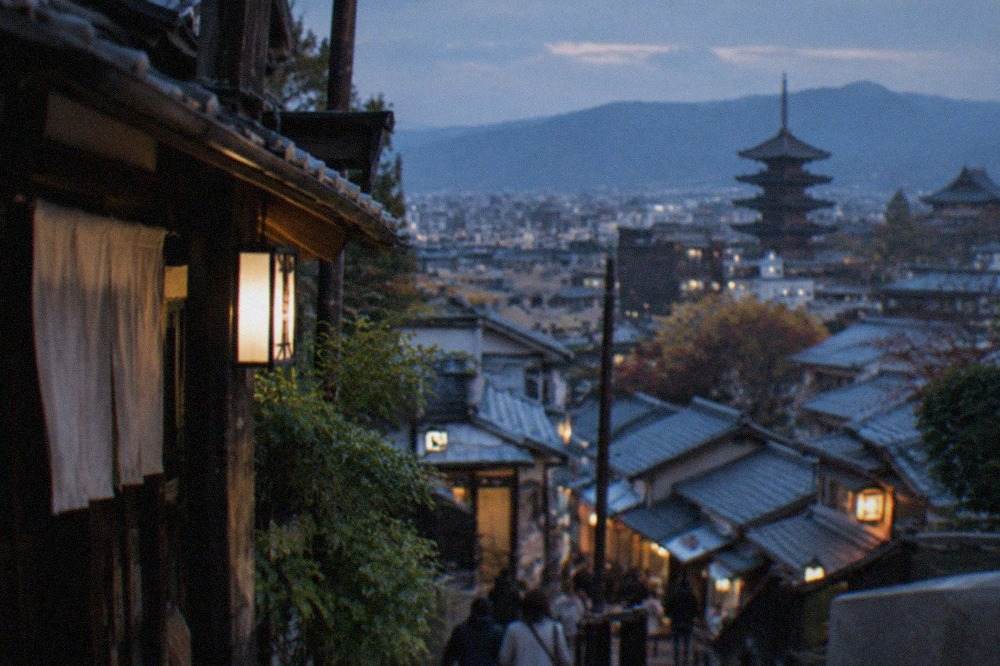
Short answer
Three days covers Kyoto's core: the eastern temple belt, the golden and silver pavilions, and Arashiyama. Two days works only with ruthless cuts, and five days lets you add Nara, Uji or Kurama without deleting anything you came for.
Kyoto drew a record 62.79 million visitors in 2025, the city's own tourism survey released in June 2026 reports, and 46.20 million of them were day visitors trying to compress the city into hours. That compression is exactly why itinerary math matters here more than in most destinations. The city holds seventeen World Heritage sites, temples that stop admitting visitors at 16:00, and a monthly rain total in July of 223.6 mm, per the JMA 1991-2020 normals for station 47759. A plan that ignores those numbers collapses by mid-afternoon.
This page answers the length question directly, then builds the two, three and five day versions on fees, hours and transit facts this site has verified from the temples, the city and the operators themselves. Where a walking time is not verified, the sequence is given without a number rather than guessed. The full city catalogue sits on Kyoto Travel Guide, and the detailed builds are here: two days in Kyoto, three days in Kyoto and five days in Kyoto. First-time visitors should also read the first-timer orientation guide, which covers the arrival basics this page skips.
How Many Days Does Kyoto Need: Two, Three Or Five?
Three full days is the honest minimum for Kyoto's core, and the answer the city's geography forces. One day covers the eastern temple belt around Kiyomizu-dera and Gion, one the northern pavilions and Nijo-jo Castle, and one Arashiyama in the west. Two days works only by cutting either the north or the west entirely. Five days adds Nara, Uji or the Kurama mountains without deleting anything, and that is the length where Kyoto stops feeling like a checklist.
The reason is not the number of sights, it is the closing windows. Nijo-jo Castle stops admitting at 16:00 and closes at 17:00, the castle's own fee page states. Sanjusangen-do closes at 16:00 from 16 November to 31 March. Ginkaku-ji shuts at 16:30 in winter. A day that starts late loses its last stop, and the loss compounds across a short trip.
The city's own numbers back the multi-day case. The 2025 survey counted 16.59 million overnight guests against 46.20 million day visitors, so more than two thirds of visitors never sleep in the city they came to see. The overnight minority gets the 6:00 opening at Kiyomizu-dera, which the temple's FAQ confirms, and the lantern-lit streets after the day crowds leave.
What Does A Two-Day Kyoto Itinerary Cover?
A two-day Kyoto itinerary can cover the eastern temple belt and the golden pavilion, or the east and Arashiyama, but not all three zones plus Nijo-jo Castle. Day one pairs Kiyomizu-dera, Ninenzaka and Gion; day two pairs Kinkaku-ji, Ryoan-ji and Nijo-jo Castle, with Fushimi Inari squeezed into either evening because its paths have no closing time. Expect to move fast and accept that Arashiyama or the silver pavilion will be dropped.
The geometry is the constraint. Kiyomizu-dera sits in the south-east, Kinkaku-ji in the north-west, Arashiyama further west still, and Fushimi Inari in the far south. No two of those clusters walk into each other. The transit fares are small, the city bus flat fare is 230 yen and the subway runs 220 to 360 yen by zone, both confirmed on the city's transport pages, but the hops add up in time rather than money.
The 6:00 opening at Kiyomizu-dera is the two-day traveller's biggest lever. The temple's FAQ gives that opening time daily, with closing varying by season and event. Starting there, then walking down through Ninenzaka and Sannenzaka to Gion, banks the east before the mid-morning crowds arrive. The temple's own site lists spring and autumn night viewings to 21:30 on specific dates, which extends a short day at both ends.
Fushimi Inari is the flexible piece. Admission is free, the shrine's own FAQ confirms, and the shrine publishes no closing time for the paths, only desk and prayer hours. A two-day plan can slot it at dawn or after dinner, the two windows when the senbon torii are thinnest, though the shrine itself makes no quiet-at-an-hour promise and neither will this page.
For the full build, see the two days in Kyoto page. If your trip is even shorter, the single-day triage is a matter of picking one zone and holding to it, and a layover-scale visit is really a half-day plan with a train attached.
What Goes Into Three Days In Kyoto?
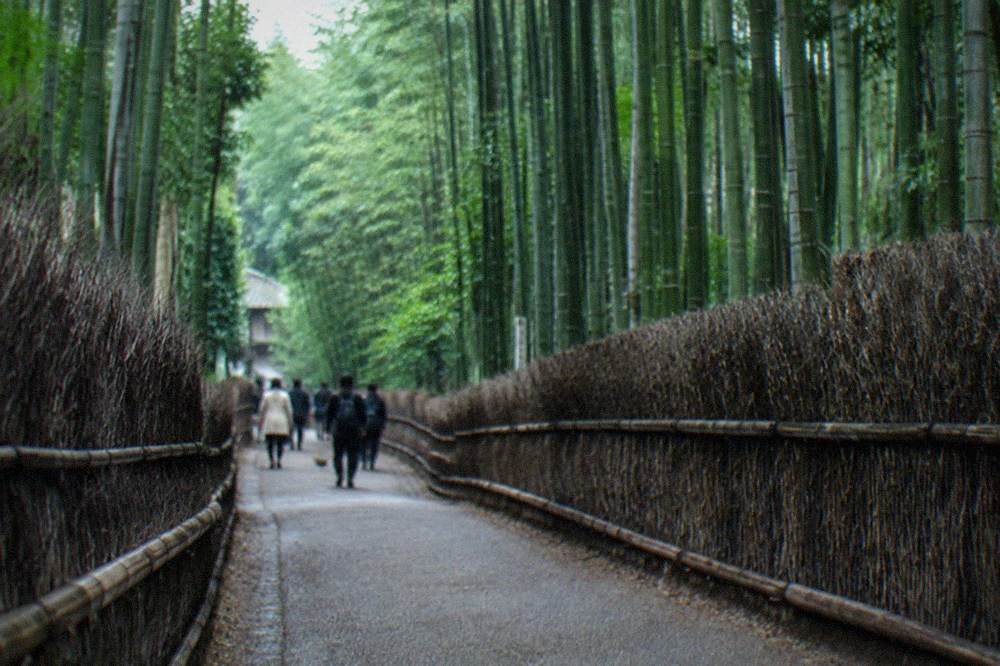
Three days is the first length that covers Kyoto's core without cuts: day one the eastern belt of Kiyomizu-dera, Ninenzaka and Gion; day two the northern pavilions, Ryoan-ji and Nijo-jo Castle; day three Arashiyama with the bamboo grove, Tenryu-ji and the Sagano Romantic Train. Fushimi Inari fits as an early morning on any of the three, and the evening of day two can carry the Pontocho alley instead of a sixth temple.
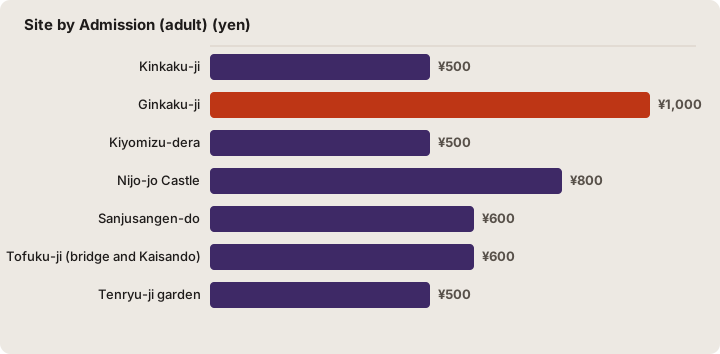
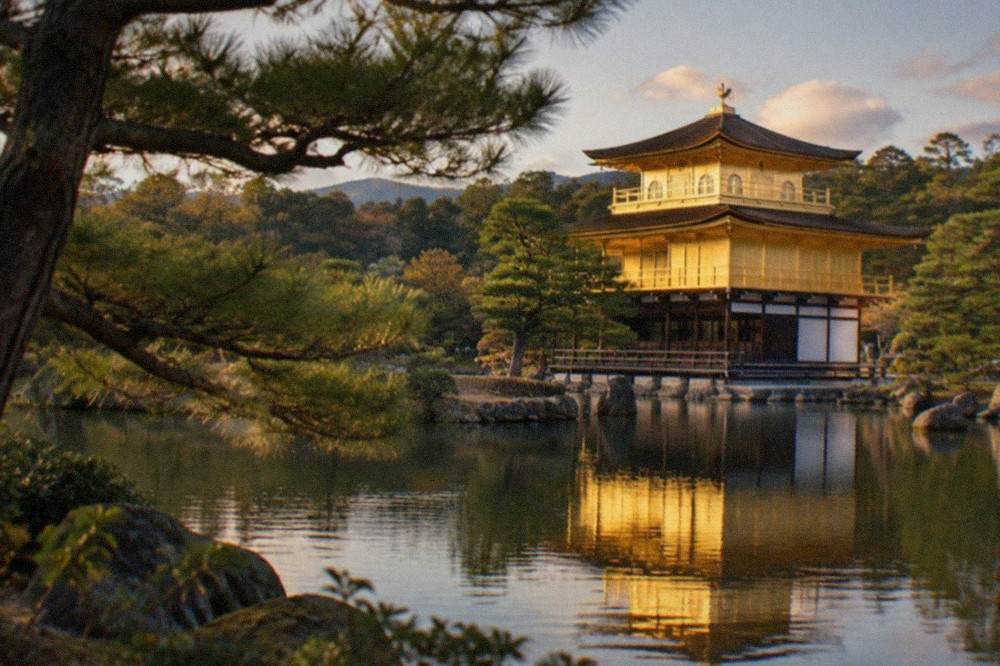
Day two is the one that punishes a late start. Nijo-jo Castle stops admitting at 16:00, and the Ninomaru-goten Palace reception closes at 16:10, the castle's own guide page states, so the castle belongs before the pavilions rather than after them. Kinkaku-ji opens 9:00 to 17:00 year-round, its access page confirms, and Ginkaku-ji now costs 1,000 yen for adults after doubling from 500 on 1 April 2026, the temple's own notice states.
Day three in Arashiyama has its own windows. Tenryu-ji's garden is open 8:30 to 17:00 with last admission 16:50, the temple's visit page confirms, and the Iwatayama Monkey Park charges 800 yen for visitors 16 and over, cash only, closing at 16:00. The Sagano Romantic Train runs about hourly from 9:02 to 16:02 in the down direction, per the operator's timetable, with a one-way adult fare of 880 yen.
The three-day version also opens the food layer that two days cannot hold. A Nishiki Market morning walk, a tea ceremony near a shrine, an izakaya evening in Kawaramachi: these are half-day experiences in their own right, and three days is the shortest length where they fit without evicting a temple. The things to do in Kyoto page catalogues the full range if you want to swap items in and out.
The table below is the honest coverage comparison. The site's own catalogue holds twelve activity kinds, from temple walks and Gion geisha tours to cooking classes, bike tours and craft workshops, and transfers are transport rather than an activity kind, so they sit outside that count deliberately.
| Zone or activity kind | Two days | Three days | Five days |
|---|---|---|---|
| Eastern belt (Kiyomizu-dera, Gion) | Yes | Yes | Yes |
| Northern pavilions and Nijo-jo Castle | Yes | Yes | Yes |
| Arashiyama and Sagano | No, or swap the north | Yes | Yes |
| Fushimi Inari full circuit | Dawn or evening only | One morning | One morning, unhurried |
| Southern Higashiyama extras (Tofuku-ji, Sanjusangen-do) | No | Partial | Yes |
| Food tours and cooking classes | Rarely | One slot | Two or three slots |
| Day trips (Nara, Uji, Kurama) | No | No | One or two |
How Do Five Days In Kyoto Change The Trip?
Five days stops the triage entirely: the core three days run as above, then day four takes a day trip to Nara or Uji, and day five takes the Kurama and Kibune mountains, the Fushimi sake district or the museum quarter. The fifth day is also where rainy-day and with-kids contingencies stop being compromises, because a washed-out afternoon can be replaced rather than absorbed.
The day trips are cheap to reach. The JR Miyakoji Rapid runs to Nara in about 45 minutes for 720 yen one-way, and the Kintetsu limited express does it in about 35 minutes for 1,280 yen including surcharge. Uji is 240 yen each way on the JR Nara Line. Those fares are confirmed from timetable and fare sources this site has checked, and none of them justifies cutting a Kyoto day for transport cost.
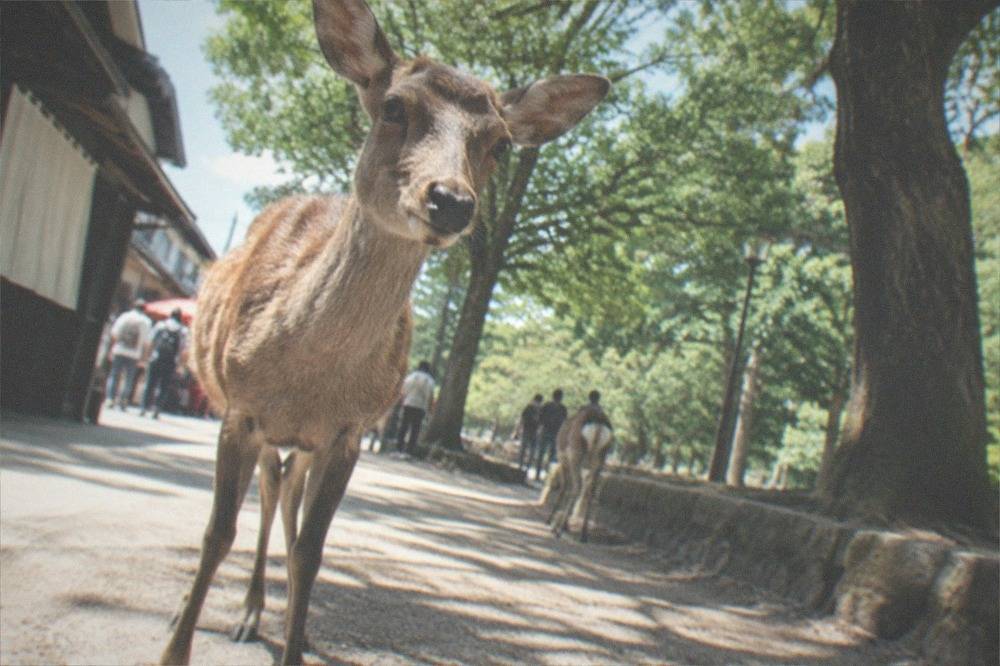
Nara itself is a half-day of park and temple. The 2026 deer census counted 1,687 animals in Nara Park, up 222 on the previous year, the foundation that studies them reports. Todai-ji's Daibutsuden charges 800 yen for adults and opens 7:30 to 17:30 from April to October, the temple's own information page states. The Nara guide and the Uji guide carry the full builds for both.
The fifth day also absorbs the seasons. Cherry bloom in 2026 was 23 March flowering and 30 March full bloom, the JMA Kyoto observatory records, against normals of 26 March and 4 April. If your five days fall in that window, the cherry blossom itinerary reshapes the plan around the Philosopher's Path and Maruyama Park. For the late-autumn equivalent, the autumn leaves itinerary does the same around the JMA maple normal of 5 December, a date far later than most guides claim.
What Are The Closing Windows That Shape Each Kyoto Day?
The four hard windows are Nijo-jo Castle stopping admission at 16:00, Ginkaku-ji closing at 16:30 from December to February, Sanjusangen-do closing at 16:00 from 16 November, and Nanzen-ji closing at 16:30 in winter, all from the venues' own pages. Kiyomizu-dera opens at 6:00 daily and Fushimi Inari's paths never close, so the bookends of a Kyoto day are early-start temples and an open-all-evening shrine.
Build the day around the closes, not the opens. A plan that reaches Nijo-jo Castle at 16:15 in January is not a slow plan, it is a wrong one. The castle's own guide page gives admission 8:45 to 16:00 with a 17:00 close, and the Ninomaru-goten Palace shuts its reception at 16:10. The Honmaru-goten Palace, reopened in September 2024 after restoration, additionally requires an advance reservation and a separate 1,000 yen ticket on top of castle admission.
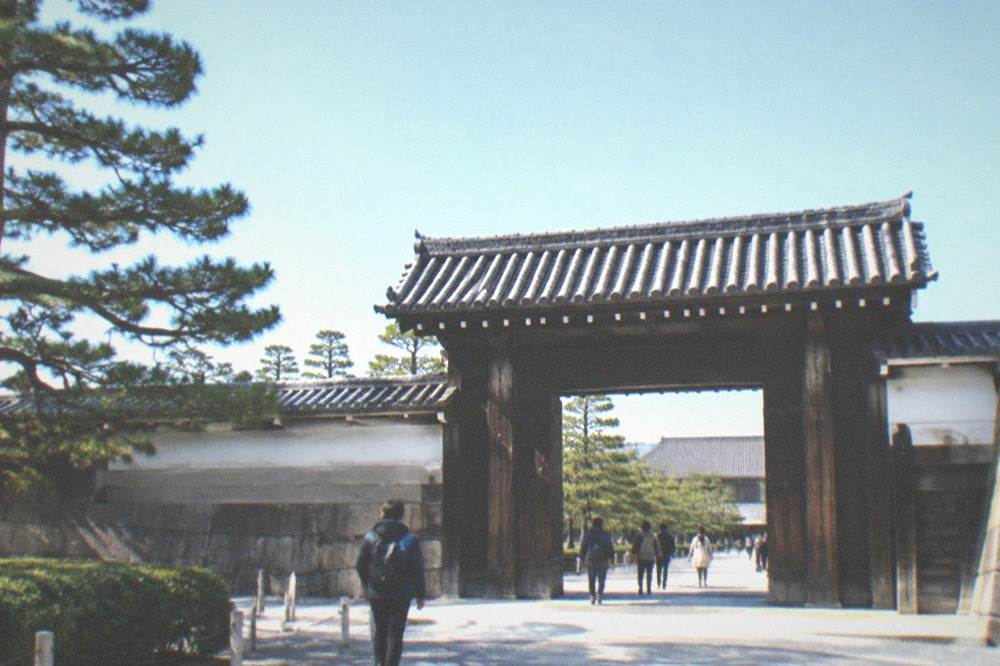
Tofuku-ji deserves a specific warning. The temple's own notice revises its fees on 1 November 2026: the Tsutenkyo bridge and Kaisando area goes to 1,000 yen for adults during the autumn foliage period, and the Hojo garden rises from 500 to 600 yen, with a new 1,000 yen combined ticket. Any fee copied from a 2025 guide is already wrong for two of this city's temples, since Ginkaku-ji doubled in April 2026 as well.
| Site | Admission (adult) | Last entry or close | Source |
|---|---|---|---|
| Kinkaku-ji | 500 yen | 9:00-17:00 year-round | temple access page |
| Ginkaku-ji | 1,000 yen from 1 Apr 2026 | 16:30 winter, 17:00 summer | temple notice and page |
| Kiyomizu-dera | 500 yen | opens 6:00, close varies | temple FAQ |
| Nijo-jo Castle | 800 yen, 1,300 with palace | admission ends 16:00 | castle fee page |
| Sanjusangen-do | 600 yen | 16:00 from 16 Nov | temple visit page |
| Tofuku-ji (bridge and Kaisando) | 600 yen, 1,000 in foliage season from 1 Nov 2026 | per temple notice | temple notice |
| Tenryu-ji garden | 500 yen | 16:50 last admission | temple visit page |
| Fushimi Inari Taisha | free | paths have no closing time | shrine FAQ |
How Do You Move Between Kyoto's Areas Without Losing Hours?
The city bus flat fare is 230 yen, the subway runs 220 to 360 yen by zone, and the Subway and Bus One-Day Pass costs 1,100 yen, all confirmed on the city's transport pages, so a full sightseeing day of four or more rides pays for the pass. The bus-only one-day pass no longer exists: sales ended in September 2023 and the last day of use was 31 March 2024, so any guide still recommending it is out of date.
The pass question has a second layer. The city's transport bureau states plainly why the bus-only pass died: 90 per cent of buyers were non-residents and the pass concentrated tourists on the buses. The replacement pass covers the subway too, which is the faster surface-to-surface link across the city's width. The EX100 and EX101 tourist express buses, 500 yen a ride, run from Kyoto Station to the Kiyomizu side, Gion and Ginkaku-ji with fewer stops, and the EX101 runs every 7 to 8 minutes in the morning on operating days.
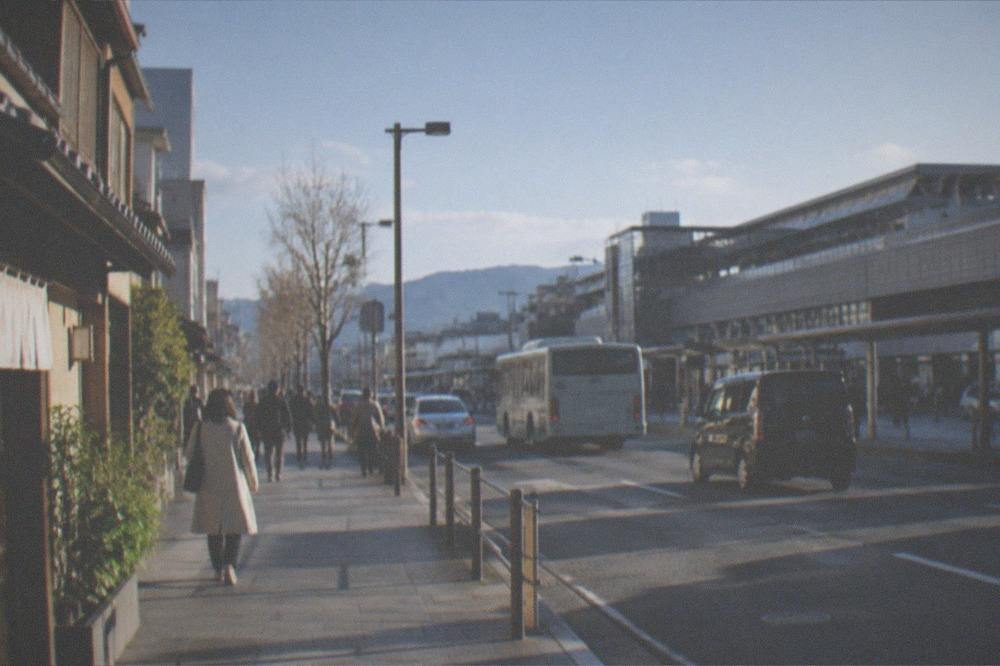
One warning the city itself now makes: large luggage may be refused by drivers on crowded buses, and the city's hands-free tourism program promotes luggage delivery from station counters instead. The Kyoto buses guide covers the mechanics in detail, and the subway map in the same transport family is the faster cross-city option on any day the buses jam.
| Option | Adult fare | Notes |
|---|---|---|
| City bus, flat | 230 yen | child 120 yen |
| Subway, zones 1-5 | 220 to 360 yen | child half |
| Subway and Bus One-Day Pass | 1,100 yen | child 550 yen |
| EX100 / EX101 tourist express | 500 yen | covered by the one-day pass |
| Subway One-Day Pass | 800 yen | subway only |
| HARUKA visitor ticket, Kansai Airport to Kyoto | 2,200 yen | foreign-visitor product, JR West |
What Does A Kyoto Itinerary Cost Beyond The Tickets?
Budget beyond admissions for the accommodation tax, which changed on 1 March 2026: a room under 6,000 yen carries 200 yen per person per night, but a room of 20,000 to under 50,000 yen now carries 1,000 yen, and the top tier of 100,000 yen and up carries 10,000 yen, up from 1,000. Most competing guides still quote the old tiers, so a five-night mid-range stay costs 5,000 yen more in tax than those guides suggest.
Food is the other line where honesty pays. At Hyotei, one of Kyoto's most famous kaiseki houses by Nanzen-ji, the kaiseki course starts from 31,625 yen at lunch and 37,950 at dinner on the restaurant's own price page, tax and service included. Those are Hyotei's prices for its main building, not a Kyoto norm. The same house's annex serves asa-gayu at 5,445 yen and a bento from 7,260 yen, which is the honest way to eat at a famous kitchen without the famous bill.
For the full cost picture, including how the tax tiers interact with hotel choice, see the Kyoto trip cost guide. The best restaurants guide covers where the food budget goes instead.
When Is The Wrong Season To Lock A Kyoto Itinerary?
July is Kyoto's wettest month at 223.6 mm against June's 199.7 mm, and August is the hottest at a 28.5 C mean with a 33.7 C mean daily high, per the JMA 1991-2020 normals, so the two months most travellers assume are peak-friendly are in fact the wettest and the hottest. The comfortable shoulders are April to May and October to November, and three of Kyoto's six hottest days on record fell in the summers of 2024, 2025 and 2026.
That record heat is not a rounding note. The JMA station records for Kyoto, a series running from 1880, place 2026, 2025 and 2024 days among the six hottest ever measured, and July and August 2025 both rank among the five hottest calendar months. A summer itinerary needs the 6:00 temple opens, a midday indoor gap, and an evening shrine visit built in as structure, not as luck.
| Month | Rain mm | Mean C | Mean daily high C | Sunshine h |
|---|---|---|---|---|
| April | 117.0 | 14.4 | 20.1 | 177.3 |
| May | 151.4 | 19.5 | 25.1 | 182.4 |
| July | 223.6 | 27.3 | 32.0 | 142.7 |
| August | 153.8 | 28.5 | 33.7 | 182.7 |
| October | 143.2 | 18.4 | 23.4 | 156.0 |
| November | 73.9 | 12.5 | 17.3 | 140.7 |
The seasonal builds handle this: the Kyoto in summer guide reshapes the same zones around early starts and indoor middays, and winter and rainy-season versions follow the same logic with different weights. Families should also plan around shorter walking days, since the closing windows bite hardest when a morning melts into a long lunch.
A guided hike on the Fushimi Inari mountain is the one activity that changes with the seasons least, and it pairs naturally with any trip length. The hidden-trail version keeps to the quieter northern paths above the main tunnel, with a private option for families or slow groups.
Common Questions About A Kyoto Itinerary
How many days in Kyoto is enough?
Three days is enough for the core: the eastern temple belt, the northern pavilions with Nijo-jo Castle, and Arashiyama. Two days forces a cut of one of those three zones. Five days adds day trips to Nara or Uji without cutting anything.
Is one day in Kyoto worth it?
One day covers either the east and Gion or the golden pavilion and Arashiyama, not both. Fushimi Inari's paths have no closing time and free admission, so it can extend a single day at either end.
What is the best month for a first Kyoto itinerary?
April to May and October to November, on the JMA normals. April averages 14.4 C with 117.0 mm of rain and November 12.5 C with 73.9 mm. July is the wettest month at 223.6 mm and August the hottest at a 28.5 C mean, so avoid building a first trip around them.
Do I need the Subway and Bus One-Day Pass?
At 1,100 yen against a 230 yen bus flat fare and 220 to 360 yen subway fares, the pass pays off at roughly four rides a day. The bus-only pass no longer exists: its sales ended in September 2023 and its last day of use was 31 March 2024.
Can I do Kyoto and Nara in one trip?
Yes, with five days rather than three. The JR Miyakoji Rapid reaches Nara in about 45 minutes for 720 yen one-way, so a Nara morning costs half a day of transport time. The Nara guide covers what the half day holds.
Whichever length you settle on, build the days around the verified closes rather than the opens: the 16:00 admissions cutoffs are what actually break short itineraries, and the 6:00 temple starts are what rescue them. Three days, sequenced east, north, west, with Fushimi Inari banked early, is the plan that survives the real city, and five days is the plan that lets you enjoy it.