Day Trip From Kyoto To Amanohashidate And Ine
Amanohashidate, the pine-covered sandbar the Japanese call the bridge to heaven, and the Funaya boathouses of Ine sit on Kyoto Prefecture's northern coast, close enough to reach from Kyoto Station in a single day and far enough that most visitors to the city never go.
Short answer
The train from Kyoto to Amanohashidate takes about two hours each way on the direct limited express via Fukuchiyama, so a day trip works but eats most of the day. A guided tour from Kyoto covering Amanohashidate, Ine and Miyama runs about 10 hours and starts from $52 per person.
Day Trip From Kyoto To Amanohashidate And Ine
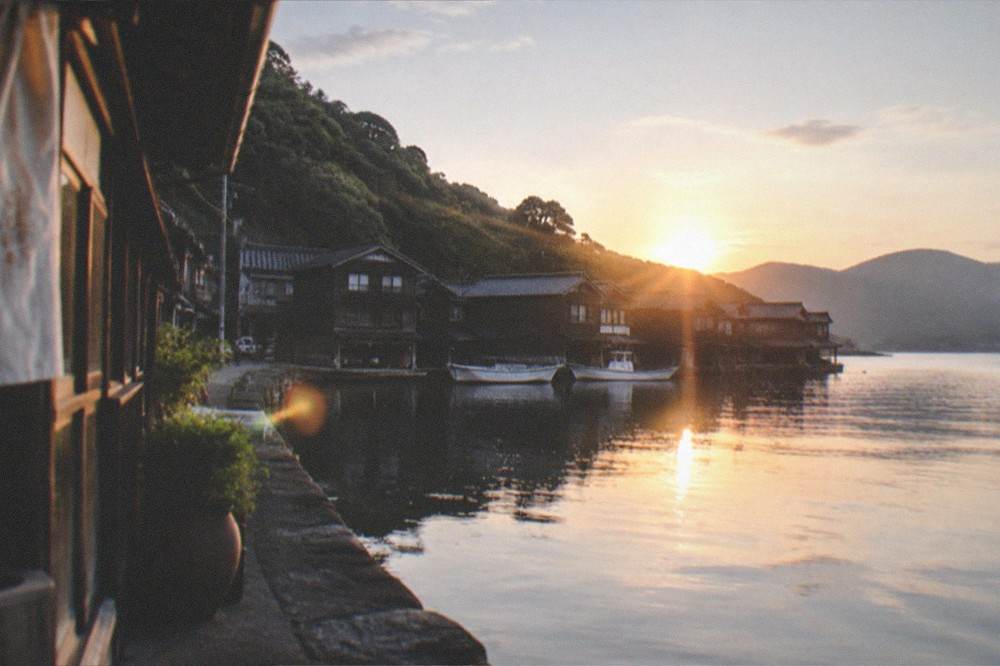
Amanohashidate is a pine-covered sandbar that closes off Miyazu Bay on Kyoto Prefecture's Sea of Japan coast, and for centuries Japanese travellers have ranked it among the country's Three Views, alongside Miyajima and Matsushima. About an hour's drive further along the same coastline, the village of Ine lines its bay with Funaya, wooden boat sheds whose upper floors were once fishermen's living quarters, built with their foundations in the water. Both sit inside Kyoto Prefecture, which surprises many visitors: you can leave the inland basin of the city in the morning and stand on the Sea of Japan coast before lunch, without ever crossing a prefectural border. This page covers the train journey, the tour options, the costs and the seasons, so you can decide whether the sandbar deserves one of your Kyoto days.
How Long Is The Train From Kyoto To Amanohashidate?
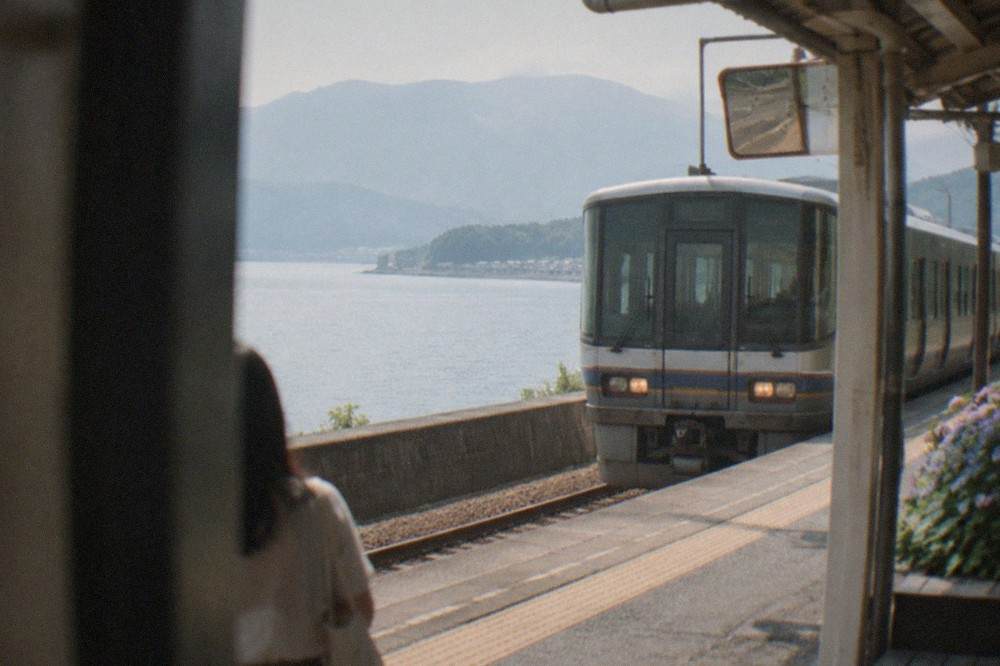
The train from Kyoto Station to Amanohashidate takes about two hours each way on the direct limited express, which runs north via Fukuchiyama and terminates at Amanohashidate Station, a short walk from the sandbar itself. Because roughly four hours of the day disappears into the rails, most travellers treat this as a full-day outing, leaving Kyoto in the morning and returning after dark, or they let a guided tour absorb the transfers.
The route is operated by JR West and the Kyoto Tango Railway, and the practical detail that matters most is the transfer point: the direct Hashidate limited express from Kyoto runs through to Fukuchiyama and on toward the coast, while some departures require a change at Fukuchiyama or Ayabe. Seat reservations are worth having in high season, because the limited express is the only fast link and it fills on weekends. Check the operator's timetable before you commit to a plan, because frequencies and through-running change with the season, and the last return departure is early enough that a missed connection can turn a day trip into an unplanned overnight.
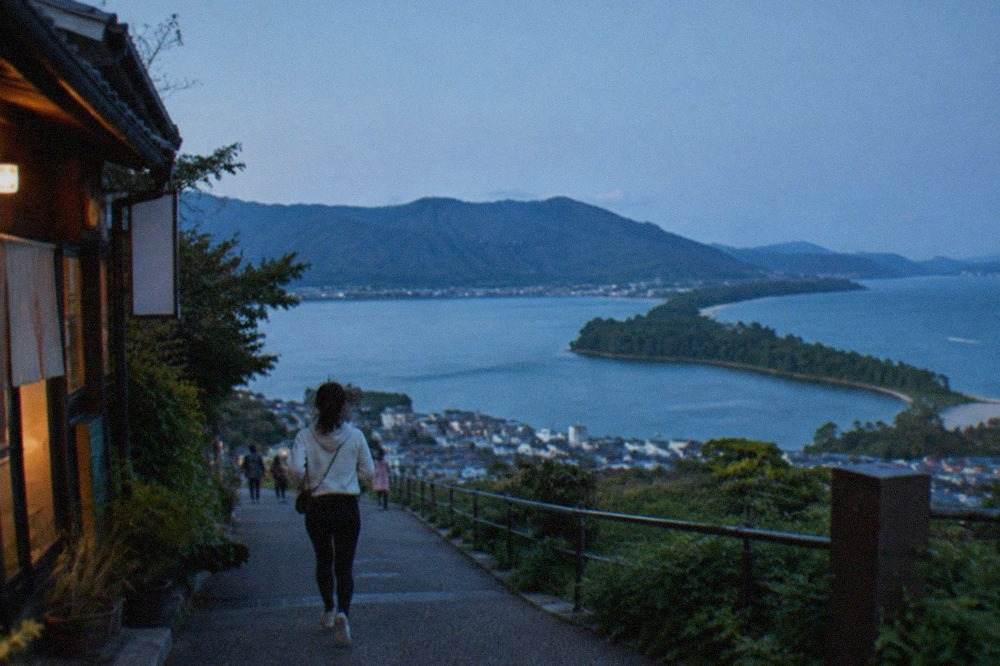
The station sits at the eastern end of the sandbar, and the walk from the platform to the beach takes only a few minutes. From there you cross Amanohashidate on foot along the pine path, or take the short cable car or chairlift up the hills at either end to view the sandbar from above. The classic viewing ritual is to bend over and look at the scene upside down through your own legs, which is said to make the sandbar look like a bridge hanging in the sky.
If two hours of rail each way sounds like a lot of your day, the honest alternative is a guided tour. The Amanohashidate, Ine and Miyama day tour from Kyoto or Osaka runs about 10 hours door to door and starts from $52 per person, rated 4.9 from 597 reviews, with the coastal transfers between Amanohashidate, Ine and Miyama handled by the operator. For a trip whose logistics involve a limited express, a local railway and a coastal bus or shuttle, that is the trade you are making: price the rail fare against the tour and decide which currency you are paying in, yen or hours.
What Is Amanohashidate And Why Is It Famous?
Amanohashidate is a sandbar roughly three and a half kilometres long, planted with thousands of pine trees, that stretches across Miyazu Bay on the Sea of Japan coast of northern Kyoto Prefecture. Its fame is old and institutional: it has been counted among Japan's Three Views since the Edo period, a canonical list that made it a destination for literati and painters long before modern tourism existed.
The name translates as bridge to heaven, and the legend behind it says the deity Izanagi used a ladder to descend from the sky, which fell into the bay and became the sandbar. The view from the hills at either end, Kasamatsu Park on the south side and the observation decks near the northern end, is what the ranking was built on: the pines read as a bridge of green crossing the water, and the traditional way to see it is the upside-down pose described above, called matanozoki.
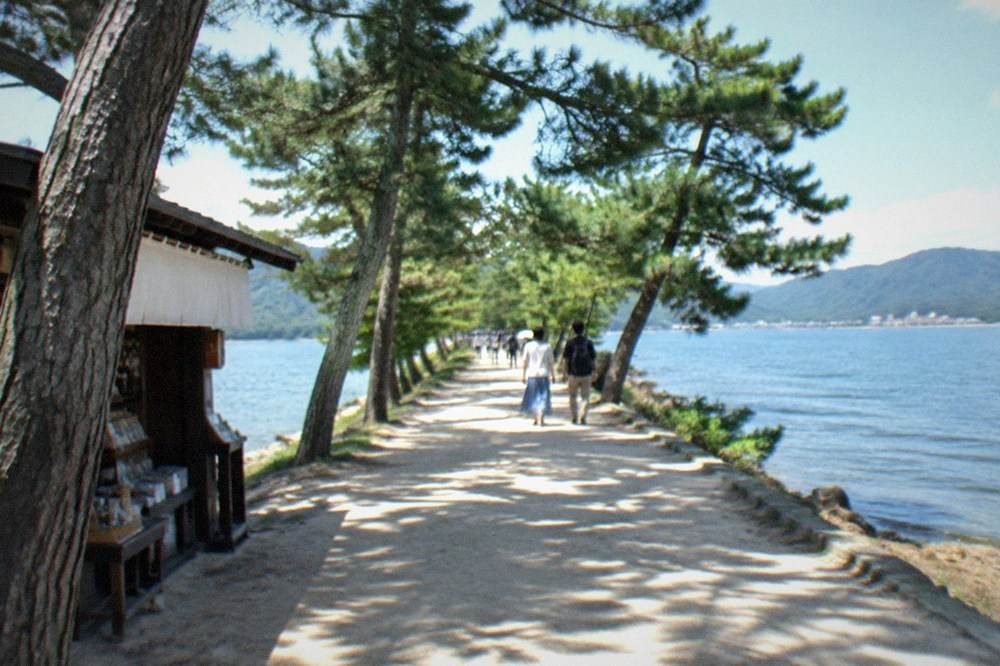
The sandbar itself is a public open space. You can walk or cycle its length on the path that runs between the pines, swim from the beaches at either end in summer, and stop at the small shrines and tea houses along the way. The two cable cars and the chairlift that climb the flanking hills are paid rides, and the combined view from the top is the reason most visitors make the trip. Chion-ji, a temple at the eastern end near the station, is the sandbar's main religious site and a short detour from the path.
What the sandbar is not is a half-day stop. Between the rail journey, the crossing, the viewpoints and a meal of the local seafood, the visit itself fills three to four hours, which is why the full-day framing matters. Travellers who try to bolt Amanohashidate onto another destination on the same day usually end up seeing the station and nothing else.
What Are The Funaya Boathouses Of Ine?
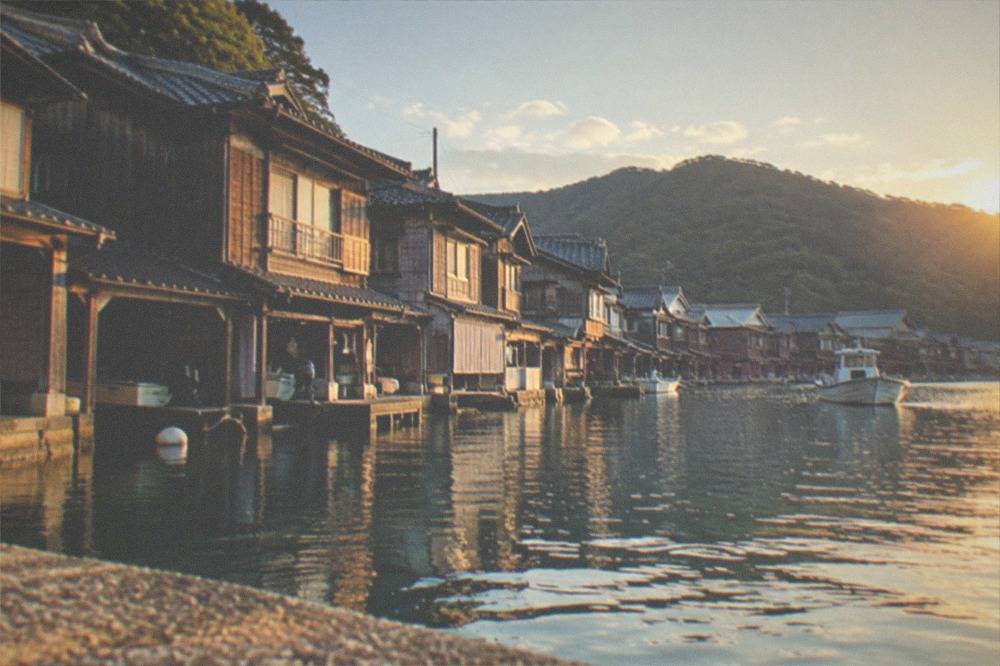
The Funaya of Ine are roughly 230 wooden boathouses standing in a row along the shore of Ine Bay, their lower floors open to the water as boat shelters and their upper floors built as fishermen's living quarters. They are often called the Venice of Japan in tourist copy, which undersells them: they are a working fishing village first, and the architecture exists because the sea, not the street, was the village's front door.
The buildings are the reason the bay has been designated a protected conservation district, and the village is one of the few places on the Japan Sea coast where the traditional boathouse form survives at this scale. Some Funaya now operate as guesthouses, cafes and small museums, and the regular sightseeing boat that circles the bay runs close enough to the waterline that the boat sheds' open lower floors, with fishing boats moored inside, are visible from the deck.
Ine sits about an hour north of Amanohashidate by road along the coast, past the Wakasa Bay inlets. There is no rail link: the practical options from Amanohashidate are the local bus along the coast, a taxi, or a seat on a tour that includes the transfer. This is the single biggest reason guided tours dominate the Ine itinerary, because the bus is infrequent enough that a missed departure can strand a plan, and the tour operators run their own shuttles on their own clocks.
Photography etiquette matters here more than at Amanohashidate, because the Funaya are people's homes and working fishing sheds. Shoot from the bay, from the public road and from the designated viewpoints, and treat the private interiors as invitation-only. The village's economy is fishing and tourism in roughly equal measure, and the residents' tolerance is what keeps the bay open to visitors.
What Does A Guided Day Trip From Kyoto To Amanohashidate And Ine Include?
The main guided option is the Kyoto/Osaka: Amanohashidate and Ine Funaya and Miyama Day Tour, which runs about 10 hours, starts from $52 per person, and is rated 4.9 from 597 reviews. It pairs the sandbar and the boathouses with Miyama, the thatched-roof village in the mountains between the coast and the city, and covers the coastal transfers that are the hardest part of the route to arrange independently.
The tour's structure answers the itinerary problem this page keeps returning to: Amanohashidate, Ine and Miyama sit on a loop that public transport serves thinly, and a private vehicle closes it in a day. What a tour of this kind typically provides is round-trip transport from a central Kyoto or Osaka meeting point, time at the sandbar including the crossing, the transfer along the coast to Ine with a stop at the bay, and a stop at Miyama's thatched houses on the return leg. Meal arrangements and entry fees vary by departure, so read the operator's live listing for what the current version includes.
The honest comparison is against the independent rail plan. Doing it yourself means the limited express fare each way, the coastal bus to Ine and back, and the time cost of coordinating a bus timetable with a train departure. The tour costs more than the bare fares in most cases and less than the same day by taxi, and it removes the single point of failure, which is the Ine bus. For travellers with a rail pass or a tight budget, the independent version is entirely workable, and the day trips from Kyoto overview covers the other options in the same region, including Uji and Kurama and Kibune, both of which are far closer to the city.
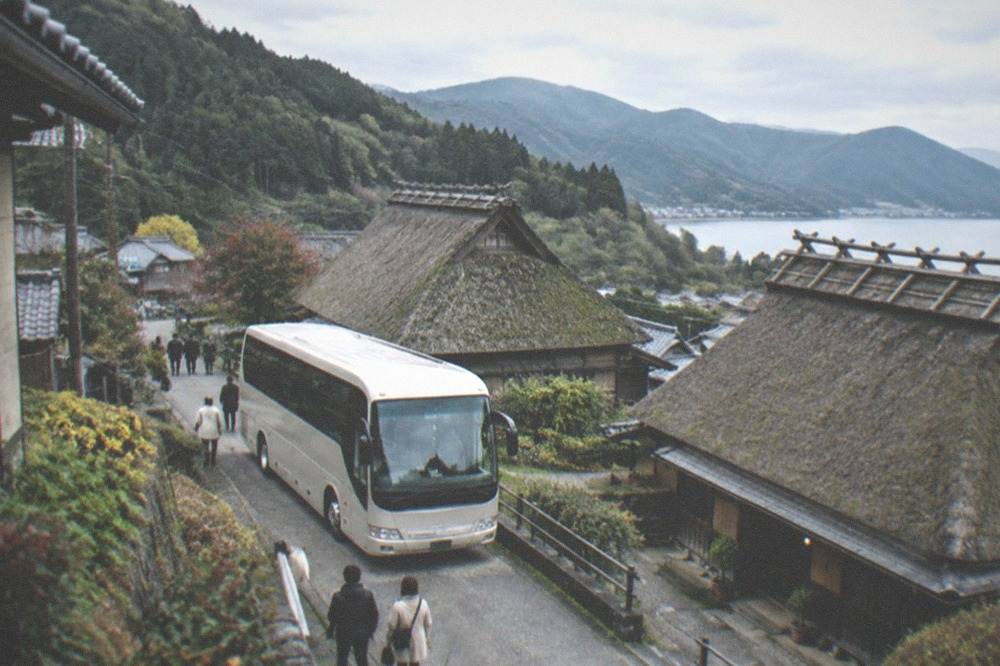
Miyama itself deserves the stop the tour gives it. The village's gassho-zukuri houses, with their steep thatched roofs built for heavy snow, sit in a mountain valley that is administratively part of Kyoto City, an oddity of municipal geography that means the day trip never leaves the city's boundaries. The Miyama thatched village page covers it in full if you would rather make it a destination of its own.
How Much Does A Day Trip To Amanohashidate And Ine Cost?
The guided tour starts from $52 per person for the full 10-hour loop. The independent version costs the limited express fare each way plus the coastal bus to Ine, plus paid extras at the sandbar such as the cable car and the bicycle rental, so a realistic independent day lands somewhere near the tour price once everything is counted, with the tour buying certainty and the independent version buying flexibility.
The table below sets out the main cost lines. Where a figure is not carried in this site's verified fact base, the row says so rather than inventing a number, and the operator's own pages are the place to confirm current prices.
| Cost line | Typical figure | Notes |
|---|---|---|
| Guided day tour, Amanohashidate, Ine and Miyama | from $52 per person | 10 hours, rated 4.9 from 597 reviews |
| Limited express rail, Kyoto to Amanohashidate | fare varies by season and reservation | confirm with the operator's timetable; not carried in this site's verified fact base |
| Coastal bus, Amanohashidate to Ine | fare varies by operator | infrequent service; the schedule is the constraint, not the price |
| Cable car or chairlift at Amanohashidate | paid ride, separate from the free sandbar path | the sandbar crossing itself is free |
| Bicycle rental on the sandbar | paid rental, seasonal | the path is flat and closed to cars |
| Sightseeing boat at Ine | paid ride, seasonal sailing | circles the bay past the boathouses |
Two budget notes from the Kyoto side of the trip. If you are arriving in the city through Kansai International, the JR West HARUKA One-way Ticket for foreign visitors costs 2,200 yen to Kyoto Station, 1,100 for a child, with the journey taking about 80 minutes. And inside Kyoto itself, the flat City Bus fare is 230 yen for an adult and 120 for a child, the subway runs 220 to 360 yen by zone, and the Subway and Bus One-Day Pass is 1,100 yen, 550 for a child, which covers a day of getting to and from Kyoto Station if your base is not on a rail line.
When Is The Best Time To Visit Amanohashidate And Ine?
The best months are late April to June and September to October, when the coast is warm, the skies are more often clear and the summer holiday crowds have not yet arrived or have gone. Midsummer works but is hot and busiest, and winter brings the Sea of Japan's grey skies and the possibility of snow on the coast, though the sandbar under a dusting of snow is one of the region's genuinely beautiful sights.
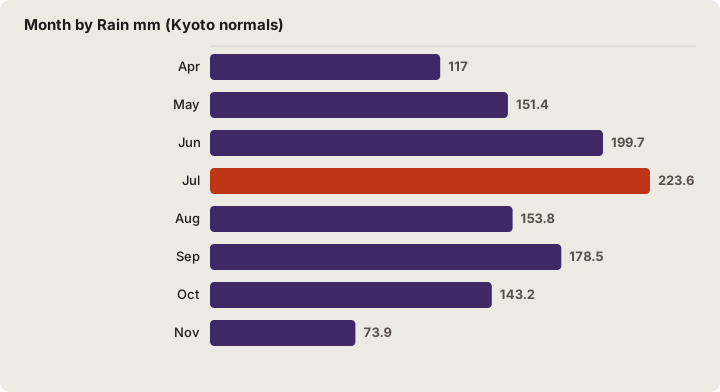
This site's climate baseline is the JMA 1991-2020 normals for the Kyoto station, inland in the basin, and the coast runs a degree or two milder in winter and cloudier year round, so treat the table as a planning proxy rather than a coastal forecast. The pattern that matters for the sandbar is sunshine: the view from the hills is the whole point, and the Japan Sea coast is the cloudiest part of the region in winter.
| Month | Rain mm (Kyoto normals) | Mean C | Mean daily max C | Sunshine h |
|---|---|---|---|---|
| Apr | 117.0 | 14.4 | 20.1 | 177.3 |
| May | 151.4 | 19.5 | 25.1 | 182.4 |
| Jun | 199.7 | 23.3 | 28.1 | 133.1 |
| Jul | 223.6 | 27.3 | 32.0 | 142.7 |
| Aug | 153.8 | 28.5 | 33.7 | 182.7 |
| Sep | 178.5 | 24.4 | 29.2 | 142.7 |
| Oct | 143.2 | 18.4 | 23.4 | 156.0 |
| Nov | 73.9 | 12.5 | 17.3 | 140.7 |
One detail from that table contradicts what most guides repeat: July, not June, is Kyoto's wettest month, at 223.6 mm against June's 199.7 mm. August is the hottest month, with a mean of 28.5 C and a mean daily maximum of 33.7 C, and it is also the sunniest at 182.7 hours, which is why the coast fills with domestic holidaymakers in early August. If you want the sandbar's classic blue-water photographs, the September and October rows are the ones to aim for.
Can You Combine Amanohashidate, Ine And Miyama In One Day?
Yes, and the guided 10-hour tour does exactly that, but doing all three independently by public transport in one day is close to impossible, because the coastal bus between Amanohashidate and Ine is infrequent and Miyama has almost no rail access at all. The realistic independent plan is two destinations: Amanohashidate plus Ine by train and bus, with Miyama saved for a separate trip, or Amanohashidate alone at a relaxed pace.
The sequencing that works for a self-guided day is an early limited express out of Kyoto Station, the sandbar crossing and one viewpoint before midday, the coastal bus to Ine for the early afternoon including the bay boat if it is sailing, and the return bus and train with enough margin to make the last connections. The failure mode is treating the Ine bus as flexible: it is not, and the tour operators exist largely because of that timetable.
The table below lays out the two shapes of the day side by side, so you can see where the hours actually go.
| Time of day | Independent plan (train and bus) | Guided tour plan |
|---|---|---|
| Early morning | Limited express from Kyoto Station, about 2 hours | Depart from a central Kyoto or Osaka meeting point |
| Late morning | Sandbar crossing on foot or by bicycle, one viewpoint | Arrival at Amanohashidate, sandbar time |
| Midday | Seafood lunch near the station, check the bus times | Coastal transfer toward Ine by tour vehicle |
| Early afternoon | Coastal bus to Ine, bay walk, sightseeing boat if sailing | Ine Funaya stop with the group |
| Late afternoon | Return bus, then the limited express to Kyoto | Miyama thatched village stop on the return leg |
| Evening | Back at Kyoto Station after dark | Return to the original meeting point, about 10 hours total |
If your appetite is for a slower northern Kyoto day rather than a long one, the alternatives are shorter. Lake Biwa to the east and Ohara in the mountains north of the city both reward a half day, and neither involves a limited express. The trade is simple: none of them is the Sea of Japan.
Is A Day Trip To Amanohashidate And Ine Worth It From Kyoto?
For most travellers with four days or more in the region, yes: the sandbar is one of Japan's canonical views, the Funaya are a building type you will not see anywhere else at that scale, and the tour price from $52 is low relative to what the day delivers. With three days or fewer in Kyoto, the honest answer is no, because four hours of train and the coastal transfers eat a full day that the city's own UNESCO sites would use better.
The decision rule is time, not interest. If this is your first visit to Kyoto, the temples inside the city, from Kiyomizu-dera to Nijo-jo Castle, are the reason you came, and a northern coast day costs you one of them. If you have been before, or you are staying a week, the coast is the strongest single change of scene the prefecture offers: sea, fishing villages and mountain thatch, all inside the same administrative boundary as the temples.
For the practical side of the rest of your stay, the Kyoto Travel Guide homepage gathers the site's planning pages, and the things to do in Kyoto rundown covers the in-city alternatives day by day.
If the full-day coast trip is more than your schedule allows, there are shorter guided mornings worth considering instead. The Kyoto Early Morning Tour with an English-speaking guide runs 5 to 6 hours from $82 per person, rated 4.9 from 1,998 reviews, and covers the city's headline sights before the crowds build, which pairs well with a slower afternoon.
And if your remaining Kyoto days are better spent closer to the city, the Arashiyama walking tour with the monkey park and temple garden option runs 5 hours from $52 per person, rated 4.9 from 942 reviews, and includes a secret sake brewery option that makes a fine consolation for missing the coast's seafood.
Common Questions About Amanohashidate And Ine
How Long Is The Train From Kyoto To Amanohashidate?
About two hours each way on the direct limited express via Fukuchiyama, with some departures requiring a change at Fukuchiyama or Ayabe. Roughly four hours of the day goes to the rails, which is why the trip is planned as a full day and why the guided tours run about 10 hours door to door.
Can You Visit Ine From Amanohashidate By Public Transport?
Yes, by the local coastal bus, but the service is infrequent and the timetable is the binding constraint, not the fare. The sightseeing boat on Ine Bay and the bus schedules both run seasonally, so confirm both before committing to a self-guided plan.
Is Amanohashidate Worth Visiting In Winter?
The sandbar under snow is a genuinely beautiful sight and the crowds are gone, but the Sea of Japan coast is at its greyest and the view from the hills depends on clear skies. Late April to June and September to October are the stronger bets for the classic view.
What Is The Best Way To Cross The Amanohashidate Sandbar?
On foot along the pine path, which is free, or by rental bicycle, which is faster and still slow enough to enjoy. The cable car and chairlift up the flanking hills are the paid rides, and the classic viewing ritual from the top is to bend over and look at the sandbar upside down through your legs.
Do You Need A Tour For Amanohashidate And Ine?
You need a tour for all three of Amanohashidate, Ine and Miyama in one day, because the coastal transfers defeat the timetable. Amanohashidate alone, or Amanohashidate plus Ine, is entirely doable independently if you book the limited express and check the bus schedule in advance.
The northern coast is the part of Kyoto Prefecture that the city's visitors overwhelmingly skip, and that is precisely its value: one limited express ride separates the temple basin from a sandbar the Edo period ranked among the three finest views in Japan, and from a fishing village whose boathouses stand in the water. Whether you ride the rails yourself or let a tour carry the coastal transfers, plan it as a full day, leave early, and keep an eye on the last train home.