Why Is Ginkaku-ji Called The Silver Pavilion When It Was Never Silvered?
Ginkaku-ji charges 1,000 yen to enter as of 1 April 2026, double its old fee, and the pavilion that gives it its name has never carried a sheet of silver. Both facts surprise first-time visitors, and both are worth understanding before you go.
Short answer
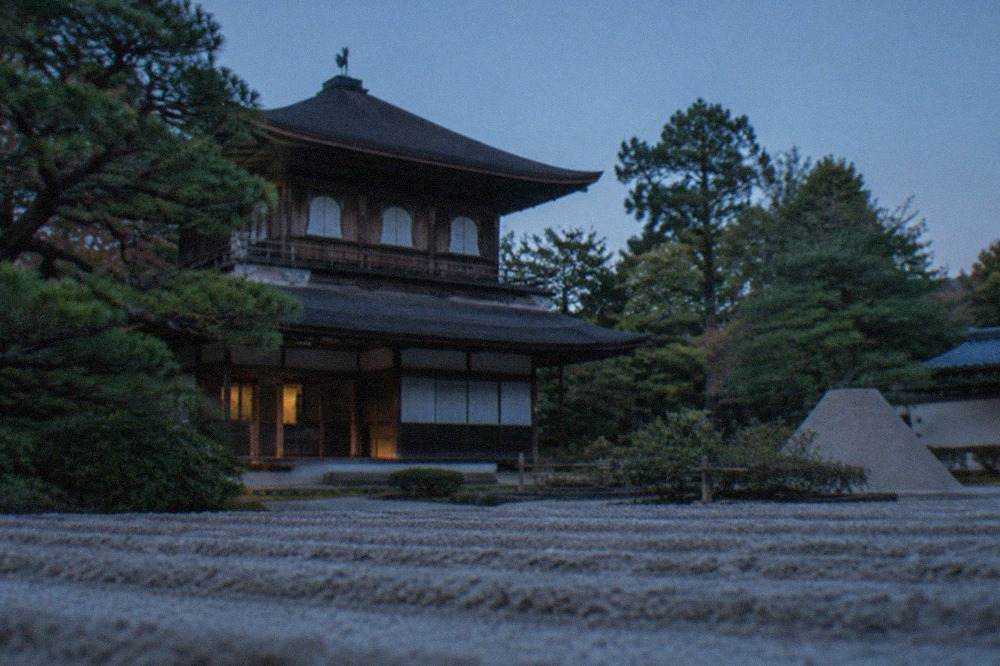
Ginkaku-ji is called the Silver Pavilion by tradition, not because it was ever covered in silver. The pavilion was left with plain wood and dark bark cladding, and the silver nickname is believed to come from comparison with the Golden Pavilion and from later romantic retellings. The temple's own fee notice doubled admission to 1,000 yen for adults from 1 April 2026.
Ginkaku-ji, formally Jisho-ji, sits at the northern end of the Philosopher's Path in the Higashiyama hills, and it holds two records that matter to a visitor in 2026. Its admission fee doubled on 1 April 2026, from 500 to 1,000 yen for adults, the temple's first change in 32 years according to the notice posted by the Shokoku-ji foundation that administers it. And its famous pavilion, the one the whole site is named after, has never been covered in silver at all.
This page answers the question every guidebook dances around, sets out the verified fees and hours, and places the Silver Pavilion in its context next to the Golden Pavilion so you can decide which one earns your time. The Kyoto Travel Guide desk keeps every figure on this page checked against the temple's own notices.
Why Is Ginkaku-ji Called The Silver Pavilion When It Was Never Silvered?
The pavilion was never silvered, and the name is tradition rather than description. The standard account is that the retirement villa of the shogun Ashikaga Yoshimasa was planned with silver foil cladding in imitation of his grandfather's Golden Pavilion, but the work was never finished, and the bare wood and bark exterior was left as built. The "Silver Pavilion" name took hold later and stuck.
The story most often told is that Yoshimasa intended a silver mirror of Kinkaku-ji and died before the foil went on. A second reading, favored by many historians, is subtler: the unfinished look was itself the point. Yoshimasa's aesthetic, the understated Higashiyama taste that shaped the tea ceremony and wabi culture, prized restraint over glitter, and a pavilion that refuses to shine is its purest expression.
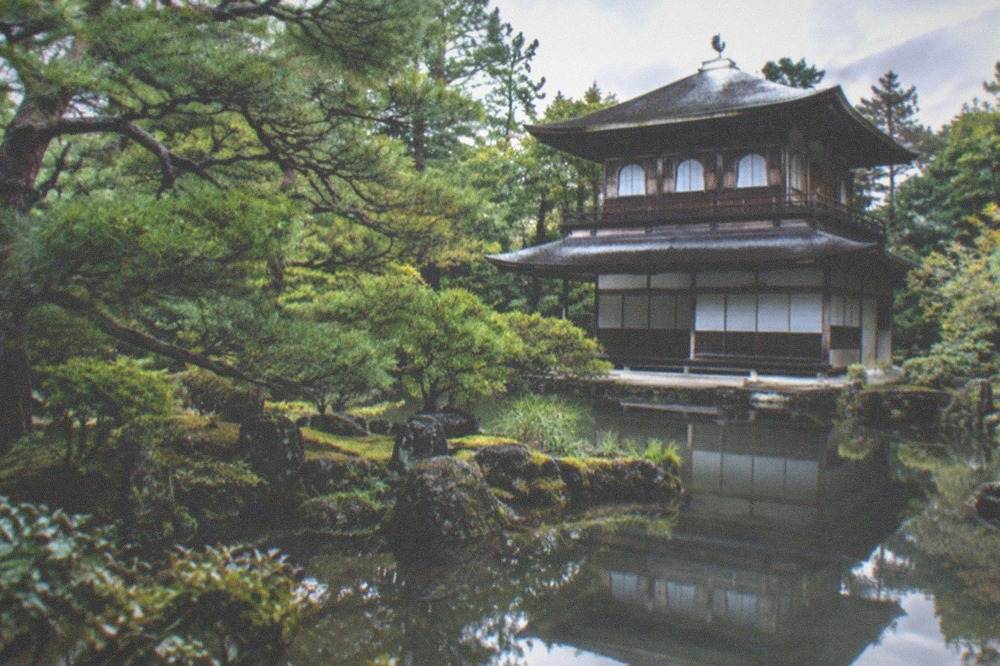
Neither reading changes what stands there now. The exterior you photograph today is dark wood below and a shuttered upper storey above, weathered rather than gleaming, and it looks nothing like the gold leaf of Kinkaku-ji. Visitors arriving expecting silver routinely ask staff where the silver is, and the honest answer is that there never was any.
The temple's formal name is Jisho-ji, and the pavilion itself is the Kannonden. "Ginkaku", the Silver Pavilion, is the nickname that outgrew the official name, which is why the site is signed both ways depending on where you are standing.
How Much Does Ginkaku-ji Cost To Visit In 2026?
An adult ticket to Ginkaku-ji costs 1,000 yen from 1 April 2026, doubled from the 500 yen charged before, and a child of elementary or junior high school age pays 500 yen, up from 300. Children under school age enter free, and the fee for visitors holding a disability certificate is 100 yen. The temple's own notice, dated 18 January 2026, calls it the first revision in 32 years.
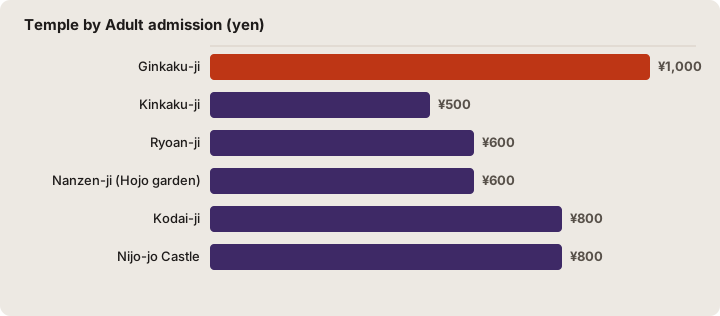
The doubling matters for two reasons. First, any guide you read that still prints 500 yen was written before April 2026 and is wrong for the current season. Second, it changes the arithmetic of a temple day. Ginkaku-ji at 1,000 yen is now the most expensive single temple admission among the classic Kyoto sights that publish their fees, twice the 500 yen of Kinkaku-ji, its golden sibling under the same Shokoku-ji foundation.
| Temple | Adult admission | School-age child | Last fee change |
|---|---|---|---|
| Ginkaku-ji | 1,000 yen | 500 yen | 1 April 2026 (was 500/300) |
| Kinkaku-ji | 500 yen | 300 yen | 1 April 2023 |
| Ryoan-ji | 600 yen | 300 yen | no 2026 change posted |
| Nanzen-ji (Hojo garden) | 600 yen | 400 yen | no 2026 change posted |
| Kodai-ji | 800 yen | 400 yen | no 2026 change posted |
| Nijo-jo Castle | 800 yen | 300 yen | no 2026 change posted |
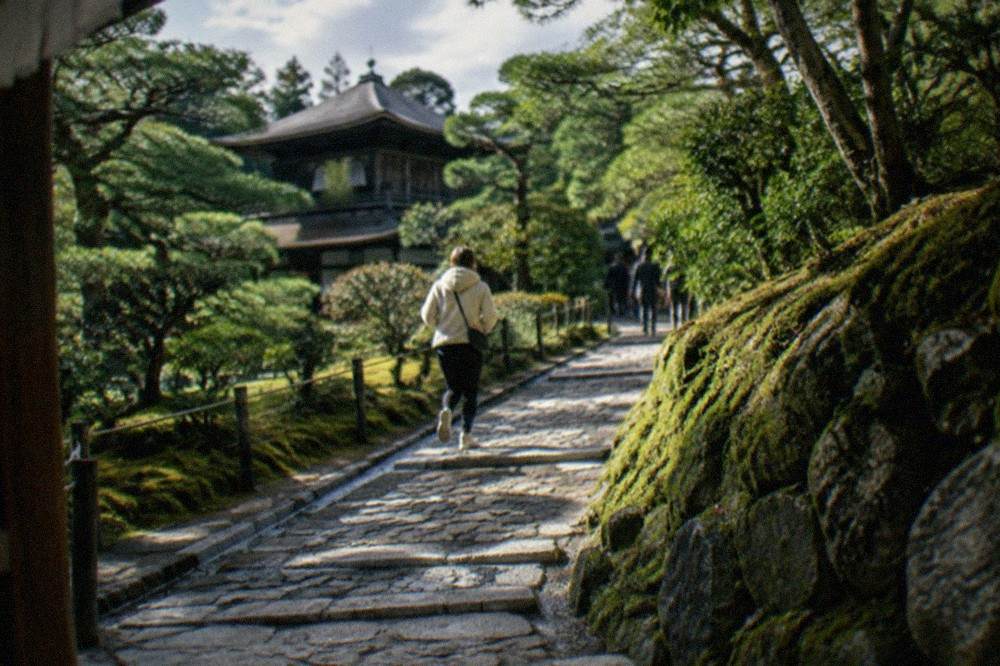
Is it worth 1,000 yen? The fee buys the pavilion, the raked sand platform known as the Sea of Silver Sand, the Kogetsudai sand cone, and a circular garden walk that climbs the hillside behind the temple for a view down over the grounds. For a first visit, the garden walk alone justifies it: the elevated section is one of the better free-standing views in east Kyoto, and it takes most visitors under an hour at a gentle pace. For a tight budget, the Kyoto on a budget guide covers the sights that cost nothing at all, including Fushimi Inari Taisha and the walkable Gion and Pontocho districts.
One way to soften the fee is to make the visit part of a fuller day. Renting a kimono for the walk is a popular pairing, since the temple approach and the Philosopher's Path are among the most photographed streets in the city.
The standard kimono rental includes the robe, obi, bag and sandals, and the upgraded listing adds hairstyling and accessories. Rentals are typically returned by late afternoon, which fits neatly with a morning temple circuit.
What Are Ginkaku-ji's Opening Hours?
Ginkaku-ji opens at 8:30 and closes at 17:00 from 1 March to 30 November, and opens at 9:00 closing at 16:30 from 1 December to the end of February. These seasonal hours are published by the Shokoku-ji foundation, which administers the temple, and they are the same pattern the foundation uses across its sites, including Kinkaku-ji's year-round 9:00 to 17:00.
| Period | Hours | Note |
|---|---|---|
| 1 March to 30 November | 8:30 to 17:00 | covers cherry season, summer and autumn foliage |
| 1 December to end of February | 9:00 to 16:30 | winter hours, shorter daylight |
The summer opening at 8:30 makes Ginkaku-ji one of the earlier starts among the major temples, and it rewards the effort. The grounds face east, so morning light reaches the pavilion and the sand garden while the hillside walk is still in cool shade. By mid-morning the queue at the ticket gate stretches back down the approach street, and on peak days in cherry season and late November it can exceed an hour.
The temple does not run night illuminations of the kind Kodai-ji holds, so there is no evening session to fall back on. If you miss the window, the practical alternatives are the Philosopher's Path outside the gate, which is a public street with no hours, and the Okazaki museum district further south, covered in the Okazaki area guide.
How Do You Get To Ginkaku-ji?
The tourist express bus EX100 runs from Kyoto Station direct to Ginkaku-ji for 500 yen per adult ride, with children at 250 yen, and it is the simplest route from the station, stopping at Gojo-zaka for Kiyomizu, then Gion and the Heian Shrine area before the temple. The ordinary city bus costs a flat 230 yen but makes many more stops, and the subway does not reach the temple, so some bus or taxi leg is unavoidable.
The city transport bureau's own page for the limited express buses sets the EX100 fare and route, and notes that the service runs primarily on weekends and holidays with extra runs in peak periods. The EX101 variant runs from Kyoto Station to the Kiyomizu side only, roughly every 7 to 8 minutes in the morning on its operating days, so check which express you are boarding.
A few practical points worth knowing:
- The Subway and Bus One-Day Pass, at 1,100 yen for adults and 550 for children, covers the EX100, which makes it the better product for a day that pairs the temple with downtown. The old bus-only one-day pass no longer exists; its sales ended in September 2023 and its last day of use was 31 March 2024.
- The flat city bus fare is 230 yen for adults and 120 yen for children aged 6 to 11, and subway fares run from 220 to 360 yen by zone.
- Drivers may refuse large or bulky luggage on crowded buses, which the city's overtourism measures discourage outright, so use the luggage delivery and locker services at the station for a temple day.
- A taxi from Kyoto Station takes roughly half an hour depending on traffic; the taxi and Uber in Kyoto guide covers when that trade is worth it.
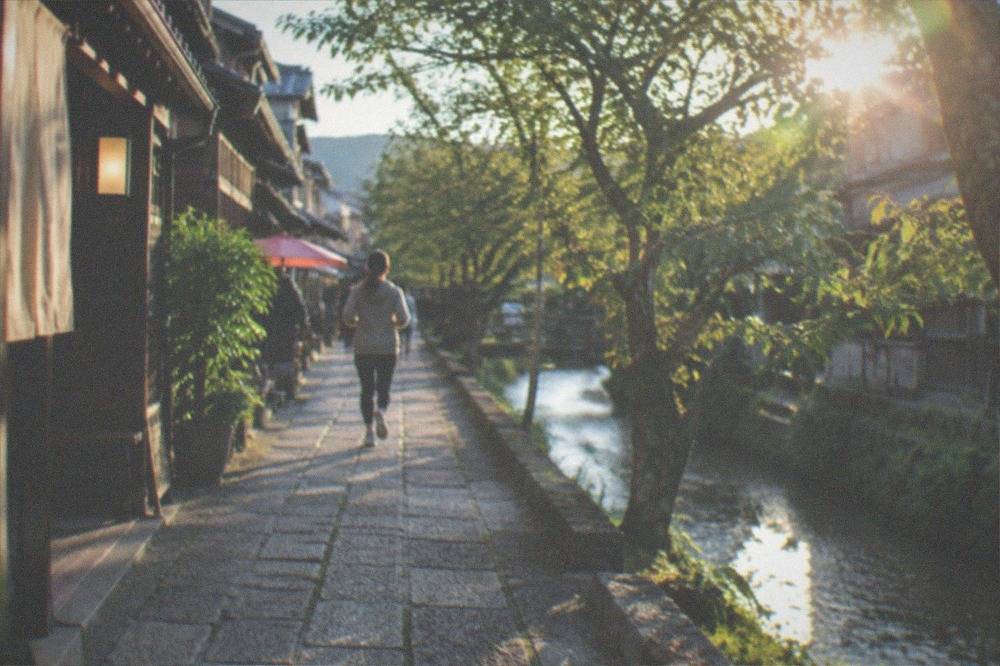
The classic pairing on foot is to arrive at the temple first, then walk south down the Philosopher's Path toward Nanzen-ji. Doing it in that direction means the garden walk at Ginkaku-ji comes before the crowds thicken, and the canal-side path unwinds downhill rather than up.
What Can You Actually See Inside Ginkaku-ji?
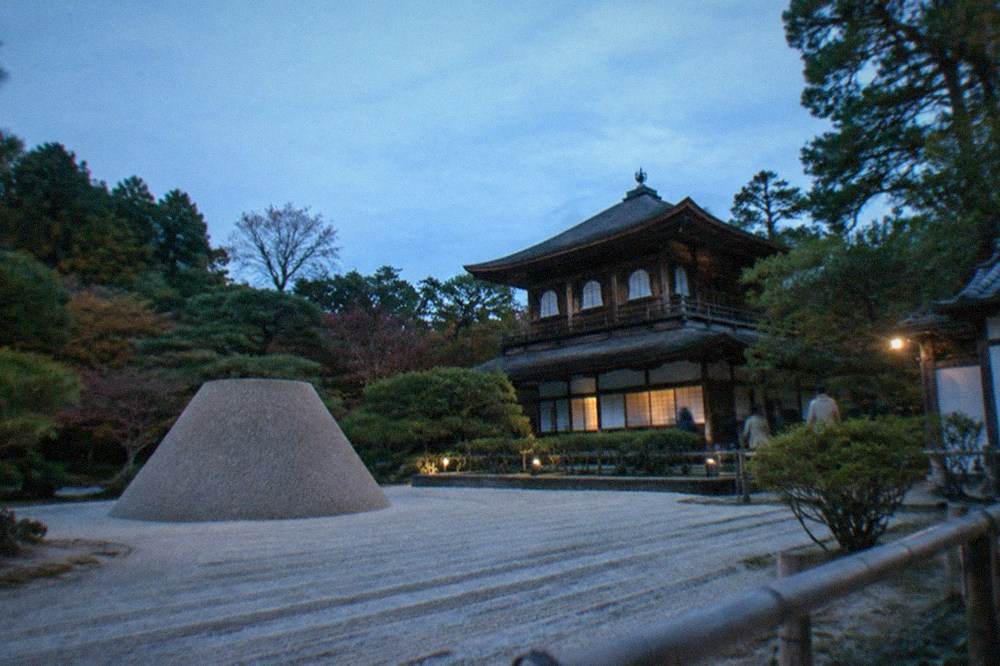
The visit covers the pavilion itself, viewed from outside only, the Sea of Silver Sand and the Kogetsudai sand cone, and a circular garden walk that climbs the wooded hillside behind the main hall and returns past moss, camellias and a dry waterfall. There is no interior access to the pavilion at any price, and the whole circuit takes most visitors 45 minutes to an hour.
The pavilion is the icon, but the sand works are what people remember. The Sea of Silver Sand is a broad raked platform, and the Kogetsudai, a near-perfect truncated cone of the same sand, stands at its edge. The traditional reading is that the sand garden caught moonlight for evening viewing, and that the cone evokes a distant view of Mount Fuji. Whether or not the symbolism is that tidy, the effect at 8:30 in the morning, with the raking still crisp, is the best light the site gets.
The upper garden walk is the quiet half of the visit. It passes through planted woodland with numbered stops, a dry cascade laid out to be looked at rather than to run, and a viewpoint over the pavilion and the sand garden with the city beyond. It is a steady but short climb on a maintained path, and the accessibility in Kyoto guide covers the terrain honestly for wheelchairs and strollers: the lower garden is manageable, the hillside circuit is not.
Photography is unrestricted in the grounds, which is not true everywhere in Kyoto. The Gion district's private alleys off Hanamikoji carry signage threatening a 10,000 yen penalty for unauthorized entry or photography, set by the district council rather than the city, and the tourism association asks visitors not to touch, chase or photograph geiko and maiko without permission. None of that applies here; the temple is a straightforward sight for cameras.
How Does Ginkaku-ji Compare With Kinkaku-ji?
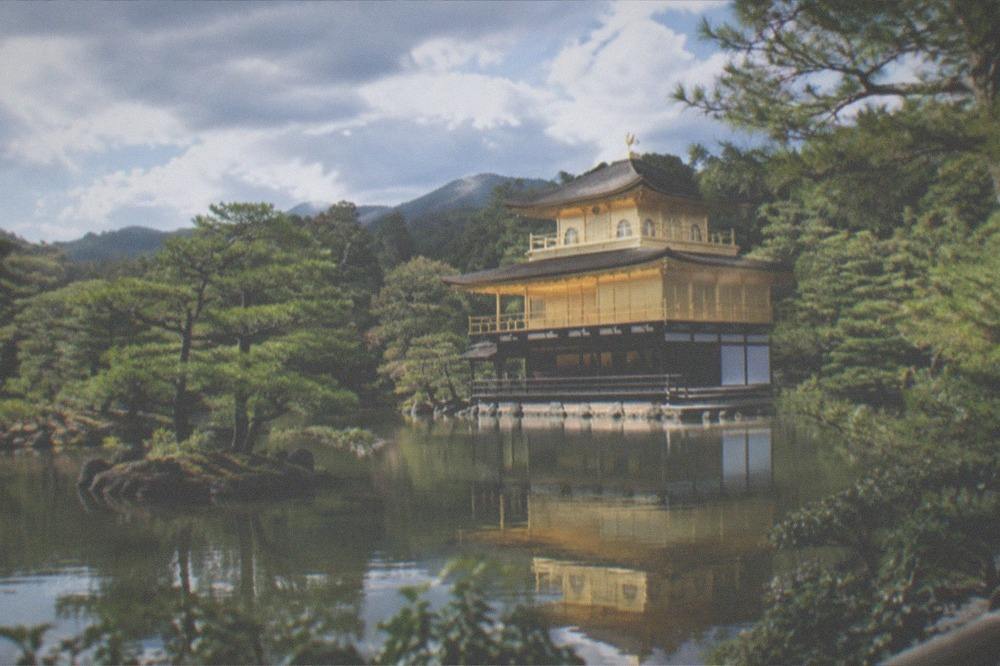
Ginkaku-ji now costs 1,000 yen against Kinkaku-ji's 500, and for a first visit short on time the Golden Pavilion is the stronger use of the fee, because its gold-leaf exterior is the singular image most travelers come to Kyoto for. Ginkaku-ji answers with a better garden, a longer walk, a quieter setting and the eastern hillside view, so the choice comes down to spectacle against atmosphere.
| Ginkaku-ji | Kinkaku-ji | |
|---|---|---|
| Adult fee | 1,000 yen | 500 yen |
| Hours | 8:30 to 17:00 in season | 9:00 to 17:00 year-round |
| Time needed | 45 to 60 minutes | 30 to 45 minutes |
| Setting | wooded hillside, garden walk | pond and level grounds |
| Character | quiet, garden-led | iconic, photo-led |
| Nearby | Philosopher's Path, Nanzen-ji | Ryoan-ji, Ninna-ji |
The two temples are grandfather echoes of each other, the gold one built first and the silver one never finished, and the fee inversion is new. Until this spring the pair cost the same 500 yen. At double the price, Ginkaku-ji has to earn it on grounds rather than on the building, and for many visitors it does: the garden walk, the sand platform and the tree cover make it the more complete hour, while Kinkaku-ji is the more efficient photograph.
The neighborhoods differ as much as the temples. Kinkaku-ji sits in the northwest, naturally grouped with Ryoan-ji and its rock garden and with Ninna-ji, in a corner of the city covered by the zen gardens of Kyoto guide. Ginkaku-ji anchors the east, with the Philosopher's Path running south to Nanzen-ji and its great brick aqueduct. If you have a full day rather than a half, the east Kyoto circuit is the richer walk.
When Is The Best Time Of Day To Visit Ginkaku-ji?
The best time to visit Ginkaku-ji is at the 8:30 opening in the summer season, when the grounds are quietest, the raked sand is unmarked and the east-facing light is on the pavilion. The worst is between 10:00 and 15:00 on weekends and on peak cherry and foliage days, when the approach street queues. The city's own crowd comfort forecast, which grades spots by five levels using location data, is the tool to check the night before.
The comfort forecast, run by the city tourism association on the Kyoto Tourism Navi site, predicts crowd levels for individual spots and time slots from smartphone location data, weather and day of week. It is the difference between guessing and knowing, and it covers the eastern temple circuit well.
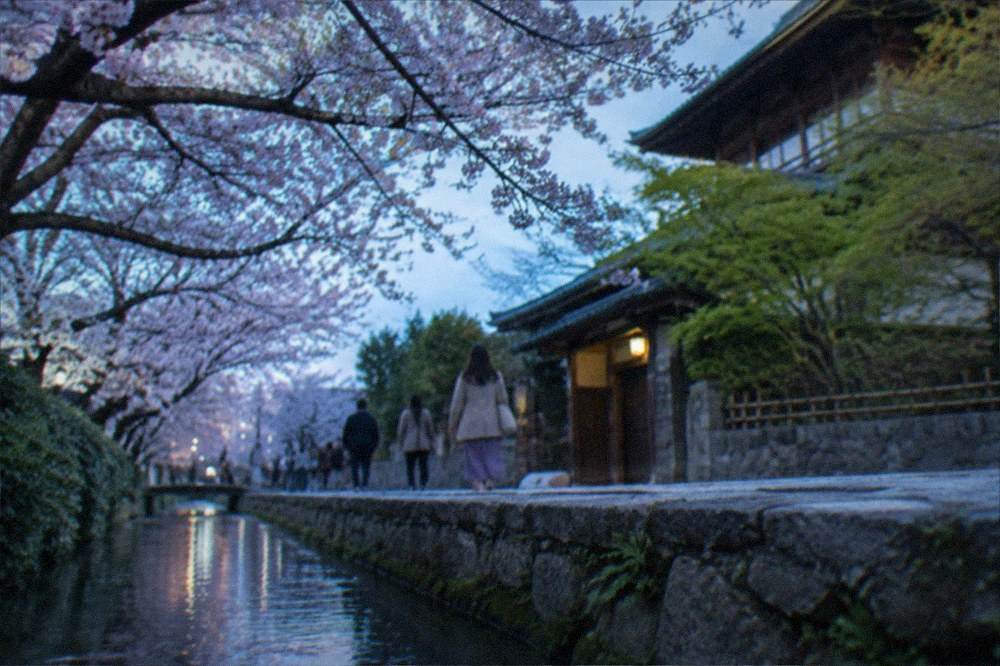
Season matters as much as hour. The JMA observatory's own phenology record for Kyoto puts the 1991 to 2020 normal full bloom of the cherries at 4 April, with 2026 arriving early, flowering on 23 March and reaching full bloom on 30 March. The Philosopher's Path canal is one of the city's main cherry corridors, which is exactly why the Ginkaku-ji gate jams in that window. The maple marker is later than most guides claim: the JMA normal for the observatory's kaede turning red is 5 December, and 2025's observed date was 10 December, while the Arashiyama and east Kyoto foliage peak runs late November, so the temple's autumn window is wide rather than sharp.
Summer deserves a note. August's mean daily maximum in Kyoto is 33.7 C on the 1991 to 2020 normals, and July, not June, is the wettest month at 223.6 mm of rain. An 8:30 start finishes before the worst of both, and the garden's tree cover makes it one of the more heat-tolerant temple visits in the city, a point the summer in Kyoto guide builds a whole day around.
What Else Is Near Ginkaku-ji?
The immediate neighbors are the Philosopher's Path, a canal-side walk of about two kilometers running south from the temple gate, and further along it Nanzen-ji with its Hojo garden at 600 yen and its brick aqueduct. Closer to the gate, the Honen-in temple approach and several small cafes fill the walk, and the whole eastern strip connects down to the Heian Shrine and Okazaki museum district without needing a bus.
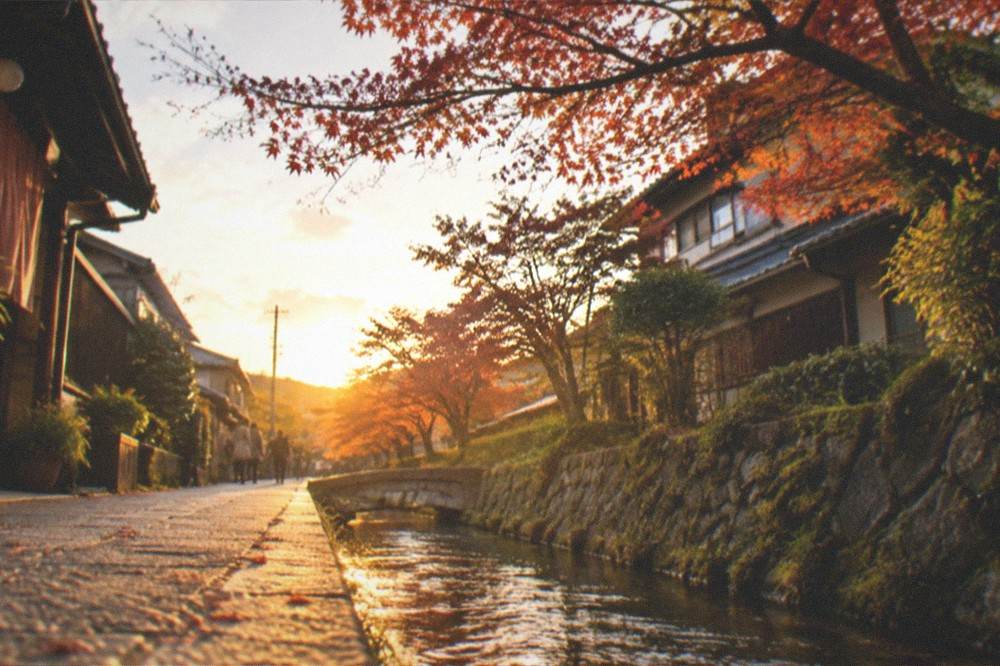
The standard east Kyoto half-day is Ginkaku-ji at opening, the path south, then Nanzen-ji, with a stop wherever the cafes look good. Allow three to four unhurried hours. If the weather turns, the rainy day in Kyoto itinerary reroutes the same area toward covered sights, and the first-time visitors plan places the eastern circuit in a full first day.
Two further options stretch the day outward. The Kurama and Kibune mountains, a short train ride north, add a proper forest hike and a hot spring soak, and the guided hike of the hidden mountains of Kurama and Kibune covers the route with a guide.
In the other direction, evening brings Gion into range. The bus back toward the center passes the district, and a night walk through the geisha quarters is the natural close to a temple day, since the lantern-lit lanes are at their best after the day-trippers have gone.
Whichever way the day ends, the eastern circuit is the one part of Kyoto where the walking genuinely connects everything, so plan it as a single block rather than a set of separate sights.
Common Questions About Ginkaku-ji
Why Is Ginkaku-ji Called The Silver Pavilion When It Was Never Silvered?
The name is tradition, not description. The standard account holds that the shogun Ashikaga Yoshimasa's retirement villa was intended to carry silver foil in imitation of his grandfather's Golden Pavilion, the work was never completed, and the bare wood exterior was left as built. The nickname took hold later and outlived the formal name Jisho-ji.
How Much Is Ginkaku-ji Admission In 2026?
Adults pay 1,000 yen and elementary and junior high school children 500 yen from 1 April 2026, doubled from 500 and 300 yen, per the temple's own notice. Children under school age enter free, and holders of a disability certificate pay 100 yen.
Can You Go Inside The Silver Pavilion?
No. The pavilion is viewed from outside only, at any ticket price. The visit consists of the exterior views, the sand garden and the hillside circuit.
Is Ginkaku-ji Or Kinkaku-ji Better?
For a single visit with limited time, Kinkaku-ji at 500 yen is the stronger pick for the iconic gold-leaf image. Ginkaku-ji offers the better garden, a longer walk and a quieter wooded setting, at double the fee since April 2026.
How Long Does A Visit Take?
Most visitors spend 45 minutes to an hour on the full circuit, including the hillside walk. Allow more on crowded days, when the ticket queue itself can add time.
How Do I Avoid The Crowds At Ginkaku-ji?
Arrive for the 8:30 opening in the summer season, avoid weekends and the cherry and foliage peaks between 10:00 and 15:00, and check the city tourism association's five-level crowd comfort forecast the night before. The temple's morning light and unmarked sand are gone within two hours of opening.
The Silver Pavilion rewards the visitor who arrives early, pays the new fee knowingly, and walks the hillside before the queue forms. It is not the golden photograph, and it was never meant to be, which is the whole point of the name.