Kyoto Vs Tokyo: Which City Is Better For A First Japan Trip?
Kyoto and Tokyo are both on almost every first Japan itinerary, and the real question is not which one to pick but how to divide your days between them. Here is how the two cities compare on cost, transport, crowds and pace, using verified Kyoto figures for the side of the ledger this site actually covers.
Short answer
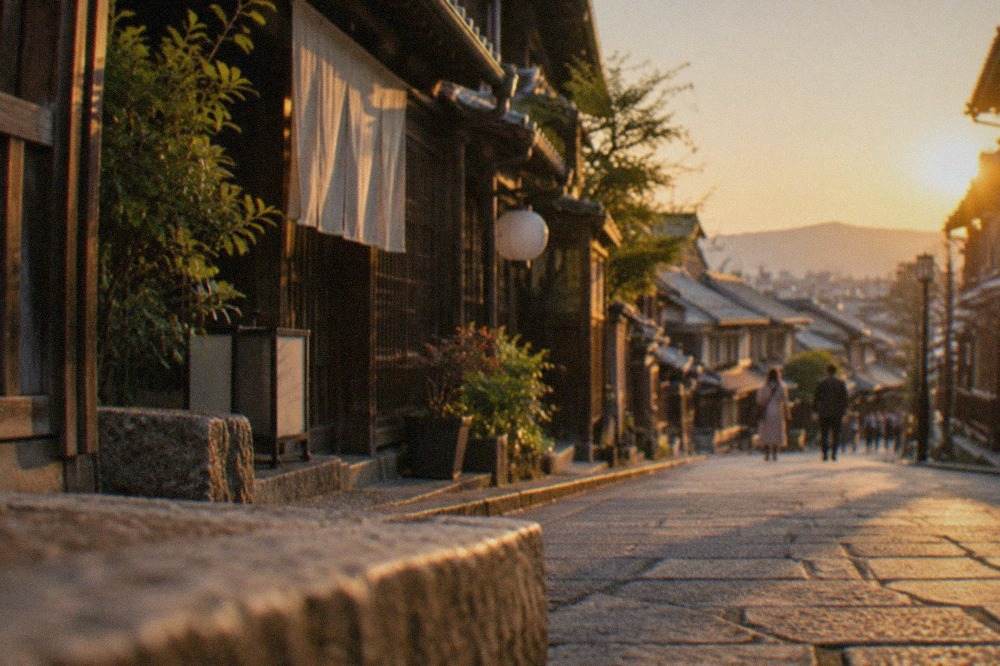
For a first Japan trip, most travellers should give Kyoto two to four days and Tokyo the rest, because Kyoto concentrates the temples, gardens and traditional streets that Tokyo spreads thin, while Tokyo delivers the modern-city energy Kyoto deliberately lacks. Kyoto is smaller, cheaper per sight and walkable; Tokyo is faster, bigger and better for nightlife. Flying into one and out of the other avoids backtracking.
Kyoto drew a record 62.79 million visitors in 2025, according to the city's own tourism survey released in June 2026, and 12.68 million of them were foreign visitors. Tokyo's numbers are larger still. What that means for a first trip is simple: both cities will be busy, and the difference between them is not size but density of experience. Kyoto packs several hundred temples, two imperial villas and the country's head Inari shrine into a basin you can cross by subway in half an hour. Tokyo spreads a comparable volume of interest across a metropolis where a single ward can swallow a Kyoto neighborhood whole.
This comparison comes from Kyoto Travel Guide, a site that covers the old capital in depth, so the Kyoto side of every figure below is verified from primary sources and the Tokyo side is described honestly rather than invented. Where a number for Tokyo is not in this site's fact base, you will read a plain statement instead of a guess.
Which City Is Better For A First Japan Trip: Kyoto Or Tokyo?
The honest answer is that a first Japan trip should usually include both, with two to four days in Kyoto and four to six in Tokyo, because they answer different questions. Kyoto is where Japan's pre-1868 capital, its temples, gardens and geisha districts sit within walking distance of each other. Tokyo is where the modern country lives, and no amount of temple-hopping in Kyoto substitutes for it. If you genuinely must choose one city only, Kyoto rewards a shorter stay more intensely, while Tokyo rewards a longer one.
The split matters more than the choice. Kyoto's core sights, Kinkaku-ji, Kiyomizu-dera, Fushimi Inari Taisha, Gion and the Arashiyama bamboo grove, sit on a compact grid where a well-planned day covers three or four of them. Tokyo's equivalents, Shibuya, Asakusa, Shinjuku, Akihabara, sit up to an hour apart by train, so each day yields fewer headline sights but more street-level texture.
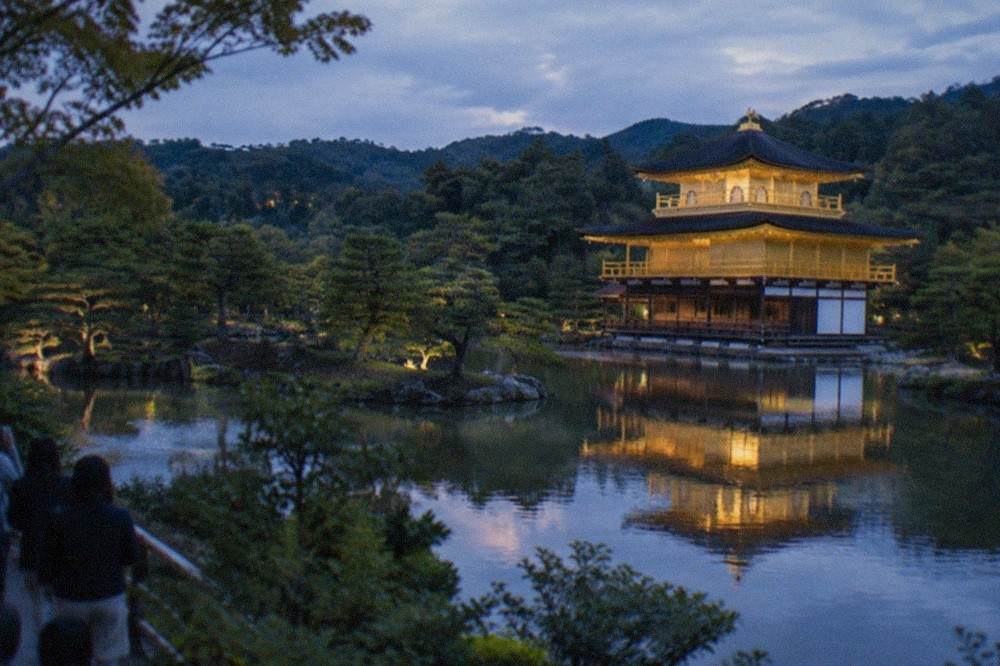
A useful framing from this site's own coverage: things to do in Kyoto can be grouped into a handful of walkable clusters, while Tokyo demands a district-per-half-day rhythm. First-timers who try to see Kyoto at Tokyo pace burn out by day two, because temple gardens ask for slow looking, not commuting.
How Much Does A Trip To Kyoto Cost Compared To Tokyo?
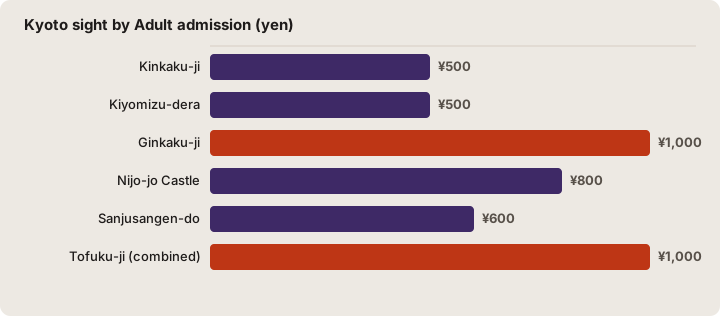
Kyoto's sightseeing costs are low and fixed: temple admissions run 500 to 1,000 yen per site, the city bus is a flat 230 yen, the subway 220 to 360 yen, and the Subway and Bus One-Day Pass is 1,100 yen. Tokyo's attraction fees are broadly comparable, but the city pulls spending upward through distance, nightlife and shopping. The bigger budget difference is accommodation tax: Kyoto's top tier is now 10,000 yen per person per night.
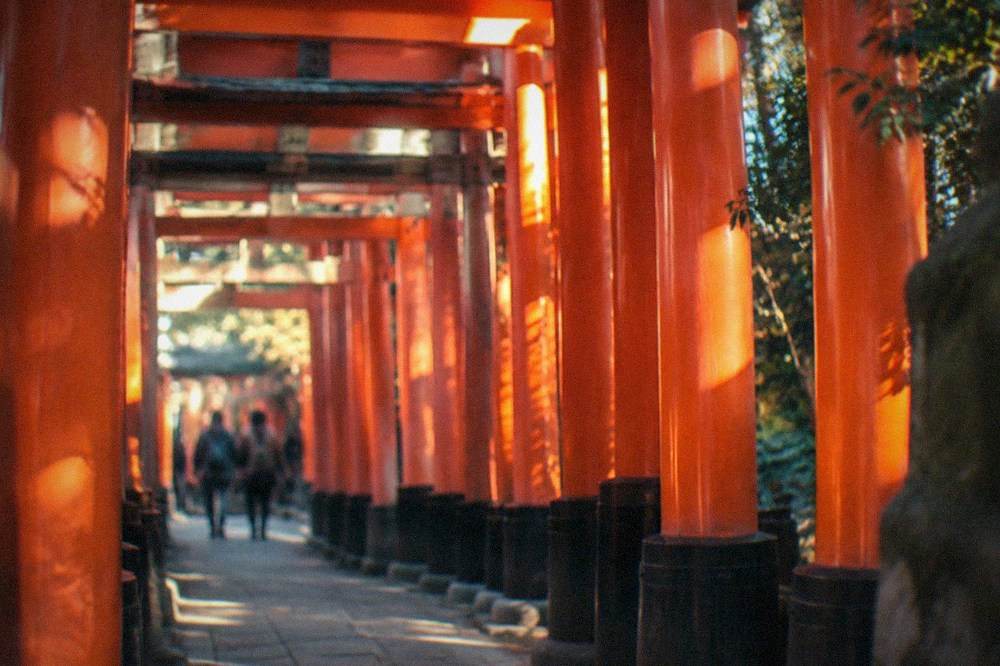
The verified Kyoto fee table shows how cheap the old capital's headline sights are. Fushimi Inari Taisha, the city's most visited shrine, charges no admission at all, and its paths have no closing time.
| Kyoto sight | Adult admission | Notes |
|---|---|---|
| Fushimi Inari Taisha | Free | Paths have no closing time |
| Kinkaku-ji | 500 yen | 9:00 to 17:00 year-round |
| Kiyomizu-dera | 500 yen | Opens 6:00 daily |
| Ginkaku-ji | 1,000 yen | Doubled from 500 in April 2026 |
| Nijo-jo Castle | 800 yen | 1,300 yen with Ninomaru Palace |
| Sanjusangen-do | 600 yen | 1,001 Kannon statues |
| Tofuku-ji (combined) | 1,000 yen | New combined ticket from 1 Nov 2026 |
Two of those fees changed recently, which is why a 2024 guide is already wrong: Ginkaku-ji doubled to 1,000 yen in April 2026, its first rise in 32 years, and Tofuku-ji revises its tickets on 1 November 2026. Tokyo's headline attractions have their own pricing that this site does not hold verified figures for, so check each venue directly there.
Getting between the cities is a separate line item. The Tokyo to Kyoto route by shinkansen is the standard choice, and whether flying beats the train is a question this site answers in its fly or train from Tokyo to Kyoto piece.
Accommodation is where Kyoto's costs surprise people. The city's accommodation tax changed on 1 March 2026, and the top tier went from 1,000 to 10,000 yen per person per night.
| Room rate per night (excl. meals and tax) | Old tax | Tax from 1 March 2026 |
|---|---|---|
| Under 6,000 yen | 200 yen | 200 yen |
| 6,000 to under 20,000 yen | 400 yen | 400 yen |
| 20,000 to under 50,000 yen | 500 yen | 1,000 yen |
| 50,000 to under 100,000 yen | 1,000 yen | 4,000 yen |
| 100,000 yen and up | 1,000 yen | 10,000 yen |
That top tier mostly hits luxury ryokan and new five-star openings, but the 20,000 yen band, a perfectly normal mid-range hotel price, doubled from 500 to 1,000 yen. Tokyo levies its own accommodation tax at lower rates, which matters on long stays. For where to sleep in the old capital, see where to stay in Kyoto.
Is Kyoto Or Tokyo Easier To Get Around Without Japanese?
Kyoto is the easier city to navigate as a first-time visitor, because its bus and subway network is small, fares are flat and posted bilingually, and the tourist geography collapses into a handful of named clusters. The city bus charges a flat 230 yen per adult ride, the subway 220 to 360 yen by zone, and the Subway and Bus One-Day Pass at 1,100 yen covers both. Tokyo's rail map is far denser, with multiple competing operators, which rewards preparation but punishes improvisation.
One Kyoto-specific trap: the bus-only one-day pass no longer exists. Sales ended in September 2023 and the last day of use was 31 March 2024, because the city found that 90% of buyers were non-residents and the pass concentrated tourists on exactly the buses the city wanted to relieve. The product now is the Subway and Bus One-Day Pass at 1,100 yen for adults and 550 yen for children.
| Kyoto transport | Adult fare | Notes |
|---|---|---|
| City bus, flat fare | 230 yen | Child 120 yen |
| Subway, zone 1 to 5 | 220 to 360 yen | Child 110 to 180 yen |
| Subway and Bus One-Day Pass | 1,100 yen | Child 550 yen |
| Tourist express EX100 | 500 yen | Kyoto Station to Ginkaku-ji corridor |
| ICOCA card | 2,000 yen | Includes a 500 yen deposit |
The EX100 and EX101 tourist express buses are worth knowing about: the city runs them from Kyoto Station to the Kiyomizu, Gion and Ginkaku-ji corridor with fewer stops than regular routes, at 500 yen a ride, precisely to thin the crowds on the ordinary buses. The Kyoto buses guide covers the full network, and this site's subway page explains the zone system.
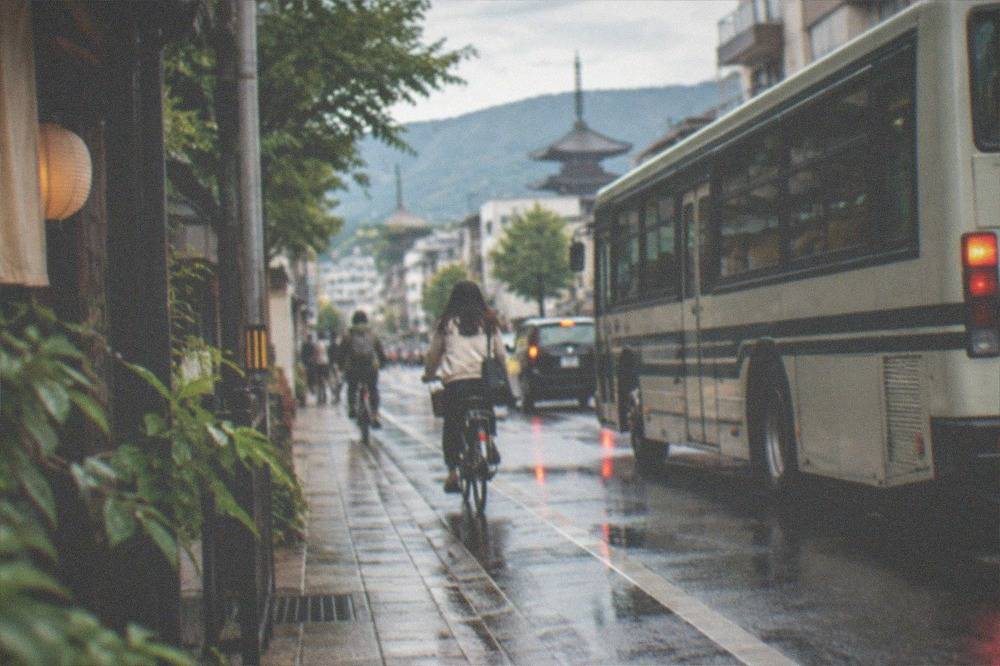
In Tokyo, signage in English is excellent and IC cards work everywhere, so the language barrier is thin in both cities. The difference is cognitive load: in Kyoto you learn one bus grid and two subway lines; in Tokyo you learn which of several operators serves your destination, and a wrong-line boarding can cost a 15 minute detour. First-timers who start in Tokyo and then reach Kyoto consistently report the second city feeling like a holiday from the first.
How Many Days Should A First Trip Give Each City?
A first trip with ten to fourteen days should give Kyoto three or four days and Tokyo four to six, with the shinkansen between them taking about two and a quarter hours. Kyoto's verified sight density makes short stays efficient: three days covers the Higashiyama east slope, the Arashiyama west edge, Fushimi Inari and the north temple belt. Tokyo rewards an extra day because its districts are far apart and each repays half a day of unstructured wandering.
This site's one-day and two-day Kyoto itineraries show how compressed the old capital can be, while the four days in Kyoto version adds day trips to Nara or Osaka. A common first-timer error is the reverse: giving Kyoto five days and Tokyo three, which leaves the modern capital feeling like a transit hub you glimpsed between trains.
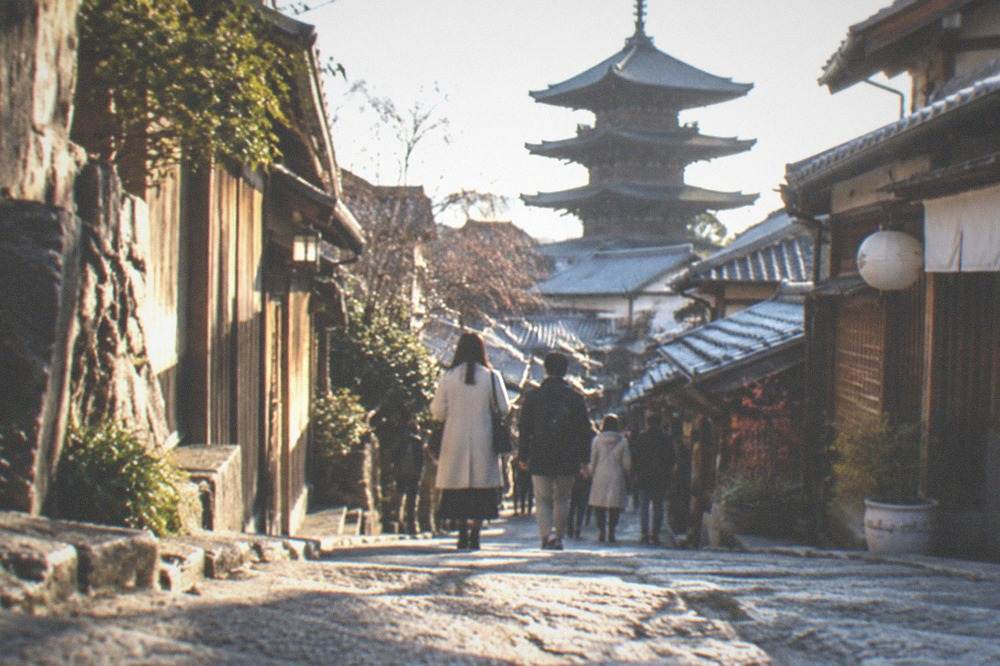
Kyoto also rewards early starts in a way Tokyo does not, because its sights open early and fill by mid-morning. Kiyomizu-dera opens at 6:00 daily, per the temple's own FAQ, and the difference between the veranda at 6:30 and the same spot at 11:00 is the difference between two cities. An early-morning guided tour exists for exactly this reason, and it is the one this site points first-timers at.
When Is The Best Time Of Year To Visit Kyoto Versus Tokyo?
Kyoto's best months are late March to early April for cherry blossom and late November to early December for autumn colour, and the Japan Meteorological Agency's own Kyoto data pins the normals: flowering 26 March, full bloom 4 April, maple red leaves 5 December. Summer is the season to be wary of: July is Kyoto's wettest month at 223.6 mm, not June, and August is the hottest at a 28.5 C mean. Tokyo's seasons run broadly parallel but with milder winters and less basin heat.
The JMA 1991-2020 normals for station 47759, the Kyoto observatory, give the old capital a climate that punishes July and August harder than most guides admit. Three of Kyoto's six hottest days on record fell in the summers of 2024, 2025 and 2026, and July and August 2025 were both among the five hottest months ever measured in the city.
| Kyoto month | Rain mm | Mean C | Mean daily max C | Sunshine h |
|---|---|---|---|---|
| March | 106.2 | 8.8 | 14.1 | 155.4 |
| April | 117.0 | 14.4 | 20.1 | 177.3 |
| July | 223.6 | 27.3 | 32.0 | 142.7 |
| August | 153.8 | 28.5 | 33.7 | 182.7 |
| November | 73.9 | 12.5 | 17.3 | 140.7 |
| December | 57.3 | 7.2 | 11.6 | 134.4 |
Two timing facts most comparisons miss. First, the maple normal of 5 December is the observatory's own specimen tree, not the Arashiyama peak, so the best foliage crowds arrive two to three weeks earlier than that marker suggests. Second, in 2026 the sakura reached full bloom on 30 March, five days ahead of the 4 April normal, and the best time to visit Kyoto guide tracks how the dates have moved. If your dates are fixed by Tokyo events, check the Kyoto autumn leaves itinerary for the colour window.
Is The Food Better In Kyoto Or Tokyo?
Neither city wins outright, because they serve different food cultures: Kyoto is the home of kaiseki, tofu cuisine, matcha and temple-adjacent vegetarian cooking, while Tokyo has more Michelin-starred restaurants than any other city and the country's widest range of regional and international food. Kyoto's verified price anchors show the spread within a single famous house: Hyotei's kaiseki starts at 31,625 yen at lunch, while the same restaurant's annex serves porridge and bento from about 5,400 to 7,300 yen.
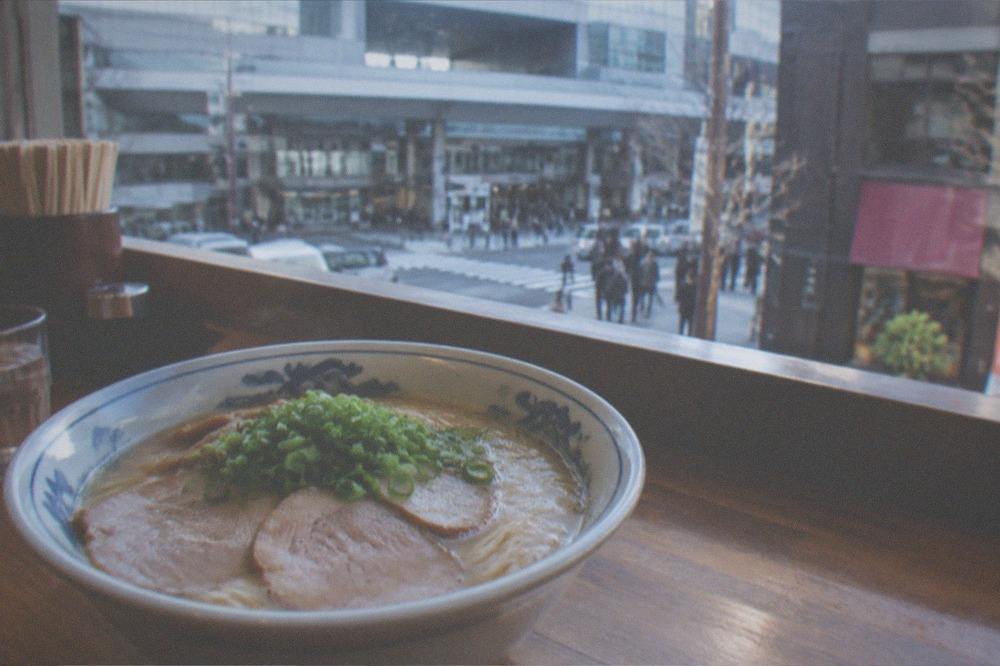
Those Hyotei figures come from the restaurant's own published menu, tax and service included, and they are Hyotei's prices alone, not a Kyoto norm. What they do show honestly is that the kaiseki ceiling in Kyoto sits far above the everyday eating floor, and that the same kitchen feeds both markets. For practical eating, the Kyoto food guide covers the affordable end, and vegetarian Kyoto handles the shojin ryori tradition Tokyo rarely matches.
Nishiki Market deserves a caution: shops keep their own hours, roughly 9 or 10:00 to 17 or 18:00, and the association prints no unified opening time, so no single "market hours" figure is official. Eating while walking there is discouraged by the market's own rules; eat at the stall. The Nishiki Market guide goes deeper.
Tokyo's food advantage is breadth and late hours: whole districts stay open past midnight, which central Kyoto, outside Kawaramachi and Pontocho, largely does not. This site's nightlife coverage is candid about that limit.
What Are The Biggest First-Timer Mistakes In Each City?
In Kyoto, the three verified mistakes are copying out-of-date temple fees, buying a bus pass that no longer exists and underestimating July rain; in Tokyo, the classic errors are over-scheduling distant districts in one day and ignoring how long airport transfers take. Kyoto's 2026 changes are the trap: Ginkaku-ji doubled to 1,000 yen, Tofuku-ji restructured its tickets on 1 November, and the bus-only one-day pass is gone. Every one of those facts is printed wrong in guides published a year earlier.
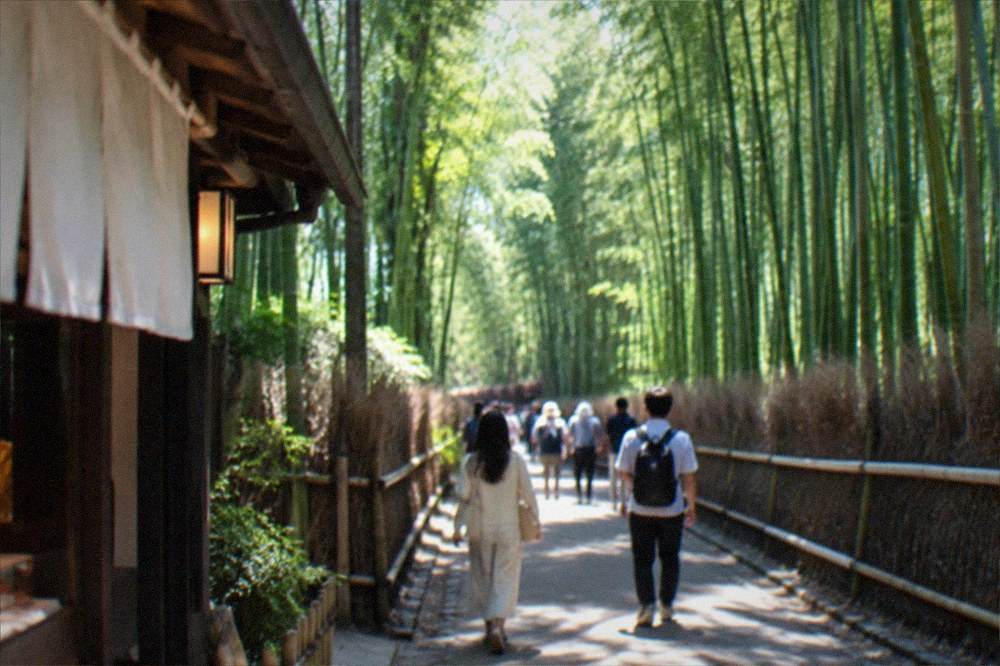
The crowd problem in Kyoto is real and measurable: 62.79 million visitors in 2025, a record, with 46.20 million day visitors. The city's response includes the EX100 express buses, hands-free luggage delivery to cut bus congestion, and the Kyoto Tourism Comfort Forecast, a public five-level crowd prediction built on smartphone location data, weather and day of week. Checking that forecast the night before each Kyoto morning is the single highest-value habit a first-timer can adopt, and almost nobody arriving from Tokyo has heard of it.
In Tokyo the equivalent mistakes are logistical rather than numerical: booking a hotel far from a Yamanote line station, or planning Shinjuku, Asakusa and Odaiba in one afternoon. The Kyoto first-time visitors itinerary exists to prevent the Kyoto version of that error.
One more honest note for the Kyoto side: this site holds no verified visitor figures for Kurama, Kibune or other northern hiking areas, so treat any crowd or fee claim about them elsewhere with suspicion and confirm with the venue. The full-day Kurama and Kibune guided hike below is bookable with a licensed operator and covers the logistics for you.
Should You Stay In Kyoto Or Tokyo, Or Split The Stay?
Split the stay, and sleep in both cities rather than commuting between them: the shinkansen fare and time make day-tripping the corridor wasteful, and Kyoto's evening atmosphere, empty lantern-lit streets after the day visitors leave, is half the reason to stay overnight. Two or three Kyoto nights plus the rest in Tokyo is the standard first-timer shape, and travellers who day-trip into Kyoto from Tokyo consistently report seeing the crowds and none of the calm.
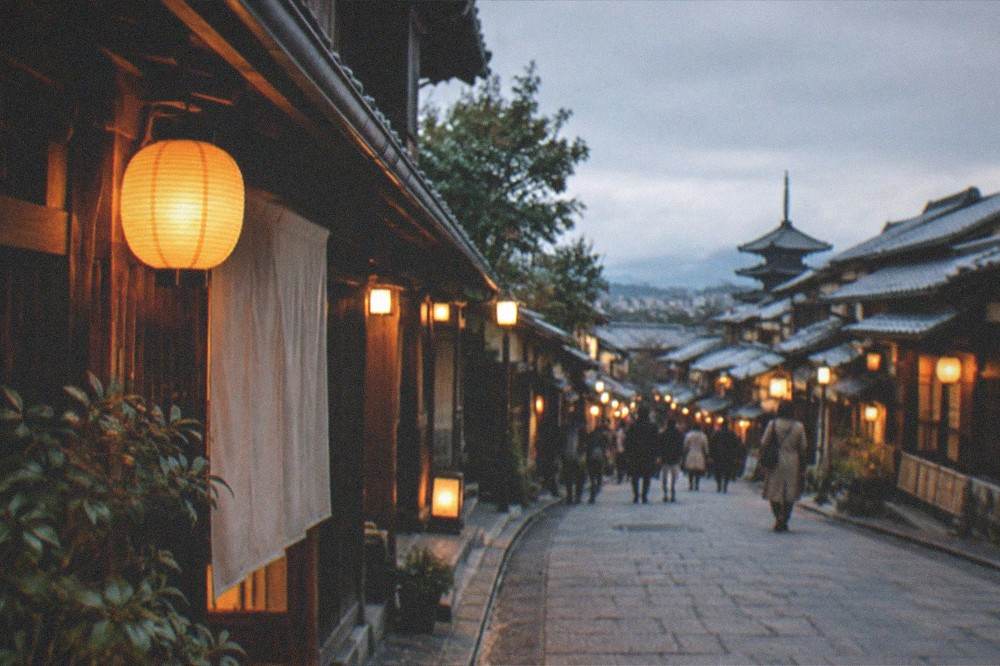
Kyoto's overnight-stay count, 16.59 million in 2025 against 46.20 million day visitors, is the statistic behind that advice: the city you experience at 7:00 and at 20:00 is a different place from the one the day-trip wave sees. Where to sleep is covered in best hotels in Kyoto, and this site's neighborhood guides settle the most common where-to-sleep dilemmas.
For travellers weighing a third city, the Kyoto vs Osaka comparison extends the same logic, and this site's Nara pages answer the airport-split variant. If Ghibli Park is on your list, check its distance from both cities before you route the trip.
A final Kyoto-specific activity worth booking ahead: kimono rental turns a Higashiyama morning into the photographs most visitors come for, and the standard rental starts at 17.35 per person with hairstyling options at higher tiers.
Whichever split you land on, book the Kyoto nights before the Tokyo ones if you are arriving through Kansai, or the reverse through Narita or Haneda, because the open-jaw routing saves a half-day of backtracking each way. The tours above all run with free-cancellation terms on the operator's live listing, so nothing needs to be locked in before your flights are.
Common Questions About Kyoto Vs Tokyo
Which City Is Better For A First Japan Trip: Kyoto Or Tokyo?
Both, with two to four days in Kyoto and four to six in Tokyo. Kyoto concentrates the temples, gardens and historic streets; Tokyo delivers modern-city scale, food breadth and nightlife. If you must pick one city only for a short trip, Kyoto gives a first-timer more per day, because its sights cluster within a flat 230 yen bus ride of each other.
Is Kyoto Cheaper Than Tokyo?
On sightseeing, yes: Kyoto's temple admissions run 500 to 1,000 yen and Fushimi Inari is free, while its flat 230 yen bus fare and 1,100 yen one-day pass keep transit costs low. Accommodation and food prices are broadly similar, though Kyoto's accommodation tax top tier rose to 10,000 yen per person per night on rooms of 100,000 yen and up from 1 March 2026.
How Many Days Do You Need In Kyoto Versus Tokyo?
Kyoto rewards three or four days: the east slope, Arashiyama, Fushimi Inari and the north temples fit that frame comfortably. Tokyo rewards four to six, because its districts sit far apart and each deserves half a day. The shinkansen between them takes about two and a quarter hours.
Is Kyoto Too Crowded To Enjoy?
The crowds are real, 62.79 million visitors in 2025, but they are predictable. The city's Tourism Comfort Forecast publishes a five-level crowd prediction by spot and time slot, and sights like Kiyomizu-dera open at 6:00, so a 7:00 start beats the day-trip wave almost everywhere.
Can You Day Trip From Tokyo To Kyoto?
You can, but you should not make it the plan. The corridor is about two and a quarter hours each way by shinkansen, and Kyoto's best hours, early morning and late evening, are exactly the ones a day trip erases. Overnight stays let you see the lantern-lit streets after the day visitors leave.
Which City Has Better Food For First-Timers?
Kyoto for depth in one tradition: kaiseki from 31,625 yen at a famous house like Hyotei, tofu and shojin ryori, matcha and market eating. Tokyo for breadth and late hours. Both are navigable without Japanese; neither requires fine dining to eat well.
The comparison, settled honestly, is not a contest but a division of labour. Kyoto holds the old Japan that Tokyo replaced, and Tokyo holds the scale and pace that made the replacement worth visiting. Give the old capital its early mornings, check the comfort forecast the night before, and let the rest of the trip run on Tokyo time.