Cooking Classes In Kyoto
Kyoto cooking classes cluster around four subjects: obanzai, the city's home-cooking tradition, sushi, ramen made from scratch, and wagashi sweets. Here is what each format teaches, what it costs and how to pick.
Short answer
Most Kyoto cooking classes teach one of four subjects: obanzai, the vegetable-led home cooking of Kyoto households, sushi shaping, ramen made from scratch including noodle pulling, or wagashi, the seasonal sweets served with tea. Sessions run 1 to 3 hours, cost roughly $20 to $130 per person, and the best fit depends on whether you want to eat a full meal or learn a repeatable recipe.
Kyoto's food reputation rests on temples, kaiseki counters and centuries of shojin ryori, but the city's most hands-on food experience is cheaper and more repeatable than any of them: the cooking class. The city's 2025 tourism survey, released by Kyoto City in June 2026, counted a record 62.79 million visitors, and a growing share of them now spend an afternoon in a machiya kitchen rather than only queuing at temple gates. The formats cluster tightly around four subjects, and each one teaches a different skill set at a different price.
What Do Kyoto Cooking Classes Teach: Obanzai, Sushi, Ramen, Wagashi?
Kyoto cooking classes teach one of four core subjects: obanzai, the vegetable-led home cooking of Kyoto households, sushi, covering rice seasoning and fish handling, ramen made from scratch including noodle making, and wagashi, the seasonal confections served with matcha. Most sessions run 1 to 3 hours, hold 6 to 10 people, and end with you eating what you cooked. Prices on this site run from about $20 for a short wagashi session to $130 for the full ramen-from-scratch class.
The four subjects are not interchangeable. Obanzai classes are about technique you can repeat at home with supermarket vegetables: simmering, seasoning with dashi, and building a multi-dish meal from simple parts. Sushi classes focus on shaping rice and handling fish, sometimes with a market visit attached. Ramen classes are the most physical: you knead and cut noodles, build a broth, and assemble the bowl. Wagashi classes are the most delicate, usually nerikiri sweets shaped by hand into seasonal motifs, and they pair naturally with a tea ceremony, which this site covers separately in its Kyoto tea ceremony guide.
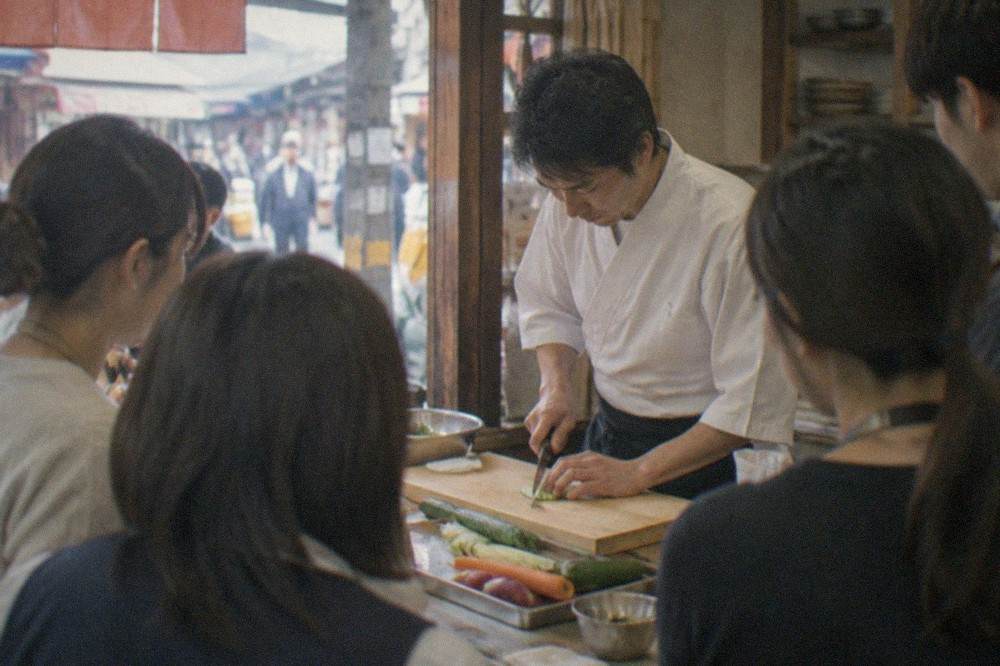
Class sizes matter more here than at most attractions. A 10-person obanzai class around a single counter gives you one cutting board and full participation; a demo-format class of 20 gives you a tasting. The listings on this site state the group size, and the small-group washoku bento class, capped small, is built specifically around that hands-on format.
Which Kyoto Cooking Class Should You Pick First?
For a first class, pick by what you want to take home as a skill, not by cuisine. If you want a repeatable weeknight technique, choose obanzai. If you want the most crowd-pleasing 90 minutes in the city, the award-winning ramen making experience is the strongest single choice, rated 5.0 from 2,635 reviews and priced from $130. If you want something gentle and photogenic, wagashi. If you want to cook and eat a full balanced meal, the washoku bento class from $61 is the best value.
The ramen class deserves its headline status. It teaches noodle making from flour, broth, and chashu topping in an hour and a half, and it has the deepest review base of any cooking product on this site. The trade-off is price: at $130 it is the most expensive of the four formats here. The washoku bento class at $61, rated 4.9 from 461 reviews, teaches a boxed meal with multiple components in 2.5 hours and costs less than half as much.
A market walk before the cooking starts is the format worth paying extra for. The Nishiki Market brunch walking tour, rated 4.9 from 1,497 reviews and priced from $74, runs 3 hours with 7 tastings plus brunch, and it doubles as a lesson in the ingredients a Kyoto kitchen actually uses: tofu, pickles, dried fish, dashi stock. Note that Nishiki Market has no unified opening hours; each shop keeps its own, roughly 9 or 10:00 to 17 or 18:00, and stalls ask you to eat at the stall rather than walking, so a guided tasting format sidesteps both problems.
If your interest in cooking is really an interest in eating, read the Kyoto food guide first. A class is one meal plus a skill; the restaurant landscape is dozens of meals, and the two are complements, not substitutes.
How Much Does A Kyoto Cooking Class Cost?
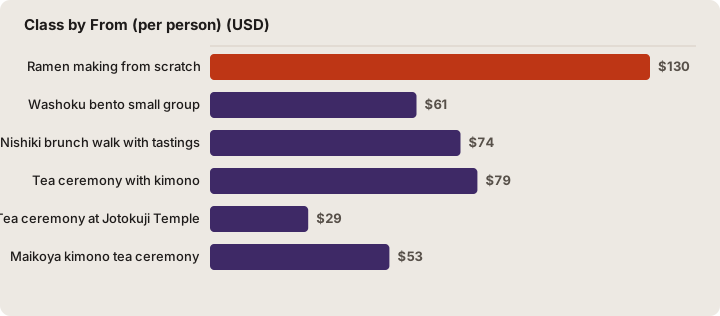
Cooking classes in Kyoto on this site run from about $20 to $130 per person. Wagashi and short confection sessions sit at the bottom, around $20 to $50, tea ceremony with wagashi around $29 to $79, washoku bento and market-cook formats around $61 to $74, and the full ramen-from-scratch class at $130. That spread is roughly the cost of one restaurant dinner in the city centre, and every class ends with a full meal included.
Here is the honest price ladder, using the verified prices on this site's own roster:
| Class | Format | From (per person) | Rating | Length |
|---|---|---|---|---|
| Ramen making from scratch | Hands-on, noodles and broth | $130 | 5.0, 2,635 reviews | 1h 30m |
| Washoku bento small group | Hands-on, multi-dish bento | $61 | 4.9, 461 reviews | 2.5 h |
| Nishiki brunch walk with tastings | Market walk plus brunch | $74 | 4.9, 1,497 reviews | 3 h |
| Tea ceremony with kimono | Ceremony plus wagashi | $79 | 5.0, 440 reviews | 1h 30m |
| Tea ceremony at Jotokuji Temple | Ceremony only | $29 | 4.9, 3,758 reviews | 1h 10m |
| Maikoya kimono tea ceremony | Ceremony plus kimono | $53 | 4.9, 1,114 reviews | 1h 30m |
For context on the restaurant side of the ledger, this site has exactly one set of prices printed by a restaurant's own page. Hyotei, by Nanzen-ji, publishes kaiseki from 31,625 yen at lunch and from 37,950 yen at dinner in its main building, while the same house's annex serves asa-gayu at 5,445 yen and a Shokado bento at 7,260 yen, tax and service included. Those are Hyotei's prices, not a city average, and they are not generalisable. But they show the shape of the comparison: a cooking class costs about the same as one very good mid-range dinner, and you leave with a technique.
The ramen class sits at the top of the class ladder for a reason, and if the format appeals, the box below connects to the operator's live listing where the current dates and the exact meeting point are shown before you pay anything.
One more practical note on the ramen class before moving to the gentler formats: it is the only cooking product on this site that teaches a full noodle pipeline, so if you have ever wanted to understand what separates a great bowl from an average one, this is the session that answers it from the inside. The same operator's listing carries the full ingredient list and the kitchen location, and cancellations are handled through the standard policy stated there.
What Is Obanzai, and Why Do Kyoto Classes Teach It?
Obanzai is the everyday home cooking of Kyoto households: several small vegetable dishes, seasoned with dashi, soy, miso or vinegar, made from seasonal and often leftover ingredients, served together with rice and soup. Classes teach it because it is the cuisine you cannot buy in a restaurant easily, it is genuinely repeatable in a Western kitchen, and it is built on Kyoto's vegetable culture, including the famous Kyo-yasai heirloom varieties.
The word does not describe a dish, it describes a style of assembly. A typical obanzai class produces four to six small plates in two hours: simmered daikon, sesame-dressed greens, grilled fish offcuts, a miso-based soup. The teaching emphasis is on the seasoning logic rather than recipes, which is what makes it the best value format for travellers who actually want to cook Japanese food at home afterwards.
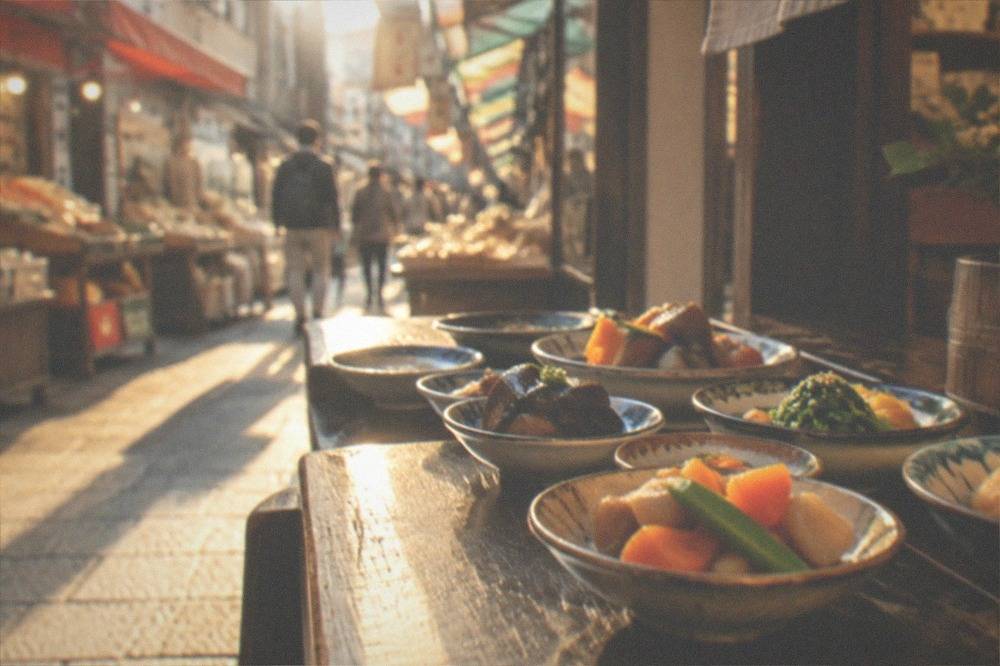
Kyoto's broader food identity feeds directly into this. The city's Buddhist temple kitchens developed shojin ryori, the vegetarian cuisine this site covers in its Kyoto temples guide, and obanzai is the household descendant of that vegetable-first logic. If your interest is specifically the vegetarian lineage, read the dedicated Kyoto style cooking answer page before booking, because it separates the temple cuisine from the home cuisine, and classes mix the two freely in their marketing.
Can You Learn Sushi and Ramen Making In Kyoto?
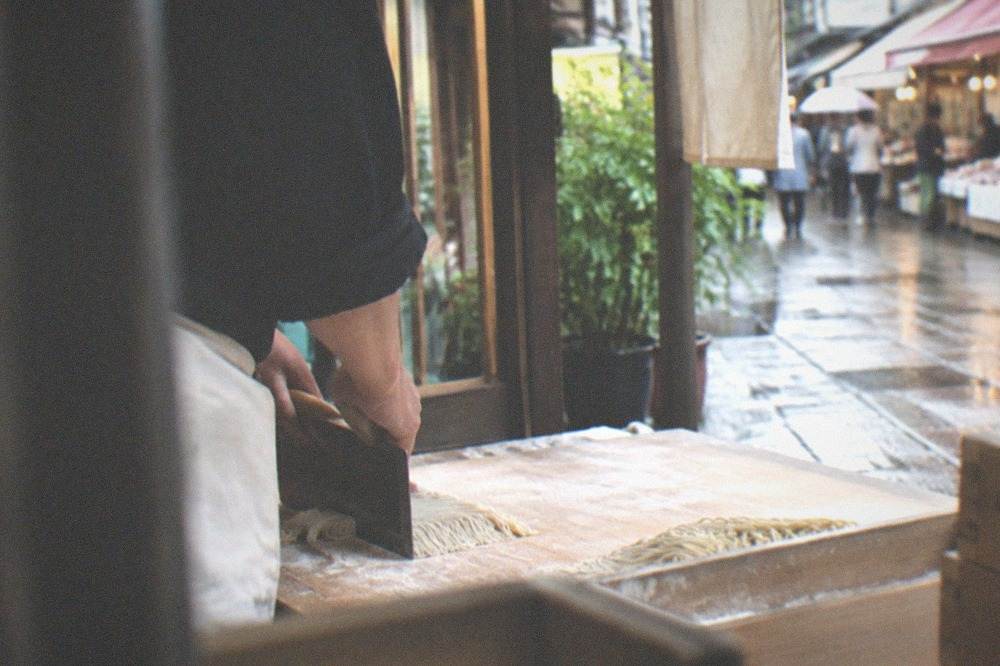
Yes, both, and ramen is the better taught of the two. The ramen class on this site covers the full pipeline, kneading and cutting noodles from flour, building the broth, and preparing toppings, in 90 minutes. Sushi classes in the city generally focus on rice seasoning, shaping and rolling, since raw fish sourcing is not something a class can teach, and both formats end with you eating the complete result.
The ramen class is the strongest single recommendation on this page for one reason: ramen is the dish people assume is impossible to make at home, and the class dismantles that in an hour and a half. Noodle dough, broth base, chashu, the assembly. It is rated 5.0 from 2,635 reviews, the deepest review base of any cooking product listed here, and it runs from $130. The full index of guides sits on Kyoto Travel Guide.
Sushi classes trade depth for accessibility. Expect to cook and season rice, shape nigiri with a few fish cuts provided ready, and roll maki. The skill ceiling is lower but the format is friendlier to families and to complete beginners, and it pairs well with a Kyoto street food crawl afterwards, since the two cover opposite ends of the city's eating spectrum.
For ramen as a diner rather than a cook, the Kyoto ramen guide maps the city's shops by style. The class and the guide are sequential: learn the anatomy of a bowl, then go taste the professional versions.
What Is Wagashi, and Can You Make It Yourself?
Wagashi are traditional Japanese confections, and the type made in Kyoto classes is almost always nerikiri, a sweet white bean paste shaped by hand into seasonal flowers and motifs. Yes, you can make it yourself: sessions run about an hour, need no cooking experience, and the results are eaten with matcha at the end. On this site, wagashi-adjacent sessions start from about $29 for a tea ceremony with sweets at Jotokuji Temple, rated 4.9 from 3,758 reviews.
The reason wagashi classes are short and cheap is that the core technique is shaping, not baking. Nerikiri dough is worked like a stiff clay, coloured, and pressed into forms with simple wooden tools. A one-hour class produces three to five pieces, and the failure mode is aesthetic rather than culinary: nothing burns, nothing is undercooked.
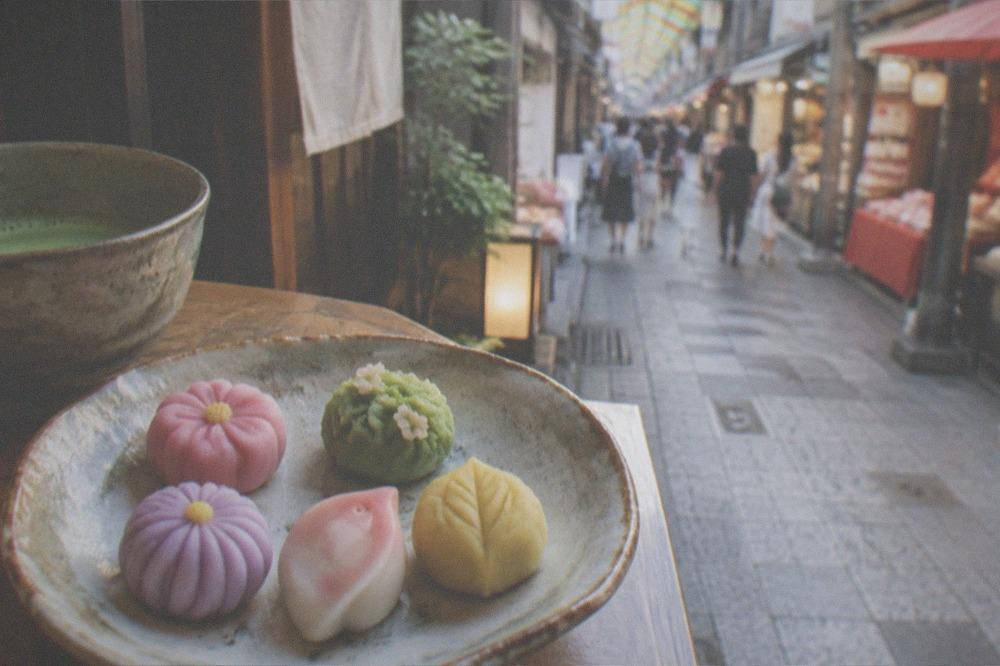
Wagashi belongs to the tea ceremony, not to the dessert course, and the best classes teach it that way, finishing with a bowl of matcha. The deeper context is in the matcha in Kyoto guide, which covers why Uji, just south of the city, is the historic centre of Japanese tea and why the sweets evolved to balance its bitterness. If a full ceremony with kimono appeals, the Maikoya session at $53, rated 4.9 from 1,114 reviews, combines both.
Where Do Kyoto Cooking Classes Fit In Your Day?
Most Kyoto cooking classes run 1 to 3 hours and are scheduled around meals, with lunch sessions starting around 11:00 and dinner-adjacent formats in the late afternoon, so the practical answer is to book a class as the meal itself. Pair a morning class with a temple visit before it, or an afternoon class with a market walk, and keep the day's walking compact because most kitchens are in central Kyoto, around Nishiki, Gion and downtown Kawaramachi.
The geography helps. The main cooking class venues sit within walking distance of the downtown Kawaramachi restaurant strip, the Nishiki Market arc and the southern edge of Gion, which means a class slots into a Higashiyama day without extra transport. The city's bus fare is a flat 230 yen and the subway runs 220 to 360 yen per adult ride, so even a cross-town class costs almost nothing to reach.
| Time of day | Best class format | Pairing before or after |
|---|---|---|
| Morning, 9:00-11:00 | Market walk plus brunch | Temple visit after, crowds are thinner before noon |
| Midday, 11:00-14:00 | Obanzai or bento class as lunch | Nishiki Market or Teramachi shopping after |
| Afternoon, 14:00-17:00 | Wagashi plus tea ceremony | Gion walk at dusk, geiko hours begin |
| Evening, 17:00-20:00 | Ramen class as dinner | Kamo River stroll, Pontocho after |
Season matters less for a class than for outdoor sightseeing, which is part of its appeal. The JMA 1991-2020 normals put July as Kyoto's wettest month at 223.6 mm, ahead of June at 199.7 mm, and August as the hottest with a mean daily maximum of 33.7 C. A cooking class is one of the few booked activities that is fully indoors, air-conditioned and unaffected by a rain forecast, so it is a natural anchor for the humid summer months the Kyoto weather guide flags as the hardest for outdoor itineraries.
What Should Beginners Know Before Booking A Kyoto Cooking Class?
Book a hands-on format over a demonstration, check the group size on the listing before paying, and tell the operator about allergies at booking rather than on arrival, because dashi, the base stock in most savoury dishes, contains fish. Vegetarians should look specifically at obanzai and wagashi formats, since sushi and ramen classes centre on fish and pork. Classes supply aprons, tools and ingredients, so you bring nothing but appetite.
The allergy point is the one that actually goes wrong. Dashi is in nearly everything savoury a Kyoto kitchen produces, and it is made from kombu and katsuobushi, dried bonito flakes. A vegetarian who flags it in advance can usually get a kombu-only or shiitake stock; one who flags it on the day often cannot. The same applies to the gluten in soy sauce and noodles, which matters most in the ramen class.
| Format | Diet flexibility | Skill needed | Best for |
|---|---|---|---|
| Obanzai | High, vegetable-led with fish stock caveat | None | Repeatable home technique |
| Sushi | Low, fish-centred | None | Families, first-timers |
| Ramen from scratch | Low, wheat and pork | Moderate, physical | Confident cooks, groups |
| Wagashi | High, vegan-friendly depending on venue | None | Short sessions, tea lovers |
| Market walk plus cook | Medium, depends on tastings | None | Ingredient literacy |
Booking logistics are simple on this site: every class listed above carries a live availability link, most allow free cancellation up to 24 or 48 hours before, and the operator's live listing states the exact policy for each product. Prices on this page are the current starting prices and can move with date and group size.
If the full meal-cooking format is the one that fits, the small-group washoku bento class below is the strongest mid-price option: it teaches a complete boxed meal, keeps the group small enough for everyone to cook, and costs from $61 per person.
The trio above spans the range of ways a food-minded traveller can spend a day in Kyoto: cook the meal yourself, see the headline sights by bus, or walk Arashiyama with a sake option attached. Each one is bookable through the operator's live listing with the standard cancellation terms stated there.
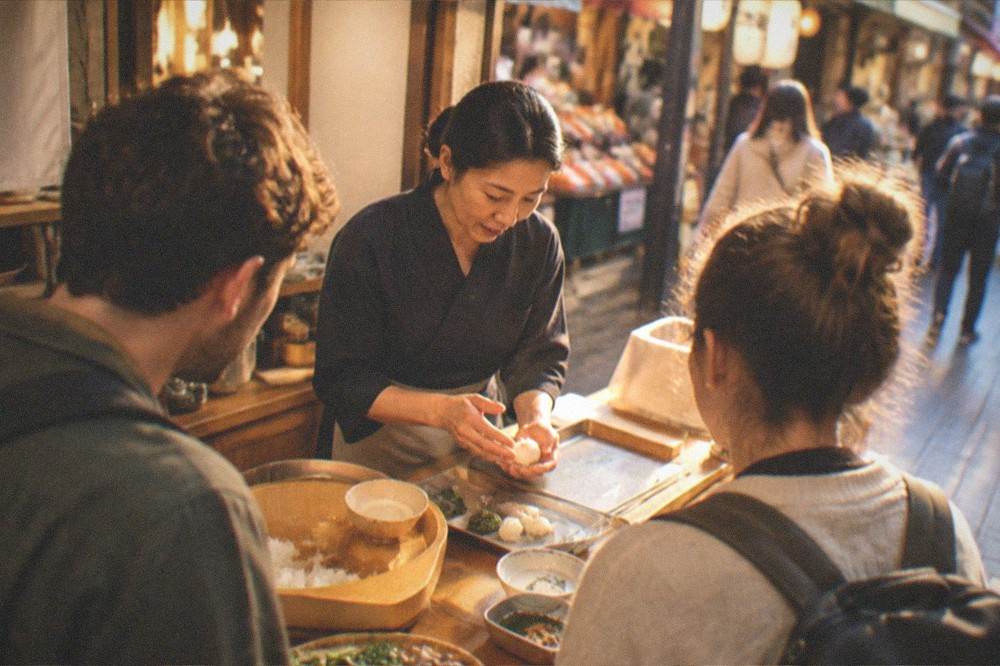
For travellers who want the ingredient side before the cooking side, the Nishiki brunch walk below is the natural first booking: it covers the market, the tastings and a full brunch in one 3-hour block, rated 4.9 from 1,497 reviews.
Common Questions About Kyoto Cooking Classes
What Do Kyoto Cooking Classes Teach: Obanzai, Sushi, Ramen, Wagashi?
Kyoto cooking classes teach one of four subjects: obanzai, the vegetable-led home cooking of Kyoto households, sushi, focused on rice seasoning and shaping, ramen made from scratch including noodle pulling and broth, and wagashi, hand-shaped seasonal sweets served with matcha. Sessions run 1 to 3 hours and end with you eating the full result.
Are Kyoto cooking classes suitable for complete beginners?
Yes. The wagashi, tea ceremony and obanzai formats assume zero experience, and the sushi and ramen classes are designed for first-timers too. The ramen class is the most physical, since noodle dough takes real kneading, but no class on this site requires prior cooking skill.
How much does a Kyoto cooking class cost?
On this site's roster, cooking and food classes run from about $20 to $130 per person. Tea ceremony and wagashi sessions sit at the bottom of the range, the washoku bento class is $61, the Nishiki brunch walk is $74, and the full ramen-from-scratch class is $130. Every class includes the meal you cook.
Can vegetarians take a Kyoto cooking class?
Yes, with one caveat: dashi, the stock at the base of most savoury dishes, is made from fish, so flag the diet at booking rather than on the day. Obanzai and wagashi formats are the most flexible, and kombu-only or shiitake stocks are usually possible when the operator knows in advance.
Do Kyoto cooking classes include the meal?
Yes, every format listed on this page ends with you eating what you cooked, and the market-walk formats include tastings plus a brunch. This is why the price comparison with a restaurant dinner is fair: the class replaces a meal rather than adding to one.
How long is a Kyoto cooking class?
Between 1 and 3 hours. Tea ceremony and wagashi sessions run about an hour, the ramen class 90 minutes, obanzai and bento classes 2 to 2.5 hours, and market-walk formats 3 hours including the walk and the meal.
A cooking class is the one Kyoto food experience that survives the trip home. The temples, the markets and even the kaiseki counters stay in the city, but the obanzai seasoning logic, the ramen noodle technique and the wagashi shaping all travel, and a single afternoon in a Kyoto kitchen is enough to carry them. Pick the format that matches the meal you most want to be able to make again, book it as that day's lunch or dinner, and let the rest of the itinerary form around it.