What Does Toei Kyoto Studio Park Cost And Which Add-Ons Are Worth It?
Toei Kyoto Studio Park is the one major Kyoto attraction whose admission price cannot be verified on its own official pages, which is exactly why this guide refuses to print one. Here is what a day around it actually costs, in verified yen.
Short answer
No verified admission price exists for Toei Kyoto Studio Park: the official ticket page does not publish a readable fee, so this guide prints none. A prebooked entry ticket through the operator's live listing starts at $12.73 per person, and the stronger add-ons nearby are Kyoto's temples and the Railway Museum, whose fees are all verified below.
Kyoto drew a record 62.79 million visitors in 2025, according to the city's own tourism survey released in June 2026, and most of those visitors spent their yen at the same two dozen temples. Toei Kyoto Studio Park sits in western Kyoto as the city's one large theme park, a working set for period films, and it is the attraction this site gets the most awkward question about: what does it cost? The honest answer is that the park's own ticket pages do not publish a readable fee, so no number here can be called official. What can be verified is everything around it: the transport, the temples, the museums and the bookable entry ticket sold through the operator's live listing, which starts at $12.73 per person. This guide, from Kyoto Travel Guide, prices the whole day instead.
What Does Toei Kyoto Studio Park Cost And Which Add-Ons Are Worth It?
Toei Kyoto Studio Park publishes no readable admission price on its official ticket pages, so no figure on this page is presented as the official fee. A prebooked entry ticket through the operator's live listing starts at $12.73 per person, rated 4 from 13 traveller reviews. The add-ons genuinely worth pairing it with are the nearby Arashiyama bamboo grove, which is free to walk, and the Kyoto Railway Museum at 1,500 yen, both reachable on the same transit day.
The price question deserves a straight answer, and the straight answer is a gap. The park's own Japanese and English ticket pages render their pricing through scripts that the research behind this site could not read, and this site's policy is simple: a fee that cannot be read at the publisher is a fee that does not get printed. Plenty of guides will quote you a number for the studio park. Ask where they read it, and note that Kyoto's attraction prices have moved twice in 2026 alone: Ginkaku-ji doubled its admission to 1,000 yen from 1 April, and Tofuku-ji revises its fees on 1 November. A guide that copies prices forward is a guide that goes stale.
What you can plan around with certainty is the bookable product. The entry ticket sold through the operator's live listing starts at $12.73 per person, carries a 4 rating from 13 traveller reviews, and takes the form of a skip-the-lines basic ticket. For a park whose weekend queues are the main complaint pattern in traveller feedback, prebooking that ticket is the single highest-value move you can make, and it costs less than a bowl of ramen in downtown Kyoto.
Why Can't You Find A Published Toei Kyoto Studio Park Ticket Price?
The park's official ticket pages, in both Japanese and English, do not present their prices as readable text: the fee data loads dynamically and was not extractable when this site's research read the pages directly. This site prints no fee it has not read at the publisher, so instead of repeating a number copied from another guide, this page prices the bookable ticket, which starts at $12.73, and the verified costs of everything around the park.
That policy is not pedantry. It exists because Kyoto's prices have been moving faster than guide publishing cycles. The accommodation tax changed on 1 March 2026, with the top tier rising from 1,000 to 10,000 yen per person per night. Ginkaku-ji doubled its admission in April 2026, the first change in 32 years. The bus-only one-day pass was abolished entirely, and the product that replaced it, the Subway and Bus One-Day Pass, costs 1,100 yen. A fee printed without a source in 2026 Kyoto has roughly a one-in-three chance of being wrong.
The studio park's own entry ticket, sold through the operator's live listing, is the one price in this article attached to the park itself. At $12.73 to start, with a 4 rating from 13 traveller reviews, it is a new listing with a thin review history, and this site says so plainly rather than dressing it up. The ticket's value is not the rating. It is the skip-the-lines function, because the park's crowd pattern peaks hard on weekends and Japanese school holidays, and the city's 2025 survey recorded 62.79 million visitors competing for the same narrow sites.
Is Toei Kyoto Studio Park Worth It Compared With Kyoto's Temples?
For families with children over about six, and for anyone who has already seen the major temples, the studio park earns its place: it is the only place in Kyoto where you walk through standing film sets rather than sacred halls. For a first visit with limited days, the temples win on cost and depth, with Kinkaku-ji at 500 yen and Sanjusangen-do at 600 yen against a park that publishes no fee at all. Save the park for a second trip or a rainy day.
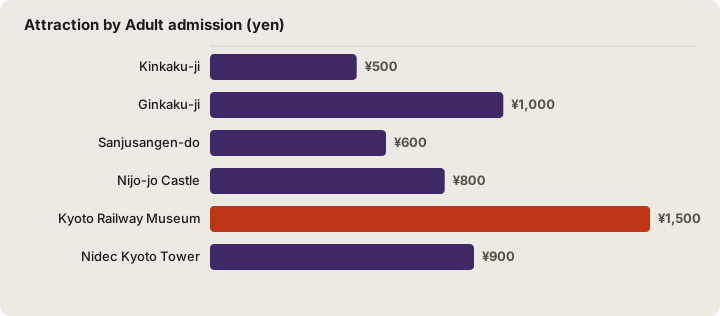
The comparison is not close on price, and this site will not pretend otherwise. Below is what the verified fee schedule looks like across the sites most visitors weigh the studio park against.
| Attraction | Adult admission | Child admission | Source status |
|---|---|---|---|
| Kinkaku-ji | 500 yen | 300 yen (primary and middle school) | Verified, temple site |
| Ginkaku-ji | 1,000 yen from 1 April 2026 | 500 yen | Verified, doubled this year |
| Sanjusangen-do | 600 yen | 300 yen (elementary) | Verified, temple site |
| Nijo-jo Castle | 800 yen | 300 yen (elementary) | Verified, city site |
| Kyoto Railway Museum | 1,500 yen (18 and over) | 200 yen from age 3 | Verified, museum site |
| Nidec Kyoto Tower | 900 yen | 200 yen from age 3 | Verified, tower site |
| Toei Kyoto Studio Park | No fee printed | No fee printed | Not readable on official pages |
Read that table as a budget, not a ranking. Two adults and two school-age children can do Kinkaku-ji and Sanjusangen-do in one morning for 2,600 yen total in temple admissions, verified at each temple's own site. The same family at the Kyoto Railway Museum pays adult admission of 1,500 yen each with children from age 3 at just 200 yen, and the museum's 10:00 to 17:00 hours with last entry at 16:30 make it the strongest rainy-day substitute for the studio park, with the caveat that it closes on Wednesdays and from 30 December to 1 January.
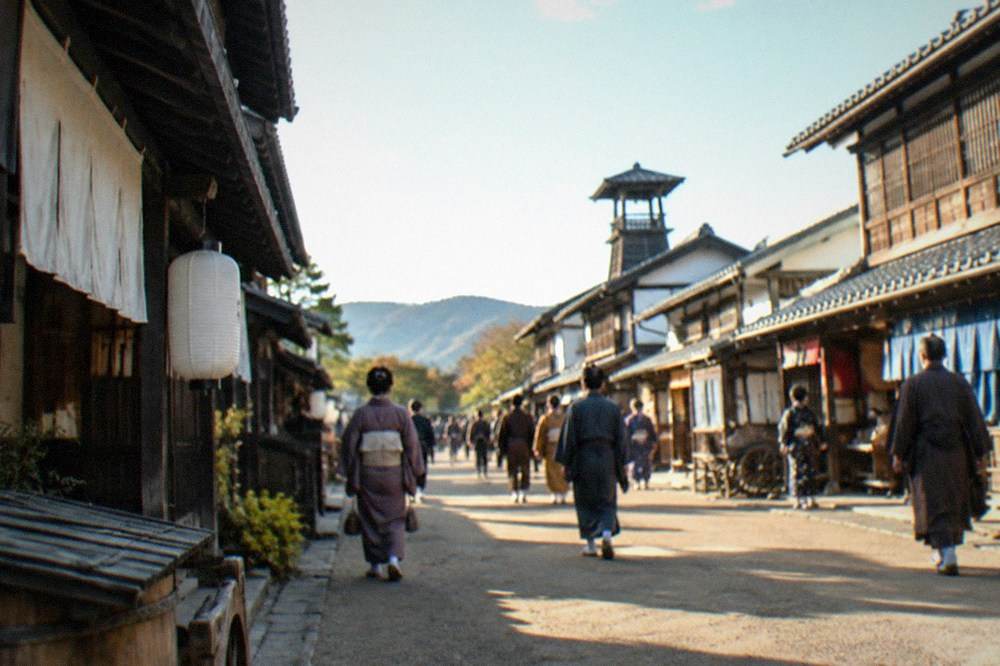
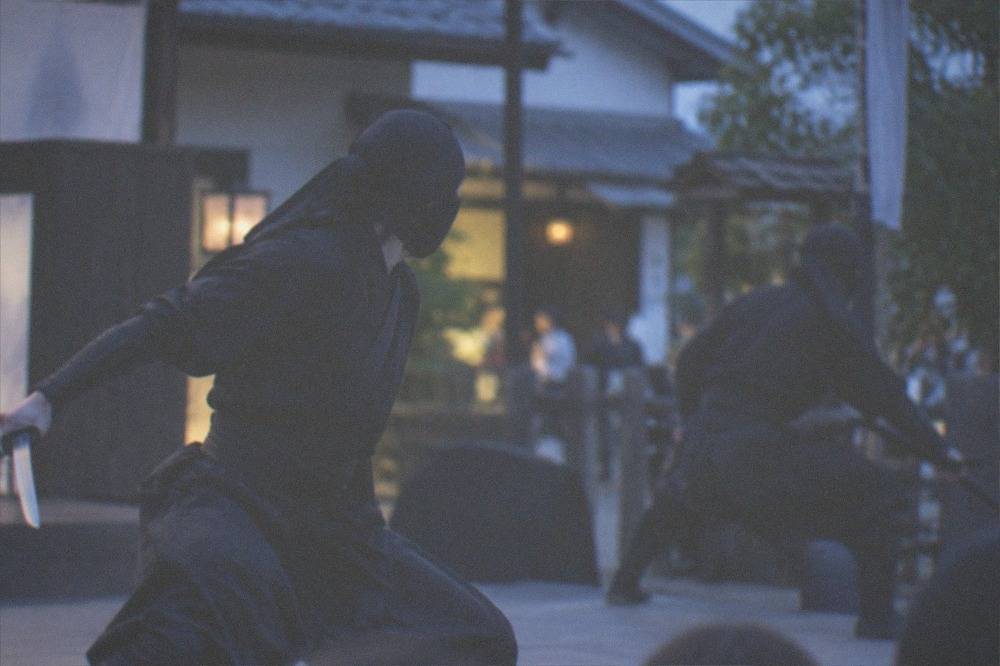
What the temples cannot give you is the thing the studio park sells: a walkable Edo-period town where films are still shot, costumed characters, ninja and samurai shows, and interactive sets. If your trip includes children who have seen their third temple of the day and started asking about the hotel pool, the studio park is the correct answer, and the itineraries built for Kyoto with kids on this site slot it in exactly for that reason. If your days in Kyoto number three or fewer, spend them on Kiyomizu-dera and the Higashiyama slopes instead.
What Does A Kyoto Family Day Out Cost Beyond The Studio Park?
A full day for a family of four in Kyoto, excluding the studio park's own unreadable fee, runs to a few thousand yen in admissions plus transit on the Subway and Bus One-Day Pass at 1,100 yen per adult and 550 per child. Temple admissions run 500 to 1,000 yen per adult and 200 to 500 per child at the verified sites. Food at market stalls and casual restaurants adds more, and the whole day can be planned before you leave home.
The transit math is the part most families get wrong, and it changed recently. The bus-only one-day pass no longer exists: sales ended in September 2023 and the last day of use was 31 March 2024, a fact the city's transport bureau states plainly on its own pages. The replacement is the Subway and Bus One-Day Pass at 1,100 yen for adults and 550 yen for children, which covers both networks and pays for itself in four bus rides, since the flat city bus fare is 230 yen per adult ride.
| Transport item | Adult | Child (6-11) | Notes |
|---|---|---|---|
| City bus, flat fare | 230 yen | 120 yen | Verified, city transport bureau |
| Subway, zones 1-5 | 220 to 360 yen | 110 to 180 yen | Distance-based |
| Subway and Bus One-Day Pass | 1,100 yen | 550 yen | The current combined product |
| Tourist express EX100 / EX101 | 500 yen | 250 yen | Station to Kiyomizu and Gion, fewer stops |
Admissions stack differently by age band, and the bands are not consistent between venues, which is worth checking per child. The Kyoto Railway Museum charges 1,500 yen for 18 and over but only 200 yen from age 3, making it cheap for children. Nidec Kyoto Tower charges 900 yen per adult, 700 for high school students, 600 for elementary and junior high, and 200 from age 3, with the observation deck open 10:00 to 21:00 and last admission at 20:30. Temples tend to charge school-age children 300 to 500 yen. A family with one teenager and one eight-year-old will find the museums cheaper than the temples, and the reverse holds for two adults travelling without children.
The free list matters as much as the paid one. Fushimi Inari Taisha publishes no fee anywhere on its site, the Arashiyama bamboo path is a free public walk, and the Kyoto Imperial Palace states on the Imperial Household Agency's own pages that it is open to all visitors with no advance application necessary. Walking Gion or the Philosopher's Path costs nothing but shoe leather. A day that pairs the studio park with one of these free anchors is a day that balances the budget.
How Do You Get To Toei Kyoto Studio Park?
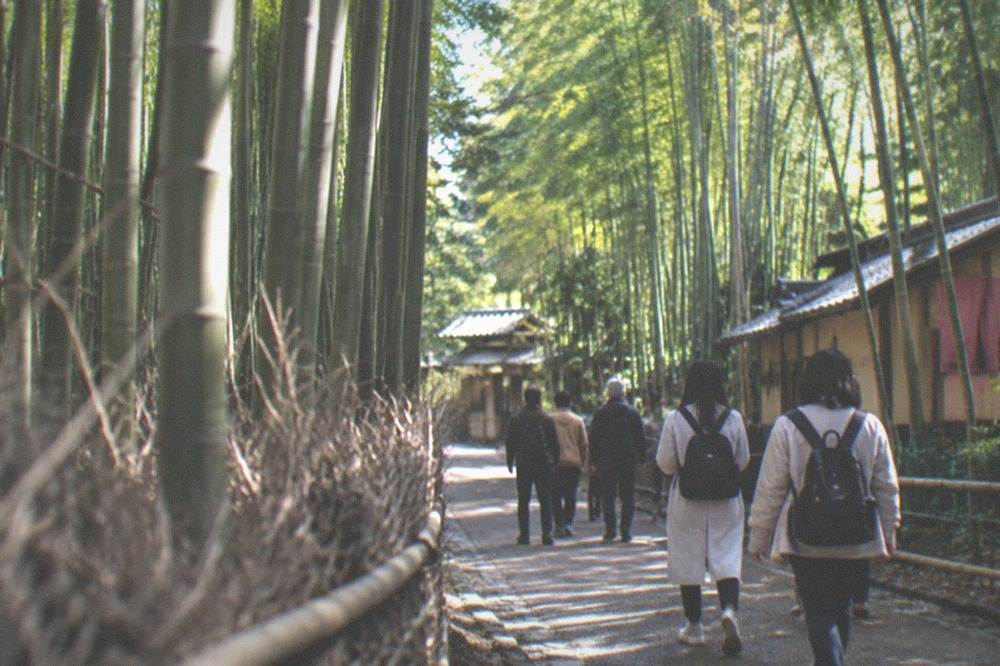
The studio park sits in Ukyo ward in western Kyoto, close to the Arashiyama district, and a day that combines the two is the strongest use of the transit pass: the park, the bamboo grove and Tenryu-ji's garden at 500 yen all sit on the same side of the city, reachable on city bus or the JR Sagano line from Kyoto Station in well under an hour.
The Subway and Bus One-Day Pass at 1,100 yen covers the city bus legs, and the bamboo grove itself is free to walk.
This is where the studio park quietly wins back points that its unreadable admission price loses. Most visitors treat Arashiyama as a half-day trip from central Kyoto, ride the crowds through the bamboo grove, and head back. The studio park is a short hop further west, and pairing the two turns a half-day into a full, varied day: film sets in the morning, the Arashiyama bamboo grove and Tenryu-ji in the afternoon, and the Katsura River at sunset.
The Sagano Romantic Train, if you want it as the day's scenic add-on, costs a verified 880 yen one way for adults and 440 yen for children, from the operator's own ticket page, and a bookable ticket version starts at $5.65 through the operator's live listing with a 4.5 rating from 4,737 reviews. The Iwatayama Monkey Park up the hill charges 800 yen for 16 and over and 400 yen for ages 4 to 15, cash only, open 9:00 to 16:00 with the summit until 16:30, closed on 1 January and in bad weather, all verified on the park's own site. That is a lot of western Kyoto for one transit day.
What Else Is Near Toei Kyoto Studio Park In Ukyo?
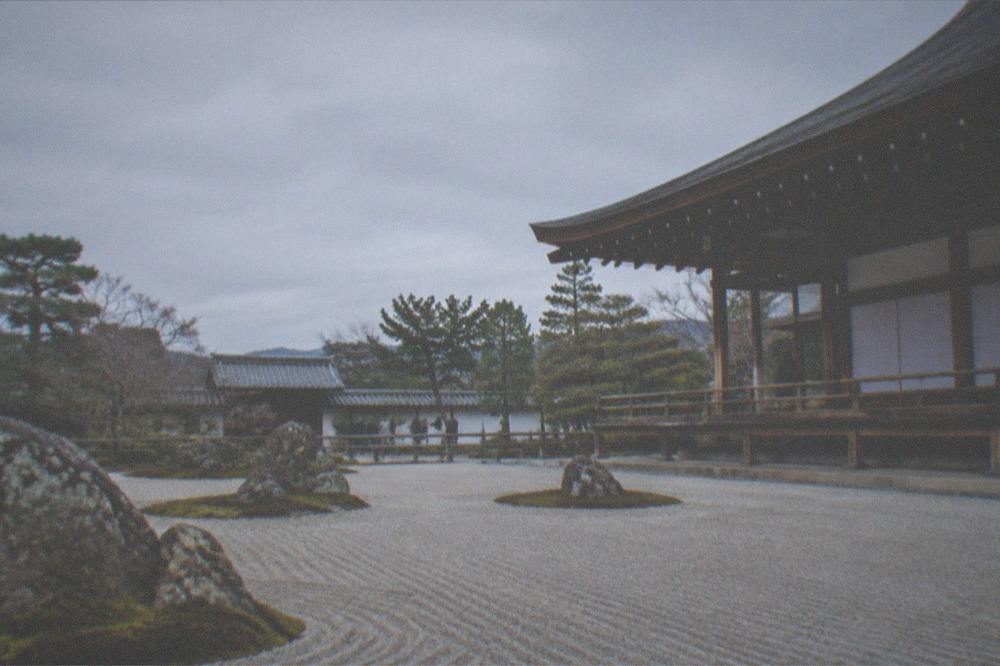
The studio park's neighbourhood rewards a second look: the Kyoto Railway Museum is on the way back toward the centre, Nijo-jo Castle at 800 yen, or 1,300 yen with the Ninomaru-goten Palace, makes a strong morning pairing, and the Ryoan-ji rock garden at 600 yen sits between them. None of these require booking beyond the castle's Honmaru Palace, which needs an advance reservation and a separate 1,000 yen ticket on top of castle admission.
Nijo-jo Castle deserves the pairing more than any other site, and not only for the price. It is the place where, in October 1867, the 15th shogun Tokugawa Yoshinobu summoned senior vassals from 40 domains and announced the return of political authority to the Emperor, as the city's own castle history pages recount, with the Emperor's acceptance on 15 October 1867. The castle's admission is 800 yen general, 400 for junior high and high school students, and 300 for elementary, with the castle plus Ninomaru-goten Palace combined at 1,300 yen, all verified on the city's castle site. The castle closes for admission at 16:00 and shuts at 17:00, and the Ninomaru-goten closes every Tuesday in January, July, August and December.
| Nearby attraction | Adult admission | Hours to plan around | Verified on |
|---|---|---|---|
| Nijo-jo Castle | 800 yen (1,300 with palace) | Admission 8:45-16:00 | City castle site |
| Ryoan-ji | 600 yen | 8:00-17:00 (Mar-Nov) | Temple site |
| Tenryu-ji garden | 500 yen | 8:30-17:00, last entry 16:50 | Temple site |
| Iwatayama Monkey Park | 800 yen | 9:00-16:00, cash only | Park site |
| Kyoto Railway Museum | 1,500 yen | 10:00-17:00, closed Wednesdays | Museum site |
| Nidec Kyoto Tower | 900 yen | 10:00-21:00 | Tower site |
For a day that starts at the studio park and ends in the centre, the Nidec Kyoto Tower observation deck stays open until 21:00 with last admission at 20:30, which makes it the natural evening close. The Kyoto Railway Museum closes earlier and shuts on Wednesdays, so it belongs in the morning slot or on a separate day. Families splitting up can send one adult to the studio park with the children and another to Ryoan-ji, and reconvene at the tower.
Which Add-Ons Are Worth The Money At The Studio Park Itself?
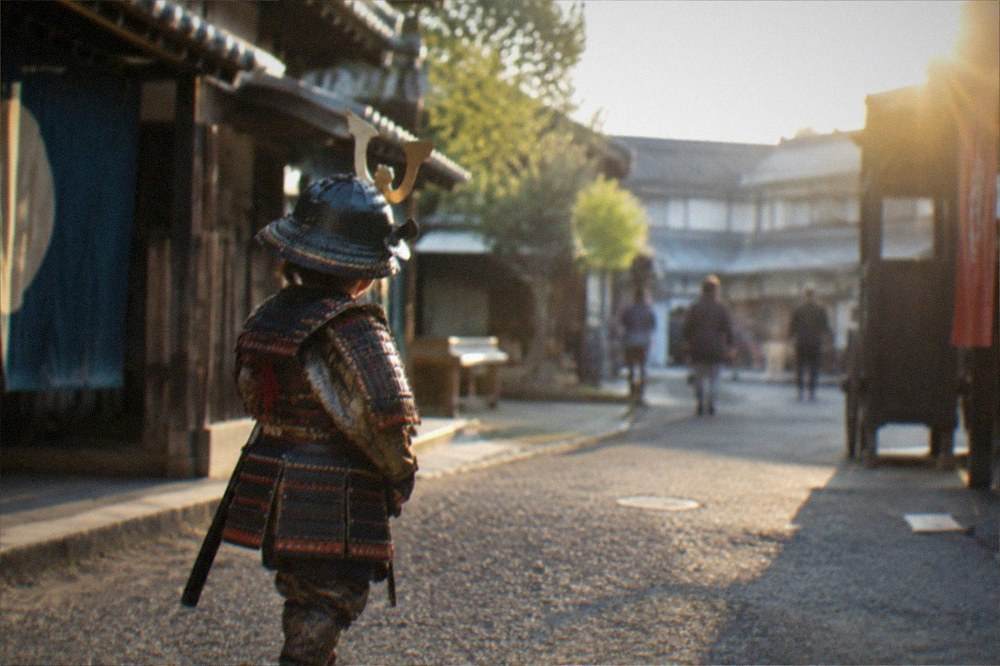
The add-ons worth paying for inside the studio park are the ones tied to scheduled experiences rather than merchandise: costume rentals and hands-on attractions, because the park's core value is participation in the film-set world, not observation of it.
The bookable entry ticket through the operator's live listing, starting at $12.73, covers the skip-the-lines basic entry, and costume or activity add-ons are best bought at the park once you can see the queues, since no verified price list for them is readable on the official pages.
That is the honest limit of what this site can tell you about the park's internal pricing, and it is better advice than a copied number. What is worth stating is the decision logic. The park's product is immersion: you walk the sets, you watch the ninja shows, and the paid extras convert you from audience to cast. Budget for one costume or one hands-on activity per child and treat anything beyond that as optional. Traveller feedback patterns on the entry product, thin as they are at 13 reviews, point the same way: the park rewards participation and punishes passive wandering.
Set the internal budget against the alternatives. A tea ceremony in central Kyoto starts at $29 for the ceremony at Jotokuji Temple with a 4.9 rating from 3,758 reviews, and a chopsticks-making class in Gion starts at $6 with a 4.9 rating from 4,252 reviews. Those are verified bookable products with deep review histories, and for a traveller deciding between a studio park add-on and a craft class, the craft class is the stronger cultural spend. For a child who wants to be a ninja for an afternoon, the studio park has no substitute.
When Is The Best Time To Visit Toei Kyoto Studio Park?
The studio park is at its most comfortable on weekday mornings outside Japanese school holidays, and the city's own crowd-management data backs the morning advice: Kyoto's 2025 survey recorded 62.79 million visitors, and the city now runs a Tourism Comfort Forecast that predicts five-level crowd comfort by spot, area and time slot using smartphone location data. Avoid weekends, Japanese public holidays and the cherry and autumn peaks, when the whole city compresses into its narrow sightseeing corridors.
The seasonal picture comes from the Japan Meteorological Agency's 1991 to 2020 normals for the Kyoto station. July is the wettest month at 223.6 mm, ahead of June at 199.7 mm, a fact that surprises visitors who plan around a mythical June rainy season. August is the hottest month with a mean of 28.5 C and a mean daily maximum of 33.7 C, and three of Kyoto's six hottest days on record fell in the summers of 2024, 2025 and 2026. An indoor-heavy attraction like the studio park is genuinely useful in that late-summer window, and again in the January and February cold, when the mean daily minimum sits at 1.5 C and 1.6 C.
| Month | Rain (mm) | Mean daily max (C) | Studio park planning note |
|---|---|---|---|
| March | 106.2 | 14.1 | Sakura crowds from late March |
| July | 223.6 | 32.0 | Wettest month, indoor value high |
| August | 153.8 | 33.7 | Hottest, mean 28.5 C |
| October | 143.2 | 23.4 | Autumn foliage builds crowds |
| November | 73.9 | 17.3 | Peak maple crowds citywide |
| January | 53.3 | 9.1 | Quietest, coldest, mean low 1.5 C |
The cherry and maple markers matter for timing more than most guides admit. The JMA's own phenology table for Kyoto puts the 1991 to 2020 normal for cherry full bloom at 4 April, and the normal for maple red leaves at 5 December, which is far later than the mid-November peak every guide repeats. The maple normal is the observatory's specimen tree, not the Arashiyama display peak, so read it as the official marker rather than the best week. Either way, the studio park is one of the few Kyoto attractions whose crowd level does not triple during foliage season, because the tour buses go to the temples.
Common Questions About Toei Kyoto Studio Park
What does Toei Kyoto Studio Park cost?
No official admission price can be printed here: the park's own ticket pages do not publish a readable fee, and this site prints no number it has not read at the publisher. A prebooked skip-the-lines entry ticket through the operator's live listing starts at $12.73 per person, rated 4 from 13 traveller reviews. Budget for costume and activity add-ons separately at the park.
Is Toei Kyoto Studio Park worth visiting?
For families with children and for travellers who have already seen Kyoto's major temples, yes: it is the city's only walkable period-film set. For a first visit of three days or fewer, the temples and shrines offer more per yen, with Kinkaku-ji at a verified 500 yen and Sanjusangen-do at 600 yen. The strongest use of the park is a second trip, a rainy day or a family with temple fatigue.
How do I get to Toei Kyoto Studio Park?
The park sits in Ukyo ward in western Kyoto near Arashiyama, reachable by city bus or the JR Sagano line from Kyoto Station in under an hour. The Subway and Bus One-Day Pass at 1,100 yen for adults and 550 yen for children covers the city bus legs, and the pairing with the free Arashiyama bamboo grove and Tenryu-ji's 500 yen garden makes one strong western-Kyoto day.
Can I buy Toei Kyoto Studio Park tickets in advance?
Yes. A skip-the-lines basic entry ticket is bookable through the operator's live listing, starting at $12.73 per person. Prebooking matters most on weekends and Japanese school holidays, when the park's queues are the main complaint pattern in traveller feedback. Check availability before you travel rather than on the day.
Is Toei Kyoto Studio Park good for kids?
It is one of the best Kyoto attractions for school-age children, alongside the Kyoto Railway Museum at 1,500 yen for adults and 200 yen from age 3. The park's value is participation: costume rentals, ninja shows and hands-on sets. Note that some nearby sites, like the Shugakuin Imperial Villa, admit adults 18 and over only, which makes the studio park and the Railway Museum the family-safe choices in this part of the city.
What else is near Toei Kyoto Studio Park?
The Arashiyama district: the bamboo grove, free to walk, Tenryu-ji's garden at 500 yen, the Iwatayama Monkey Park at 800 yen for 16 and over with cash only payment, and the Sagano Romantic Train at a verified 880 yen one way for adults. Nijo-jo Castle at 800 yen, or 1,300 yen with the Ninomaru-goten Palace, is on the route back toward central Kyoto.
If you have read this far, you already know the one number that matters for the park itself: the bookable entry ticket, starting at $12.73, is the only price anyone can honestly quote. The rest of the day around it is fully priceable, and the picks below cover the strongest pairings.
For travellers who would rather start the day with a guide in hand, the early morning tour with an English-speaking guide, from $82 with a 4.9 rating from 1,998 reviews, covers the headline sights before the crowds build, and it pairs naturally with a studio park afternoon.
The short version of all of this: book the entry ticket ahead, pair the park with free Arashiyama, keep the add-on budget for one costume or activity, and spend the temple fees on a day when the crowds are thinner. The studio park is the most entertaining hour-for-yen attraction in western Kyoto for the right traveller, and the fact that no one can quote you its official gate price honestly is, in a city of 62.79 million annual visitors, a reminder to check every Kyoto number against its publisher before you plan around it.