Vegetarian And Vegan Food In Kyoto
Kyoto fed vegetarian monks for over a thousand years before the word vegan existed, and that history is still on the menu.
Short answer
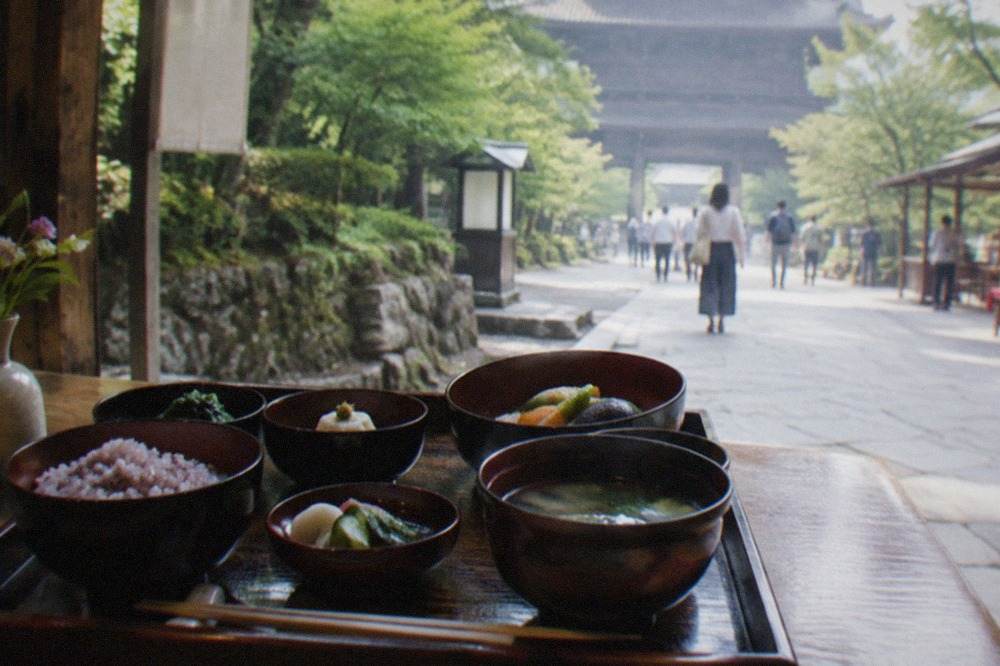
Kyoto is the birthplace of shojin-ryori, the Buddhist temple cuisine developed around vegetarian precepts, so the city has more meat-free cooking in its DNA than anywhere else in Japan. Temples, zen gardens and centuries-old restaurants all serve vegetable-first food, and the main trap for vegetarians is dashi fish stock, not a shortage of options.
Vegetarian And Vegan Food In Kyoto
Kyoto has been cooking without meat for more than a millennium. The city's temples practised Buddhist vegetarian cooking, known as shojin-ryori, long before vegetarianism had a name in the West, and that tradition shaped the whole local kitchen: tofu, pickles, sesame, mountain vegetables and seasonal greens remain the backbone of Kyoto food culture. The city's 2025 tourism survey recorded 62.79 million visitors across the year, and a growing share of them arrive asking the same question, which is where a vegetarian or vegan actually eats well here. The short answer is: almost everywhere, once you know the two or three traps. The long answer is this guide, which covers the temple cuisine tradition, the tofu houses, the dishes to order by name, and the one ingredient that quietly ruins more vegetarian meals in Japan than any other.
Why Is Kyoto The Easiest Japanese City For Vegetarians?
Kyoto is the historical home of shojin-ryori, the vegetarian cuisine developed in Buddhist temples, and more than a thousand years of monks cooking without meat or fish left the city with a vegetable-first food culture that no other Japanese city matches. Tofu, sesame, yuba and seasonal mountain vegetables are Kyoto specialities in their own right, so a vegetarian visitor is not working around the local kitchen but eating its most traditional layer.
The word shojin itself carries the meaning: disciplined devotion, effort on the Buddhist path. Zen monasteries in and around Kyoto built an entire cuisine around it, one that treats a radish or a sesame seed with the seriousness other kitchens reserve for wagyu. That cooking never disappeared. It survives in temple dining rooms, in the tofu restaurants near Nanzen-ji and Arashiyama, and in the seasonal vegetable dishes that appear on ordinary Kyoto menus in spring bamboo-shoot season and autumn mushroom season.
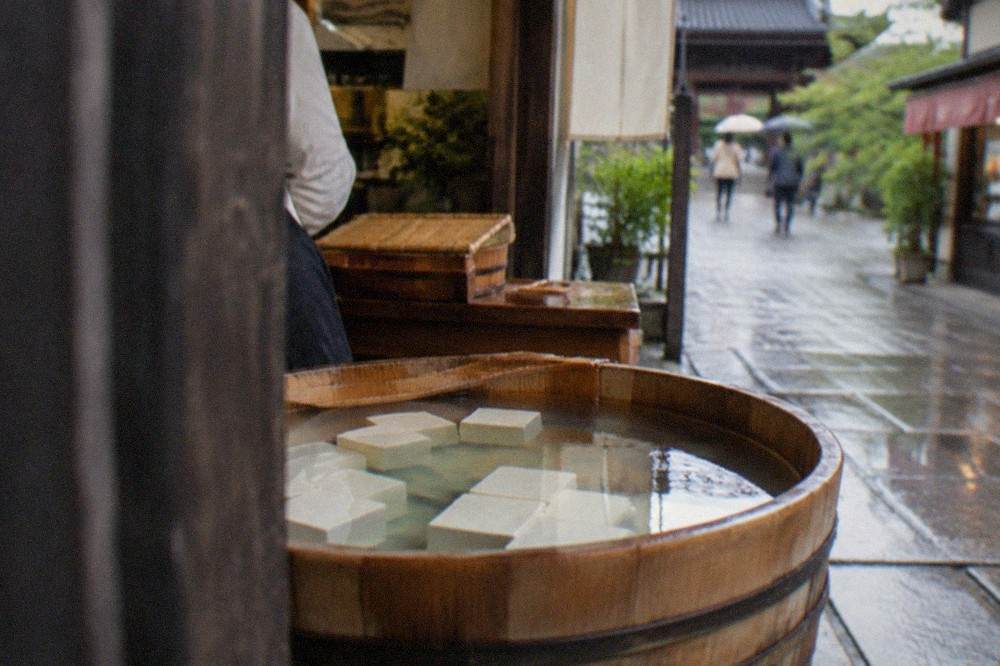
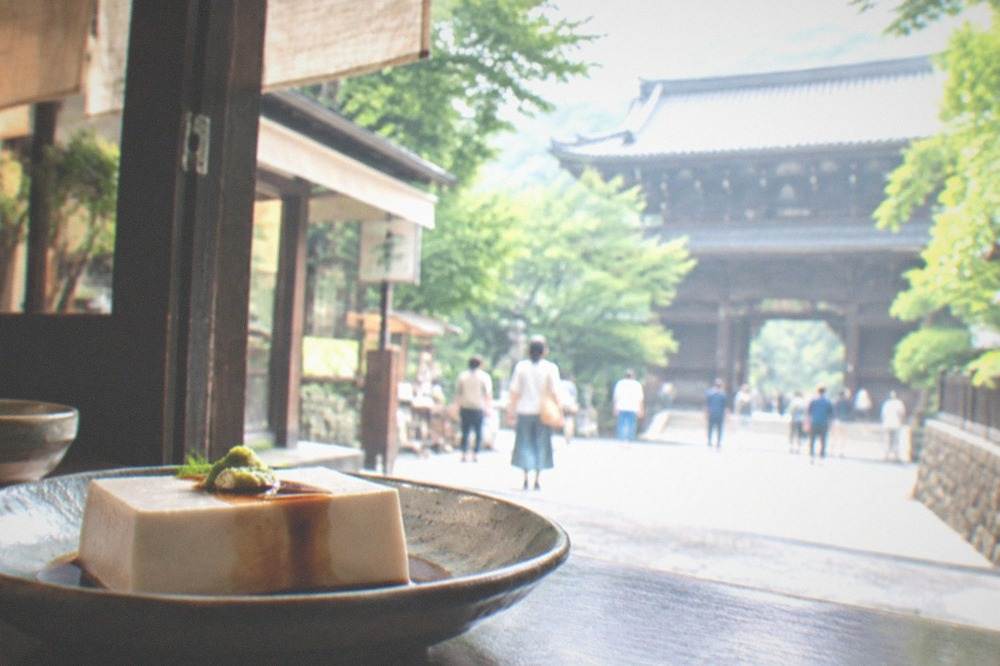
The practical effect for a visitor is that Kyoto's most famous foods are already plant-based or nearly so. Yudofu, simmered tofu, is a Kyoto winter dish built on tofu, kombu kelp and water. Sesame tofu, a shojin staple, is a paste of ground sesame and kudzu starch. Yuba, the skin that forms on heated soy milk, began as a temple food and is now one of the city's signature delicacies. A vegetarian in Kyoto is not scraping by on side salads, they are eating the food the city has been proudest of for centuries.
What Is Shojin-Ryori And Where Did It Come From?
Shojin-ryori is the vegetarian cuisine of Japanese Buddhism, built on the precept against taking life, and it matured in Kyoto's Zen monasteries from the thirteenth century onward. It uses no meat, no fish and no strong root vegetables traditionally avoided by monks, and instead builds complete meals from tofu, sesame, kudzu, yuba, seasonal vegetables, grains and pickles, served in quiet, formally arranged courses.
Its roots run through Chinese Chan Buddhism, which reached Kyoto with Zen practice and reshaped the city's kitchen along with its temples. Daitoku-ji and Tenryu-ji, both still standing and both open to visitors, were among the great centres where this cooking was refined. The monks' rule against killing extended past meat and fish to pungent vegetables in some traditions, and the discipline of making a satisfying meal from almost nothing produced techniques Kyoto cooks still use: grinding sesame into tofu, thickening broths with kudzu root, drying and rehydrating mountain greens through the winter.
Shojin-ryori also gave Kyoto its relationship with the seasons. A temple meal in April features bamboo shoots and spring greens; the same kitchen in November serves mushrooms, chestnuts and persimmon. That seasonal logic spread from the monastery into the wider Kyoto kitchen, which is one reason the city's food culture rewards a vegetarian visitor in any month. The best time to visit Kyoto for food specifically is arguably autumn, when the vegetable markets are at their fullest and the temple gardens serving lunch are at their most beautiful.
Which Kyoto Temples Serve Vegetarian Food?
Several working temples and their surrounding districts serve shojin-ryori style meals, and the temples themselves charge modest, verified admission fees: Tenryu-ji's garden is 500 yen, Nanzen-ji's Hojo garden 600 yen, Tofuku-ji's Tsutenkyo bridge and Kaisando 600 yen, and Kodai-ji 800 yen, with Kodai-ji running night illuminations from 23 October to 13 December 2026. Eating near a temple is therefore easy to combine with visiting one.
Temple dining rooms and the small restaurants around Kyoto's major monasteries are the natural home base for a vegetarian visitor. The Arashiyama area around Tenryu-ji is famous for tofu, the Nanzen-ji area the same, and the lanes near Kiyomizu-dera and Gion hold small kitchens serving vegetable-forward set meals. Where a formal shojin meal is served inside or beside a temple, it is typically a reservation business, booked ahead and eaten at a set time, so plan those lunches before you arrive.
The verified admissions for the temples most associated with vegetarian food culture are below. Fees come from each temple's own site.
| Temple | Adult admission | What the fee covers |
|---|---|---|
| Tenryu-ji (Arashiyama) | 500 yen | Garden only; buildings add 300 yen |
| Nanzen-ji | 600 yen | Hojo garden; Sanmon gate priced separately |
| Tofuku-ji | 600 yen | Tsutenkyo bridge and Kaisando until 31 Oct 2026 |
| Kodai-ji | 800 yen | Garden and interiors; combined Entoku-in ticket 1,200 yen |
One planning note worth its weight: Tofuku-ji posts a fee revision effective 1 November 2026, when its combined ticket becomes 1,000 yen and the foliage-period Tsutenkyo ticket also rises to 1,000 yen. If your vegetarian temple lunch is part of an autumn leaves trip, budget for the new rates rather than the old ones.
What Is The Dashi Problem Every Vegetarian In Japan Needs To Know?
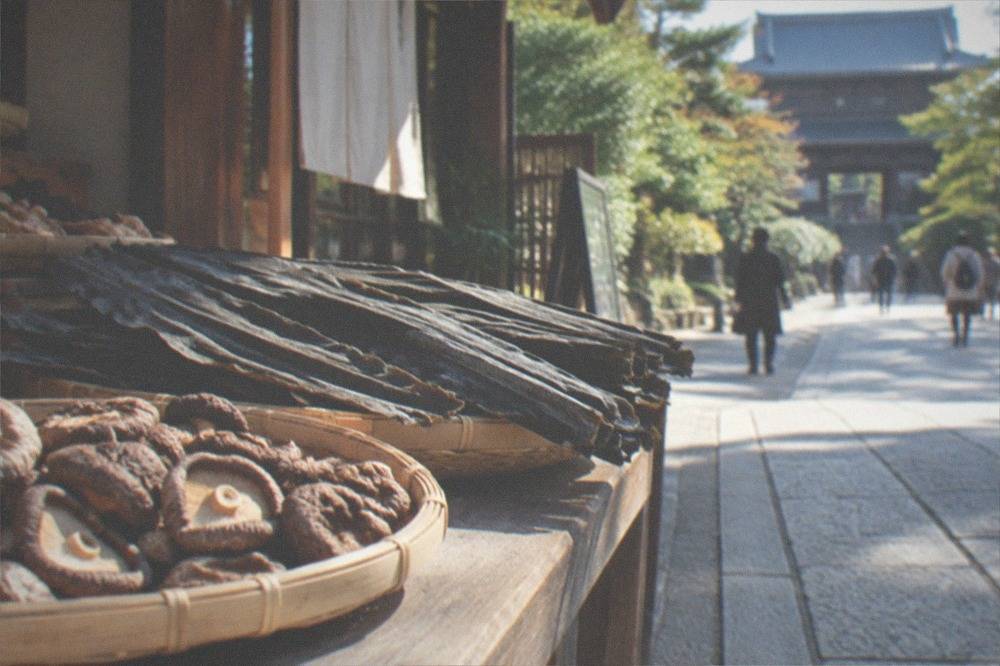
Dashi, the stock base of Japanese cooking, is traditionally made from kombu kelp and katsuobushi, dried bonito fish flakes, and it hides in miso soup, noodle broths, simmered dishes and even sauces that look fully vegetarian. This single ingredient, not a shortage of vegetable dishes, is the main reason a vegetarian needs to check every bowl in Japan. Kombu-only and shiitake dashi exist and are standard in temple cooking, so the question to ask is always what the dashi is made from.
This is the honest core of eating vegetarian in Kyoto. A plate of tofu simmered in broth may look perfectly safe and be made with fish stock. Miso soup at an ordinary restaurant almost always starts with bonito. The word to know and use is "dashi", because asking about the dashi tells a kitchen exactly what you need to know, far better than asking whether a dish is vegetarian, which is not a concept with a clean Japanese translation in every kitchen.
The good news is that Kyoto's temple tradition solves this by design. Shojin-ryori uses kombu and dried shiitake for its stock, never bonito, so a meal labelled shojin is dashi-safe by definition. Buddhist vegetarian cooking was solving this problem eight hundred years before anyone printed an allergen card. For the rest of the city, a small amount of Japanese, or a guide who can read a menu, closes the gap quickly.
A short vocabulary table is worth memorising, or screenshotting:
| Japanese term | What it means | Vegetarian status |
|---|---|---|
| Shojin-ryori | Buddhist temple cuisine | Safe, no fish stock |
| Yasai | Vegetable | Safe as an ingredient, check the broth |
| Dashi | Soup stock | Ask what it is made from |
| Katsuobushi | Dried bonito flakes | Not vegetarian |
| Kombu | Kelp | Vegetarian stock base |
| Yudofu | Simmered tofu hot pot | Ask about the broth base |
| Yuba | Tofu skin | Vegetarian ingredient |
| Niku / sakana | Meat / fish | Not vegetarian |
What Should A Vegetarian Actually Order In Kyoto?
Order tofu dishes by name: yudofu in cold months and hiyayakko chilled tofu in summer, sesame tofu, yuba in every form, vegetable tempura, pickled vegetables, rice bowls topped with seasonal mountain greens, and matcha sweets, which are traditionally plant-based. Buddhist set meals and tofu kaiseki courses are the fullest vegetarian meals in the city, and market stalls add quick options like sesame sticks and vegetable skewers.
The tofu houses of Nanzen-ji and Arashiyama are the classic move. A yudofu meal in winter is exactly what it sounds like, a pot of gently simmering tofu at the table, with sesame, ponzu and pickles alongside, and it is one of the most vegetarian-friendly set meals in Japan once the broth is confirmed as kombu. In summer the same restaurants serve chilled tofu and cold noodles. Sesame tofu, goma-dofu, is a shojin technique worth ordering anywhere you see it, a soft, savoury sesame custard that has nothing to do with soy tofu despite the name.
Yuba deserves special mention because it is a Kyoto speciality with a temple history. Sold fresh in sheets or dried as a snack, it appears in soups, rolled around vegetables, and served sashimi-style with soy sauce. The shops around Nishiki Market sell it dried, and it makes one of the better food souvenirs in the city for a vegetarian, since it travels well and is entirely plant-based. Note that Nishiki's shops each keep their own hours, roughly 9 or 10:00 to 17 or 18:00, with no unified market schedule, and stalls ask you to eat at the stall rather than while walking. For quick bites between sit-down meals, the city's street food stalls sell sesame sticks, vegetable skewers and yuba snacks that travel well.
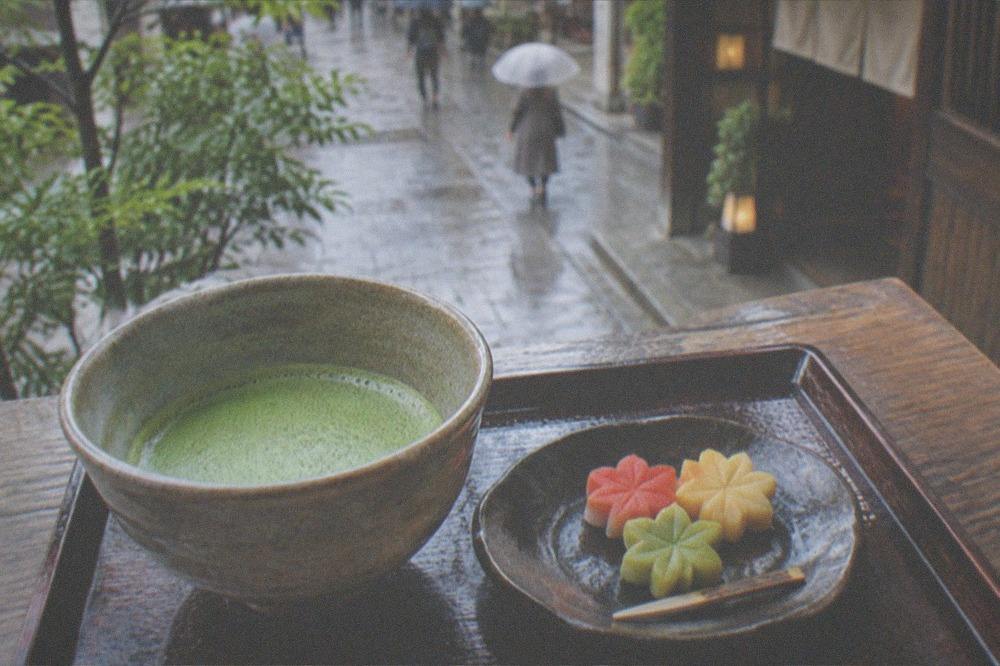
For dessert, Kyoto's matcha culture is on your side. Traditional wagashi sweets are built from bean paste, rice flour, sugar and matcha, and the city's tea houses and matcha cafes serve them by the tray. Check for the small minority that contain dairy, but the classical versions predate dairy use in Japan entirely.
Is A Vegetarian Kaiseki Meal Possible In Kyoto?
Yes. Hyotei, by Nanzen-ji, prints its own menu: kaiseki from 31,625 yen at lunch and from 37,950 yen at dinner in the main building, while the same kitchen's annex serves asa-gayu at 5,445 yen and a Shokado bento at 7,260 yen. Those are Hyotei's prices alone, not a city average, but they show the spread: the full course opens above 30,000 yen, the annex dishes under 8,000.
Kaiseki, the multi-course seasonal meal at the heart of Kyoto dining, is not automatically vegetarian, but vegetarian kaiseki exists in two forms. The first is shojin kaiseki, the temple-derived full course built entirely without fish or meat, served at specialist restaurants and temple dining rooms. The second is an ordinary kaiseki kitchen that will prepare a vegetarian version when asked at booking, which is common practice for a cuisine built around the season's vegetables anyway.
The price question deserves the honest treatment, because most guides dodge it. One of Kyoto's most famous kaiseki houses publishes its own prices, tax and service included, and they are worth reading as a calibration rather than a quote for the whole city:
| Hyotei dish | Price, tax and service included | Where and when |
|---|---|---|
| Kaiseki course, lunch | from 31,625 yen | Main building, 12:00 to 15:00 |
| Kaiseki course, dinner | from 37,950 yen | Main building, 17:00 to 21:30 |
| Asa-gayu morning porridge | 5,445 yen | Annex, 16 March to 30 November |
| Shokado bento | 7,260 yen | Annex, 12:00 to 14:00 |
Those figures are Hyotei's alone, on Hyotei's own page, and bookings there are taken from two people. Never read them as "what kaiseki costs in Kyoto", because no such citywide figure exists on any verified source. What they do show is the shape of the market: the temple-adjacent annex tradition of simple morning porridge is one of the best-value vegetarian-friendly meals in the city, while the full course at the same address is a once-a-trip occasion. A vegetarian visitor wanting the ceremony of kaiseki without the bill should look at shojin set meals at temple restaurants, which occupy the middle ground.
How Does A Vegan Differ From A Vegetarian In Kyoto?
A vegan must go one step further than a vegetarian in Kyoto and check for egg, dairy and the fish-based dashi in the same dishes a vegetarian already checks, and the temple tradition is again the safest ground, since classical shojin-ryori predates eggs and dairy in Japanese cooking and uses neither. The main vegan traps are egg in tamago dishes, mayonnaise on Western-style food, and mirin or stock in otherwise plant-based simmered dishes.
The classical shojin kitchen is effectively vegan by default. Temples were cooking this way centuries before dairy entered the Japanese diet at all, and eggs were not part of the monastic table either. A vegan who books a shojin meal, or orders tofu, yuba, sesame and vegetable dishes with kombu dashi confirmed, is eating from a tradition that matches their requirements almost exactly. The exceptions to verify are modern additions: some restaurants now enrich shojin-style dishes with egg, and some sweets use dairy in Westernised versions.
Vegans should be slightly more careful with matcha desserts, since the parfait and soft-serve culture around Kyoto's tea houses leans heavily on milk and cream, and with anything labelled "mayo", which in Japan means egg mayonnaise. The pure wagashi tradition, bean paste and rice flour sweets served with matcha, remains the reliable choice. For a full picture of the city's tea culture, the Kyoto tea ceremony guide covers where the sweets fit into the ritual.
When Is The Best Season For Vegetarian Food In Kyoto?
Spring and autumn are the strongest seasons for vegetarian eating in Kyoto, because the city's kitchen is built around seasonal vegetables and both peaks bring new ingredients: bamboo shoots and spring greens from late March, and mushrooms, chestnuts and persimmons from late October. The JMA 1991-2020 normals put April rainfall at 117.0 mm against November's 73.9 mm, and November's mean temperature at 12.5 C, comfortable walking weather for a food-centred itinerary.
The seasonal logic of shojin-ryori means the menu changes under your feet. In spring, takenoko, bamboo shoots, appear in every serious kitchen, and the mountain vegetable season, sansai, brings ferns and shoots that only exist for a few weeks. In autumn, the matsutake season is the culinary event of the Kyoto year, and even a modest vegetable tempura plate changes character when the mushrooms arrive. Summer brings chilled tofu and cold noodles; winter is yudofu season, and a simmering pot of tofu in a temple-side restaurant is one of the best cold-weather meals in Japan.
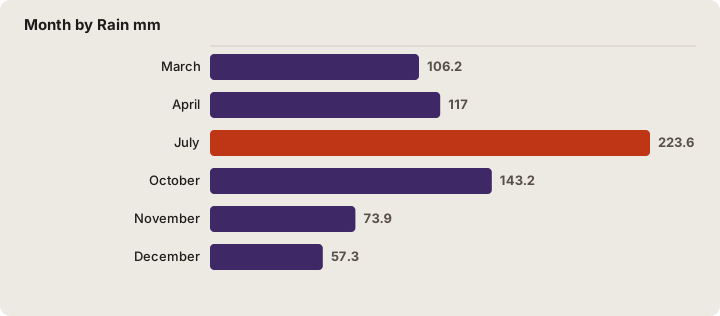
The climate data backs the food calendar. The JMA 1991-2020 normals for Kyoto, station 47759, show the wettest month is July at 223.6 mm, with June close behind at 199.7 mm, so the plum rain season is the least comfortable stretch for walking between meals. Autumn is drier and the gardens are at their best. For the timing question in full, including the cherry-blossom and foliage windows, see the Kyoto weather guide.
| Month | Mean C | Rain mm | Vegetarian kitchen highlight |
|---|---|---|---|
| March | 8.8 | 106.2 | Spring greens, first bamboo shoots |
| April | 14.4 | 117.0 | Takenako, sansai mountain vegetables |
| July | 27.3 | 223.6 | Chilled tofu, cold noodles, peak heat |
| October | 18.4 | 143.2 | Early mushrooms, persimmon |
| November | 12.5 | 73.9 | Matsutake, chestnuts, yudofu season begins |
| December | 7.2 | 57.3 | Full yudofu and hot-pot season |
Can A Guided Tour Help A Vegetarian Eat Better In Kyoto?
Yes, and in two specific ways: a guide can read every menu and interrogate the dashi question on your behalf, which solves the fish-stock problem at a stroke, and a cooking class teaches the vegetarian dishes themselves, so you leave able to make sesame tofu or a washoku bento at home. A guided food walk through downtown or an izakaya crawl with a local turns the language barrier from a daily negotiation into a non-issue.
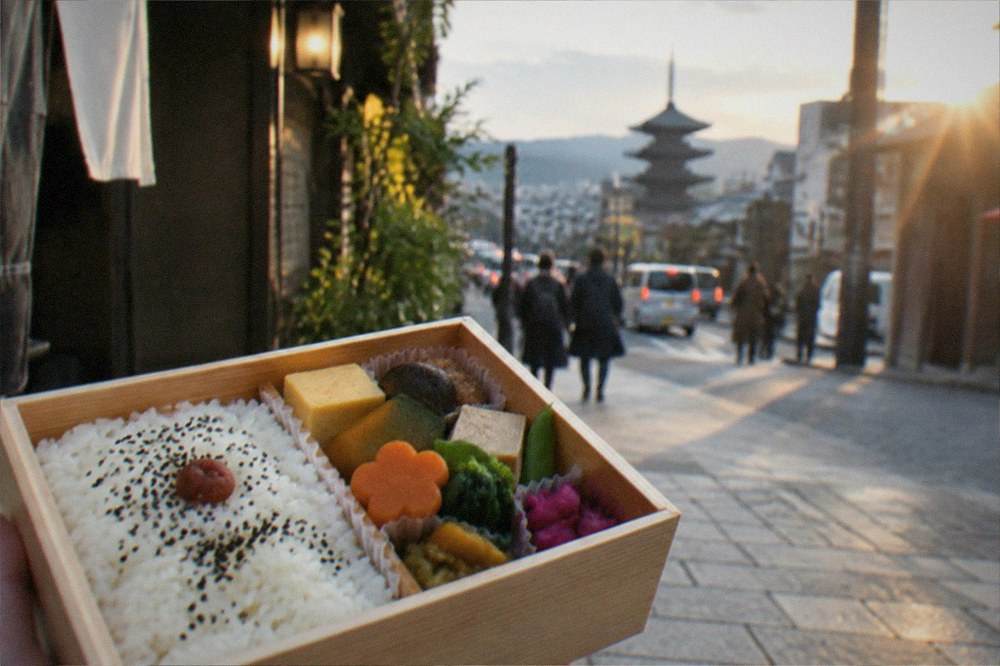
The strongest fit for a vegetarian is a hands-on class, because Japanese washoku cooking at its base is vegetable technique: dashi from kombu and shiitake, seasonal sides, rice and pickles arranged as a bento. A small-group class where you cook the meal yourself means every ingredient passes through your own hands, which is the ultimate guarantee for a strict vegetarian or vegan. For evenings, a guided crawl through the izakaya lanes around Kawaramachi works well, since a guide knows which kitchens keep a kombu-only stock and which do not.
How Do You Build A Vegetarian Food Itinerary In Kyoto?
Build the days around food districts rather than single restaurants: dedicate one morning to Nishiki Market for ingredients and snacks, one lunch to a temple area such as Nanzen-ji or Arashiyama for tofu, one evening to downtown Kawaramachi for izakaya and noodles, and one full course, either shojin or a bento class, as the trip's centrepiece. Anchor the meals to a walking itinerary like a four or five day plan so the eating and the sightseeing share the same geography.
A workable shape for a first visit: start mornings at a market or a temple, because both are at their best before the crowds build, and eat lunch in the same district before moving on. The city's tourism association runs a crowd comfort forecast that predicts congestion at major spots by time slot, which is genuinely useful for choosing when to eat near the busy temple areas. Afternoons suit tea and sweets, and evenings suit the downtown lanes, where the best restaurants and the standing bars cluster together.
For the full framework, the four days in Kyoto and five days in Kyoto itineraries can be read with a vegetarian lens: swap the restaurant stops for the tofu houses and temple kitchens in this guide, and keep the walking routes as written, since they already connect the food districts sensibly.
What Are The Common Mistakes Vegetarians Make In Kyoto?
The most common mistakes are assuming a dish is vegetarian because it looks vegetarian, which fails on dashi fish stock; skipping the temple dining rooms, which are the city's most reliable vegetarian kitchens; treating Nishiki Market as a sit-down lunch venue rather than a shop-where-you-eat-at-the-stall experience; and not booking the one full shojin meal of the trip in advance, since the best rooms are small and reservation-only.
The dashi mistake deserves repeating because it accounts for most genuine disappointments. A bowl of udon in clear broth, a piece of tofu in simmering liquid, a plate of vegetables in a glossy sauce, all can hide bonito. The fix is one word, dashi, asked with a questioning tone, or in a fuller phrase, "dashi wa kombu desu ka", is the stock kombu? Kitchens used to Buddhist customers understand the question immediately.
The second mistake is underusing the temples. Visitors treat temple food as a curiosity and then hunt for vegetarian options in ordinary restaurants, which is working against the grain of the city. The temple areas of Nanzen-ji, Tenryu-ji and Daitoku-ji are where the vegetarian tradition is deepest and the kitchens most practiced at it. The third mistake is timing: Nishiki's shops keep individual hours with no unified schedule, roughly 9 or 10:00 to 17 or 18:00, so late-evening market plans fall flat, and the market asks visitors to eat at the stall rather than while walking.
Common Questions About Vegetarian Food In Kyoto
Why Is Kyoto The Easiest Japanese City For Vegetarians?
Because shojin-ryori, the vegetarian temple cuisine, was refined in Kyoto's Zen monasteries over centuries, leaving the city with a tofu, sesame, yuba and seasonal-vegetable tradition that no other Japanese city matches. Its most famous dishes are plant-based at their root.
Is shojin-ryori suitable for vegans?
Classical shojin-ryori uses no meat, no fish and no dairy, and predates both dairy and eggs in the Japanese monastic kitchen, so it is essentially vegan by default. Confirm with the specific kitchen, since some modern versions add egg.
What is the hidden fish ingredient vegetarians should watch for?
Dashi stock, traditionally made with kombu kelp and katsuobushi, dried bonito flakes. It hides in miso soup, noodle broths, simmered dishes and sauces. Ask what the dashi is made from, or order shojin food, which uses kombu or shiitake stock.
Is yudofu vegetarian?
Yudofu is simmered tofu, and it is vegetarian when the broth is kombu-based, which is the traditional preparation. Confirm the stock at the specific restaurant before ordering, since some kitchens use a blended dashi.
Can you eat vegetarian at Nishiki Market?
Yes, though it is a shopping street of individual stalls rather than a restaurant row. Shops keep their own hours, roughly 9 or 10:00 to 17 or 18:00, stalls ask you to eat at the stall rather than while walking, and yuba, pickles and sesame products are the reliable vegetarian finds.
Do you need to book vegetarian meals in Kyoto in advance?
For a full shojin or kaiseki course, yes, the best rooms are small and reservation-only, and some famous houses take bookings only from two people. Casual tofu restaurants and market stalls need no booking.
Where To Read Next
The guides that pick up from here are the Kyoto food guide for the wider local kitchen, the matcha guide for the tea and sweets side, and the homepage for transport, passes and accommodation basics, with the full sightseeing map on the things to do page. A vegetarian who arrives knowing the word dashi, books one temple meal, and lets the seasons pick the vegetables will eat as well in Kyoto as anywhere in Japan.
Kyoto's vegetarian story sits inside a wider food culture, and the surrounding guides pick it up from here. The Kyoto food guide covers the full local kitchen, the matcha guide handles the tea and sweets side, and Kyoto Travel Guide holds the transport, pass and accommodation basics, while the things to do in Kyoto page maps the sights around the meals.
For a deeper dive on the temple cuisine this page introduces, the tofu and shojin-ryori tradition has its own story worth following, from the monastery kitchens of Daitoku-ji to the annex porridge counters of the kaiseki houses.
If a class rather than a crawl fits your trip better, the small-group washoku bento session above is the one to check first: it puts the dashi question in your own hands, which is the single most useful skill a vegetarian can take home from Kyoto.
However many days you give the city, the vegetable kitchen will be waiting: book the temple lunch early, carry the word dashi, and let the season decide the rest.