How Do You Reserve Saiho-ji, The Kokedera Moss Temple, In Kyoto, And How Far In Advance?
Saiho-ji, the kokedera or moss temple, is the one famous Kyoto garden you cannot simply walk into. Here is how its reservation system works, what the visit involves, and what to do if you cannot get a date.
Short answer
Saiho-ji handles reservations by post rather than selling walk-up tickets, which is why every Kyoto planning guide tells you to arrange it before you leave home. Apply as early as your travel dates allow, confirm the current procedure and entry offering on the temple's own site, and have a backup garden ready in case your preferred day is full.
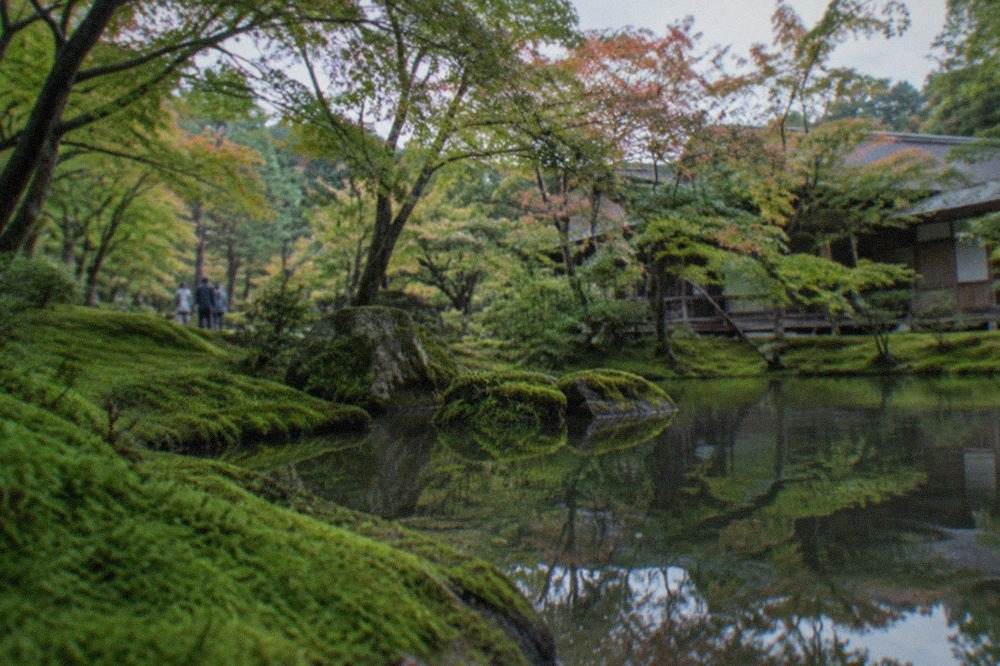
Saiho-ji is the garden that changed how the world thinks about moss. Known universally as the kokedera, the moss temple, it sits in the hills of western Kyoto, and its sea of more than a hundred moss species rippling around a small pond has made it one of the most sought-after garden visits in Japan. The catch is simple and famous: you cannot buy a ticket at the gate. The temple takes reservations by post, and it has done so for decades, which means a visit has to be arranged before you leave home rather than on the day. This page sets out how that system works in practice, what the visit actually involves, how the cost sits against Kyoto's other famous temples, and what to do with your morning if the answer comes back fully booked.
How Do You Reserve Saiho-ji, The Kokedera Moss Temple, And How Far In Advance?
Saiho-ji does not sell walk-up tickets: the temple takes reservations by post, so the visit has to be arranged before you travel. Apply as early as your dates allow, well ahead of your trip, and confirm the current procedure, the required lead time and the entry offering directly on the temple's own site before you send anything, because the details are the temple's to set and they change.
The reason this page will not print a fixed booking window is honesty, not coyness. The temple controls its own reservation rules, and the verified fact pack behind this site does not carry Saiho-ji's current lead time or offering amount, so the only safe instruction is to read the temple's own site and follow exactly what it says there. What can be said with confidence is the shape of the process. You write to the temple in advance, you state the date and the number of visitors, and the temple confirms your visit by return. It is a system built for letters, not for apps, and it works the way it has always worked.
How far in advance, then? The honest answer is: as far as your travel dates permit. Because the temple caps the number of people it admits each day, and because the moss is at its best in the rainy season and the autumn colour season, the popular weeks fill first. A traveller with fixed June dates should apply the moment those dates are fixed. A traveller with flexible dates has an easier problem, and should propose a first and second choice of day in the application if the temple's instructions allow it.
A few practical notes that hold regardless of the current details. Applications are per person, so a family or a small group applies together in one letter rather than each member writing separately. The temple asks visitors to arrive for the start of their allotted time, not to drift in mid-morning, because the visit begins with a seated activity rather than free wandering. And if your Japanese post is slow or your trip is close, the temple's own site is the place to check whether any faster route now exists, because this page will not invent one.
Why Does The Kokedera In Kyoto Limit Visitors At All?
The moss itself is the reason. A garden built from hundreds of moss species growing in a shallow pond basin is fragile under foot traffic, and the temple chose decades ago to cap daily numbers and require a reservation rather than let the garden be loved to death. The same logic appears across Kyoto at other fragile or living sites, from the Imperial Household Agency's guided villas to temples that ticket their gardens separately from their halls.
The comparison that makes this make sense is the rest of Kyoto. The city drew a record 62.79 million visitors in 2025, according to the city's own tourism survey released in June 2026, and the day-visitor count alone reached 46.20 million. A garden that can absorb that flow is a garden made of stone and gravel. A garden made of moss is not. The temple's reservation system is not a marketing device or an exclusivity play, it is conservation, and the moss you see today exists in that state because of it.
The pattern repeats across the city's most delicate sites, and it is worth seeing it as one system. The Imperial Household Agency runs Katsura Imperial Villa as a guided tour only, at 1,000 yen for visitors 18 and over, free for ages 12 to 17, with advance application online or at the office, or same-day numbered tickets at the villa entrance. Shugakuin Imperial Villa is also guided, also free, and admits adults only: under-18s, including infants, are not admitted. The Kyoto Imperial Palace sits at the open end of the same spectrum, stating plainly that it is open to all visitors with no advance application. Saiho-ji's by-post system is simply the oldest and most manual version of a rule Kyoto applies everywhere something living or irreplaceable is on show.
| Kyoto site | Entry system | Verified cost | Who runs it |
|---|---|---|---|
| Saiho-ji (kokedera) | Reservation by post, no walk-up sales | Confirm with the temple | The temple |
| Katsura Imperial Villa | Guided tour, advance application or same-day tickets | 1,000 yen, 18 and over; free 12 to 17 | Imperial Household Agency |
| Shugakuin Imperial Villa | Guided tour, advance application or same-day tickets | Free, 18 and over only | Imperial Household Agency |
| Kyoto Imperial Palace | Open to all, no advance application | Free | Imperial Household Agency |
| Kinkaku-ji | Walk-up ticket | 500 yen adult, 300 school | The temple |
| Fushimi Inari Taisha | No ticket at all | Free | The shrine |
What that table shows is that Kyoto's entry systems run on a sliding scale of fragility, and the moss temple sits at the strict end. If you are planning a wider trip, the practical move is to treat every row of it as a booking question rather than an assumption. The villas need applications, the moss temple needs a letter, and almost nothing else in the city does.
If your Kyoto days are short and you would rather someone else handle the logistics of the famous sites, guided days cover a lot of ground efficiently.
What Does A Visit To Saiho-ji Actually Involve?
A visit to the kokedera is not a walk-in garden tour: it begins with a seated session in the temple hall, copying a sutra or tracing its characters, before the garden opens to you. You then move through the moss garden and up the hillside path above it. Plan on a slower, quieter half-day than a normal temple visit, and check the temple's own site for what the seated session currently involves.
The seated opening is the part most first-time visitors do not expect, and it is the reason the temple asks everyone to arrive on time. Visitors sit in the temple hall, are given brushes and paper, and trace or copy a sutra, with those who cannot or prefer not to simply resting through the session. No prior knowledge of Japanese is needed and nothing is graded. It functions as a deliberate slow door between the street and the garden, and by the time you step down into the moss, the volume of the day has already dropped.
The garden itself is organised around a small pond shaped to read as the Chinese character for heart, viewed from a path that climbs the hillside above it. From the upper path you look down across the whole moss expanse, which is the view most photographs are taken from, and then descend to walk the pond edge at moss level. The experience is close and quiet rather than grand. Where Ryoan-ji confronts you with fifteen stones in raked gravel, and the Zen gardens covered in our Kyoto Zen gardens guide work through abstraction, the kokedera works through mass: one texture, everywhere, in a hundred shades of green.
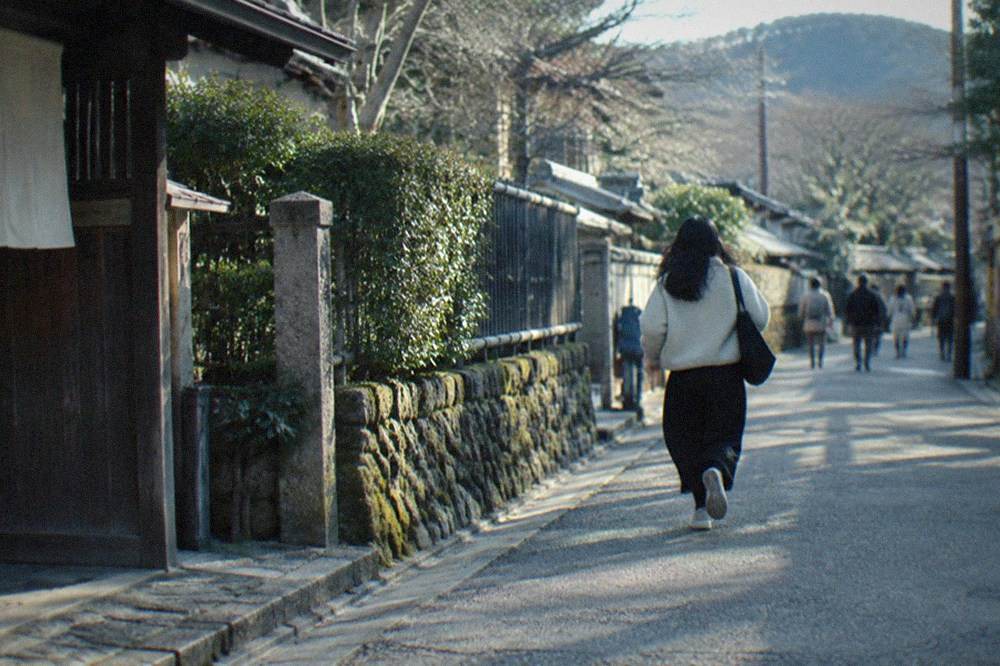
Because the visit is seated and slow, dress for sitting on tatami and for the weather, and leave the large luggage behind. Kyoto's buses may refuse bulky bags on crowded services, a rule the city encourages, and the city's hands-free luggage delivery network exists precisely for days like this. A small day bag is the right size for this temple.
Photography is generally accepted in the garden, but the seated session is a religious activity, not a photo opportunity, and the temple's own guidance on the day governs both. The temple is an active religious institution first and a garden second, and the reservation letter is, in effect, an invitation into someone's place of worship.
How Much Does The Kokedera Cost Compared With Kyoto's Other Temples?
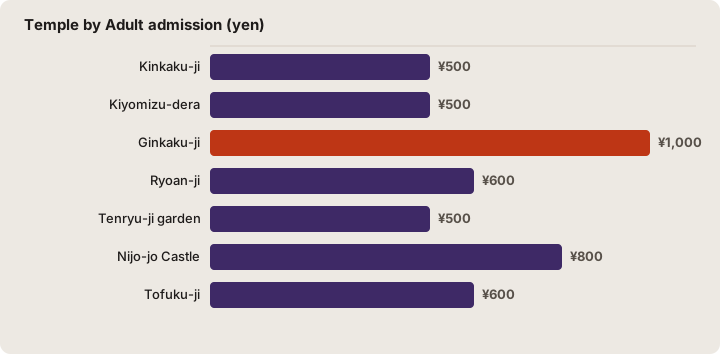
The honest answer is that Saiho-ji's entry offering is not printed in this site's verified fact pack, so confirm the current amount on the temple's own site when you reserve. For context, Kyoto's walk-up temples run from 500 yen at Kinkaku-ji and Kiyomizu-dera to 1,300 yen for Nijo-jo Castle with its palace, and the reservation-only Katsura Villa charges 1,000 yen, so the kokedera sits somewhere in the same modest band rather than in a class of its own.
That comparison table is worth having in front of you, because Kyoto's temple fees changed in 2026 and older guides are now wrong in at least two places. Ginkaku-ji doubled its adult admission from 500 to 1,000 yen from 1 April 2026, the temple's first rise in 32 years, and Tofuku-ji revises its fees on 1 November 2026, with the Hojo garden going from 500 to 600 yen and a new 1,000 yen combined ticket. Anyone budgeting from a 2024 or 2025 article is working from a stale price list.
| Temple | Adult admission | Change to know about |
|---|---|---|
| Kinkaku-ji | 500 yen | Set 1 April 2023, unchanged since |
| Kiyomizu-dera | 500 yen | Single source, the temple does not print it |
| Ginkaku-ji | 1,000 yen | Doubled from 500 on 1 April 2026 |
| Ryoan-ji | 600 yen | Stable |
| Tenryu-ji garden | 500 yen | Buildings plus 300, Hatto ceiling 500 separately |
| Nijo-jo Castle | 800 yen | 1,300 yen with Ninomaru-goten Palace |
| Tofuku-ji | 600 yen | Hojo to 600 and combined 1,000 from 1 Nov 2026; Tsutenkyo 1,000 in foliage season |
| Saiho-ji | Confirm with the temple | Included in the reservation, not a walk-up ticket |
The budgeting point for the moss temple is therefore not the amount, which is modest by the standards of the table above, but the timing. A walk-up temple fee is paid on the day out of your pocket. Saiho-ji's offering is part of an arrangement made by post weeks or months earlier, so it belongs in the pre-departure part of your budget, alongside your rail bookings, not in the daily spending pile.
It is also worth knowing what the fee buys you elsewhere in the city, because Kyoto's temple charges are not uniform in what they cover. At Tenryu-ji the garden, the buildings and the Cloud Dragon ceiling are three separate tickets. At Nijo-jo Castle the 800 yen entry does not include the Ninomaru-goten Palace, which takes it to 1,300 yen, or the Honmaru Palace, which needs its own advance reservation and a further 1,000 yen. The kokedera's single reservation, by contrast, covers the whole visit: the seated session and the garden together.
How Do You Get To Saiho-ji From Central Kyoto?
Saiho-ji sits in the western hills of Kyoto, reached by a combination of rail and a walk or a short bus ride, with the last stretch on foot through a residential district. From Kyoto Station the fare is a few hundred yen each way; the city bus flat fare is 230 yen and the subway runs 220 to 360 yen by zone, with the Subway and Bus One-Day Pass at 1,100 yen covering unlimited use of both for a day.
The exact fare depends on your route, and the verified figures this site holds are the city-wide ones: the Kyoto City Bus flat fare is 230 yen for adults and 120 yen for children, the subway runs 220 to 360 yen for adults by zone, and the Subway and Bus One-Day Pass costs 1,100 yen for adults and 550 yen for children. If the moss temple is one stop on a day that also takes in Tenryu-ji in Arashiyama or the western temples, the pass usually pays for itself in three or four rides. Note that the old bus-only one-day pass no longer exists: sales ended in September 2023 and the last day of use was 31 March 2024, so any guide still recommending it is years out of date.
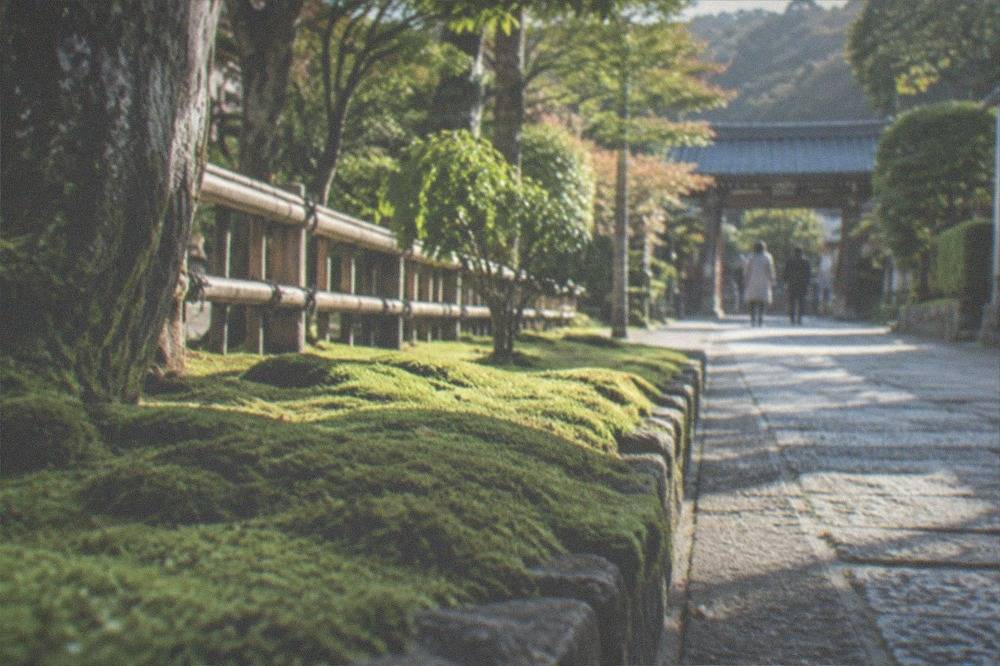
Two practical warnings for the day. First, the temple is in the hills, and the walk from the nearest rail station is uphill at the end, so build in time and reasonable shoes. Second, do not plan the moss temple and a tight afternoon connection back to back: the seated session runs on the temple's clock, not yours, and a visit that starts late ends late. Other pages covering the same trip are gathered on Kyoto Travel Guide.
If you would rather spend the day in Kyoto's northern mountains with a guide handling the trains, the Kurama and Kibune hike covers similar hill-temple country at walking pace.
When Is The Best Time To See The Kyoto Moss Garden?
The moss is at its best in and just after the rainy season, because the green needs moisture, and the JMA 1991-2020 normals put Kyoto's wettest month in July at 223.6 mm, ahead of June at 199.7 mm. The second peak is late autumn, when the maples above the moss turn, and the JMA normal for Kyoto's maple red leaves is 5 December, far later than most guides claim.
The moss table is the one to plan from. Kyoto's rain builds from spring through the rainy season, and the garden's green is deepest when that water has been falling for weeks. The trade-off is simple: the best moss weeks are the humid, wet ones, with July averaging a mean daily maximum of 32.0 C and August 33.7 C, and three of Kyoto's six hottest days on record fell in the summers of 2024, 2025 and 2026. Go for the green, and pack for heat and showers.
| Month | Rain, mm | Mean daily max, C | What it means for the moss |
|---|---|---|---|
| March | 106.2 | 14.1 | Waking up, pale |
| April | 117.0 | 20.1 | Fresh green under cherry season crowds |
| June | 199.7 | 28.1 | Deep, saturated green, rainy season |
| July | 223.6 | 32.0 | Wettest month, moss at its peak, hot |
| September | 178.5 | 29.2 | Late-summer green, typhoon risk |
| November | 73.9 | 17.3 | Maple colour above the moss |
| December | 57.3 | 11.6 | Dormant, quiet, needs rain to shine |
The autumn argument is different but strong. The JMA's normal date for the maple's red leaves at its Kyoto observatory is 5 December, with last year's observed date 10 December, and the 2026 forecasts put the Arashiyama-area peak around late November. Because the kokedera's maples stand above a carpet of green rather than bare earth, the colour season here is a two-layer composition you do not get at Eikan-do or the other famous foliage temples. The temple's own calendar, not this page, sets whether it runs any special autumn arrangements, so check before you commit your letter to a November date.
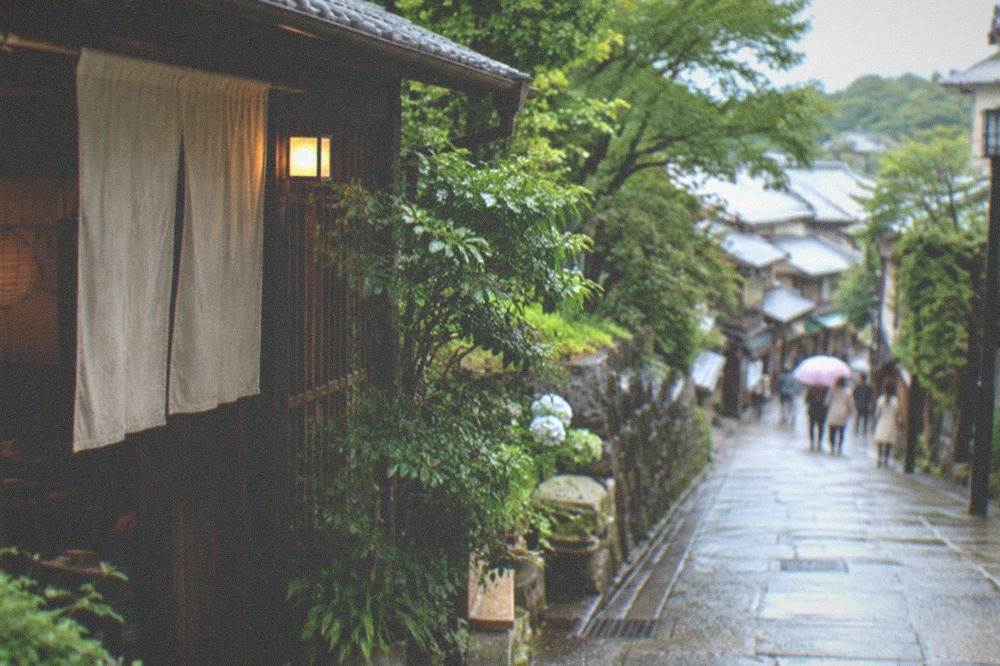
Winter is the honest third choice. The moss lies dormant and brown-green, the crowds are thin, and the JMA normals give January as both the coldest month, mean 4.8 C, and the driest, 53.3 mm. A winter visit is a real visit, just a different one, and our Kyoto in winter coverage makes the case for it across the city.
What If You Cannot Get A Reservation: Kyoto Alternatives
If the kokedera is full, the strongest substitutes are Kyoto's other reserved or semi-reserved gardens: Katsura Imperial Villa's guided tour at 1,000 yen for adults, Shugakuin's free guided tour, and the walk-up Zen gardens at Ryoan-ji, Tenryu-ji and the Philosopher's Path temples, all reachable without any advance paperwork. None has the moss, but several share the quiet, capped, unhurried character that draws people to Saiho-ji in the first place.
The closest match in spirit is Katsura Imperial Villa, and the comparison is exact enough to plan around. Both cap their numbers, both require arrangement rather than a gate ticket, and both deliver a garden at walking pace with an enforced quiet. The Imperial Household Agency's system is more modern than the temple's post, with online application and same-day numbered tickets at the entrance for those with ID, so a traveller who missed the moss temple's window can still land a reserved garden on the day. The villa's tour runs about 60 minutes, and it closes Mondays.
| Alternative | Reservation needed | Cost | Why it works as a substitute |
|---|---|---|---|
| Katsura Imperial Villa | Yes, or same-day tickets | 1,000 yen, 18 and over | Capped, guided, quiet, a stroll garden |
| Shugakuin Imperial Villa | Yes, or same-day tickets | Free, 18 and over only | Vast guided villa gardens, no crowds |
| Ryoan-ji | No | 600 yen | The other great Zen garden, 8:00-17:00 in season |
| Tenryu-ji | No | Garden 500 yen | World Heritage garden in Arashiyama |
| Nanzen-ji Hojo garden | No | 600 yen | Zen garden plus the great aqueduct |
| Philosopher's Path walk | No | Free | Open, free, uncapped, any hour |
For a day built around gardens rather than one garden, the walk from Ginkaku-ji down the Philosopher's Path past Nanzen-ji is the uncapped counterweight to everything above: free, open, and self-guided, with two paid gardens on the route if you want them. And if rain is the reason your plans are soft, the Kyoto rainy day guide has a full itinerary, including the point that rain is the moss temple's weather, not its enemy.
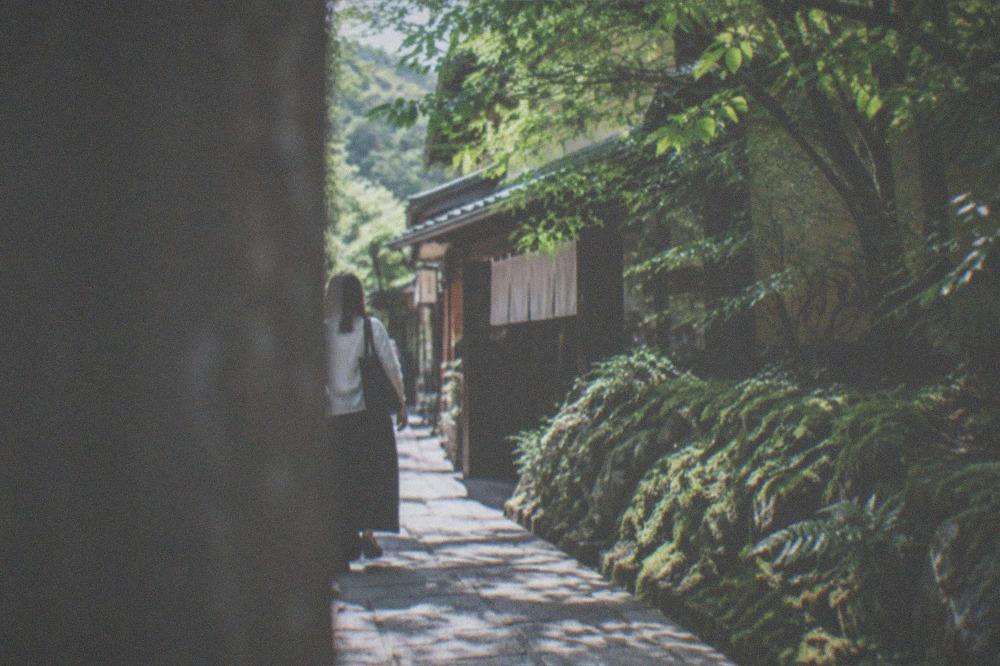
One more substitute worth naming, because it shares Saiho-ji's hill-temple setting rather than its garden style: Kurama and Kibune in the northern mountains, a train ride out of the city into cedar forest and a mountain shrine. It needs no reservation at all.
What Should You Know Before You Write The Reservation Letter?
Three things make the application work: follow the temple's own current instructions exactly, propose your date clearly with the number of visitors, and send it early enough that a refusal still leaves you time to re-plan. Everything specific, the address, the lead time, the offering, the format, lives on the temple's own site and should be read there in the days before you write, because this page will not freeze those details into print.
The letter itself is not a test. State who you are, how many people, and the date or dates you can come, in the form the temple's site asks for, and include whatever return arrangement it specifies. Travellers writing from outside Japan should allow for international post both ways, which is the strongest argument for sending the application the week your dates firm up rather than the month before you fly. If the temple's site offers any confirmation route that is faster than post for overseas visitors, that is the temple's announcement to make, not this page's guess.
A short checklist for the envelope: the date, with a second choice if the instructions allow it; the number in your party; your contact address for the reply; and whatever the temple's current page asks to be enclosed. Nothing else is needed, and nothing here should be improvised, because the temple's instructions are the only ones that count.
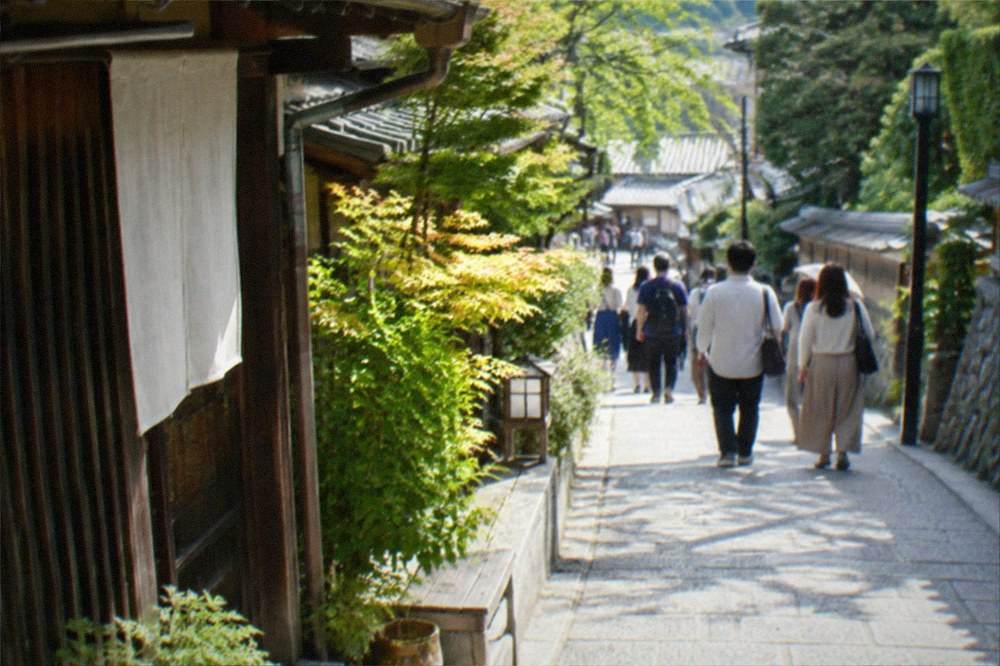
For the wider trip, the same rule applies everywhere in this city: the sites that need arrangement are few, and they are listed on this page. Everything else in our things to do in Kyoto overview is walk-up, and the reserved items, the moss temple, the two villas, Nijo-jo's Honmaru Palace, are best booked in one sitting at home before the trip rather than discovered one by one in Kyoto.
If your days are filling up and you would rather lock in a fully guided alternative now, these three cover the ground comfortably.
Between the reservation letter and the visit itself, the days in between still need filling, and the one-day bus circuit that strings Fushimi Inari, Kinkaku-ji and the Arashiyama bamboo grove together is the most efficient way to see the walk-up half of the city while the post does its work.
Common Questions About Saiho-ji, The Kokedera Moss Temple
How Do You Reserve Saiho-ji, The Kokedera Moss Temple, And How Far In Advance?
The temple takes reservations by post rather than selling tickets at the gate. Apply as early as your travel dates allow, and read the temple's own site first for the current procedure, lead time and entry offering, because those details are the temple's to set and they are not printed here.
Can You Visit Saiho-ji Without A Reservation?
No. The temple does not sell walk-up admission, and there is no same-day ticket window. This is the same pattern as the Imperial Household Agency's villas, though those at least offer same-day numbered tickets, which the moss temple does not.
How Much Does The Kokedera Cost?
The current entry offering is not in this site's verified fact pack, so it must be confirmed with the temple when you reserve. For scale, Kyoto's walk-up temples charge between 500 yen at Kinkaku-ji and 1,300 yen for Nijo-jo Castle with its palace, and the reserved Katsura Imperial Villa charges 1,000 yen for adults.
What Happens During The Visit?
The visit opens with a seated sutra-tracing session in the temple hall, which requires no Japanese and nothing more than patience, followed by the moss garden itself, walked at your own pace, with a hillside path above the pond. Plan a slow half-day.
When Is The Moss At Its Best?
In and just after the rainy season. The JMA 1991-2020 normals show July as Kyoto's wettest month at 223.6 mm, ahead of June at 199.7 mm, so late June into July gives the deepest green, with the maple season from late November giving the best colour above the moss.
What If The Kokedera Is Fully Booked?
Book Katsura Imperial Villa, a guided 1,000 yen tour for adults, or Shugakuin Imperial Villa, free and guided for visitors 18 and over, both through the Imperial Household Agency, or fall back on the walk-up Zen gardens at Ryoan-ji, Tenryu-ji and Nanzen-ji, none of which needs any paperwork.
The moss temple rewards exactly the kind of traveller it selects for: the one who writes the letter. Plan it early through the temple's own site, hold a garden or two in reserve from the table above, and let the rest of the city, which asks nothing of you at the gate, fill the days around it.